REVIEW · KYOTO
Full Day Biking Tour Exploring the Best of Kyoto
Book on Viator →Operated by Cycle Kyoto · Bookable on Viator
Pedal Kyoto like a local.
This full-day bike tour is built for seeing a lot of the city in a small group without feeling stuck on a bus, and you get the bonus of real street-to-temple motion. I like that you cover major highlights—Kinkaku-ji (Golden Pavilion), Gion, and Fushimi Inari-taisha—while still slipping through quieter neighborhoods along the way.
Two things I particularly like: the mix of big, famous stops with less-visited religious sites, and the way the ride stays manageable thanks to short sightseeing windows and an easy route plan. You’ll also get a proper lunch plus bottled water, which matters in Kyoto when a full day of walking can turn into a snack-only day.
One thing to consider: it’s a long day, and you do need moderate physical fitness and comfort on a bike. Expect to feel it in your legs by the end—this isn’t a casual “cruise and coast” outing all day.
In This Review
- Key highlights you’ll feel right away
- Why biking is such a smart way to see Kyoto’s spread-out sights
- Cycle Kyoto start: getting fitted and set up near the station
- Nishi Honganji and Kitano Tenmangu: old wood, local rituals, quiet mood
- Kinkaku-ji (Golden Pavilion) plus the imperial past ride
- Gion by bike: catching the vibe without getting swallowed by the crowds
- Tofuku-ji’s bridge views and Fushimi Inari’s torii maze strategy
- How hard is it, really: 7 to 8 hours on a bicycle
- Lunch and bottled water: the included meal that actually helps
- What $119.38 is paying for in a Kyoto day
- The guide makes it: how real storytelling changes the ride
- Who this biking tour suits best
- Should you book this full-day Kyoto biking tour?
- FAQ
- How long is the full-day Kyoto biking tour?
- What is included in the price?
- Are admission tickets included for all stops?
- What is the group size?
- What age can join the tour?
- Where does the tour start and end?
- Which major sights are part of the route?
- How does the tour handle crowds at Fushimi Inari-taisha?
- What is the cancellation policy?
Key highlights you’ll feel right away
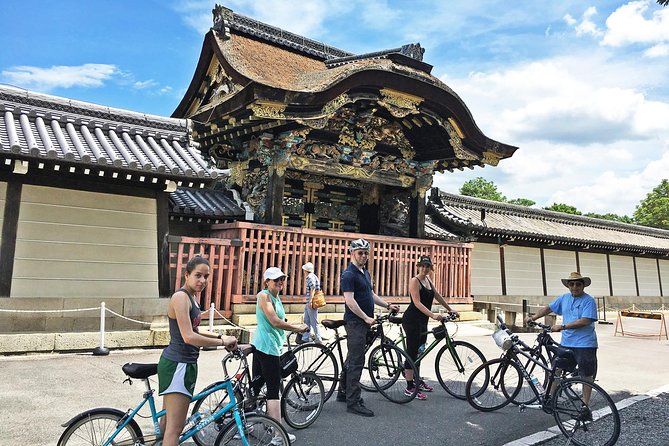
- Small group size (max 8) means more room for questions and less waiting around
- Cannondale bike + helmet takes rental stress off your shoulders
- Golden Pavilion plus calm temple stops keeps the day from turning into one big crowd
- Gion and Fushimi Inari with guided pacing helps you avoid the worst of the crush
- Lunch and bottled water included, so you’re not hunting for food mid-route
- Guide storytelling at each stop turns famous sights into places with context
Why biking is such a smart way to see Kyoto’s spread-out sights
Kyoto’s famous places don’t sit in one neat line. They’re scattered across districts, and that’s where bikes really help. You trade long commutes and constant crossing for steady progress on local streets, so you can spend your energy where it counts: at temples, shrines, and viewpoints.
The best part is that you get movement without losing the human scale. This isn’t just a “drive-by highlight reel.” Your time at each stop is short enough to keep the day flowing, but long enough to walk a bit, look closely, and get your bearings before you roll on.
You can also read our reviews of more tours and experiences in Kyoto.
Cycle Kyoto start: getting fitted and set up near the station
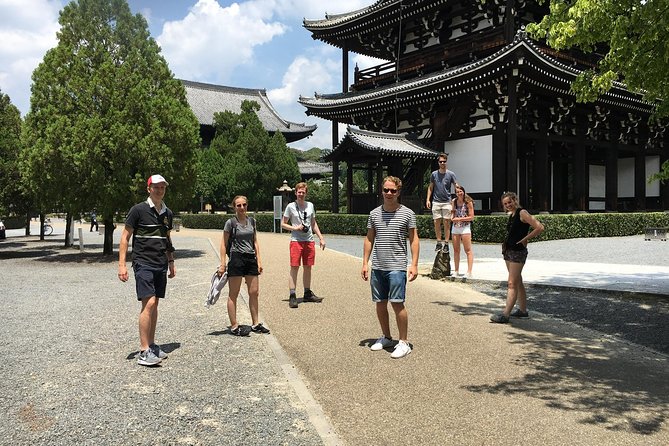
The day begins at Cycle Kyoto (7 Higashikujō Nishisannōchō, Minami Ward). It’s near public transportation, and it’s close enough to Kyoto Station that you can reasonably plan your day without a big taxi shuffle.
Once you meet your guide and the group, you’ll get your bike fitted and get moving. That first stretch matters. A well-run group tour has a rhythm: mount up, settle in, and get comfortable with the route before you hit the first religious site.
From there, the tour immediately sets a tone: you’re not starting with the most chaotic place in Kyoto. You warm up with a couple of quieter stops first, which makes the later big-name sights feel more rewarding.
Nishi Honganji and Kitano Tenmangu: old wood, local rituals, quiet mood
Stop one moves fast: you meet, fit your bike, and get ready to roll. Then you head to Nishi Honganji, described as one of the least visited religious sites in the city and also one of the largest wooden buildings in the world. Even if you don’t read every sign, you’ll feel what that means—big spaces, serious architecture, and a sense that you’ve stepped into something lived-in rather than staged for tourists.
From there, Kitano Tenmangu Shrine brings a different feel. You’ll join local shrine goers and soak in the more everyday shrine atmosphere. This is one of those stops where the “why it matters” is easier to understand when you’re not sprinting. You get about 20 minutes here, which is enough time to look around and notice how the shrine fits into normal life.
A practical benefit: these early stops help you shake out your legs. If you need the first hour to find your pace, this schedule gives you that breathing room.
Kinkaku-ji (Golden Pavilion) plus the imperial past ride
Then comes Kinkaku-ji, the world-famous Golden Pavilion. The tour includes admission here, and you get around 30 minutes on-site. That time window is ideal because you can see the main views, slow down for details, and still end up leaving before you feel trapped by the crowd.
One small, underrated perk: the experience includes commentary, and there’s even a moment to grab an ice cream and relax. That breaks the day up. It keeps you from turning Kinkaku-ji into a quick photo sprint.
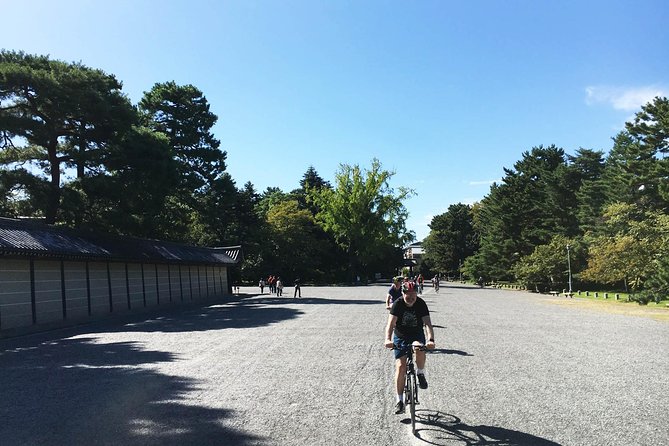
Between major stops, there’s also a ride through the grounds of a former seat of Japan’s imperial family. You won’t just pass by scenery—you learn about the past of the area, which helps the city connect in your mind. Kyoto can feel like separate postcards. This kind of in-between context stitches things together.
Gion by bike: catching the vibe without getting swallowed by the crowds
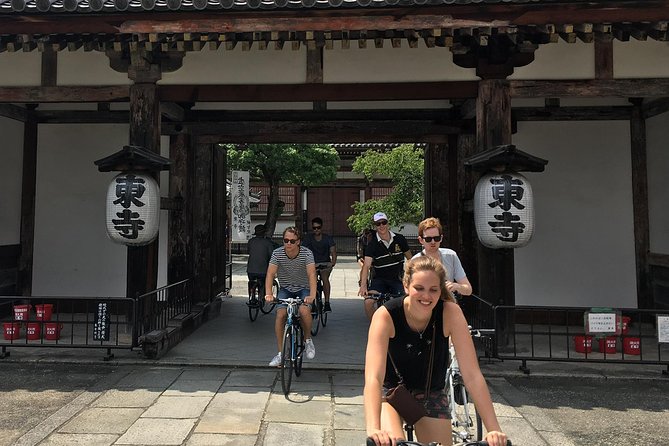
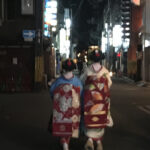
After Kinkaku-ji, you roll into Gion. You get about 15 minutes here, and the focus is the geisha district’s world. You’ll learn about the secrets of this hidden-world feeling, and there’s always the possibility of spotting entertainers, depending on timing.
Gion is one of those places where walking can feel like negotiating foot traffic every step. From a bike, you often get to experience the district’s geography a little more efficiently. You can look, pause, and move on without constantly losing your place in the crowd.
One practical note: short stop length is a tradeoff. Fifteen minutes won’t give you a deep study of every alley. But for most people, it’s a smart way to get the atmosphere and photos, then move on before you burn your whole afternoon.
Tofuku-ji’s bridge views and Fushimi Inari’s torii maze strategy
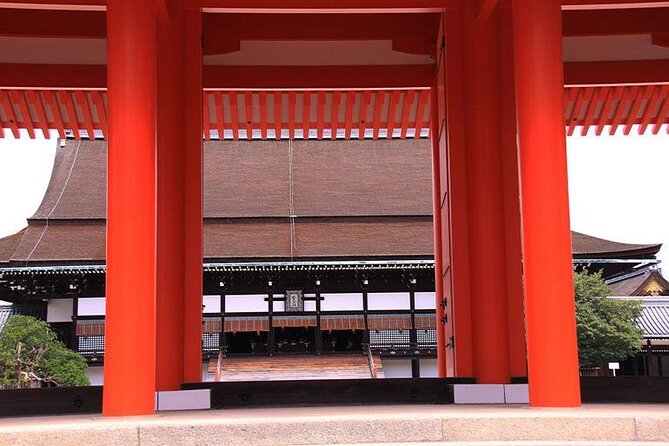
Tofuku-ji is a quick stop—around 5 minutes—but it’s built around a specific payoff: spectacular views from the bridge. Even a short visit can work if you’re going to the right place for the right angle, and this stop is clearly designed for that.
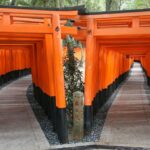
Then you finish with Fushimi Inari-taisha Shrine, Kyoto’s most visited attraction. This is where the tour’s guidance really earns its keep. The crowds at Inari can be intense, and the tour explicitly addresses navigation by having your guides pick a path between crowds so you can enjoy it instead of wrestling for space.
You’ll spend about 20 minutes here. That’s long enough to walk a meaningful section and take in the famous torii experience. One story your guide may share is the background behind the 13,000 torii gates—how they’re understood and why they exist. That kind of explanation turns the shrine from a sight you’ve seen online into a place with a real story you’ll remember.
How hard is it, really: 7 to 8 hours on a bicycle
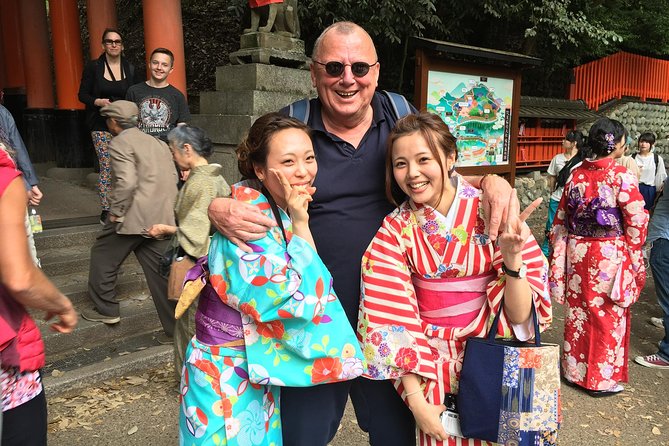
The tour is listed for about 7 to 8 hours, and it includes cycling plus short walks at each stop. You should come with moderate fitness and be comfortable riding a bike, and the minimum age is 13.
In practice, you’re likely to feel like you did a workout, not a sightseeing float. Multiple guides and riders report that the route stays generally flat and safe, with a tempo that moves you along without constant stop-start chaos. Still, it’s a full day—your legs will notice the saddle time even if the riding feels easy.
If you’re used to cycling already, you’ll probably feel in control. If you’re new to bikes or you ride infrequently, start the day with a realistic mindset: you’re going to work at it, but you’re not being thrown into technical terrain.
Also, keep an eye on gear comfort. Some riders mention bike seat comfort issues depending on the setup, and if you bring a backpack, you may have to carry it all day because the bike only offers a small pouch. The tour does include water and lunch, so you’re not hauling food—but you’ll still want a plan for what you carry.
Lunch and bottled water: the included meal that actually helps
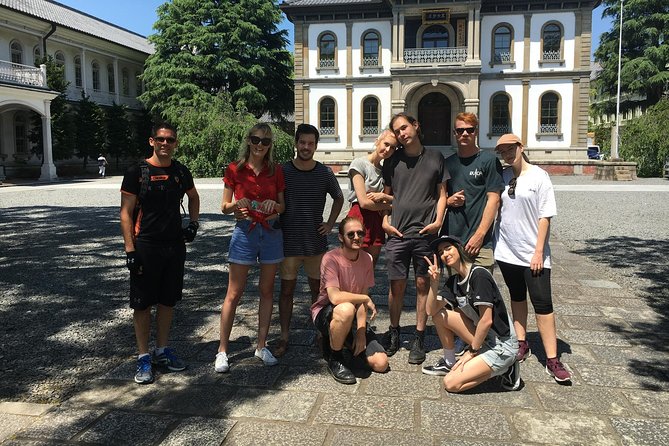
The tour includes lunch and bottled water, and that’s a bigger value than it sounds. Kyoto can drain time because you’re always deciding where to eat, and you don’t want to waste your best energy hours hunting for a decent spot.
The included lunch is described as hearty Japanese food, and some people say it’s the kind of place you’d miss on your own—an out-of-the-way family restaurant where local patrons are the norm. That’s exactly what you want from a tour meal: not just convenient, but local enough to feel like part of the day.
Dietary requirements need to be known ahead of time, so if you have restrictions, communicate early. You’ll get a smoother experience when your needs are handled before the day starts.
What $119.38 is paying for in a Kyoto day
At $119.38 per person, you’re paying for more than a bike rental. You’re buying: a guided day with routing, helmet and bike use, a full set of scheduled stops, lunch and water, and admission included at Kinkaku-ji.
Several other stops are listed with free admission, which helps keep your “cost surprises” low once you’re there. The real value is the time-saving logic: someone else handles where to go, how to link districts, and how to keep a small group moving.
If you’re the type who hates planning logistics, this tour can feel like a clean solution. If you prefer total freedom with no schedule pressure, biking Kyoto on your own could be cheaper—though you’d be trading away the structure and crowd navigation.
The guide makes it: how real storytelling changes the ride
In the best versions of this tour, the guide isn’t just listing facts. They’re connecting Kyoto’s past and present in a way you can feel while riding between places.
People mention guides like Paul, Jay, Karl, Indra, Juan, Quinn, Carl, Jaimie, and Jamie—and what repeats is the same theme: organized pacing plus stories at each stop. One guide style includes sharing extra insights about people and culture, not just the monuments. Another includes practical tips and a knack for getting the group where they need to be safely.
There’s also a fun side that shows up in real-world moments—like learning simple Japanese phrases or numbers during the day. One group even enjoyed photo help throughout, which is a small thing but makes a big difference when you’re trying to remember what you did at each location.
If you’re choosing between days or guides, go for the day where you feel your guide’s style fits you: history-heavy, humor-forward, or more culture-and-people focused.
Who this biking tour suits best
This is ideal for you if:
- You want a big overview of Kyoto in one day
- You’re comfortable riding a bike and can handle a long outing
- Temples, shrines, and Gion are top priorities
- You like guided context so famous sights feel more meaningful
You might want a different plan if you:
- Prefer very slow, long stays at a few places
- Are not comfortable cycling for hours
- Want to fully explore Inari’s entire torii route without time constraints
Should you book this full-day Kyoto biking tour?
I’d book it if your goal is to see Kyoto efficiently and still feel like you experienced the city, not just viewed it. The combination of bike freedom, small-group flow, and crowd-aware stops (especially around Fushimi Inari) is exactly what turns a tough city to plan into a smooth day.
The tradeoff is obvious: it’s a long day with short windows. If you want a relaxed pace with lots of solo wandering time, you may find the schedule tight. But if you like momentum, good stories, and an included lunch that keeps you fueled, this tour is a strong pick.
FAQ
How long is the full-day Kyoto biking tour?
It runs for about 7 to 8 hours.
What is included in the price?
The tour includes a bicycle and helmet, bottled water, and lunch.
Are admission tickets included for all stops?
Kinkaku-ji admission is included. Other listed stops are marked as free admission.
What is the group size?
The tour has a maximum of 8 travelers.
What age can join the tour?
Riders must be at least 13 years old and be comfortable riding a bike.
Where does the tour start and end?
It starts at Cycle Kyoto and ends back at the meeting point.
Which major sights are part of the route?
You visit Nishi Honganji, Kitano Tenmangu Shrine, Kinkaku-ji, Gion, Tofuku-ji, and Fushimi Inari-taisha.
How does the tour handle crowds at Fushimi Inari-taisha?
Your guides pick a path between the crowds so you can enjoy the shrine without getting stuck in the busiest areas.
What is the cancellation policy?
You can cancel for a full refund up to 24 hours before the experience start time. The tour can also be canceled due to poor weather, with an offer of a different date or a full refund.