REVIEW · KYOTO
Kyoto Zen Meditation & Garden Tour at a Zen Temple with Lunch
Book on Viator →Operated by MagicalTrip Inc. · Bookable on Viator
Quiet moments in Kyoto can feel life-changing. This tour is built around a real zazen-style Zen meditation led by a monk and paired with a guided walk through dry Zen garden space, with temple admission handled for you. The one thing to watch: the experience runs on time, and if you’re late you can miss the group and won’t be able to get a refund or reschedule.
I also like how personal it feels. With a maximum of 7 travelers, you’ll have real chances to ask questions as you move through the temple grounds, rather than standing in the back hoping you can hear.
In This Review
- Key Takeaways Before You Go
- Kyoto Zen Meditation at a Zen Temple: What This Experience Feels Like
- Getting There: Meeting Point, Timing, and Why Punctual Matters
- Temple Walk to Tofukuji Area: How the Guided Stroll Works
- The Dry Zen Garden Moment: What to Look For
- Zazen Meditation With a Monk: What You’re Actually Doing
- Lunch at a Buddhist Temple Style Table: Comfort Food With Meaning
- Price and Value: Why $110.10 Can Make Sense Here
- Weather, Clothing, and Comfort Tips That Really Matter
- How This Tour Fits Different Types of Visitors
- Should You Book This Kyoto Zen Meditation and Garden Tour?
- FAQ
- How long is the Kyoto Zen Meditation & Garden Tour with Lunch?
- How much does the tour cost?
- Is temple admission included?
- What’s included with the meditation?
- Is lunch included, and what type of lunch is it?
- Where does the tour start?
- Where does the tour end?
- What if I’m late to the meeting point?
- Are there age limits?
- Can the tour accommodate dietary restrictions?
Key Takeaways Before You Go
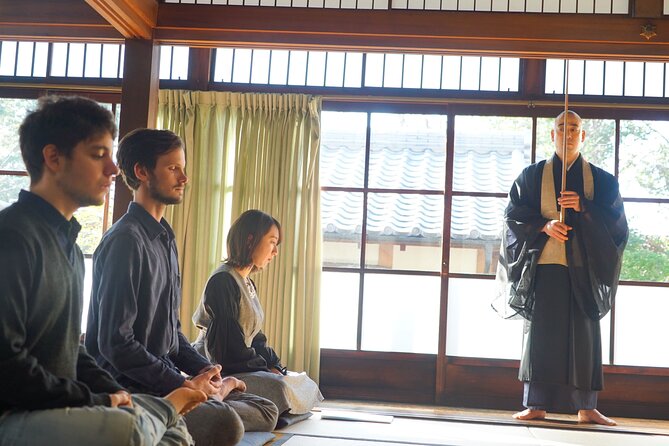
- Monk-led meditation: you’ll practice Zen meditation in a temple setting designed for stillness
- Dry Zen garden guidance: you get commentary so the rock-and-rake design actually clicks
- Temple admission included: you don’t have to stop to buy tickets mid-day
- Traditional Buddhist lunch included: a meal historically connected to Zen temple life
- Small group size (max 7): more Q&A, less rushing, calmer pacing
- Finish near Chishaku-in: useful if you’re planning more temple time after
Kyoto Zen Meditation at a Zen Temple: What This Experience Feels Like
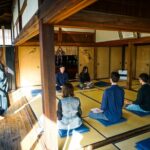
This is the kind of Kyoto tour that slows your day down on purpose. Instead of hopping temples like a highlights reel, you center the afternoon on one main event: Zen meditation. From there, everything else supports the mood—temple walks, garden observation, and quiet time to read materials rather than chatter.
I especially like the structure. Meditation is the core, but you’re not dropped into it with zero context. A local guide provides insights as you move around the temple complex, helping you understand not just what you’re seeing, but why it’s arranged the way it is. That matters in Kyoto, where it’s easy to admire buildings and miss the meaning.
The garden part is also a strong match for the meditation theme. A dry landscape garden is easy to think you need special art training to appreciate, but with guidance, the design becomes practical: lines, negative space, and deliberate stillness. You’re learning how to look, not just what to look at.
The vibe is calm and focused. The tour also has a rule that supports that: private conversations are generally prohibited during the zazen experience. If you like your travel days quiet and intentional, this fits you well.
You can also read our reviews of more tours and experiences in Kyoto.
Getting There: Meeting Point, Timing, and Why Punctual Matters
You start at FamilyMart Nakai Tofukuji, 12-chōme-232 Honmachi, Higashiyama Ward, Kyoto. It’s a helpful choice because it’s a recognizable landmark, and the meeting area is near public transportation.
The timing rules are strict in a way that makes sense for a meditation appointment. The tour must start on time, and if you are late and miss the group, you won’t be able to join, plus you won’t be eligible for refund or rescheduling. So plan a little buffer. Kyoto transit can be smooth, but trains and walking between neighborhoods still add uncertainty.
Also keep an eye on what happens later in the day. The itinerary says you return to the meeting point, but the plan notes you may disband at the last shop. In plain terms: expect the finish to be near Chishaku-in Temple, and be ready for a short walk or quick repositioning after the tour ends.
Two small practical notes based on how this kind of tour runs:
- You’ll want to arrive with comfortable shoes, since the temple area involves walking on uneven ground.
- You’ll want your phone ready for the mobile ticket, but don’t rely on it for directions at the last second—show up early enough to orient yourself.
Temple Walk to Tofukuji Area: How the Guided Stroll Works
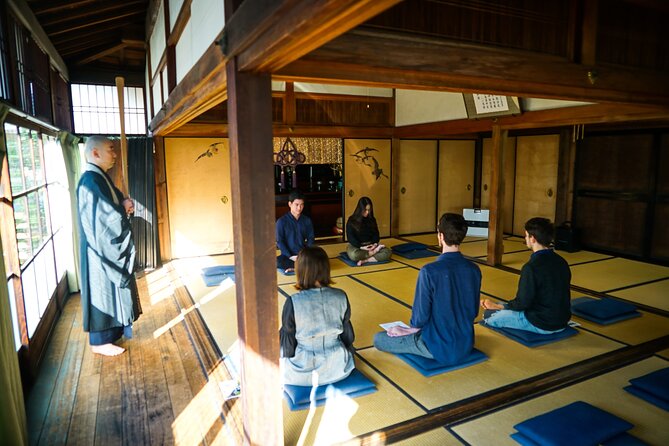
This tour ties together a few different temple moments around the Tofukuji area. Your guide leads you through temple grounds where you can learn the basics of Zen practice and how it connects to the space.
One key benefit here is pacing. With a max of 7 people, you’re not lost inside a crowd. You can ask follow-up questions as you go, and you’re more likely to hear details rather than just general facts.
Expect the walk to cover:
- Temple context and how Zen traditions influenced layout and practice
- Explanations that help you interpret things like garden design and meditation spaces
- Opportunities to observe quietly, especially when you move into areas that feel more reserved
You might be surprised by how often a good guide changes what you notice. In Kyoto, buildings and gates can blur together. Here, the guide’s commentary creates a thread. Even if you already know a little Buddhism history, the walk helps you see the temple as a practice tool, not just architecture.
Guide names show up in people’s experiences—examples include Yukata, Yutaka, and Hikari. Different personalities mean different teaching styles, but the shared goal is the same: make the Zen ideas understandable during the walk, right before you sit.
The Dry Zen Garden Moment: What to Look For
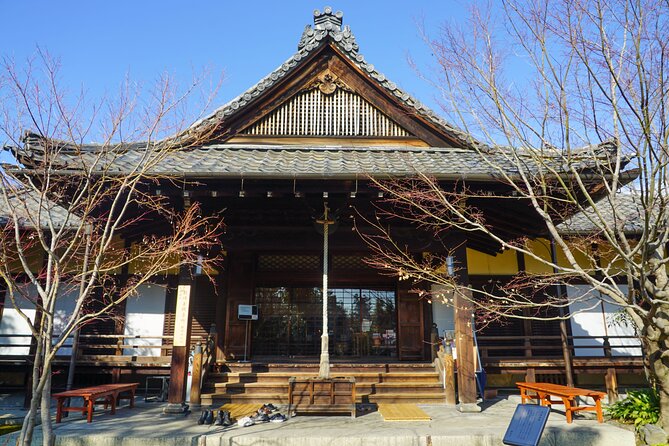
A dry landscape garden (often called a kare-sansui style garden) can look simple at first: rocks, gravel, maybe a few planted elements. Then it stays with you because it’s meant for attention.
What you get on this tour is commentary that tells you how to read the space. Instead of just admiring the garden, you learn how the composition supports quiet focus, similar to what you practice during meditation.
Here’s what tends to make the garden moment special on a guided tour like this:
- You’re told what visual relationships matter (lines, spacing, and how empty space is part of the design)
- You can slow down enough to notice small details you’d normally walk past
- The guide frames the garden as a practice setting, not only a photo spot
If you like taking photos, this is one of the moments you’ll likely appreciate. The garden’s shape and negative space usually photograph well, but the bigger win is mental. You’re being asked to look with intention before you sit down.
If you’re the type who finds museums and lectures hard, don’t worry. This isn’t a classroom. It’s a calm walking pause with interpretation, designed to reset your attention.
Zazen Meditation With a Monk: What You’re Actually Doing
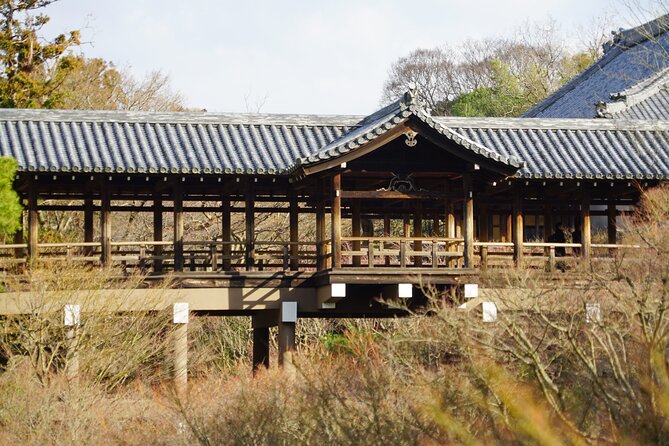
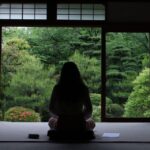
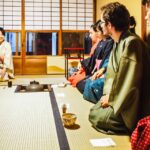
The heart of the experience is Zen meditation at a Zen temple. You’ll get an instructional setup on what to expect, then you’ll sit and practice.
A couple important details to set expectations:
- The monk’s session is a real temple practice, so you should keep your tone calm and respectful.
- During the meditation experience, private conversations are generally prohibited. You’ll be given materials to read silently.
- The monk may speak Japanese. One common approach is that the guide prepares you ahead of time and translates tips and explanations when needed, so you’re not completely lost.
This part is also where the “you’ll feel it” value shows up. Even if you’ve meditated before, being in a Zen temple changes the feel of your body and mind. The space asks you to slow down. The instruction also tends to focus on fundamentals—posture, mindset, and attention.
Why that’s valuable for you: Kyoto can be intense. Temple crowds, walking heat, and constant sightseeing make it hard to do anything truly quiet. This tour builds in a dedicated still moment, so your day has a center, not just a pile of stops.
The meditation segment is commonly described as the best part of the tour because it gives you a structured way to disconnect. You don’t just witness Zen—you practice it in a guided, respectful way.

Lunch at a Buddhist Temple Style Table: Comfort Food With Meaning
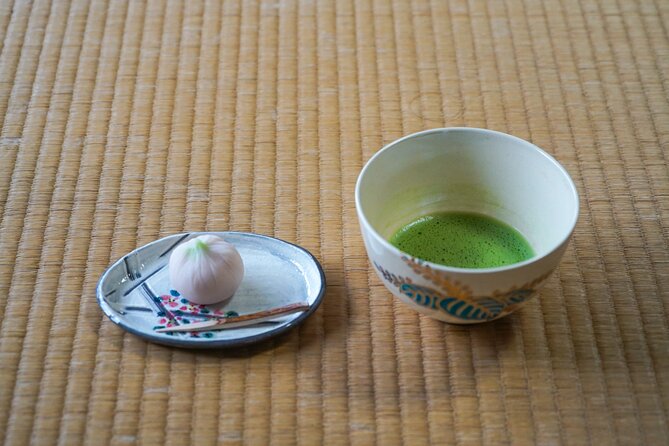
After meditation, you eat. And the lunch is not an afterthought.
The tour includes a traditional Buddhist meal historically served by Zen monks at Zen temples. Even if you’re not usually excited about temple-style food, this meal has a practical appeal: it’s a chance to refuel without turning your day into a food hunt.
A few things you should know so you can plan calmly:
- Lunch timing depends on your start time. If you start at 10:45, the lunch time would be 14:15, after meditation.
- You should plan to eat enough breakfast or brunch if your schedule pushes lunch later.
- The meal is described as vegetarian in some experiences, but the only safe way to plan is to confirm what you can eat based on the tour’s guidance.
Dietary limits are handled with care, but the policy has real constraints. You can request dietary accommodations in advance (by the day before). However, allergy-free guarantees are not provided, and substitutions may not always be possible because the food is prepared in kitchens outside the tour operator. The tour says they will make every effort to compensate at different stops, but you should still treat this as a heads-up, not a promise.
If you love a trip that includes not only sights but also culture you can taste, this lunch slot is a strong value add. It also helps you keep your energy steady for any extra temple wandering afterward.
Price and Value: Why $110.10 Can Make Sense Here
At $110.10 per person, you’re paying for three things at once:
- A guided temple walk where admission is included
- Monk-led Zen meditation with instruction and quiet guidance
- A traditional lunch built into the flow of the day
For Kyoto, where temple fees are often small but add up and where guided access can be pricey, this bundled format is the value angle. You’re not just buying a ticket for a single temple. You’re buying an organized experience designed around one meaningful centerpiece: meditation.
The small group size (max 7) also affects value. In bigger tours, you’d usually get less time for questions and less calm atmosphere. Here, you’re more likely to leave with actual understanding instead of only photos.
One more value point: it’s convenient. The meeting point is a real, easy-to-find landmark (FamilyMart), the tour is about half a day (around 4 hours 30 minutes), and the schedule is built for a single rhythm rather than constant back-and-forth.
If your priority is a quiet, reflective Kyoto moment, this price can feel fair because it pays for structure. If your priority is rushing through many temples, you might find a standard sightseeing loop cheaper and more flexible. But if you want meaning and stillness, the package has logic.
Weather, Clothing, and Comfort Tips That Really Matter
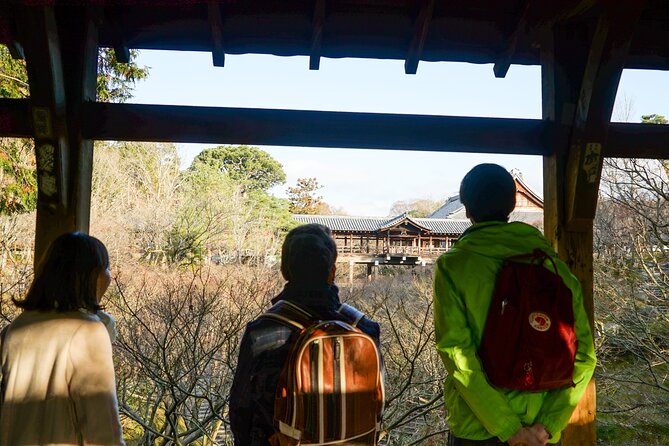
Zen temples are peaceful, but the environment can affect comfort.
In summer Japan is hot and humid. Bring water and a hat to prevent heat issues. You don’t want your body to feel like it’s fighting you while you try to sit quietly.
In winter, temple floors can be cold. Thick socks are recommended. This is one of those practical tips that makes a real difference when you’re seated for meditation.
Also remember that the tour includes walking between temple spaces. Wear shoes you can stand in comfortably. You’ll get more out of the experience if you’re not thinking about your feet.
And keep in mind the meditation etiquette. Quiet conversation rules apply during the meditation time, so don’t plan to treat this segment like a casual chat break.
How This Tour Fits Different Types of Visitors
This is a good match for you if:
- You want a Kyoto day that’s calmer than the typical sightseeing scramble
- You’re curious about Zen meditation and want the basics explained in context
- You like small groups and real chances to ask questions
- You want a cultural meal included, not a last-minute food search
It’s less ideal if:
- You need an activity that’s flexible on timing. This experience starts on time and late arrival can mean missing the group.
- You’re uncomfortable with silence expectations during meditation.
- You rely on very specific dietary needs and need full allergy-free guarantees. The tour can’t promise allergy-free preparation.
Should You Book This Kyoto Zen Meditation and Garden Tour?
I’d book it if you want the kind of Kyoto experience that actually changes the pace of your brain. This is one of those rare tour formats where the main event is stillness, and the rest of the day supports that goal: a guided garden walk, temple context, and a real Buddhist-style lunch.
I’d think twice if you want maximum flexibility or if you’re counting on allergy-safe certainty for a complex restriction. In that case, request your needs ahead of time, and be ready for the possibility that substitutions might not always be possible.
If you do book, show up early, dress for the season, and treat the meditation segment like the centerpiece it is. You’ll come away with a calmer memory of Kyoto, not just a list of places you visited.
FAQ
How long is the Kyoto Zen Meditation & Garden Tour with Lunch?
The tour lasts about 4 hours 30 minutes.
How much does the tour cost?
The price is $110.10 per person.
Is temple admission included?
Yes. Temple admission is included, so you do not need to pay admission to temples during the tour.
What’s included with the meditation?
You’ll experience Zen meditation with guidance, and you’ll also have materials during the meditation time. A monk leads the session as part of the experience.
Is lunch included, and what type of lunch is it?
Yes. A traditional Buddhist lunch is included, historically served by Zen monks at Zen temples.
Where does the tour start?
It starts at FamilyMart Nakai Tofukuji, 12-chōme-232 Honmachi, Higashiyama Ward, Kyoto, 605-0981, Japan.
Where does the tour end?
The activity ends back near the meeting point, but the plan notes you may disband at the last shop. It also states the activity ends near Chishaku-in Temple.
What if I’m late to the meeting point?
The tour must start on time. If you are late and miss the group, you cannot join the tour, and you won’t be able to get a refund or reschedule.
Are there age limits?
Yes. Anyone over 12 years old can join.
Can the tour accommodate dietary restrictions?
Dietary requests must be made in advance (by the day before). Allergy-free preparation and dietary substitutions are not guaranteed because the food is prepared in kitchens not belonging to the tour operator.