REVIEW · KYOTO
Best of Kyoto: Gion, Geisha, Pagodas & Cobblestones
Book on GetYourGuide →Operated by Kyoto Fun · Bookable on GetYourGuide
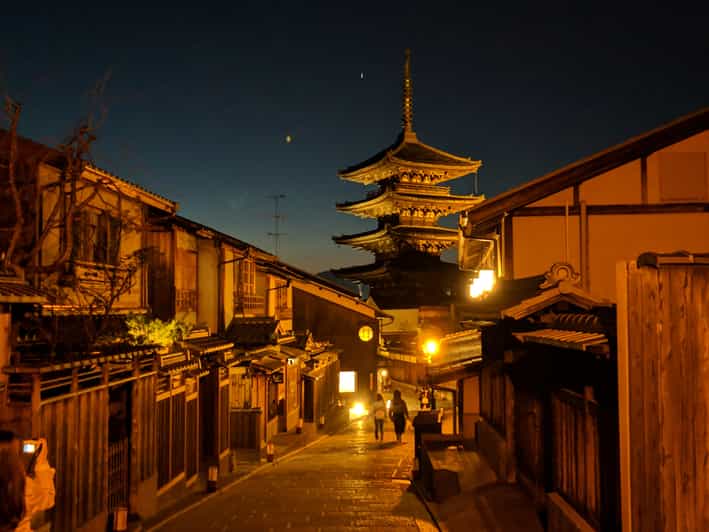
Lantern-lit Gion turns Kyoto into a mystery. I love how the guide leads you through quieter streets later at night, and I love the Hōkan-ji pagoda photo moment when the lighting makes everything feel extra cinematic. You get a real snapshot of Higashiyama’s culture in just two hours, with stops that make it easy to connect the dots fast.
Dress warm and keep your expectations realistic. Since it’s a night stroll, you’ll spend time on darker streets, and you might not see geisha on the schedule you hope for.
In This Review
- Key Things I Think You’ll Enjoy Most
- Why Gion at Night Feels Like Kyoto’s Real Mood
- Geisha and Maiko Insights You Can Actually Use (Without the Myths)
- Starting in Higashiyama: Getting Your Bearings Fast
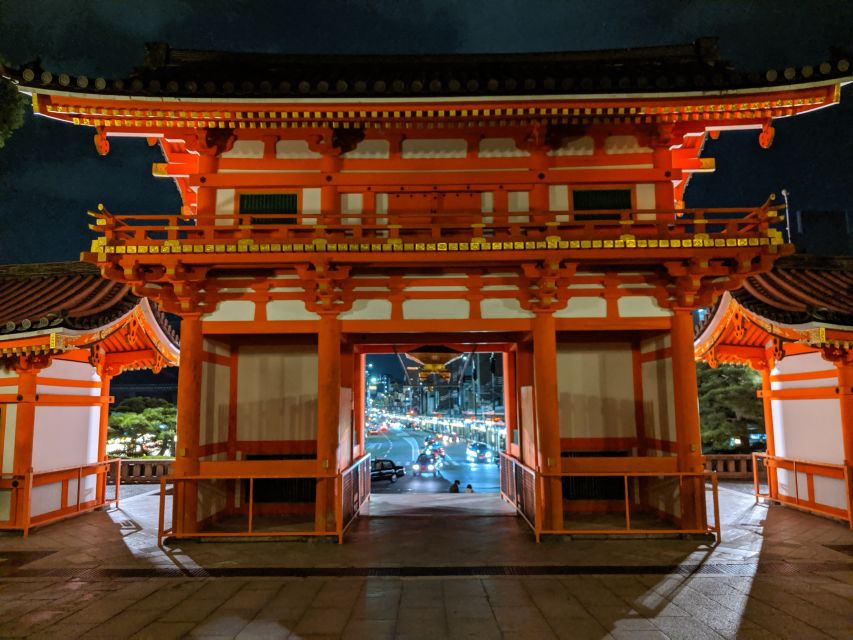
- Yasaka Shrine: Where the Night Begins With Shinto Atmosphere
- Ninenzaka: Cobblestones, Old-School Streets, and That Lantern Look
- Hōkan-ji Temple: A Lit Pagoda Photo Stop That Changes the Mood
- Yasui Kompira-Gu Shrine: A Short Visit With a Calm, Local Feel
- Gion After Dark: Guided Time in the Entertainment District
- What the Price Covers (And Why It’s Fair for Kyoto)
- The Best Timing: First Day in Kyoto
- Where to Go for Drinks or a Bite After the Walk
- Should You Book This Gion Night Walk?
- FAQ
- How long is the tour?
- Where do I meet the guide?
- What languages are available?
- Are food and drinks included?
- Can I reserve and pay later?
- What is the cancellation policy?
- What happens if I arrive late or can’t find the guide?
Key Things I Think You’ll Enjoy Most
- Gion’s night calm: lantern-lit lanes with fewer daytime crowds
- Shrines and temple stops: Yasaka Shrine, Ninenzaka streets, Hōkan-ji, and Yasui Kompira-Gu
- Geisha culture explained respectfully: customs around geiko and the apprentice maiko-san world
- Safety and pacing: a guided route that helps you focus instead of getting lost
- A possible costumed glimpse near the end: the tour is timed to give you a chance, not a guarantee
- Good post-tour food/drink leads: your guide will point you toward a solid place to eat or drink after
Why Gion at Night Feels Like Kyoto’s Real Mood
Kyoto can be intense in the daytime. This tour shifts you into the evening rhythm where the streets soften, lanterns take over, and you stop feeling like you’re dodging crowds just to see a doorway.
What I like most is that the tour is built around atmosphere with context. You’re not just looking at pretty buildings. You’re learning what you’re seeing—why Gion became what it is, how shrine and temple life fits into the city, and how geisha culture works in real terms.
It also helps that the experience lasts about 2 hours. That’s long enough to feel like you explored, but short enough to stay energized for your next Kyoto plan. With a listed price of $24 per person, you’re paying mainly for a guide’s time and walking route—then getting cultural stops folded into the same walk.
You can also read our reviews of more tours and experiences in Kyoto.
Geisha and Maiko Insights You Can Actually Use (Without the Myths)
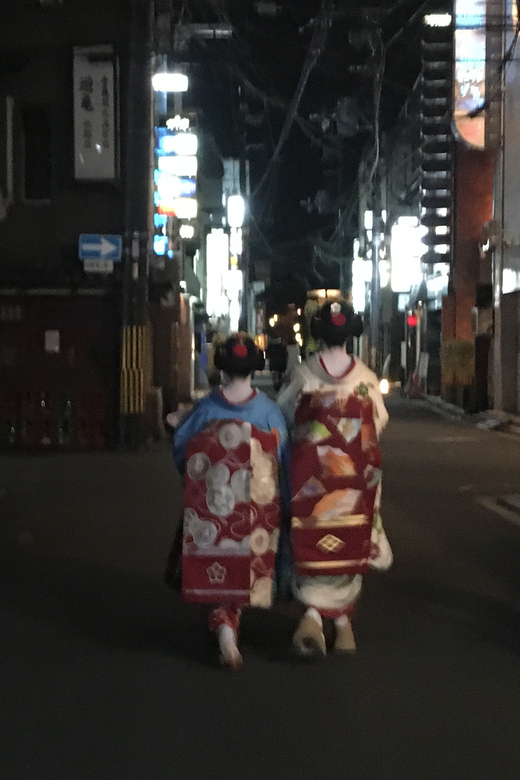
This is one of those Kyoto experiences where respect matters as much as curiosity. The tour focuses on the customs of the geisha world and the apprentice maiko-san, with a guide who explains it in a way that feels grounded, not sensational.
In plain terms, you’ll get help understanding what you’re looking at if you spot costumed women later on. The tour is careful about the tone—so you know how to behave if you see geiko or maiko, and you understand that this is living culture, not a performance for tourists.
Many guides get praised for making this part feel balanced and thoughtful. I’ve seen names like Kevin, Karim, Diana, Jannel/Janelle, Ben, and Amir come up in feedback, with guests calling out that the explanations stay respectful and answer questions instead of talking over people. If you’re worried the tour will reduce geisha to a storyline, that fear is worth setting aside.
Starting in Higashiyama: Getting Your Bearings Fast

You’ve got two starting options depending on what you book: one is near Tsuruha Drug Yasaka Shrine Store and FamilyMart, and the other is in Kyoto Gion. Either way, you’ll begin in a location that puts you close to the historic core, so the first minutes already feel like Kyoto, not a long “getting there” slog.
Meeting point details can vary, so it’s worth treating the start time like a real appointment. If you have trouble locating your guide, the tour info notes that you should call at least ten minutes before the tour begins (WhatsApp is recommended). If you show up late or can’t find the guide, you won’t receive a refund—so a quick check of your route before you meet up is time well spent.
This matters because the tour’s best vibe is the night shift: lanterns, quiet lanes, and a route that keeps you moving with intention. If you start out flustered, you’ll feel it for the whole two hours.
Yasaka Shrine: Where the Night Begins With Shinto Atmosphere
The tour kicks off with a stop at Yasaka Shrine (about 20 minutes). This is a great opening because it anchors you in the spiritual rhythm of the city early on, before you move into the entertainment-district streets.
You’ll get a guided look at what a shrine setting means in Kyoto. The tour also leans into nighttime lighting here, which is the part many people remember. It’s not just the buildings—it’s the way the area feels at night: calmer, more reflective, and easier to observe without rushing through.
Practical tip: wear shoes that handle stone and uneven ground comfortably. The whole route is walk-focused, and even small changes in terrain add up when you’re doing it at night.
Ninenzaka: Cobblestones, Old-School Streets, and That Lantern Look
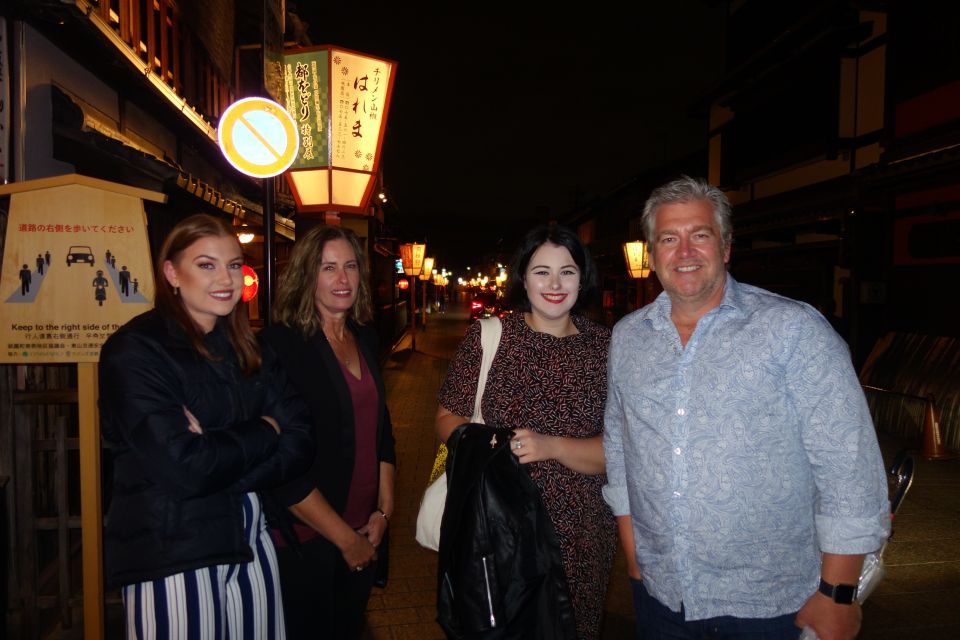
Next up is Ninenzaka (another 20 minutes). This is one of those Kyoto lanes that looks good in photos because it’s designed for people to move slowly. At night, it shifts from daytime shopping flow into something quieter and more cinematic.
I like that the guide gives you cultural context while you’re walking. You’re not just staring at shopfronts; you’re learning how these street shapes and old pathways connect to Kyoto’s broader story—why Higashiyama looks the way it does and why it draws people in even when it’s dark and chilly.
This is also where the tour earns its name about cobblestones and lantern-lit streets. If you time it right and keep your eyes up, you’ll notice the little details: building textures, the way light reflects off older surfaces, and the overall sense of scale.

Hōkan-ji Temple: A Lit Pagoda Photo Stop That Changes the Mood
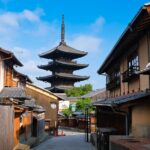
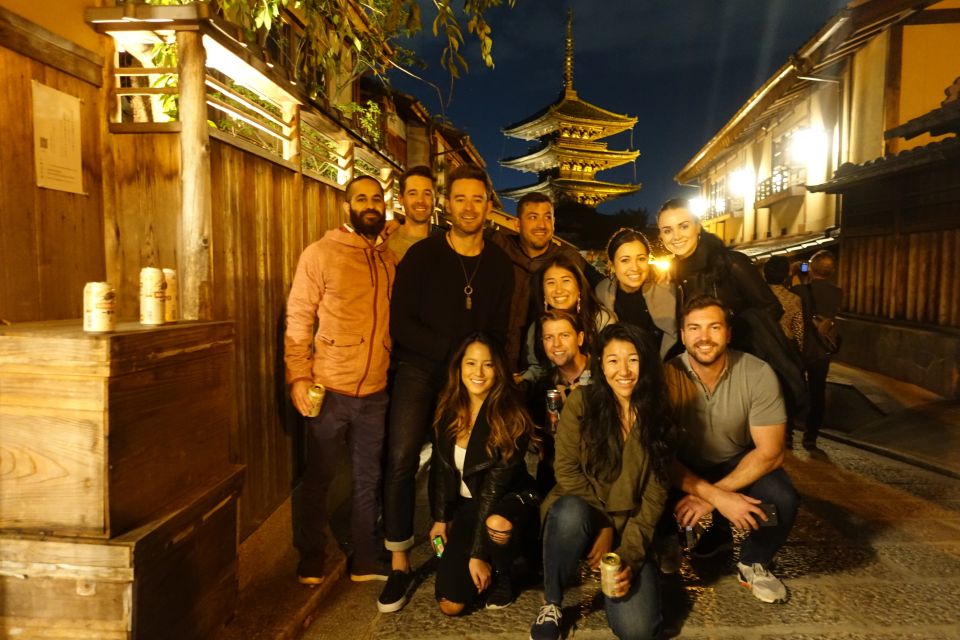
The tour includes Hōkan-ji Temple with a photo stop (about 20 minutes). The big reason this moment works is simple: a pagoda lit at night is pure atmosphere. It turns the area into a visual pause, letting you reset your eyes after walking the street scenes.
Even if you’re not a hardcore photographer, this is a good stop for understanding Kyoto’s mix of beliefs and aesthetics. Temple lighting adds a soft glow that makes the architecture easier to read, too—so the guide’s explanations land better.
Worth knowing: photo stops can mean standing and waiting a bit, especially if you’re at the best angles with other people. Plan to be patient for a moment to get your shot.
Yasui Kompira-Gu Shrine: A Short Visit With a Calm, Local Feel
You’ll also visit Yasui Kompira-Gu Shrine (about 15 minutes). This is a shorter stop, but it matters because it keeps the tour from turning into one long “Gion photo sprint.” Shrines like this add variety and help you feel the different layers of Kyoto religion and local devotion.
At night, the pace feels slower and more respectful. You’re guided, but you also get time to stand still and take in the mood. That calm is part of why the tour often gets praised—especially by people who want something more meaningful than a checklist.
Gion After Dark: Guided Time in the Entertainment District
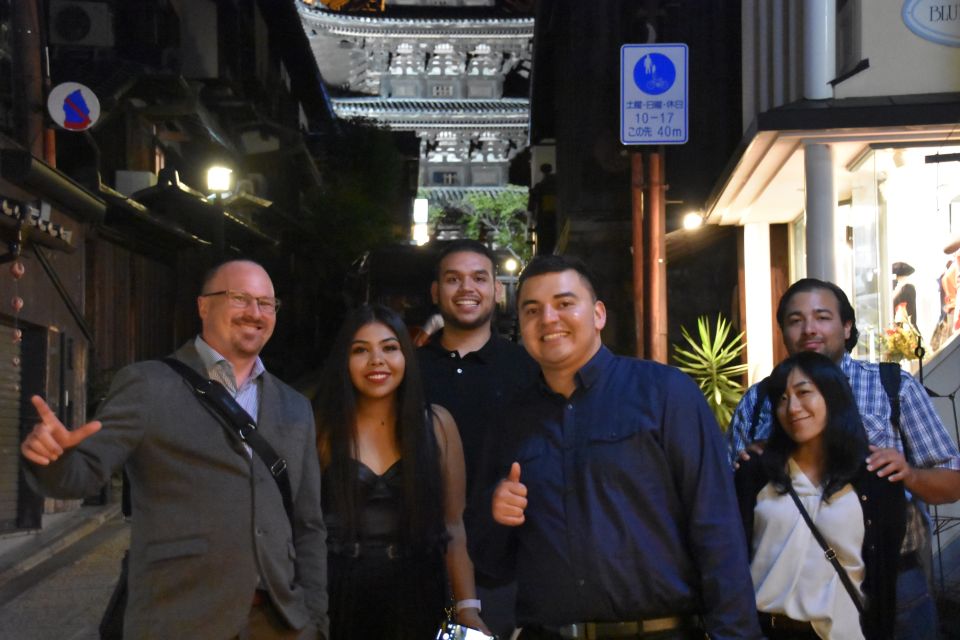
The heart of the walk is Gion with a guided section of about 45 minutes. This is where the tour earns the title about geisha legends and Kyoto’s iconic lanes.
You’ll walk through Gion and learn how the district works—why it’s structured the way it is, how customs shaped the culture, and how geisha life is tied to training, etiquette, and community expectations. The guide’s job here is to make it understandable without turning it into a circus.
Many guests highlight that the evening timing helps. Later at night, you can often move through the district with fewer interruptions, which means you’re more likely to actually enjoy what you see instead of feeling like you’re constantly squeezing past day crowds.
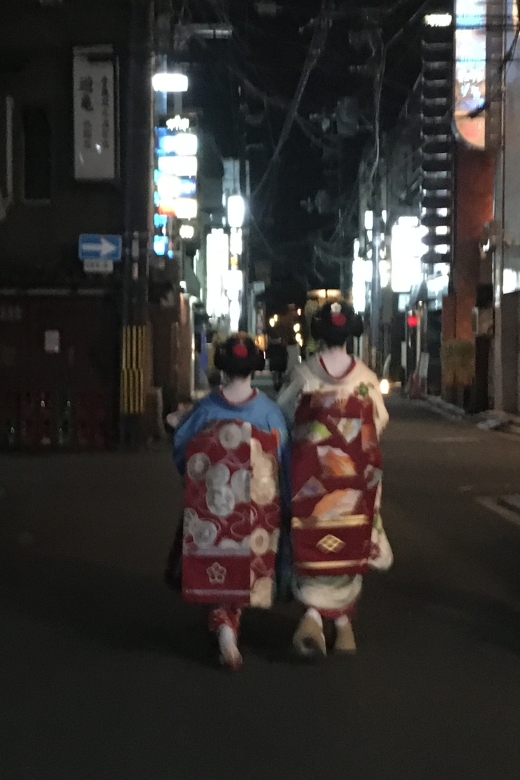
Towards the end, you may catch a glimpse of women in full costume. It’s a chance, not a promise. The good news is that even if you don’t see a costumed moment, the cultural explanations and night scenery still make the time feel worthwhile.
What the Price Covers (And Why It’s Fair for Kyoto)
At $24 per person for 2 hours, you’re paying for guided walking time plus entry-free cultural stops. Food and drinks are not included, but your guide is expected to share recommendations for where to grab something after.
Is it good value? For many first-time visitors, yes—because it compresses several important areas into a single route. You also gain an insider’s framework: the guide helps you understand why Gion and Higashiyama feel the way they do, which makes the rest of Kyoto click faster.
You can think of this tour as a “first-night decoder ring.” After it, you’ll have an easier time spotting what matters—shrines versus temples, street layout choices, and the meaning behind what you’re seeing.
The Best Timing: First Day in Kyoto
This tour is especially smart for your first day in Kyoto because it gives you a snapshot while the city is still new to you. When you’re seeing Kyoto for the first time, it can be hard to know what to prioritize. A night walk like this teaches you what to notice immediately.
It also helps that English and French live guides are available. If you’re traveling with language needs, this is one of the simplest ways to get clear explanations without a heavy planning burden.
Where to Go for Drinks or a Bite After the Walk
Food and drinks aren’t included, but you will get tips and recommendations for a place to grab a drink or bite to eat after the tour. That’s not a throwaway perk. After a night of walking, having a guide’s suggestion can save you from choosing somewhere that’s either too touristy or too confusing.
If it’s cold, look for cozy settings that serve warm drinks and simple meals. If it’s a clear night, you might even want a place close enough to wander back to your lodging without stress.
Should You Book This Gion Night Walk?
Yes, if you want a high-impact Kyoto intro without spending your evening in museums or on crowded transit. This tour is a strong fit for your first day, couples, and anyone who prefers walking with context—especially when the goal is Gion after dark, lantern lanes, and respectful geisha culture explanations.
Skip it if you’re not comfortable with evening walking in cooler weather or if you need strict daylight schedules. Also, go in with the right mindset about costumed sightings: you may see geisha or maiko, but the tour is designed to educate and guide even if you don’t.
If your schedule allows, this is one of those Kyoto bookings that tends to make the rest of your trip easier to enjoy.
FAQ
How long is the tour?
It runs for 2 hours.
Where do I meet the guide?
The meeting point can vary by option booked. Two starting locations listed are near Tsuruha Drug Yasaka Shrine Store / FamilyMart or in Kyoto Gion.
What languages are available?
The live tour guide offers English and French.
Are food and drinks included?
No. Food and drinks are not included, though the guide shares recommendations for places to eat or drink after.
Can I reserve and pay later?
Yes. The listing offers Reserve now & pay later, so you can book without paying today.
What is the cancellation policy?
You can cancel up to 24 hours in advance for a full refund.
What happens if I arrive late or can’t find the guide?
If you arrive late or you cannot find the guide, you will not be refunded. If you have trouble locating the meeting point, the guide’s phone number will be shared and you should call at least ten minutes before the tour begins (WhatsApp is recommended).