REVIEW · KYOTO
Kyoto: Samurai Class, Become a Samurai Warrior
Book on GetYourGuide →Operated by Ginbu Co. · Bookable on GetYourGuide
Samurai training in Kyoto is surprisingly practical. This hands-on samurai-kembu class teaches real form and respect, not just movie-style sword flailing, with a small group (up to 10) and an English-speaking instructor. I love how you practice the basic sequence step by step, including the bow before training, and I also like that some sessions are led by skilled instructors such as Rui or hosted by masters like Hisyo. One catch: this isn’t observation-only, so you need to be ready to move.
What you walk away with matters, too. You get suited up for a proper costume change, a short photo session, and a completion certificate, then you finish with an extra performance option (10 or 30 minutes). The only drawback to plan around is gear and space: no sharp objects or weapons of your own, no large bags or luggage, and there’s no waiting room for walk-ins who arrive without an appointment.
In This Review
- Key highlights that make this class worth your time
- Samurai Kembu in Kyoto: what you’ll actually learn
- Costume change and what to wear for real movement
- The 4-minute film start and your first bow before training
- Drawing, striking, and resheathing: the sequence that builds control
- Photo session, certificate, and respectful sword work
- The performance option: 10 or 30 minutes of sword dance context
- What you get for the $70 price: value check
- Meeting at Samurai Kembu Theater: location details that save stress
- Who should book this, and who might skip
- Should you book this Kyoto samurai warrior class?
- FAQ
- Where does the class start?
- How long is the experience?
- Is it a small group?
- What language is the instruction?
- What do I do during the session?
- Do I need to bring a sword or weapon?
- Is there food included?
- What should I wear?
- Is there a waiting room?
Key highlights that make this class worth your time
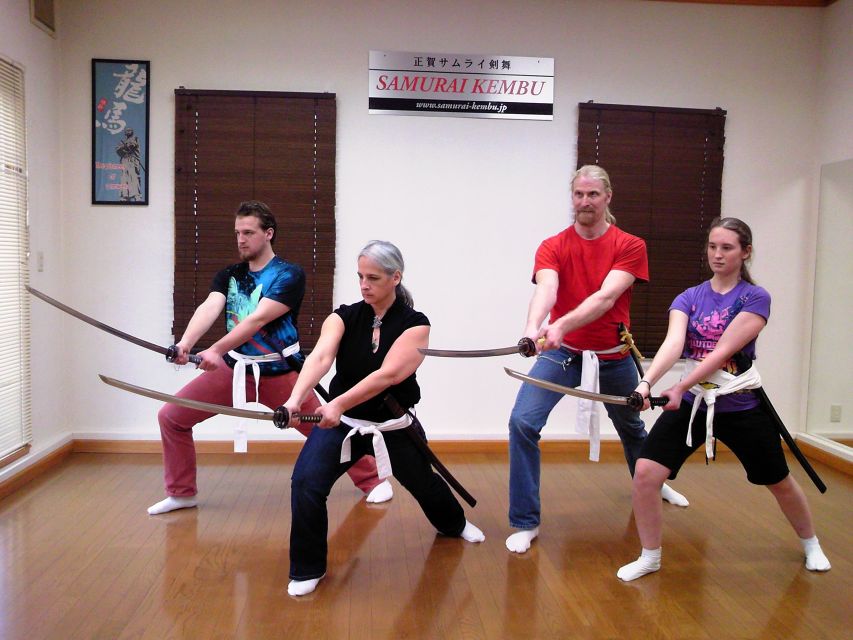
- Bow-to-sword discipline: you practice respect and timing before any sword work
- Kenbu-focused movement: stylized drills that challenge coordination, balance, and control
- Hands-on coaching: clear instruction from an English-speaking (and Japanese-speaking) team
- Costume + photo session: you don’t just watch; you look the part and capture it
- Completion certificate: a real take-home reminder of your training
- Optional sword dance show: 10 minutes or 30 minutes with commentary
Samurai Kembu in Kyoto: what you’ll actually learn
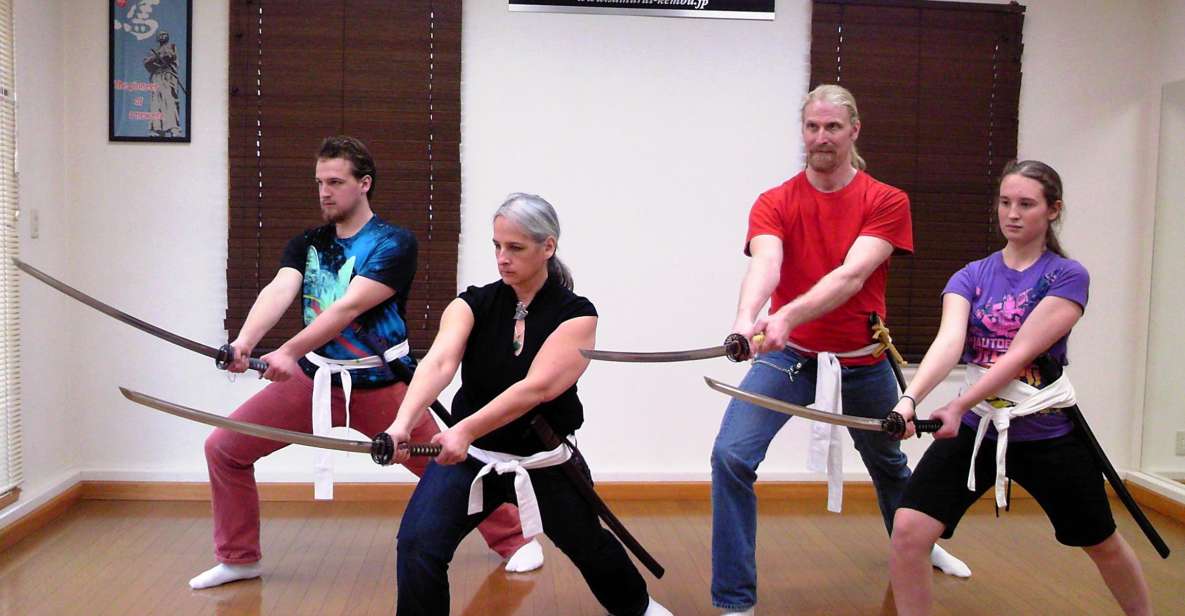
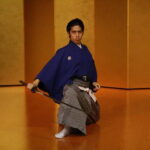
This experience is built around Kenbu, the samurai art of disciplined movement with stylized sword work. The goal is not to teach you to fight. It’s to teach you how samurai training feels in your body: posture, distance, controlled motion, and the rhythm of starting and stopping with respect.
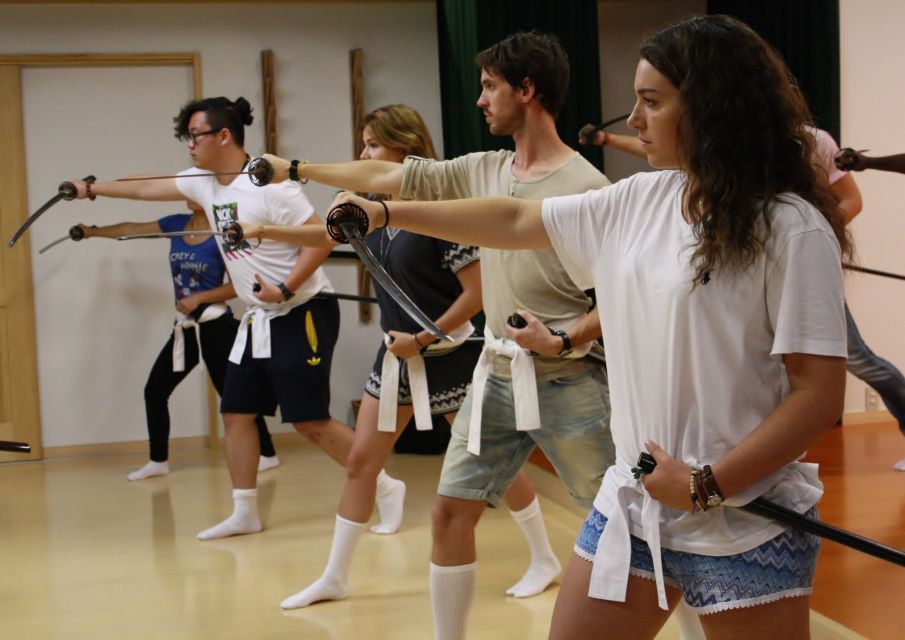
You’ll spend the session learning a sequence that starts with basics and builds toward more complete motions. The “ancient warrior” framing is there, but the instruction stays practical. You’re shown what to do, you try it, and the instructor guides your form so you can feel what “good movement” is supposed to be like.
You can also read our reviews of more tours and experiences in Kyoto.
Costume change and what to wear for real movement
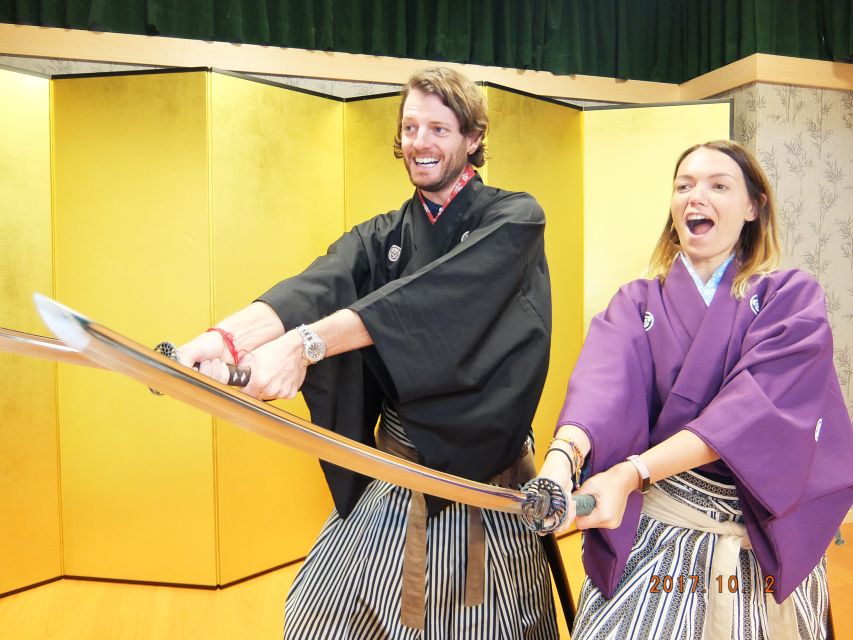
The costume part is more than a gimmick. You’ll suit up as part of the training flow, and that means you need clothes that allow you to change safely and move comfortably. Wear clothing suited for exercise and walking around—think layers you can manage quickly.
Avoid showing up in just a hoodie or tights. The setup is costume-based, and single-piece outfits can make the change awkward during a busy, timed class. Also plan for no luggage-friendly environment: there’s no room for large bags, and you can’t bring sharp objects or your own weapons.
The 4-minute film start and your first bow before training
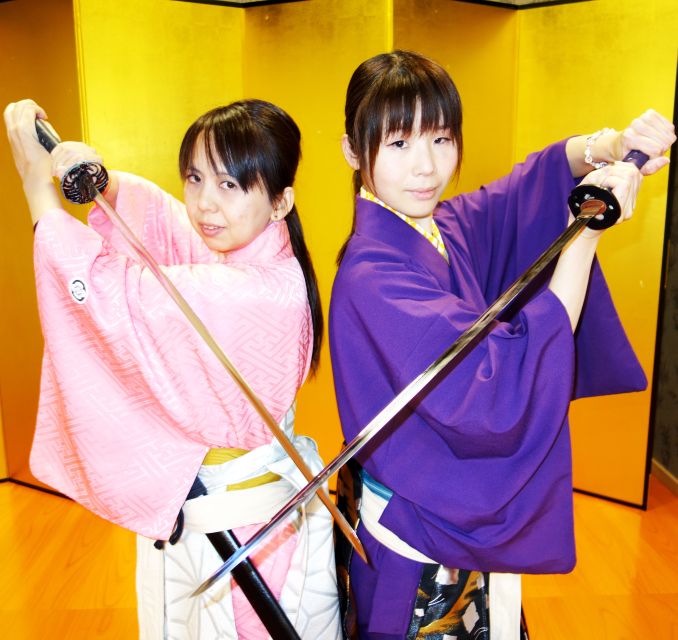
Before you touch anything sword-related, you get a quick film intro—about 4 minutes—covering the basics. It’s short on purpose. The class moves fast enough that you’ll want a mental checklist: what the movements are trying to communicate and why order matters.
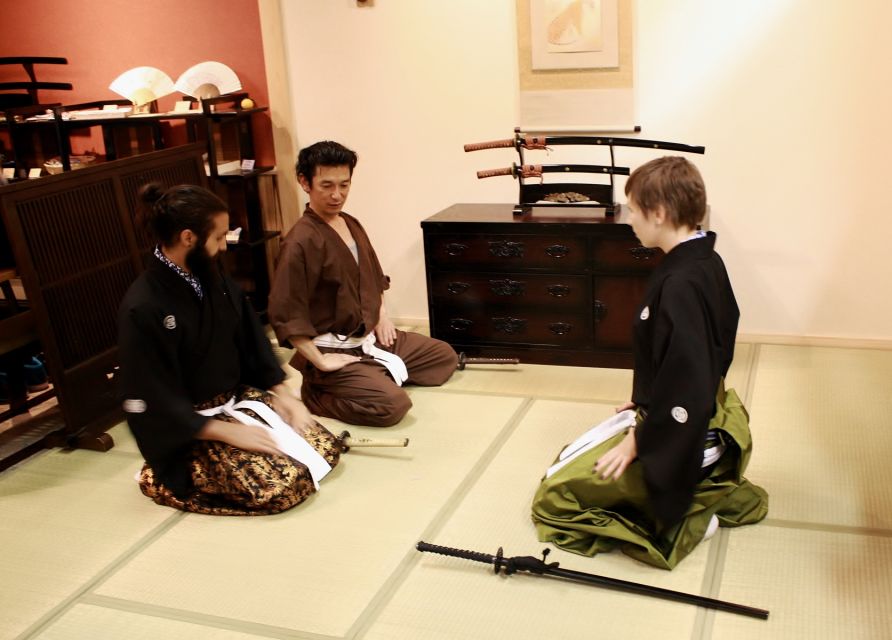
Then it’s “suit up and stand ready.” The first skill you practice is bowing—first as a sign of respect, then as part of good training habits. That bow is a theme for the whole session, because samurai-kembu isn’t only about motion. It’s also about attitude: calm focus before action.
Drawing, striking, and resheathing: the sequence that builds control
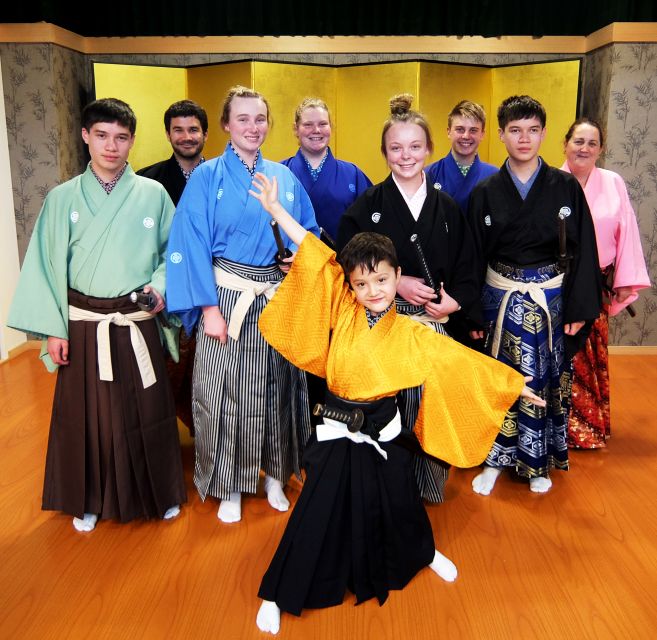
Next comes the sword work, taught in a structured way. You’ll learn how to draw and how to put the sword back into its protective scabbard. That resheathing step matters because it forces control, not just a dramatic strike.
You’ll also practice strike motions using stylized techniques. The movements aren’t random. They’re designed to teach clean mechanics: how your body transfers weight, how your arm and torso coordinate, and how you keep your balance through the motion.
Safety is part of the reason you’ll follow instructor instructions closely on the day. You aren’t bringing weapons yourself, and you should assume all the gear is set up by the team to support safe training. Your job is to listen and copy what they show.
Photo session, certificate, and respectful sword work
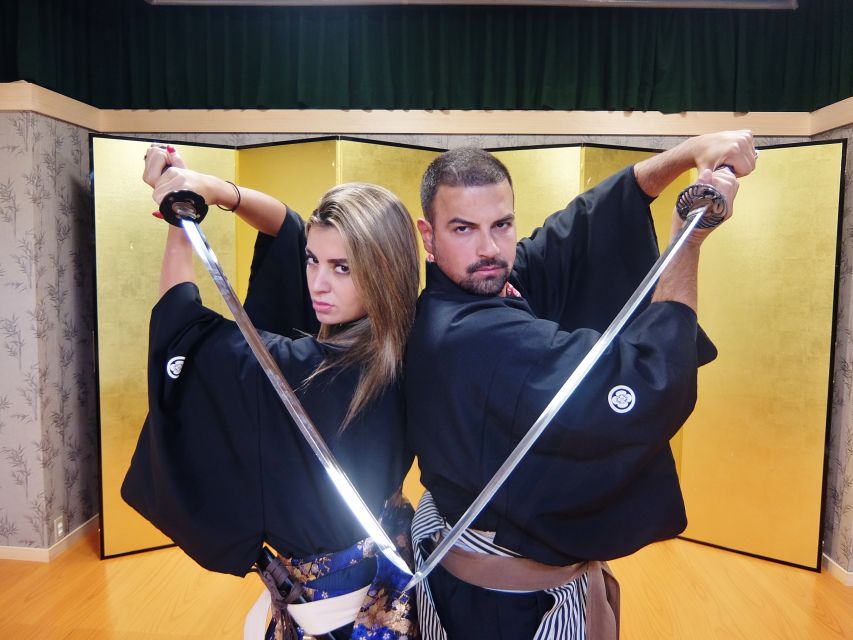
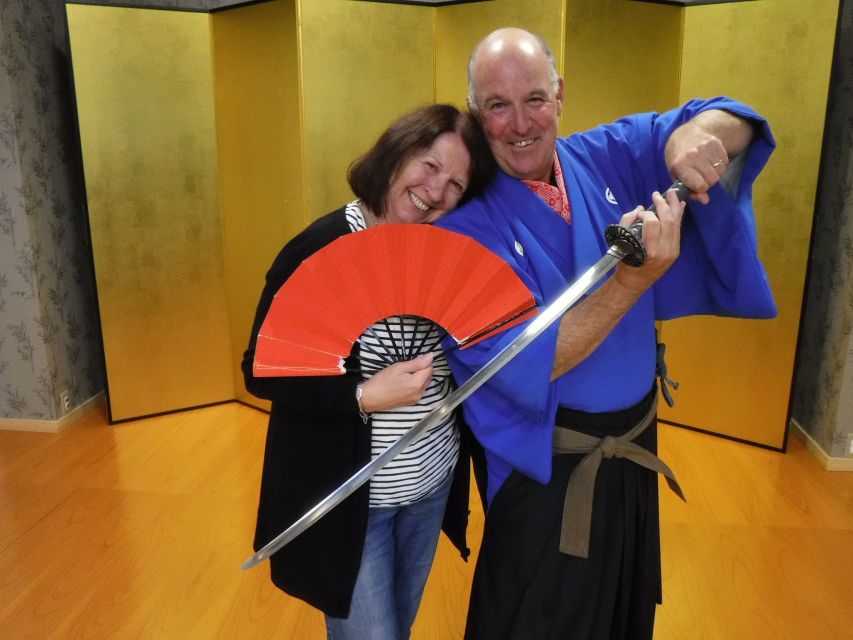
After you’ve practiced the core movements, you get a photo session in your costume. It’s quick, but it’s timed so you’re not rushing while still sweaty and out of breath. You’ll also receive a completion certificate, which is a simple but satisfying finish—proof that you actually did the training, not just the show.
One of the most praised parts is the way the class teaches respect with sword technique. You’ll learn how to show respect to an opponent with the sword, including bowing to your instructor at the end of the training segment. That detail turns the experience from a stunt into a ritual, and it’s where the culture part feels real instead of decorative.


The performance option: 10 or 30 minutes of sword dance context
The session can include an added performance window, depending on which option you choose: 10 minutes or 30 minutes. In that portion, a sword dance instructor provides commentary while the master performs, helping you connect the motions you just learned with a broader tradition.
This part is valuable for two reasons. First, it shows how the techniques look when they’re not being taught step-by-step. Second, commentary helps you understand what to notice—tempo, posture, and the exact kind of discipline the training is aiming for.
If you like choreography, keep your attention on the transitions between movements. The class is built around control, and the performance is where you see that control in full sentences rather than individual words.
What you get for the $70 price: value check
At $70 per person for about 1.5 to 2 hours, the value is mostly in the coaching time and the “done-for-you” structure. You get an English-speaking instructor, the costume/photo experience, and a completion certificate. You also receive a tenugui towel, which is a traditional Japanese cloth towel and a nice practical souvenir.
It’s not a cheap experience, but it’s not trying to be a big-ticket museum day either. Instead, you’re paying for a small group setup (limited to 10) and a hands-on lesson you can’t replicate from a guidebook.
What it does not include: hotel pickup/drop-off and food/drinks. So budget a simple pre- or post-class meal nearby if you’re hungry. Also plan to wear the right clothes so you don’t waste time struggling with outfit changes.
Meeting at Samurai Kembu Theater: location details that save stress
The class starts at Samurai Kembu Theater (Kyoto dojo), 35-7 Sanchome (Higashi-iru, Sanjo-hanamikoji), Higashiyama-ku, B1F Gozan Building, Kyoto 605-0005.
A few logistics points matter here:
- There’s no waiting room, so arriving without an appointment can become a no-go situation.
- The session is timed, and admissions are limited to the number booked—so don’t count on bringing extra people without coordinating in advance.
- You’ll want to travel light. No large luggage, and you won’t have space to store big bags.
If you’re coming from central Kyoto sights, build in extra time for walking and finding the exact building floor. In this kind of class, a late arrival can cut into training, and you don’t want that.
Who should book this, and who might skip
This is best for people who like active learning and want something more meaningful than a quick photo stop. You’ll enjoy it most if you’re open to structured movement drills and you want a guided way to understand Kenbu and samurai-kembu discipline.
You should also be prepared for a real physical component. Even if you’re not athletic, you’re expected to move through the motions and practice the sequence. Reviews highlight how the class can challenge your sense of movement and coordination with the sword.
For kids: the activity is not suitable for children under 4. For ages 5 to 10, it’s desirable that the child attends martial arts class or is already used to learning physical skills, since the lessons are conducted with adult participants. If you’re traveling with teens or adults who are curious about martial arts culture, this is a strong fit.
If you’re the type who wants a purely seated, zero-participation experience, this may frustrate you—there’s no observation-only option.
Should you book this Kyoto samurai warrior class?
Book it if you want a hands-on Kyoto experience with real instruction, costume fun that actually supports the lesson, and a finish that puts the movement into context. The combination of bow discipline, structured draw-and-sheathe practice, and a small-group setting makes it feel both fun and focused.
Skip it if you can’t commit to moving for 1.5 to 2 hours, you’re traveling with lots of luggage, or you’re hoping for a spectator-only show. Also think twice if changing clothes quickly is a deal-breaker for you.
If you want one memorable, interactive “Kyoto moment” that goes beyond photos, this samurai-kembu class is a solid choice.
FAQ
Where does the class start?
The meeting point is Samurai Kembu Theater (Kyoto dojo), 35-7 Sanchome (Higashi-iru, Sanjo-hanamikoji), Higashiyama-ku, B1F Gozan Building, Kyoto 605-0005.
How long is the experience?
It runs about 1.5 to 2 hours. Starting times vary, so you’ll want to check availability for the slot you want.
Is it a small group?
Yes. It’s limited to 10 participants.
What language is the instruction?
The instructor is listed as English and Japanese.
What do I do during the session?
You’ll watch a short film, suit up, practice bowing and sword movements (including drawing and returning the sword to its scabbard), take part in a photo session, and receive a completion certificate. You may also watch a performance portion depending on the option you choose.
Do I need to bring a sword or weapon?
No. Weapons or sharp objects are not allowed for participants to bring.
Is there food included?
Food and drinks are not included.
What should I wear?
Wear clothes suited for exercise and moving around. Clothes that are not suitable for costume changes include a single hoodie or tights.
Is there a waiting room?
No. There is no waiting room, and those without an appointment cannot wait in the room.