REVIEW · KYOTO
Kyoto: Arashiyama Customized Rickshaw Tour & Bamboo Forest
Book on GetYourGuide →Operated by Ebisuya Rickshaw · Bookable on GetYourGuide
One quiet ride can feel like a whole Kyoto day. This private Arashiyama rickshaw tour gets you into the bamboo grove area and the surrounding temple streets with a guide who tailors the pace to you. I love how the route balances classic sights like Togetsu-kyo Bridge and Nonomiya Shrine with less-traveled corners. The second thing I really like is the practical comfort: blankets in cold weather and rain cover when it is wet.
There is one catch to plan for: you are sitting in a pretty narrow carriage, and the tour is not recommended if you have back issues. Also, like many Arashiyama attractions, it’s outdoors most of the time—so weather matters.
In This Review
- Key things you should know upfront
- Togetsu-kyo Bridge to Bamboo Quiet: the big idea in Arashiyama
- The bamboo forest rickshaw path: why it feels different than walking
- Nonomiya Shrine, Rakushisya cottage, and the temple layers
- What you should watch for during temple/garden stops
- The driver-guide duo: conversations and photos that actually help
- A small practical tip
- Timing options: choosing 45 vs 1:10 vs 2:10 vs 3:10
- 45-minute option: bamboo + Nonomiya Shrine hit
- 1:10 and 2:10: add more Arashiyama texture
- 3:10: for the temple-and-garden people
- Price and value at about $51 per person
- Practical stuff: space, rules, and what to wear
- Rickshaw size and seating
- Children rules
- Health guidance
- Rules: no selfie sticks
- What to bring for comfort
- Where this fits best (and who should think twice)
- People who might struggle
- Should you book this Arashiyama customized rickshaw tour?
- FAQ
- Where do I meet for the tour?
- How long is the Arashiyama rickshaw tour?
- Is this a private tour?
- What’s included in the price?
- Can the route be customized?
- What languages do the guides speak?
- How many people can ride in each rickshaw?
- How do children ride?
- Is the tour wheelchair and stroller friendly?
- Are there any restrictions?
Key things you should know upfront
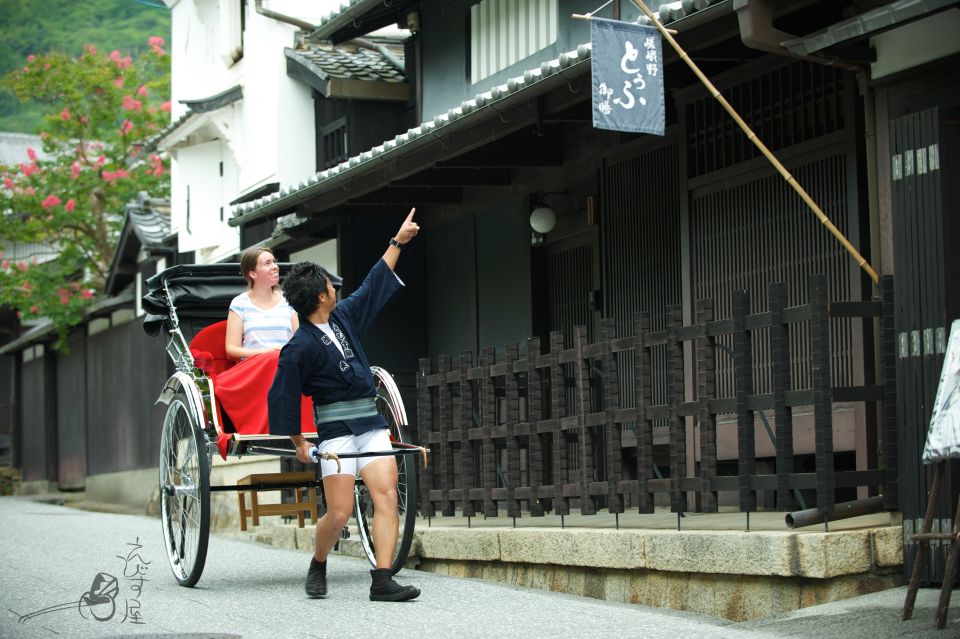
- You ride the bamboo forest on a rickshaw path, not the main foot-traffic route
- Route is customizable, so you can steer toward temples, gardens, or neighborhood streets
- Your guide handles photos at key moments, with lots of hands-on stopping for pictures
- Longer tours add more temple/garden stops, including Nison-in
- Comfort features help in bad weather, including blankets and rain protection
- No selfie sticks, so go with normal phone cameras and let the guide shoot too
Togetsu-kyo Bridge to Bamboo Quiet: the big idea in Arashiyama
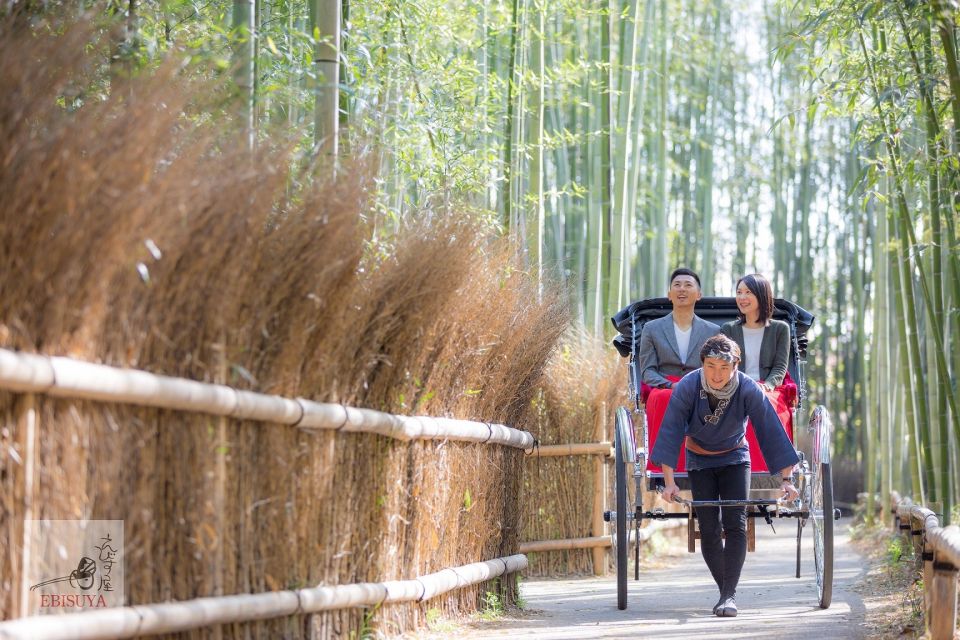
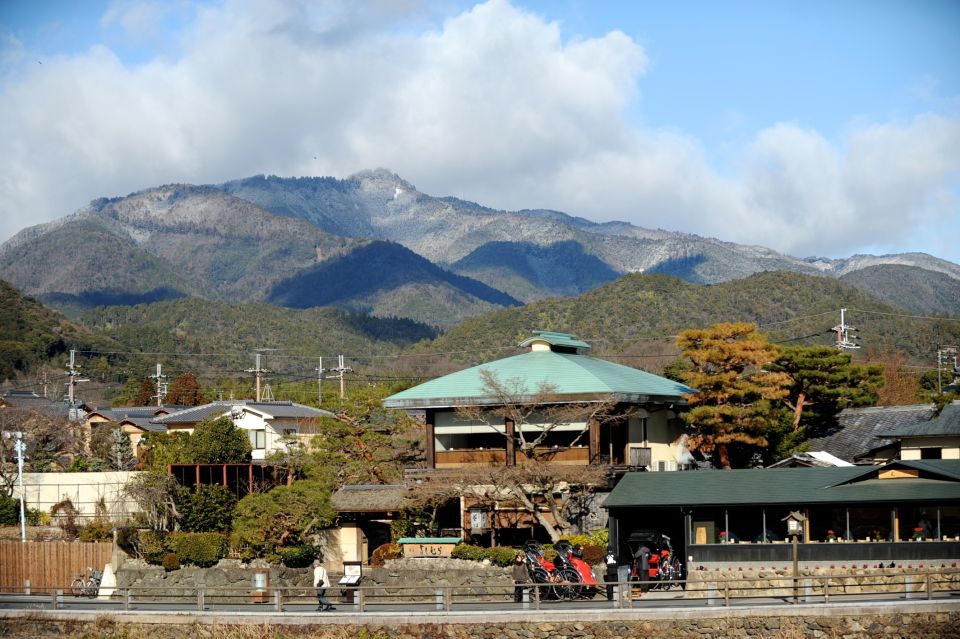
You start at Kyoto’s iconic Togetsu-kyo Bridge in Arashiyama, a nationally designated historic site and scenic area on the west side of the city. From there, your rickshaw pulls you into a part of Arashiyama that feels calmer than the main walking crowd. Think of it as Kyoto doing its nature thing: tidy gardens, shrine details, and that tall bamboo stand that makes you stop mid-step just to stare.
What makes this tour work so well is the mix of access and guidance. The driver guides the cart where people on foot may face heavier bottlenecks. And your guide doesn’t just point at famous spots—they explain what you’re looking at, which helps everything click once you’re there.
In reviews, guides like Koki, Yuya, and Shin show up again and again for a simple reason: they make the ride feel personal. You are chatting while you travel, and you’re not stuck guessing what matters next.
You can also read our reviews of more tours and experiences in Kyoto.
The bamboo forest rickshaw path: why it feels different than walking
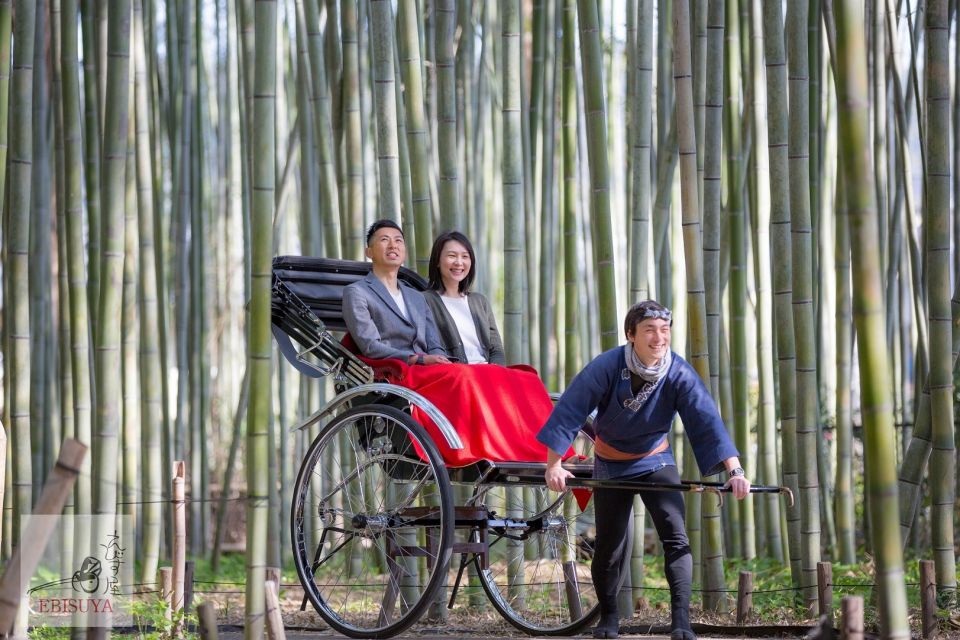
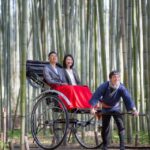
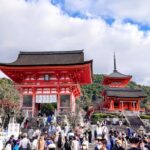
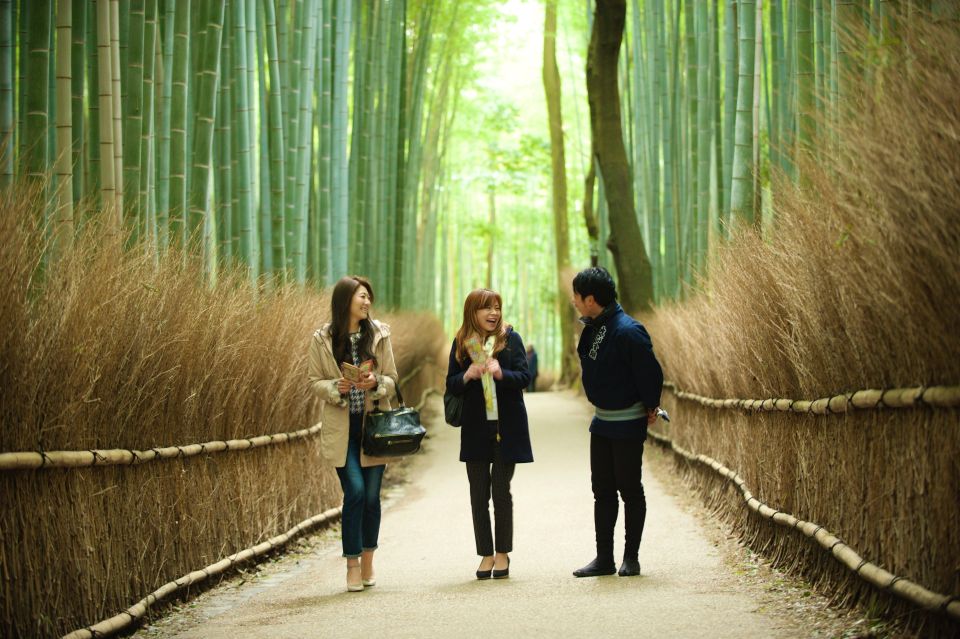
The star is the bamboo: a towering grove of thick stalks with a pedestrian and rickshaw path cutting through it. The rickshaw lane matters. You spend time where the views are great, but the experience stays more relaxed—less weaving through peak foot traffic, more slow, scenic cruising.
You’ll also notice the difference in sound and rhythm. When you’re walking, it’s stop-and-go and shoulder-to-shoulder. On the rickshaw, you can take in the bamboo height and the light filtering through the stalks without constantly checking foot placement or dodging crowds.
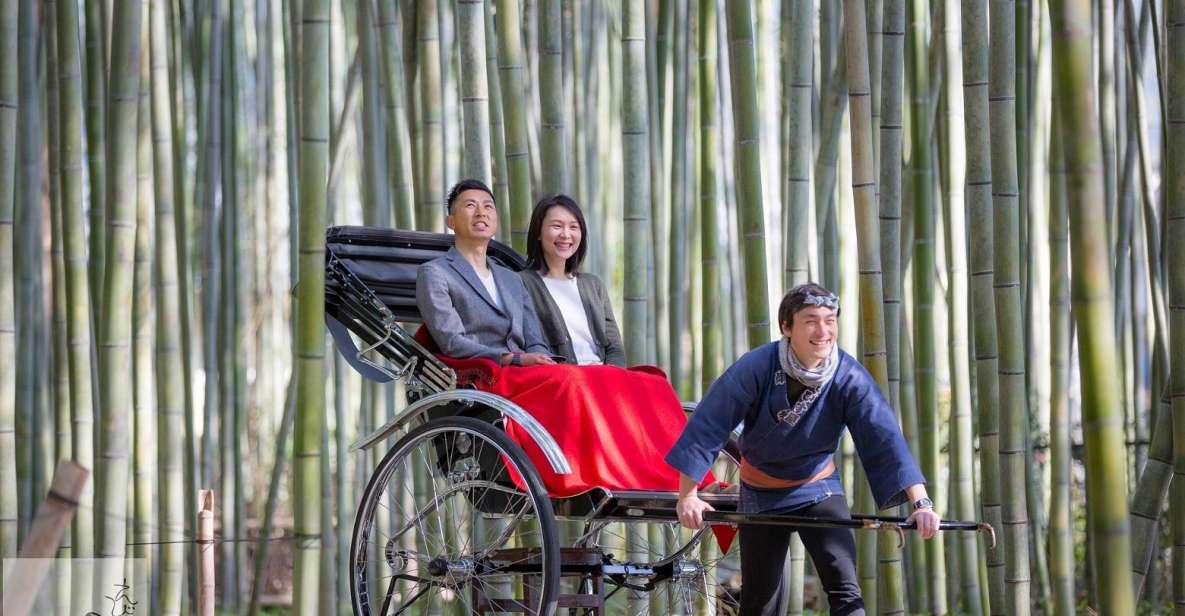
This is also where comfort upgrades show up in real ways. During winter cold and even snow, you’ll likely get blankets. During rain, reviews mention rain covers to keep your legs from getting soaked. That kind of small protection changes your whole attitude: you stop thinking about the weather and start paying attention to the sights.
Nonomiya Shrine, Rakushisya cottage, and the temple layers
After the bamboo grove, the tour hits the shrine-garden rhythm Arashiyama is famous for. A key early stop is Nonomiya Shrine, a Shinto site. If you book the 45-minute option, this is where the shorter route ends and you return to the starting point. So for a quick hit, you get the bamboo moment plus Nonomiya Shrine, then back.
If you choose a longer tour, the ride expands into more layered Arashiyama. You can expect stops that mix:
- shrine scenery and quieter temple grounds
- garden details you might miss on your own
- historic atmosphere around older structures
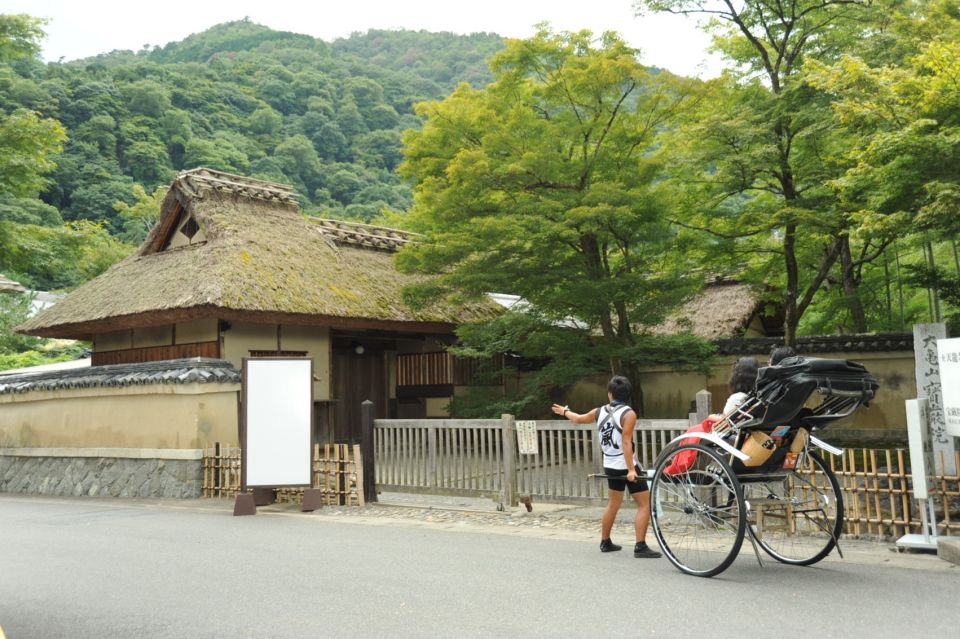
One highlighted stop is Rakushisya, a rustic, thatch-roof cottage that was once associated with a revered poet and haiku master. Even if you are not a haiku scholar, you can feel why people link this place to poetry. Bamboo and quiet spaces seem made for short, precise words.
For the longest options, you may also visit Nison-in, a Buddhist temple. Longer rides are where your guide can also help you connect “what you’re seeing” with “why it’s here.” In the feedback you’ll see guides like Shin and Lucas described as careful with pacing and strong at steering you around heavy tourist clusters, including access opportunities that limit foot traffic in certain areas.
What you should watch for during temple/garden stops
You’re in temples and gardens, not a museum conveyor belt. So plan to slow down:
- Look for how paths curve and where the view lines open
- Notice the shrine/temple details your guide points out
- Take photos at the guide’s photo breaks, not just when you feel rushed
The driver-guide duo: conversations and photos that actually help
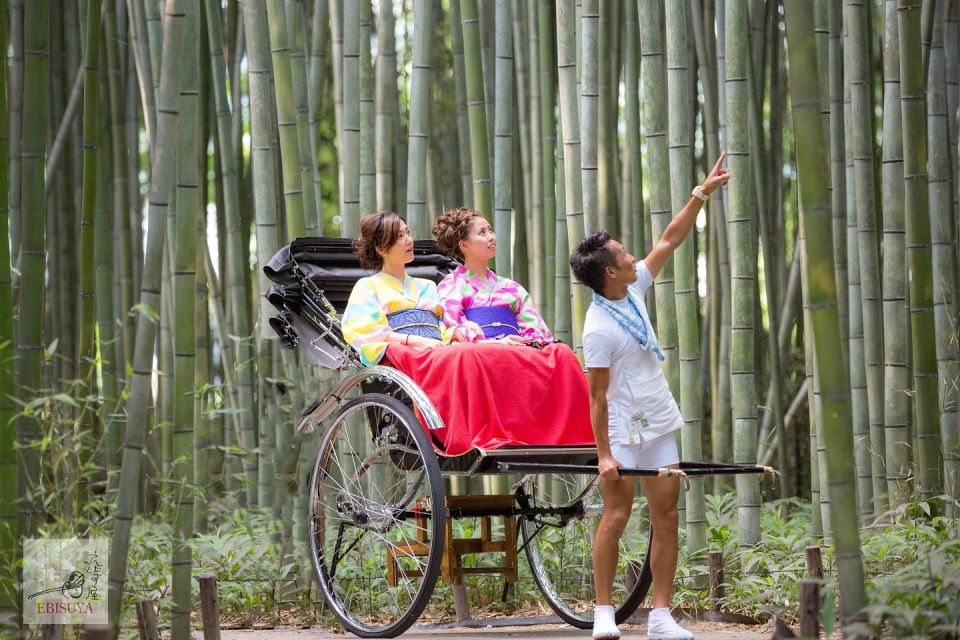
This is a private tour, which changes the vibe fast. You are not waiting for a group. Your guide can adjust how long you linger, and you can steer the stops based on what you care about most.
The most consistent praise across guides is about two things:
1) their conversation style and local storytelling
2) their photography
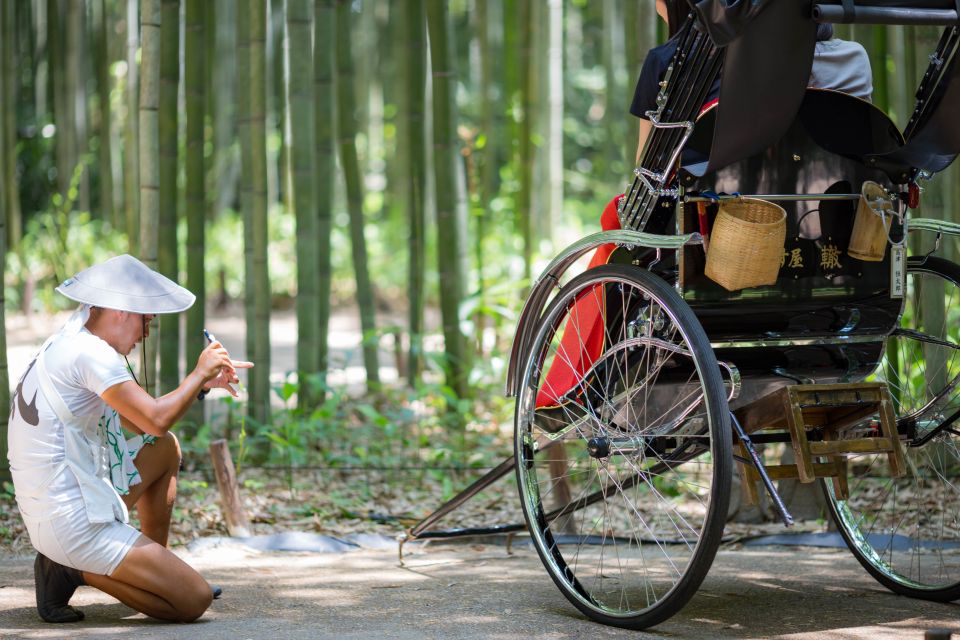
People specifically mention guides who act like friendly narrators while also taking strong photos—often with enough stops to get good angles. Some guides are even described as offering photo coaching, so you can get at least a couple of shots that look like you planned them rather than timed them.
Comfort and safety also show up. Reviews mention guides pulling hard up inclines while still holding conversations. And in bad weather, the rickshaw setup helps you stay warm and dry enough to enjoy the scenery instead of fighting cold rain.
A small practical tip
If you want a photo, ask for it without overthinking. Your guide is already built for photo stops. And you’ll likely end up with more keepers than you would trying to snap while bouncing.
Timing options: choosing 45 vs 1:10 vs 2:10 vs 3:10
The tour comes in four lengths:
- 45 minutes
- 1 hour and 10 minutes
- 2 hours and 10 minutes
- 3 hours and 10 minutes (up to 190 minutes)
Here’s how I’d choose based on the kind of Arashiyama day you want.
45-minute option: bamboo + Nonomiya Shrine hit
This is ideal if:
- you want the bamboo forest moment without committing to a long outing
- your schedule is tight around other Kyoto stops
- you’re okay with fewer temple layers
You’ll see the bamboo grove and then Nonomiya Shrine, and the tour ends back at the starting point. It’s a focused sampler.
1:10 and 2:10: add more Arashiyama texture
These lengths tend to be best when you want both:
- a calm bamboo break
- more time in shrine/temple areas and quiet neighborhood streets
You should have enough time for the guide to tailor what you care about and still keep a relaxed pace.
3:10: for the temple-and-garden people
If you like slow sightseeing, choose this. This is where your tour can include additional stops and potentially reach Nison-in. It’s also the option where you’ll feel the most “guided discovery,” because your guide can steer you toward places most tourists don’t see as quickly.
Price and value at about $51 per person
At $51 per person, this rickshaw tour is not the cheapest thing you can do in Kyoto. But it can be good value if you think about what you’re buying.
You’re paying for:
- private access (your own rickshaw, not a walking scramble)
- a driver who can handle route choices in crowded areas
- a guide who talks through what you’re seeing
- photo stops you don’t have to manage yourself
If you’re traveling as two adults, the “per-person” math can feel easier because you’re not paying solo rates for a full carriage. Just note the limit: a maximum of 2 adults per rickshaw. If you want more space or you’ve got extra baggage/bundles, you might prefer booking separate rickshaws when available.
Also, consider weather. When it’s cold or rainy, the blankets and rain cover described in feedback can turn a day from annoying to comfortable. That kind of comfort is hard to put a price tag on, but it’s real value.
Practical stuff: space, rules, and what to wear
Before you book, check the practical constraints because they affect comfort.
Rickshaw size and seating
Each rickshaw is 29.1 inches (74 centimeters) wide, and space can get tight depending on your body shape and clothing layers. Some people may find it more comfortable to book individual rickshaws for each passenger.
Children rules
- Adult pricing applies to age 6 and over
- Up to 2 children aged 5 and under can ride with 2 adults
- Children must sit on an adult’s lap
- If a child under 5 will use one of the two seats, they must book as an adult
Health guidance
This tour is wheelchair- and stroller-friendly, but it is not recommended for:
- people with back problems
- expecting mothers in their first 16 weeks of pregnancy
Rules: no selfie sticks
Selfie sticks are not allowed. That’s a simple rule, but it matters if you’re used to filming hands-free. Bring your phone normally, or plan on letting your guide take photos.
What to bring for comfort
You’ll mostly be outside. So dress for Kyoto weather:
- a warm layer for mornings and evenings
- shoes you’re comfortable wearing while you wait for stops
- a small umbrella if rain looks likely (the rickshaw setup helps, but it’s still weather)
Where this fits best (and who should think twice)
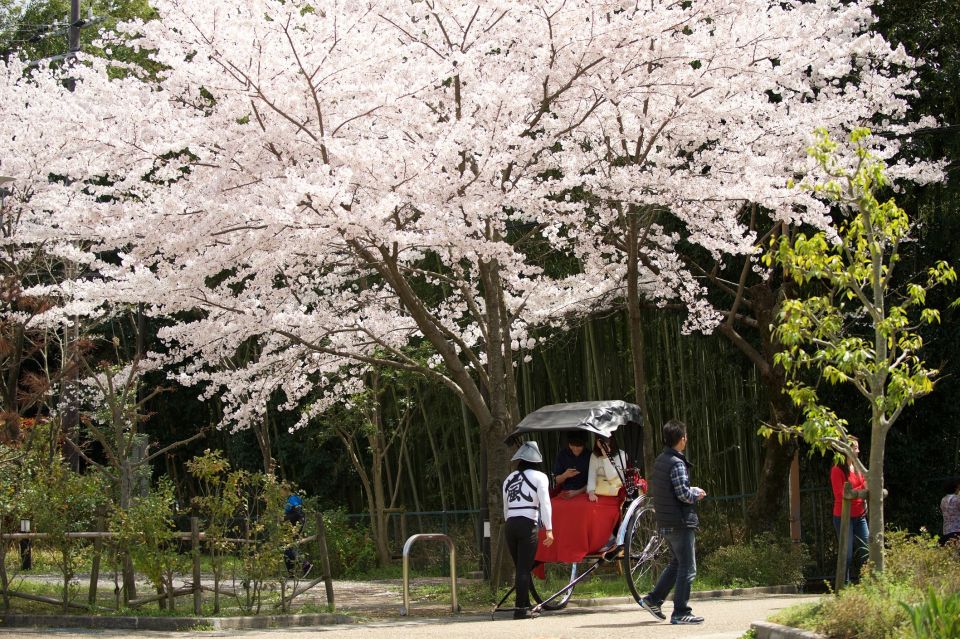
This is a great match if you want:
- a calmer way to experience Arashiyama than just walking
- a guide who can shape the route around your interests
- a classic “Kyoto moment” photo backdrop without wrestling with crowds
It’s also a strong pick for couples. Many of the comments focus on how the ride feels like a private, special date-style outing—especially when guides like Koki or Ai are described as warm, upbeat, and great at both conversation and photography.
People who might struggle
Consider skipping or changing plans if:
- you have back issues (the tour is not recommended)
- you are early in pregnancy (not recommended in first 16 weeks)
- you need long periods of walking breaks or frequent bathroom access (not stated, so I’d be cautious and plan ahead)
Should you book this Arashiyama customized rickshaw tour?
If you want bamboo forest beauty with less crowd stress, I’d book it. The rickshaw path through the bamboo is the core reason, and the private format is what makes the experience feel tailored rather than like a checklist.
I’d especially lean yes if:
- you care about getting good photos without micromanaging them
- you want your guide to help you navigate which sights are worth your time
- you’re going in winter cold or during rain and want blankets/rain protection
I’d think twice if you’re sensitive to sitting in a narrow vehicle or have back problems. And if your main goal is a long temple-hopping day, you’ll likely want the longer time options so you can actually experience the additional stops like Nison-in.
Either way, this one is a solid Kyoto value when you use it for what it’s best at: quiet bamboo views, guided temple scenes, and a custom route you control.
FAQ
Where do I meet for the tour?
You meet at Kyoto’s iconic Togetsu-kyo Bridge in Arashiyama, and the exact meeting point may vary depending on the option booked.
How long is the Arashiyama rickshaw tour?
It runs from 45 minutes up to 190 minutes, with options at 45 minutes, 1 hour 10 minutes, 2 hours 10 minutes, and 3 hours 10 minutes.
Is this a private tour?
Yes. It’s listed as a private group tour.
What’s included in the price?
The tour includes a private rickshaw tour, a local guide, and photo stops at Instagrammable spots along the route.
Can the route be customized?
Yes. The tour can be customized depending on your interest.
What languages do the guides speak?
Guides offer English and Japanese.
How many people can ride in each rickshaw?
A maximum of 2 adults per rickshaw is allowed. The rickshaw width is 74 cm (29.1 inches).
How do children ride?
Up to 2 children aged 5 and under can ride with 2 adults, but children must ride on an adult’s lap. If a child age 5 is using one of the seats, they must book as an adult.
Is the tour wheelchair and stroller friendly?
Yes, it is listed as wheelchair- and stroller-friendly.
Are there any restrictions?
Selfie sticks are not allowed. The tour is also not recommended for people with back problems and for expecting mothers in their first 16 weeks of pregnancy.