REVIEW · KYOTO
Kyoto Night All-Inclusive Eats and Streets, Gion and Beyond
Book on GetYourGuide →Operated by Pinpoint Traveler · Bookable on GetYourGuide
Kyoto at night has a different pace, and this Gion street-and-food tour leans into it hard. You start near Minamiza Theatre, then glide from Yasaka Jinja into the Gion entertainment lanes while your guide explains what you’re seeing and why it matters. The best part for me is that the night is planned around two quality local stops, not a hit-and-run photo spree.
I love the small group size (max 6), because you actually have time to ask questions and swap travel notes. I also like that dinner is spread across two restaurants as a meal-worth of small plates, so you can graze and compare flavors without feeling stuffed too early. One consideration: the second night stop can be a bar setting where smoking is allowed indoors, so if that affects you, plan ahead.
If you’re trying to do Kyoto at night without guessing where to eat, this is a strong option. You get a guided walk, local nightlife context around the geisha district, and a full dinner with drinks included—so you can focus on the experience instead of logistics.
In This Review
- Key points I’d circle before you book
- Entering Kyoto Night Mode in Gion and Beyond
- The Small-Group Advantage (and Why It Matters in Gion)
- Minamiza Theatre to Yasaka Jinja: Starting Where the Night Begins
- Gion After Dark: Learning the Geisha District Without the Guesswork
- Crossing the Kamo River and Timing the Night Right
- The Food Plan: Japanese Tapas Style Between Two Restaurants
- A practical eating tip that can save you discomfort
- Ponto-cho at Night: Streets That Explain the Atmosphere
- Drinks Included: Trying Kyoto Night Culture Without Extra Cost
- Optional Kobe Beef Upgrade: When It’s Worth Planning Ahead
- Price and Value: Is $101 a Fair Deal for 3 Hours?
- Who This Tour Fits Best (and Who Should Skip It)
- Should You Book This Kyoto Night Eats and Streets Tour?
- FAQ
- How long is the Kyoto Night All-Inclusive Eats and Streets tour?
- Where do I meet the guide?
- Where does the tour end?
- What’s included in the dinner?
- Are drinks included?
- What languages are available for the guide?
- How big is the group?
- Is there a Kobe beef option?
- Can I cancel and get a refund?
- Is this tour suitable for children or mobility needs?
Key points I’d circle before you book
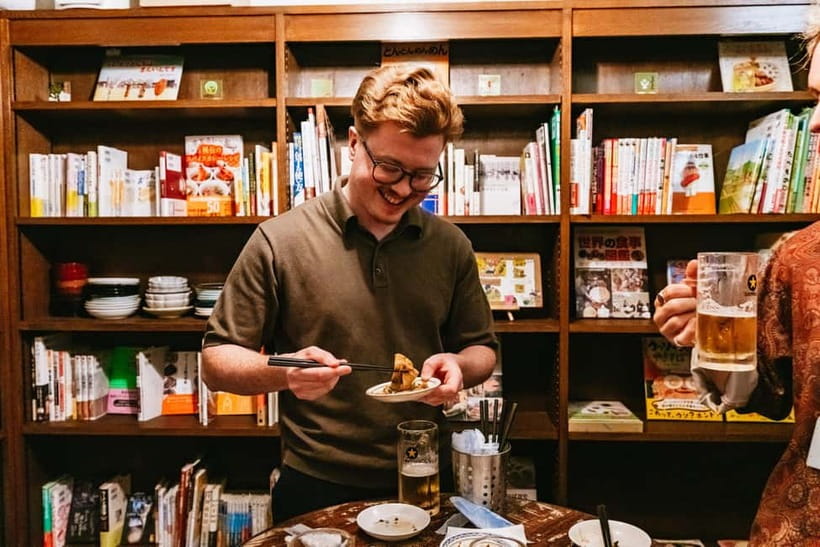
- Max 6 people keeps the night personal and makes it easier to chat.
- Two restaurants, one full dinner means more variety without hunting for places.
- Yasaka Jinja at evening gives you a calmer look at a famous site.
- Gion + Ponto-cho street time helps you understand the geography of Kyoto nightlife.
- Two included drinks lets you try Japanese bar culture without extra cost.
- Kobe beef upgrade is available if you book far enough in advance (at least 10 hours).
Entering Kyoto Night Mode in Gion and Beyond
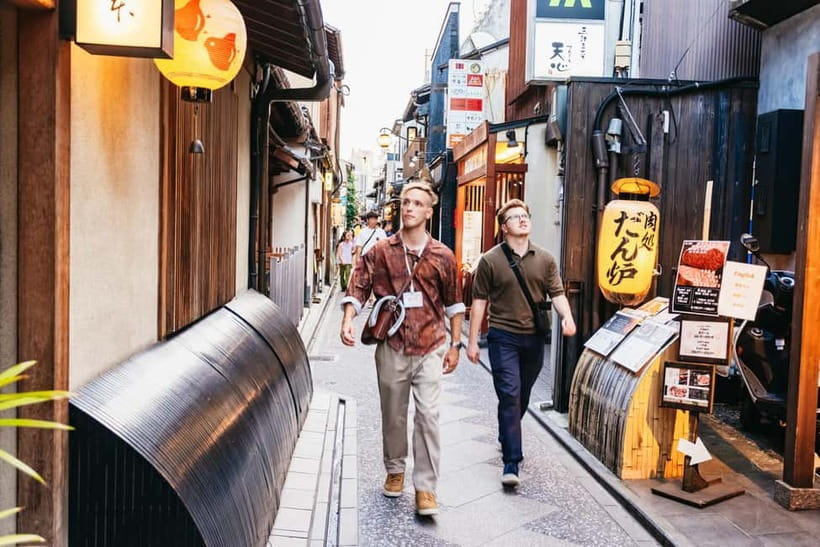
Kyoto after dark can feel like a small stage set—quiet lanes nearby, louder entertainment pockets a few steps away. That contrast is the whole point here. You’re not only walking through famous streets. You’re walking through zones with different rules, different rhythms, and different histories that shaped how the area functions today.
What makes this tour work is the way it balances culture and food. The walks give you context, then the restaurants let you taste the culture in the most practical way possible: through small dishes and drinks in local-style settings. In other words, you get the stories and the stomach payoff, without turning the night into a long lecture.
If you want a night that feels social but not chaotic, the group size helps. You also don’t need to know Kyoto street names in advance—you’re guided step-by-step, and your guide keeps the pace friendly.
You can also read our reviews of more tours and experiences in Kyoto.
The Small-Group Advantage (and Why It Matters in Gion)
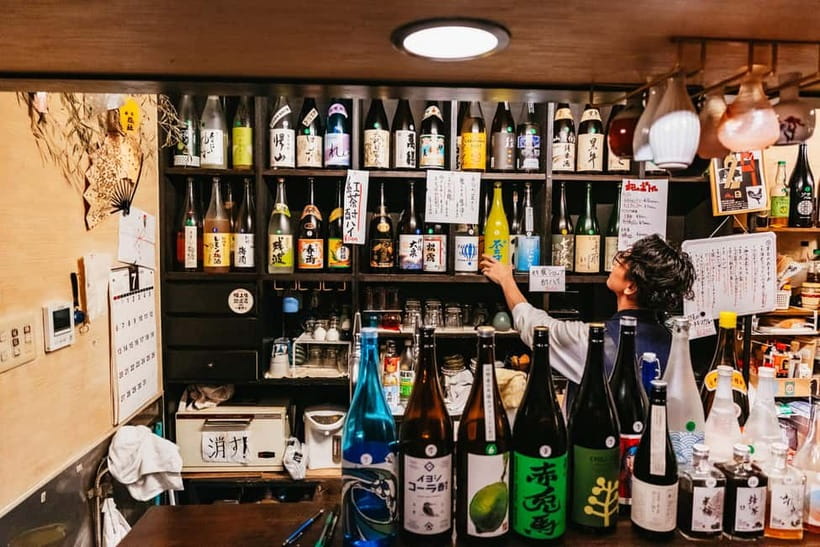
Gion is one of those places where crowds and confusion can take over fast. A group of up to six changes how the night feels. I find it easier to keep up on narrow sidewalks, and you can actually hear the guide’s explanations without yelling at everyone.
It also makes the tour feel like a plan between friends. People in the group tend to start talking right away, especially during the restaurant stops. Several guides have been mentioned in past experiences—names like Hugo, Jamie, Andres, Bryan, Joshua, Lito, Diogo, Maya, Brian, and Ferdinand come up often—which usually points to the same thing: different personality styles, but a consistent focus on both area context and food.
Language is a real practical point too. This tour runs with guides fluent in Spanish, English, and French (and they’ll use Japanese as part of interpretation). If you’ve ever struggled to connect on a food tour in Japan, being able to ask follow-up questions in your own language makes the whole night click.
Minamiza Theatre to Yasaka Jinja: Starting Where the Night Begins
The meeting point is easy to recognize: Minamiza Theatre, right at street level of Gion Shijo Station exit 6. Having a fixed spot near transit matters because Kyoto tours can start at tricky corners. Here, you avoid that stressful scatter-go-fins-yourself vibe.
From there, the night begins with a guided orientation feel. You head into Yasaka Jinja for an evening look. This is one of those places where a daytime visit shows the structure and a nighttime visit shows the atmosphere. You’ll spend about 15 minutes on a guided tour, sightseeing, and walking—enough time to see the space without rushing through it.
Practical tip: wear comfortable shoes. That’s not fluff. The walking time is spread across multiple stops, and Gion streets can be uneven and narrow. If your feet are fine, the rest of the night feels relaxed.
Gion After Dark: Learning the Geisha District Without the Guesswork
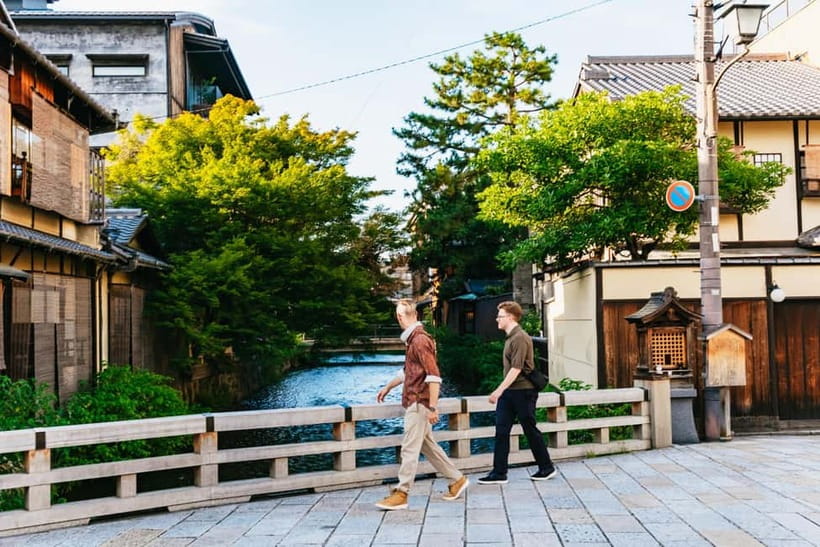
After Yasaka Jinja, you shift into Gion, with another short guided sightseeing walk (about 15 minutes). This is where the tour earns its keep. The guide explains what you’re seeing in the entertainment district—how the lanes work, what to notice, and what cultural mores are behind the scenes.
Gion is famous, but it can also be misunderstood. People often treat it like an open-air museum. The value here is that you learn how it functions as an area of nightlife, while still respecting the cultural side of it. The guide keeps it light and fun, but the explanations are meant to help you interact with the space correctly.
A helpful mindset for the night: watch where you’re walking, not just what you’re photographing. Narrow streets and small side entrances carry most of the character. When your guide points out the patterns—how streets connect and where activity concentrates—you’ll start to see Gion like a local map, not just an iconic postcard.
Crossing the Kamo River and Timing the Night Right
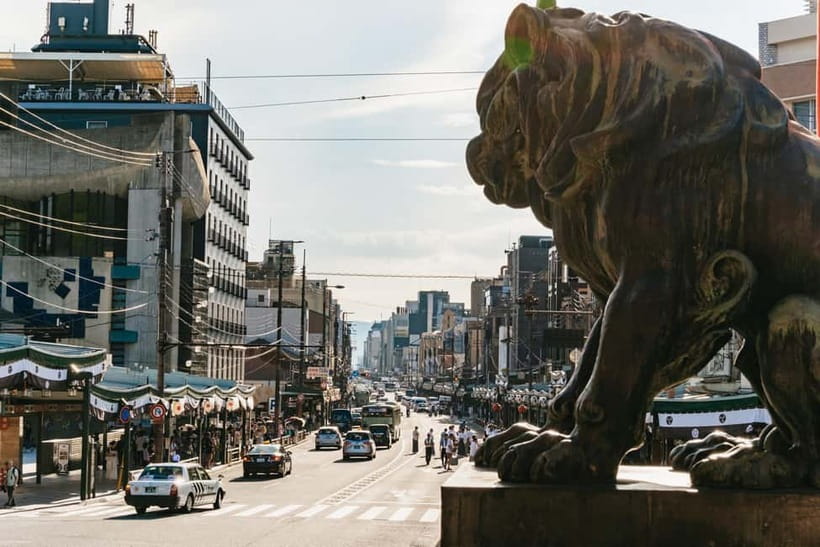
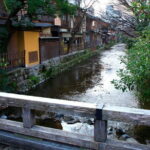
You also make a stop by the Kamo River. This part is guided sightseeing and walking, and it helps reset your senses between the shrine and the restaurant rhythm. River-adjacent strolls can make the pace feel smoother, and you get a break from the tight street corridors.
Why that matters: if you go straight from shrine-to-restaurant-to-nightlife without breaks, you can feel hurried. The Kamo River segment acts like a natural pacing tool. It gives you time to walk off a little “arrived adrenaline” and settle into an evening mindset.
This is also a good moment to notice how the neighborhood changes tone block by block. Some streets stay hushed; others pull you toward late-night energy. That contrast is part of what makes Kyoto nights feel special.
The Food Plan: Japanese Tapas Style Between Two Restaurants
Here’s the core of the experience: you graze. Not in a buffet way, and not in a one-plate-per-person tourist way. You get a varied dinner spread across two local restaurants, including drinks—so the meal feels substantial but still adventurous.
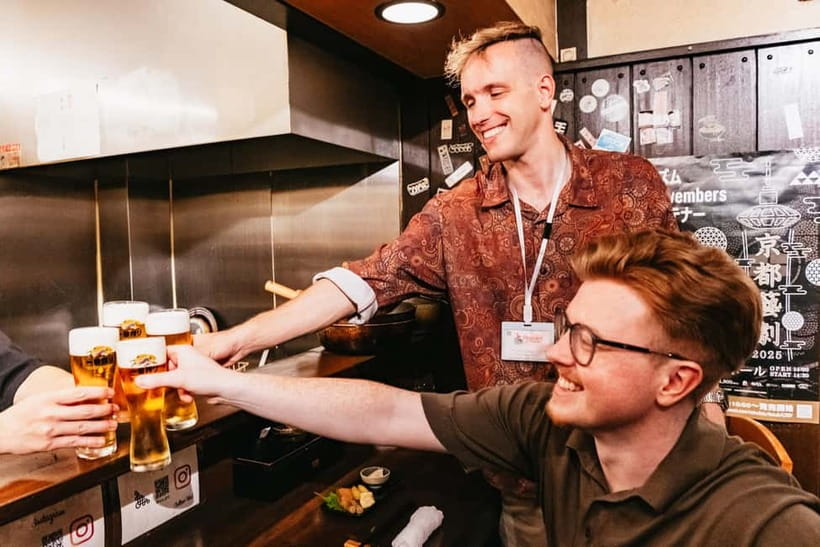
At the first local restaurant, you’ll have about 45 minutes. The setup is essentially Japanese-style tapas, with small plates so you can try multiple items. You’ll also have a drink included here (alcoholic or non-alcoholic). The idea isn’t just quantity—it’s variety. Small dishes let you sample different flavors and textures, and you can compare what you liked most as you move to the next place.
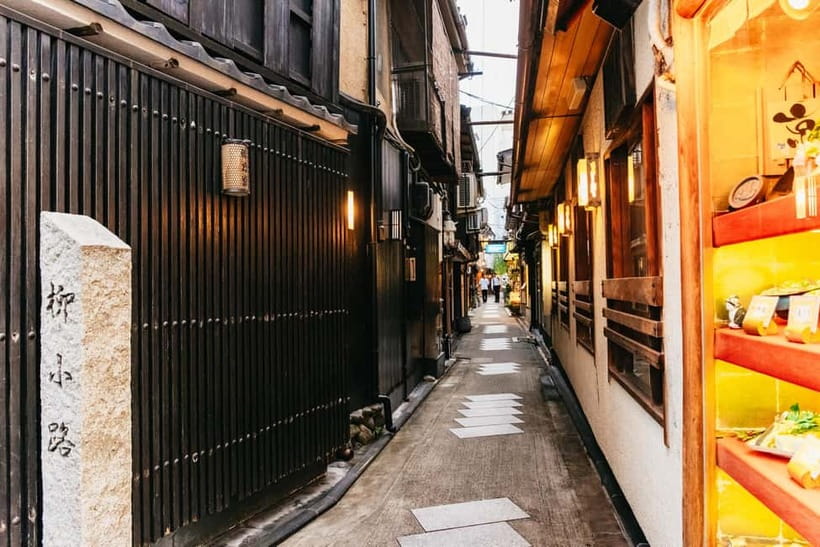
Then you head to the next area: Ponto-cho. You get around 30 minutes of guided sightseeing and walking there, which helps you connect the food experience to the streets around it. Ponto-cho is the kind of lane where lighting and movement define the mood. Even if you’ve seen photos, being on foot at night is what teaches you the feel.
The second restaurant stop runs about 30 minutes, with more drinks and more small plates. This is where the tour earns the small-group social vibe, because you sit, eat, and keep chatting while your guide shares cultural context tied to what’s on the table.
A practical eating tip that can save you discomfort
One very real piece of advice I’d follow: don’t overeat at the first stop. The food keeps coming, and small dishes add up faster than you expect. Pace yourself so you can enjoy the second restaurant instead of eating food on autopilot.
Ponto-cho at Night: Streets That Explain the Atmosphere
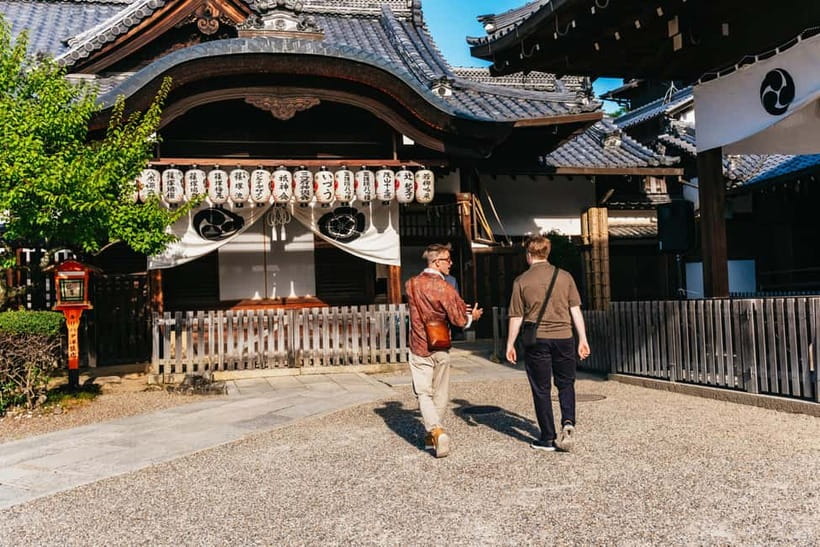
After the first restaurant, the tour doesn’t just transport you like luggage to a second meal. It places you in Ponto-cho first, with guided sightseeing. This is about understanding how the district feels as a system: streets, lighting, foot traffic, and the way nightlife clusters.
If Gion is the famous lane, Ponto-cho is the atmosphere lane. It’s where you start to see why Kyoto nightlife has a different tone than most cities. You’re walking with context, so you notice details you’d otherwise miss—like how the street layout shapes movement and how the area’s mood changes from corner to corner.
If you’re the kind of traveler who likes photos, this is a good moment for them too. Just remember: the goal is seeing the place, not sprinting for shots.
Drinks Included: Trying Kyoto Night Culture Without Extra Cost
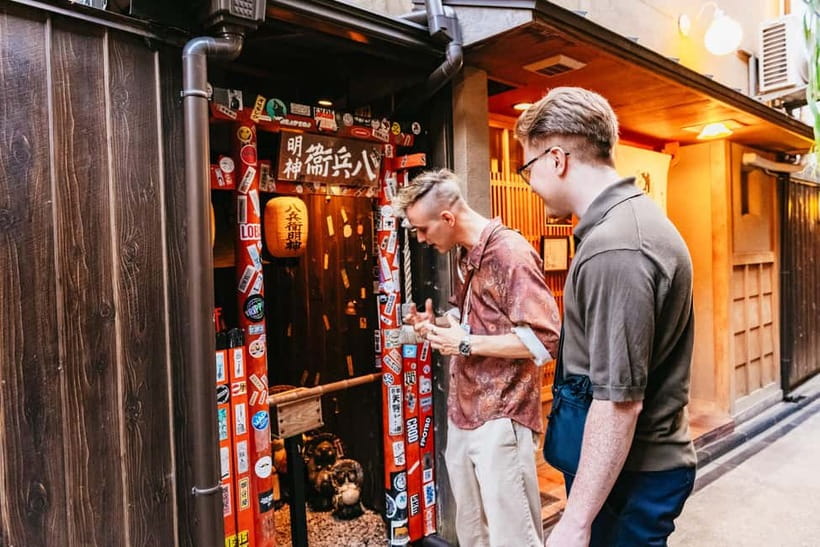
You get two drinks as part of the experience, either alcoholic or non-alcoholic. This is a smart value move. Alcohol in Japan can add up fast, and it’s nice when your tour removes the guesswork.
Guides often recommend drinks that fit what you’re eating. Past experiences have included mentions of sake, so you might have a chance to try a Japanese option that matches the food. Even if you skip alcohol, the non-alcoholic choices still keep the meal feel like an evening out, not a take-a-bite-and-go situation.
Optional Kobe Beef Upgrade: When It’s Worth Planning Ahead
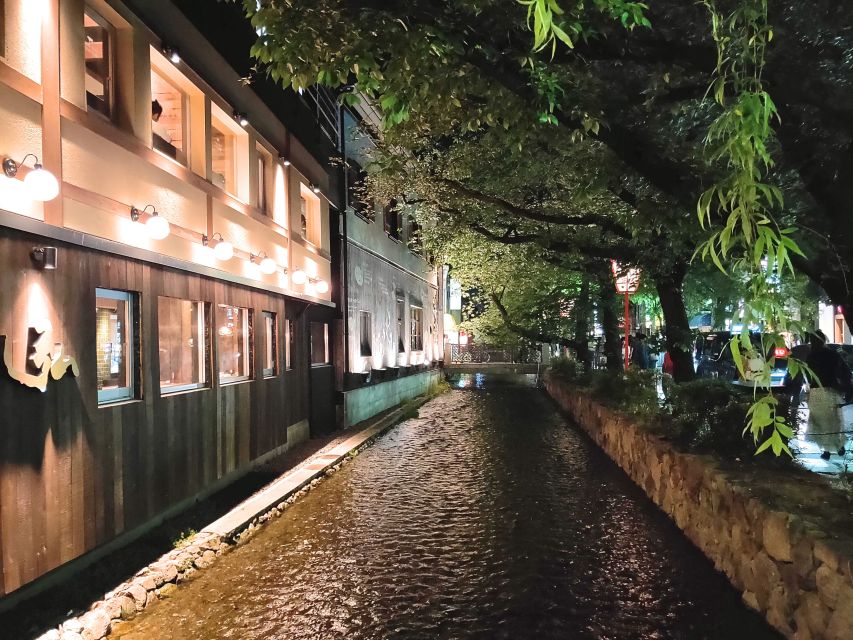
There’s an extra option for a Kobe (or nearby-sourced) beef dish. The catch is timing: it’s available only for bookings made at least 10 hours in advance.
If you want this upgrade, plan early. It’s the kind of add-on that can be great if you’re a meat fan, but it’s also the kind of thing you don’t want to scramble for at the last minute. If you’re mainly here for the guided street experience and local variety, you can skip the upgrade and still get a full dinner.
Price and Value: Is $101 a Fair Deal for 3 Hours?
At $101 per person for about 3 hours, you’re paying for three things at once:
- a small-group guided walk in Gion and Ponto-cho,
- a full dinner across two local restaurants,
- and two included drinks.
Walking-only tours exist, and food-only options exist. This combines both, which reduces the cost of piecing it together yourself. Most importantly, it helps you avoid the common Kyoto-night problem: good food spots are tucked away, and you often need local guidance to find them without spending extra time.
That said, it’s not for everyone. If you hate being on a schedule, or you prefer to wander without structure, you might feel constrained. If you do like a planned route with room to ask questions, this price starts to look like a practical buy.
Who This Tour Fits Best (and Who Should Skip It)
This tour is a good match if:
- you want an easy Kyoto night plan with guided context,
- you like tasting lots of small dishes,
- you want a group of no more than 6 people,
- and you’re okay with walking on city sidewalks.
It’s not a fit for people with mobility impairments, since the walking parts and street setup aren’t designed for accessibility needs listed here. Also, it’s not suitable for children under 18, so it’s aimed at adults.
One more consideration: some bars or restaurants can allow smoking indoors. If smoke exposure would bother you, ask ahead or choose non-smoking options when possible.
Should You Book This Kyoto Night Eats and Streets Tour?
I’d book it if you’re coming to Kyoto for the first time and you want a night that feels guided but not stiff. The mix of Yasaka Jinja at evening, Gion street context, Ponto-cho atmosphere, and a real meal across two restaurants is a strong formula.
I’d skip it if you’re traveling with someone who needs totally smoke-free indoor environments, or if you want total freedom to pick your own places without a set route. Also skip it if you can’t handle the walking.
For most people who want a Kyoto night that’s easy, social, and food-forward, this one is a solid bet.
FAQ
How long is the Kyoto Night All-Inclusive Eats and Streets tour?
It lasts about 3 hours.
Where do I meet the guide?
Meet in front of Minamiza Theatre, at street level of Gion Shijo Station exit 6.
Where does the tour end?
It ends back at the meeting point near Minamiza Theatre.
What’s included in the dinner?
You’ll get a full dinner across two local restaurants, including meal-worth small dishes.
Are drinks included?
Yes. Two drinks are included, and they can be alcoholic or non-alcoholic.
What languages are available for the guide?
The live guide is available in Spanish, English, and French.
How big is the group?
It’s a small group with no more than 6 participants.
Is there a Kobe beef option?
Yes, a Kobe (or nearby sourced) beef option is available if you book at least 10 hours in advance.
Can I cancel and get a refund?
You can cancel up to 24 hours in advance for a full refund.
Is this tour suitable for children or mobility needs?
It is not suitable for children under 18, and it is not suitable for people with mobility impairments.