REVIEW · KYOTO
5 Top Highlights of Kyoto Full Day Bike Tour (E-bike option)
Book on Viator →Operated by Kyoto Bike Tour · Bookable on Viator
Kyoto feels like a puzzle of neighborhoods, not one straight line. This full-day bike tour is interesting because you’re covering serious distance under your own power, then locking in time at Kyoto’s most in-demand landmarks. You’ll ride about 27 miles (44 km) total, with stops timed so you can see a lot without turning the day into a long bus ride.
I like the practical mix of famous and quieter moments: Fushimi Inari’s torii gates and Gion’s historic streets come with photo-ready viewpoints, while the ride itself takes you through everyday Kyoto life. I also love that the day is planned around comfort, with the gear and fuel handled for you: helmet, bottled water, light lunch, and snacks.
The main drawback is simple: it’s still a full day on a bike (plus walking at temples). You should have moderate fitness and realistic expectations—especially in heat.
In This Review
- Key reasons this Kyoto bike day works so well
- Why bike time beats Kyoto traffic and long lines
- Saga-Arashiyama start: what a 7-to-8-hour day looks like
- What’s included (and why it’s a big deal in Kyoto)
- Stop 1: Bamboo Forest Street and that famous soundscape
- Stop 2: Fushimi Inari-taisha and the torii tunnel plan
- Stop 3: Gion by bike, not by sprint
- Stop 4: Kiyomizu-dera in one focused hour
- Stop 5: Kinkaku-ji and finishing strong with the golden pavilion
- Traditional bike or e-bike: the real decision
- The guides: safety, culture, and crowd-smart pacing
- Who this Kyoto bike tour fits best
- Practical tips to make your day easier
- Should you book Kyoto’s 5 highlights bike day?
Key reasons this Kyoto bike day works so well
- Small group size (max 8 travelers) means less waiting and more personal attention on the route.
- 27-mile route with an optional e-bike lets you match your energy level to Kyoto’s hills.
- Admission fees included for every stop keeps the day smooth and predictable.
- Bottled water plus lunch and snacks helps you keep going when the day runs long.
- Native English bilingual guide style usually means clear explanations and easy navigation through crowds.
Why bike time beats Kyoto traffic and long lines

Kyoto’s big sights are spread out. If you try to do them by bus or taxi, you lose chunks of the day to traffic and transfers. This tour solves that by putting you on a bike early and keeping you moving between five top areas.
Covering roughly 27 miles (44 km) in one day isn’t casual, but it’s also not a random death-march route. The route is designed to connect neighborhoods efficiently, so you can spend your limited time where it matters—at the places people actually come to Kyoto for.
Another reason this works: the ride changes your view. Instead of only seeing sights from a window, you feel the city—river paths, local streets, and the slower pace of parkland edges. It’s a very Kyoto way to travel: active, local, and built for short bursts of sightseeing.
You can also read our reviews of more tours and experiences in Kyoto.
Saga-Arashiyama start: what a 7-to-8-hour day looks like
You meet at Saga-Arashiyama Station at 8:30 am, and the tour ends back at the same meeting point. That matters because you can plan your morning without worrying about where your driver drops you off.
The whole experience runs about 7 to 8 hours, which is long enough to feel like a real day out, not just a quick sampler. The stops are short on purpose—often 20 to 30 minutes—so you can hit multiple highlights before the day gets away from you. Then one stop, Kiyomizu-dera, gets a longer window (about an hour) for the kind of walking and viewing that can’t be rushed.
Expect cycling plus some walking. You should come with moderate physical fitness and be ready for a steady pace. If you’re used to riding and you manage the heat and hydration, the day feels rewarding. If you’re not comfortable on a bike, it can feel like a lot.
What’s included (and why it’s a big deal in Kyoto)
You’re not just handed a bike and sent off. The tour includes the essentials that keep you from spending time hunting for things mid-day.
Included items:
- Bicycle and helmet
- Bottled water
- Light lunch and snacks
- Admission fees for each scheduled stop
- Native English bilingual guide
This is one of the quieter reasons the tour scores so high. Temples and shrines are only part of the story; hunger and dehydration can ruin a sightseeing plan fast. Having food and water built into the timing helps you stay focused on the sights instead of the logistics.
One note: if you have food allergies or restrictions, you should notify the operator when booking. It’s not just polite—it’s practical, since lunch is included.
Stop 1: Bamboo Forest Street and that famous soundscape
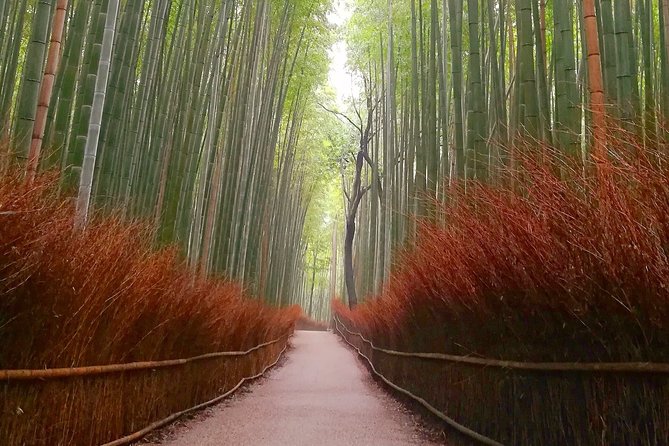
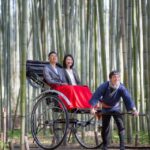
Your first stop is Bamboo Forest Street, with about 20 minutes on-site. This is where Kyoto does its magic early: tall bamboo stalks, narrow paths, and that distinctive atmosphere that makes the area feel almost cinematic.
This short timing is smart. Bamboo forest areas can get crowded, and there’s only so much you can do before you’re repeating the same angles. With a 20-minute window, you can walk, take photos, and experience the vibe without burning energy for a stop that’s mostly about atmosphere.
Tip for your visit: slow down the first few minutes. Bamboo areas look good in photos, but the real win is standing still long enough to take in the sound and movement of the space.
Stop 2: Fushimi Inari-taisha and the torii tunnel plan
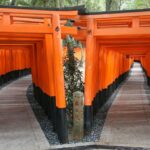
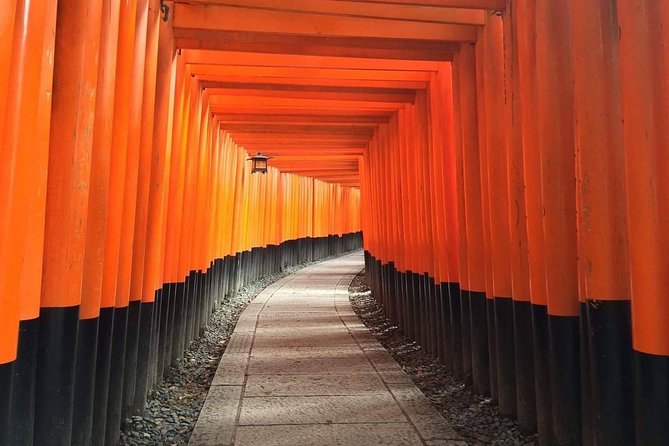
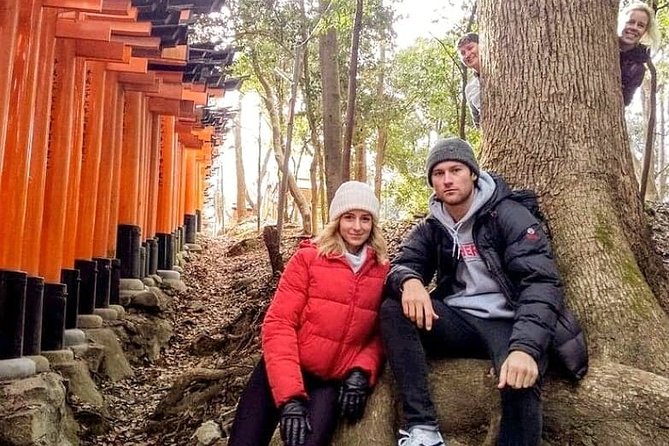
Next up is Fushimi Inari-taisha Shrine for about 30 minutes. This is the stop most people dream about: red torii gates, long sightlines, and the photo moment everyone recognizes.
The time limit is the key consideration here. Fushimi Inari can sprawl, and it’s easy to lose 45 minutes just finding your footing and stopping for pictures. With 30 minutes, you’ll want a simple goal: choose a viewpoint you like near the beginning or middle and commit to it.
What I like about doing it by bike is that you arrive without stress. You’re not dealing with a packed transfer line, and once you’re there, the guide can help you move efficiently while still giving you enough time to enjoy it.

Stop 3: Gion by bike, not by sprint
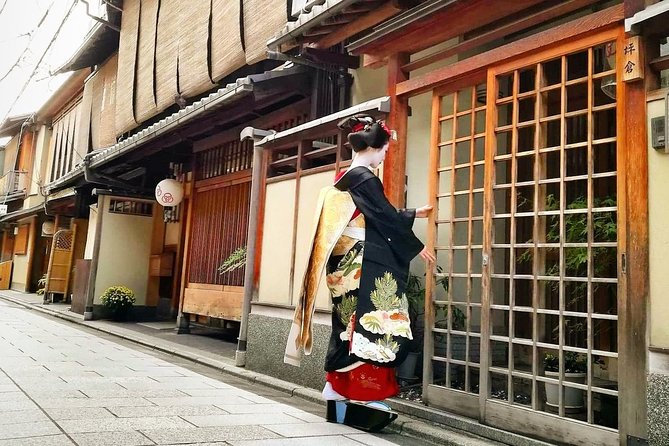
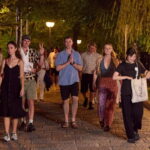
After Inari, you head to Gion, the historic geisha district, for around 20 minutes. This is a great breather stop—less stairs, fewer intense crowd surges than some temple areas, and more “look at the streets” wandering.
Gion on foot can be chaotic, because it’s a living neighborhood. On this bike tour, the brief time at Gion is actually an advantage: you get a feel for the area’s character without turning it into an all-day slog.
Practical mindset: use this stop for observations. Notice the street layout, the traditional architecture style, and the contrast between tourist flow and local rhythm. You’ll appreciate it more if you don’t try to do everything.
Stop 4: Kiyomizu-dera in one focused hour
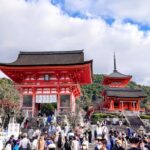
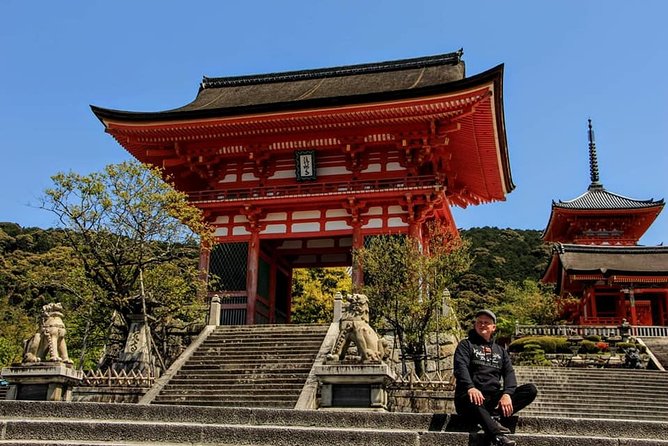
Your biggest sightseeing block is Kiyomizu-dera Temple, with about 1 hour. It’s popular for a reason: the views and the temple setting are iconic, and you need time to move around, take in the perspectives, and absorb the atmosphere.
This stop is also where you’ll feel the “full day” side of the tour. Even with only an hour allocated, you may be walking on uneven ground and climbing steps to see key angles.
If you’re going to spend extra energy anywhere, spend it here. Plan to arrive ready to walk a bit, and take breaks as needed. The guide’s pacing matters because you’ll want to avoid rushing through the viewpoints and missing what you came for.
Stop 5: Kinkaku-ji and finishing strong with the golden pavilion
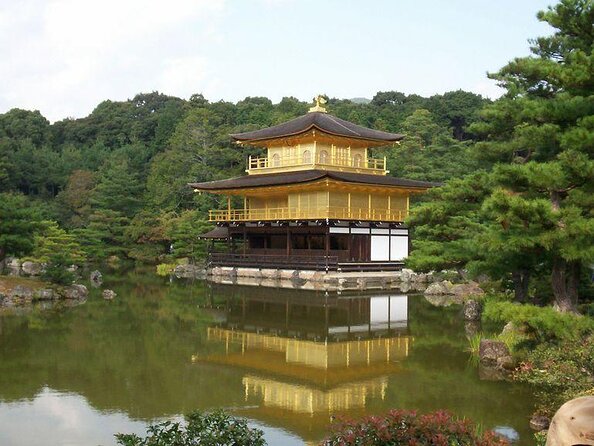
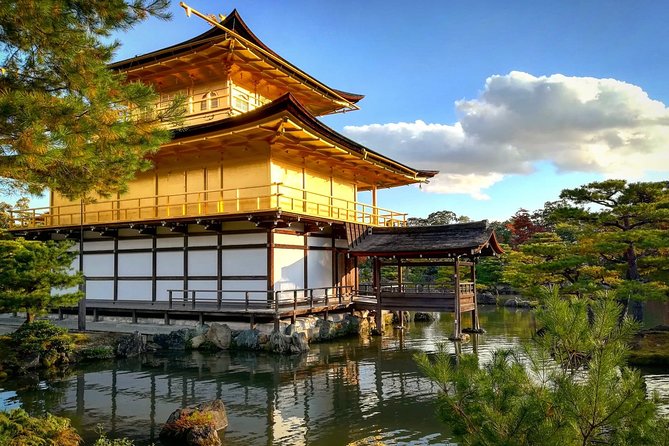
Last is Kinkakuji (Kinkaku-ji Temple) for about 30 minutes. This is the payoff for the afternoon effort: the golden pavilion, reflective light, and that “I made it” feeling when you see it in person.
At this point in the day, you’ll likely be a little tired, which is why 30 minutes works. It’s enough time for a careful look and photos without asking you to keep pushing long after your energy is gone.
This ending also helps your memory. Bamboo forest to Inari to Gion to Kiyomizu-dera, then Kinkaku-ji—your brain gets the visual variety, and you’re not stuck finishing with an underwhelming last stop.
Traditional bike or e-bike: the real decision
You can choose a traditional bike, or an e-bike option is available for an additional fee and confirmation. The e-bike isn’t just for convenience—it’s for grade control.
Kyoto has hills and inclines, and several guide-led days emphasize that an e-bike can make those sections far easier. That said, not everyone needs it. If you’re comfortable riding for hours, you might feel fine on a traditional bike and simply lean into the day as a workout.
Here’s how to decide:
- Pick e-bike if you want to conserve energy for temple walking and photo time.
- Pick traditional if you’re a confident rider and you want the extra exercise.
Either way, the route still includes walking and still totals around 7 to 8 hours, so choose based on how you want that time to feel.
The guides: safety, culture, and crowd-smart pacing
This tour is built around a guide-led day. You’ll have a native English speaking bilingual guide, and the role is more than pointing at sights.
What tends to make the experience click:
- Clear safety guidance on busy streets and crossings
- Local insight that turns landmarks into context, not checkboxes
- Patience when people have questions or need a breather
- Photo help, including where to stand for better angles
- Crowd management, so the group can keep moving and still enjoy what’s ahead
In past days, guides such as Cass, Rob, Peter, Ray, and Kes have been mentioned for being friendly, organized, and attentive—especially when weather shifts or the heat is heavy. One real advantage of a small group is that the guide can adjust the pace without losing everyone.
Who this Kyoto bike tour fits best
This is a great choice if you:
- Want to cover multiple Kyoto icons in a single day without wasting time on transfers
- Enjoy active travel, at least a little
- Like a small-group format where you can actually hear the guide
- Prefer a route that mixes big-name spots with street-level Kyoto atmosphere
It may not be your best fit if you:
- Don’t ride bikes comfortably for hours
- Hate the idea of long days and optional walking at temples
- Are traveling with someone who needs a fully seated sightseeing plan
Also note the age requirement: the tour is for minimum age 16. And the day assumes a level of stamina, so plan accordingly.
Practical tips to make your day easier
A few small planning choices can make the day feel lighter.
- Eat a hearty breakfast before you go. Several stops happen before lunch, and you’ll feel it if you start hungry.
- Bring sunscreen and plan for sun. Kyoto can be bright and hot, and most of your time is outdoors.
- Wear comfortable shoes for temple walking. Even when stops are short, ground can be uneven.
- If you’re on a traditional bike and you’re unsure about inclines, consider the e-bike. It’s easier to enjoy the sights when you’re not fighting the route.
And here’s the mindset that helps most people: treat the tour as a full day of sightseeing by motion. When you relax into the rhythm—ride, stop, look, photograph, move on—it gets fun fast.
Should you book Kyoto’s 5 highlights bike day?
Book it if you want an efficient, active way to see Kyoto’s top sights in one go, and you like the idea of a guided plan with small-group attention and admission fees handled.
Skip it (or seriously consider the e-bike) if you’re worried about long hours on two wheels or you know you’ll struggle with heat and walking. This is not a sit-and-watch day.
If you’re the kind of traveler who likes your days to feel alive—moving through real streets, not just touring them—this is a strong fit. You’ll leave with the images everyone wants, plus that extra sense of Kyoto you only get when you ride through it.