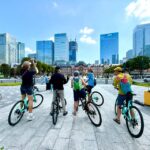
Tokyo works best at a slow scroll, not a sprint. This 3-hour e-bike ride is a smart way to see real neighborhoods with a guide steering you through traffic and timing.
I especially like the small-group feel and the fact that you can go at your own pace without losing the plot. I also love the range of stops, from Tokyo Station and the Imperial Palace gates to Kanda bar streets, Akihabara’s subculture energy, and Tsukiji’s everyday market life.
One thing to consider: you need to be comfortable cycling in busy areas, since the route uses city streets and you’ll want to stay alert and keep up with the guide.
In This Review
- Key things I’d book this for
- Kanda: The Easy Start Point (and Why It Matters)
- Riding E-Bikes in Tokyo: Simple Setup, Real Streets
- AM Route: Tokyo Station, Imperial Gates, and the Photo-Friendly Back Streets
- Tsukiji Outer Market: Everyday Food Shops, Not a Show
- PM Route: Akihabara, Kappabashi Tool Street, and Asakusa
- Ryogoku Sumo Area and Nihonbashi: Tokyo’s Tradition Anchors
- Guides Make or Break It: Yo, Take, Ted, Jenny, Kazu, Ninja
- Price and Value: What $63.01 Buys You
- Weather Rules: Rain Cancellations and Summer Heat Checks
- Who Should Book This E-Bike Loop (and Who Might Skip It)
- Should You Book It? My Decision Checklist
- FAQ
- How long is the Tokyo e-bike tour?
- What’s included in the price?
- Where does the tour start?
- What age and height do you need to participate?
- What happens if it rains?
- Can I join if I’m alone?
Key things I’d book this for
- E-assist power that makes “3 hours in Tokyo” feel doable, not exhausting
- Small groups (max 6) with English guidance and consistent pacing
- Morning vs afternoon routes so you can return and not repeat the same feel
- Practical inclusions like helmet, insurance, rain gear, and summer cooling items
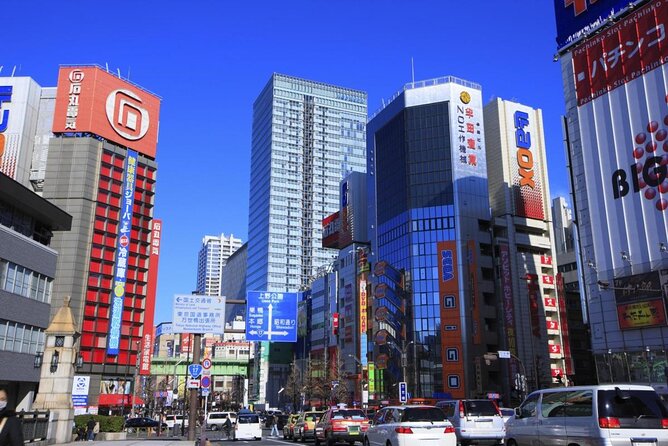
- Local-life stops like Kanda back streets and Tsukiji Outer Market
Kanda: The Easy Start Point (and Why It Matters)
The tour starts at Cycling Holiday Tokyo, super close to Kanda Station—about a minute walk from the west exit of JR Kanda. That matters more than you’d think in Tokyo, because you don’t want your “first big activity day” to depend on a tricky meetup.
You’ll find a waiting area, plus restroom access and luggage storage. You can leave luggage during the tour as long as you’re not bringing valuables. If you’re traveling light or you’re in Tokyo with bags from a hotel transfer, this setup keeps you from starting the ride already stressed.
Kanda itself also sets a good tone. It’s not a loud tourist theme-park zone. It’s a smaller downtown area where you’ll see the mix of everyday office life and the small, Japanese-style bar streets. In other words: a good warm-up to how Tokyo actually works.
You can also read our reviews of more tours and experiences in Tokyo.
Riding E-Bikes in Tokyo: Simple Setup, Real Streets
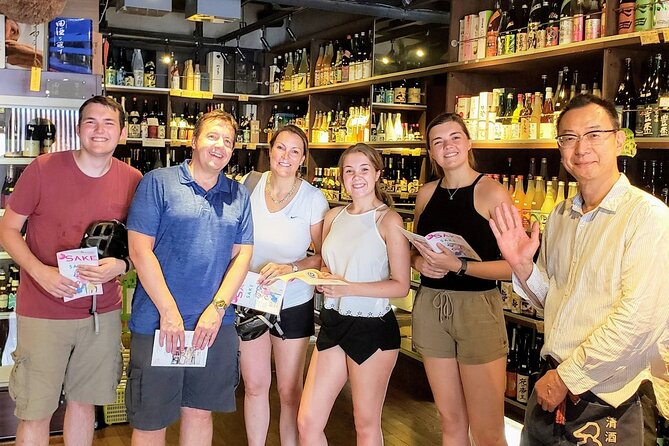
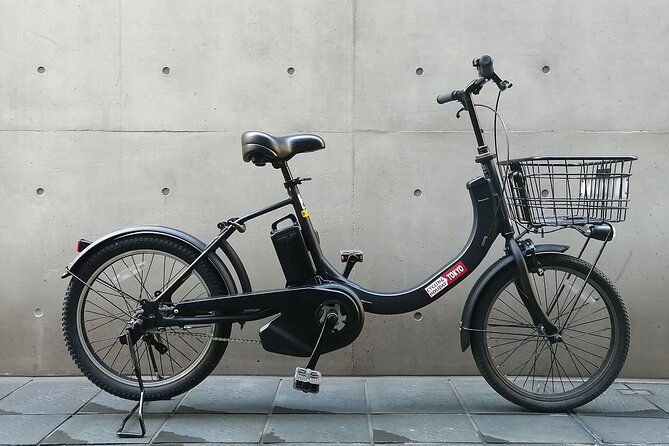
These are e-assist bikes, which means you get help when you’re pedaling—huge for Tokyo’s constant stopping and starting. It also lets you keep enjoying the view and the conversation instead of focusing on leg burn.
You get a helmet, and you’ll want to wear it—seriously. The tour also includes simple rain gear, with gloves in winter and cooling products in summer. Those last details are practical: Tokyo weather changes fast, and the tour is designed to keep you comfortable enough to enjoy the stops.
The one real drawback shows up in the reviews and in the reality of Tokyo cycling: you’re on city roads with other people and cars nearby. You don’t need to be an Olympic cyclist, but you do need comfort riding through busy areas and confidence staying with the group. If you’re the type who freezes when traffic tightens, this could feel like work instead of fun.
AM Route: Tokyo Station, Imperial Gates, and the Photo-Friendly Back Streets
If you do the morning version, your route leans into Tokyo’s big landmarks—then breaks away into normal streets where locals actually move.
You begin again in Kanda (about 10 minutes) with a look at that compact business-town feel. Then you ride through the financial central area on the AM course—modern buildings, photogenic streets, and a sense of Tokyo’s “serious business” side.
Next up is Tokyo Station Marunouchi Ekimae Hiroba for a quick view from Gyoko-dori Street. Your guide explains the station’s history, and you get a nice snapshot without having to fight crowds inside.
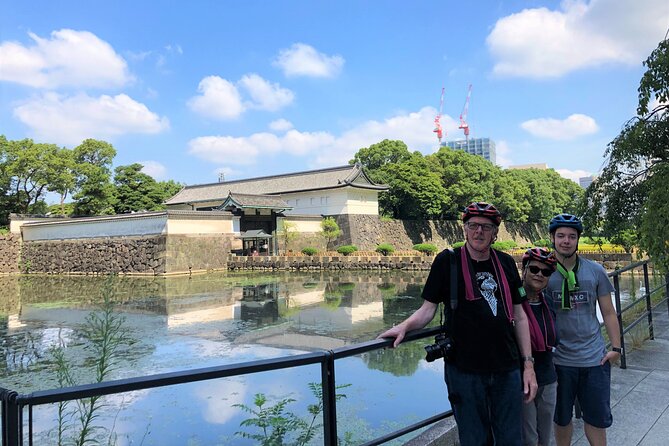
Then comes the Imperial Palace area. You’ll pause at the Kokyo Otemon Gate, looking across the moat toward the “Fujimi yagura” tower. It’s the kind of view that’s easy to miss if you’re only reading guidebooks. From there, the tour includes time near the palace grounds and garden space (the information highlights the palace park’s large scale and seasonal flowers in the area).
You’ll also pass the Sakuradamon gate—one of those classic, traditional gate moments in the middle of a city that never stops. After that, the route shifts into cycle-friendly street segments near Ginza. Depending on traffic and conditions, you may go through back streets near the luxury-store area or ride on main roads.
The best part of this AM mix is that you don’t just “see big sites.” You also ride the connective tissue—the streets between them—where Tokyo feels like a living city.
Tsukiji Outer Market: Everyday Food Shops, Not a Show
On the AM plan, you get a stop at Tsukiji Jogai Market (Outer Market). This is short—about 10 minutes—but it’s designed for atmosphere: small, old-fashioned shops lining the streets, with interesting food items you can browse.
The key point for your planning: food and drinks aren’t included, so you’ll self-pay if something catches your eye. That’s actually good value here, because you can pick what fits your diet and budget rather than being pulled into a single preset tasting.
If your Tokyo style is: street-level, practical, and slightly messy, Tsukiji Outer Market is a solid match. Just don’t expect a long shopping expedition. Think of it as a focused stop to spark ideas for what you want to try later.
PM Route: Akihabara, Kappabashi Tool Street, and Asakusa
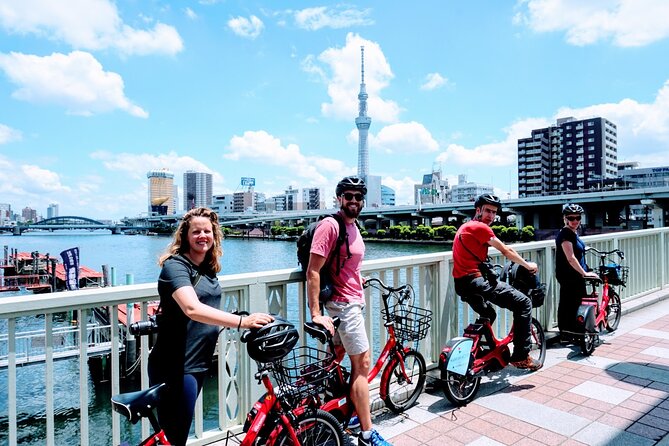
The afternoon course shifts to subculture and classic temple Tokyo—still with that same “ride, pause, learn, move” rhythm.
In Akihabara, the stop is brief (around 5 minutes), but the vibe is the point. This is youth and geek culture territory, and the tour frames it beyond a single stereotype like maid cafés. You’ll get just enough orientation to know what you’re looking at when you return on your own.
Next, you head to Kappabashi Street (Kappabashi Dogugai)—the kitchen tool lane. This is a fun stop if you like practical design and Japanese craft. The route description focuses on shops with professional cooking tools and authentic Japanese knives, plus plenty of related kitchen goods. The tour indicates you may have time to look around and do some shopping.
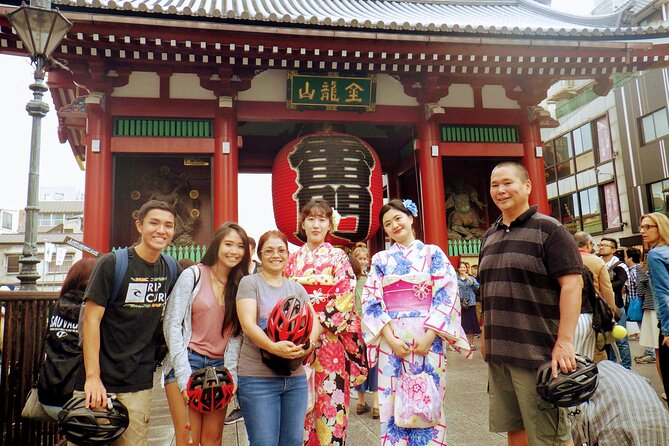
Then it’s Asakusa, about a 10-minute stop. Asakusa is the place people visit when they want the “I made it to Tokyo” feeling—linked with the oldest temple area in the city. It’s also a great reset after Akihabara: you go from flashy pop culture to traditional temple energy fast, and it makes your day feel fuller.
A neat benefit of having a guide here is that you’re not just taking photos. You’re more likely to understand the etiquette of what you’re seeing—something guides often bring up when you’re near temple spaces.

Ryogoku Sumo Area and Nihonbashi: Tokyo’s Tradition Anchors
The PM route includes Ryogoku, described as the sumo wrestler area. You’ll stop for a chance to see the real-world sumo scene, and if you’re lucky, you may even spot wrestlers. The “if you’re lucky” part is honest—Japan doesn’t always schedule drama for your calendar.
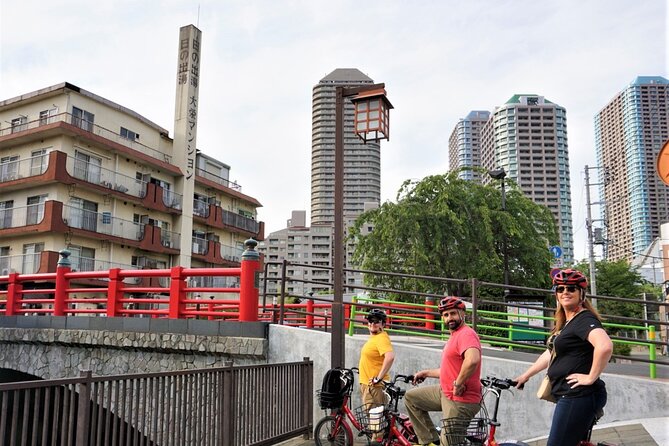
On both AM/PM variations, there’s also time at Nihonbashi Bridge (about 5 minutes). This stop gives you a different kind of Tokyo history: it’s described as once again the center, and it’s tied to how road distances are measured from that point. It’s the kind of detail that helps later when you’re navigating the city, because Tokyo’s layout has hidden logic.
Together, Ryogoku and Nihonbashi make the tour feel less like a sightseeing loop and more like understanding where Tokyo’s systems come from—sports culture and civic measurement, both rooted in place.
Guides Make or Break It: Yo, Take, Ted, Jenny, Kazu, Ninja
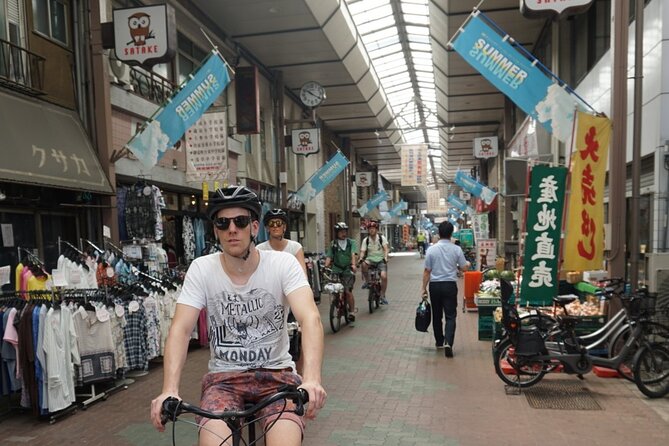
The guides are a big reason this tour has such strong ratings. You’ll hear the same themes across guide names: patience, good pacing, and making sure you stay safe while still having fun.
Some guide names that show up in the experience details include Yo, Take, Ted, Jenny, Kazu, and Ninja. Each is described as friendly and supportive, with guides making time for questions and explaining context at the stops.
Safety shows up repeatedly too—especially on busy streets. You’ll get an English guide, and the group is kept together. One review-style detail that’s particularly useful: guides often explain temple customs and rituals, so when you later visit temple sites on your own, you’re not just guessing.
If you’re doing Tokyo for the first time, that kind of guidance turns a ride from “cool photos” into “I finally get the city.”
Price and Value: What $63.01 Buys You
At $63.01 per person for about 3 hours, the value comes from what’s included.
You get:
- the rental e-assist bike
- a helmet
- an English guide
- insurance
- simple rain gear
- simple gloves in winter and cooling products in summer
- luggage storage during the tour (except valuables)
That package matters because it reduces your hassle. In Tokyo, the friction cost is real: bike rental, helmet, weather gear, and finding a route that makes sense all add up fast.
What’s not included is straightforward: food and drinks. You’ll self-pay, so bring a plan for snacks if you’re sensitive to hunger dips. But the tour does create chances to see markets and food streets without forcing you to buy anything in the moment.
Also, small-group size (max 6) helps the value feel “personal” rather than rushed. For this price, that’s a fair trade.
Weather Rules: Rain Cancellations and Summer Heat Checks
Tokyo weather can be unpredictable, and this tour clearly reacts to it.
- If rain conditions are poor, the tour is canceled. The decision is based on the weather forecast the day before.
- If the forecast is sunny but rain happens during the tour, the guide decides whether to continue or stop on the way.
- In summer (July–August), it’s serious heat management. The tour uses WBGT (heat stress index). If conditions are dangerous, the tour may be canceled before departure or stopped and returned. In the case of cancellation due to dangerous heat, you should expect a refund.
For you, the practical takeaway is simple:
- In summer, bring towels and sunscreen (and ideally plan hydration, even if the tour provides cooling items).
- In winter, bring warm clothes and gloves.
This is one of those tours where the safety policy makes the experience feel more trustworthy.
Who Should Book This E-Bike Loop (and Who Might Skip It)
This tour is a strong fit if you:
- want a first-time Tokyo orientation that still feels local
- like learning about history and street culture, not just collecting landmarks
- want to cover more ground than walking without turning it into a workout
- travel with teens or families that can manage short stops and some cycling in traffic
It also supports repeat visits in spirit: there are different routes depending on morning or afternoon, so you can come back and get a different feel.
You should think twice if:
- you can’t ride a bicycle (this tour states that you can’t join if you can’t ride)
- you’re not comfortable cycling in busy city streets
- you hate short, frequent stops (the format is ride, pause, learn, move)
Minimum age is 12, and there’s also a minimum height requirement of 147 cm. If you’re tall enough and comfortable on two wheels, you’ll likely enjoy it.
Should You Book It? My Decision Checklist
Book this tour if your goal is to understand Tokyo quickly, then explore on foot later. The combination of e-assist biking plus an English guide plus practical inclusions (helmet, rain gear, insurance, weather comfort items) makes it a smart value choice.
Skip it if you want a fully low-stress, bike-lane-only ride. This tour uses city streets, so comfort matters. If you’re a careful rider and you stay with the group, you’ll get the best version of the experience: efficient sightseeing, real neighborhood flavor, and stories that help you navigate Tokyo better afterward.
FAQ
How long is the Tokyo e-bike tour?
It runs for about 3 hours.
What’s included in the price?
You get an e-assist bike rental, helmet, English guide, insurance, simple rain gear, and simple gloves in winter or cooling products in summer. You can also store luggage (except valuables) during the tour.
Where does the tour start?
The meeting point is Cycling Holiday Tokyo, near Kanda Station (about a 1-minute walk from the west exit of JR Kanda Station).
What age and height do you need to participate?
The minimum age is 12 years, and the minimum height is 147 cm (4.8 ft).
What happens if it rains?
If the weather looks poor, the tour is canceled. The provider checks the forecast the day before. If rain starts during a tour, the guide decides whether to continue or stop on the way.
Can I join if I’m alone?
The tour needs a minimum of 2 people, but if you book solo, you can still participate as long as other guests join. The tour also has a maximum of 6 travelers.