REVIEW · KO CHANG
Koh Chang: Snorkeling Trip to Reefs or Wrecks with Lunch
Book on GetYourGuide →Operated by BB Divers · Bookable on GetYourGuide
Three snorkels, one island day. With BB Divers, I love the three planned snorkeling stops and the Thai lunch with drinks, plus guides like Jackie who help you spot fish without rushing. The main catch: pickup covers West Coast hotels only, while East Coast hotels require you to meet at Bang Bao Pier.
This is a 7-hour boat day that stays practical from start to finish: you’ll get gear and a life jacket, then spend real time in the water at Koh Rang or Koh Chang reef areas (sometimes including the sunken HTMS Chang shipwreck). With up to 35 people and a supportive crew, it feels like a relaxed outing—not a scramble—though weather can shift the exact route and visibility.
In This Review
- Snorkel Day at Koh Chang: What Makes It Worth Your Time
- Key Points Before You Go
- Route and Timing: How Your 7 Hours Usually Flow
- Getting to the Pier: West Coast Pickup vs East Coast Meeting Point
- On the Boat With BB Divers: Comfort, Safety, and the Human Touch
- Stop 1: Koh Rang for Coral Gardens, Fish, and Marine-park Time
- Stop 2: Koh Yak Yai Lunch Island Time (Regional Food Included)
- Stop 3: Ko Yak Lek for Your Final Snorkel and More Reef Life
- The HTMS Chang Shipwreck Option: When the Wreck Adds a New Story
- Price and Value: What $32 Really Buys on a 7-Hour Day
- What You’ll See Underwater (and What Helps You See It Better)
- Small Comfort Details That Make a Difference
- Weather Reality: When the Sea Changes the Underwater Plan
- What to Bring (So You Actually Enjoy the Day)
- Who This Trip Is Best For
- Should You Book This Koh Chang Snorkeling Trip?
- FAQ
- How long is the Koh Chang snorkeling trip?
- Is lunch included?
- What snorkeling gear is provided?
- Do I have to pay an extra fee for Koh Rang?
- Where do I get picked up?
- What do East Coast hotel guests need to do?
- Are children allowed on the boat?
- What should I bring for the trip?
Snorkel Day at Koh Chang: What Makes It Worth Your Time
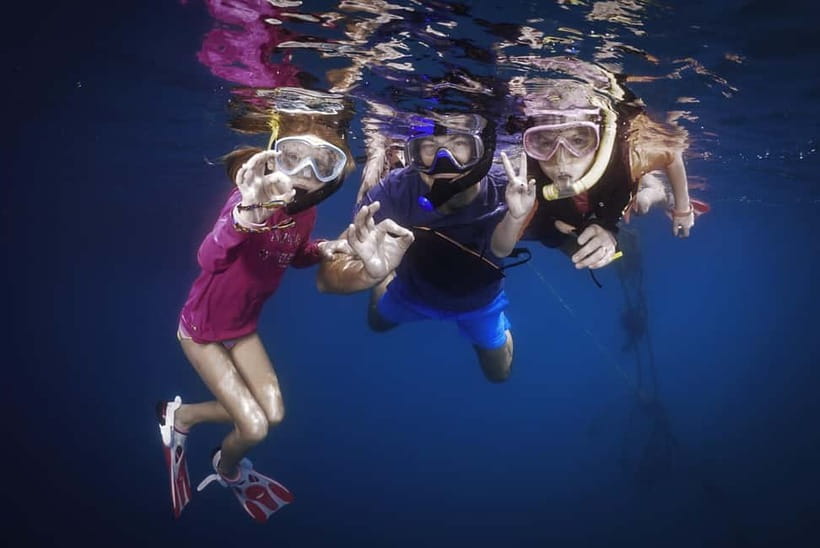
If you’re choosing one day on the water near Koh Chang, this trip hits the sweet spot: enough snorkeling to feel like a proper day, but not so long that you spend the whole afternoon exhausted. You’re also not just paying for water time. You’re paying for transport, a guide on the surface, gear provided, and a filling Thai buffet lunch with fruit and drinks.
What really makes it work is how the day is built around underwater variety. You’re not stuck at a single reef with the same fish lineup. Instead, the route typically mixes protected marine-park-style sites around Koh Rang with other island stops near Koh Chang (and the HTMS Chang wreck may be part of the plan depending on conditions). That mix helps you come home with photos that look like more than one snorkel.
The value is strongest if you want convenience. Roundtrip pickup and return transfers are included from West Coast hotels (not East Coast), and the boat day includes lunch, coffee/tea, soft drinks, and snorkeling equipment. At $32 per person for a full day, it’s the kind of deal that only stays a deal if you show up prepared—towel and sunscreen matter more than you think in the Thai sun.
Also, this isn’t a party boat. It’s a family-friendly day with clear instructions and a crew focused on keeping you safe and coral-safe (more on that below). On lucky days, you may even spot a turtle while you snorkel.
Key Points Before You Go
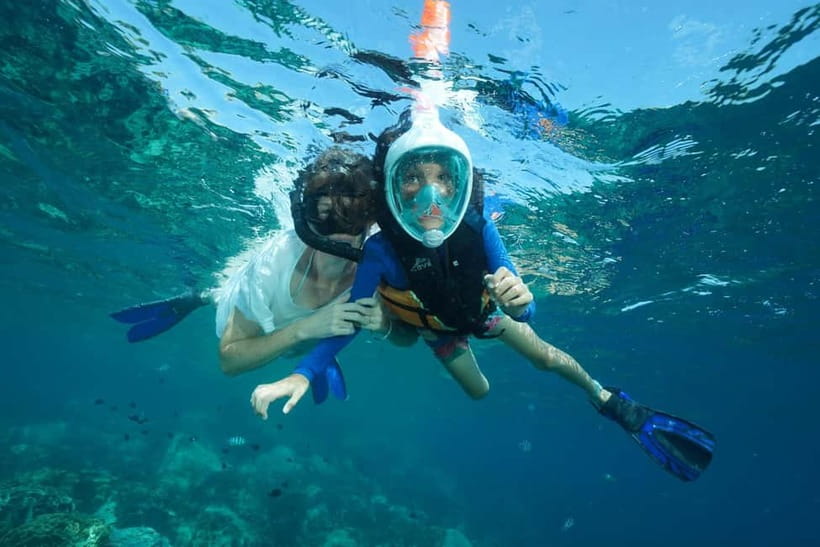
- Three snorkeling stops chosen for visibility and marine life variety
- Lunch on the water: Thai buffet plus fresh fruit, coffee/tea, and soft drinks
- Gear and life jacket included, with staff guidance for comfortable snorkel time
- Koh Rang option or Koh Chang reefs, sometimes including the HTMS Chang shipwreck
- West Coast hotel pickup included; East Coast hotels meet at Bang Bao Pier instead
You can also read our reviews of more tours and experiences in Ko Chang.
Route and Timing: How Your 7 Hours Usually Flow
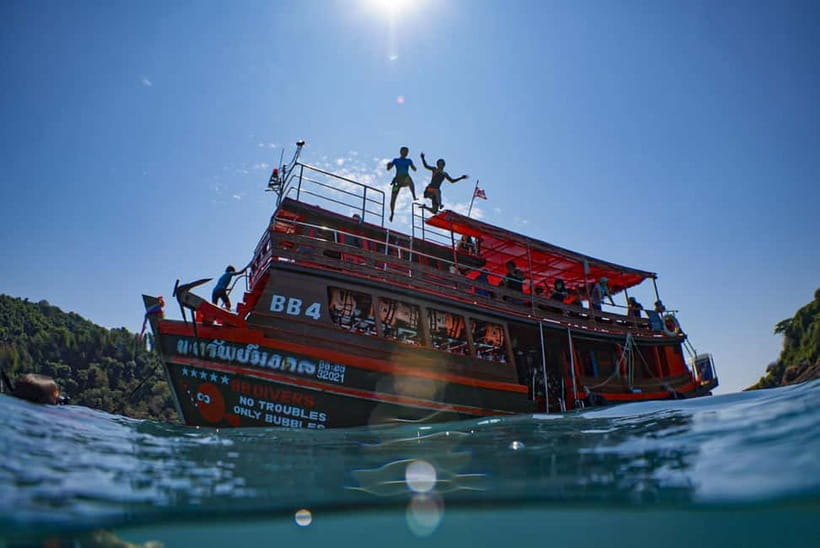
This trip is designed to feel smooth, even if you’re not a “boat person.” The typical rhythm is: pickup and transfer to the pier, a short check-in and gear setup, then a morning cruise out to the first snorkel area. After that, you move island to island, with snorkeling and breaks spaced so you’re not underwater the entire day.
A common pattern:
- You start with transfers and an initial stop around the meeting area for check-in and getting sorted with snorkeling gear.
- Then you cruise out to the first underwater site (often around Koh Rang if conditions line up).
- Midday centers on island time and lunch.
- You finish with a final snorkeling stop and then the longer cruise back to Koh Chang.
Because the schedule can shift with sea conditions, don’t obsess over exact minutes. What matters is that the day is structured to give you three separate chances to see reef life, not one long nonstop session.
Getting to the Pier: West Coast Pickup vs East Coast Meeting Point
This is the part that can quietly trip you up if you’re staying on the “wrong” side of the island.
- Pickup is included for West Coast hotels of Koh Chang (starting from the ferry stop to the South).
- There is no pickup for East Coast hotels. If you’re on that side, you need to get yourself to Bang Bao Pier.
So before you book, check which coast your hotel is on. If you want zero stress, plan around the West Coast pickup. If you’re East Coast, treat Bang Bao Pier like your starting hub and build your day around it.
One more practical note: the exact pickup time is only confirmed after booking. That’s normal for island operators, but it means you should keep your morning flexible and stay reachable by phone/message.
On the Boat With BB Divers: Comfort, Safety, and the Human Touch
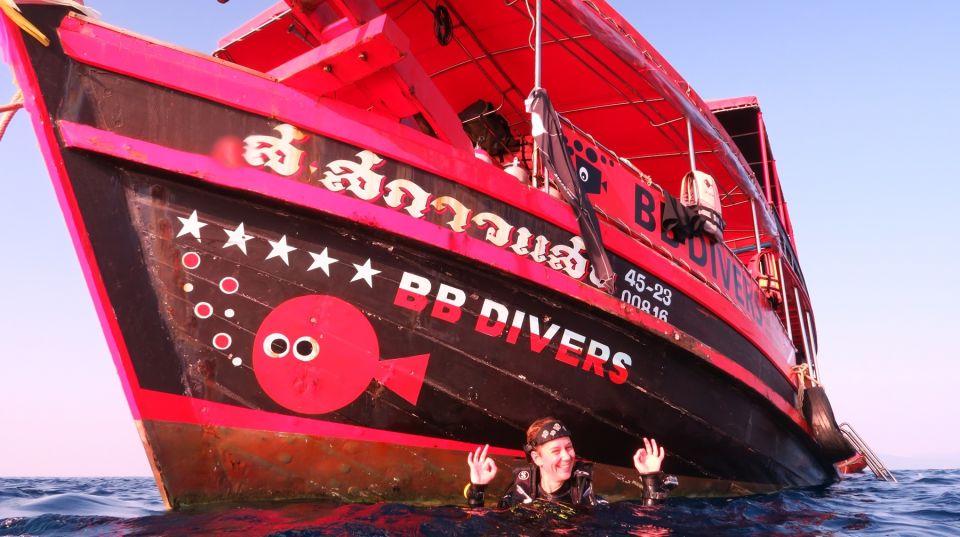
The boat setup matters more than you’d think on a full-day snorkeling tour. You want room to move, somewhere to sit comfortably, and easy access to rinse off after being in salt water.
With this trip, the boat experience is geared toward comfort and safety:
- Snorkeling equipment is provided (mask, snorkel, fins) and you get a life jacket.
- The crew gives guidance in the water, especially helpful if you’re new or you just prefer someone to help you “read” what you’re seeing.
- If you get seasick, the crew can provide anti-nausea medication.
Group size is kept to a maximum of 35 travelers, which helps the staff manage people during briefing and snorkeling swaps. And while the boat can be full, it’s built for a day on the water rather than a rushed hop.
If you burn easily (and many people do here), you’ll be glad you brought sunscreen and a towel. Sun protection isn’t optional—you’ll feel it fast.
Stop 1: Koh Rang for Coral Gardens, Fish, and Marine-park Time
Often, the first real underwater stop is Koh Rang, which is tied to protected-water conditions. That matters because protected areas tend to support coral structure and steady marine life.
What you’re looking for at Koh Rang:
- Coral formations and reef structure you can hover above without chasing
- Schools of reef fish that are easier to spot when the water is calm and visibility is good
- A more “marine-park” feel, with sites chosen specifically for snorkeling
How long you’re in the water varies by route, but you can generally expect about an hour at this first stop. The advantage of an early stop is that you’re fresh. You haven’t spent the day already tired and sunburned, so you’ll snorkel with better control and more attention.
Possible drawback: visibility isn’t guaranteed. During rainy season or rougher weather, the water may be less clear. The good news is the crew will still choose sites based on the conditions they have that day.
Stop 2: Koh Yak Yai Lunch Island Time (Regional Food Included)
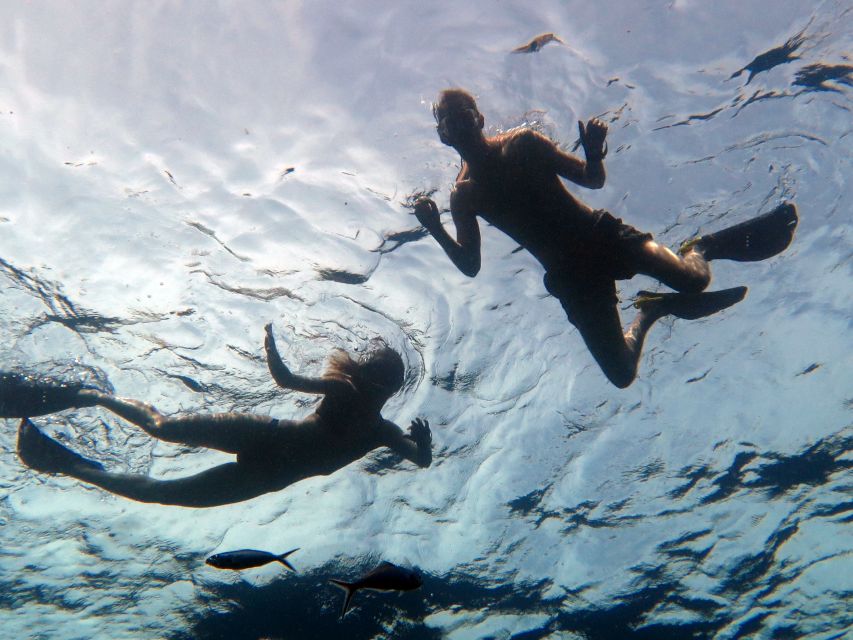
Between snorkeling sessions, you get a proper break. Lunch is served around Ko Yak Yai (Koh Yak Yai), and this is where the day shifts from water-focused to recovery-focused.
This is what makes the lunch stop more than filler:
- It’s a full buffet style meal, not a tiny snack box.
- Lunch includes Thai food plus fresh fruit.
- Vegetarian options are available, and non-spicy options are possible.
- Drinks are on board during the day, so you’re not scrambling for water after you’ve been in the sun.
The lunch block is also your chance to rinse off and reset your body: dry your hair, reapply sunscreen, and refocus your attention for the next snorkel.
And if you’re traveling with kids, this is often the moment they perk up the most—sand, shade, and a full meal beat another round of gear-on gear-off.
Stop 3: Ko Yak Lek for Your Final Snorkel and More Reef Life
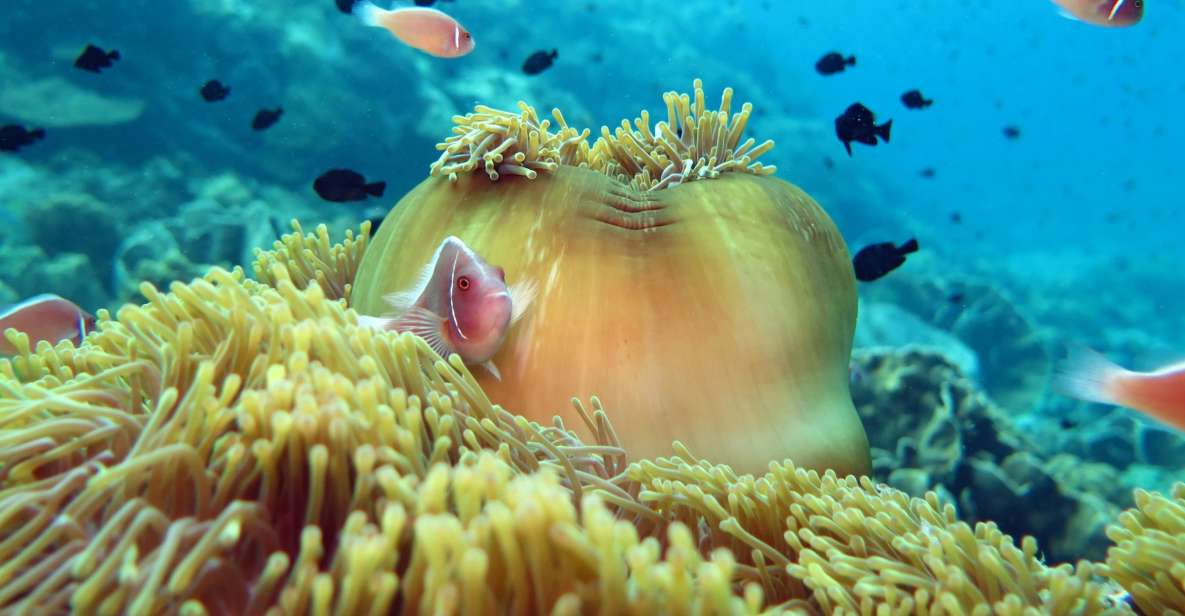
Your final underwater stop is typically Ko Yak Lek, another island-area snorkeling location that gives you a change in scenery and underwater “cast.” This is the stop where you’re hoping for:
- More coral variety and different fish behavior compared to the first sites
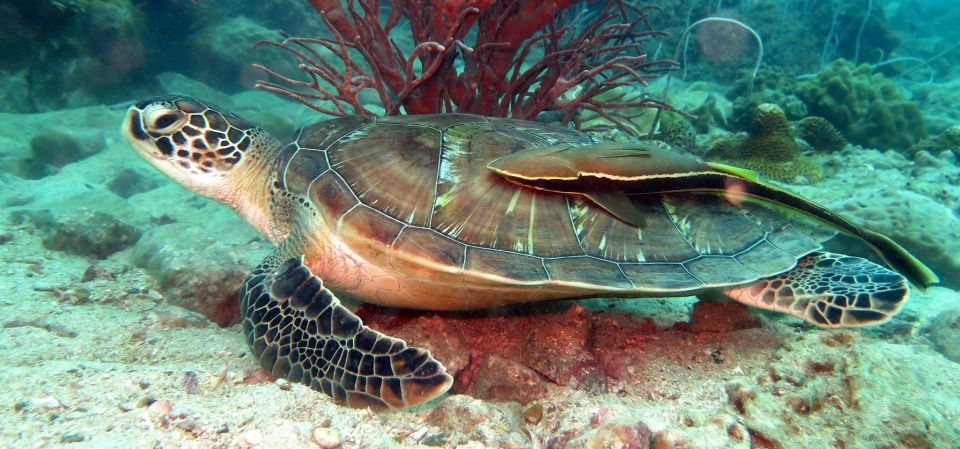
- A higher chance of seeing interesting highlights, like turtles on lucky days
You’ll generally get around an hour here, which is just enough time to slow down. If you’re a first-timer, this is also the easiest stop to enjoy without feeling pressured to cover everything quickly.
If the route changes due to sea conditions, the key idea stays the same: you get three separate underwater sessions, not one long one.
The HTMS Chang Shipwreck Option: When the Wreck Adds a New Story
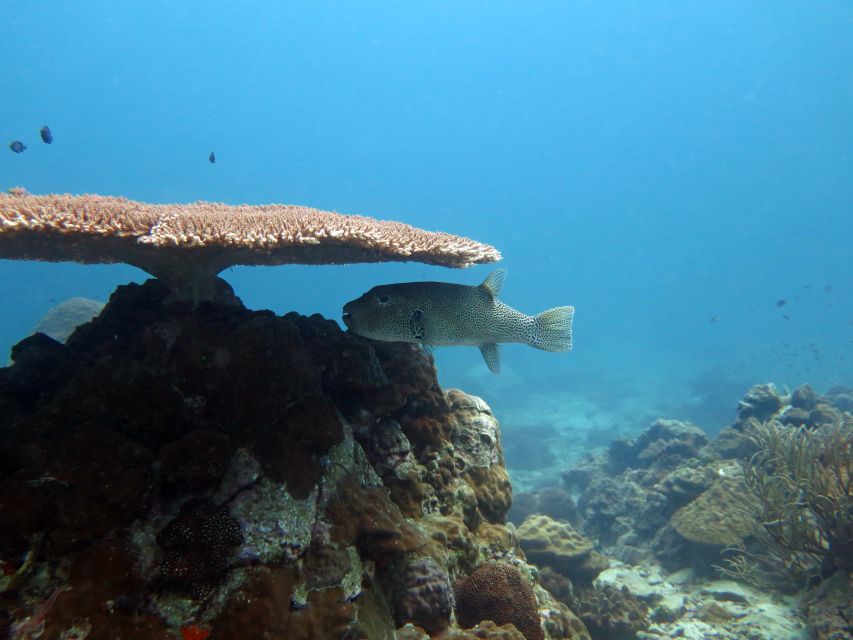
Depending on your day’s plan, you might snorkel near the sunken HTMS Chang shipwreck. A wreck can be a game changer for snorkeling because it creates “structure” where fish gather and where you can explore a different kind of underwater scene than a coral-only reef.
Here’s the practical way to think about wreck snorkeling:
- You still want to float and look, not touch.
- A wreck gives you more angles to scan, which often means more chances to spot something interesting.
- The atmosphere is different—more like exploring underwater “rooms” than just hovering over coral.
If you’re curious about wrecks, this is a strong reason to choose this particular trip over a single-reef outing. If you just want healthy coral and fish, you’ll still get that on the reef-focused routes.
Price and Value: What $32 Really Buys on a 7-Hour Day
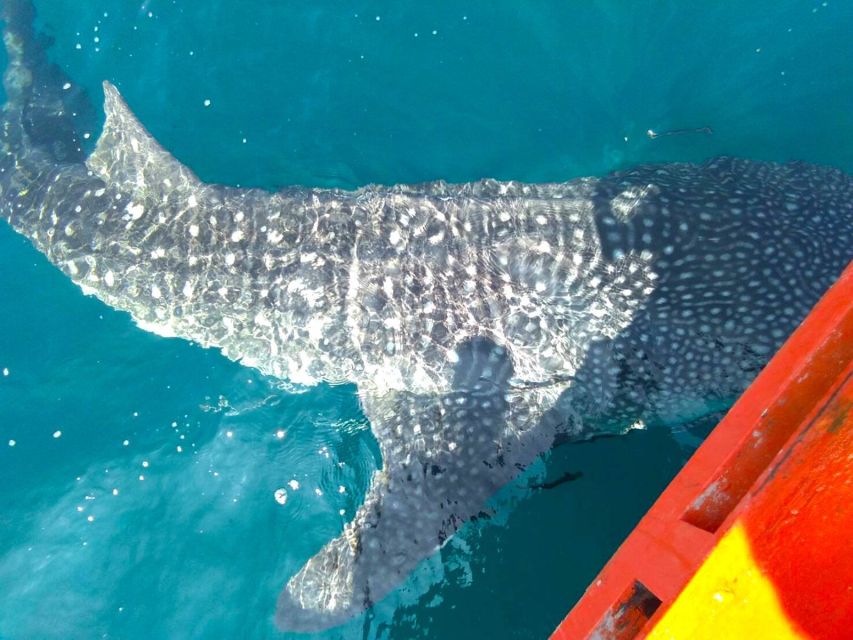
At $32 per person, the value is mostly about what’s bundled together. In most places, separate booking costs add up fast: transport to the pier, the boat, snorkeling gear rental, a guide, and a decent lunch.
Here, you’re getting:
- Roundtrip transfers from West Coast hotels
- Snorkeling equipment and life jacket
- A guide
- Lunch plus fresh fruit
- Drinks: water, coffee, tea, and soft drinks
Then there’s one extra cost to keep in mind:
- If you visit Koh Rang, there’s a national park entry fee of THB 200 per person, paid in cash.
So the smartest way to judge the price is this: you’re not paying just to be on a boat. You’re paying for organization. That matters in Thailand because the difference between a well-run day and a chaotic day shows up in how much time you actually spend snorkeling—and how easy the day feels.
Also, the boat’s comfort level matters. If you’re prone to feeling rough on boats, the fact that the trip uses a stable, more comfortable boat setup (and offers anti-nausea help) can make this one of the best-value options you’ll find.
What You’ll See Underwater (and What Helps You See It Better)
Snorkeling results depend on water conditions and on how you float. Still, the crew’s approach makes a difference.
What this trip tends to deliver:
- A “variety first” snorkeling day: different sites, different fish behavior
- Guides who help you spot fish and coral you might miss alone
- A coral-safe mindset (the crew repeatedly encourages not touching coral and not leaving anything behind)
If you get a guide like Jackie, it’s a major advantage. The snorkeling style tends to be inclusive: you’re shown what to look for, you’re supported if you need help, and you get a chance to snorkel freely too.
One small but important mindset tip: don’t chase. Slow hovering and watching holes and ledges is usually what turns a normal swim into a memorable one.
Small Comfort Details That Make a Difference
A few practical details can quietly upgrade your day:
- There’s typically time to snorkel freely with guide support, not just one forced swim pattern.
- You can rinse off after being in salt water (helpful for comfort and for not smelling like sea water for the rest of the day).
- The boat has shade/protection from sun on board, which helps during transitions.
Even the restroom situation is worth noting if you’re sensitive to cleanliness. The day is built for a long outing, so you don’t want to wonder if you’ll have basic facilities.
Weather Reality: When the Sea Changes the Underwater Plan
You should expect flexibility. The itinerary can adjust based on sea conditions, and visibility can change with the day.
A simple way to plan your attitude:
- If the water is less clear, you might still see plenty of fish—just with less “wow” from distance.
- If the sea is rough, the crew chooses what’s safer and workable.
In other words, you’re not only buying a reef map. You’re buying a crew’s judgment on that day’s conditions.
If you’re visiting in rainy season, set your expectations accordingly. It’s still a great day on the water, but you might not get that high-clarity look every time.
What to Bring (So You Actually Enjoy the Day)
Keep it simple. Bring:
- Swimwear
- A towel
- Sunscreen
- Extra sun protection if you burn easily (especially for your back and legs)
And bring a swimsuit you can re-wear comfortably for multiple water sessions. You’ll change less than you think, so choose something you don’t mind getting salty.
Not allowed:
- Alcohol and drugs
Also, children are allowed on board, but they must sit on your lap.
Who This Trip Is Best For
This is a strong choice if you:
- Want a full-day snorkeling plan with three different stops
- Prefer the convenience of hotel pickup (West Coast only) and a meal included
- Like being guided in the water but still want time to snorkel on your own
- Travel with kids and want a schedule that includes a proper lunch break
It’s also a good fit if you’re a mix of experience levels. The crew setup is built for beginners and repeat snorkelers alike.
A practical safety note: if you have heart or cardiovascular concerns, snorkeling on a boat day can be physically demanding. For peace of mind, talk to a medical professional first and make sure the activity is appropriate for you.
Should You Book This Koh Chang Snorkeling Trip?
I’d book it if you want maximum underwater variety in one day, plus lunch and drinks, without having to coordinate gear rentals or private transport. The mix of Koh Rang-style marine areas and island reef sites (with the potential for the HTMS Chang shipwreck) makes this feel like a real snorkeling sampler—three chances to see something special.
I’d think twice if:
- You’re staying on the East Coast of Koh Chang and don’t want the hassle of getting to Bang Bao Pier yourself.
- You need strict dietary planning beyond what can be handled ahead of time. (You should submit dietary requirements when booking.)
If you show up with sunscreen, a towel, and a calm float-and-look mindset, this is the kind of day that turns into a highlight fast: good food, a well-run boat, and snorkeling time that actually adds up.
FAQ
How long is the Koh Chang snorkeling trip?
The experience runs about 7 hours.
Is lunch included?
Yes. You’ll get a Thai buffet lunch plus fresh fruit and snacks/drinks during the day.
What snorkeling gear is provided?
The tour provides snorkeling equipment such as a mask, snorkel, fins, and a life jacket.
Do I have to pay an extra fee for Koh Rang?
If you visit Koh Rang, there is a national park entry fee of THB 200 per person, paid in cash.
Where do I get picked up?
Roundtrip hotel transfers are included from West Coast hotels of Koh Chang (starting from the ferry stop to the South). East Coast hotels do not have pickup.
What do East Coast hotel guests need to do?
You’ll need to make your own way to the meeting point at Bang Bao Pier.
Are children allowed on the boat?
Yes, children can come aboard, but they must sit on your lap.
What should I bring for the trip?
Bring swimwear, a towel, and sunscreen. If you burn easily, add extra protection for your back and legs.