REVIEW · KYOTO
Kyoto Arashiyama Walking Tour: Bamboo, Monkeys, Gardens & Secrets
Book on Viator →Operated by Japanify Tours · Bookable on Viator
Bamboo and monkeys, in one walk. This Arashiyama small-group tour strings together bamboo, temple gardens, and quieter backstreets, so the day feels like Kyoto with less map stress. You start at the train station area and finish near Monkey Park, with a guide keeping the pace smooth and the focus on what matters.
I love how the route mixes big-name sights with calmer stops like Okochi Sanso Garden and Nonomiya Shrine. I also love the context you get at Tenryu-ji—the UNESCO garden isn’t just a pretty backdrop once someone explains what you’re looking for.
One thing to think about: the Monkey Park segment involves a steep 20–25 minute hike to the viewpoint. If your legs are easily tired, lace up for a real climb.
In This Review
- Key reasons this Arashiyama tour works well
- First, You Get Oriented in Arashiyama Fast
- Nonomiya Shrine: A Quiet Start with Meaning
- Okochi Sanso Garden: Peace at the Bamboo’s Edge
- Bamboo Forest Trail: Iconic Views, Better Timing
- Tenryu-ji Temple and the UNESCO Garden
- Togetsukyo Bridge: The River View Moment
- Monkey Park Iwatayama: The Steep Climb with a Big View
- Pace, Fitness, and What to Wear
- Price and Value: $65.57 Makes Sense If You Want Admissions Covered
- Practical Rules That Matter Once You’re There
- Who Should Book This Arashiyama Walking Tour
- Should You Book This Arashiyama Tour?
- FAQ
- Where does the tour start and end?
- How long is the Arashiyama walking tour?
- Is the Monkey Park hike difficult?
- What is included in the ticket price?
- Is recording allowed during the tour?
- What if I need to cancel?
Key reasons this Arashiyama tour works well
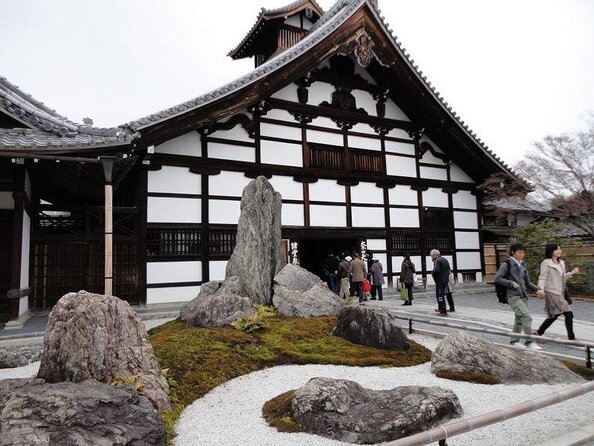
- Small group size (up to 12) keeps the walk manageable and the guide easier to follow
- Admissions are included for the main stops, so you’re not juggling tickets mid-walk
- Hidden side routes help you see Arashiyama’s best moments without the worst crush
- Tenryu-ji UNESCO gardens get explained in a way that changes how you experience them
- Monkey Park viewpoint hike gives you a huge payoff if you’re comfortable with steep paths
First, You Get Oriented in Arashiyama Fast
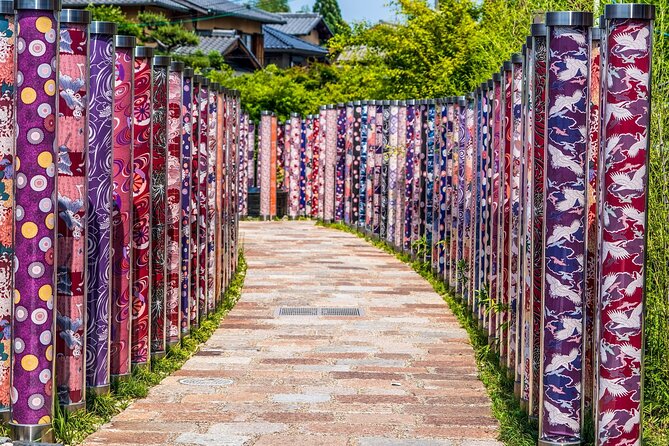
Arashiyama is famous for a reason, but it can also feel like a guided maze. The best part of this tour is that it gets you moving early and keeps you from bouncing between stations, lanes, and crowd bottlenecks.
You meet around the Saga-Arashiyama Station area, take a few minutes to settle in, then start walking. That first stretch matters. With a guide in front, you’re not wasting time figuring out which entrance is right, where the bamboo trail actually starts, or how to best angle your timing for the sites that draw the most people.
Also, this is a bilingual, English-only experience with a max group size of 12. That combo is ideal if you want explanations without the pressure of a big bus crowd.
You can also read our reviews of more tours and experiences in Kyoto.
Nonomiya Shrine: A Quiet Start with Meaning
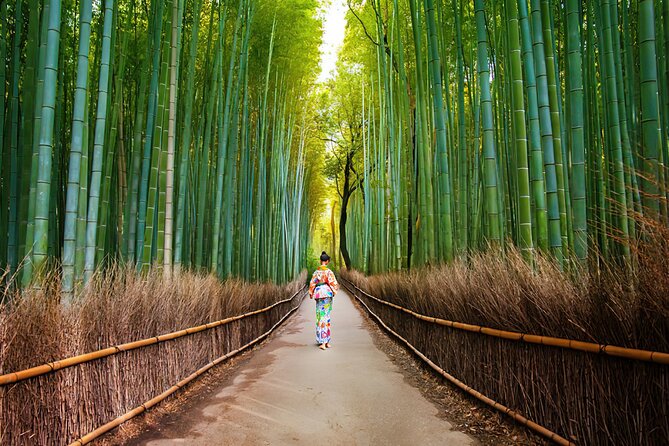
The tour begins with Nonomiya Shrine, a small Shinto shrine tied to purification traditions. It’s not the largest stop of the day, and that’s exactly why I like it. Early on, it gives you a cultural warm-up before the bamboo becomes the headline.
Ten minutes here is enough to slow down. You’ll notice how the shrine feels tucked into the Arashiyama flow instead of shoved beside a souvenir strip. Even if you’re not a shrine-spotting expert, the guide’s pointing out helps you understand what you’re seeing: Shinto rituals, purification symbolism, and why this area has long attracted visitors with religious ties.
If you like your travel days to include at least one moment that isn’t just scenery, this stop delivers.
Okochi Sanso Garden: Peace at the Bamboo’s Edge
Next comes Okochi Sanso Garden, one of the most calm-feeling places in Arashiyama. This garden sits at the end of the bamboo zone, and that layout changes the vibe. You’re walking from spectacle toward stillness.
You get about 30 minutes here, which is just right for gardens: long enough to wander, not so long that you feel stuck. You can pace yourself through the paths and take in how the garden framing works. The guide also connects the setting to its past—this was once a private villa associated with a famous Japanese actor—which helps the garden feel more personal, less generic.
The “worth it” factor here is that Okochi Sanso isn’t only famous because of views. It’s known because it’s designed for quiet walking and appreciating seasonal character. On a busy day in Kyoto, that pause is gold.
Bamboo Forest Trail: Iconic Views, Better Timing
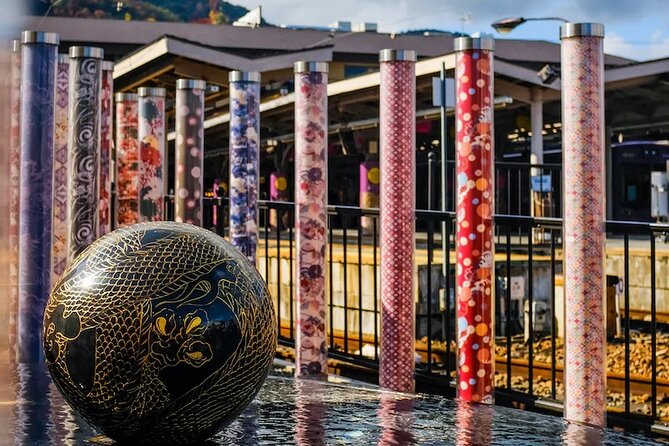
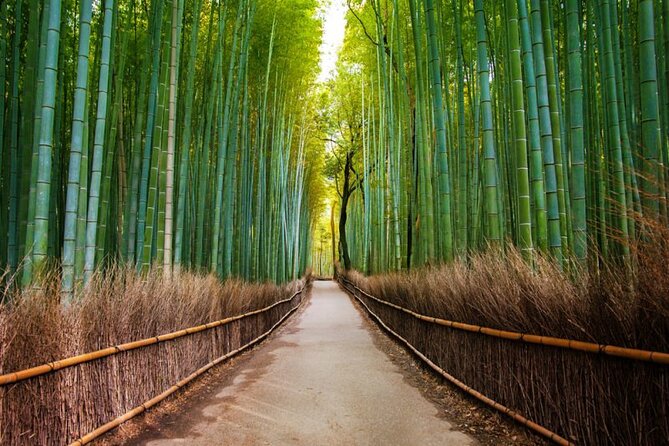
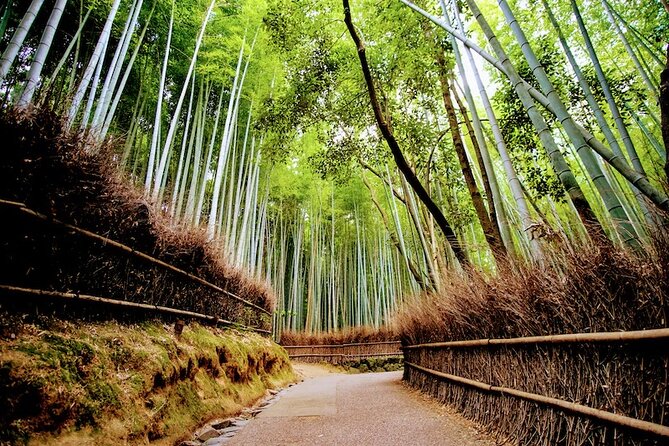
Then you walk into the famous bamboo grove area. Yes, you’ve seen photos. Still, seeing it in person hits different because scale is everything with bamboo. The stalks don’t just look tall—they create a kind of tunnel effect that changes your sense of space.
You’ll spend about 30 minutes on the bamboo forest trail. The trick is that bamboo can also mean crowds, and crowds flatten the experience. The guide’s job is to steer you along a route that keeps you from getting stuck at the worst pinch points. In practice, that means you get time to enjoy the view without constant shoulder-to-shoulder shoulder-checking.
Photo tip: Don’t aim only for the classic straight-on bamboo shot. Watch for angles where the path and stalks line up—those are the shots that look calm, even when the area is busy. The guide can help you find those spots without turning the bamboo walk into a scavenger hunt.
Tenryu-ji Temple and the UNESCO Garden
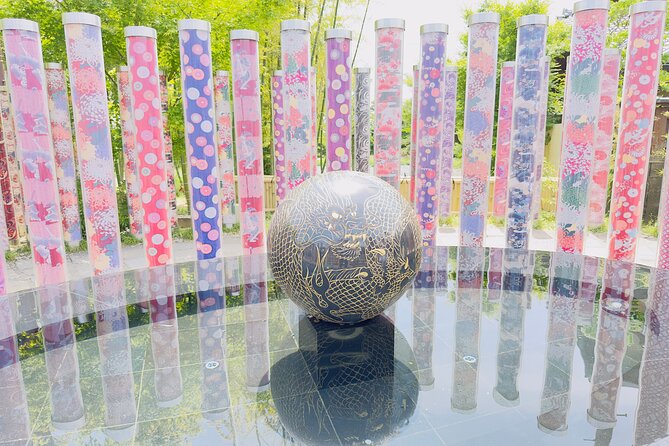
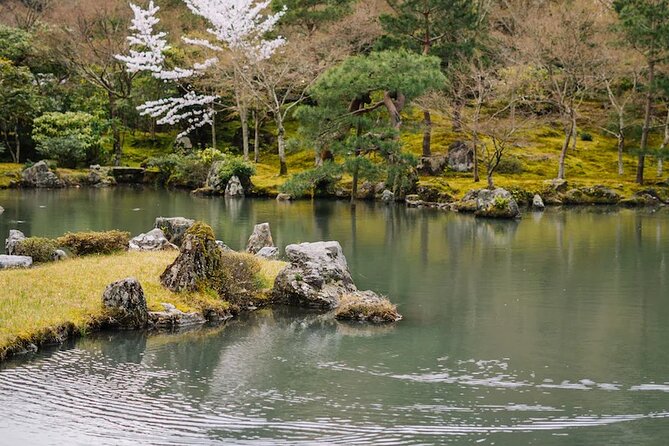
Tenryu-ji is one of the headline stops of Arashiyama, and you’ll visit the Tenryu-ji garden (a UNESCO World Heritage Site). You get around 35 minutes, which is enough to walk the main areas, notice the composition, and still breathe.
The real value here is explanation. Without context, garden time can feel like you’re just moving through plants. With a guide, you start noticing how the garden is structured—how sightlines work, how the layout guides your movement, and why certain views matter. That kind of framing turns the garden from pretty to memorable.
Practical reality: this part of the day involves walking on uneven grounds. Wear shoes that don’t slip and you’ll feel happier. If you’re traveling with a knee that doesn’t love slopes, pace yourself through the garden paths and take your time at the best viewpoints.
Togetsukyo Bridge: The River View Moment
After the garden, you’ll head to Togetsukyo Bridge, a top Arashiyama photo spot because of how it frames the Hozu River and the surrounding mountains. You only get about 15 minutes here, so treat it like a quick art gallery stop: stand in one good position, look around, and take your photos before you move on.
This is also where the day shifts again. After quiet walking in gardens and temples, the bridge gives you movement and atmosphere. You’ll feel the rhythm of Arashiyama here—sound of water, foot traffic, and mountain views stacking into the background.
If you’re the type who hates rushing for photos, this segment can feel short. But the guide’s time management is part of the tour’s appeal, and it helps you avoid losing the rest of your day to crowds that build later.
Monkey Park Iwatayama: The Steep Climb with a Big View
The Monkey Park Iwatayama is where the tour becomes unforgettable—or where you decide you need to stretch first. You’ll hike from the bridge area up to the hilltop for about 20–25 minutes, and it’s described as steep.
Here’s how I’d plan for it:
- Go slow on the uphill. You’ll do better if you don’t sprint the first half.
- Bring a little water if you tend to get thirsty.
- Expect that you might feel wind or cooler air up higher.
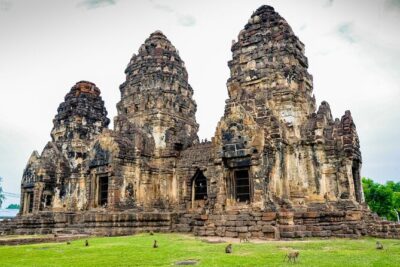
Once you reach the top, you get the payoff: a viewpoint over Arashiyama and the chance to observe wild macaques from a safer distance. Watching monkeys act like… monkeys is fun, even if you’re not a big wildlife person. It’s one of those experiences that feels both silly and fascinating at the same time.
One more reality check: monkeys are wild animals. You’re there to observe, not to interact. Follow the guide’s cues, keep your distance, and don’t do anything that might escalate attention.
Pace, Fitness, and What to Wear
This tour runs about 5–6 hours, and it’s more walking than a “sit and see” Kyoto day. That’s not a complaint—Arashiyama is built for walking—but it means you should dress like you mean it.
I’d plan for:
- Comfortable walking shoes for temple paths and uneven garden ground
- A layer for cooler air around the river and hill area
- Light snacks or a plan for lunch during the stop
Lunch is included only as a quick break concept. You’ll get about 35 minutes for lunch, but meals are not included. This is smart for flexibility, but you’ll want to pre-think what you’ll eat so you’re not hungry and rushed.
The good news: the tour is designed to move at a steady rhythm. Many people like that it feels organized enough that you can continue your own plans after.
Price and Value: $65.57 Makes Sense If You Want Admissions Covered
At $65.57 per person, this isn’t a budget-only option, but it can be good value if you’d otherwise buy multiple tickets and still feel lost. The tour includes admission to the key sites: Nonomiya Shrine, Okochi Sanso Garden, Bamboo Forest area access, Tenryu-ji garden, Monkey Park, and Togetsukyo Bridge-related entries (where required). It also includes the guide and covers the main “do the sights without figuring it out” part.
What you’re paying for, beyond the scenery:
- Less time navigating in a zone where it’s easy to wander the wrong way
- Context at Tenryu-ji and other stops so the garden/temple pieces feel intentional
- Time saved on crowd navigation, especially around bamboo and bridge areas
Tips are not included, and that’s normal. You’ll want to bring a bit of cash or your usual tipping method if you feel the guide did a great job—many do.
If you’re a solo traveler, keep in mind the tour requires at least 2 guests to run. If it doesn’t hit minimum numbers, you may be offered a reschedule or a full refund.
Practical Rules That Matter Once You’re There
A couple details can affect your experience:
- Recording and live streaming are not allowed during the whole tour.
- Smart glasses with recording capability are not allowed.
- The tour is English only.
This is usually fine, but if you rely on recording everything for later, you’ll need to adjust. Think of it more like a guided “pay attention” day than a content day.
Who Should Book This Arashiyama Walking Tour
You’ll love this tour if:
- You want Arashiyama highlights without sorting tickets and directions on the fly
- You care about temple and garden context, not just photos
- You’re okay with a steep hike up to Monkey Park
You might skip it if:
- You hate hills or your walking stamina is limited
- You’re expecting a relaxed, fully flat stroll
- You want a self-paced tour with no group timing
This also works well for first-time Kyoto visitors who want one outlying district done properly. Arashiyama is a big destination, and this tour helps you see it with a clearer order and better flow.
Should You Book This Arashiyama Tour?
If your goal is to see Arashiyama in a way that feels planned but not stressful, I’d book it. The mix of bamboo, UNESCO Tenryu-ji gardens, and the Monkey Park viewpoint is a strong trio, and the included admissions help make the cost feel fair.
Book it with confidence if you can handle a steep 20–25 minute climb. Bring good shoes, plan for lunch on your own, and be ready to pay attention—this tour is at its best when you lean into the guide’s explanations as much as the scenery.
If the hill is a deal-breaker, then don’t force it. There are easier ways to enjoy Arashiyama, but they won’t give you the same “reach the top and see the whole district” payoff.
FAQ
Where does the tour start and end?
The meeting point is at Saga-Arashiyama Station for the start. The tour ends near the Arashiyama Monkey Park Iwatayama area, which is listed as the ending location.
How long is the Arashiyama walking tour?
It runs about 5 to 6 hours.
Is the Monkey Park hike difficult?
There is a 20–25 minute hike to the Monkey Park hilltop, and the path is described as steep.
What is included in the ticket price?
Admission tickets for the places on the route are included, along with a bilingual English guide. Tips and lunch are not included.
Is recording allowed during the tour?
No. Recording and live streaming are not allowed during the whole tour, and smart glasses with recording capabilities are not permitted.
What if I need to cancel?
You can cancel for a full refund up to 24 hours before the experience starts. If you cancel less than 24 hours before, the amount paid is not refunded.