Kyoto clicks faster with a local guide. I like the private, flexible pacing that matches how you actually move through a city, and I like the pre-tour questionnaire that helps your guide shape the day around your interests. One thing to plan for: this is mostly a walking experience, so comfortable shoes matter, and some moving between stops may involve extra transit costs you discuss with your host.
If you want Kyoto beyond the same postcard loop, this tour is built for that. You’ll get a route that can start with big-name sights and still leave room for quiet corners, photo breaks, and the kind of cultural context that makes the temples feel less like stops and more like places.
In This Review
- Key highlights to look for before you go
- A private Kyoto day shaped by your interests
- Meeting at Sanjo-ohashi: how the tour starts strong
- Pontocho and Kennin-ji: old Kyoto with calm contrasts
- Gion, Hanami-koji, and Yasaka Shrine: culture you can actually see
- Sannenzaka, Ninenzaka, and Kiyomizu-dera: hill-street Kyoto to the stage view
- Fushimi Inari-taisha and Kiyamachi: torii energy and a lively finish
- Why the guide choice can make or break the day
- Price and logistics: where the value really comes from
- How to get the most out of your walking route
- Should you book this private Kyoto highlights and hidden streets tour?
- FAQ
- How long is the private Kyoto tour?
- Is pickup included?
- Is this tour only walking?
- Are food, drinks, and entry fees included?
- Does the tour guarantee a fixed itinerary?
- How is the tour personalized?
- What if I need to cancel?
Key highlights to look for before you go
- A questionnaire-driven route so your day isn’t a one-size plan
- Private guide attention with room to slow down or speed up
- Iconic Kyoto stops like Kiyomizu-dera and Fushimi Inari-taisha
- Calmer street time in areas like Pontocho and the old hill streets
- A walking-first approach that keeps you close to the city’s real texture
- Local recommendations for what to eat and where to go next
A private Kyoto day shaped by your interests
This is the kind of tour that starts before you even meet your guide. After booking, you fill out a short online questionnaire about what you want to see, what you care about (history, temples, neighborhoods, food, photos), and what you consider a must.
Then your guide reaches out directly to craft a route that fits you. That part matters more than it sounds. Kyoto is huge, and the “best” day depends on your pace and your priorities. With this setup, you’re not stuck grinding through a fixed list while you wonder what you’re skipping.
I also like that the experience is designed to feel personal, not staged. The guide has space for spontaneous moments, like stopping for an extra view, answering your questions, or swapping a nearby detour when the timing is better.
One more good sign: your guide is a local host, not just someone who knows facts. In this city, how something is done often matters as much as what it is.
You can also read our reviews of more tours and experiences in Kyoto.
Meeting at Sanjo-ohashi: how the tour starts strong
You start at Starbucks Coffee – Kyoto Sanjo-ohashi Bridge, in Nakagyo Ward. It’s a clear, easy-to-find meeting spot, near a real crossing point, not tucked deep in a maze of alleys.
From there, your guide helps you get oriented fast—where you are, why this area matters, and how Kyoto’s neighborhoods connect. That early context pays off later when you’re looking at temples, shrines, and old streets with a sense of how they link together.
You should also assume the day will include walking breaks that feel human. A private tour is built around your group only, so you won’t get that “stand here, move on, next group” rhythm. You’ll be able to ask questions and take photos without feeling like you’re slowing everyone down.
Pontocho and Kennin-ji: old Kyoto with calm contrasts
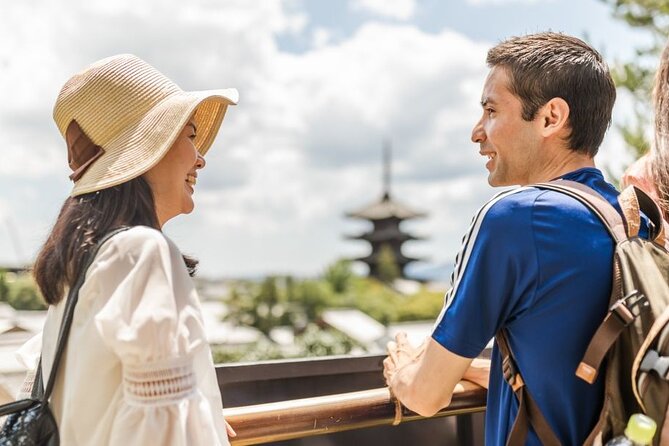
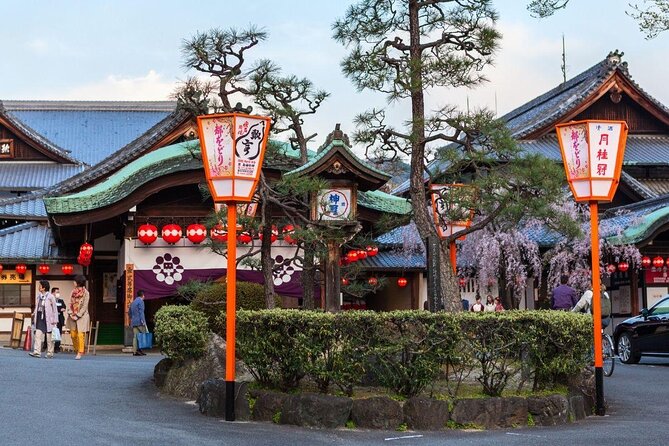
A great Kyoto day needs variety. This one often starts you off with Pontocho Alley, one of the city’s most atmospheric streets. It’s car-free and lined with traditional wooden storefronts and small restaurants—exactly the kind of place where Kyoto feels like Kyoto, not like a theme park.
From there, you can shift into a quieter, more reflective mood at Kennin-ji, Kyoto’s oldest Zen temple. Here, the visual details stand out: the iconic twin dragon mural and gilded screens tied to the wind and thunder gods. That combination—big recognizable art plus a calmer temple setting—helps you understand how Kyoto balances spectacle and stillness.
What I like about this pairing is the emotional contrast. A street like Pontocho teaches you the city’s everyday life and visual charm. A temple like Kennin-ji gives you the spiritual and artistic backbone underneath.
Practical note: temple visits often mean you’ll slow down. That’s a feature. If you want photos, ask your guide when to step back for better angles and when to move forward so you’re not stuck in a crowd.
Gion, Hanami-koji, and Yasaka Shrine: culture you can actually see
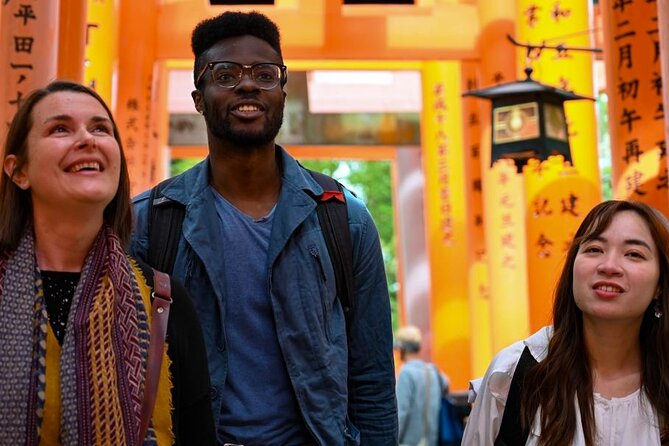
After the calmer temple moment, the route can swing toward Gion, one of Kyoto’s best-known cultural districts. You may walk through Hanami-koji Street and also pass by Tatsumi Bridge as you head toward Shimbashi’s elegant tea house area.
This is where your guide can turn simple walking into cultural understanding. You’ll learn what you’re looking at: why these areas developed, how tea house traditions relate to the broader neighborhood, and how Kyoto stages its cultural identity in everyday space.
Then the tour can add Yasaka Shrine, with a long history stretching back about 1,350 years. Yasaka is especially connected to the Gion Matsuri festival, and even if you’re not there during the festival itself, your guide can explain why that relationship matters.
If you want a breather, this part of the route may also include Maruyama Park—a spot to sit and watch the day move. In Kyoto, taking a moment like this can be the difference between seeing “a lot of sights” and actually feeling like you were there.
A drawback to consider: this section can overlap with busy foot traffic near famous streets. The tour being private helps, but you still need to expect people. The payoff is that your guide can time your movement to reduce friction and help you choose where to pause.
Sannenzaka, Ninenzaka, and Kiyomizu-dera: hill-street Kyoto to the stage view
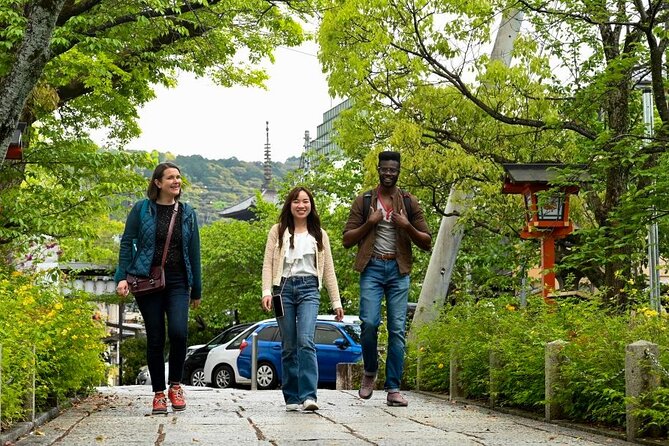
From Gion and the shrine area, the route can continue into the old hill streets: Sannenzaka and Ninenzaka. These lanes are lined with traditional wooden buildings and old-style shops. You’re likely to see crafts, pottery, and sweet treats that feel connected to place, not just packaged souvenirs.
This is also a smart spot to do casual shopping with guidance. If you’re the type who wants to buy one meaningful thing, tell your guide what you like—ceramics, paper goods, sweets—and they can point you toward shops that match your taste and your time.
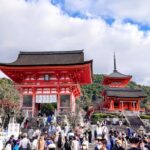
Then comes Kiyomizu-dera, a major Kyoto landmark with a historic wooden stage and breathtaking views. The big highlight here is the Otowa Waterfall, tied to blessings for longevity, success, and love.
Here’s what makes this stop work on a private tour: your guide can help you manage the experience. You can move through the viewpoint at a pace that feels comfortable, pause to absorb the views, and avoid rushing the temple details. If your day is tight, you’ll still get enough of the atmosphere without treating it like a checklist.
One more reality check: Kiyomizu-dera is famous, so crowds can be part of the deal. If you’re sensitive to congestion, plan to take small pauses with your guide rather than expecting the perfect empty moment.
Fushimi Inari-taisha and Kiyamachi: torii energy and a lively finish
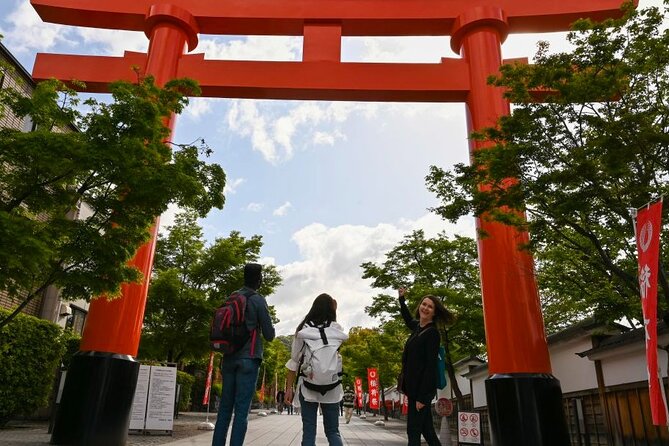
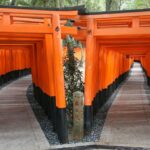
If your interest includes iconic Kyoto images, Fushimi Inari-taisha is the obvious anchor. The trail of vermilion torii gates is instantly recognizable, and your guide can help you experience it in a way that fits your stamina.
You can choose to hike partway for views or focus on admiring the fox statues and shrine details at a calmer pace. Either way, the guide’s role is to connect what you’re seeing with the shrine’s sacred purpose—so the gates aren’t just scenery.
Then, for a more relaxed end, the tour can finish around Kiyamachi Street, known for bars, cozy cafes, and restaurants. This is a good place to think about dinner or a drink with local context. Your guide can also help you find a spot that fits your mood, whether you want traditional food or something lighter.
I like that this ending isn’t just “walk back and you’re done.” It’s designed to help you transition from sightseeing to living your evening like a visitor who knows where to go next.
Why the guide choice can make or break the day
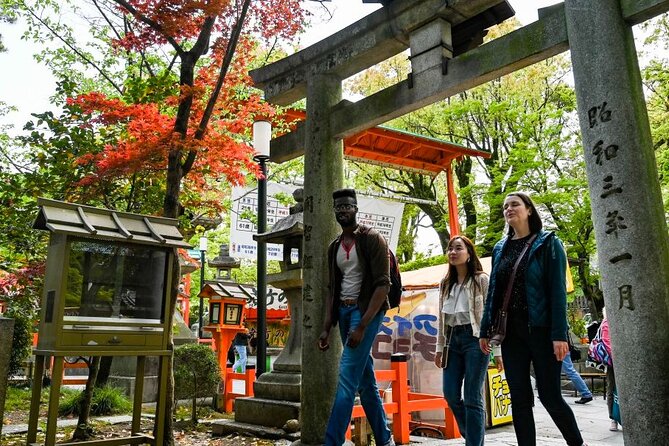
The strongest signal from real experiences with guides on this tour is how they handle pace and details. People often describe guides who go beyond facts—helping with context, answering questions about religion and rituals, and even supporting photos and video.
A few guide examples show up often in feedback:
- Amy is praised for personalization and for stepping into a photography helper role.
- Alex stands out for packing a lot into limited time while still covering culture, religion, and geography.
- Kenta gets mentioned for strong English and detailed explanations, plus planning routes that work for your schedule.
- Kokoro is noted for going beyond big sights by adding quieter temples, and for helping you navigate Kyoto’s transit system.
- Miki is highlighted for tailoring the day and helping with an excellent lunch experience.
- Hiro appears in feedback for an easygoing pace that avoids feeling overstuffed.
You might not get one of these specific names, but the pattern is consistent: the best tours are the ones where your guide treats the day like a conversation, not a script.
If photos matter to you, say so early. Several guides are described as taking photos and helping you get great shots during the walk.
Price and logistics: where the value really comes from
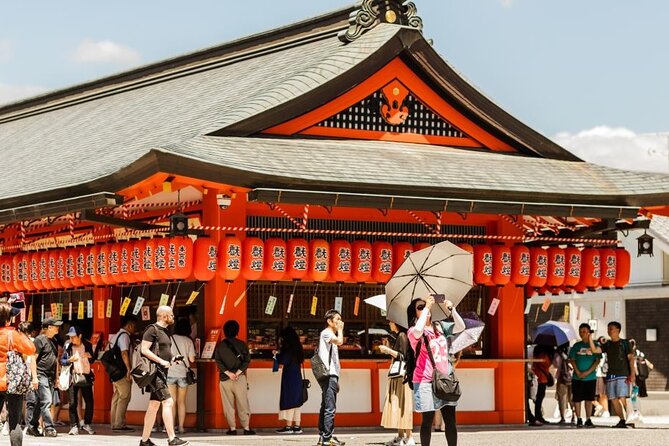
At $102.03 per person, the big value isn’t just the sites—it’s the private time and the flexibility. For many travelers, Kyoto’s classic attractions are easy to reach on your own. The hard part is turning them into understanding without wasting your energy.
This price buys you:
- a private walking guide for your group only
- route adjustments as you go
- cultural context tied to what you’re standing in front of
- local recommendations for food and next steps
What’s not included is just as important:
- Food, drinks, and entry fees aren’t included.
- Transportation isn’t included because it’s primarily walking. You might use public transit or a taxi to move between sites, and exact costs are discussed with your host after booking.
My practical take: if you plan to pay for a few temple entries or want guided food stops, build that into your budget. But if your group likes walking and doesn’t need a vehicle, this pricing structure can feel fair for the attention you get.
How to get the most out of your walking route
This tour is designed around walking, and that means your choices matter.
Wear comfortable shoes. Kyoto’s old streets can be uneven, and stair sections happen. You’ll be grateful for traction and cushioning.
Use the flexibility. When your guide asks what you want, don’t just say yes to everything. Prioritize one or two themes, like religion/art, neighborhoods/photography, or old streets/food.
Ask for timing tips. Even on a private day, famous stops can get crowded. A good guide can help you choose when to move and when to pause, which can save you from the worst congestion.
Plan for breaks. If the day includes Maruyama Park or longer pauses at Kiyomizu-dera viewpoints, treat those as part of the sightseeing plan, not wasted time.
Also, a small but real benefit: because you return back to the meeting point area at the end, you usually avoid the stress of figuring out your own rendezvous point after a long walk.
Should you book this private Kyoto highlights and hidden streets tour?
You should book if you want a Kyoto day that’s shaped to your interests and your pace. This is especially worth it if:
- it’s your first time in Kyoto and you want a strong grounding
- you care about temples and neighborhood context, not just photos
- you want a more relaxed pace than large group tours
- your schedule is tight and you want to fit major sights like Kiyomizu-dera and Fushimi Inari without feeling rushed
I’d pass if you hate walking or you’re hoping for a vehicle-and-taxi tour where you barely move. Since it’s mostly on foot, that would likely frustrate you.
FAQ
How long is the private Kyoto tour?
It runs for about 2 to 5 hours, depending on the route your guide creates for your group.
Is pickup included?
Pickup is offered where accessible, and the meeting point is Starbucks Coffee – Kyoto Sanjo-ohashi Bridge. Your host will meet you at your accommodation or a convenient central location when possible.
Is this tour only walking?
Yes. It’s primarily a walking experience, and a private vehicle is not included.
Are food, drinks, and entry fees included?
No. Food, drinks, and entry fees are not included, though they can be chosen together on the day if you want.
Does the tour guarantee a fixed itinerary?
No. The itinerary isn’t fixed or guaranteed. Your guide can adjust the route based on your interests and as you go.
How is the tour personalized?
After booking, you get a short online questionnaire. Your guide personally reaches out to craft a customized itinerary around your preferences and must-sees.
What if I need to cancel?
You can cancel for a full refund up to 24 hours before the experience’s start time. Cut-off times use the local time at the experience location.
If you want, tell me your travel month and your top 2 priorities (temples, neighborhoods, photos, food, or something else). I can suggest a smart way to order stops inside a 2-, 3-, or 5-hour window.