REVIEW · KYOTO
One-Day Tour of Kyoto’s Highlights from Osaka/Kyoto
Book on Viator →Operated by LIMON Tours · Bookable on Viator
Kyoto in one day, without the stress. This tour strings together the big-name UNESCO sights plus a comfortable air-conditioned bus with Wi‑Fi, so you spend less time hopping between districts and more time actually looking. You’ll also get an English-speaking guide to connect the dots between shrines, temples, and Kyoto’s everyday rhythms.
I love the sheer visual hit at Fushimi Inari Taisha, with its endless vermilion torii gates and fast-moving photo spots. I also really like how the day ends in a different mood at Arashiyama’s Sagano Bamboo Forest, where even a short walk feels like you stepped into another temperature.
The main catch is simple: expect real walking, including slopes and temple stairs, plus not a ton of time for deep lingering at every stop.
In This Review
- Key Things You’ll Notice on This Kyoto Highlights Day
- Why This Kyoto Highlights Route Makes Sense From Osaka or Kyoto
- Getting on the Bus: OCAT Namba and Kyoto Station Hachijo Timing
- Fushimi Inari Taisha: Vermilion Torii Gates and Inari Meaning
- Kiyomizu-dera’s Nail-Less Stage and Hilltop Views
- Kinkaku-ji Golden Pavilion: Zen Gardens in 45 Minutes
- Arashiyama Bamboo Forest and Togetsukyo Bridge Walk
- Lunch Upgrade: Convenience, and What to Do If You Have Dietary Needs
- The Bus Ride Experience: Air-Conditioning, Wi‑Fi, and Group Size Feel
- Timing and Pacing: How to Make Four Major Stops Feel Fair
- Guides and English Commentary: What to Expect and How to Get More Out of It
- Who This Tour Is Best For (and Who Should Consider Another Plan)
- Should You Book This One-Day Kyoto Highlights Tour?
- FAQ
- How long is the Kyoto Highlights one-day tour?
- What’s included in the tour price?
- Is lunch included?
- Are halal or vegan meals available?
- Where do I meet the tour?
- Is there hotel pickup or drop-off?
- Does this tour require walking?
- Are tickets mobile?
- Can I cancel for a full refund?
Key Things You’ll Notice on This Kyoto Highlights Day
- Air-conditioned bus + free Wi‑Fi makes the long ride feel manageable
- Fushimi Inari first so you catch the shrine before the day fully heats up
- Kiyomizu-dera’s stage details and hilltop viewpoints are built for great sightlines
- Kinkaku-ji with admission included gives you access to the Golden Pavilion experience
- Arashiyama Bamboo Forest timing gives you pictures and a calm walk, even with limited time
- Guides like Maria, Naomi, Hama, Milo, and Kenjisan are repeatedly praised for clear guidance and photo help
Why This Kyoto Highlights Route Makes Sense From Osaka or Kyoto
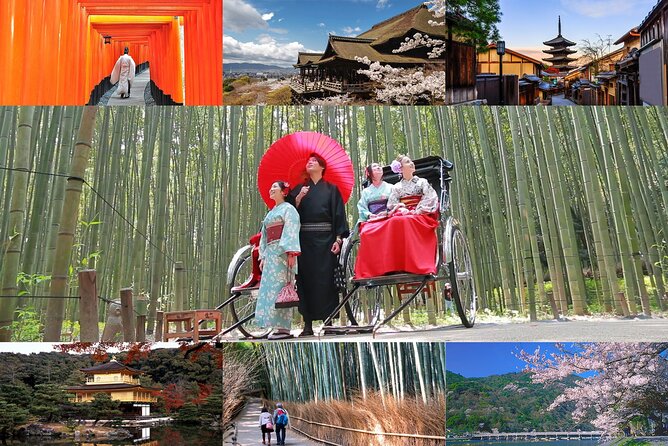
If your Kyoto calendar has only one full day, this kind of itinerary is a smart fix. You’re not just seeing landmarks. You’re seeing how Kyoto’s sacred spaces sit next to real city life—trade routes, hillside views, garden design, and everyday ritual.
The value isn’t only that you hit four major stops. It’s that transport and entry are handled for you. The day is built around an air-conditioned bus with free Wi‑Fi, which matters in summer and during surprise rain.
Price-wise, $66.32 looks reasonable once you factor in the English-speaking guide, bus ride, and included admissions for Kiyomizu-dera and Kinkaku-ji. Lunch is optional via the upgrade, so you can choose whether you want the added convenience.
You can also read our reviews of more tours and experiences in Kyoto.
Getting on the Bus: OCAT Namba and Kyoto Station Hachijo Timing
You’ll meet at one of two points: Namba at OCAT (1F, near Daiso) at 8:50 AM, or Kyoto Station at the Hachijo Exit tourist bus parking at 9:05 AM. Check in about 10 minutes early, because the bus won’t wait for late arrivals.
There’s no hotel pickup or drop-off, so plan to reach the meeting point using public transport. The upside is that you’re starting from places with easy transit connections.
One more thing I’d plan around: the schedule can shift for safety due to traffic or weather. So if you’re traveling with tight reservations later in the evening, don’t schedule anything critical right after you expect to be back.
Fushimi Inari Taisha: Vermilion Torii Gates and Inari Meaning
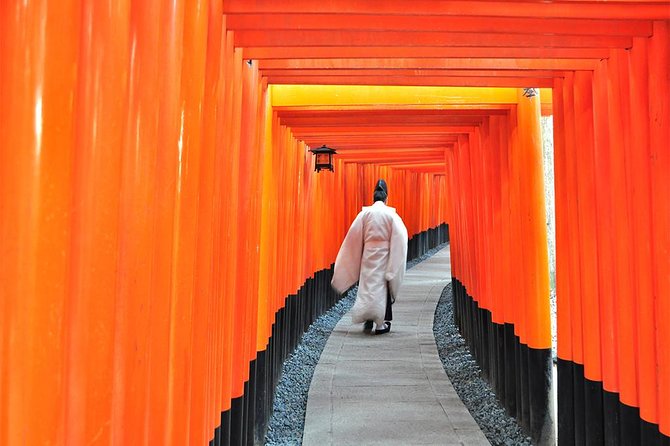
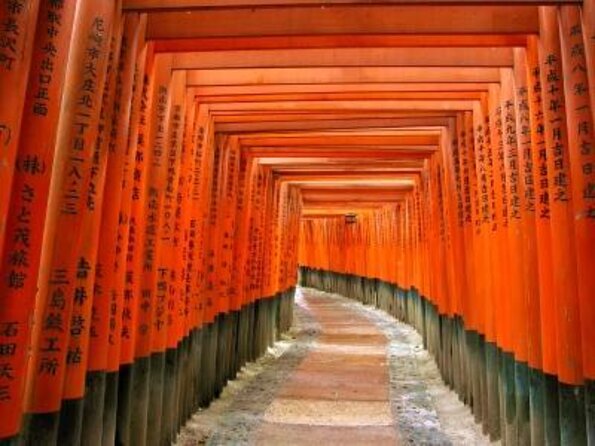
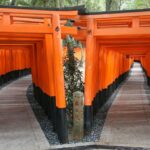
Your first stop is Fushimi Inari Taisha, the head shrine of over 30,000 Inari shrines across Japan. This is the one Kyoto stop where “wow” happens fast. The torii gates create a strong rhythm as you walk, and you can see different scenes just by turning a corner.
You’ll have around 1 hour 20 minutes here, plus admission ticket is free. That time is enough to do the main flow, photograph the most iconic gate corridors, and still pause without rushing.
If you want to appreciate what you’re looking at, this shrine has more going on than the red gates alone. The guide explains the shrine’s connection to agriculture, business, traffic safety, and a bountiful harvest. That context helps you read the place like a living system, not a theme park.
Practical note: this area can feel crowded at peak times. Going early helps, and it also means you’ll be less worn out for the rest of the day.
Kiyomizu-dera’s Nail-Less Stage and Hilltop Views
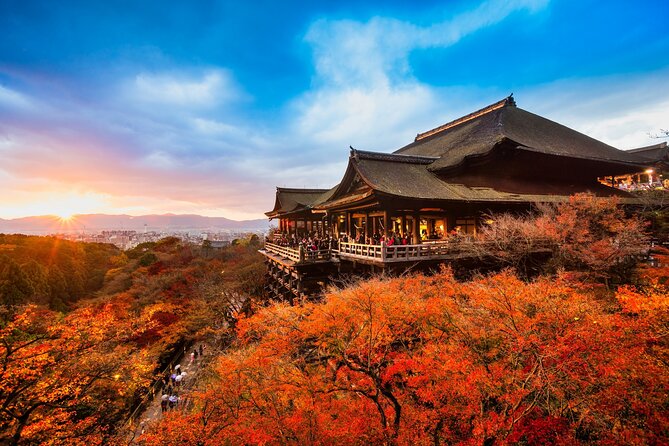
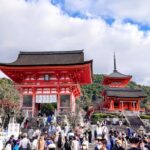
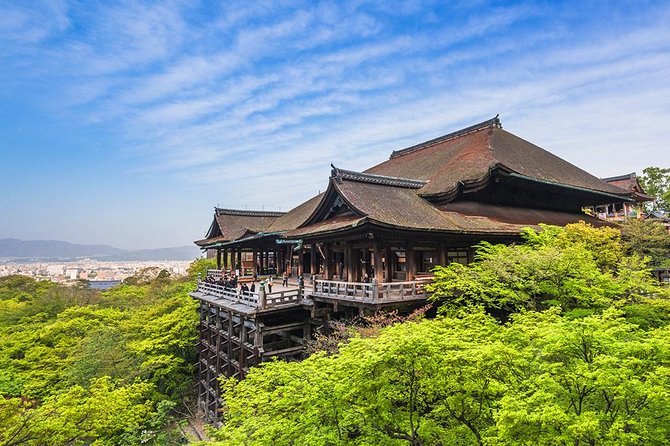
Next up is Kiyomizu-dera, one of Japan’s most iconic temples. You’ll walk across the famous wooden stage that extends from the hillside. The standout detail is that it was built with 139 pillars and not a single nail.
You’ll get about 1 hour 40 minutes here, and admission is included. That longer window helps because Kiyomizu-dera isn’t just one photo spot. You’ll likely explore viewpoints from different angles, walk toward the main structures, and take in the hillside layout.
There are also those classic Kyoto views from the platform area, which is where this stop earns its reputation. Even if you’re not chasing every angle, you’ll still come away with a sense of how the temple “fits” into the city rather than floating outside it.
Watch your footing. This is one of the stops where temple stairs and uneven paths can add up over the day.
Kinkaku-ji Golden Pavilion: Zen Gardens in 45 Minutes
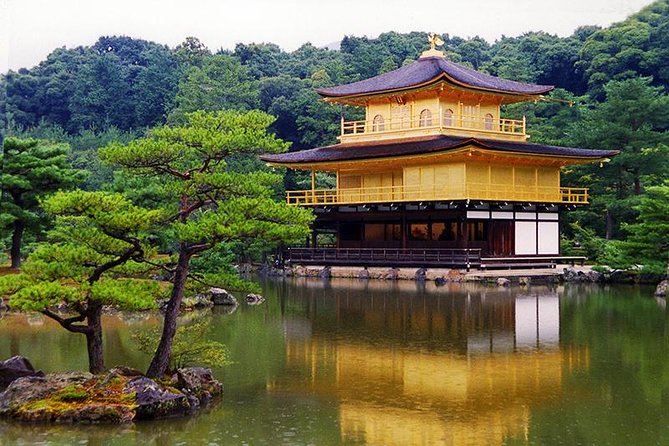
Your third stop is Kinkaku-ji, the Golden Pavilion (a UNESCO heritage site). This is the part of the day where Kyoto turns instantly shiny and precise.
You’ll have about 45 minutes here, and admission is included. That’s not a lot of time, but it’s enough to walk the main approach, see the pavilion and garden areas, and soak up the calm the site is known for.
The pavilion itself is covered in gold leaf and was once the villa of the Ashikaga Shogun. Now it’s a Zen temple complex, which helps explain why the gardens and pathways feel intentionally paced.
If you like details, this is where your guide’s storytelling helps most. The meaning behind the architecture and the timing of where you stand for photos can make the short visit feel longer.


Arashiyama Bamboo Forest and Togetsukyo Bridge Walk
Finally, you head to Arashiyama for the bamboo-lined paths of the Sagano Bamboo Forest. You’ll have about 1 hour 20 minutes, and admission is free.
This stop is a strong contrast after the temple-heavy morning. The bamboo corridor gives you shade, cool air, and that classic “walk and look up” feeling. It’s also a great place for photos because the light filters through the stalks from different directions.
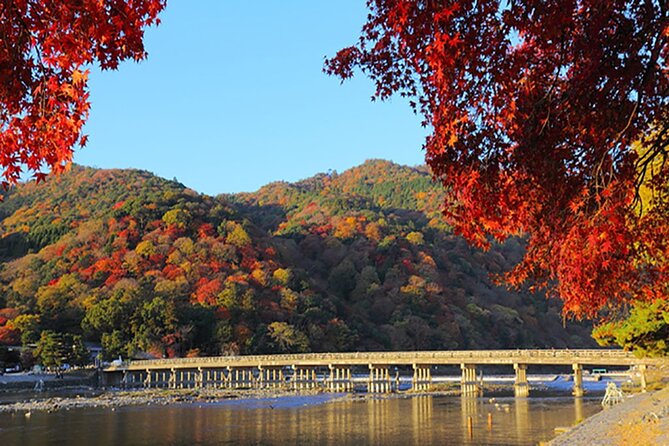
You’ll also see Togetsukyo (moon-crossing bridge), which is a nice visual anchor in the Arashiyama area. Even if you don’t go deep into the neighborhood, that bridge sightline helps make the whole stop feel complete.
Be honest with yourself about walking stamina. By the time you reach Arashiyama, your legs have already done the work of getting between major sights. If you’re not super steady on slopes, consider wearing supportive shoes and keeping your pace calm.
Lunch Upgrade: Convenience, and What to Do If You Have Dietary Needs
There’s a break for lunch during the tour. You can choose the lunch-included option or bring your own.
The data here matters: Halal and vegan meals are unavailable. So if you need those diets, you’re better off booking without lunch and planning to eat from your own supplies.
Vegetarian requests aren’t guaranteed automatically either. The tour asks you to contact the operator at least 3 days before for vegetarian accommodations. If you’re traveling on short notice, bring backup plans.
My practical take: if you’re trying to keep the day smooth and you eat what’s offered, the included lunch option is often worth it. When the itinerary is long, saving yourself one extra decision usually buys you less stress and better energy for the afternoon.
The Bus Ride Experience: Air-Conditioning, Wi‑Fi, and Group Size Feel
Between stops, you’re on an air-conditioned bus with free Wi‑Fi. That’s a big deal in Kyoto because weather can swing and the city can feel warm quickly in summer.
The tour runs with a maximum of 42 travelers. That’s a manageable size for a day tour, but you should still expect bus crowding at peak times and during boarding.
A few guide-focused details show up repeatedly in the experience vibe: many guides help with timing, staying in shade when possible, and even taking photos for you. It’s the kind of support that helps you move efficiently without feeling like you’re sprinting.
Just keep expectations realistic. When a tour is built to cover four major icons, the bus can’t replace the need for walking and careful pacing.
Timing and Pacing: How to Make Four Major Stops Feel Fair
This day is built for efficiency. You’ll visit four signature areas: Fushimi Inari Taisha, Kiyomizu-dera, Kinkaku-ji, and Arashiyama bamboo.
That means each stop has a set window, and some windows are shorter than others. If you love hanging out, you might feel like you’re skating past bits you’d normally explore longer.
Here’s how I’d plan your mindset: treat each stop like a highlight montage. Pick one or two things you really care about at each location—views at Kiyomizu-dera, the pavilion angle at Kinkaku-ji, the gate corridors at Fushimi Inari, and the bamboo photo flow in Arashiyama. Then let the guide’s commentary guide your choices instead of trying to do everything.
Also, this tour does involve walking. Temple stairs and inclined paths are part of the deal, so wear shoes you’d trust on wet stone.
Guides and English Commentary: What to Expect and How to Get More Out of It
The tour includes an English-speaking guide, and several guide names come up with strong praise, including Maria, Naomi, Milo, Hama, Ma-chan, and Tet/Ted, plus Kenjisan for extra added context.
What you should take from this: the guide role here is practical, not just storytelling. They help with where to stand for photos, what to pay attention to, and how the sites connect.
If English narration is a top priority for you, the safest move is to come with specific questions. Ask about one detail you noticed at the previous stop—construction method at Kiyomizu-dera, or the meaning behind the shrine offerings at Fushimi Inari. That keeps you engaged even if some explanations are brief on a given day.
Who This Tour Is Best For (and Who Should Consider Another Plan)
This is ideal if you want a one-day sweep of Kyoto’s most famous highlights. It’s especially good for people who are traveling light and don’t want to manage transit and admissions between distant neighborhoods.
It’s also a good match if you like structure. The itinerary gives you a clear route and time limits, so you can relax on the bus and focus on walking only where it counts.
It may be harder for:
- People with limited mobility, because walking and hills are involved
- Parents pushing strollers, since the tour allows folding strollers but storage is in the bus and some paths can be tricky
- Anyone who needs strict dietary options like vegan or halal with lunch included
Should You Book This One-Day Kyoto Highlights Tour?
If your goal is to check off Kyoto’s biggest icons in one day without logistics pain, I’d say yes. The mix of Fushimi Inari, Kiyomizu-dera, Kinkaku-ji, and Arashiyama bamboo gives you Kyoto in four different moods, and the air-conditioned bus plus free Wi‑Fi makes the long day feel doable.
Book with extra care if you hate walking on stairs or if English narration is non-negotiable for you. In those cases, go in with a plan: comfortable shoes, a realistic pace, and a few questions ready for your guide.
If you can handle a full day on your feet, this is a strong value way to see Kyoto’s essential sights.
FAQ
How long is the Kyoto Highlights one-day tour?
The tour runs for about 10 hours.
What’s included in the tour price?
You get an English-speaking guide, air-conditioned bus with free Wi‑Fi, and entrance tickets for Kinkaku-ji and Kiyomizudera. Lunch is included only if you book the lunch option.
Is lunch included?
Lunch is included only if you choose the lunch-included option. Otherwise, you can bring your own.
Are halal or vegan meals available?
No. Halal and vegan meals are unavailable. If you need these diets, you should book the option without lunch and bring your own.
Where do I meet the tour?
There are two meeting points: Namba (OCAT 1F near Daiso) at 8:50 AM, or Kyoto Station (Hachijo Exit Tourist Bus Parking) at 9:05 AM.
Is there hotel pickup or drop-off?
No. Hotel pickup and drop-off are not included.
Does this tour require walking?
Yes. This tour requires walking, including temple stairs and inclined paths.
Are tickets mobile?
Yes, this experience uses a mobile ticket.
Can I cancel for a full refund?
Yes. You can cancel up to 24 hours in advance for a full refund.