REVIEW · KYOTO
Kyoto 6hr Private Tour with Government-Licensed Guide
Book on Viator →Operated by Japan Guide Agency · Bookable on Viator
One day in Kyoto, and you’re already oriented. This private, government-licensed guide style tour mixes famous icons with real local routing, using public transport so you’re not stuck guessing metro exits.
I love that you get to ask questions all day without waiting your turn, and the guide helps you make sense of shrines, temples, and the city’s layout as you move.
A possible drawback: it’s a walking tour with a tight time window, and lunch isn’t included, so you’ll want a plan for breaks and any paid temple entry.
What I like most is how the day can match your interests instead of forcing a one-size schedule. In real itineraries, guides such as Yuji, Joy Etsuko, Andy (Atsushi), Noriko, Emi, Yuka, Yasu, Rie, and Kiyoshi have been praised for adjusting pace, staying on top of navigation (including trains/subway), and even suggesting places to eat and shop.
That flexibility is the point: you choose 3–4 stops, and your guide can concentrate the time where it matters most to you.
In This Review
- Key Things I Found Most Promising
- Kyoto in 6 Hours Without the Chaos: Licensed Guide + Public Transit
- Designing Your Day: How to Choose the Right 3–4 Stops
- Southern Kyoto First: Fushimi Inari to Gion Streets
- Fushimi Inari-taisha: Senbon Torii and Stories in Motion
- Kiyomizu-dera: Pure Water Vibes and the View
- Gion and Pontocho: Geisha District Energy After Hours
- Higashiyama District and the Eastside Temples: Walking Through Old Kyoto
- Higashiyama Ward: The Historic District Feel
- Ginkakuji: Silver Pavilion and Zen Aesthetics
- Nanzenji Suirokaku: Major Zen Grounds
- Tofuku-ji: Autumn-Famous, All-Season Interesting
- Toji: East Temple and a Heian-Period Anchor
- Sanjusangendo: 1001 Kannon Statues
- Kennin-ji: Gardens Close to City Life
- Imperial and Castle Options: Nijo Castle and Kyoto Imperial Palace
- Nijo Castle: Tokugawa-Era Power in Design
- Kyoto Imperial Palace: Where the Imperial Family Lived Until 1868
- Western Kyoto and Arashiyama: Bamboo Paths, Tenryu-ji, and the Bridge
- Arashiyama + Togetsukyo Bridge: The Iconic Setup
- Bamboo Groves: Short Walk, Big Effect
- Tenryu-ji: A Top Zen Temple Base
- Okochi Sanso Garden: Gardens Behind the Bamboo
- Katsura Imperial Villa and Daikakuji: When You Want More Than One Temple
- Other Western Mountain Temples: Smaller, Quieter Names
- Northern Kyoto Quiet Choices: Kibune, Kurama, and Temple Hikes
- Kibune and Kurama: Mountain Town Legends
- Temple Complexes and Autumn Favorites: Eikando, Daitoku-ji, and Myoshinji
- Daitoku-ji and Myoshinji: Walled Complexes and Subtemples
- Eikando Zenrinji: Famous for Autumn, Known for Evening Illumination
- Ninna-ji and Shugakuin Imperial Villa: Heritage with a Scenic Tempo
- Value and Price: Is About $155.86 Per Person Worth It?
- Who Should Book This Tour, and Who Might Want a Different Format
- Should You Book This Kyoto 6-Hour Private Tour?
- FAQ
- What is the duration of the Kyoto private tour?
- Is this tour private?
- How many stops can I choose?
- Is lunch included?
- Do I need to pay admission fees at the stops?
- Will we use public transportation?
- Is pickup available?
- Are tickets handled by phone?
- Can I cancel and get a refund?
Key Things I Found Most Promising
- Government-licensed, English-speaking guides who are repeatedly praised for clear communication and answering lots of questions.
- Custom 3–4 stops from a strong Kyoto shortlist, so you don’t burn 6 hours on low-priority detours.
- Public-transport routing plus walking, which helps you learn the city quickly for the rest of your trip.
- High-impact Kyoto “greatest hits” options: Fushimi Inari, Kiyomizu-dera, Gion, Nishiki Market, Kinkakuji, Arashiyama, and more.
- Meetup on foot near transit (no private vehicle included), keeping the day practical and efficient.
Kyoto in 6 Hours Without the Chaos: Licensed Guide + Public Transit
Kyoto can overwhelm you fast. Streets curve, neighborhoods feel different every kilometer, and the must-see spots are spread out. What makes this kind of private tour work is that it’s built for real movement: you meet your guide in a designated area, then travel using public transportation and walking between stops.
You’re not just buying a list of photos. You’re buying a guide who helps you understand what you’re looking at. Shrines and temples in Kyoto aren’t all “the same thing with different gates.” With a well-prepared guide, you start noticing patterns: why certain architecture styles appear, how certain periods shaped what you see, and what to pay attention to when crowds thicken.
In past tours, guides like Yuji and Kiyoshi were praised for being friendly and insightful, while Noriko and Yuka stood out for helping people feel comfortable with trains/subways. That matters because once you learn how to get around with confidence, Kyoto stops feeling like a scavenger hunt.
You can also read our reviews of more tours and experiences in Kyoto.
Designing Your Day: How to Choose the Right 3–4 Stops
This is a private format with a customizable selection of 3–4 sites from the Kyoto highlights list. That number is key. Kyoto is too big to “hit everything,” and trying to cram too much usually turns into stress and missed details. With 3–4 stops, you can actually enjoy each place instead of only sprinting through it.
Here’s how to choose your stops like a local:
- Pick one “wow shrine/temple” stop (Fushimi Inari, Kiyomizu-dera, Kinkakuji, Ryoanji, Arashiyama’s Tenryu-ji area).
- Add one “neighborhood mood” stop (Gion, Higashiyama, Pontocho, Nishiki Market).
- Add one garden or Zen-style stop if you like calmer pacing (Ginkakuji, Nanzenji, Daitoku-ji, Eikando).
- If you want something quieter and more scenic, consider the northern mountain option (Kibune or Kurama).
In real examples shared by guides, people often combine:
- Fushimi Inari + Kiyomizu-dera + eastern culture sights such as Sanjusangendo (often paired with the Senbon Torii experience).
- Kinkakuji + Ryoanji + Arashiyama, which is a strong trio if you want both iconic buildings and the famous rock garden vibe.
Southern Kyoto First: Fushimi Inari to Gion Streets
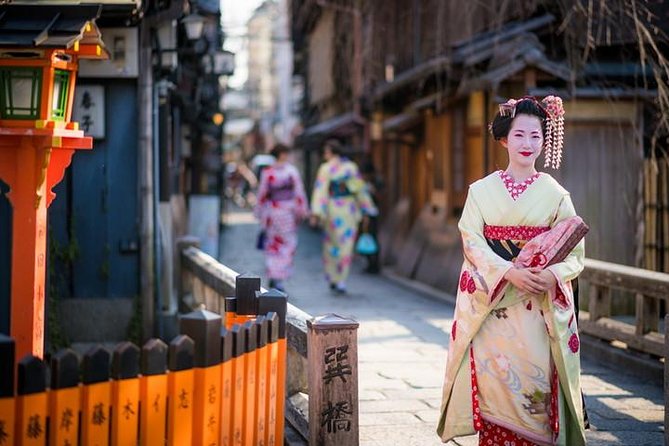
If you’re only doing a single day, this southern-to-eastern arc is the most efficient way to feel Kyoto’s variety.
Fushimi Inari-taisha: Senbon Torii and Stories in Motion
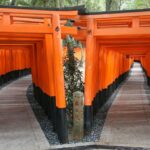
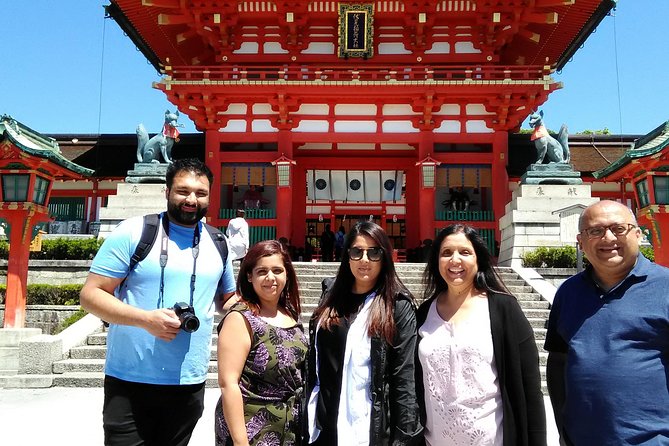
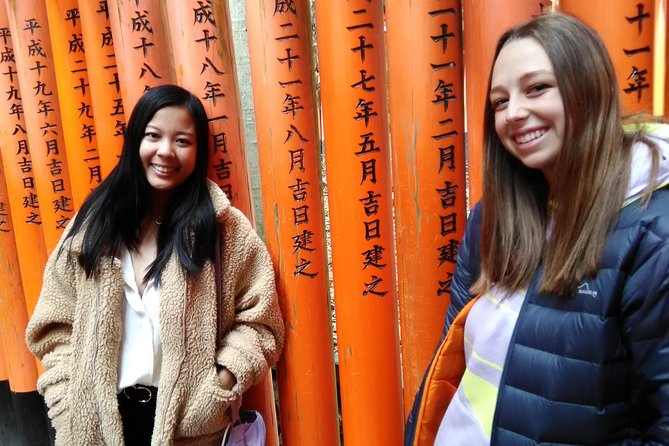
Fushimi Inari is famous for its vermillion-red torii gates, and the “tunnel” effect is real. Even if you’ve seen photos, there’s something physical about walking through the gates and realizing how the shrine expands with each bend in the path.
This stop is listed as free admission, which makes it a great anchor for your itinerary. It’s also an easy first stop because it sets the tone fast: Shinto, community traditions, and that distinctive Kyoto atmosphere.
One thing to plan for: it can get busy. A guide helps you pace through the lines and understand what you’re seeing beyond the obvious gates.
Kiyomizu-dera: Pure Water Vibes and the View
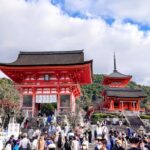
Kiyomizu-dera is Kyoto’s “postcard temple” for a reason. You’re exploring a major temple complex, and you’ll hear the meaning behind the details as you walk the grounds.
The important practical note: admission isn’t included, so you’ll pay at the temple. If you’re choosing your paid stops strategically, this can be worth it because the site is built for lingering.
Gion and Pontocho: Geisha District Energy After Hours
Gion is one of those areas where first-time visitors can feel turned around just because the lanes are narrow and the atmosphere changes block by block. A guide’s job here is simple: you get to enjoy it without playing map roulette.
Gion is listed as free, so you can focus on the streets, photo angles, and small details.
Pontocho is the dining alley mood upgrade: a narrow strip running from Shijo-dori to Sanjo-dori, one block west of the Kamogawa River. It’s listed as free, and your guide can help you decide where to pause if you want something quick before or after your next temple stop.
Higashiyama District and the Eastside Temples: Walking Through Old Kyoto
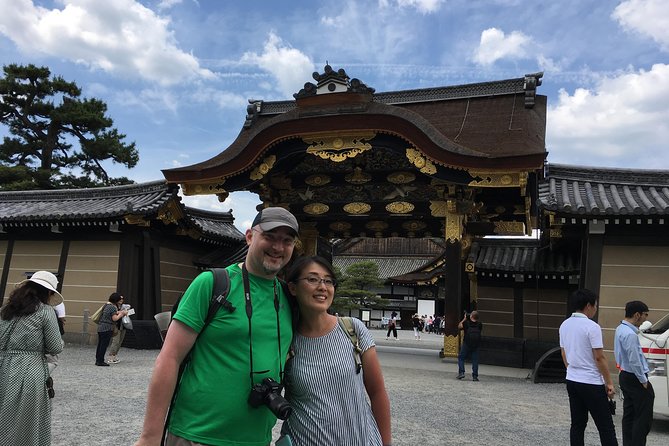
Higashiyama is where Kyoto feels like Kyoto. The lower slopes of the eastern mountains create a natural “shape” to the neighborhoods, and the historic preservation shows in how streets and buildings sit together.
Higashiyama Ward: The Historic District Feel
This is listed as free. If you choose it as one of your stops, expect a slower, more scenic pace—great for people who like strolling more than sprinting.
Ginkakuji: Silver Pavilion and Zen Aesthetics
Ginkakuji is a Zen temple along the Higashiyama mountains. The temple’s background is tied to Shogun Ashikaga Yoshimasa’s retirement villa story. Admission is listed as not included.
If you like gardens, controlled spaces, and quiet visual design, this is a strong choice. If you’re short on time, prioritize it over a second paid temple because it already gives you plenty to look at.
Nanzenji Suirokaku: Major Zen Grounds
Nanzenji is one of Japan’s important Zen temples. It’s listed as not included for admission. What you’ll notice is scale: spacious grounds with a dramatic setting at the base of the forested Higashiyama mountains.
If you want a calmer break from the most crowded sites, this can do that.
Tofuku-ji: Autumn-Famous, All-Season Interesting
Tofuku-ji is known for autumn colors, but even outside peak season, it’s a big Zen temple experience. Admission is not included.
Pick it if you like Zen temple architecture and want your day to feel less like a theme park crawl.
Toji: East Temple and a Heian-Period Anchor
Toji Temple is listed as free admission. It’s a great “value” stop because you get a major Heian-period connection without adding ticket costs.
Also, it tends to work well as a transition stop: you can pair it with other paid sights to balance your budget.
Sanjusangendo: 1001 Kannon Statues
Sanjusangendo is famous for its 1001 statues of Kannon, goddess of mercy. Admission is listed as not included.
This is a powerful stop if you want a more unusual, number-based spectacle that’s still deeply tied to religious tradition.
Kennin-ji: Gardens Close to City Life
Kennin-ji is near busy streets like Hanamikoji and Shijo. It’s listed as not included.
That contrast is what makes it interesting: you get a peaceful walking experience right next to the city’s movement.
Imperial and Castle Options: Nijo Castle and Kyoto Imperial Palace
If you’re into political history and architecture, Kyoto has you covered. And on a 6-hour private day, these stops can be efficient because they concentrate major stories into walkable complexes.
Nijo Castle: Tokugawa-Era Power in Design
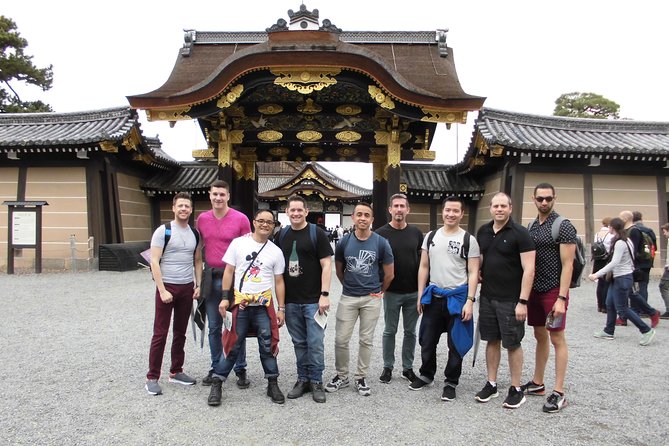
Nijo Castle is listed as not included for admission. It’s described as a demonstration of Shogun Tokugawa Ieyasu’s presence and power during the era.
A good guide helps you read the building as a political statement, not just a pretty castle.
Kyoto Imperial Palace: Where the Imperial Family Lived Until 1868
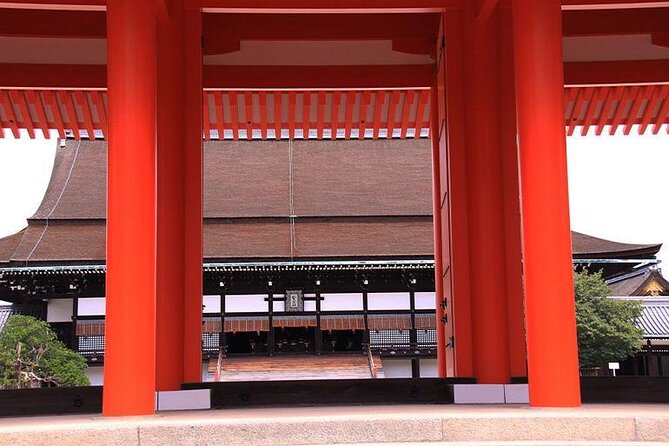
Kyoto Imperial Palace is also listed as not included. The key story here is that it was the residence of Japan’s Imperial Family until 1868, when the capital moved to Tokyo.
If you want a sense of how Kyoto’s role changed over time, this stop gives context fast.
Western Kyoto and Arashiyama: Bamboo Paths, Tenryu-ji, and the Bridge
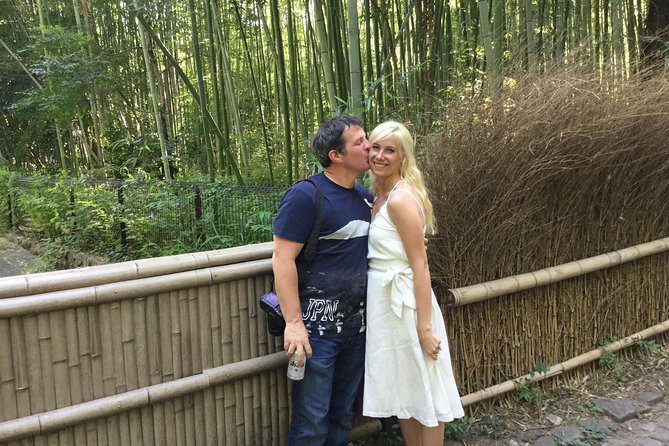
Arashiyama is the part of Kyoto many people dream about. The bamboo groves, the river mood, and the temples along the area create a full “Western Kyoto day” feeling—without needing to travel to a different city.
Arashiyama + Togetsukyo Bridge: The Iconic Setup
Arashiyama is described as a pleasant district popular since the Heian Period, and the Togetsukyo Bridge is the most iconic landmark. The bridge description includes its reconstruction in the 1930s, and it’s tied to the area’s long history.
Admission isn’t specifically called out for the bridge, but several surrounding sites are not included.
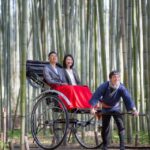
Bamboo Groves: Short Walk, Big Effect
The paths through the bamboo groves are listed as a good walk or bicycle ride. Even with basic expectations, the movement of bamboo stalks in a light wind is a very real sensory experience. It’s an easy win for photos and calm pacing.
Tenryu-ji: A Top Zen Temple Base
Tenryu-ji is listed as not included for admission and is described as the most important temple in Arashiyama. It’s also registered as a world heritage site.
If you want the “temple architecture plus garden” combo, this is a smart paid stop.
Okochi Sanso Garden: Gardens Behind the Bamboo
Okochi Sanso is a former villa of actor Okochi Denjiro, located in the back of Arashiyama’s bamboo groves. It’s listed as not included.
If your group likes gardens and quiet, this often becomes the favorite.
Katsura Imperial Villa and Daikakuji: When You Want More Than One Temple
Katsura Imperial Villa is listed as not included and is described as a top example of Japanese architecture and garden design, completed in 1645.
Daikaku-ji is also listed as not included and is described as a calm temple originally built as a detached palace of Emperor Saga.
These can be amazing choices, but they can also chew up time. Pick them only if your must-sees match your pace.
Other Western Mountain Temples: Smaller, Quieter Names
The list also includes Yoshimine-dera, Jojakkoji, Nisonin, Gio-ji, Adashino Nenbutsuji, Otagi Nenbutsuji, Daitoku-ji, and Myoshinji. All are listed as not included for admission.
These are great if you want fewer crowds, more moss-and-stone quiet vibes, and a day that feels less like a conveyor belt. Your guide can help you decide which ones fit your energy level.
Northern Kyoto Quiet Choices: Kibune, Kurama, and Temple Hikes
Kyoto’s northern options change the mood. Instead of only big-name landmarks, you get forested valley energy.
Kibune and Kurama: Mountain Town Legends
Kibune is listed as free and described as a forested valley town developed around Kifune Shrine, with a boat legend from Osaka.
Kurama-dera is also listed as not included, and the area is known for the temple Kurama-dera and a hot spring that’s described as one of the more easily accessible.
If you want a break from the city crush, these can be a great directional change.
Temple Complexes and Autumn Favorites: Eikando, Daitoku-ji, and Myoshinji
If you’re chasing Zen temple atmosphere and garden details, these names matter.
Daitoku-ji and Myoshinji: Walled Complexes and Subtemples
Daitoku-ji is described as a large walled temple complex with nearly two dozen subtemples. Admission is not included.
Myoshinji includes about 50 subtemples, and only some halls can be entered. Admission is not included.
These two are ideal if your group likes temple layouts and doesn’t mind choosing carefully where to spend time.
Eikando Zenrinji: Famous for Autumn, Known for Evening Illumination
Eikando is listed as not included and is known for autumn colors and evening illumination.
Even if you’re not there for autumn, the reputation matters: it’s a place where design and seasonal identity overlap.
Ninna-ji and Shugakuin Imperial Villa: Heritage with a Scenic Tempo
Ninna-ji is described as a World Heritage Site temple and is listed as not included.
Shugakuin Imperial Villa is listed as not included and managed by the Imperial Household Agency. It’s built with Upper, Middle, and Lower Villa areas.
If you like imperial gardens and slow walking, these can be high satisfaction.
Value and Price: Is About $155.86 Per Person Worth It?
At $155.86 per person for roughly 6 hours, you’re paying for three big things:
- A private, English-speaking guide (licensed).
- A guided plan that helps you move across Kyoto with less wasted time.
- Customization, so you’re not paying for stops you don’t care about.
You’re not paying for everything on-site. Lunch is not included, and many temple admissions are not included in the tour description. Some stops are listed as free, but others are ticketed. So the real value comes down to how wisely you choose your 3–4 sites.
If you want the best “value feel,” balance paid attractions (Kiyomizu-dera, Nijo Castle, Kinkakuji, Ryoanji, Tenryu-ji, etc.) with free streets and free strolling areas (Fushimi Inari is listed free, Gion is free, Nishiki Market is free, Pontocho is free, Toji is free).
For me, the strongest part of the pricing is the guide time. When the guide is good at pace and navigation, the day feels efficient without feeling rushed.
Who Should Book This Tour, and Who Might Want a Different Format
This works especially well if:
- It’s your first Kyoto day and you want to get your bearings fast.
- Your group includes people who want clear context, not just a photo stop.
- You appreciate walking between areas and using public transit with less friction.
It may be less ideal if:
- You need a lot of chair time or frequent sit-down breaks, since it’s described as a walking tour and lunch isn’t included.
- Your group has tight mobility constraints. The tour is on foot for pickup and drop-off and is near public transportation, but it’s still a walking itinerary.
- You expect a fully packed day without coordinating meal stops. A few itineraries in feedback mention the time can feel tight, and guides can’t magically create lunch if you don’t plan for it.
Should You Book This Kyoto 6-Hour Private Tour?
Book it if you want one day in Kyoto that feels organized, flexible, and meaningful. I’d especially recommend it when you can name your top 3–4 must-sees in advance (or at least tell your guide what you love: shrines, Zen gardens, food streets, or quieter temples).
Avoid it if you want a long, unstructured wander with no planning and no paid ticket budgeting. Also skip it if your group hates walking and wants a vehicle-based route, since this experience is designed around walking plus public transit.
FAQ
What is the duration of the Kyoto private tour?
It runs for about 6 hours.
Is this tour private?
Yes. It’s a private tour/activity, and only your group participates.
How many stops can I choose?
You can customize the day with your choice of 3–4 sites from the listed options.
Is lunch included?
No, lunch is not included.
Do I need to pay admission fees at the stops?
Some places are listed as free, while many others are listed as not included for admission. Your guide will help you plan based on which sites you select.
Will we use public transportation?
Yes. The tour is described as traveling by public transportation, and you’ll meet your guide near transit.
Is pickup available?
Pickup and drop-off are on foot, with a meet-up on foot within a designated area in Kyoto.
Are tickets handled by phone?
A mobile ticket is listed as one of the features.
Can I cancel and get a refund?
Yes. Free cancellation is available if you cancel at least 24 hours in advance for a full refund.