REVIEW · SINGAPORE
Experience Singapore: Cultural Cooking Class
Book on Viator →Operated by Food Playground · Bookable on Viator
Singapore food has a secret classroom. In this Cultural Cooking Class in Chinatown, you work with a max group size of 12 and cook three Singapore favorites with an instructor right beside you, then sit down to eat what you made. One possible drawback: the start can include a food quiz and explanations, so if you prefer hands-on right away, plan for a little wait before the real cooking begins.
I like that the pace is built for interaction, not just watching. Multiple instructor names show up in the experience feedback—Mary, Monica, Sara, Nur—so you’re likely to get a teacher who explains the why behind the flavors, not just the steps.
You’ll also get strong cultural context: Singaporean cuisine draws on Malay, Chinese, Indian, and British influences. The class isn’t only about taste; it’s about where dishes come from and why they’re cooked the way they are.
In This Review
- Key highlights worth your time
- Entering Food Playground’s Singapore cooking workshop
- What happens before you cook (and why the food quiz helps)
- The hands-on cooking flow: you cook three dishes, then you eat
- What dishes you’ll likely make (and why the menu can change)
- The cultural context: more than just Singaporean flavors
- Lunch included: what you’re really paying for
- Price and value: is $96.97 worth it?
- The practical details that affect your experience
- Who should book this Singapore Cultural Cooking Class?
- Should you book Food Playground’s Cultural Cooking Class?
- FAQ
- What’s the duration of the Singapore Cultural Cooking Class?
- Where do I meet for the class?
- What time does the class start?
- What’s included in the price?
- Is hotel pickup or drop-off included?
- How many people are in the class?
- What dishes will I cook?
- Are there dietary options?
- What’s the minimum age?
- What are the cancellation terms?
Key highlights worth your time
- Three dishes in about three hours means you leave with practical cooking wins, not just ideas.
- Small group cap (12) gives you real guidance while you prep and cook.
- A food quiz at the start helps set the tone and frames the dishes culturally.
- Lunch included with coffee, tea, and water turns the session into a full meal, not a snack.
- English-speaking instructors make technique and ingredient choices easier to follow.
- Recipe and photo sharing after class helps you repeat the food at home.
Entering Food Playground’s Singapore cooking workshop
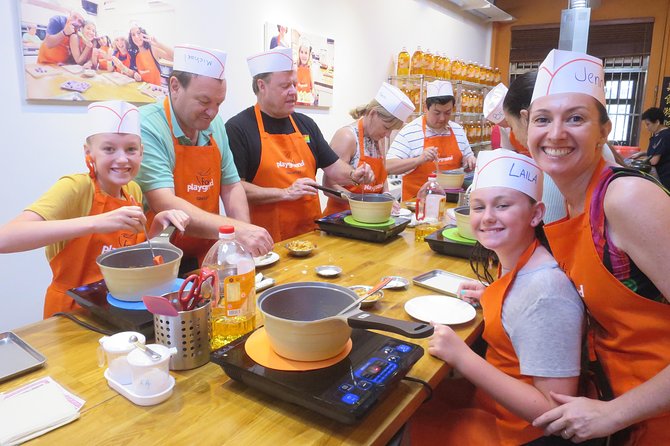
This class runs in Singapore’s Chinatown area, at 24A Sago St (second-floor setup inside an older shop-house style building). The meeting point is on the street—easy to find once you’re oriented—and the vibe is not fancy. It’s functional, focused, and designed for cooking.
The location matters more than you might think. Chinatown is one of the best places in Singapore to understand how food habits cluster—vendors, shops, and busy food halls nearby. Several people specifically note how close it is to MRT options and worth pairing with other Chinatown time after your meal (and yes, you may not feel like buying much right afterward because you’ll be full).
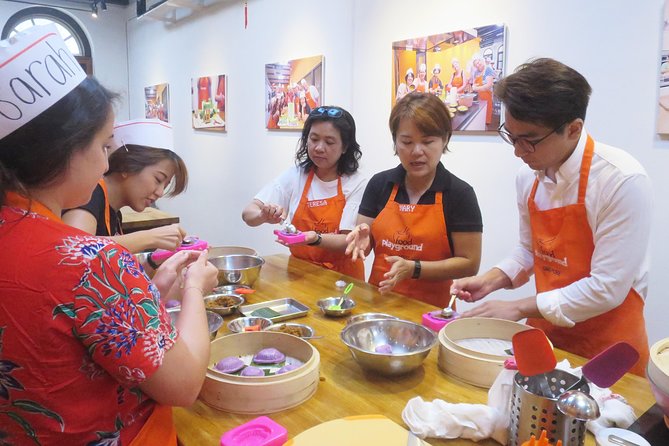
Inside, you’re not shuffled through a museum-style talk. You put on your apron, work with your instructor step-by-step, and get time to actually cook. That hands-on design shows up again and again in the feedback: people mention making things themselves at shared stations, getting help when they hit a snag, and still finishing with a meal that feels like the whole point.
You can also read our reviews of more tours and experiences in Singapore.



What happens before you cook (and why the food quiz helps)
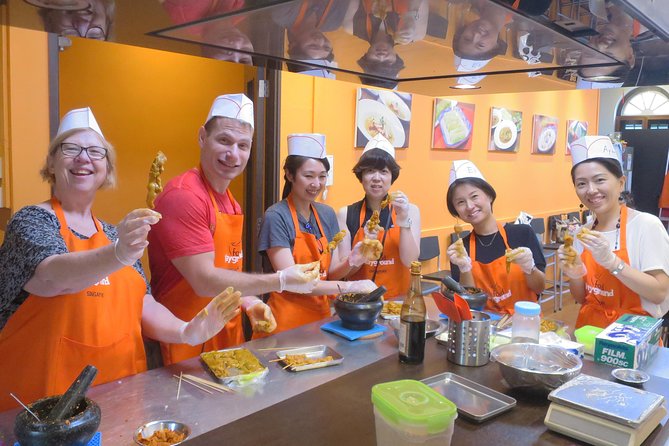
The class starts at 9:30 am and runs about 3 hours total. You’ll arrive, get settled, and jump into the lesson. Before the stove work begins, there’s usually a food quiz and introductory discussion, which a lot of people seem to enjoy.
Why I think that quiz is useful: it puts you in “Singapore-food mode.” Instead of treating laksa or Hainanese chicken rice like random menu items, you start thinking about ingredients, textures, spice logic, and cultural origins. If you’re the kind of person who likes to understand why something tastes the way it does, that early framing pays off later.
The one caution I’d give is timing. A smaller number of comments mention that the opening explanations can feel long, or that transitions could be tightened. That doesn’t mean the class is slow overall—the kitchen time is still the main event—but it’s good to know so your expectations match the format.
The hands-on cooking flow: you cook three dishes, then you eat
The core structure is consistent: you prep, cook, and then eat together. You’ll learn techniques and ingredient handling while the instructor demonstrates key points first, then you reproduce the dish steps with guidance.
A few details help you picture the reality:
- You’re in a small classroom kitchen with a workflow designed for groups up to 12.
- Cooking happens at shared stations, and a solo participant can still work with their own station and get plenty of steps to do.
- The lesson keeps moving so you can realistically finish three dishes within the time.
People often mention making elements like curry paste from scratch or working through components that take longer than you expect until you’re actually doing it. When that happens, having an instructor nearby is the difference between a dish that’s merely edible and a dish that tastes right.
After you cook, you move to the dining area and eat your creations in a relaxed, informal atmosphere. This matters because Singapore food is meant to be shared. The “cook, then eat” flow turns your meal into a lesson you can taste.
What dishes you’ll likely make (and why the menu can change)
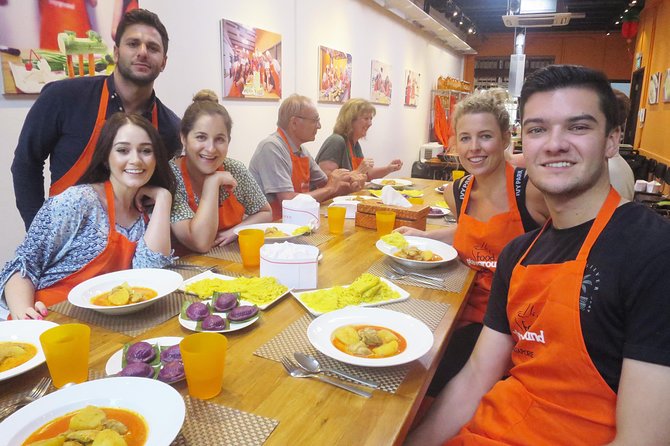
The menu isn’t guaranteed to be identical every day, but you can anchor your expectations on the dishes that repeatedly appear in the description and feedback.
From the class overview, expect Singapore classics such as:
- Laksa (noodle soup)
- Hainanese chicken rice
- Dishes like chicken satay also appear as examples of what the class may cover
From the reported outcomes in feedback, people specifically mention finishing with dishes like:
- Ondeh ondeh (a Singapore dessert)
- Curry chicken (described in the review excerpts as curry chick…)
So how do you plan if you’re picky? Treat the class as “you’ll cook three Singapore favorites,” not “I will definitely cook the exact three dishes I want most.” If there’s a dish you care about, it’s smart to message or ask at booking whether it’s on the current menu—just remember that ingredients and instructions can change.
This is also where the cultural-food piece comes in. Singaporean cuisine is a mix of influences—Malay, Chinese, Indian, and British—and that shows up in the flavor systems: spice blends, coconut use, noodle choices, and the way sauces balance sweet, salty, and heat. Even if you only learn part of that logic in one morning, you’ll have a mental model you can apply when you cook later.
The cultural context: more than just Singaporean flavors
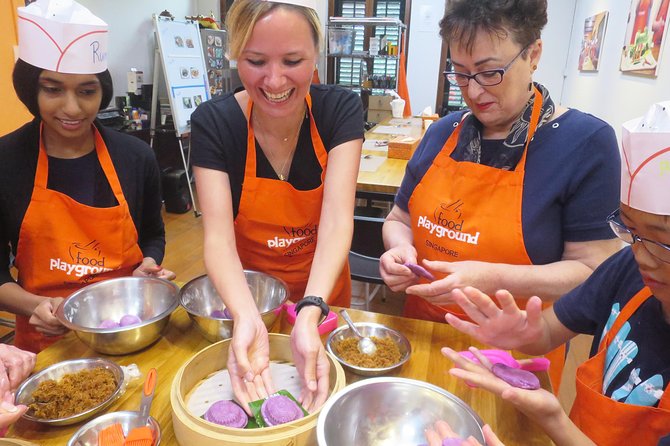
This is not a cooking class that treats culture like background wallpaper. The format is built around the idea that Singapore food has a story, and your guide ties ingredients to that story.
What you can expect to hear:
- How dishes became Singapore favorites through different cultural influences
- The differences in how certain dishes are made and why those differences developed
- Tips about local food production and the way flavors work in Singapore-style cooking
One detail that comes up in feedback: people liked learning history and cultural differences for dishes, not only steps. That’s a good sign if you want something more than a recipe. You’ll still leave with practical instructions, but you’ll also leave with the “what to look for next time” mindset.
And if you’re a bit of a curious eater, this is where Singapore gets fun. The class aims to help you understand Singapore’s culinary heritage in a way you can’t get from walking past hawker stalls and guessing at what you’re tasting.




Lunch included: what you’re really paying for
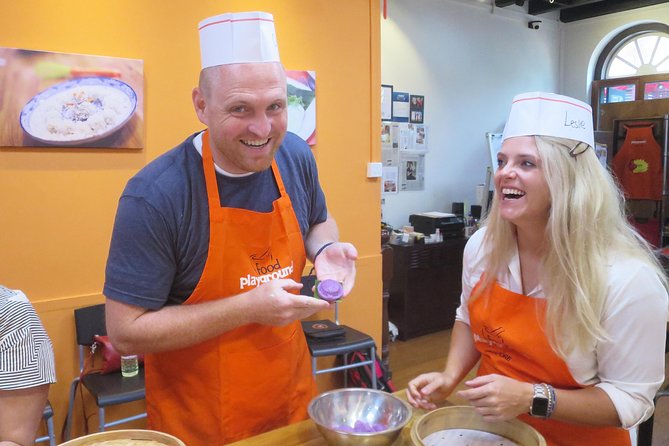
The class includes lunch, plus water, coffee, and tea. That’s a bigger part of the value than it looks at first glance. At many cooking classes, you’re left with a small tasting portion and an extra purchase bill. Here, you’re planning a full morning activity, ending with a proper meal.
That meal is also built from your own work, which changes how you perceive it. You notice textures, seasoning levels, and cooking time. You also pick up shortcuts and technique cues that you’ll remember when you cook at home.
Several feedback comments mention that they shared photos during the class and received recipes afterward. That matters for the “at home” part: you’re not starting from scratch with vague memories. You’ve got something tangible to repeat.
Price and value: is $96.97 worth it?
At $96.97 per person for about 3 hours, you’re paying for three things at once:
- Instruction and supervision while you cook (not just observation)
- Ingredients and equipment
- Lunch (with drinks) at the end
If you compare this to the cost of a casual meal plus a paid food tour, it starts to look reasonable, especially because you leave with skills. The best value comes when you’re the type of person who cooks at home or wants to learn how to. If you’re just hungry and want a one-time taste, you might find a cheaper food option in the area.
But if you want a hands-on souvenir—something you can recreate—the price tends to make sense. Multiple comments specifically highlight that making three dishes in a short window is good use of time, and that the class feels interactive enough that you’re not paying for silence in a kitchen.
Also, the maximum group size of 12 helps justify the price. Small groups cost more to run, but they make a difference when you need help with sauce thickness, noodle timing, or seasoning balance.
The practical details that affect your experience
A few setup points can shape how smoothly your morning goes.
- No hotel pickup or drop-off: you’ll make your own way to the meeting point at 24A Sago St.
- The class is designed for ages 7 and up, so it’s family-friendly in the sense that kids can participate (as long as they meet the age minimum).
- Dietary needs: you should advise any specific dietary requirements at booking. This is important because the menu and ingredient choices can vary.
- Confirmation happens after booking, and the class operates with a minimum of 2 people and a max of 12.
One more “human” detail that shows up in the feedback: people like the relaxed, friendly tone. Some comments describe the hosts as personable and the overall atmosphere as warm and inviting. That kind of setting makes it easier to ask questions, even if you’re a confident cook or brand new to cooking.
Who should book this Singapore Cultural Cooking Class?
Book it if you want:
- A hands-on way to learn Singapore flavors you can recreate
- A morning activity with lunch included
- Small-group interaction rather than a crowded food show
- A cultural-food explanation tied directly to what’s on your plate
You’ll probably enjoy it whether you’re traveling solo or with a partner, because people mention meeting other participants and still getting plenty of station time. If you’re cooking-curious but not technical, the step-by-step style is a good fit. If you already love cooking, you’ll still appreciate the ingredient logic and technique cues.
I’d skip it only if you’re strongly time-sensitive on mornings and hate any kind of lecture before the kitchen starts. Otherwise, the combination of cooking and eating together makes it a solid fit for most food-minded plans.
Should you book Food Playground’s Cultural Cooking Class?
Yes, I think it’s a smart booking for the right person: you should go if you want skills, not just a meal. The standout strengths are consistent—small group size, hands-on cooking of three dishes, and a lunch that feels like a real payoff. Add in the cultural context and the follow-up recipes/photos, and it’s one of the more useful food activities in Singapore.
If you’re the type who gets impatient with introductions, arrive mentally ready for a short warm-up (food quiz plus explanations). For many people, that opening makes the cooking more fun because you start understanding what you’re making.
If you want a memorable Singapore morning that you can take home in the form of real recipes, this class is an easy yes.
FAQ
What’s the duration of the Singapore Cultural Cooking Class?
It runs for about 3 hours.
Where do I meet for the class?
The start location is 24A Sago St, Singapore 059020.
What time does the class start?
The listed start time is 9:30 am.
What’s included in the price?
Included are all equipment and ingredients, lunch with water, coffee and tea, and local English-speaking instructors.
Is hotel pickup or drop-off included?
No, hotel pickup and drop-off are not included.
How many people are in the class?
The class has a maximum of 12 travelers.
What dishes will I cook?
The class covers three dishes, and examples mentioned include laksa and Hainanese chicken rice (and other options such as chicken satay may be included). The menu can change.
Are there dietary options?
You should advise any specific dietary requirements at the time of booking.
What’s the minimum age?
The minimum age is 7 years.
What are the cancellation terms?
Free cancellation is available if you cancel up to 24 hours in advance of the experience start time for a full refund.