REVIEW · SINGAPORE
Let’s Go Kelong Boat Tour at Pulau Ubin
Book on Viator →Operated by Let's Go Tour · Bookable on Viator
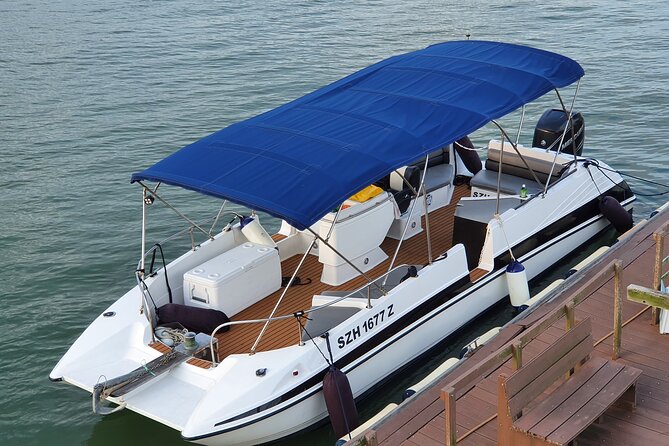
Floating farms on Singapore’s doorstep sound unlikely. And yet, a short catamaran cruise around Pulau Ubin and kelongs brings you right up to mangrove edges, working fish-farm structures, and even an abandoned resort along the northeastern coast. What makes it interesting is how the ride mixes nature, marine life, and practical local history into one smooth 3-hour outing.
I really like the tight group size (up to 10). That keeps the boat calm and helps the guide answer real questions, not just recite a script. I also like the stop at Smith Marine, a floating restaurant that connects the older kelong concept with a modern way to host visitors.
One consideration: this tour is weather-dependent because you’re on the water most of the time. If conditions are rough, you may be rescheduled or refunded, and you’ll need to be okay with a day that’s guided more than sightseeing-heavy on land.
In This Review
- Key things to know before you go
- Entering Pulau Ubin by water, not road
- The SAF Yacht Club start: easy access, short day, focused route
- Pasir Gudang stop: ports and names, in just 15 minutes
- Cruising Pulau Ubin: mangroves and an abandoned resort from the water
- Kelong 101: why floating fish farms matter
- Smith Marine Floating Restaurant: kelong-meets-modern dining
- Price and value: what $109.10 buys you in real terms
- What to bring, and how to time your day
- Who this tour fits best (and who might skip)
- Should you book the Let’s Go Kelong Boat Tour?
- FAQ
- How long is the Pulau Ubin and kelong boat tour?
- What is included in the tour price?
- Is dinner included at Smith Marine Floating Restaurant?
- How many people are on the boat?
- Where does the tour start and end?
- Do I need to print a ticket?
- What if the weather is bad?
Key things to know before you go
- Up to 10 people on the boat means you actually get time with the guide and captain
- Catamaran cruising gives you a real water-level view of mangroves and shoreline changes
- Kelongs explained clearly with stories about fish farming and sustainability
- Smith Marine stop (included) lets you see the kelong-meets-restaurant idea up close
- Brief Pasir Gudang orientation ties Singapore’s port geography to what you see at sea
Entering Pulau Ubin by water, not road
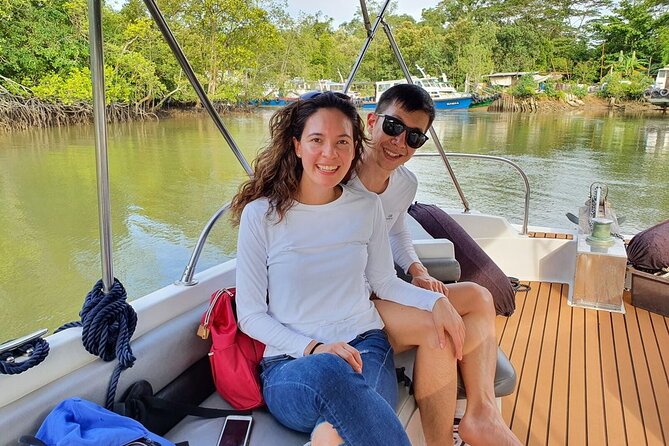
Pulau Ubin has a way of feeling like it’s holding its breath. On land, you’d expect quiet trails and slow moving scenes. From the water, the island reads differently: shorelines, mangroves, and floating structures all line up in one view. That’s the big win of this tour. You get pulled along the northeastern coast, so you’re not just looking at Singapore’s “other side” from photos—you’re seeing how the coastline works and why it’s built for both nature and people.
The boat experience also changes the tempo. Instead of hustling from one viewpoint to another, you settle into a steady cruise. You’ll notice how the mangroves sit right at the water’s edge, and how the island’s character shifts along the route. It’s a nice change of pace if you’ve already done the city sights and you want something that feels local and practical, not staged.
You can also read our reviews of more tours and experiences in Singapore.



The SAF Yacht Club start: easy access, short day, focused route
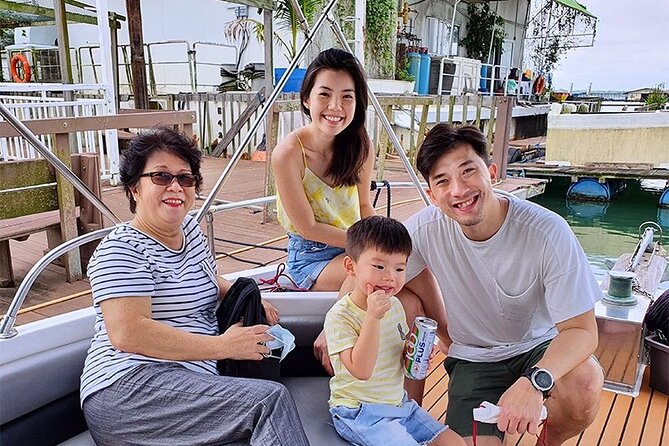
The tour starts and ends at the SAF Yacht Club at 43 Admiralty Rd W (mobile ticket included). That location matters because you’re not then adding extra transfers or complicated last-mile problems—public transportation is nearby.
This is also a short day by Singapore standards. The whole experience runs about 3 hours, with three main segments along the route. That “tight loop” is a plus when your schedule is packed. It’s long enough to do real cruising and learn what kelongs are for, but short enough that you’re not stuck on a boat all day.
Because the group is capped at 10, the captain-guide dynamic is a core part of the value. Reviews praise guides like Robyn for being friendly and attentive, and for sharing stories in a way that helps the place make sense. If you like asking questions—about fish farming, ports, or what you’re seeing—this format usually works better than a large-coach setup.
Pasir Gudang stop: ports and names, in just 15 minutes
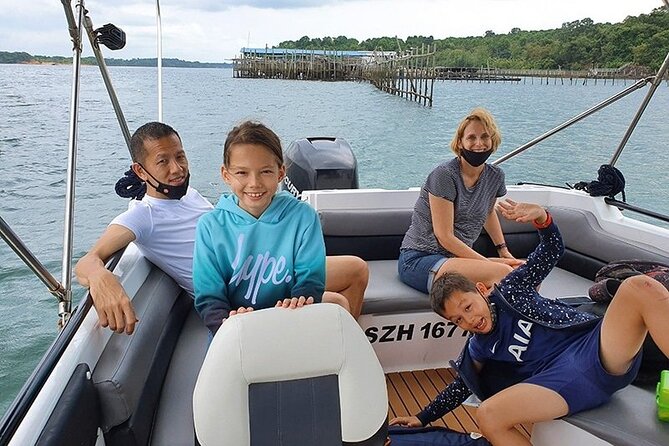
One of the smartest touches in the schedule is a brief stop in Pasir Gudang. It’s only about 15 minutes, but it sets context for what you’re actually cruising around. You’ll learn how the neighboring port got its name, and you’ll get a quick look at the idea of two ports in Pasir Gudang and how close Singapore’s waters sit to Malaysia.
Why this matters: a kelong tour can stay too narrow. If all you learn is floating fish farms, the story can feel disconnected. This short orientation gives you a bigger frame—Singapore isn’t an island floating in isolation. Its sea borders, ports, and neighboring routes influence what happens on the water, who uses it, and what kinds of maritime activities fit there.
Don’t expect a long museum-style stop. It’s more like a guided “get your bearings” moment, so you understand why the cruise path looks the way it does.
Cruising Pulau Ubin: mangroves and an abandoned resort from the water
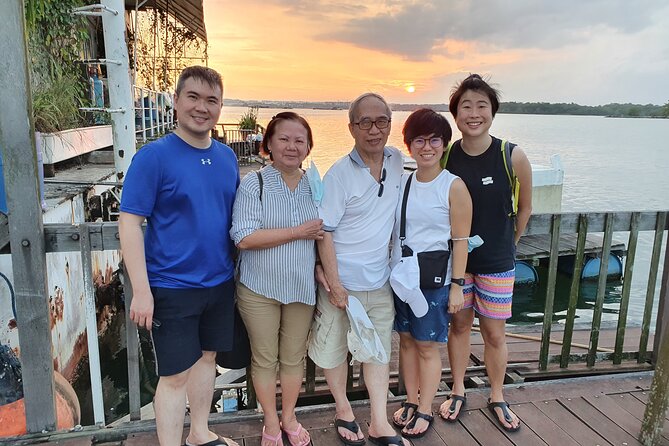
The heart of the tour is the long pull down the length of Pulau Ubin (about 1 hour 25 minutes). This is where the water-level perspective really pays off. You’ll get close to mangrove swamp areas, and you’ll see an abandoned resort from the coastline perspective.
The mangroves are the key nature moment. From the water you can see how the vegetation sits right at the interface—where land meets tide. That’s also where fish-farm thinking makes sense. Mangrove edges connect to coastal ecology, which is part of why sustainable approaches matter when people work in marine areas.
The abandoned resort view adds a different flavor. It’s not a “wow” architecture stop, and it’s not meant as a ghost-story thrill. It’s more about showing how the island has changed and how land use shifts over time. Seeing it from the water keeps it grounded in the real coastline, not a distant landmark.
Practical note: you’ll be on the boat for a big chunk of time, so bring what you’d bring for a water ride—something to protect you from sun and wind, and be ready for the fact that this isn’t a walking-heavy itinerary.
Kelong 101: why floating fish farms matter
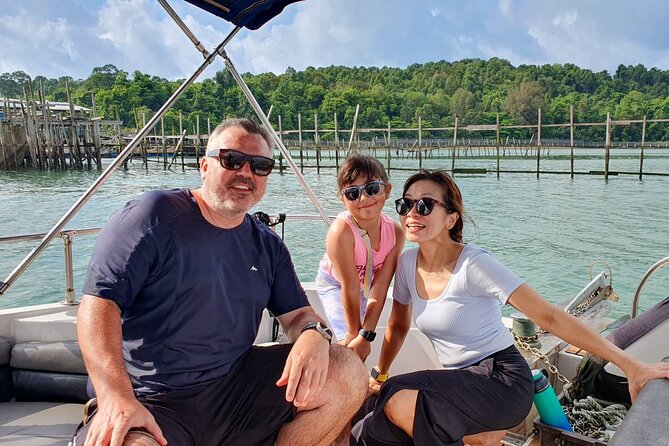
This tour earns its keep by explaining kelongs in plain language. A kelong is essentially a floating fish farm—an idea built for working at sea. The guide shares stories and practical background on what kelongs do, and why sustainable fish farming is talked about so often in places like this.
Here’s what I think is valuable about this portion: it turns the visuals into understanding. Without the explanation, kelongs can look like odd platforms you pass by. With the explanation, you start to see them as part of a system—how seafood production fits coastal environments, and how sustainability isn’t just a buzzword but a real concern for long-term marine health.
You’ll also learn the “why” behind the tour’s route. The cruising path isn’t random. It gives you repeated chances to spot what you’re hearing about: floating farm structures, shoreline ecology, and the relationship between sea space and human activity. That connection is what makes it more than a one-stop “look and snap photos” ride.



Smith Marine Floating Restaurant: kelong-meets-modern dining
The final major stop is the Smith Marine Floating Restaurant (about 30 minutes). This part is included in the price, and it’s a smart choice because it’s both a sight and a concept.
Smith Marine is described as a hybrid: a traditional fish-farm kelong idea plus a modern restaurant setup. Even if you don’t plan to eat, the value is visual and interpretive. You can see how the “floating” model has been reimagined into a place people can visit and stay for a while.
The tour also mentions you could have dinner there if you’d like. Dinner isn’t included in the tour price, but the option is useful. If you like seafood and you want to extend the day naturally, this gives you a place to do it without chasing another restaurant after the boat ride.
One small heads-up: since the stop is only about 30 minutes, treat it as a short visit. You’ll get time to look, learn, and enjoy the setting, but you’re not turning this into a long meal event.
Price and value: what $109.10 buys you in real terms
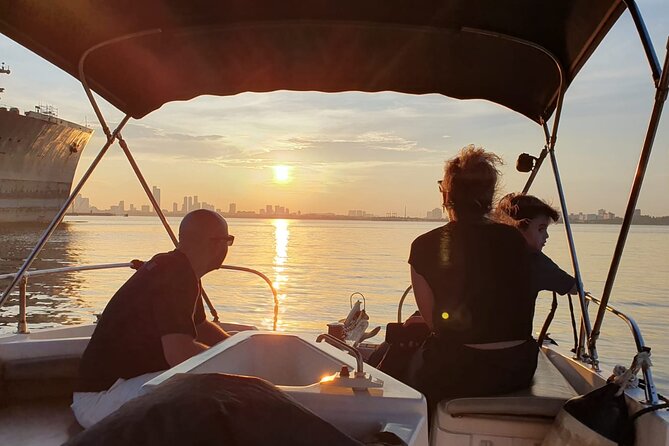
At $109.10 per person, this isn’t a bargain-basement activity. So the question isn’t just whether it costs more than a ticket museum. It’s whether the experience delivers enough “different from the usual” value.
Here’s what you’re paying for, in practical terms:
- A small-group catamaran ride (max 10) rather than a crowded tour
- A guided story that ties together ports, kelongs, and coastal ecology
- Two meaningful segments besides the boat itself: the Pasir Gudang orientation and the Smith Marine floating restaurant stop (with admission included)
If you’re the type of traveler who likes nature and also likes context—how local systems work—this price starts to make sense. You’re not just buying a ride. You’re buying time with an on-the-water guide who can explain what you’re seeing.
If you want a full day of major attractions, you might feel the price more sharply, because the land stops are short and the experience is tightly paced around cruising. But if your goal is learning, perspective, and a calm water outing, the format holds up.
What to bring, and how to time your day
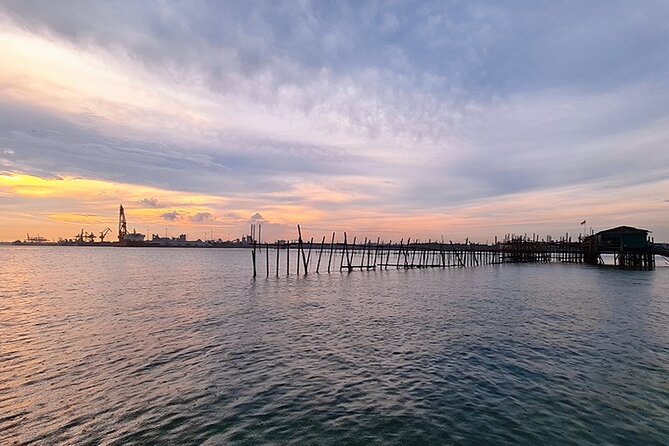
This tour is about being comfortable on the water. Plan for sun and wind since the catamaran ride covers most of your time. Light layers can help because sea breeze can change how warm you feel compared to the city.
Also think about timing. Since it ends back at the meeting point, it’s easiest if you’ve already planned how you’ll move after the tour. Some past participants recommended having a return taxi ready, likely because it can be a bit of a logistical scramble after a morning or early-afternoon trip. Your best approach is to plan a simple exit: one clear route back to where you’re staying.
If you’re traveling with people who don’t love boats, this is where your expectations matter. The tour is not a beach day. It’s a guided water-and-shore experience, and the learning happens while you’re cruising.
Who this tour fits best (and who might skip)
This works especially well if you want:
- A calmer side of Singapore beyond shopping malls and skylines
- A small-group guide experience where questions are welcome
- A “how it works” look at sustainable fish farming and kelongs
- A route that includes both nature (mangroves) and maritime context (Pasir Gudang ports)
You might skip it if you’re chasing only headline sights, like famous temples or big city landmarks. This is quieter, more educational, and more about systems than about spectacle. It’s also best for travelers who can handle roughly three hours on a boat with limited land time.
Should you book the Let’s Go Kelong Boat Tour?
If your idea of a great Singapore day includes water views, mangroves, and clear explanations of local marine life and fishing systems, I think you should book it. The small cap of 10 people keeps the experience personal, and the combination of cruising plus the Smith Marine stop gives you both the story and the setting.
You may want to weigh it if you’re price-sensitive or only interested in big, long walking attractions. This tour is short, guided, and weather-dependent. It rewards curiosity and comfort on the water more than it rewards “checklist sightseeing.”
FAQ
How long is the Pulau Ubin and kelong boat tour?
The tour lasts about 3 hours (approximately).
What is included in the tour price?
A licensed tour guide is included, and the Smith Marine Floating Restaurant stop has admission included. Dinner is not included.
Is dinner included at Smith Marine Floating Restaurant?
No. Dinner is optional, if you want to eat there, but it’s not part of the package.
How many people are on the boat?
The group is capped at a maximum of 10 travelers.
Where does the tour start and end?
It starts at SAF Yacht Club, 43 Admiralty Rd W, Singapore 759962, and ends back at the same meeting point.
Do I need to print a ticket?
No. The tour uses a mobile ticket.
What if the weather is bad?
The experience requires good weather. If it’s canceled due to poor weather, you’ll be offered a different date or a full refund.