REVIEW · OSAKA
Hungry Osaka Street Food Tour: 15 Dishes & 3 Drinks
Book on GetYourGuide →Operated by Hungry Osaka Tours · Bookable on GetYourGuide
Osaka can feel like a food festival. This tour’s built for a clear plan: 15 dishes you’ll actually manage and a guide-led Shinsekai walk that gives context while you eat. The vibe is classic Osaka comfort foods, not just random bites.
The one catch: the tour is not suited for gluten intolerance or vegan diets, and extra drinks beyond what’s included aren’t part of the package.
In This Review
- Key takeaways
- Why Shinsekai works so well for street food
- The full food plan: from kushikatsu to oden and udon
- Stop 1: Shinsekai start with kushikatsu + a bold miso beef opener
- Stop 2: karaage that’s crispy, juicy, and customizable
- Stop 3: takoyaki in cast-iron molds, sauce-forward
- Stop 4: yakitori with charcoal-grilled skewers and marinated sides
- Stop 5: a standing bar finish with oden and Osaka-style udon
- Drinks and pacing: how they keep you comfortable (not overwhelmed)
- What makes the guides a big deal in real life
- Price and value: is $79 actually fair for 15 dishes?
- Dietary limits and allergies: what to plan for
- Logistics that matter: where to meet and how to show up
- Who this tour is best for (and who should skip it)
- My booking verdict: should you book the Hungry Osaka Street Food Tour?
- FAQ
- How much is the Osaka street food tour?
- Where do I meet the guide?
- Where does the tour end?
- How many dishes and drinks are included?
- What food stops are included?
- Are vegetarian options available?
- Can the tour accommodate vegan diets?
- Is the tour gluten-free friendly?
- Are there any recording rules?
Key takeaways
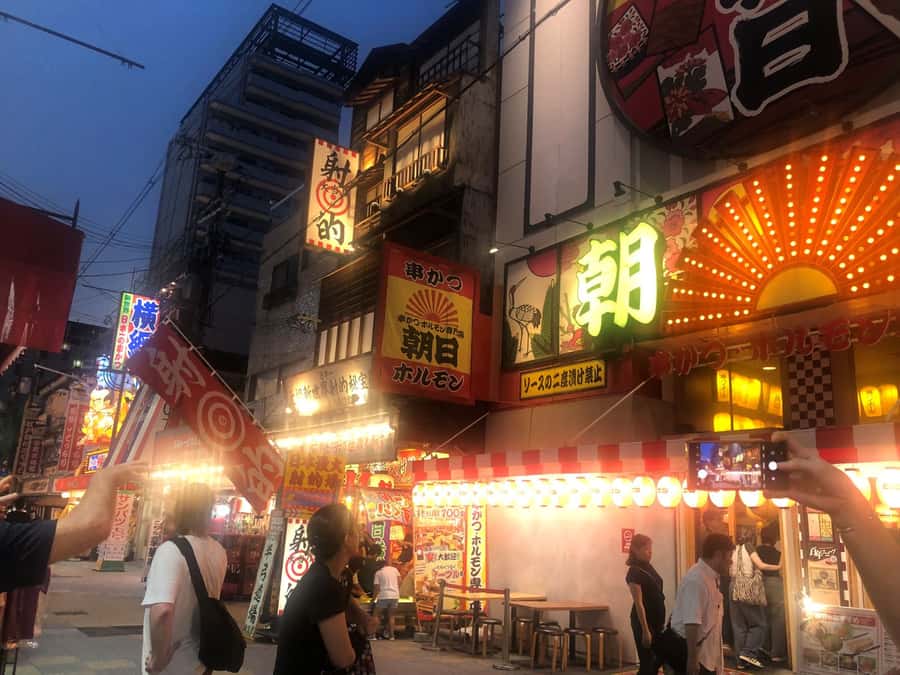
- Shinsekai street-level eating: a neighborhood with old-school Osaka character and lots of local food counters
- 15 dishes across different formats: izakaya, stall-style snacks, a standing bar, and sit-down spots
- Signature Osaka hits: kushikatsu, doteyaki, karaage, takoyaki, yakitori, oden, and udon
- Drink options included: alcoholic and non-alcoholic choices are offered with your set meals
- Guide names you’ll recognize: Andy, Scott, Tim, Anna, and Kenzo lead the experience
- Flexible stops when places are closed: you’ll be redirected to alternatives if needed
Why Shinsekai works so well for street food
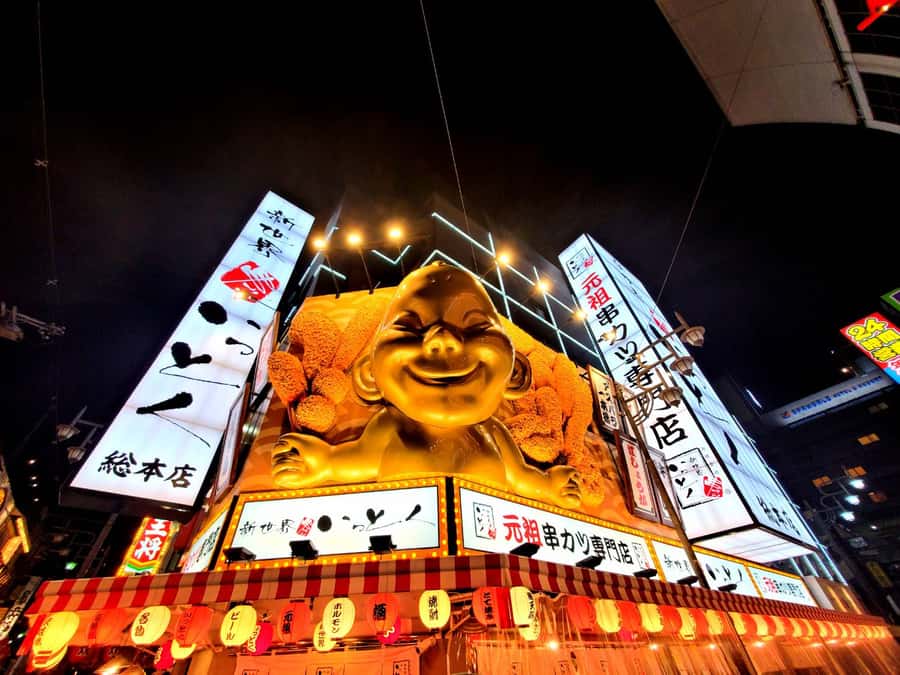
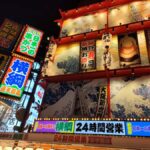
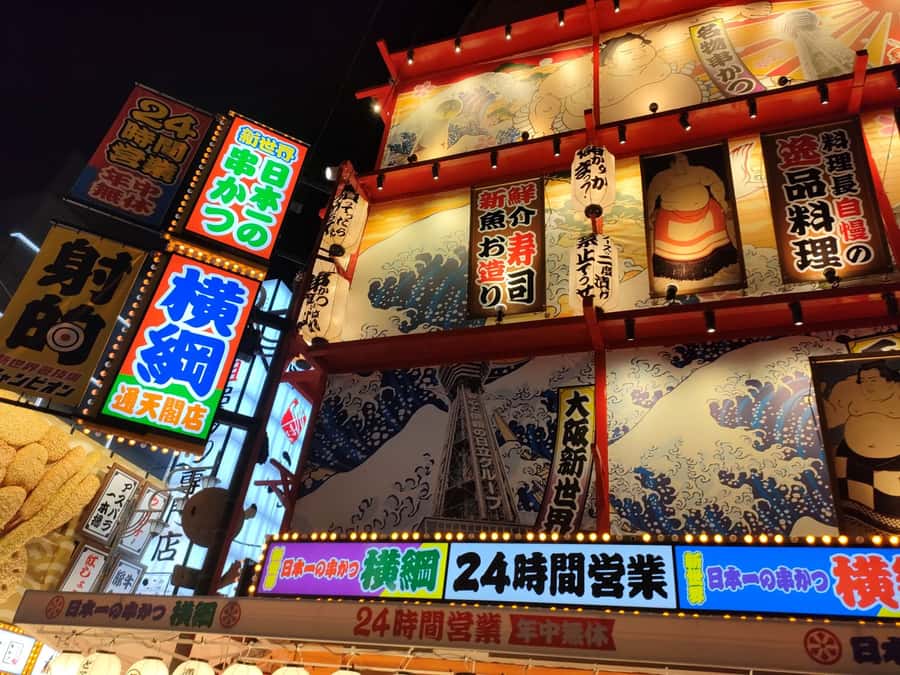
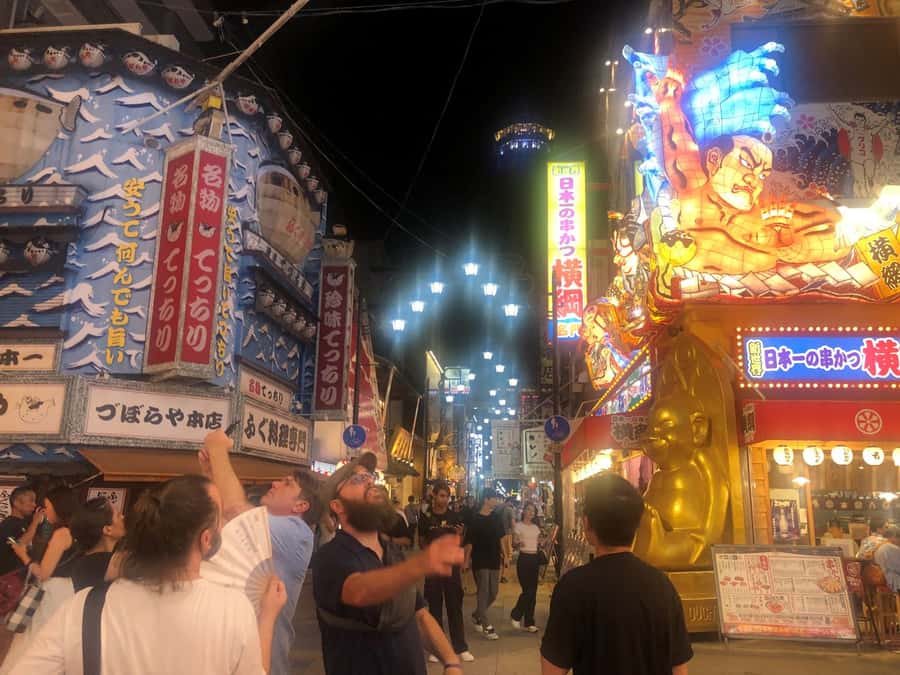
Shinsekai is one of those Osaka neighborhoods where food is the main event. It’s the kind of area where you’ll see people lined up at small stalls and where the street life feels older than the rest of the city. And that matters on a food tour—because you’re not just eating, you’re learning how the neighborhood functions after dark.
What I like about this setup is the rhythm. You’re not bouncing randomly between spots. You’re guided through a chain of places with different styles of eating, which keeps things interesting and helps you pace yourself for all 15 dishes. If you come hungry, you’ll leave stuffed and oddly proud of your own self-control.
There’s also real value in having someone translate more than just language. Guides like Andy, Scott, Tim, Anna, and Kenzo don’t just point at menus—they explain what you’re ordering and why Osaka loves it.
You can also read our reviews of more tours and experiences in Osaka.


The full food plan: from kushikatsu to oden and udon
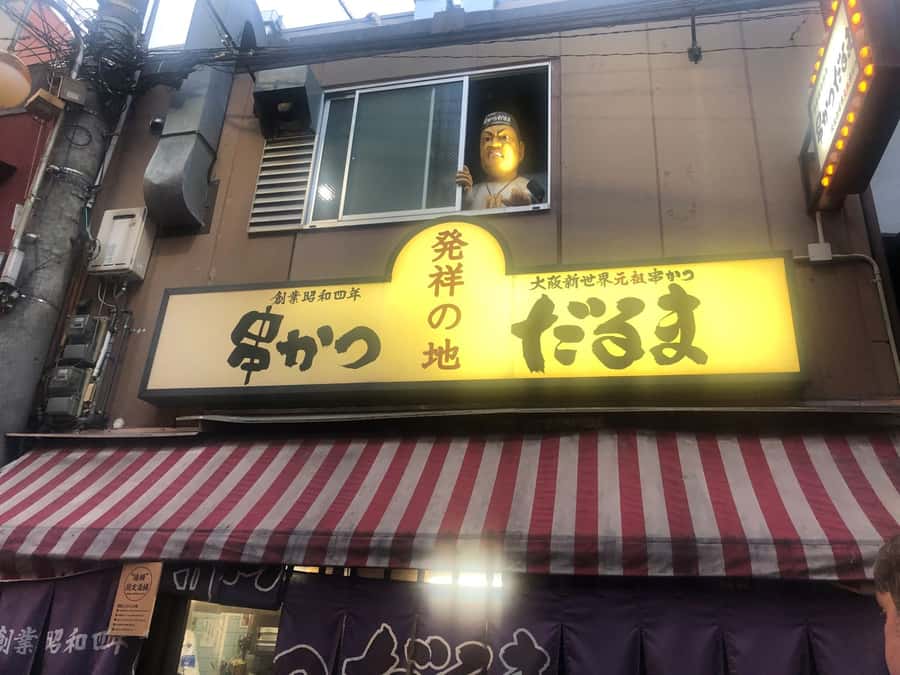
This tour is organized around a sequence of local favorites that make sense together. You’ll start with crispy, savory street food, move through comforting bowls and skewers, and end with hot, soothing late-night choices. That arc is one reason people walk away feeling like they understand Osaka food, not just that they ate a lot.
Stop 1: Shinsekai start with kushikatsu + a bold miso beef opener
The night kicks off with kushikatsu, those lightly battered and fried skewers of meat and vegetables. It’s the kind of bite that feels simple, but it’s a powerful first move because it’s crunchy, salty, and easy to share while everyone settles in.
Right away, you also get a first drink and a savory start with doteyaki. This is a miso-simmered beef tendon stew served with roasted garlic cloves. It’s rich and deeply savory, the sort of dish that makes you stop for a second and think: okay, this is why Osaka has a reputation.
Stop 2: karaage that’s crispy, juicy, and customizable
Next up is karaage, Japan’s fried chicken style—crispy outside, juicy inside. What you’ll appreciate is that the seasoning can be chosen, so you’re not stuck with one flavor profile if you’re picky (or if you like to compare).
This stop also works as a break from the earlier skewers. Fried chicken is comforting, but it’s different enough that you won’t feel like you’re eating the same thing repeatedly.
Stop 3: takoyaki in cast-iron molds, sauce-forward
Then comes takoyaki, Osaka’s iconic octopus balls cooked in cast-iron molds. The key here is texture: crisp edges with a gooey center, and always topped with sauce choices.
Takoyaki is a great mid-tour dish because it’s snack-sized but satisfying. You’ll be able to eat, taste, and keep moving without feeling like you need a nap right after.




Stop 4: yakitori with charcoal-grilled skewers and marinated sides
At a yakitori place, you’ll get skewers—charcoal-grilled meats and vegetables—plus marinated sides and drinks. Compared to the earlier street snacks, this feels more like an izakaya meal setting, even if it’s still casual.
This stop matters because it adds smoky depth. After fried and saucy items, grilled skewers reset your palate and give the night more balance. And if you’re the type who worries about food tours being repetitive, this is where you’ll feel the planning.
Stop 5: a standing bar finish with oden and Osaka-style udon
You wrap up at a standing bar with oden and udon. Oden is a comforting hot pot—vegetables and fish cakes simmered in a seaweed broth. Then you add udon noodles in Osaka-style broth, rich and savory.
This ending is smart. It’s warm, it’s filling, and it fits the late-night Shinsekai feel perfectly. Plus, a hot finale helps you digest all the earlier fried and sauced items.
Sweet dessert is also part of the close, and the tour may offer an optional final local drink depending on what you choose.
Drinks and pacing: how they keep you comfortable (not overwhelmed)
You’re getting 2 included drinks with the tour package, and the operator notes an extra drink has been added in recent updates. Either way, the tour is structured so you’re not paying surprise prices just to keep eating. Drinks are a key part of street food pacing in Japan, because they cool down spice and cut the heaviness of fried bites.
One more practical point: this is a food-heavy evening. People repeatedly mention leaving fully stuffed. So plan your day around it. Eat light earlier, skip a big lunch, and wear shoes that can handle lots of walking between small spots.
What makes the guides a big deal in real life
This tour doesn’t rely only on famous foods. It relies on people who know how to make the experience flow. You may have Andy, Scott, Tim, Anna, or Kenzo, and the reviews show a consistent theme: the guides keep the group engaged and help you order with confidence.
You’ll also notice the difference in how they explain what you’re eating. Guides share cultural context about Osaka and food, and they often translate and help with communication at each restaurant. That’s especially helpful if you don’t speak Japanese, because you’ll feel comfortable asking questions and understanding what’s in front of you.
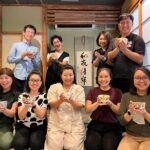
There’s also a social element that’s more than “standing around.” Many people talk about getting along with their group, laughing, and turning the night into a shared evening rather than a solo mission.
Price and value: is $79 actually fair for 15 dishes?
At $79 per person, this tour is priced like a serious food night, not a quick snack crawl. The value comes from three things:
- Quantity and variety: 15 dishes across different cooking styles (fried, grilled, stew, noodles) means you’re not just collecting one category of food.
- Built-in drink support: you get 2 drinks included (with additional drink information varying by current tour version), so your costs stay predictable.
- Guided access: you’re being taken to multiple specific eating setups—izakaya, stall spots, and a standing bar—where language barriers and ordering confusion can slow you down on your own.
If you were to recreate this alone, you’d still spend money on multiple venues and drinks. The guide saves you time and guesswork, and you get a coherent plan instead of wandering until you find a line.
So if your goal is maximum taste per evening, this is good value. If you hate walking or you only want a few samples, it may feel like too much.
Dietary limits and allergies: what to plan for
Here’s where you need to read carefully.
- Vegetarian options are available, but you must contact the operator before booking so they can prepare properly.
- Vegan diets aren’t supported, and the tour is not suitable for vegans.
- The tour cannot cater for gluten-free diets, and it is not suitable for people with gluten intolerance.
There’s also helpful evidence that allergies can sometimes be handled with alternatives. For example, at least one review mentions a fish/seafood allergy being accommodated with suitable swaps. Still, since the tour states limits on certain dietary needs, don’t assume every restriction can be solved. If you have allergies or strict requirements, message the operator early and be explicit.
Logistics that matter: where to meet and how to show up
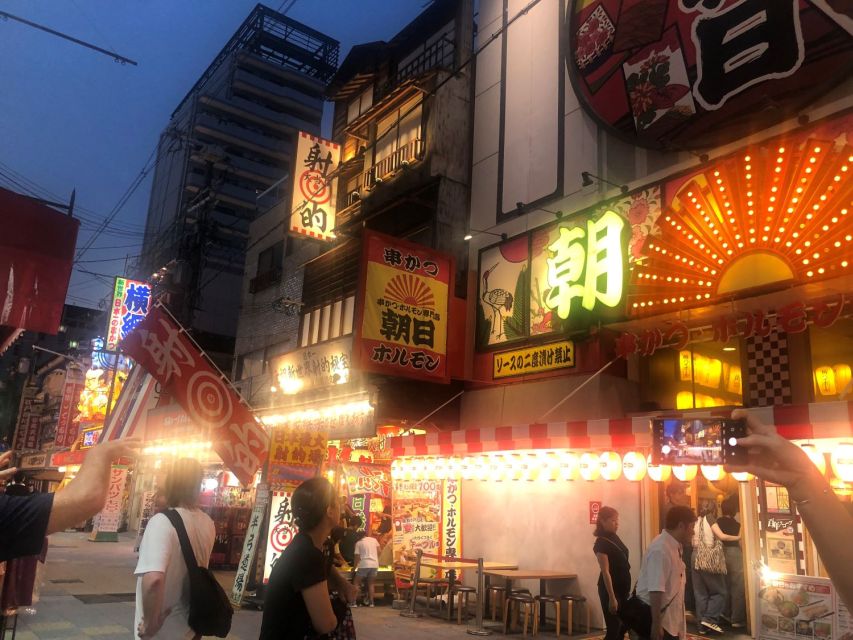
The tour starts at the top of the stairs at Exit 3 at Ebisucho Station on the Metro Sakaisuji Line. Arrive 15 minutes early so you can start smoothly. The tour ends back at the meeting point, so you don’t need to figure out a second location afterward.
Also note two strict rules: no video recording and no audio recording during the experience. Bring normal street-food sense: keep your phone for photos if needed, but don’t record.
Transportation isn’t included, so you’ll want to plan how you’ll reach Ebisucho Station on your own.
Finally, places can occasionally be fully booked or closed. If that happens, you’ll be taken to alternative locations, and the goal is to keep the food lineup comparable.
Who this tour is best for (and who should skip it)
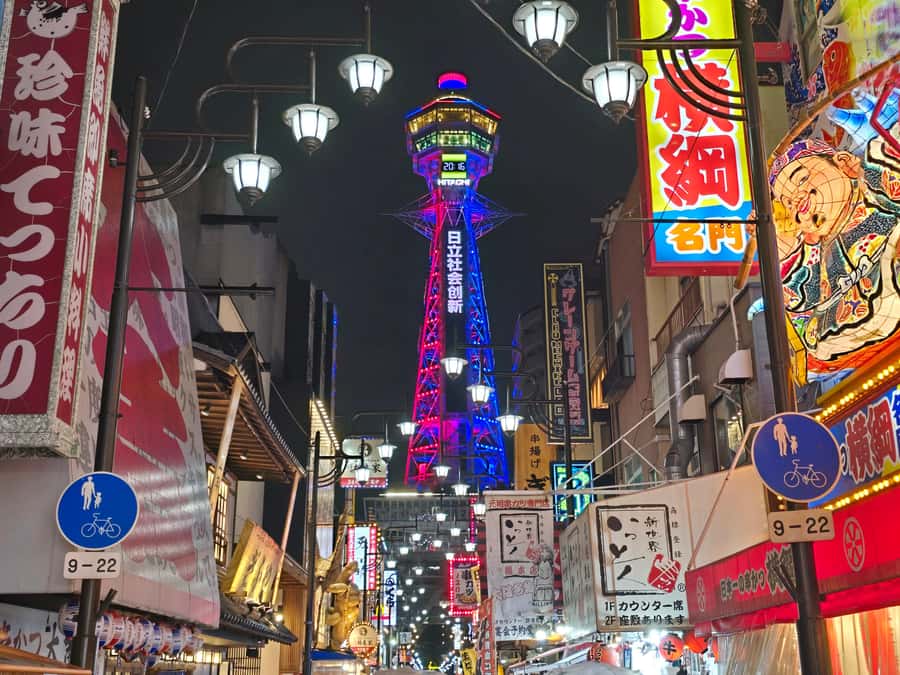
This works best if you want Osaka the way locals actually eat: snack-sized comfort foods, hot broths, and late-night counter culture. It’s also great if you’re new to Japan and want a structured introduction with a friendly guide.
It’s less ideal if:
- you only want one or two tastes and hate long food nights,
- you need gluten-free or vegan meals,
- you’re traveling with very young children (it’s not suitable for children under 5).
If you’re traveling solo, it can still be fun because the structure and guide keep things moving. If you’re traveling with friends, it’s even better because you can compare seasonings and sauces as you go.
My booking verdict: should you book the Hungry Osaka Street Food Tour?
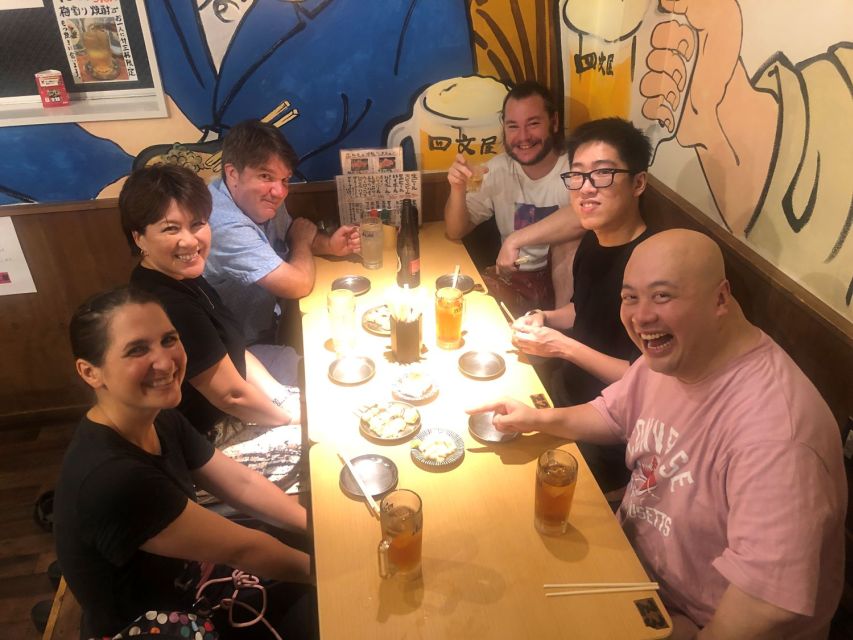
Yes—if you’re the type who wants a clear plan, loves classic Osaka comfort foods, and you’re okay with a full plate evening. The combination of 15 dishes, multiple restaurant formats, and guides like Andy, Scott, Tim, Anna, or Kenzo makes it more than a food list. It’s a guided night that helps you understand what Osaka tastes like after dark.
Don’t book if you need gluten-free or vegan accommodations, because the tour can’t support those diets. Also don’t book if you dislike walking or you want a slow pace.
If you’re deciding between doing this or winging it: I’d pick the tour. You’ll eat more of the right stuff, at the right places, with less stress.
FAQ
How much is the Osaka street food tour?
It costs $79 per person.
Where do I meet the guide?
Meet at the top of the stairs at Exit 3 at Ebisucho Station on the Metro Sakaisuji Line, and arrive 15 minutes early.
Where does the tour end?
It ends back at the meeting point.
How many dishes and drinks are included?
The experience includes food for up to 15 dishes and includes 2 drinks (alcoholic or non-alcoholic options are available).
What food stops are included?
You’ll have food at 1 izakaya, 1 stall, 1 standing bar, and 2 restaurants.
Are vegetarian options available?
Vegetarian options are available, but you need to contact the operator before booking to ensure they can accommodate you.
Can the tour accommodate vegan diets?
No. The tour is not suitable for vegans.
Is the tour gluten-free friendly?
No. The tour cannot cater for gluten-free diets and is not suitable for people with gluten intolerance.
Are there any recording rules?
Yes. Video recording and audio recording are not allowed.