Osaka is best seen on foot. This walking tour strings together Osaka Castle Park views, neon Dotonbori energy, and food stops like Kuromon Market, plus quieter streets that locals actually use. It’s a full day that mixes old and new Osaka in a way that makes the city click fast.
I really like two things here: the small group size (max 11) and the included Osaka-style street-food lunch with a drink. In the feedback, guides such as Kenzo, Tim, Scott, Adam, Alex, Andy, and Daniel get praised for being easy to talk to and for sharing practical history and city context without turning it into a lecture.
One thing to consider: you’ll do a lot of walking, with reviews calling it around 15k steps. On top of that, two short train rides are required, and lunch can’t be adjusted for vegan or gluten-free diets.
In This Review
- Key things you’ll notice on this Osaka walk
- Price and logistics: what you’re really paying for
- Lacing up for the walk: steps, pace, and comfort
- Osaka Castle Park stop: history without the ticket line
- America-mura and Shinsaibashi-suji: Osaka’s style and retail history
- Dotonbori Tsuribori: neon canal energy, with a plan
- Hozenji Yokocho and Hozen-ji Temple: lantern lanes off the main noise
- Kuromon Market: Osaka’s kitchen, plus your lunch
- Shinsekai: pre-war nostalgia and Tsutenkaku vibes
- Guides, names you might hear, and how the best part happens
- Value check: does $73.29 make sense for your day?
- Who should book this tour, and who should skip it
- Should you book this Ultimate Osaka Walking Tour?
- FAQ
- How long is the tour?
- Where does the tour start?
- Where does the tour end?
- Do you enter Osaka Castle?
- Are attraction tickets included?
- Are train fares included?
- What’s included with lunch?
- Can the tour accommodate vegan or gluten-free diets for lunch?
- How large are the groups?
- Is filming allowed?
- What if the weather is bad or I need to cancel?
Key things you’ll notice on this Osaka walk
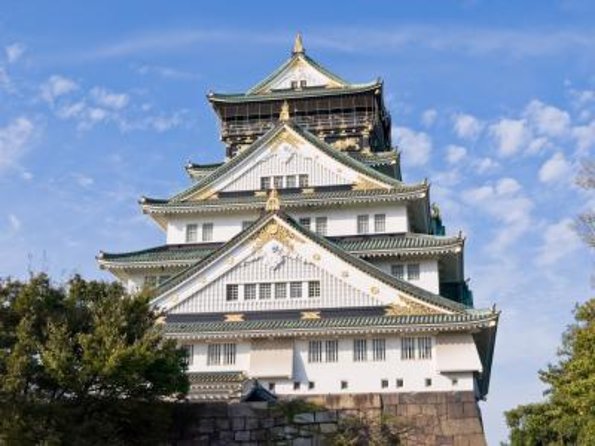
- Osaka Castle is viewed from outside (no entry), so you avoid ticket time-sinks
- Osaka-style street food lunch is included, with a drink at a local restaurant
- Hozenji Yokocho and Hozen-ji Temple give you a calm, lantern-lit break from the canal crowds
- Kuromon Market is treated like Osaka’s kitchen, not just a photo stop
- Two short train rides are required, and the fares are not included
- Small groups (up to 11) keep the pace relaxed and questions easy to ask
Price and logistics: what you’re really paying for
At $73.29 per person, this tour works best when you want two things at once: guided navigation and a smart route. You’re paying for the time-saving fact that someone else connects the dots across Osaka’s most useful neighborhoods, and you get help with what to notice while you’re there.
The day runs about 5 to 7 hours, depending on the option you choose. It’s mainly on foot, but you do take two short train rides. Importantly, the train fares are not included (¥240 and ¥190 are listed), so budget a little extra in your pocket.
You’ll start at Ōsakajōkōen Station (Station 3 area), and the tour ends somewhere else. That last detail matters: plan your next step near transit, not far from it.
You can also read our reviews of more tours and experiences in Osaka.
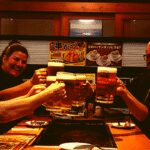
Lacing up for the walk: steps, pace, and comfort
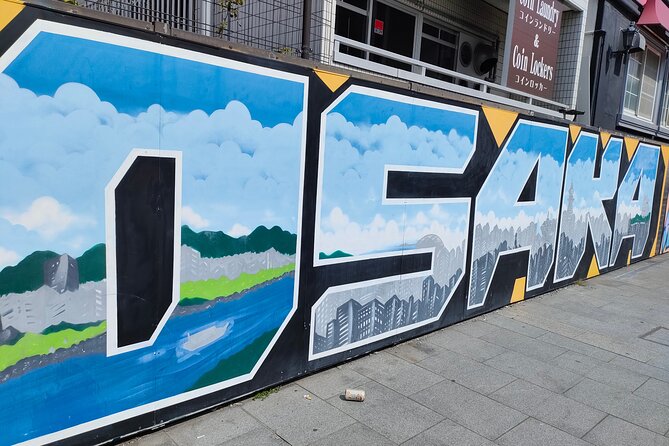
This isn’t a slow stroll. Reviews mention roughly 15k steps and also note a 5-mile style distance that felt much easier than expected thanks to a relaxed pace. Still, wear comfortable shoes and expect regular stop-and-walk movement.
The route includes narrow lanes and covered shopping areas, so sturdy footwear pays off. Also, keep in mind filming isn’t permitted during the tour, so don’t plan on treating it like a full-time video shoot.
Group size stays small (max 11), which changes the feel of the day. You’re not stuck behind a long line, and it’s easier to hear your guide, ask questions, and keep momentum without feeling rushed.
Osaka Castle Park stop: history without the ticket line
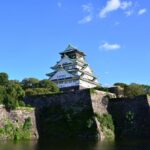
You’ll go to Osaka Castle as the iconic symbol of the Kansai region, but there’s a key detail: you do not enter Osaka Castle. Instead, you get the big-picture context and the role the castle played during the samurai era and the unification of Japan in the 16th century.
This outside-only approach is practical. It keeps the schedule smooth and prevents the day from getting eaten by ticket logistics and interior crowding. If you care most about understanding why the castle matters, this is the right style of stop.
Also, guides in the feedback are singled out for history depth and for pointing out photo locations. Even if you’re not going inside, you’ll leave with better context for what you’re seeing around the park area.
America-mura and Shinsaibashi-suji: Osaka’s style and retail history
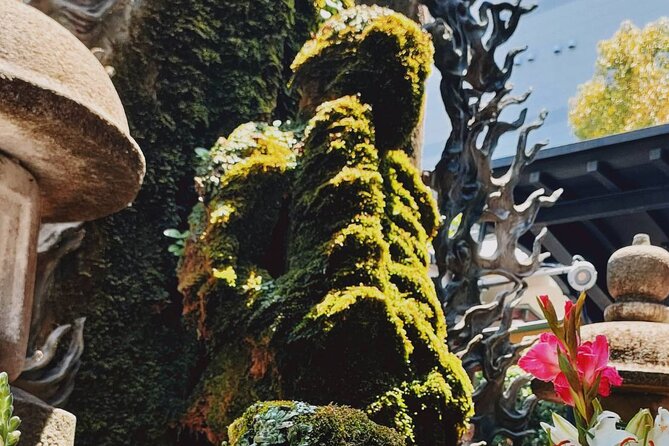
After the castle-area start, you shift gears into two areas that explain a different side of Osaka: shopping culture and youth fashion.
First comes America-mura (Amemura). Think of it as a warren of narrow streets with shops aimed at urban apparel and hip-hop wear. This part of the walk is fun even if you’re not shopping. You’ll see how Osaka pushes a street-meets-style identity, and your guide can connect it to the wider story of how neighborhoods evolve.
Then you’ll head to Shinsaibashi-suji, a covered shopping street that’s been an important retail corridor for about 400 years, stretching roughly 600 meters. The roof matters too. Osaka weather can swing, and being under cover makes the walk more comfortable.
The value here is that you’re not just visiting stores. You’re walking a line where past and present retail behavior overlap—old-school shopping geography with modern tastes.
Dotonbori Tsuribori: neon canal energy, with a plan
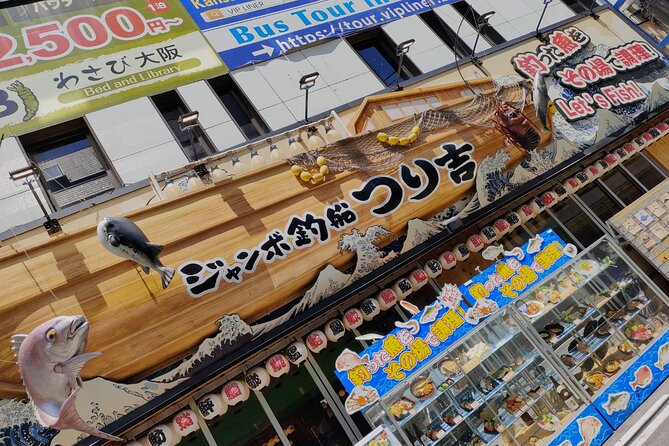
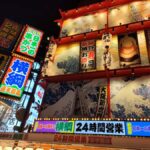
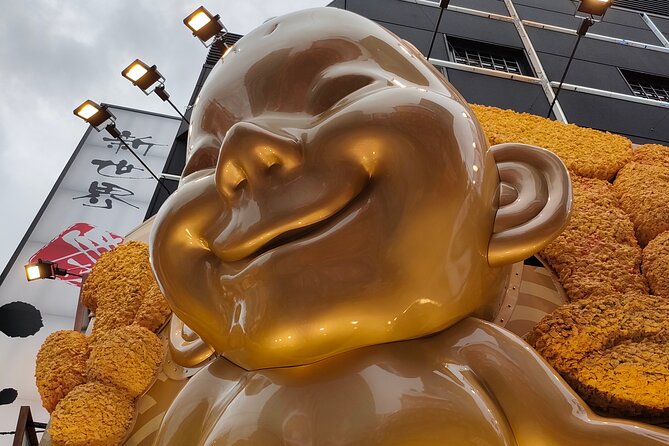
Dotonbori is the Osaka name most people recognize, and for good reason. Along the canal, the area is known for neon lights, street food, and nightlife vibes. At this point in the day, you’ll feel the city’s louder side.
The practical benefit of having a guide here is choosing where to look and what to focus on. Without guidance, it’s easy to get stuck in the crowd and miss the quieter texture nearby. With a guide, you can slow down, take photos, and still keep moving.
This stop stays short, so you don’t get trapped in a tourist-only loop. Instead, it works as a jump-start: you get the famous atmosphere, then you move on quickly to something calmer.



Hozenji Yokocho and Hozen-ji Temple: lantern lanes off the main noise
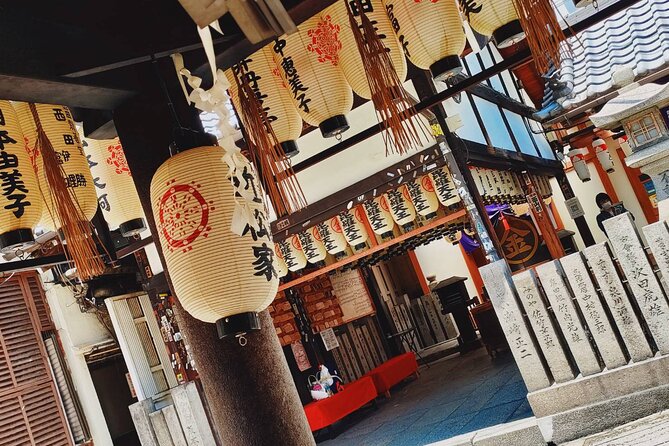
Right after Dotonbori’s canal show, you step into Hozenji Yokocho, a narrow alley that preserves an older feel. Reviews love this kind of contrast, and you’ll see why fast: lanterns, cobblestone paths, and that sense you’ve walked a few blocks backward in time.
Then you’ll visit Hozen-ji Temple, a small Buddhist temple built in the 17th century and dedicated to Fudo Myoo, one of Buddhism’s five wisdom kings. This is one of those stops that feels small but meaningful, because it gives you cultural grounding right in the middle of a city that can otherwise feel all show.
Time is limited here too, but the guide context helps. You’ll understand what you’re looking at, why it’s there, and how it fits into the surrounding entertainment district.
Kuromon Market: Osaka’s kitchen, plus your lunch
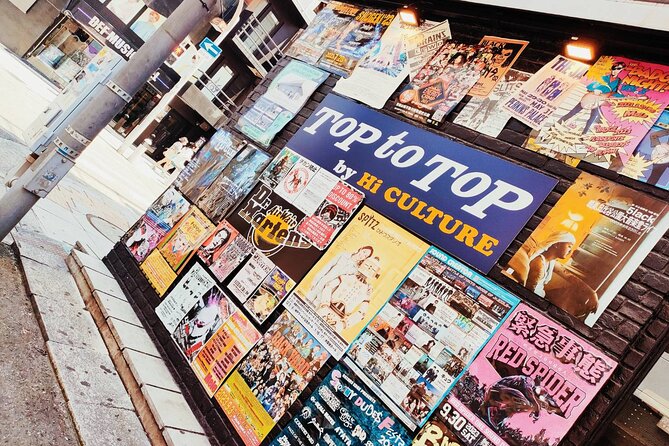
Kuromon Market is famous for a reason. It’s often called Osaka’s Kitchen, and it’s been around for over 200 years. You’ll have time to wander inside the covered market while learning how to interpret what’s fresh and worth trying.
Your lunch is complimentary here. The tour includes Osaka-style street food with a drink at a local restaurant. That’s a real value add because food in Japan can be easy to get wrong if you’re hungry and in a hurry. With a guide shaping the timing, you’re less likely to end up with something you didn’t want.
One important limitation: vegan and gluten-free can’t be catered for at lunch. If you rely on either diet, you’ll need to plan other meals for the day.
If your goal is to understand Osaka food culture, this is the moment. This stop turns the day from sightseeing into eating with purpose.
Shinsekai: pre-war nostalgia and Tsutenkaku vibes
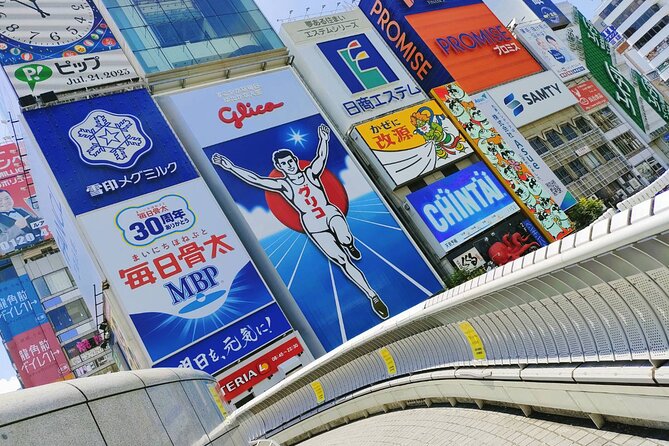
To close the day, you’ll head to Shinsekai. This district was developed before World War II and centers on Tsutenkaku Tower, which acts like a nostalgia beacon for the neighborhood.
Shinsekai can feel like stepping into a different mood of Osaka—older signage energy, retro lighting, and that pre-war atmosphere that still holds its own. The walk here is short, but it’s a strong final note after you’ve seen castle history, shopping culture, neon Dotonbori, and temple calm.
If you like endings that don’t feel rushed, pick the 7-hour option. You’ll have more time to slow down while you’re still near the places you’ll want photos from.
Guides, names you might hear, and how the best part happens
The guide quality is one of the most praised pieces of this tour. Names showing up often in the feedback include Kenzo, Tim, Scott, Adam, Alex, Andy, and Daniel. Across those reports, the pattern is consistent: guides explain the city’s culture and history, answer questions, and keep the pace comfortable.
If you’re traveling solo, you’ll probably appreciate the group dynamic. Several reviews highlight that walking with a guide made people feel more confident moving around Osaka on their own. Even as you’re seeing big sights, you’re also getting the local logic behind where things are and why neighborhoods feel the way they do.
The practical bonus: you can ask for recommendations while you’re still in the right area. That matters in Osaka, where a two-street detour can change what you’re eating and how the vibe feels.
Value check: does $73.29 make sense for your day?
For many people, Osaka is a city where DIY is easy in theory but hard in practice once you start choosing food and timing. This tour helps you solve that.
Here’s what you’re getting for your money:
- Guided walking across major districts plus side streets
- Included lunch (street food and a drink)
- A curated mix: castle context, shopping streets, market food, canal nightlife, and an old-lantern alley
- Small group size so the guide can actually manage the flow (max 11)
What you pay extra for:
- Train fares (¥240 and ¥190)
- Any attraction entry tickets (Osaka Castle entry is specifically not included)
If you’re the kind of traveler who likes to hit highlights but also wants context, this price is reasonable. If you only want to snap a few photos and you hate walking, you might not get full value.
Who should book this tour, and who should skip it
This tour fits best if you:
- Want a strong first day in Osaka and like having someone set the route
- Enjoy street food and want guidance where to eat
- Prefer learning about city life and culture, not just monuments
- Like a pace that stays active but not sprint-fast
Consider another option if:
- You need vegan or gluten-free support at lunch
- You dislike walking for a few hours and dealing with transit jumps
- You’re planning to film and want to capture everything hands-free
The walking level is the deciding factor. If your body can handle about 15k steps, you’re in good shape.
Should you book this Ultimate Osaka Walking Tour?
Yes, if you want a day that mixes Osaka’s big names with the smaller lanes that help it feel real. The outside-only Osaka Castle stop plus the older Hozenji alley and temple creates a nice balance, and the Kuromon Market lunch turns the day into a food-focused experience, not a checklist.
If you do the 5-hour option, you’ll get a tight taste. If you want more breathing room, go with 6 or 7 hours so the city doesn’t feel like a timed march.
If you’re diet-restricted or you’re fragile with long walks, this is the wrong match. But for most people who want an efficient and genuinely enjoyable introduction to Osaka, it’s a solid pick.
FAQ
How long is the tour?
You can choose 5, 6, or 7 hours (approx.).
Where does the tour start?
The meeting point is Ōsakajōkōen Station (Station 3), Osaka, Japan.
Where does the tour end?
The tour ends in a different location than where it starts. You’ll see the exact details at booking.
Do you enter Osaka Castle?
No. The tour does not enter Osaka Castle.
Are attraction tickets included?
No. Tickets to attractions are not included.
Are train fares included?
No. Two short train rides are required, and fares are not included (¥240 and ¥190).
What’s included with lunch?
Lunch is complimentary and includes Osaka-style street food with a drink.
Can the tour accommodate vegan or gluten-free diets for lunch?
No. Vegan and gluten-free cannot be catered for at lunch.
How large are the groups?
The tour has a maximum of 11 travelers.
Is filming allowed?
No. Filming of the tour is not permitted.
What if the weather is bad or I need to cancel?
The experience requires good weather. If it’s canceled due to poor weather, you’ll be offered a different date or a full refund. You can cancel up to 24 hours in advance for a full refund.