REVIEW · OSAKA
Sushi Making Osaka! Popular Sushi Class in Japan!
Book on Viator →Operated by Sushi Making Tokyo | Cooking Class in Japan · Bookable on Viator
Rice, knives, and a roomful of laughs. I like this Osaka class because it turns sushi basics into real practice fast, then finishes with you eating your own creations. You make two classic styles—nigiri and maki—without needing any experience.
Two things I especially like: the instruction is friendly and easy to follow, and you start with sushi history and context before the rolling begins. In my kind of ideal lesson, the “why” makes the “how” stick, and staff like Takara and Hayato bring clear English and a fun pace.
One consideration: there’s no hotel pickup, and the meeting spot in Higashishinsaibashi is in a lively area, so plan a little extra time to find it.
In This Review
- Key points worth your time
- Sushi Making Osaka: a short class with real hands-on payoff
- The opening sushi history lesson: why it makes your sushi taste better
- Nigiri and maki in 90 minutes: what you actually make
- Small-group class setup: where you get real help
- Location in central Osaka: after-class plans you can actually use
- English instruction that stays calm and clear
- Price and value: is $35.75 a good deal?
- Dietary options and allergy limits: what’s possible
- What to watch for before you go
- Who this Osaka sushi class is best for
- Should you book Sushi Making Osaka?
- FAQ
- How long is the Sushi Making Osaka class?
- What sushi types will I learn to make?
- What is included in the price?
- Is there hotel pickup or drop-off?
- Where do I meet the instructor?
- What is the group size limit?
- Are there dietary options for gluten-free, vegan, or halal?
- Can you handle allergies?
- How does confirmation work after booking?
- What is the cancellation policy?
Key points worth your time
- Hands-on nigiri + maki: You practice both the most traditional style and the rolled style.
- History first, then production: You get sushi context before you start shaping rice and toppings.
- Small group (max 10): More help at the counter, less standing around.
- You eat what you make: The second half centers on enjoying your rolls and bites.
- Dietary options available: Standard (gluten-free), vegan/vegetarian, halal, and certain allergy-friendly rules.
- Osaka location with easy exploring nearby: It’s in a central tourist area with public transport close by.
Sushi Making Osaka: a short class with real hands-on payoff
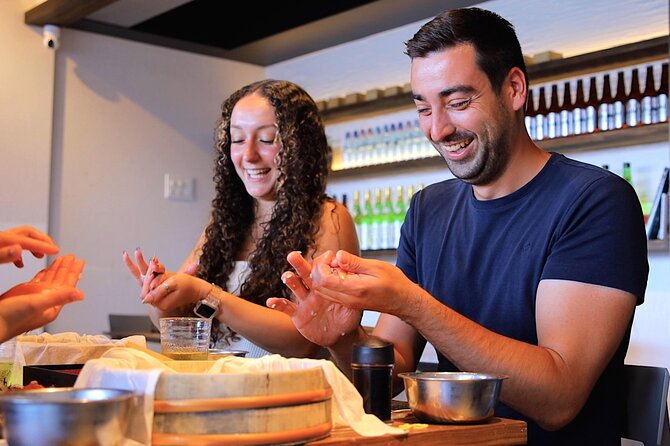
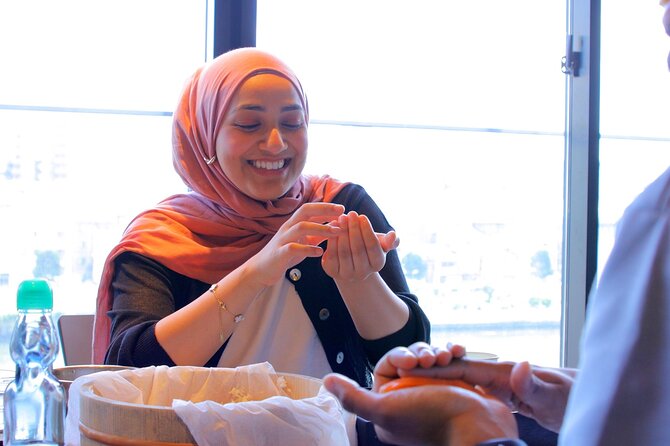
If you want a taste of Japan that isn’t just watching food come out of a kitchen, this class hits the sweet spot. It’s built around doing. You’ll be forming rice, assembling nigiri, and rolling maki with the kind of step-by-step guidance that helps even first-timers.
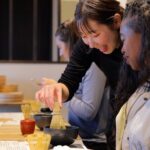
The vibe is also practical. You’re not sent off to “figure it out.” You get an instructor who explains clearly in English and keeps the pace moving. Reviews repeatedly point out how friendly and patient the staff are, and I can see why: in a class this size, you’re close enough to ask questions and get corrections before your hands get too confident.
At about 90 minutes, it’s long enough to learn, but short enough that it won’t hijack your whole day in Osaka. That balance matters when you’re stacking sights, meals, and transit time.
You can also read our reviews of more tours and experiences in Osaka.



The opening sushi history lesson: why it makes your sushi taste better
The schedule starts with sushi history and context, then you move straight into making. That first half isn’t just trivia. The goal is to help you understand what you’re building and why sushi has rules.
You’ll also get a structured start to prevent the common beginner problem: you focus only on the shape and miss the details that make sushi feel right—rice texture, topping placement, and how the rolls hold together. A little background also helps you notice differences between nigiri and maki, instead of treating them as two random assignments.
I like that this class uses the history as a warm-up. It keeps the lesson from feeling like a lecture, and it gives you mental footing for when your instructor moves into technique. One person even described fun games or trivia during the beginning, which matches the “learn while you’re awake and paying attention” style you want in a cooking class.
Nigiri and maki in 90 minutes: what you actually make
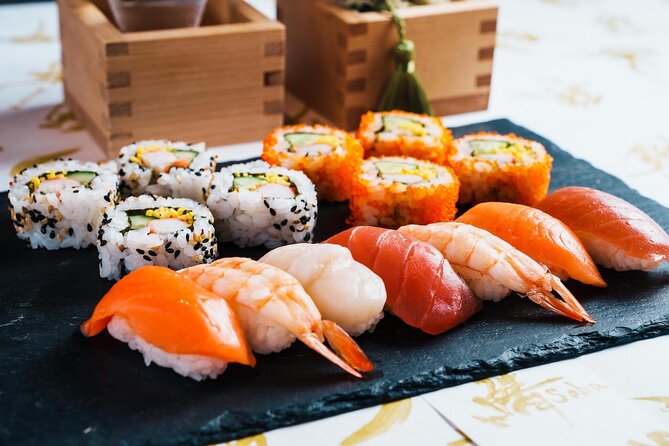
This is not a “one roll and done” experience. You’ll learn two types of sushi:
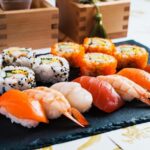
- Nigiri sushi: the classic, standard style in Japan, built as rice topped with items placed carefully by hand.
- Maki sushi (roll sushi): sushi where ingredients are rolled using rice as the base.
In practical terms, nigiri teaches you how to balance firmness and shape. If your rice is too loose, toppings slide. If it’s too tight, it feels heavy. With guidance, you learn the middle ground: rice that’s formed enough to hold together but still feels delicate.
Then maki rolls teach a different skill set. Instead of “top and place,” you’re building an even layer and rolling so it slices cleanly. It’s also where you’ll understand why maki is so adaptable—different fillings, different textures, and a structure that makes it shareable.
The best part of the design is that you make sushi first, then eat it. The schedule is split so the second half becomes your meal: you’re not just tasting a sample; you’re eating what you made. And because it’s included in the price, you should absolutely come hungry.
Small-group class setup: where you get real help
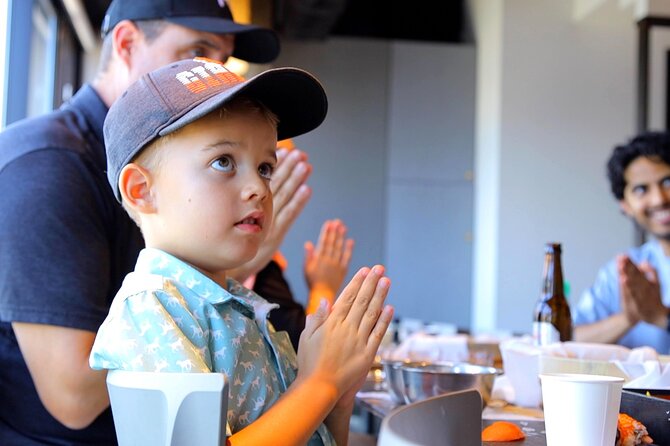
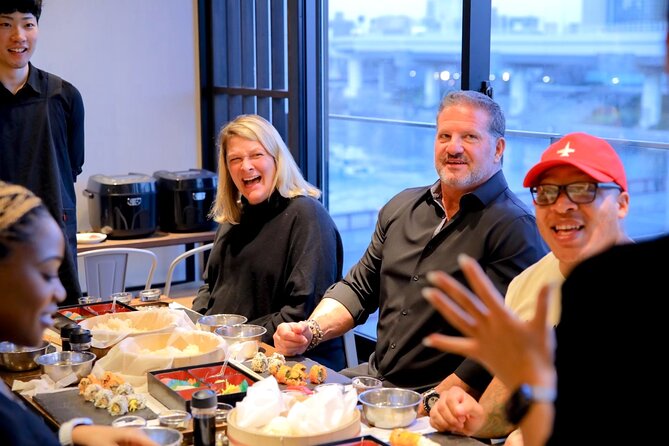
This class caps at 10 travelers, and that size changes everything. You’re not lost in a crowd. You’re part of a group small enough to get corrections on your technique, not just encouragement.
In reviews, people repeatedly mention how staff were welcoming and patient—especially with beginners. That makes sense for two reasons. First, sushi is tactile. You learn by doing, and you need someone to catch small issues early. Second, rolling and shaping can look easy when you watch someone else; up close, you need guidance on pressure, alignment, and timing.
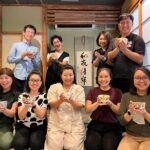
You’ll also likely get some interaction with other participants just because the room is intimate. One review noted the seating encouraged conversation, which is a nice bonus when you want the experience to feel social, not sterile.
Location in central Osaka: after-class plans you can actually use
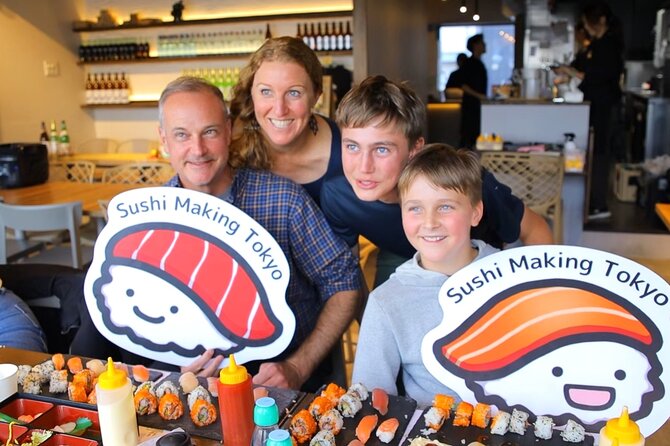
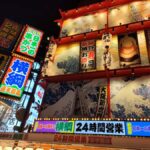
The meeting point is in the heart of Osaka, in the Higashishinsaibashi area (Chuo Ward). It’s in a part of town that’s built for visitors: lots of shopping nearby and easy movement around by public transit.
That matters because sushi classes often leave people stuck wondering what to do next. Here, you’re in a tourist-friendly zone. After the class ends, you can head out to explore historic sights or just wander and snack your way through the neighborhood.
The class ends back at the meeting point, which is another practical detail. You won’t have to solve transit logistics while your stomach is full and your hands still smell faintly like rice.
One more note: there’s no hotel pickup or drop-off. So use the address and give yourself a little buffer. Busy areas can make the first visit feel like a scavenger hunt.





English instruction that stays calm and clear

A big reason this class gets such strong marks is communication. The instructor is English-speaking, and the guidance is described as clear, enthusiastic, and easy to follow.
When a cooking class is aimed at international visitors, English quality is the difference between learning and frustration. Here, reviews highlight that the staff explain steps in a way beginners can follow. People also mention a comfortable, modern setting and a fun atmosphere, which helps you stay relaxed while learning knife-free sushi assembly and rice handling.
If you’re used to “language-by-smile” in food spots, this kind of structured class feels like a cheat code. You’ll know what to do next, and you’ll know why your instructor is asking for a specific approach.
Price and value: is $35.75 a good deal?
At $35.75 per person, you’re paying for a guided lesson, ingredients, and a meal—plus the chance to actually make and eat two sushi styles in one sitting.
Compared to the cost of a full meal in many tourist areas, the value here comes from what’s included:
- Instructor-led learning in English
- Ingredients of the cooking class
- Your meal (you eat during the second half)
Also, small-group lessons have a built-in cost. Many cooking experiences scale up with bigger groups, meaning less attention per person. This one stays capped at 10, so a similar price point feels more reasonable.
A big “value signal” in the feedback is that the portion is enough for a real meal. Since the class is designed to end with you eating everything you make, you shouldn’t expect a tiny taste. The goal is to leave fed, not just impressed.
If you love sushi but have never made it yourself, this is the kind of price where the lesson can feel like it replaces one restaurant meal with something you can repeat later.
Dietary options and allergy limits: what’s possible
This class offers several menu choices, and it’s good to see options listed clearly. You can request:
- Standard (gluten-free)
- Vegan/vegetarian
- Halal
- Allergy options with the note: not used meat, nuts, fruits, or dairy
Two important points keep this realistic. First, you need to contact about dietary changes when you make a reservation. Second, they can’t respond on the day, and they do not accept detailed ingredient specifications beyond the stated categories.
So if you have a serious allergy, treat the class like a communication project. Use the reservation stage to ask for the correct category and confirm what will be excluded.
What to watch for before you go
Here’s what to think about so you enjoy the class instead of stressing:
- Plan for finding the location: It’s in a busy central area, and reviews hint that it can be tricky at first.
- Come ready to eat: The second half is your meal, and you’ll likely make enough to feel satisfied.
- If you’re a beginner, it’s fine: The class is built for newcomers, and staff are described as patient and encouraging.
- No hotel pickup: You’ll need to get yourself there using public transit or walking.
Also, don’t overthink your sushi skill level. The class is structured. Even if your first roll looks more “rustic” than perfect, you’ll still have a fun result and a real meal at the end.
Who this Osaka sushi class is best for
This class is a strong match if:
- You want hands-on Japanese food, not just a tasting tour
- You like sushi and want to learn both nigiri and maki
- You want a small group with English instruction
- You’re balancing a busy Osaka itinerary and want something efficient
It may be less ideal if:
- You hate cooking classes that require active participation (this is hands-on from the start)
- You’re expecting a long, advanced technique workshop (this is designed for an enjoyable 90-minute intro)
- You need convenience like hotel pickup (you’ll handle your own transit)
Should you book Sushi Making Osaka?
I’d book it if you want a practical, memorable Osaka food experience that ends with a full meal and a skill you can try again later. The small group size, the English instruction, and the fact that you make and eat both nigiri and maki are the standout reasons. At $35.75, it’s also one of the more “worth it” cooking lessons you’ll find in a big tourist city.
If you’re on the fence, check this quickly: do you have 90 minutes where you can focus, learn, and eat? If yes, you’ll probably leave happy—rice on your fingertips included.
FAQ
How long is the Sushi Making Osaka class?
The class runs about 1 hour 30 minutes (approximately 90 minutes). The schedule is split so you learn and make sushi in the first half, then eat during the second half.
What sushi types will I learn to make?
You will learn how to make two types of sushi: nigiri sushi and maki sushi (roll sushi).
What is included in the price?
The price includes an English-speaking instructor, the ingredients for the cooking class, and your meal (you eat the sushi you make).
Is there hotel pickup or drop-off?
No. Hotel pickup and drop-off are not included, and the activity ends back at the meeting point.
Where do I meet the instructor?
You meet at Sushi Making Osaka, 1-chōme-16-20 Higashishinsaibashi, Chuo Ward, Osaka, 542-0083, Japan.
What is the group size limit?
This activity has a maximum of 10 travelers.
Are there dietary options for gluten-free, vegan, or halal?
Yes. There are menu options for Standard (gluten-free), Vegan/vegetarian, and Halal. You can request these changes when you make your reservation.
Can you handle allergies?
The class lists an allergy category with exclusions: not used meat, nuts, fruits, or dairy. You need to contact about the allergy when you make a reservation, and they cannot respond on the day.
How does confirmation work after booking?
Confirmation is received at the time of booking.
What is the cancellation policy?
Free cancellation is allowed up to 24 hours in advance for a full refund. If you cancel less than 24 hours before the start time, the amount paid is not refunded. Changes less than 24 hours before the experience start time are not accepted.