REVIEW · BALI
Ubud: Rice Terrace, Waterfall, & Elephant Cave
Book on GetYourGuide →Operated by Your Bali Trekking Tour · Bookable on GetYourGuide
A day like this works because it’s a quick hit of Bali’s most memorable scenes. You start at the splashy green calm of Tegenungan Waterfall, then shift into temples and craft culture around Ubud. I like that the day is tightly organized but still leaves room to walk, pause, and take photos without feeling like a rushed checklist.
Two parts I really appreciate: the Kemenuh woodcarving stop (with real details on ebony, hibiscus, and teak) and the slow, scenic breathing room at Tegalalang’s Ceking Rice Terrace. Your guide can also pace the order of stops around crowds, which makes a noticeable difference on a busy island.
One practical drawback: it’s a moderate walking day on uneven surfaces, and the tour runs in rainy weather. If you hate slippery steps or long temple walks, plan to take it slow and wear slip-resistant shoes.
In This Review
- Key things to know before you go
- How the day stays easy: 08:00 pickup and a tight 8-hour loop
- Tegenungan Waterfall: the morning reset you’ll feel in your legs
- Kemenuh woodcarvers: watching craft made from real materials
- Elephant Cave (Goa Gajah): the 7-meter cave and the Boma entrance
- Tirta Empul, Tampaksiring: why the water ritual is such a big deal
- Ceking Rice Terrace in Tegalalang: a slow stroll with strong photo payoff
- Price and value: what $43 buys for an 8-hour Bali day
- The guides make the difference: names you may meet
- What could annoy you (and how to prevent it)
- Who should book this tour—and who should skip it
- Should you book this Ubud: Rice Terrace, Waterfall, & Elephant Cave day?
- FAQ
- What time does the pickup happen?
- How long is the tour?
- Is lunch included?
- What’s included in the price?
- Is the tour wheelchair accessible?
- Do I need to bring anything?
Key things to know before you go
- Tegenungan Waterfall: a real chance to swim if you want, plus a classic photo-and-spray stop
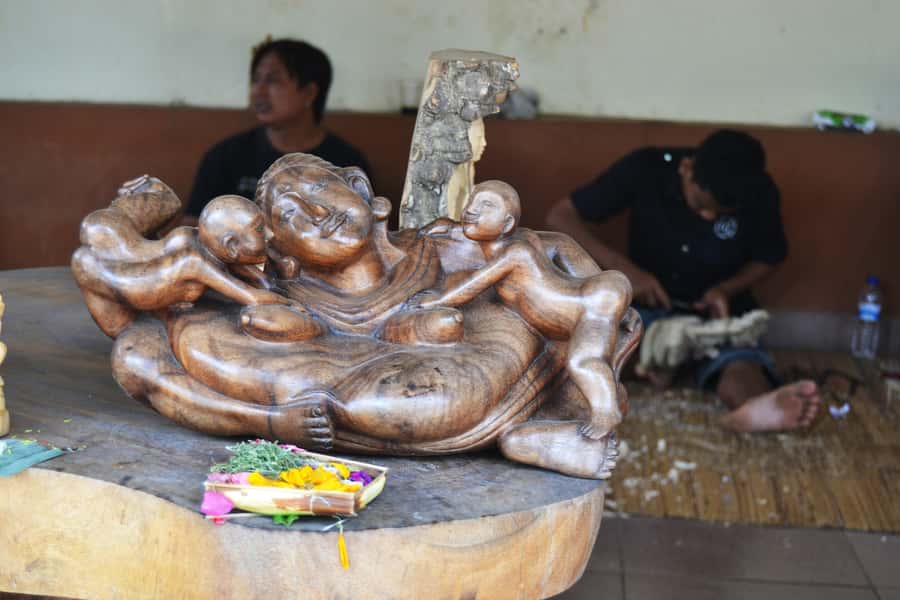
- Kemenuh woodcarvers: you’ll see how artisans work with ebony, hibiscus, and teak and learn the process
- Goa Gajah (Elephant Cave): a 7-meter cliff cave and the Boma entrance figure
- Tirta Empul Tampaksiring: you’ll spend time at a holy temple complex known for water purification rituals
- Ceking Rice Terrace: a walkable rice-field viewpoint with plantation-and-coconut styling
- Private guide energy: guides like Gede Susila, Wayan, Putu, and Edi are repeatedly praised for clear explanations and great photo stops
How the day stays easy: 08:00 pickup and a tight 8-hour loop
This is built for people who want central Bali highlights without driving, researching, or playing timing games all day. Pickup happens at 08:00 from South Bali areas like Ubud, Denpasar, Kuta, Seminyak, Canggu, Jimbaran, Nusa Dua, and Benoa. You’re in an air-conditioned vehicle for the transfers, which matters because Bali traffic can change how a day feels.
The route flows forward: waterfall in the morning, crafts and cave culture mid-day, then temples and rice terraces late afternoon. Return is around 16:00, so you keep your evening for dinner plans instead of chasing one more sunset stop.
You can also read our reviews of more tours and experiences in Bali.


Tegenungan Waterfall: the morning reset you’ll feel in your legs
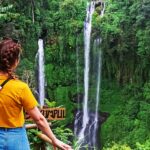
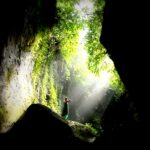
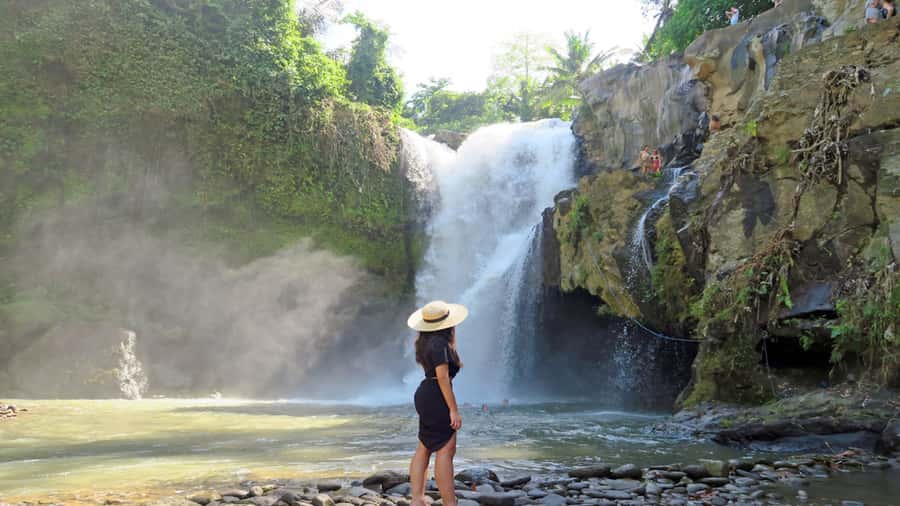
Tegenungan Waterfall is your first big scene, and it’s a good one to start with. You’ll have time for photos, sightseeing, and an actual walk around the area for about 2 hours, which gives you space to decide if you want the full look or a quick circuit.
The best reason to plan for Tegenungan is the water-and-jungle contrast. Even if you’ve seen waterfalls before, the feel here is different because you’re surrounded by lush greenery and misty air. If you’re up for it, the tour allows time for a swim, so bring a mindset that says, yes, you might get wet and want that cooling break.
Tip: Wear slip-resistant footwear. The ground near waterfalls can get slick, and this tour is already moderate walking by design. Sunglasses help too since the sun can bounce hard off wet rocks and water.
Kemenuh woodcarvers: watching craft made from real materials
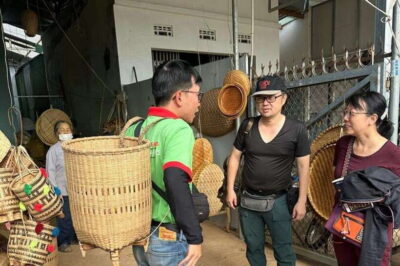
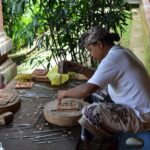
After the waterfall, you head to Kemenuh around 10:30 to meet woodcarvers and learn how they work. This is one of the stops that tends to feel more meaningful than a quick photo moment because it’s hands-on learning about process and materials, not just a pretty workshop display.
You’ll see artisans influenced by Hindu culture and learn about creative design techniques in woods like ebony, hibiscus, and teak. That matters because it’s easy to buy a carving on the road without understanding why one piece looks sharper, deeper, or more durable than another. Here, you get the “how,” which makes the souvenirs (if you buy any) feel more informed instead of random.
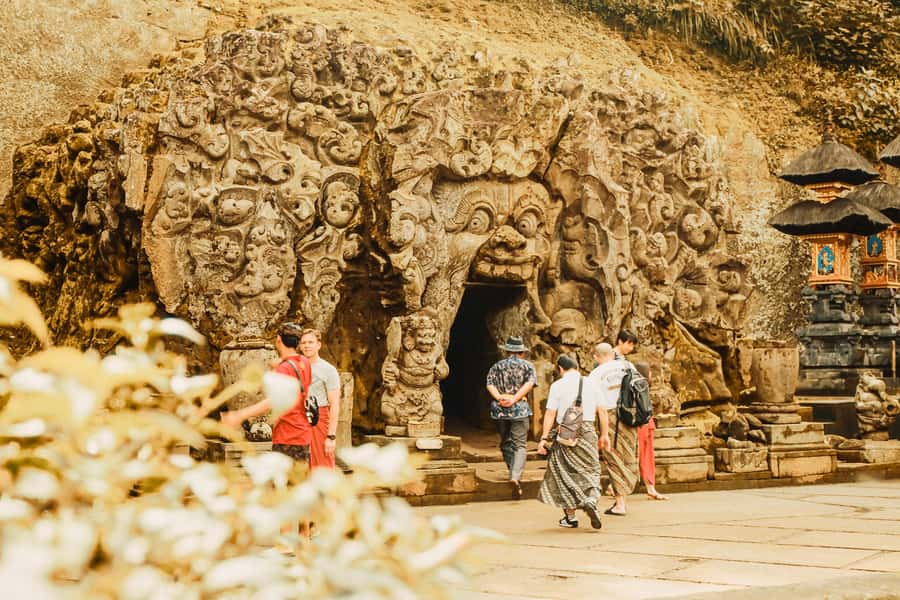
Elephant Cave (Goa Gajah): the 7-meter cave and the Boma entrance
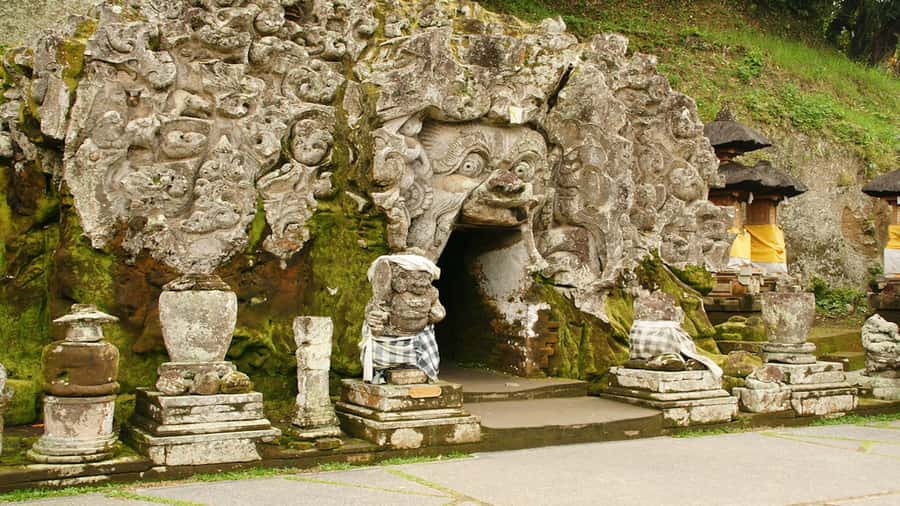
Next comes Goa Gajah, often called Elephant Cave. You’re looking at a cliff-built cave about 7 meters tall, which instantly makes the place feel dramatic even before you step in.
The highlight inside is the carved entrance figure known as Boma, a Balinese holistic animal symbol. It’s the kind of detail your guide can explain in a way that turns the doorway from background scenery into a story you’ll remember.
You’ll also take time for sightseeing around the cave area and see artifacts in the surroundings. The stop is about 1.5 hours, and that’s enough to explore at a comfortable pace without turning it into a rushed sprint through dark corridors.
Watch-outs: caves and temple areas often have uneven footing. Go slow, and don’t assume every surface is flat, even if you’re just walking from photo spot to photo spot.
Tirta Empul, Tampaksiring: why the water ritual is such a big deal
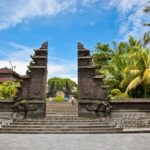
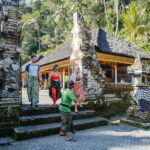
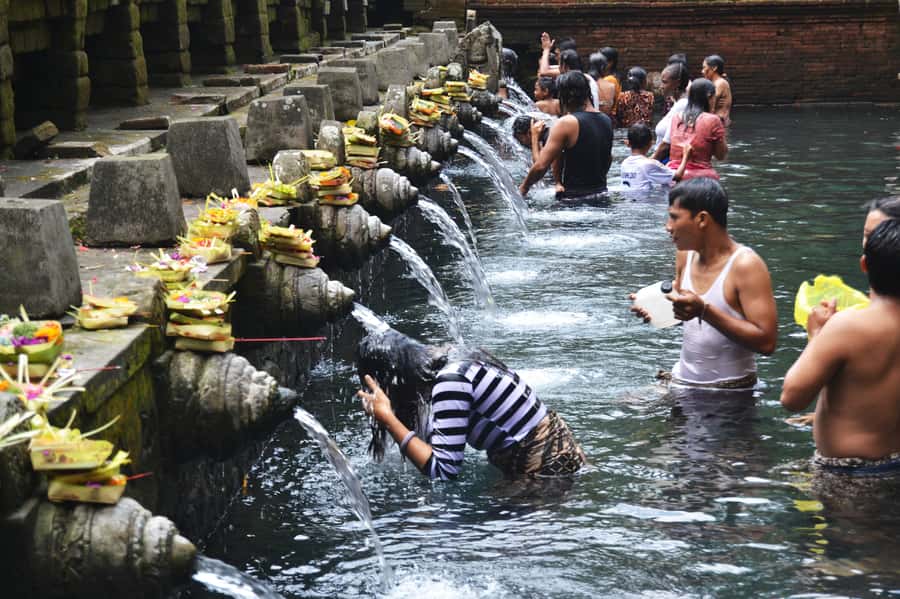
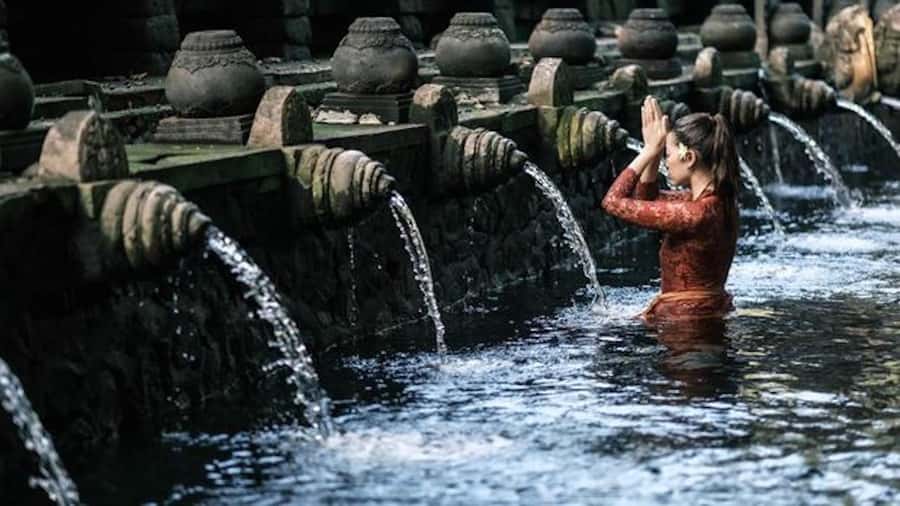
After lunch (own expense, around 12:00), you head to Tirta Empul Temple in Tampaksiring. This is where the day leans into Bali’s religious rhythm and architecture, and it’s often the stop that changes how people interpret the earlier sites.
You’ll experience the holy atmosphere of the complex and admire the Balinese architecture around the temples. If you want to try the water purification part, the tour context supports that kind of experience at Tirta Empul, and many guides will help you understand what to expect so you feel less lost in the flow.
A small, practical note: you should expect a crowd-control vibe at popular ritual sites. Your guide can help you time your walk and keep you moving, and this is one place where having someone who can explain what you’re seeing makes the visit feel more respectful and less confusing.




Ceking Rice Terrace in Tegalalang: a slow stroll with strong photo payoff
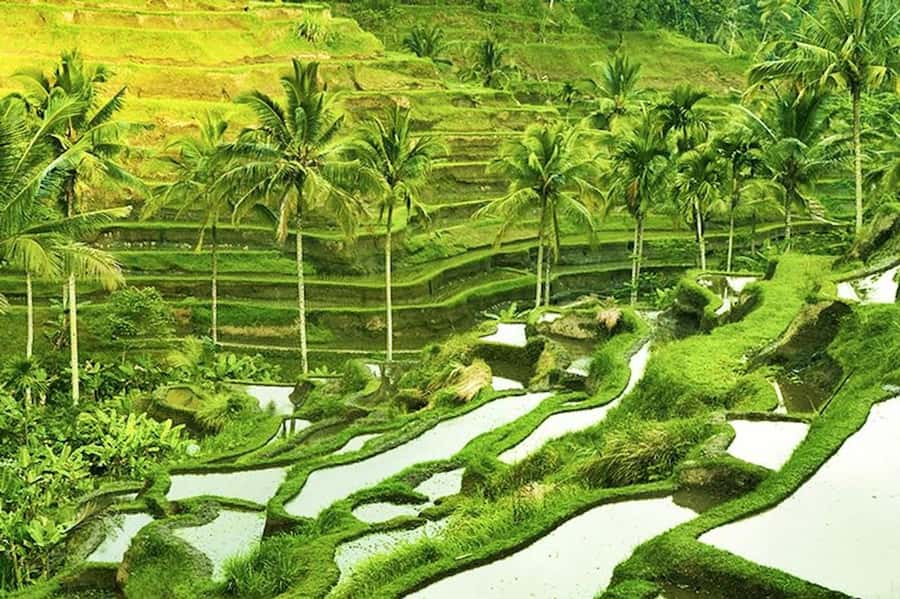
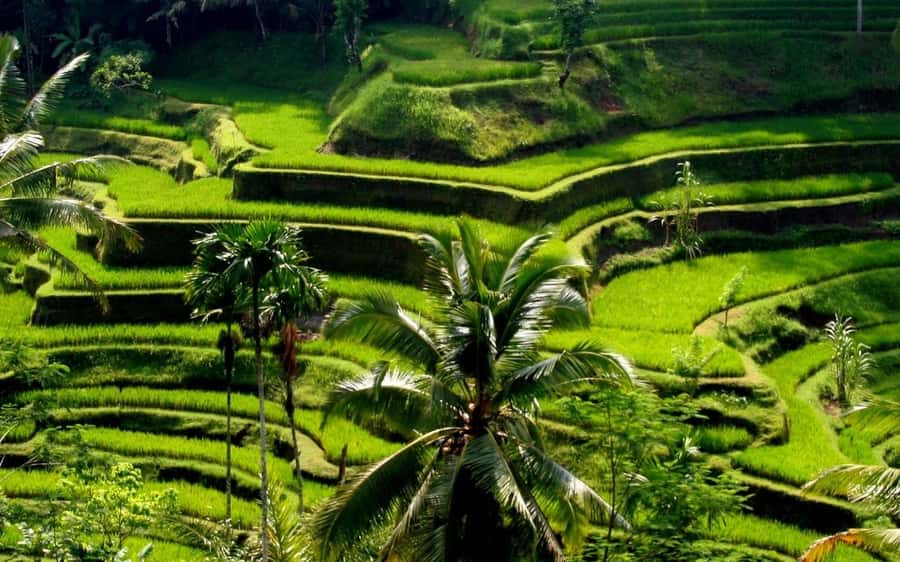
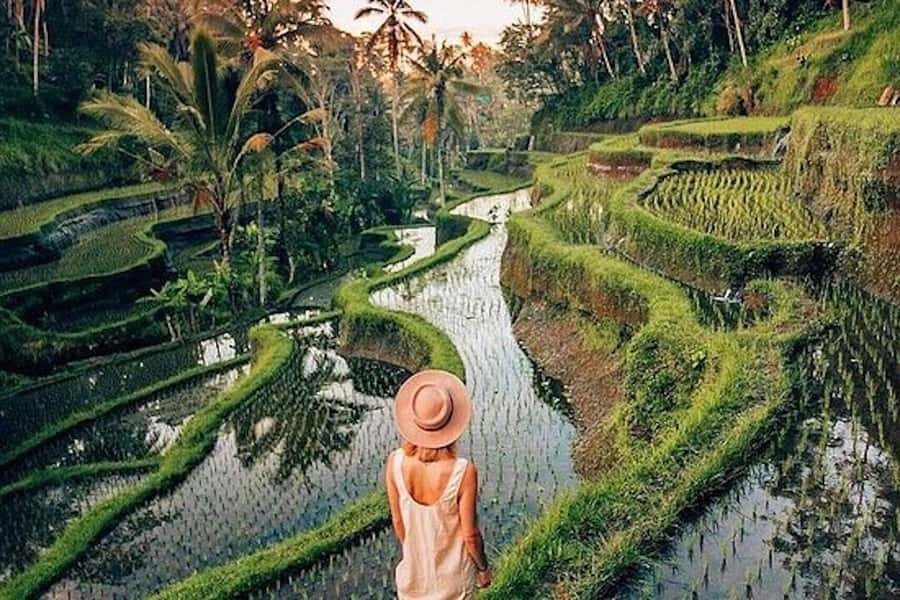
Late in the day you reach Ceking Rice Terrace in Tegalalang, with time for photos and sightseeing for about 2 hours. This is the classic Ubud-region rice-field scene, but what makes it worth your time is that it’s walkable and meant for lingering.
You’ll see how the rice fields are designed using plantation elements, including coconut trees placed like visual ornaments. It’s scenic in a practical way: you get viewpoints at different angles, and you can do a pleasant stroll around the area instead of only taking one roadside snapshot.
Tip: If the sun is intense, take short breaks in shaded spots and keep your hat and sunscreen close. Even if the clouds roll in, the path can still be slippery from earlier rain.
Price and value: what $43 buys for an 8-hour Bali day
At $43 per person, the value is mostly about what’s included. You get air-conditioned private transport, a private English-speaking driver/guide, and you don’t have to manage entrance fees and parking fees. That’s a big deal in Bali, where separate tickets and small local charges can quietly add up.
The one clear extra is lunch (own expense). But because you have a structured timing window around midday, you can plan lunch around your preferences instead of guessing randomly. For many people, the cost feels reasonable because you’re buying convenience plus explanations plus multiple major stops in one day.
The guides make the difference: names you may meet
This tour really leans on guide quality. In the feedback, guides like Gede Susila, Wayan, Putu, Edi, and Made Sucita show up again and again, often praised for clear explanations and helpful pacing.
The practical benefit for you: they’re not just driving from sign to sign. Many guides are careful about timing so you’re spending time where it’s easier to see and less crowded, and they often help with photos. If you care about getting good pictures without juggling your camera settings mid-walk, that can save you frustration.
Also, the tour tends to be flexible. If your pace slows or you want a longer look at a specific point, your guide can adjust time across stops so you still get the major highlights without feeling trapped.
What could annoy you (and how to prevent it)
There are a few “be ready” moments.
First, this is not a sit-and-snack day. Even though the time per stop is manageable, you’ll do moderate walking and some uneven ground. That’s why slip-resistant footwear is a must, especially near the waterfall and temple areas.
Second, the day includes an arts-and-crafts market visit linked to the craft portion. That doesn’t automatically mean you’ll be pressured to buy, but it can take time. If shopping isn’t your thing, you can ask to keep that portion shorter and focus on the sightseeing.
Third, the tour runs in rainy weather. That’s not a dealbreaker, but it changes the feel. Bring rain-friendly clothes or quick-dry layers, and expect the ground to be more slippery.
Who should book this tour—and who should skip it
This tour is a strong fit if you:
- want multiple central Bali highlights in one day with minimal planning
- like culture plus scenery (waterfall, cave, temples, rice terraces)
- want an English-speaking private guide who explains what you’re seeing
- care about getting good photos without doing everything solo
You may want to skip or rethink it if you’re:
- someone who needs wheelchair-friendly access (this tour is not suitable for wheelchair users)
- traveling with limited tolerance for uneven walking
- planning a very fragile schedule afterward, since rain and traffic can affect how the morning feels even with AC comfort
Should you book this Ubud: Rice Terrace, Waterfall, & Elephant Cave day?
If you want a single day that covers Bali’s big emotional hits—water, cave symbolism, temple atmosphere, and rice-field calm—this is an efficient way to do it. The value is strongest when you factor in private transport, entrance fees, and a guide who can make the sites understandable instead of just scenic backdrops.
I’d book it if you’re okay with moderate walking, you’ll bring sun protection, and you’re not expecting lunch to be included. Skip it if mobility is a concern or you want a slow, lounging-only day.
If you’re flexible on timing, the day’s structure plus guide pacing can help you get the best light and calmer moments—especially at the rice terrace and temple areas.
FAQ
What time does the pickup happen?
Pickup starts at 08:00 from your accommodation in the South Bali area, including places like Ubud, Denpasar, Kuta, Seminyak, Canggu, Jimbaran, Nusa Dua, and Benoa.
How long is the tour?
The tour lasts about 8 hours, with a return to your hotel around 16:00.
Is lunch included?
No. Lunch is not included, and you’ll have time for it around 12:00.
What’s included in the price?
You get air-conditioned transportation, a private English-speaking driver/guide, petrol surcharge, entrance fees, and parking fees.
Is the tour wheelchair accessible?
No. It’s not suitable for wheelchair users.
Do I need to bring anything?
Yes. Bring sunglasses, and it’s also recommended to wear slip-resistant footwear, sunscreen, and a hat. The tour runs even in rainy weather, so dress appropriately.