REVIEW · TOKYO
Tokyo: Dark Side of Tokyo Shinjuku Red Light Walking Tour
Book on GetYourGuide →Operated by Localized Walking & Food Tours · Bookable on GetYourGuide
Neon Tokyo shifts gear after dark. On this Tokyo Shinjuku nightlife walking tour, you get a guided route through Kabukicho’s after-hours streets, including an LGBTQ-focused area, with stops that explain how Shinjuku’s nightlife works in real life. I especially like the way the guide connects what you see in Kabukicho now with what the district used to be.
I also love the practical side: food and drink recommendations that help you keep the night going right after the walk, including alley stops like Omoide Yokocho. The main drawback to plan for is logistics: the meeting point near Shinjuku Station can be hard to find on day one, and the tour doesn’t wait for late arrivals.
In This Review
- Key things I’d circle before you go
- Why Shinjuku after dark feels like two cities
- Price and value: what $29 buys you in real terms
- Meeting near Shinjuku Station: how not to lose 15 minutes
- The first short orientation: then you’re moving
- Omoide Yokocho stop: narrow lanes, easy wins for food
- Kabukicho for 40 minutes: neon, side streets, and real context
- Golden Gai: pocket bars and the social choreography
- Hanazono Shrine: a calmer pause between street scenes
- 2 Chome close-out: finishing near where you’ll want to go next
- Guides make the difference: the names you’ll hear most
- Safety, rules, and who this tour fits best
- A quick value checklist before you book
- Should you book this Shinjuku Dark Side walking tour?
- FAQ
- FAQ
- How long is the Tokyo Shinjuku Dark Side walking tour?
- How much does the tour cost?
- Where do I meet the guide?
- What areas will we visit during the walk?
- Is the tour suitable for children?
- Are alcohol or drugs allowed?
- What languages are the guides?
Key things I’d circle before you go
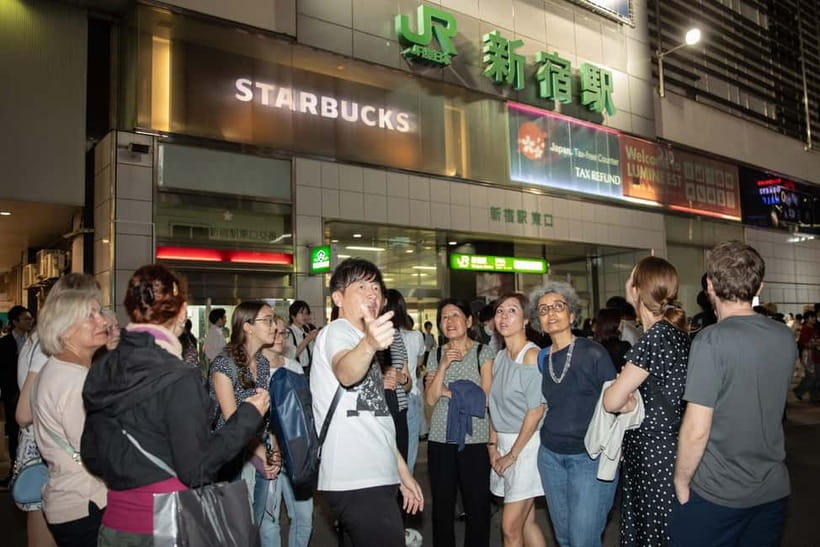
- Shinjuku Station East Exit area start, with a quick orientation before you hit the alleys
- Omoide Yokocho lane stop, built for hungry walkers with quick photo breaks
- Kabukicho (40 minutes) for the biggest nightlife visual impact and context
- Golden Gai for the pocket-bar feel and how people actually socialize there
- Hanazono Shrine as a calmer pause between street scenes
- 2 Chome close-out near Shinjuku Golden-Gai / 3 Chome, so you can keep exploring
Why Shinjuku after dark feels like two cities
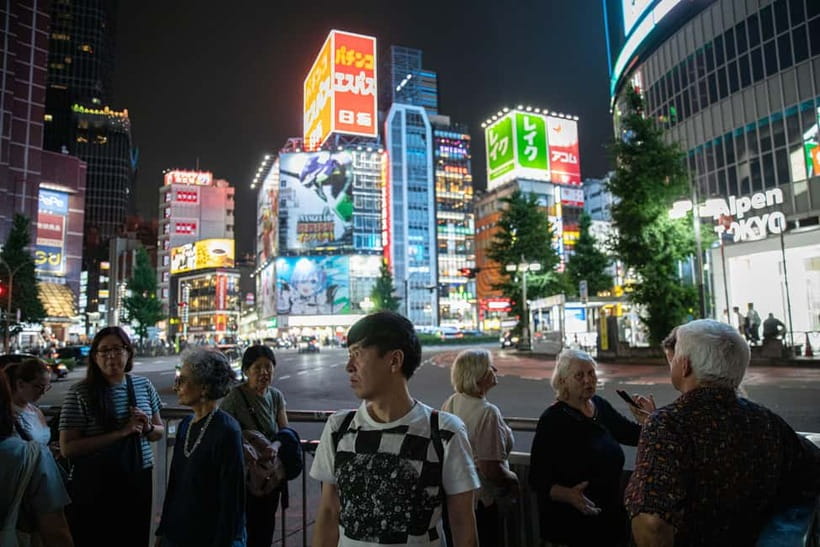
Shinjuku at night can look like a single place on a map. In person, it’s more like several neighborhoods with their own rules—signage styles, crowd patterns, and expectations for how you behave. That’s why a guided walk matters here. You’re not just looking at neon; you’re learning how Tokyo reads at night.
This tour is set up for that mix. You’re walking through major entertainment pockets—Kabukicho, Golden Gai, and nearby lanes—while a guide turns the lights and sounds into something you can actually understand. And you’ll get a direct line to food choices for later, which is a big deal when you’re tired and hungry in a giant train station zone.
You can also read our reviews of more tours and experiences in Tokyo.

Price and value: what $29 buys you in real terms
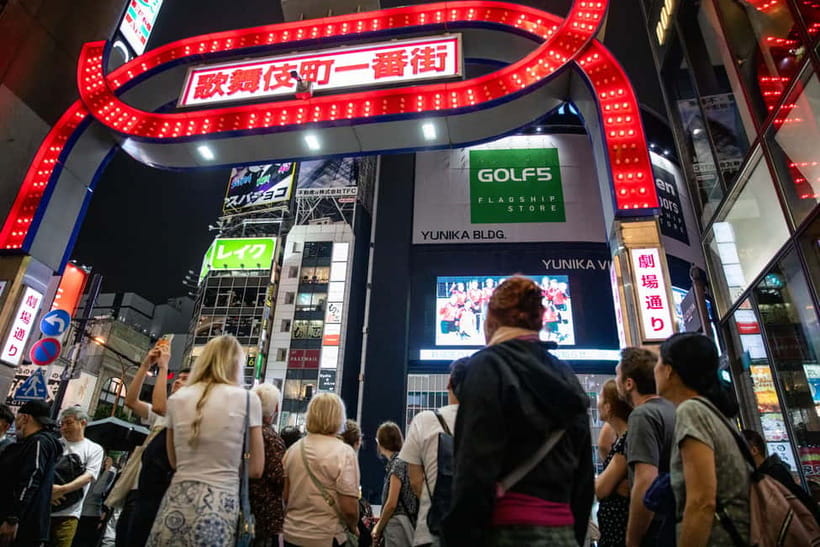
At $29 per person for about 2 hours, you’re paying for a guide’s time plus navigation help in an area that can feel chaotic even when you’re doing everything right. A lot of Tokyo nightlife is hard to decode on your own: which streets are for wandering, which are mainly pass-through, and where people actually go to eat.
I think the best value is in the combination:
- You get structured stops instead of aimless wandering.
- You get context as you walk, not a lecture at the start.
- You leave with recommendations you can use immediately.
Also, the tour is offered in Spanish and English, and the guide is part of the price. Guides vary by night, but the feedback pattern is consistent: people show up for the sights and stay for the stories, humor, and food tips.
Meeting near Shinjuku Station: how not to lose 15 minutes
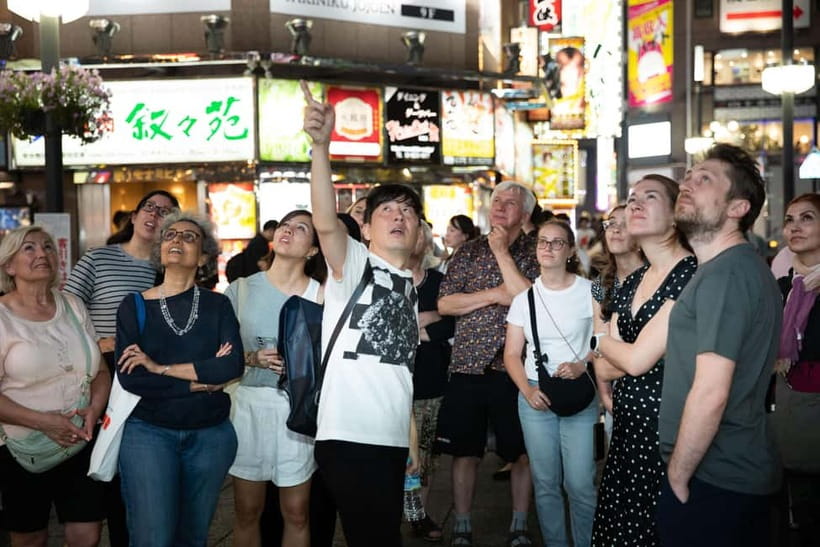
The meeting point can be one of two spots:
- Shinjuku Tourist Information Center
- Shinjuku Station East Exit Police Box (a common starting point)
Either way, you’re dealing with one of the world’s busiest stations. If it’s your first day in Tokyo, this is the only part that can legitimately go wrong. Plan to arrive early, because the tour does not wait for late customers.
Practical advice:
- Build in extra buffer time from your hotel to Shinjuku.
- When you arrive, take one minute to confirm you’re at the correct landmark before you start checking your phone.
- If you’re coming from elsewhere in the station complex, don’t assume you know the quickest route.
This is the one logistical reality check that can change the tone of your whole night.
The first short orientation: then you’re moving
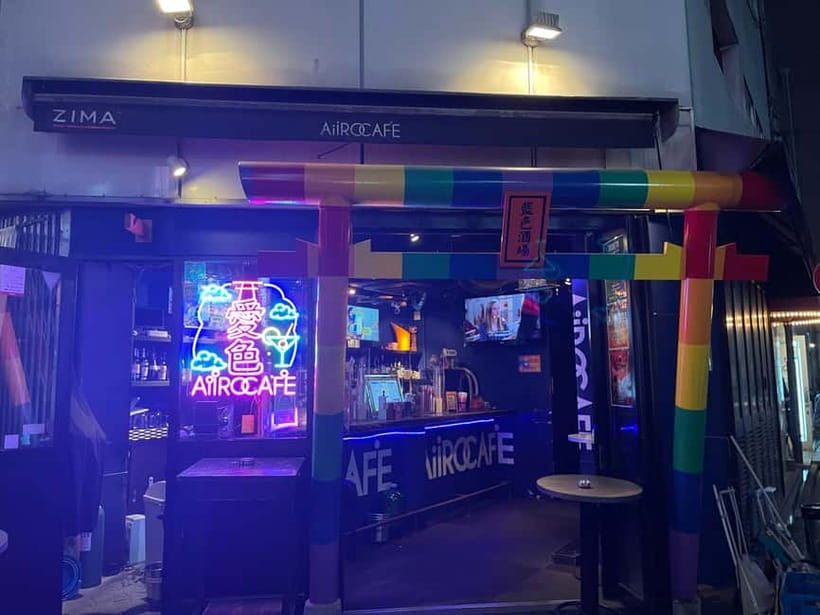
Right after the meeting, you get a brief guided segment (about 10 minutes) before the route really opens up. It’s enough time to get the basics: where you’re going, what you should look for, and how the guide will handle questions while you walk.
That matters because Shinjuku nightlife isn’t just about where to go. It’s also about knowing when to slow down, where to pause for photos, and how to move through tight lanes without turning it into a traffic jam. A good guide keeps the pace friendly.
Omoide Yokocho stop: narrow lanes, easy wins for food
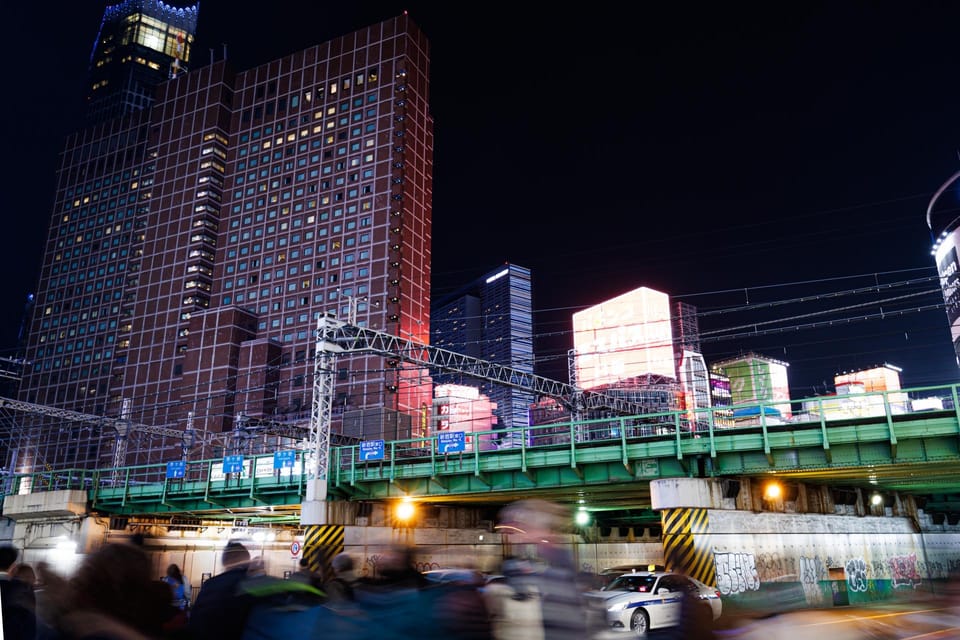
Next comes Omoide Yokocho, where you spend about 20 minutes. This area is famous for its packed-in alley vibe—small lanes, intense atmosphere, and lots of food energy within a short walking radius. If you’re the type who wants your first taste of nightlife to come with something to eat, this stop does the job.
What makes it useful for you on this tour:
- You learn what kind of place it is before you decide where to eat.
- You get ideas for what to order and where to go after the walk.
- You get a chance to understand how Shinjuku nightlife clusters around food.
It also gives you a mental reset. Instead of only absorbing crowds and signs, you get something tangible. Some people even reported the guide’s suggestion leading them straight to an okonomiyaki meal soon after the tour, which is exactly the kind of practical value that makes this style of walk worth it.




Kabukicho for 40 minutes: neon, side streets, and real context
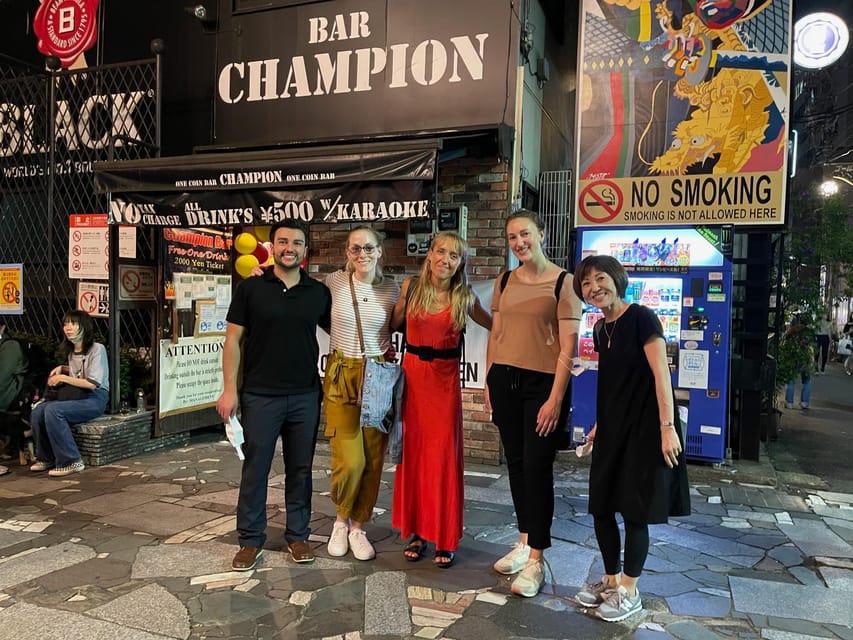
Then the tour focuses on Kabukicho for about 40 minutes. This is the big visual hit—dense neon, towering buildings, and nonstop movement. It’s also where a guide earns their keep, because Kabukicho can look like one giant entertainment block until you understand what’s actually happening street by street.
You’ll also hear how the district has evolved over the years, including its shift from a red-light reputation toward today’s mix of entertainment options. That’s valuable because it changes how you interpret what you see. Instead of judging only by what’s on the surface, you get a clearer picture of why the streets look the way they do and how the scene developed.
Two things I’d call out:
- You’re walking through narrow alleys, not just the main strips. That helps you understand the district’s flow.
- The guide’s explanations keep the walk from feeling like a checklist of photo spots.
One consideration: this is a nightlife area. Even with a guide, you’re in the thick of after-hours Tokyo, so keep your expectations aligned with a late-night setting rather than a quiet sightseeing stroll.
Golden Gai: pocket bars and the social choreography
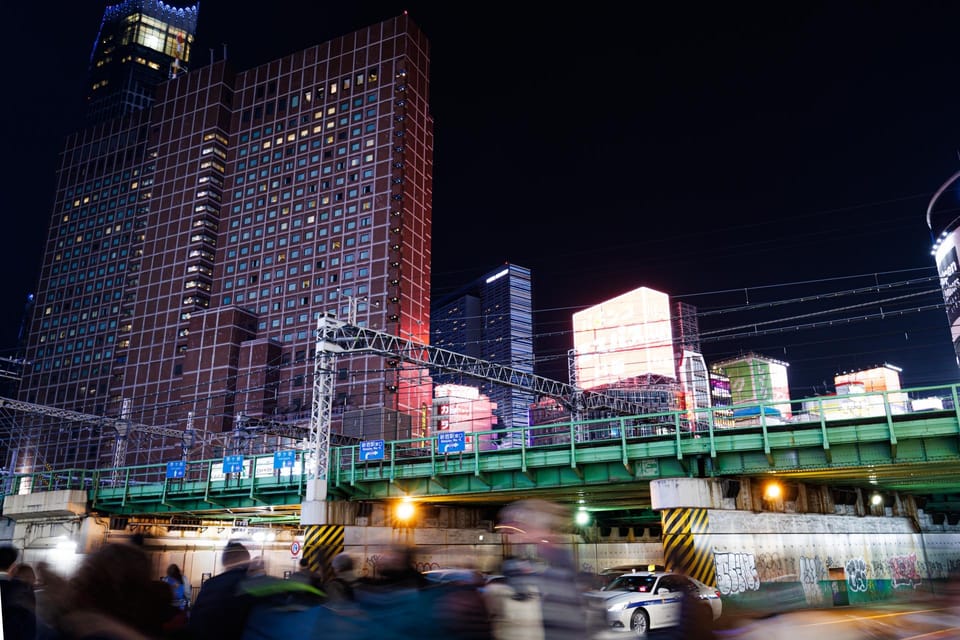
After Kabukicho, you’ll hit Golden Gai for about 20 minutes, with the walk building toward it as a distinct mood shift. Golden Gai is known for its small bar spaces and clustered layout, and it rewards attention. Instead of big venues, you get the sense that people are choosing specific spots for a reason.
This stop is good for you if:
- You want to see where Tokyo’s nightlife feels more like conversation than spectacle.
- You want to learn how these tiny spaces fit into the wider Shinjuku scene.
- You like places where the details matter—signs, doorways, and how groups gather.
This is also where the tour helps with planning. Even if you’re not drinking during the walk, you’ll learn what type of place to look for when you decide what to do next.
Hanazono Shrine: a calmer pause between street scenes
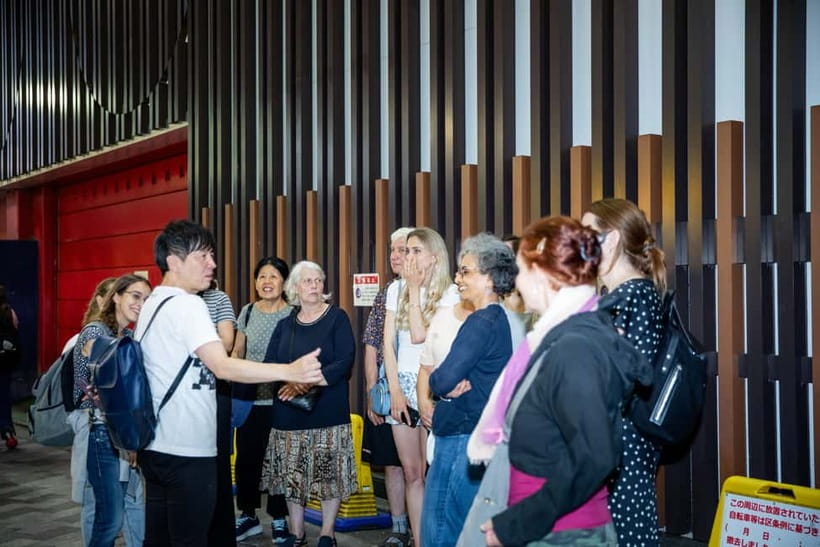
At Hanazono Shrine you spend about 20 minutes. This stop works as a reset. You go from hot neon and loud streets to a more grounded setting, and that contrast makes the rest of the night easier to handle.
Why it’s more than a photo break:
- You see how Tokyo nightlife isn’t just nonstop noise; it’s layered over places with different meanings.
- You get a breather that doesn’t feel random.
- It helps you understand the city’s rhythm: entertainment zones and spiritual landmarks can sit close together.
If you tend to get overstimulated in busy districts, this is the kind of stop you’ll appreciate.
2 Chome close-out: finishing near where you’ll want to go next
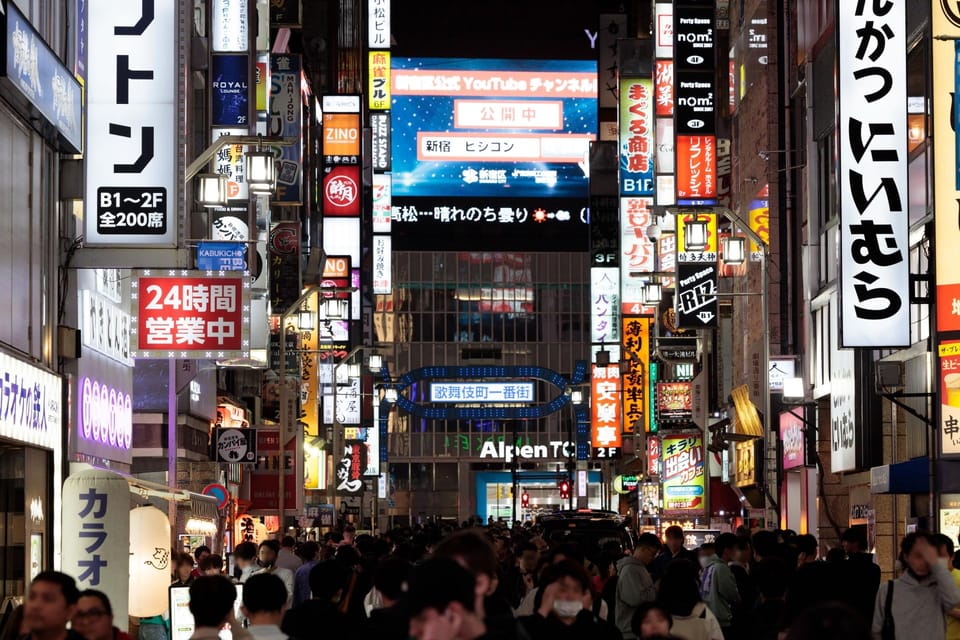
The final neighborhood segment is 2 Chome, also about 20 minutes. The tour ends with drop-offs near Shinjuku Golden-Gai and 3 Chome, which is smart. It keeps you close to continuing options instead of ending you somewhere that’s a hassle to get back from.
This is where you should use what you learned:
- Identify which lanes feel right for you.
- Choose one direction for dinner or a second round of wandering.
- If you’re planning to meet friends, use the end area as your reference point.
You’ll leave with a clearer mental map of Shinjuku’s nightlife districts and how they connect.
Guides make the difference: the names you’ll hear most
The guides are a big part of why this tour gets a high satisfaction rate (an average 4.7 with 862 reviews). You’ll see names come up again and again, including Dani, Daniel, Gray, Loc, Polina, Huy, and Daichi. People consistently mention humor, clear storytelling, and good question-and-answer moments as the main drivers of that strong rating.
A useful takeaway for you: the guide is there to help you interpret the area, not just escort you past it. If you have questions about nightlife culture, ordering food, or how to behave in small bar spaces, this is the moment to ask while you’re walking with someone who knows the area.
Safety, rules, and who this tour fits best
You should know the rules upfront. Alcohol and drugs are not allowed. Also, the tour is not suitable for children under 18. So think of this as a nightlife-focused adult walking experience.
In terms of comfort, I’d treat it as a street-smart night out rather than a theme park. You’ll be in busy areas, walking through alleys, and seeing Tokyo’s after-hours side up close. When you go with a guide, you get more confidence about where to go and what you’re looking at.
Who it suits:
- Adults who want a guided overview on a first or second night in Tokyo
- Food-seekers who want local recommendations that make sense for the neighborhood
- People who like history context, especially how districts change over time
- Anyone who doesn’t want to wander Shinjuku blindly after dark
Who might skip it:
- If you hate nightlife zones and crowds, even with context
- If you’re expecting a calm daytime-style city walk
A quick value checklist before you book
Ask yourself these questions:
- Do I want a guide to translate the street-level scene for me?
- Will I use food and drink recommendations right after the tour?
- Am I ready to navigate Shinjuku and show up on time to a busy meeting point?
- Am I comfortable with adult nightlife surroundings?
If your answers are yes, this tour is a strong way to spend your money and your night.
Should you book this Shinjuku Dark Side walking tour?
I’d book it if you want your first Tokyo nightlife night to come with structure, context, and practical food ideas. The price is reasonable for a guided route through major Shinjuku entertainment districts in just 2 hours, and the guide-driven experience is clearly the reason people rate it so highly.
But if you know Shinjuku logistics overwhelm you, or you can’t realistically arrive early to a crowded station landmark, then pick a time when you can plan carefully. If you do that, you’ll end the night with a better map of where to return—and a lot more confidence walking those streets on your own.
FAQ
FAQ
How long is the Tokyo Shinjuku Dark Side walking tour?
The tour lasts 2 hours.
How much does the tour cost?
It costs $29 per person.
Where do I meet the guide?
The meeting point may vary by booking, with two options listed: Shinjuku Tourist Information Center or Shinjuku Station East Exit Police Box.
What areas will we visit during the walk?
You’ll visit Omoide Yokocho, Kabukicho, Golden Gai, Hanazono Shrine, and 2 Chome. The tour ends with drop-off near Shinjuku Golden-Gai and 3 Chome.
Is the tour suitable for children?
No. It is not suitable for children under 18.
Are alcohol or drugs allowed?
No. Alcohol and drugs are not allowed.
What languages are the guides?
Guides speak Spanish and English.