REVIEW · ASAKUSA
Skip the lines Basic Ticket at SAMURAI NINJA MUSEUM TOKYO
Book on Viator →Operated by Maikoya · Bookable on Viator
Want samurai history you can hold?
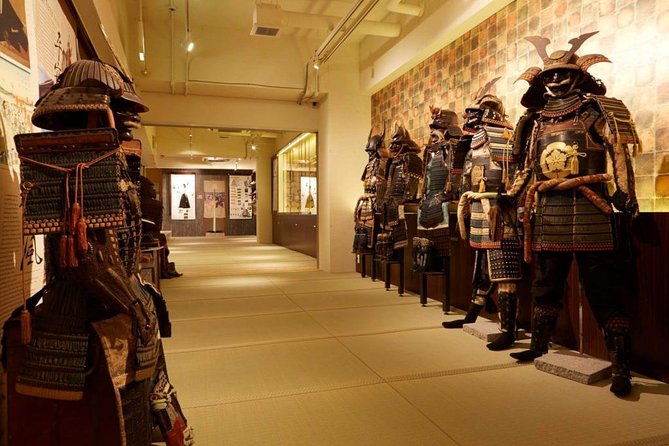
At Samurai Ninja Museum Tokyo in Asakusa, a small-group visit turns old weapons and uniforms into something you actually understand, with an English-led walkthrough and hands-on chances to see how these fighters trained. I especially like that you’re not stuck reading plaques—you get a guide explaining the differences between samurai and ninja as you move room to room among real-looking gear.
What I like most is the mix of costume + participation. You can dress up (including samurai outfits), get involved with ninja activities like the shuriken throw competition, and the experience also builds in a calmer moment with tea ceremony and Zen meditation.
One possible drawback: the whole thing is only about an hour, so it can feel a bit fast if you’re hoping for a longer, extra-deep weapons show. Also, live demonstrations can vary by session, so if the samurai sword performance is your main reason for booking, it’s smart to double-check what your time slot includes.
In This Review
- Key Points You’ll Care About
- Samurai Ninja Museum Tokyo in Asakusa: What You’re Actually Buying
- Meeting Point in Asakusa and How to Plan Your Arrival
- Your 1-Hour Flow: The Museum Tour Pace and What Happens When
- English Guided Tour: How the Museum Makes Samurai and Ninja Click
- Tea Ceremony and Zen Meditation: The Calm Part You Shouldn’t Skip
- Hands-On Fun: Costumes, Sword Basics, and Ninja Shuriken Throwing
- The Show Question: Why Samurai Demonstrations Can Vary by Session
- Small Group Size: What Maximum 10 Travelers Changes
- Pricing and Value: Is $28.52 Worth It?
- Best Fit: Who Should Book This (and Who Might Want a Different Plan)
- Practical Tips Before You Go
- Should You Book the Skip-the-Line Basic Ticket?
- FAQ
- How long is the Samurai Ninja Museum Tokyo basic ticket experience?
- Where do I meet for the experience?
- Is the tour guided in English?
- What’s included in the basic ticket?
- What activities are part of the experience?
- Is transportation included?
- How big are the groups?
- Do children need to be with an adult?
- Can I cancel and get a full refund?
Key Points You’ll Care About
- Skip-the-line basic ticket with a mobile ticket option for smoother entry
- About 1 hour total, designed to work well for families
- English guided tour that helps you understand weapons, roles, and history
- Dress-up time plus the included ninja shuriken throw competition
- Tea ceremony and Zen meditation add a slower, calmer break
- Maximum 10 travelers, so the group stays small and easier to manage
Samurai Ninja Museum Tokyo in Asakusa: What You’re Actually Buying
This is a one-hour, guided experience inside the Samurai Ninja Museum Tokyo in Asakusa. You’re not just paying for entry into a display room. You’re paying for an organized flow: short museum tour, interactive elements, and a built-in show-like segment centered on ninja and samurai themes.
The “skip the lines” part matters in Tokyo. It means you’re arriving with a ticket already lined up on their side, so you spend less time figuring out the process and more time doing the fun parts—like getting dressed up and trying the shuriken throwing.
Value-wise, the price (about $28.52 per person) feels fair because the ticket includes a professional guide, costume time, and an included ninja star throwing competition. A lot of museum-adjacent tours cost more once you factor in a guided element and activity. Here, the activity is part of the core package.
You can also read our reviews of more tours and experiences in Asakusa.


Meeting Point in Asakusa and How to Plan Your Arrival
You’ll meet at Samurai Ninja Museum Asakusa Tokyo, at 1-chōme-8-13 Nishiasakusa, Taito City, Tokyo 111-0035. The activity ends back at the same meeting point, so you don’t have to worry about a separate drop-off area.
It’s also described as near public transportation, which helps if you’re pairing this with other Asakusa sights. Many people combine it with a visit toward Sensoji shrine—you can often walk in that direction from this area, depending on your route and pace.
One practical note from real-world experience: the museum has steep steps. Wear shoes you’re comfortable climbing, and if you’re traveling with kids or someone who prefers fewer stairs, plan extra buffer time before the session begins.
Your 1-Hour Flow: The Museum Tour Pace and What Happens When
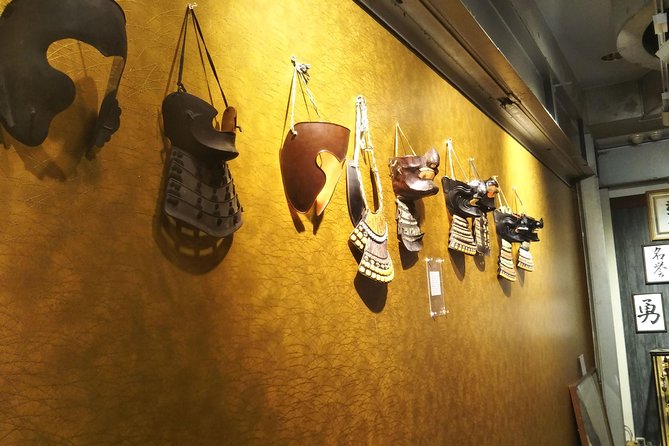
The visit is about one hour. That time constraint shapes everything. You’ll get a guided tour through the museum’s samurai-and-ninja exhibits, plus interactive moments that are meant to be quick and fun, not long and academic.
Here’s the rhythm you should expect:
- You start with the museum and a guide-led explanation in English.
- You’ll move through areas focused on samurai and ninja life, weapons, and gear.
- You get time for a costume experience and hands-on ninja activities.
- The visit closes with the ninja star throw competition as a highlight moment for many families.
If you want a very slow, museum-curator style experience, this may feel brisk. If you want something that helps you understand the basics quickly, then go do something with it, this pacing works well.
English Guided Tour: How the Museum Makes Samurai and Ninja Click
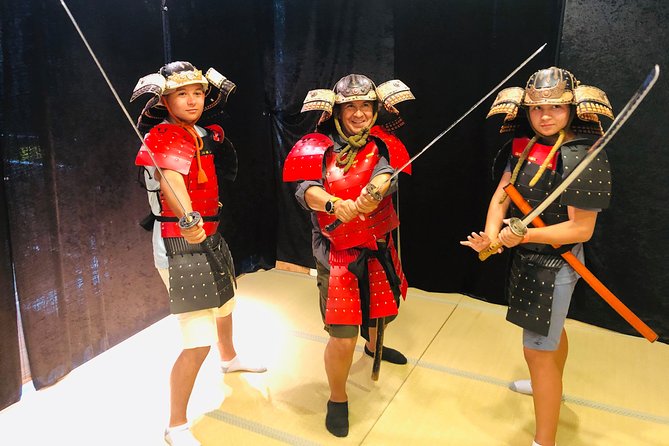
A big reason this works for first-timers is that you’re not left alone to translate. The tour is guided in English, and the goal is to reduce confusion from the start—especially around the differences between samurai and ninja.
The museum experience is designed around real-feeling artifacts: samurai clothing and equipment plus weapons and tools connected to ninja training. You’re likely to see displays that represent how these fighters lived and practiced, not just generic “cool armor” pictures.
This is where a good guide makes the visit. People often mention staff by name—such as Kenny, Hikaru, Mimu, and Mr. Akira—and those names show up specifically in connection with keeping the explanation engaging and understandable. Even if your guide’s style is different, the structure is built for plain-English clarity.
Tea Ceremony and Zen Meditation: The Calm Part You Shouldn’t Skip
One of the most interesting aspects is that the program isn’t only martial training vibes. The experience includes tea ceremony and Zen meditation as part of the tour.
Why that matters: it helps break up the action and gives you a fuller picture of Japanese warrior culture as something connected to discipline, ritual, and mindset—not just weapons.
This segment is also a good reality check for kids. If they’re getting a little hyper from costumes and shuriken throwing prep, a calm break helps reset attention and makes the hour feel more balanced instead of nonstop motion.


Hands-On Fun: Costumes, Sword Basics, and Ninja Shuriken Throwing
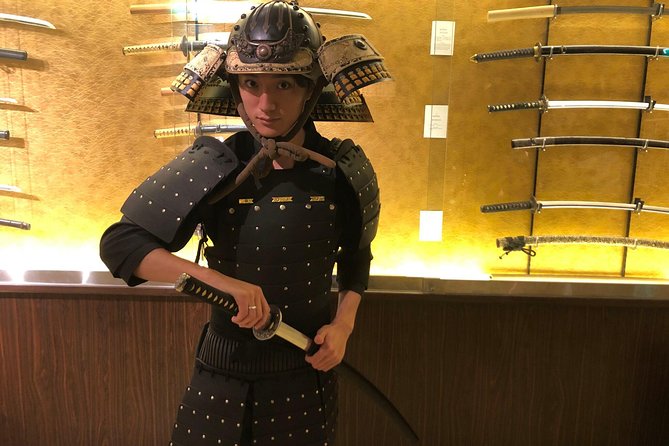
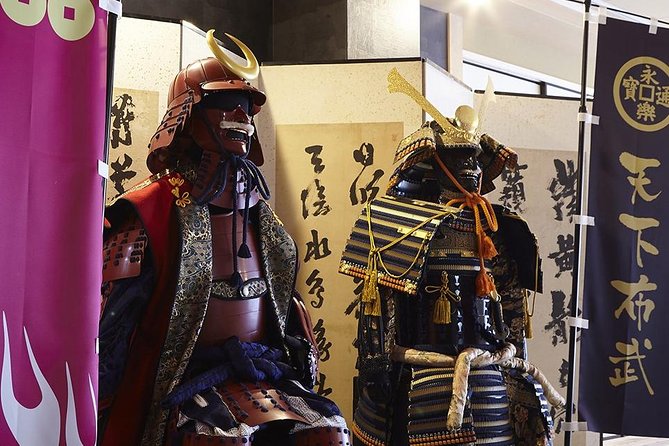
The ticket includes a samurai costume, and that part is not an afterthought. It’s usually the fastest way for kids (and adults with their inner child on full volume) to feel like they stepped into the story.
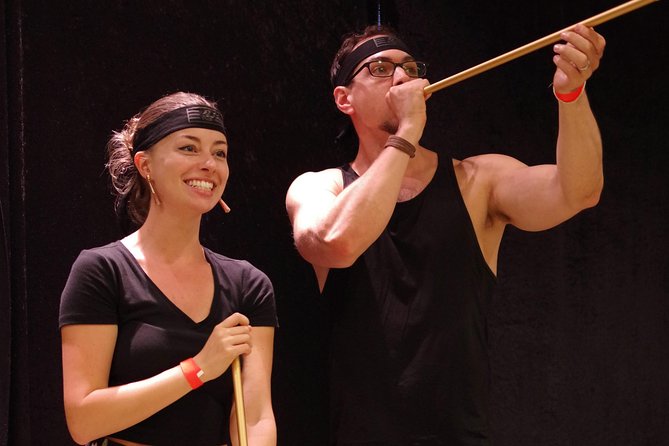
From there, the program shifts into hands-on activities. You’ll have a ninja star throw competition, and you’ll also get guidance related to sword training and samurai weapon use in the museum setting. The experience description also points to learning ninja techniques like shuriken throwing and mentions blowgun usage as part of the activities visitors may get to experience.
A key detail: within a one-hour window, the hands-on moments can be short. That’s not a bad thing if your goal is fun + basics. If you’re hoping for lots of practice time, set expectations for quick instruction rather than extended training.
The Show Question: Why Samurai Demonstrations Can Vary by Session
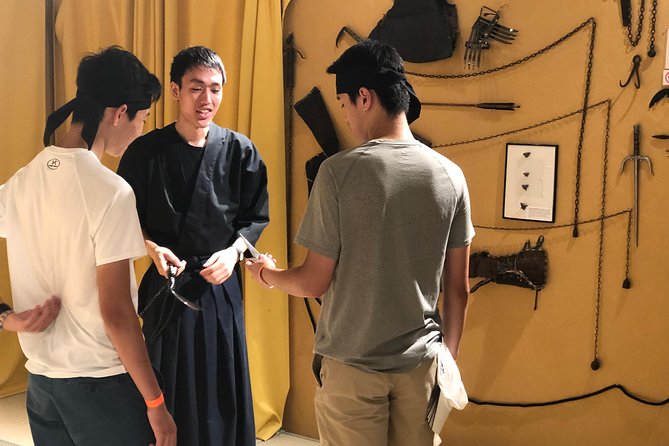
Some sessions seem to include a samurai sword performance, while others may not. That’s based on reports about missing or changed scheduled demonstration components for certain time slots.
So here’s my practical advice: if a samurai demo is the main checkbox you’re trying to hit, don’t assume every session has the exact same show. Verify what’s included for your particular booking time before you go in with one specific expectation. You’ll still get plenty of museum viewing and the included interactive elements, but it’s smart to align your plan with the reality of live programming.
Small Group Size: What Maximum 10 Travelers Changes
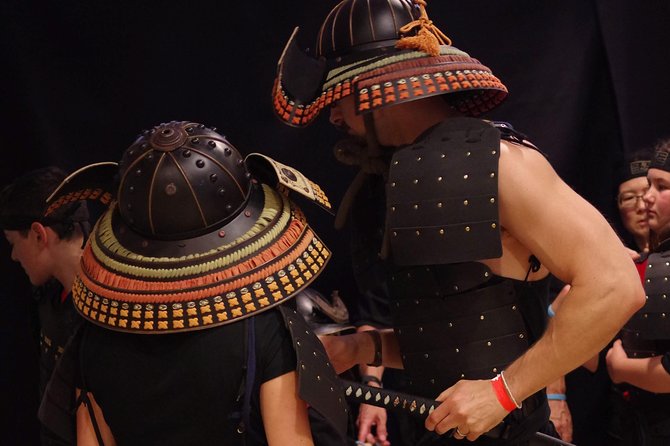
This tour caps at 10 travelers. That small group size has two practical benefits.
First, the guide can actually work with the group rather than delivering a lecture at full speed. Second, interactive moments like costume fitting and the shuriken throw competition tend to flow more smoothly when you’re not competing with a huge crowd.
If you’ve ever done a “large group museum tour,” you know how it goes: people drift, the pace drags, and the guide can’t stop to answer questions. Here, the structure supports quicker movement and more attention.
Pricing and Value: Is $28.52 Worth It?
Let’s talk value in a realistic way.
You’re paying about $28.52 per person for:
- Skip-the-line basic ticket (mobile ticket)
- Professional guide
- Samurai costume
- Ninja shuriken throw competition
- A guided English museum walkthrough, plus tea ceremony and Zen meditation described as part of the experience
When I look at that list, the cost makes sense because you’re not paying for just passive viewing. You’re also paying for instruction and included participation.
Could you find a cheaper museum visit in Tokyo? Yes, but it won’t include the costume and guided hands-on pieces in the same package. If you want your Japan “warrior history” stop to feel like an activity rather than a quiet walk-through, this ticket structure is the reason it’s often seen as good value.
Best Fit: Who Should Book This (and Who Might Want a Different Plan)
This is a strong fit if:
- You’re visiting with kids and want a family-friendly activity in one hour
- You’re new to samurai and ninja history and want a guided English start
- You like interactive museums where you can dress up and do something hands-on
- You want a quick Asakusa add-on that’s near other sights
It may be less ideal if:
- You want a long, deep weapons seminar with lots of time per exhibit
- You need a guaranteed samurai performance during your exact session
- You dislike stairs and tight time schedules (because the museum involves steep steps and one-hour pacing)
Practical Tips Before You Go
A few things that will make your hour smoother:
- Arrive a few minutes early so you can settle in before the guided portion starts. The pacing depends on everyone being ready.
- Wear comfortable shoes for the stairs.
- If you’re traveling with a child, plan for adult supervision during the interactive parts, since children must be accompanied by an adult.
- If you care about a specific demonstration, confirm what’s running for your session time.
Also, if you’re pairing this with Asakusa sightseeing, put it in the middle of your day and not as the very last stop. The hour goes by faster than you expect once costumes and throwing get started.
Should You Book the Skip-the-Line Basic Ticket?
I think you should book this if you want a short, structured, fun introduction to samurai and ninja culture in Asakusa. The combination of English guidance, real museum artifacts, costume time, and the included shuriken throw competition makes it more than a typical museum entry fee.
Skip it if you’re the type who wants a slow, quiet, uninterrupted exhibit marathon, or if you’re depending on a specific samurai demonstration to be the main event. In that case, you’d be happier with a different type of history experience.
If you’re booking for family fun plus a bit of learning, this one-hour package is exactly the kind of stop that helps Tokyo travel feel memorable without eating your entire day.
FAQ
How long is the Samurai Ninja Museum Tokyo basic ticket experience?
It’s about 1 hour (approx.).
Where do I meet for the experience?
The meeting point is at Samurai Ninja Museum Asakusa Tokyo, 1-chōme-8-13 Nishiasakusa, Taito City, Tokyo 111-0035, Japan. The activity ends back at the meeting point.
Is the tour guided in English?
Yes. The museum tour is guided in English, so you shouldn’t have to struggle with explanation plaques.
What’s included in the basic ticket?
Your ticket includes a professional guide, a samurai costume, and a ninja star throw competition.
What activities are part of the experience?
You can expect a guided museum tour about samurai and ninja history and weapons, plus hands-on activities like samurai costume dressing and ninja star throwing. The experience also describes tea ceremony and Zen meditation.
Is transportation included?
No. Transportation to and from attractions is not included.
How big are the groups?
The experience has a maximum of 10 travelers.
Do children need to be with an adult?
Yes. Children must be accompanied by an adult.
Can I cancel and get a full refund?
Yes. You can cancel up to 24 hours in advance for a full refund. If you cancel less than 24 hours before the start time, the amount paid is not refunded.