REVIEW · ASAKUSA
Kimono Tea Ceremony at Tokyo, Asakusa Maikoya
Book on Viator →Operated by Maikoya · Bookable on Viator
Matcha feels different in a kimono. You’ll get kimono dressing in Asakusa plus a formal matcha lesson led by a tea master, all wrapped up in about 90 minutes.
I love the hands-on whisking part and the way the guide connects each step to proper tea etiquette. I also like the flexibility of choosing a morning or afternoon time slot and the built-in photo time afterward.
One thing to consider: tripods aren’t allowed during the ceremony, and photo/video may be limited—so come ready to focus, not just shoot.
In This Review
- Quick hits to know before you go
- Asakusa Maikoya: why this tea ceremony feels practical, not staged
- Dressing in kimono: the fun part that also sets the tone
- Entering the tea room: etiquette, tools, and why movements matter
- Making your own matcha: the hands-on step you’ll remember
- Snacks, photos, and wearing your kimono around Asakusa
- Price and value: what you’re paying for at $55.81
- Logistics that matter: tickets, location, and time slots
- Who should book this, and who should skip it
- Should you book Kimono Tea Ceremony at Tokyo, Asakusa Maikoya?
- FAQ
- How long is the kimono tea ceremony experience?
- What’s included in the price?
- Where do we meet, and where does it end?
- Can men and women participate?
- Are photos and videos allowed?
- Is there a minimum age for children?
- How many people are in the group?
Quick hits to know before you go
- Kimono + simple hair styling included, with staff helping you get dressed properly
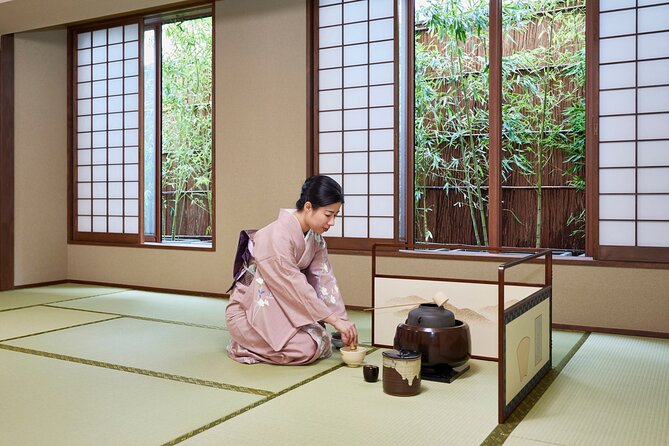
- Matcha, the formal way, with a tea master guiding you through etiquette and technique
- Small session size (maximum 3 travelers in your timeslot) for less crowding
- Photo time in kimono mode, including spots near Senso-ji, plus a patio/garden area
- No tripods, and recording may be restricted during key moments
- Children have age limits at the venue (see FAQ)
Asakusa Maikoya: why this tea ceremony feels practical, not staged
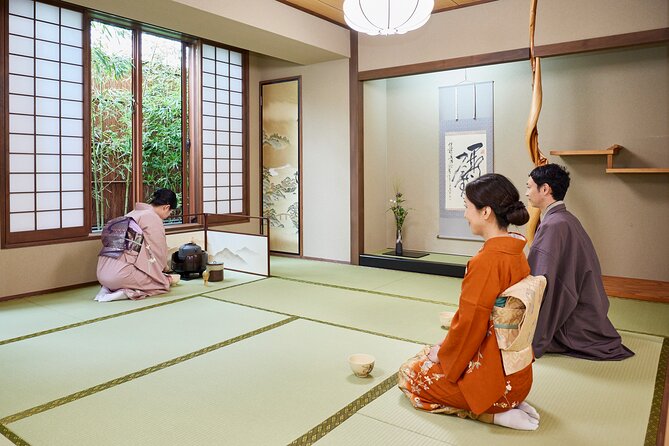
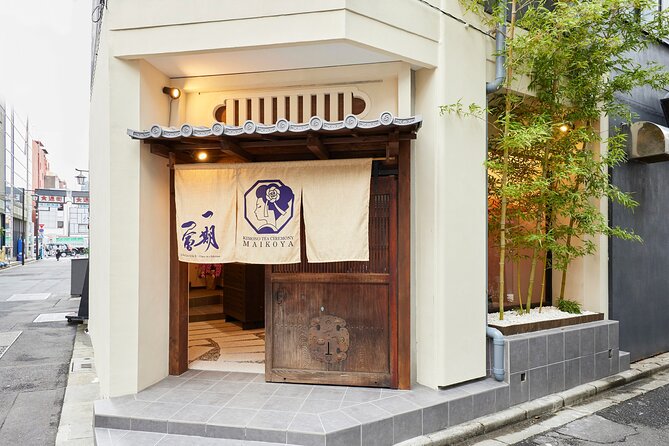
Asakusa is one of those Tokyo areas where you can walk from old-school streets into temples in minutes. This experience fits that rhythm nicely: you start at Kimono Tea Ceremony MAIKOYA Asakusa, get dressed, learn the ritual, then you’re set up for photos nearby without having to coordinate a whole separate plan.
What makes it especially appealing is the structure. This isn’t just watching someone pour tea and calling it culture. You’re taught what you’re doing, then you do it—whisking matcha and following etiquette in a formal room. And because the session is short (about 1 hour 30 minutes), it doesn’t eat your whole day the way longer “full-day kimono” plans sometimes do.
Also, it’s designed for both men and women. That matters, because getting a kimono experience done right is usually where people feel awkward—here, staff guide you through dressing and a simple hairstyle if you want it.
You can also read our reviews of more tours and experiences in Asakusa.
Dressing in kimono: the fun part that also sets the tone
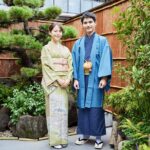
The kimono portion starts before the ceremony begins, and it’s more organized than you might expect. You’ll choose from a selection of elegant kimonos, and staff help you put everything on so it sits correctly and looks neat for photos.
If you want hair styling, it’s included too. Expect a simple style designed to work with the kimono and the formal setting. The idea isn’t to turn you into a character from a costume shop. It’s to help you look and feel respectful in the space where the tea ceremony happens.
Here’s a small detail I really like: the experience includes time for photos, and the dressing isn’t treated like a “quick outfit moment.” People have described extra photo opportunities and the ability to wear the kimono longer than the ceremony itself (more on that later). That means your kimono time doesn’t feel rushed.
Entering the tea room: etiquette, tools, and why movements matter
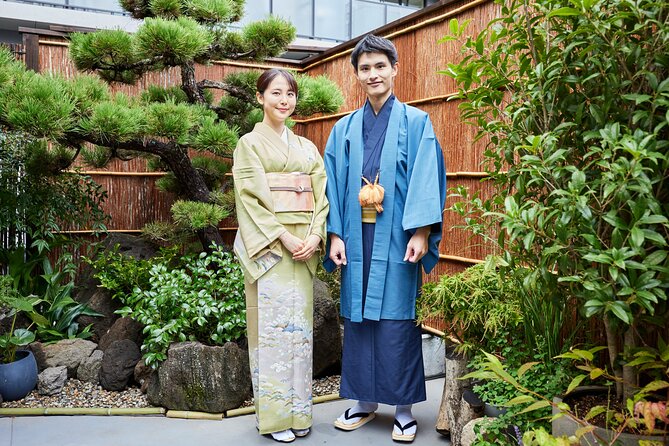
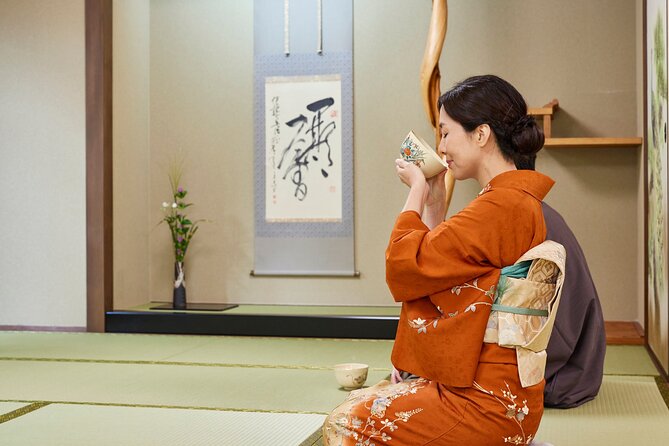
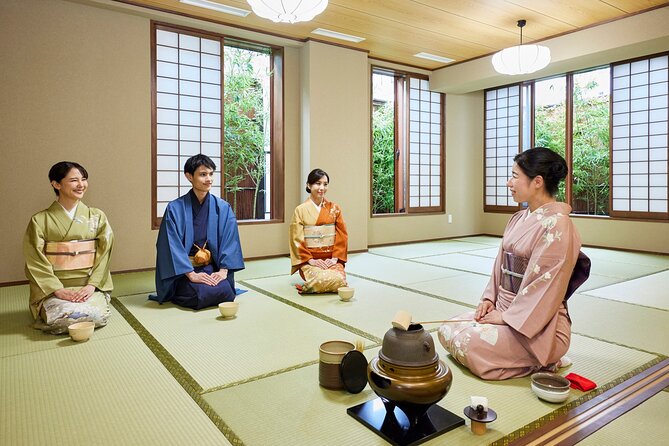
Once you’re dressed, you move into the ceremony space where you learn about matcha and the tradition behind it. The tea master and friendly staff walk you through the meaning behind the tools, the motions, and the etiquette.
That’s the part people often skip when they do “tea experiences.” They drink tea, maybe make a bowl once, but they don’t understand why the movements are so specific. Here, you’re guided to notice details like how you handle utensils, how you prepare and present the bowl, and how you keep the tone calm and respectful.
The format is also friendly to different needs. One review mentioned special chairs and tables for people who might have flexibility challenges with kneeling or sitting on tatami. If you’re worried about sitting positions, that’s a helpful sign that the venue thinks about comfort.
And if English is your language comfort zone, you’ll be in good shape. Several hosts are described as speaking clear English with warmth and a bit of humor—names you may hear depending on your session include Iyume, Erika, and Erica.
Making your own matcha: the hands-on step you’ll remember
Now for the reason most people book this: making matcha yourself. You’ll learn the traditional way to prepare matcha green tea, with the tea master guiding you step by step while you observe each move first, then replicate it.
This is where the experience turns from sightseeing to something closer to a skill. Whisking matcha takes focus. You can’t half-do it while scrolling on your phone. Your hands slow down, and your attention narrows, which is exactly what a good tea ceremony is designed to do.
You’ll also get context on the history and the culture of Japanese tea ceremony—plus the etiquette for serving and receiving tea properly. Even if you’re not the type who reads instructional manuals, you’ll still come away with something you can use: how to hold yourself in a formal ritual, and how to approach matcha with intention rather than speed.
And yes, there’s also green tea for you to enjoy as part of the experience, plus snacks included.
Snacks, photos, and wearing your kimono around Asakusa
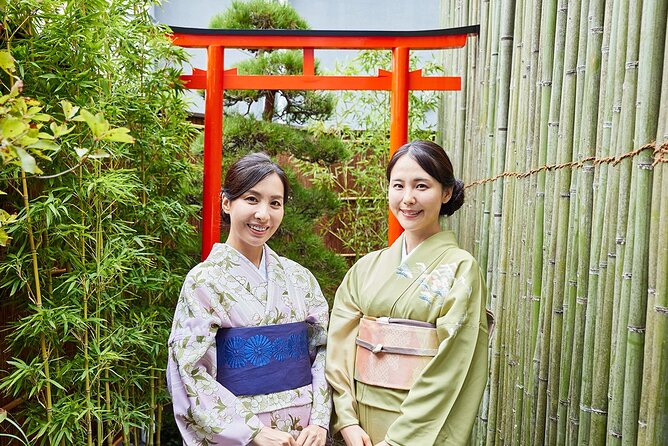
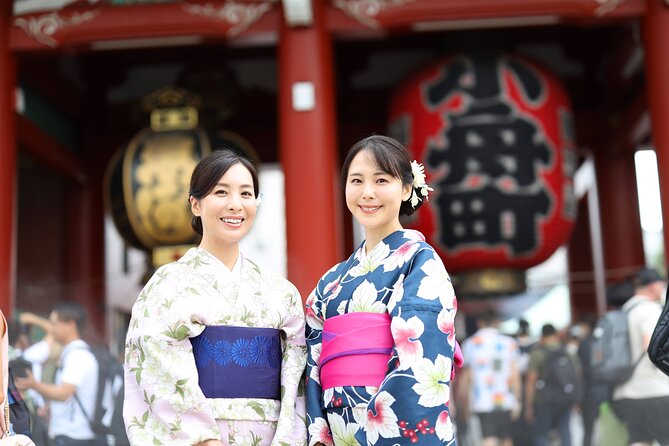
One of the biggest practical wins here is what happens after the ceremony. The session includes snacks, and then you get time for photos in a dedicated area. Reviews describe a patio or garden-style photo spot with Japanese-style decorations, and even time for photos in kimono near Senso-ji.
A common pattern: you finish the ceremony, take pictures indoors/around the property, then you may be allowed to keep the kimono on for a period of time to walk around. Some people report being able to wear it for about an hour or so afterward, while others mention keeping it longer until the shop’s closing time (one mention was around 6). The safe takeaway is this: if you plan to roam, you’ll be asked to return the kimono before closing, so don’t treat it like a souvenir that you can take home.
Want to maximize your photo results? Wear the kimono before you go chasing temple shots. It’s easier to get good pictures when the outfit is fresh and you still have staff support.
Also, you should know the photo rules. Tripods are not allowed during the ceremony, and photo/video recording may be limited. The best approach is to follow the tea master’s instructions on when you can take photos. Plan to use your phone for quick shots during permitted moments, then lean into video-free listening during the main ritual.


Price and value: what you’re paying for at $55.81
At $55.81 per person, you’re not just buying tea. You’re buying a full package that typically costs more when you price it out separately in Tokyo:
- Kimono rental and proper dressing help
- Simple hair styling (if you choose it)
- A tea master-led formal matcha lesson
- Utensils included
- Snacks
- Photo time in kimono
The time commitment is also smart. At about 1 hour 30 minutes, you can fit it between other Asakusa plans without blowing up your schedule.
And because the group is small in your timeslot (maximum 3 travelers), you’re more likely to get attention if you have questions or need assistance with dressing and positioning. It’s the kind of value that works best when you want a meaningful cultural activity, not a long waiting line.
Logistics that matter: tickets, location, and time slots
This experience uses a mobile ticket, and the meeting point is clear: Kimono Tea Ceremony MAIKOYA Asakusa, 1-chōme-12-2 Asakusa, Taito City, Tokyo. The experience ends back at the meeting point.
There’s no hotel pickup or drop-off, so you’ll want to handle transit on your own. The good news is the meeting area is near public transportation, which keeps the day stress-free.
You can also choose morning or afternoon time slots. That’s not just convenience—it changes the vibe around Asakusa. If you want softer light for photos, pick the time that matches your shooting style and the rest of your day.
Who should book this, and who should skip it
This is a great match if you want a respectful, structured Japanese cultural experience with real hands-on participation. It also suits solo travelers, couples, and families who want an activity that feels “Japan” without requiring a big language skill set.
It’s especially good if you:
- Want a kimono experience where staff help with dressing and hair
- Like learning etiquette and the meaning behind cultural practices
- Want photos near classic Asakusa sights without complicated planning
You should think twice if:
- You rely heavily on tripods or lots of filming during ceremonies (that won’t work here)
- You’re traveling with young children, because the venue has strict age limits (see FAQ)
- You’re not comfortable with formal etiquette and quiet attention during the matcha preparation
Should you book Kimono Tea Ceremony at Tokyo, Asakusa Maikoya?
I’d book it if your goal is a short, well-run cultural session where you actually participate. The kimono dressing plus guided matcha making gives you something you can’t easily recreate at home—and the photo time means you’ll leave with both memories and pictures.
Book this with a realistic mindset on photography. You’ll get great photo moments, but the ceremony itself asks for manners and focus, not constant filming.
Finally, choose the time slot that helps your day flow. If you’re already planning temple time in Asakusa, this pairs beautifully because you can transition from tea etiquette to temple photos without changing plans.
If you want a meaningful activity that still feels fun and photogenic, this is one of the better ways to spend 90 minutes in Tokyo.
FAQ
How long is the kimono tea ceremony experience?
It runs about 1 hour 30 minutes (approx.).
What’s included in the price?
You get kimono costume, hair styling (simple style), utensils, green tea, and snacks.
Where do we meet, and where does it end?
You meet at Kimono Tea Ceremony MAIKOYA Asakusa in Asakusa, Tokyo, and the experience ends back at the meeting point.
Can men and women participate?
Yes, the experience is open to both men and women.
Are photos and videos allowed?
Photo/video recording may be limited, and you should follow the tea master’s instructions. Tripods are not allowed during the ceremony.
Is there a minimum age for children?
The information provided says children under 6 aren’t permitted, and the venue info also states children under 7 can’t enter. Check this before booking if you’re traveling with kids.
How many people are in the group?
Your specific session has a maximum of 3 travelers. If there are larger parties overall, people may be placed into different timeslots.