REVIEW · MANILA
Manila Food Tour: Introduction to Philippine Street Food
Book on Viator →Operated by Explore Manila Tours · Bookable on Viator
Street food in Manila, with a plan. This small-group tour gives you a local path through a busy city, starting with a tricycle ride and ending with a sweet finish. You also get real guidance on where to eat and drink once you’re on your own.
I especially liked the sheer variety of bites—things like steamed dumplings, grilled meat skewers, deep-fried snacks, and sweet pastries—and I loved how your guide adds context, including food stories and fun facts along the way. People often name guides like Chloe, Jian, and Nel, and they all seem to bring the same energy.
The one real drawback to flag: it’s not recommended for vegans and vegetarians, since the menu is built around meat, fish, and pork options.
In This Review
- Key things to know before you go
- Your 3-hour Manila Street Food Game Plan
- Meeting at Starbucks in Mandaluyong, then hopping on the tricycle
- The street-food lineup: dumplings, skewers, fried bites, and sweet pastries
- Dumplings and steaming comfort
- Soup and warm snacks
- Grilled meat skewers and savory roasted bites
- Deep-fried snacks for crunch lovers
- Sweet and chewy pastries at street level
- Drinks included: local beer, fruit juice, and cold water
- Why the guide matters more than the menu
- The sweet finish: dessert as the final checkpoint
- Price and value: $60 for a lot of food, plus transport
- Logistics notes that can change your comfort level
- Who should book this Manila food tour (and who should skip it)
- Should you book it?
- FAQ
- How long is the Manila food tour?
- What does the tour cost?
- Where does the tour start and when does it begin?
- What food and drinks are included?
- Is alcohol included?
- How big is the group?
- Is it okay for vegans or vegetarians?
- What happens if weather is bad?
Key things to know before you go
- Max 15 people keeps the pace friendly and gives you time to ask questions
- Traditional tricycle start helps you get moving fast and out of the tourist maze
- Up to 10+ tastings across grilled, fried, roasted, and steamed favorites
- Beer + fruit juice included (plus bottled water) so you’re not guessing what pairs well
- A sweet treat at the end gives you a classic Manila dessert payoff
Your 3-hour Manila Street Food Game Plan
Manila can feel like sensory overload: traffic noise, crowds, street vendors, and a million signs that don’t help much when you’re hungry. This tour is built to solve that problem. You show up, get a quick orientation, then you’re led from stop to stop so you’re not spending your best snack time figuring out where to stand, what to order, or whether the place is legit.
The timing also matters. At about 3 hours, you get a lot of food variety without committing to an all-day food mission. If you’re on a tight schedule—say a first afternoon in the city or even a layover—this is a smart way to get your bearings fast and still leave full, not frantic.
The tour’s style is also important. It’s not just a list of places to eat. You’re traveling with a guide who helps translate street food culture into something you can actually use later: what to look for, how different textures and flavors work together, and which flavors are truly Filipino.
You can also read our reviews of more tours and experiences in Manila.


Meeting at Starbucks in Mandaluyong, then hopping on the tricycle
You meet at Starbucks – California Garden Square (California Garden Square Clubhouse, Domingo M. Guevara, Mandaluyong City, Metro Manila). The start time is 3:00 pm, and the tour ends back at the same meeting point.
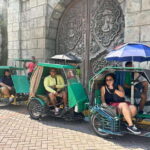
That sounds simple, but the real value is what happens next. After the orientation, you ride a traditional tricycle to reach the starting area for your food route. That does two things for you. First, it keeps the tour moving instead of wasting time on long transfers. Second, it gives you an early taste of how people actually get around in the city.
You’ll also hear about local food in a neighborhood context, not just from behind a tour guide’s facts. And if rain happens—as it sometimes does in Manila’s seasons—the route can still keep going with adjustments. One traveler described it as still working in the rainy season, with multiple stops anyway. So bring a poncho and keep your attitude flexible.
The street-food lineup: dumplings, skewers, fried bites, and sweet pastries
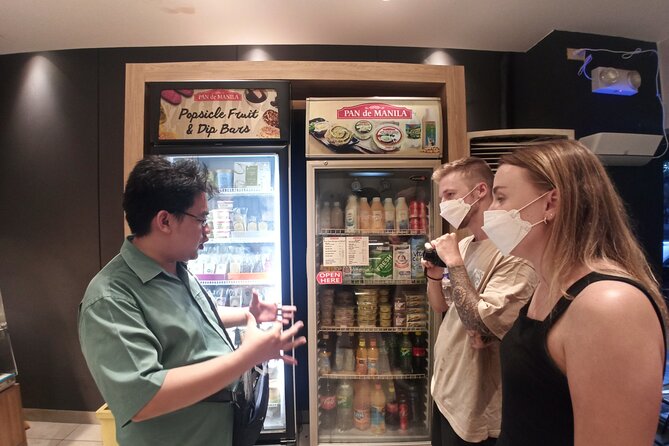
Here’s the core idea: you’re guided through an assortment of Filipino street food categories that you might not know to seek out on your own. The tour includes up to 10+ different local street foods, with options featuring pork, chicken, and fish. Most items lean grilled, deep-fried, or roasted, with plenty of variety in texture.
You can expect the flavor profile to bounce around in a good way—savory first, then crunchy, then saucy, then sweet. The stops are designed to keep you tasting different cooking styles, not repeating one type of snack for three hours.
Dumplings and steaming comfort
A highlight in the menu is steamed dumplings (often a crowd favorite on these kinds of routes). This is a smart inclusion early on because steaming food is forgiving. It’s hot, satisfying, and it’s a good way to ease in before the more intense flavors and crunchier fried foods later.
Soup and warm snacks
The tour also references warm soup as part of the street-food experience. In a city as hot as Manila, warm soup can sound like a trick, but it often works because it’s seasoned, comforting, and balanced with other bites. If you’re sensitive to spice, this is one category where the guide’s ordering choices can make a big difference.
Grilled meat skewers and savory roasted bites
You’ll also get meat skewers and other grilled or roasted options. This is where Filipino street food really shows off: smoky char, salty-sweet sauces, and seasoning that feels designed for eating with your hands or with simple utensils. If you like food that tastes like it just came off the fire, you’re in the right place.
Deep-fried snacks for crunch lovers
Deep-fried items show up too, and that’s not an accident. Fried street snacks add that crunch contrast to dumplings and soup. It’s also a fast way to keep your appetite satisfied during a walk from one stand to the next.
Sweet and chewy pastries at street level
The tour includes sweet and chewy pastries, plus a final sweet treat. Sweet food in Manila street culture isn’t always a dessert afterthought—it’s often its own category of snack. Expect bites that are soft, chewy, or creamy, designed to follow savory flavors and reset your palate.
One traveler even called out plantain as a palette cleanser before the next food. That’s exactly the logic you want on a food tour: not just quantity, but sequencing so you don’t get overloaded in the first 20 minutes.
Drinks included: local beer, fruit juice, and cold water
Food is the headline, but the drinks help you pace everything. The tour includes:
- 1 local beer
- 1 fruit juice or combination
- 1 bottled water
This is a practical setup. Beer can handle salty grilled flavors and fried bites, while juice helps cut through sweetness and seasoning. The bottled water is simple but essential on a street route—especially in the heat.
A few reviews also mention enjoying multiple local beers during the tour. The official include is one local beer, but the overall vibe seems to encourage a casual, relaxed pace rather than treating drinks like an afterthought. Either way, plan to stay hydrated and don’t rush your sips between tastings.
If you don’t drink alcohol, you’ll still get juice and water, but it’s worth checking when you book if substitutions are possible for your exact preferences. The tour clearly centers on alcohol being part of the standard package.
Why the guide matters more than the menu
Food tours can feel the same unless your guide is strong. Here, the consistent praise isn’t just about food—it’s about how the tour runs.
People name guides such as Chloe, Jian, and Nel, and the recurring pattern is the same: friendly energy, smooth stop flow, and explanations that connect food to real-life Filipino culture. One review even called out food trivia as a favorite, which tells you the guide isn’t just rattling off facts. They’re turning street food into something you remember.
You also benefit from a small group experience. With a maximum of 15 travelers, it’s easier for the guide to check in, keep you from falling behind, and help with ordering. In Manila, that matters because you might be standing in tight spaces next to vendors, carts, and narrow sidewalks.
The guides also handle different group dynamics well. One family with a mix of ages described having fun across generations, and they highlighted how welcoming the guide was. Another traveler said the guide made the experience even better with humor and attention throughout.
Even better: they seem to plan routes that include local transport, which changes the texture of the experience. Quick rides like jeepney or other street transport pop up in the tour experience description and reviews, and those little moments make the city feel less like a series of food stops and more like a living place.
The sweet finish: dessert as the final checkpoint
The tour ends with a delicious sweet treat before you head back to the meeting point. That’s not just a feel-good ending. It’s also a smart “checkpoint.” By the time dessert arrives, you’ve already covered savory, smoky, fried, and warm items—so the sweet course becomes a clear final chapter.
A traveler specifically mentioned halo halo as a standout, and that fits Manila dessert culture well. Even if the exact sweet item varies by day, the payoff concept is consistent: finish with something cold or creamy enough to bring your taste buds back into balance after savory street food.
If you’re trying to eat everything, pace yourself. One review warned there’s so much food it can be hard to finish if you start at full speed. I’d take that advice seriously: you’ll enjoy it more if you save room for the last two bites, not just the first ten.
Price and value: $60 for a lot of food, plus transport
At $60 per person, you’re paying for more than snacks. You’re paying for:
- Guided ordering and stop selection so you avoid wasted time
- Local transport, including the tricycle ride used early in the tour
- A large assortment: up to 10+ street foods
- Included drinks: beer, juice, and bottled water
- A small-group format that keeps the guide’s attention focused
Street food sounds cheap until you’re the one doing the math with small plates, drinks, and the time it takes to find each spot. Here, the tour packages that planning labor for you. Even if some items look unfamiliar, the guide helps you taste broadly without you having to gamble on what you can’t pronounce.
Also, you get insider tips about where to eat and drink in Manila after the tour. That’s the kind of value that compounds. You don’t just leave with a full stomach; you leave with a better sense of where to go next.
Logistics notes that can change your comfort level
This is a street-food route, so come ready for street reality. The tour is described as more adventurous, and that typically means uneven sidewalks, busy vendor areas, and quick movements from one stop to the next.
That doesn’t mean it’s extreme. The experience says most travelers can participate and service animals are allowed. But if you have mobility concerns, you’ll want to plan carefully. In one case, a guest who had wheelchair-related concerns had the tour switched to a cooking class because sidewalks would be difficult. That tells you the operator tries to make accommodations when possible, but the street setting is a real factor.
Weather matters too. The experience is said to require good weather, and if it gets canceled due to poor weather, you’ll be offered a different date or a full refund. Manila rain can be heavy, so pack a poncho and keep your schedule flexible.
Dietary note: it’s not recommended for vegans and vegetarians, so if your meal preferences are strict, you’ll be unhappy. Street food here is built largely around meat and seafood, plus fried and grilled items that may not fit a vegetarian-only diet.
Who should book this Manila food tour (and who should skip it)
Book it if you want:
- A first taste of Manila without getting lost
- Hands-on street food variety in a short time window
- A guide who adds food context and trivia so the experience sticks
- Local transport moments, not just walking between restaurants
Skip it if:
- You’re vegan or vegetarian and need a fully plant-based menu
- You want a calm, sit-down tasting at one restaurant (this is designed around multiple street stops and a walk)
- You hate crowds or don’t do well in active street environments
If you’re traveling with family, it can work well too. One review specifically highlighted a group with late 50s travelers and an early 20s traveler enjoying it together.
Should you book it?
For most food-first travelers, I think this is a smart booking. The biggest strengths are practical: a small group, lots of tastings, and guided local ordering, with drinks included so you’re not constantly calculating what you’re spending. Add in the local transport at the start, and you get more than a snack crawl—you get a quick orientation to how Manila tastes and moves.
If your diet is restrictive, don’t force it. This one is built for meat-and-seafood street food lovers. But if you’re curious, hungry, and willing to try new textures—from steaming dumplings to grilled skewers to sweet dessert—you’ll leave with a better sense of Manila and a full stomach.
FAQ
How long is the Manila food tour?
It runs for about 3 hours.
What does the tour cost?
The price is $60.00 per person.
Where does the tour start and when does it begin?
It starts at Starbucks – California Garden Square and the start time is 3:00 pm. The tour ends back at the meeting point.
What food and drinks are included?
You get up to 10+ local street food snacks and 1 local beer plus 1 fruit juice (or a combination), along with 1 bottled water.
Is alcohol included?
Yes. The tour includes 1 local beer.
How big is the group?
The tour has a maximum of 15 travelers.
Is it okay for vegans or vegetarians?
It is not recommended for vegans and vegetarians.
What happens if weather is bad?
The experience requires good weather. If it’s canceled due to poor weather, you’ll be offered a different date or a full refund.