REVIEW · MANILA
Intramuros, Manila: Historical Bamboo Bike Tour
Book on GetYourGuide →Operated by Bambike Ecotours · Bookable on GetYourGuide
Bamboo wheels beat Manila heat. This small-group Intramuros bamboo bike tour is a practical way to cover the walled city fast while hearing stories from guides with years of experience, including Josh and Prime, plus others like Paolo, Chi, and JD. I especially like the hands-on bike approach (it feels easier than walking everything in the sun) and the guide-led storytelling at stops like Fort Santiago and Puerta Real Gardens. The main trade-off: it’s still an outdoor ride, so bring sunscreen and plan for humidity.
The route is built around major landmarks, with guided explanations that keep the stops from feeling like a checklist. You’ll get real context at key gates and courtyards, plus photo help along the way, which matters more than people expect when you’re weaving through narrow streets. Guides also focus on safety and pace, and you may even get traffic assistance depending on the day and guide team.
You also get comfort touches that make the tour feel thought-through: helmets and rain ponchos are included, and you end with a cold towel and ice cream. It runs about 2–3 hours, and it’s not a hotel pickup situation, so you’ll want to arrive on time at the Bambike Ecotours Intramuros meeting points.
In This Review
- Key points before you go
- Bamboo Bike Reality: What It Feels Like in Intramuros
- The Tour Timing That Actually Works: 2 to 3 Hours, Multiple Must-Sees
- Japanese Cannon Stop: WWII History Without the Museum-Feeling Rush
- Puerta Real Gardens: Shade, Wildlife, and a Story in 30 Minutes
- Puerta del Parian and the Quick Cafe Reset
- Manila Cathedral and Plaza de Roma Area: Spanish Colonial Center Energy
- Fort Santiago by Bike: Longer Time for a Big Stop
- San Agustin Church: Short, Meaningful, and Easy to Pair With Photos
- Guides Who Actually Explain: From Josh to Prime, Paolo, Chi, and JD
- What’s Included vs. What You Should Budget For
- Comfort Tips That Make the Ride Better
- Price Check: Is $27 Good Value for Intramuros?
- Who This Bamboo Bike Tour Fits Best
- Should You Book Bambike Ecotours in Intramuros?
- FAQ
- How long is the Intramuros historical bamboo bike tour?
- How much does it cost?
- What’s included in the price?
- What is not included?
- Where do I meet the guide?
- What languages are the tours in?
- Does the tour run in bad weather?
- Are there age limits for kids or infants?
Key points before you go
- Traditional bamboo bikes made by local craftsmen, so you’re not just sightseeing—you’re riding part of the concept
- Japanese Cannon and WWII context inside Intramuros, with a guided stop built in
- Puerta Real Gardens includes a storytelling moment in a garden setting with local wildlife around you
- Spanish-era landmarks like Manila Cathedral and Plaza de Roma area stops keep the timeline clear
- Fort Santiago + San Agustin Church give you two big historic anchors without rushing
- Cold towel and ice cream make the afternoon feel like a reward, not just a tour
Bamboo Bike Reality: What It Feels Like in Intramuros
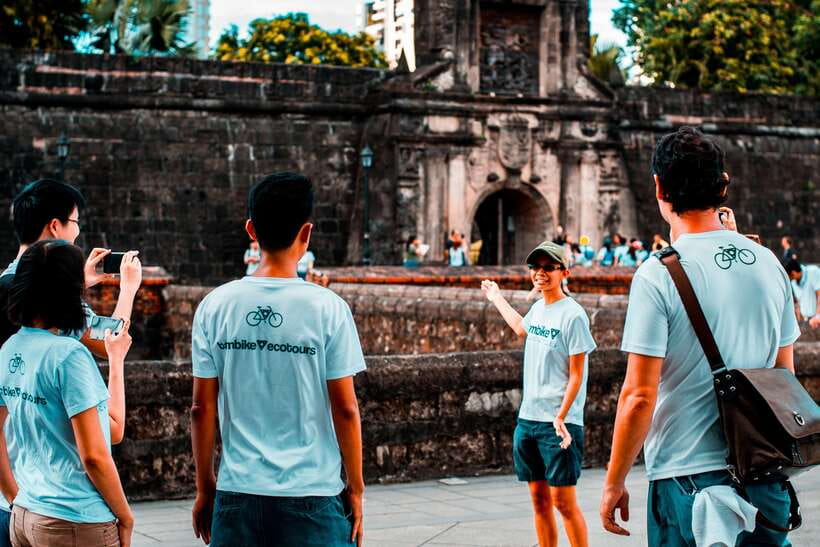
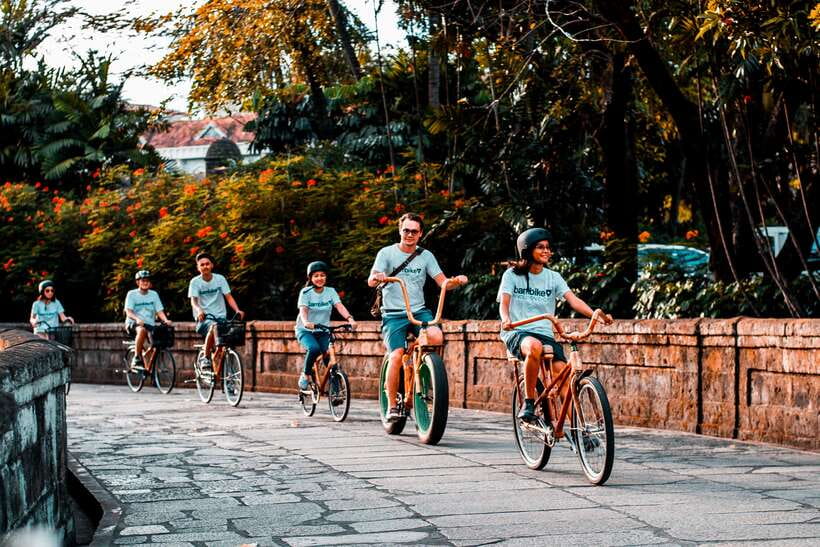
Intramuros is compact, but it can still wear you out—heat, sun, and lots of stops to hit. This tour solves that by putting you on a traditional bamboo bike designed for getting around the area efficiently. The benefit for you is simple: you can cover multiple major sites in a short window without turning your day into a long slog.
At the start, you pick a bike that fits you. The bikes are rented as part of your ticket, and helmets are included—important in any city and especially when streets get busy near landmarks. Many riders find the ride easy because the route is kept manageable, and you’re not expected to do anything athletic. One rider even noted the bikes are simple and may not have gears, which keeps things steady and avoids surprise steep efforts.
There’s also a practical advantage to bamboo bikes in places like Intramuros: they’re not flashy in a way that makes you feel like you’re in a stunt. They feel calm and functional, which helps you focus on the guided story rather than on controlling the machine. If you’re not super confident on two wheels, this kind of flat, paced route is usually where cycling tours shine—when the emphasis is safety and control, not speed.
You can also read our reviews of more tours and experiences in Manila.
The Tour Timing That Actually Works: 2 to 3 Hours, Multiple Must-Sees
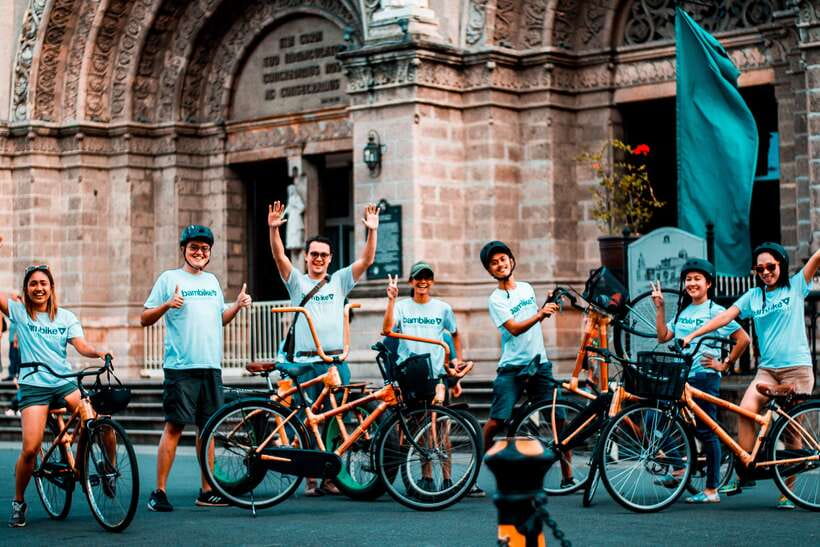
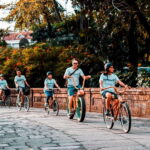
This is a 2–3 hour tour, designed for a loop through the most important historic zone. That time length matters because Intramuros sites are spread enough that walking all of them can turn into a tiring sprint, especially midday. With bike travel between stops, you keep your energy for the parts that require attention: the guided explanations, photos, and quick breaks.
You’ll also get structured downtime. There’s a break built into the ride, and there’s a short rest stop at a cafe you’ll be directed to. That matters because there’s no point in rushing when you’ll be walking a bit once you reach each landmark.
One more timing note: the tour includes guided tours at most stops, so you’re not just passing by buildings at a distance. You’re meant to slow down at each place long enough to understand what you’re seeing—Japanese cannon history, gateway importance, colonial-era significance, and the standout spots inside Fort Santiago and around San Agustin Church.
Japanese Cannon Stop: WWII History Without the Museum-Feeling Rush
Your tour begins with a guided stop at the Japanese Cannon, including about 15 minutes to hear the story. This is an Intramuros moment that feels grounded because it’s tied to the physical presence of wartime history in the district, including mention of a Japanese cannon used during World War II.
What I like about this start is that it gives you a framework fast. Before you move deeper into gates and churches, you understand that Intramuros isn’t only Spanish-era architecture—it’s also layered with 20th-century conflict. That makes the later stops easier to interpret because you’ll start noticing details and shifts in design and purpose.
A short guided stop can also be a plus if you’re the type who gets bored during long lectures. Here, the pacing is built so you get the key points and move on, instead of feeling stuck in one spot.
Puerta Real Gardens: Shade, Wildlife, and a Story in 30 Minutes
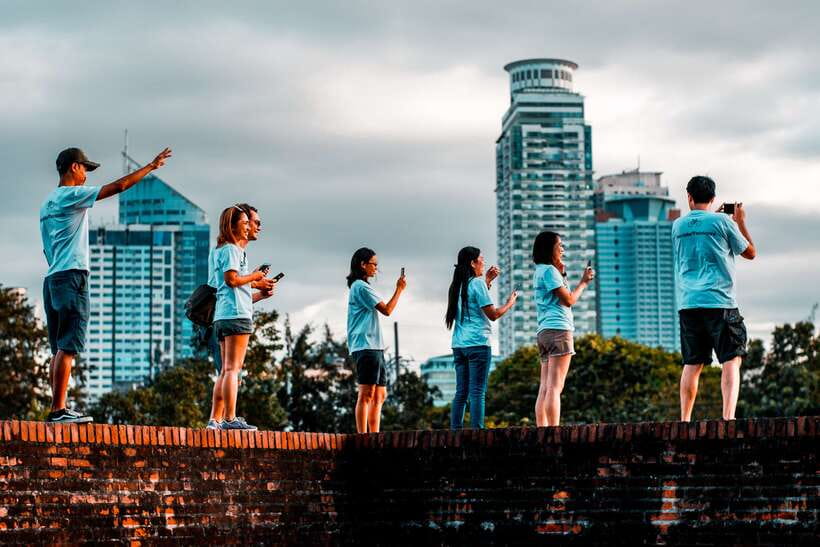
Next up is Puerta Real Gardens, where you’ll spend about 30 minutes on a guided stop. The setting helps a lot: you’re in a garden area surrounded by local fauna, so the history doesn’t feel abstract. It’s easier to listen when the environment isn’t a loud street corner.
This stop is also useful because Puerta Real is a gateway concept, not just scenery. You get explanations that connect the geography and entrances to how Intramuros functioned over time, which helps you understand why the walled city is laid out the way it is.
The only caution here is weather. Intramuros can be hot, and gardens won’t magically remove the sun. Still, the bike movement between stops plus the scheduled guided time makes this section feel balanced—enough quiet to focus, without lingering too long.
Puerta del Parian and the Quick Cafe Reset
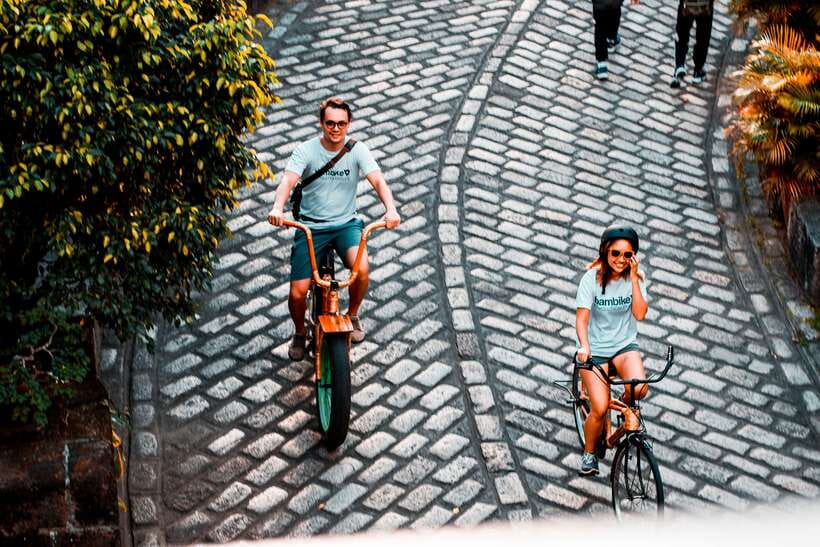
You’ll then visit Puerta del Parian, an early gateway to Intramuros, with about 15 minutes for a guided stop. This is the kind of location that becomes more meaningful once you hear what a gateway implies: movement, trade routes, access points, and the constant flow of people through city walls.
After that, you also get a cafe rest stop during the tour. In practical terms, that’s your chance to cool down and reset before the colonial center stops. One rider also emphasized that having water and asking where to grab a drink helped during humid days, so treat this rest time as your mini strategy session.
If you’re trying to keep your tour experience smooth, don’t skip the short pause. You’ll be happier at the cathedral and plaza stops because you won’t feel like you’re running on fumes.

Manila Cathedral and Plaza de Roma Area: Spanish Colonial Center Energy
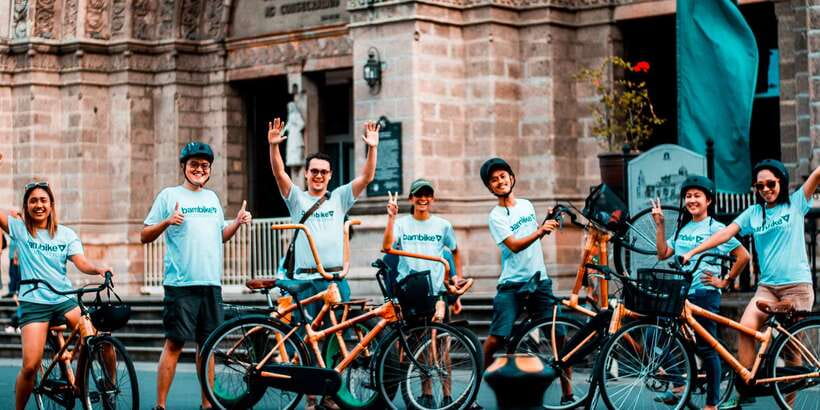
Then comes the Manila Cathedral and Plaza de Roma area, with guided time included (about 15 minutes). This is the historic center of Spanish colonial times in Manila, so you’re hitting a major “anchor” stop in the loop.
I like this section because it connects the physical landmark with the broader story of colonial-era power. The cathedral isn’t just a photo moment here—you’re guided to notice what makes it important in the context of Intramuros.
You’ll also refresh during the tour. The tour includes a cold towel and ice cream after the tour ends, and the overall plan is set up so you have a cooling moment rather than suffering through the last stretch while overheated.
Fort Santiago by Bike: Longer Time for a Big Stop
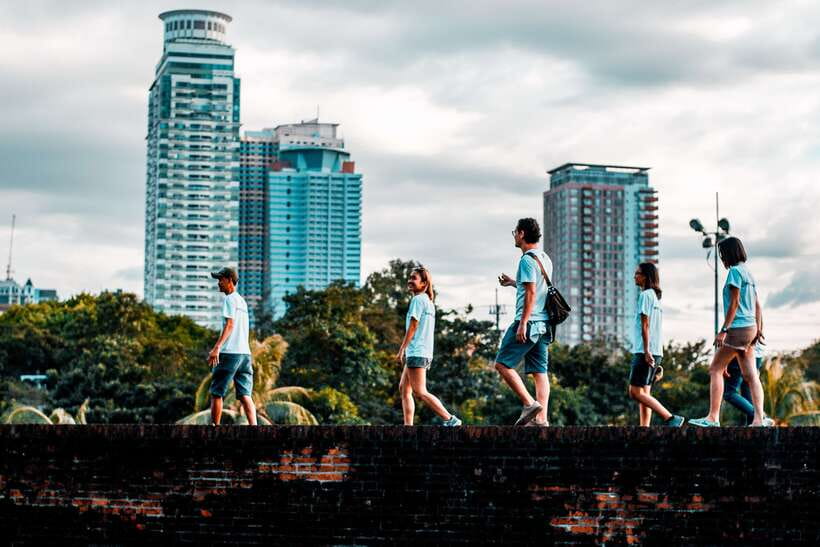
Fort Santiago is where the tour slows down. You’ll get about 45 minutes here, combining guided exploration with a bike portion to reach and move through the area. This longer time makes sense because Fort Santiago is one of the district’s most significant historic sites, and it’s also the kind of place where a guided narrative helps you connect the dots faster.
In plain terms, Fort Santiago is the kind of stop where you can waste time wandering if you don’t have a guide. The guided part keeps you oriented and helps you connect why the fort matters to Manila’s story, including how the walled city evolved.
A small group setup also helps here. You’re not stuck behind a crowd trying to hear your guide. Instead, the structure gives you enough time to take in the space, ask questions, and still finish the tour before you’re exhausted.
San Agustin Church: Short, Meaningful, and Easy to Pair With Photos
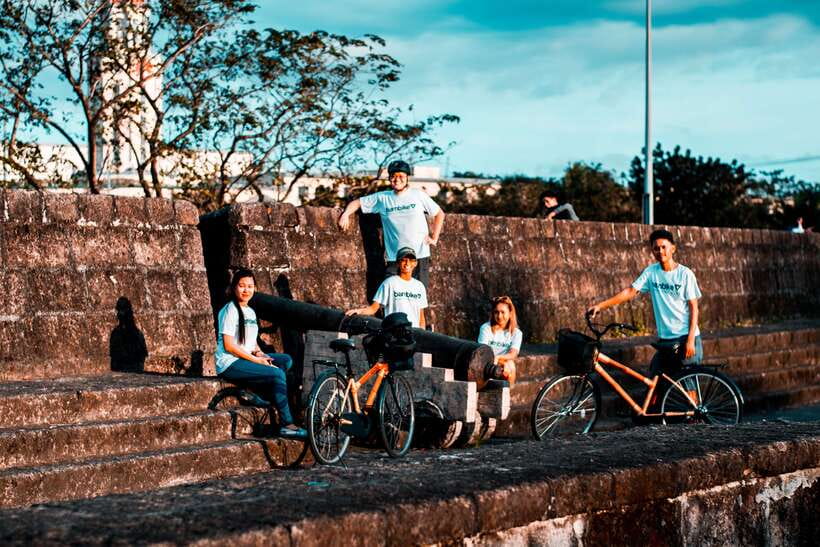
After Fort Santiago, you’ll visit San Agustin Church with about 15 minutes of guided time. Even with a shorter stop, this church matters because it gives you a strong religious and architectural contrast to the military focus at the fort.
This is also where the tour’s photo rhythm helps. Multiple riders noted photo help at stops, and because you’ll likely have moments to step aside briefly, you can get images without feeling like you’re constantly late to the group.
The pacing here is ideal if you want meaningful information without feeling locked into a long tour that turns into museum fatigue.
Guides Who Actually Explain: From Josh to Prime, Paolo, Chi, and JD
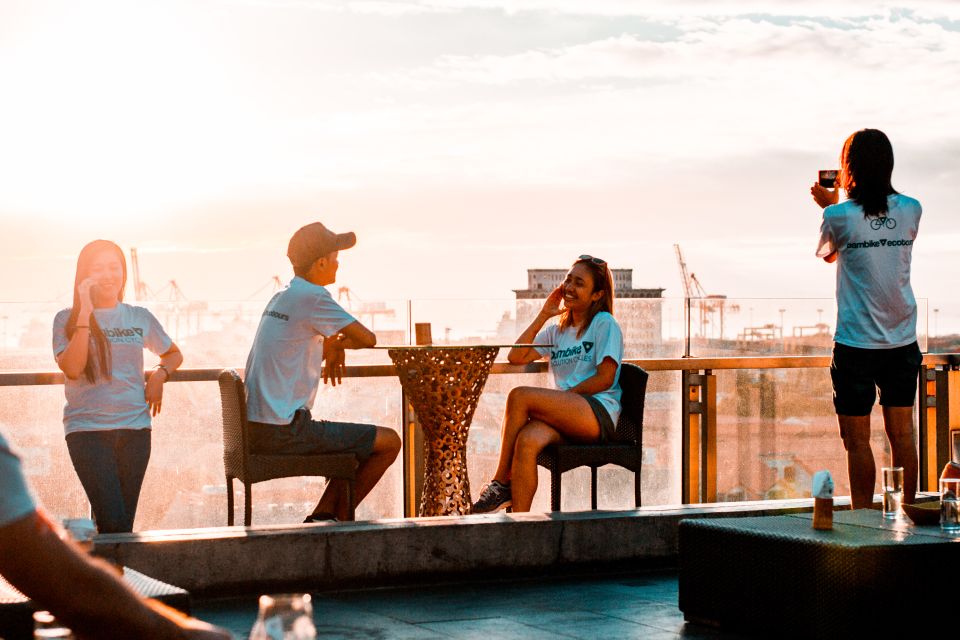
This tour leans hard on storytelling, and you should treat the guide quality as the heart of the experience. The company describes 10+ years of sustainable storytelling in Intramuros and positions the guides as academic-style explainers. In the same spirit, riders praised specific guides by name: Josh, Prime, Paolo, Chi, JD, Jenjie, and others.
What makes this valuable for you is how guides keep the information tied to what you’re looking at right now. Instead of a generic walking lecture, the talk feels connected to gates, courtyards, and forts—so the history clicks.
You’ll also see safety and organization in the way guides manage the ride. Some riders specifically mentioned help controlling traffic for safety and a team that kept everyone moving at a comfortable pace. That’s not just nice to have. When streets get busy near landmarks, good on-the-road attention turns a fun idea into a smooth afternoon.
And yes, there’s humor sometimes. Several reviews described guides as engaging and even funny, which helps if you’re not trying to memorize dates.
What’s Included vs. What You Should Budget For
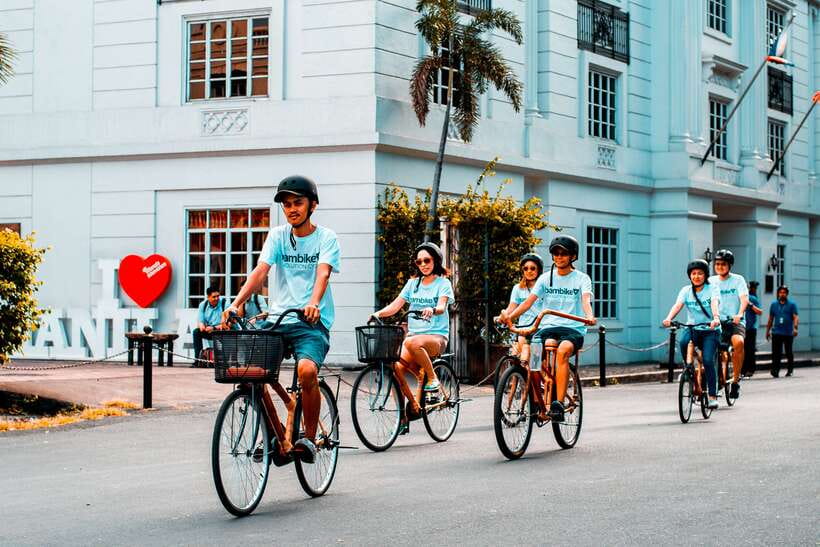
Your ticket includes a lot of the “annoying” parts that add up fast when you do it alone: a local guide, bamboo bicycle rental, helmets, rain ponchos if needed, and entrance fees. That means you’re not hunting down separate admissions tickets while also trying to keep your day moving.
What’s not included is hotel pickup and drop-off. In other words, you’re responsible for getting to the meeting point in Intramuros. The meeting point may vary depending on your option booked, but it’s tied to Bambike Ecotours Intramuros.
You’ll also want to plan for personal comfort costs. Bring sunscreen and comfortable clothes, and expect to want water during the ride. The tour doesn’t position itself as a full-day hydration plan; riders highlighted the hot conditions and the need to ask about drinks when necessary.
Comfort Tips That Make the Ride Better
This is an outdoors tour that runs in all weather conditions except tropical storms. That means you should dress for real life: sun, heat, and occasional rain minutes. Rain ponchos are included, but you’ll still want comfy layers and good footwear because you’ll be stepping in and out at each historic stop.
Bring:
- Comfortable shoes
- Sunscreen
- Comfortable clothes
A smart move is to travel with extra sun and bug protection. One rider mentioned the team carried insect repellent and sunscreen as backups, and another gave practical advice like bringing a sweat towel and having water ready. Even if the team helps, your best comfort comes from being prepared.
Bike comfort details can also help. One rider noted having a bike with a kickstand, and another mentioned options like bikes with baskets or types suited to kids. If you have a preference, say so when you arrive for bike selection.
Price Check: Is $27 Good Value for Intramuros?
At $27 per person, you’re buying more than a ride. You’re getting the bamboo bike rental, helmet, rain gear, entrance fees, and a guided narrative across multiple key landmarks. For you, that adds value in two big ways: time saved and meaning added.
Walking between these sites would mean more time in the sun and less guided interpretation. Here, the bike travel handles the distance, while the guide handles the context. That combo is the reason this tour tends to feel worth it even when you only have a short window in Manila.
One more practical value angle: the tour includes built-in breaks and a cooling finish with cold towels and ice cream. That’s not just sweetness. It’s part of why this doesn’t feel like a tough chore in the heat.
Who This Bamboo Bike Tour Fits Best
This tour is a solid match if you:
- Want a fast, low-effort way to see Intramuros highlights
- Like history explanations tied to real places, not just facts read from a sign
- Prefer a guided loop with short stops, photo moments, and built-in pacing
- Travel solo or in small groups and want an easy social structure
It’s also likely a good fit if you’re not an experienced cyclist. Riders described the route as flat and easy, and they highlighted that the pace is set for comfort rather than stamina.
Main limitations you should respect:
- Unaccompanied minors are not allowed
- Children ages 4–12 must be accompanied by an adult
- Infant seats for ages 2–4 are available on request
- The tour doesn’t run in tropical storms, though it operates in other weather conditions
Should You Book Bambike Ecotours in Intramuros?
Yes, if you want an efficient Intramuros experience that mixes major landmarks with guided explanations, this is a strong choice. The bike format is the point: it keeps you moving without turning the day into a sweaty walking marathon, and the guide stops are where you’ll get the story behind what you’re seeing.
Book this tour especially if your plan for Manila includes other neighborhoods and you only have limited time. Two to three hours is a sweet spot. You’ll finish with your energy intact, refreshed with cold towel service and ice cream at the end, and you’ll have a clearer sense of how Intramuros worked across different eras.
If you’re the type who hates any outdoor activity in strong sun or humidity, consider timing and preparation carefully. But if you can handle a couple of hours outdoors with sunscreen and water, this is one of the most practical ways to experience Intramuros without missing the big “must-sees.”
FAQ
How long is the Intramuros historical bamboo bike tour?
The tour lasts about 2 to 3 hours, depending on the starting time and the option you book.
How much does it cost?
The price is $27 per person.
What’s included in the price?
It includes a local guide, bamboo bicycle rental, helmets, rain ponchos (if needed), and entrance fees.
What is not included?
Hotel pickup and drop-off are not included.
Where do I meet the guide?
The meeting point may vary depending on the option booked, and the tour uses Bambike Ecotours Intramuros locations.
What languages are the tours in?
The tour guide speaks Tagalog and English.
Does the tour run in bad weather?
It operates in all weather conditions except tropical storm. Rain ponchos are provided if needed.
Are there age limits for kids or infants?
Unaccompanied minors are not allowed. Children ages 4–12 must be accompanied by an adult, and infant (age 2–4) seats are available on request if advised at booking.