REVIEW · MANILA
Manila: Intramuros, Chinatown, and Old Manila Half-Day Tour
Book on GetYourGuide →Operated by V.S Tour Services · Bookable on GetYourGuide
Manila feels like it runs on stories. This half-day route threads Tondo Market, Binondo Chinatown, and Intramuros’ walled city into one tight, moving experience—two things I really like are riding local transport (tuktuk, tricycle, jeepney) and seeing major Intramuros sites like Fort Santiago and San Agustin Church. One thing to plan for: it’s a lot of walking, and by the time Intramuros starts, you’ll feel it.
You’ll be guided in English by a team like Floyd, Venus, or Jane, who focus on what you’re seeing and how Manila works day to day. Wear comfortable shoes, and bring sun protection, because this is outdoors most of the time.
Key takeaways at a glance
- Tondo Market start gives you a real feel for daily life before the big landmarks
- Binondo (1594) Chinatown centers on Ongpin Street and familiar Filipino-Chinese symbols
- Intramuros walled-city focus hits Fort Santiago and major churches in a short window
- Public-transport mix (tuktuk, tricycle, jeepney) keeps the day from feeling like a bus tour
- Guides Floyd, Venus, and Jane earn repeat praise for steering groups safely and explaining Manila clearly
- Three hours of action makes this a smart first-day orientation, if you’re ready for walking
In This Review
- A Half-Day Route Through Old Manila’s Real Neighborhood Pulse
- Starting at Tutuban: How You’ll Meet the Guide
- Tondo Market: The City Before the Postcards
- Walking Tips for Tondo and the Busy Streets
- Binondo Chinatown and Ongpin Street: Manila’s Oldest Chinatown Energy
- Choosing What to Eat in Chinatown Without Overthinking It
- Entering Intramuros: The Walled Spanish City at Human Speed
- Fort Santiago and the Church Stops: What You Should Look For
- How the Tuktuk, Tricycle, and Jeepney Ride Changes the Day
- Price vs. Value: Is $68 Worth It?
- Who This Tour Fits Best (and Who It Might Not)
- What to Bring and How to Survive the Walking
- Guide Matters: Floyd, Venus, and Jane’s Different Strengths
- Should You Book This Manila Half-Day Tour?
A Half-Day Route Through Old Manila’s Real Neighborhood Pulse
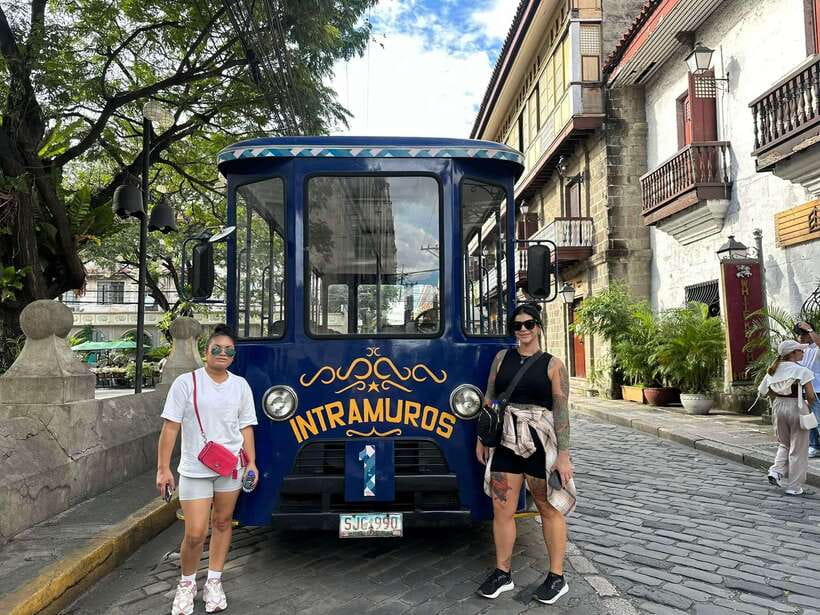
This is the kind of Manila tour that helps you get your bearings fast. Instead of only seeing monuments, you also see the working parts of the city—markets, streets, and neighborhoods—then you close the loop with Intramuros, the historic walled core where colonial Manila still shows.
The tour runs about 3 hours, and the pacing matters. You’ll walk through busy areas, then use local rides to cover ground, which is why the transport mix is such a big part of the value.
One more practical note: the provider is clear that the tour isn’t suitable for people over 95 years, so plan around that if you’re traveling with older family members.
Starting at Tutuban: How You’ll Meet the Guide
Your meeting point is easy to find on paper: Tutuban Center Mall, by the Bonifacio Monument, near the Lawson Convenience Store. The instruction is to ask security for help if you need it, which is helpful in a real-world way—malls can be confusing, especially when you’re trying to meet a group fast.
This setup matters because the day is time-sensitive. With only half a morning/afternoon window, you don’t want a slow start.
You can also read our reviews of more tours and experiences in Manila.


Tondo Market: The City Before the Postcards
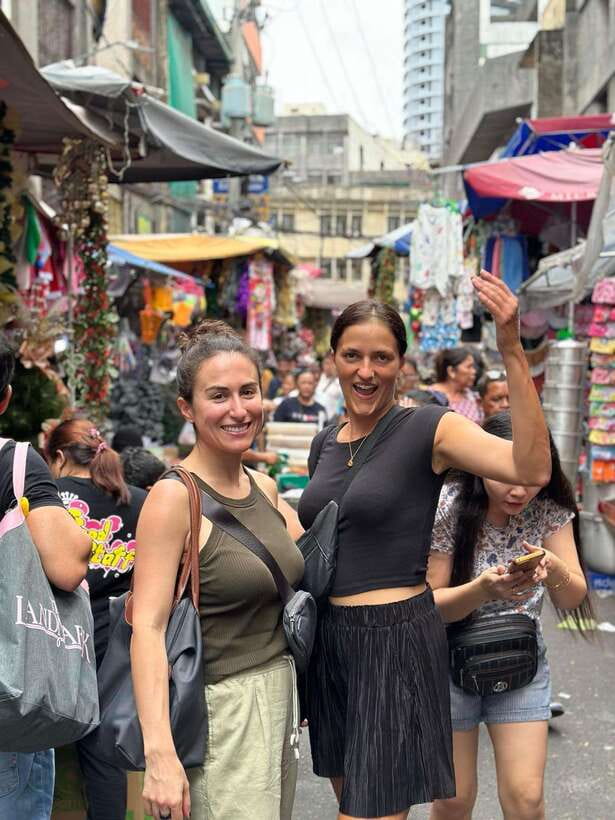
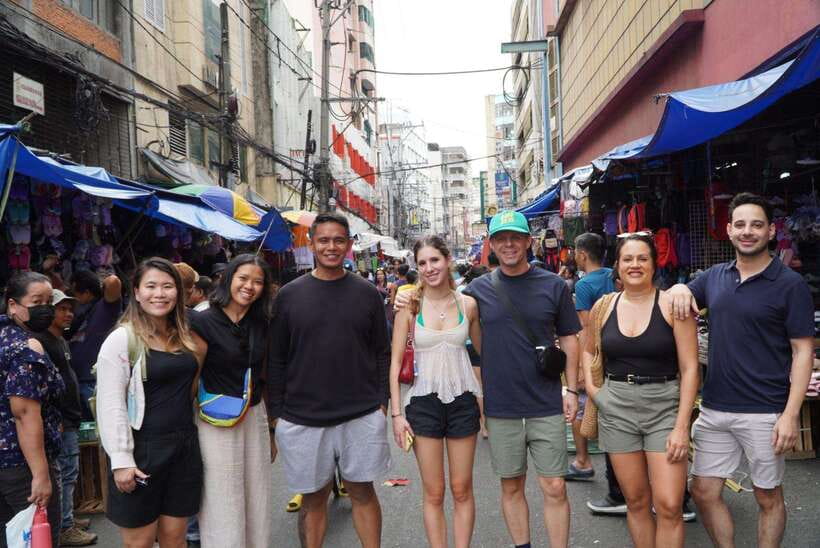
You begin at Tondo Market, where a local guide leads you through lively alleys and stalls. This part of the experience is valuable because it shows Manila as a living city first, history second.
Expect a focus on everyday food and produce—things like fresh goods, seafood, and local delicacies. More than the items themselves, I like that you’re moving through the lanes with a guide who can explain what you’re seeing instead of just pointing at displays.
Walking Tips for Tondo and the Busy Streets
This portion is where comfortable shoes earn their keep. You’re in and out of market lanes, and the ground can be uneven.
Bring sun protection too—there’s a clear list of what to wear: sun glasses, sunscreen, and a hat or cap. Even if the weather looks fine in the morning, Manila sun can still feel like a full contact sport.
Binondo Chinatown and Ongpin Street: Manila’s Oldest Chinatown Energy
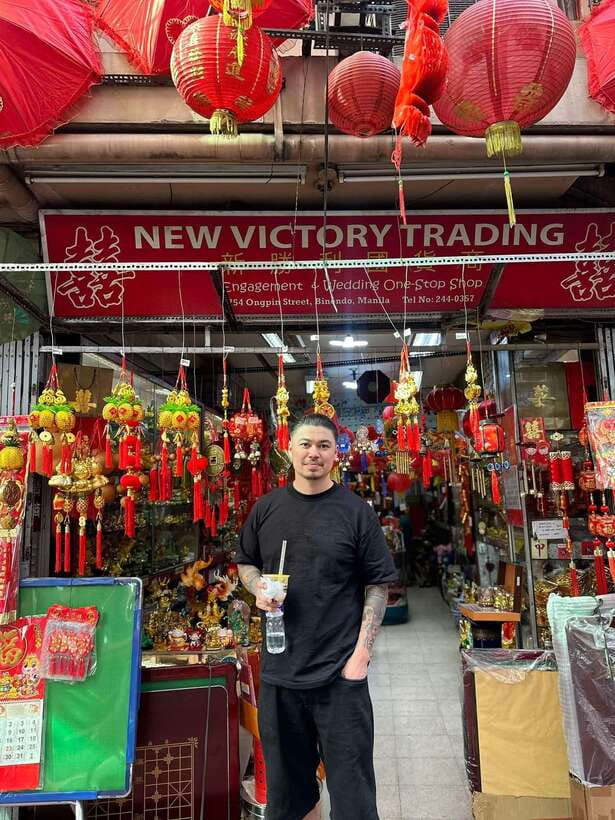
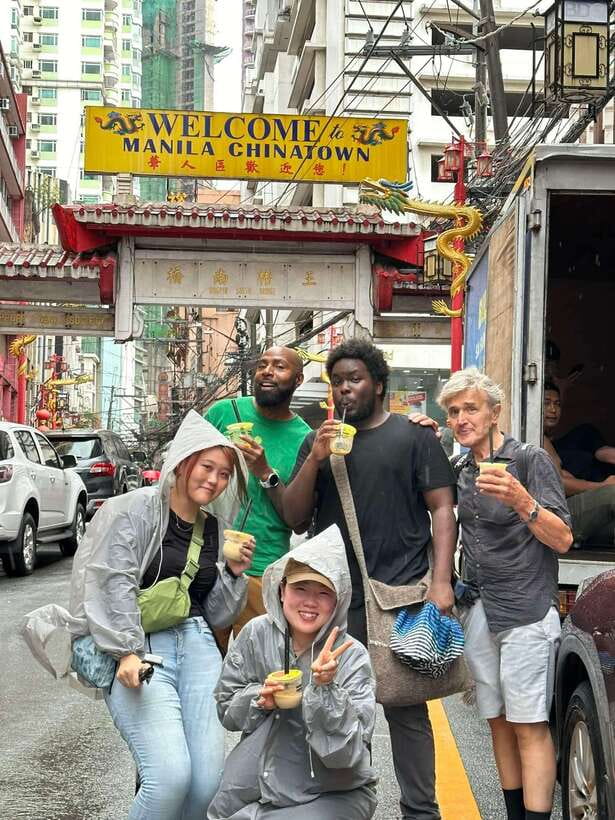
Next comes Binondo, described as the world’s oldest Chinatown, established in 1594. Binondo is where you shift from market life into a cultural corridor that still shapes Manila today.
On Ongpin Street, you’ll see the busy rhythm of a district with long Chinese-Filipino ties. Two specific landmarks that come up on this route are the Binondo Church and the Filipino-Chinese Friendship Arch, a photo stop with real meaning: it signals the connections that have lasted for centuries.
If you like street-level travel—people watching, shop-front details, and food smells that guide your path—this part is often the highlight for first-time visitors. It also helps you understand why Intramuros later feels like a separate chapter: different layers of Manila built at different speeds.
Choosing What to Eat in Chinatown Without Overthinking It
Food sampling is part of the experience, and some reviews point out there are plenty of good options. I’d treat this as a gentle food tour rather than a strict tasting menu.
A smart tip from the experience pattern: eat something before you’re too tired later. One traveler noted they regretted skipping coffee early, which is the kind of small choice that can snowball once Intramuros walking hits.

Entering Intramuros: The Walled Spanish City at Human Speed
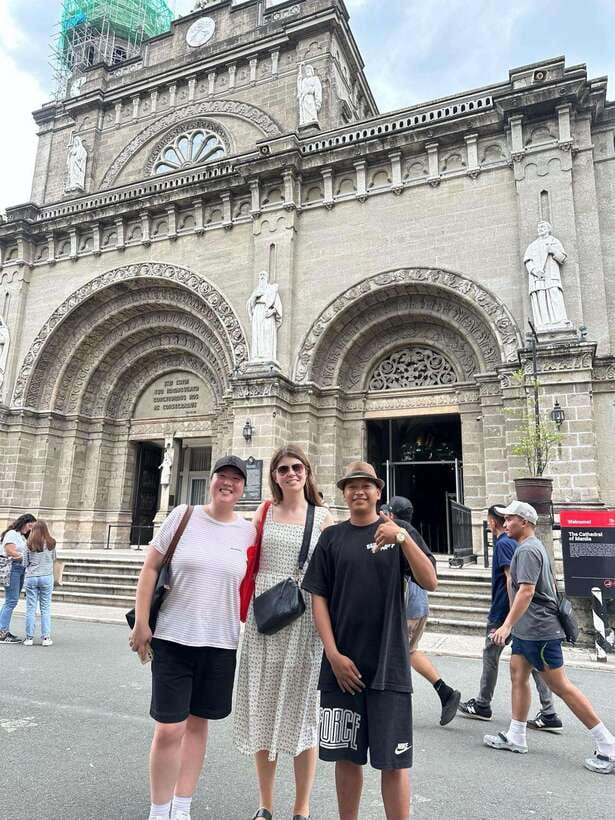
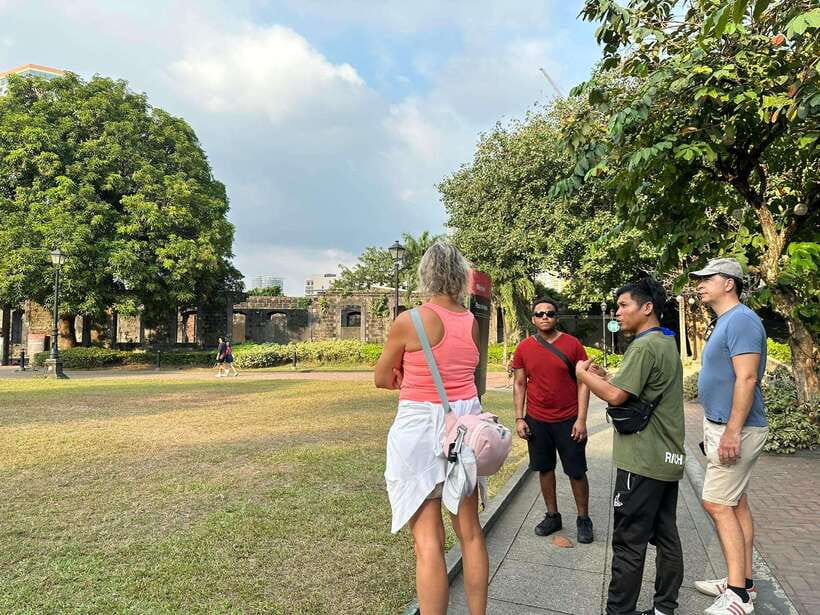
Intramuros is the big historical contrast. It’s Manila’s walled city, often called the Spanish city, with forts, churches, and cobblestone lanes that feel noticeably different from modern Manila streets.
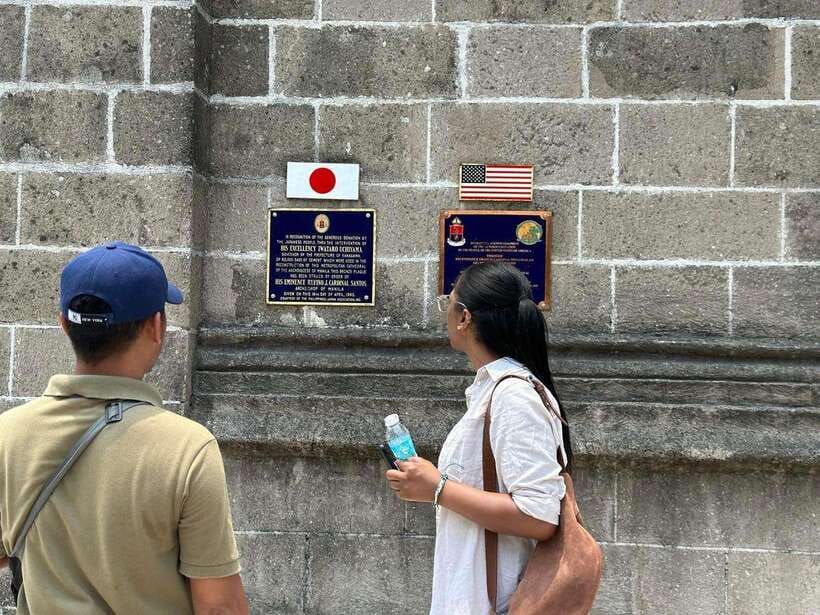
The tour’s Intramuros stops include several major sights: Casa Manila, San Agustin Church, and a Fort Santiago experience. It also includes key points like the Manila Cathedral area as part of the historic core.
Here’s why this works well for a half-day tour: Intramuros is easy to get lost in if you’re solo, and the tour gives you a line of sight to connect the places. Fort Santiago and the churches aren’t just pretty—they help you understand why this area became the core of colonial power and daily religious life.
Fort Santiago and the Church Stops: What You Should Look For
At Fort Santiago, you’re looking at a site tied to the city’s layered past, not just taking photos at a scenic wall. The “experience” piece matters because a guide can explain what you’re actually standing in front of.
Then there’s San Agustin Church, one of the oldest churches you’ll encounter on this route. For me, church visits in Intramuros are most meaningful when you treat them as architecture and atmosphere, not just must-see checkboxes. Slow down just enough to notice the materials and the way the space feels compared with the streets outside the walls.
How the Tuktuk, Tricycle, and Jeepney Ride Changes the Day
One of the most praised parts of this tour is transportation. You don’t just hop between sites—you move like local Manila moves.
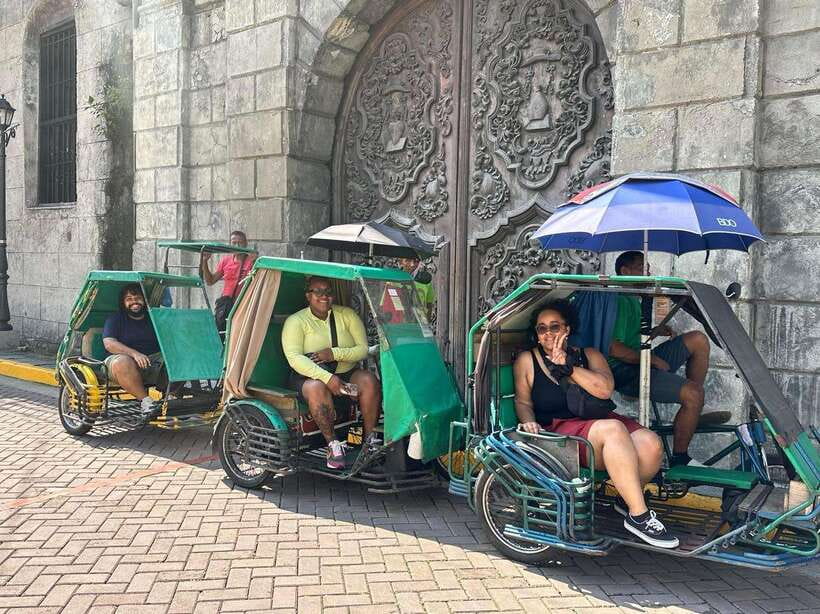
You can expect multiple ride types, including tuktuk, tricycle, and jeepney. Reviews repeatedly mention this as a highlight, mainly because it breaks the rhythm: short rides give your legs a rest, and you also get street views that you’d miss if you were only walking or using a private car.
There’s also a safety and comfort angle here. Guides like Floyd and Venus are specifically praised for making groups feel safe while navigating chaotic traffic and crowded areas.
Price vs. Value: Is $68 Worth It?
At $68 per person for about 3 hours, this isn’t the cheapest option—but it also isn’t paying for only one landmark. You’re buying three things that add up fast:
- Guided time through multiple districts (not just a single-site tour)
- Included refreshments
- Multiple local transport rides plus photography support
So the value equation is less about “price per stop” and more about how much ground you cover without turning it into a logistics headache. If you’re short on time in Manila, this style of tour can be a smart way to start.
One more value clue: English-speaking guides (Floyd, Venus, Jane are named often) help you connect what you see to why it matters. That’s the part you can’t easily DIY once you’re moving through busy markets and older neighborhoods.
Who This Tour Fits Best (and Who It Might Not)
This tour fits best if you:
- want classic Manila without spending a full day
- like street life as much as monuments
- are comfortable with outdoor walking and crowds
- want a first orientation before you explore more on your own
It may not be ideal if you:
- struggle with sustained walking (the tour is described as a lot of walking)
- need low-intensity pacing
- are traveling with someone who’s over 95 years, since the tour states it’s not suitable
What to Bring and How to Survive the Walking
Keep it simple. The tour’s own guidance is clear: comfortable shoes, sunglasses, sunscreen, and a hat or cap.
I’d also plan your day around snacks. Some people end up hungry once you’re done with Tondo and into Chinatown, and then you still have Intramuros after that. If you want coffee or a light pick-me-up, try to handle it earlier rather than waiting until you’re already tired.
Guide Matters: Floyd, Venus, and Jane’s Different Strengths
A lot of the praise in the experience centers on the guides by name.
- Floyd is frequently described as engaging, kind, and very helpful when groups face obstacles in crowded areas.
- Venus is praised for energy and for making the tour feel friendly and manageable, especially around busy times like near Lunar New Year when crowds are heavier.
- Jane is highlighted for Intramuros-focused knowledge, helping visitors connect history to what’s in front of them.
Even if you don’t get the exact same guide as someone else, the recurring theme is consistent: you’ll be led by people who know how to guide through real neighborhoods, not just read facts.
Should You Book This Manila Half-Day Tour?
Yes—if you want a high-effort, high-reward introduction to Tondo, Binondo Chinatown, and Intramuros in one sitting. Booking makes sense when you’re short on time, you’re staying somewhere that’s not near these neighborhoods, or you want an easy way to understand Manila beyond malls.
Skip it (or adjust expectations) if walking is a problem for you or if you prefer slow, sit-down sightseeing. The route is packed for 3 hours, and Intramuros arrives when your legs may already be tired.
If you’re going to do one “real Manila” sampler that mixes local market life, the oldest Chinatown energy, and the walled Spanish city, this tour is a solid choice.