REVIEW · SIEM REAP
Full-Day Guided Sunset Tour of Angkor Wat
Book on Viator →Operated by Angkor Wat Travel Tour · Bookable on Viator
Waking up for Angkor Wat is one thing. Finishing at sunset is the real payoff. This full-day guided route hits the big hitters of the UNESCO Angkor circuit, with an English-speaking guide keeping the day organized and your stops timed for best viewing. I also really like the human touches—cold water and cold towels—that make the long, hot hours feel manageable.
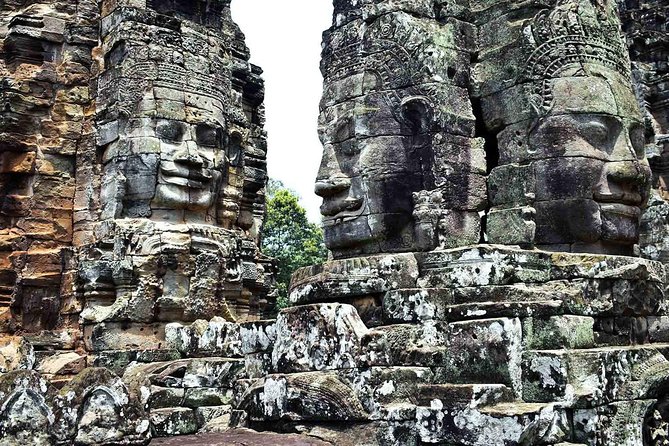
Two temple standouts make this tour feel worth it: Ta Prohm with the giant fig tree roots, and Bayon’s stone faces that change mood as the light shifts. The main downside to plan for is time. It’s an eight-hour day with walking and steps, and the schedule can get a little strained if lunch runs slowly.
In This Review
- Key Things I’d Watch Before You Go
- The Value: $19 for the Guide, Transport, and Sunset Timing
- Pickup in Siem Reap: How the Day Actually Starts
- Angkor Wat in the Morning: Why Going Early Helps
- Banteay Kdei: A Quieter Temple Mood Swing
- Ta Prohm: Giant Fig Trees and the Most Cinematic Setting
- Bayon Temple: Hundreds of Faces, Plus a Real Break
- Phnom Bakheng Sunset: The Climb + the Big Finish
- Price and Logistics: What You Should Budget for the Real Total
- Guides and Drivers: Why Names Matter Here
- How Hard Is It, Really? Walking, Heat, and Temple Steps
- Who Should Book This Tour (and Who Might Want a Different Plan)
- Should You Book This Full-Day Angkor Wat Sunset Tour?
- FAQ
- How long is the full-day guided sunset tour?
- What time does hotel pickup happen?
- Is the entrance ticket fee included?
- Does the tour include meals?
- What sites are visited during the day?
- Does the tour include a sunset viewing?
- What group size is the tour limited to?
- What is the cancellation policy?
Key Things I’d Watch Before You Go
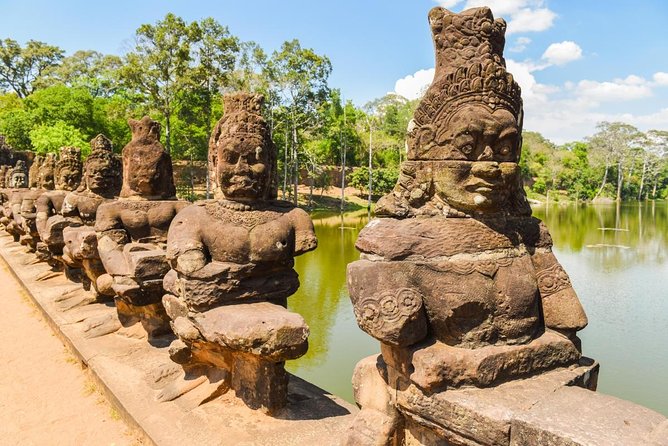
- Small group size (max 15) keeps questions easy and pacing comfortable
- Pickup window (8:30–9:00 AM) helps you start without stress
- Cold water and cold towels matter in the Cambodian heat
- Ta Prohm + Bayon give you two different temple atmospheres in one day
- Phnom Bakheng sunset is the day’s big visual finish, with real climbing involved
- Entrance ticket ($37) is extra, so budget for the full total
The Value: $19 for the Guide, Transport, and Sunset Timing
This tour is priced at $19 per person, and the deal is pretty clear once you separate what’s included from what isn’t. You’re paying for an English guide, air-conditioned transport, and the structure that gets you from site to site without wasting time figuring things out. The expensive part—temple entrance tickets—is not included, listed at $37 per person.
If you’re doing Angkor Wat the easy way, this setup helps. A guide saves you from the mental math of where to go next and how long to stay. Plus, the schedule is built around the day’s climax: ending at the temple-mountain area for sunset views.
You can also read our reviews of more tours and experiences in Siem Reap.

Pickup in Siem Reap: How the Day Actually Starts
Your morning begins with hotel pickup between 8:30 AM and 9:00 AM. The tour runs about 8 hours, so you’re not just doing a quick temple hop—you’re committing to a full day that includes a meal break and the sunset climb.
The ride is air-conditioned, which sounds basic until you’ve spent a few hours in the heat of Siem Reap. You’ll also get cold water and a cold towel during the day, and that’s the kind of included comfort people are grateful for when the temples start stacking up.
A small detail that matters: the group is limited to 15 travelers max. That usually means fewer delays when everyone has to move together and more breathing room for questions.
Angkor Wat in the Morning: Why Going Early Helps
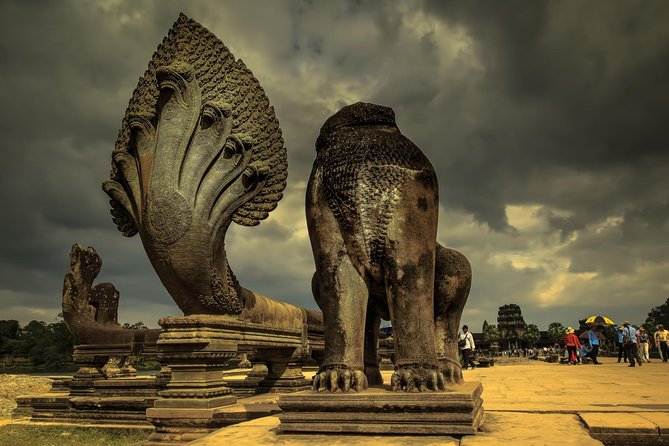
Angkor Wat is the first stop, and you start here in the morning rather than the afternoon. That timing matters because the complex is enormous, and you’ll want enough energy to see the key areas without rushing. The tour is designed so you don’t spend half the day orienting yourself in the biggest archaeological site on the planet.
You’ll get a guide-led walkthrough with history and context along the way. And based on how the best-rated guide days describe the experience, the pacing aims to keep you at each major point long enough to absorb what you’re seeing, then move on before the light shifts too far.
One practical note: Angkor Wat is a place where respect matters. You should plan to dress appropriately—one review specifically calls out covering knees and shoulders.
Banteay Kdei: A Quieter Temple Mood Swing
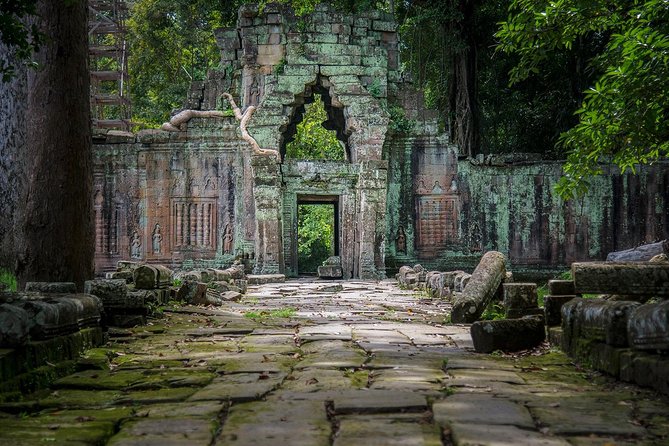
Next comes Banteay Kdei, built by King Jayavarman VII in the late 12th century. The attraction here is that it’s not a polished “showpiece” feel. It’s described as expansive and largely unrenovated, and it served as a monastic complex.
This stop is a nice contrast after Angkor Wat. Angkor Wat can feel grand and formal. Banteay Kdei tends to feel more lived-in and rough at the edges, which is exactly what you want when you’re trying to understand how these spaces functioned, not just how they photographed.
Time here is shorter—about 45 minutes—so treat it as a focused visit rather than a long wander.
Ta Prohm: Giant Fig Trees and the Most Cinematic Setting
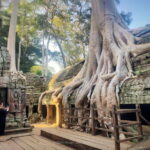
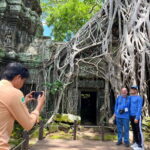
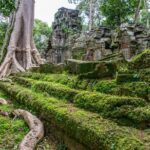
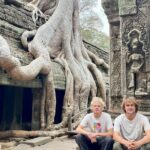
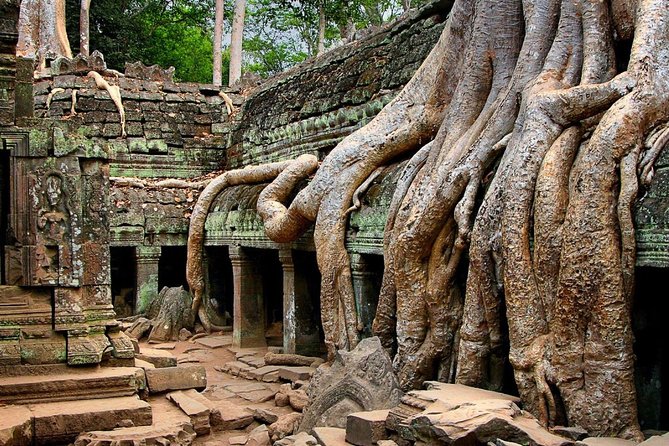
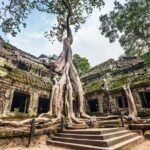
Then you roll into Ta Prohm, famous for the giant fig trees and the way their roots have intertwined with the temple. This is the stop where the tour description turns into reality fast: it’s striking, weird, and unforgettable in person.
The time here is about 1 hour, and that’s a good amount for Ta Prohm. The place invites slow looking, but you also don’t want to get stuck too long because the day still has Bayon and the sunset climb.
One of the reasons this stop keeps earning perfect ratings is simple: it’s visually dramatic, and the guide’s explanations help you understand why the temple looks the way it does—especially how the roots and ruins became part of the story.


Bayon Temple: Hundreds of Faces, Plus a Real Break
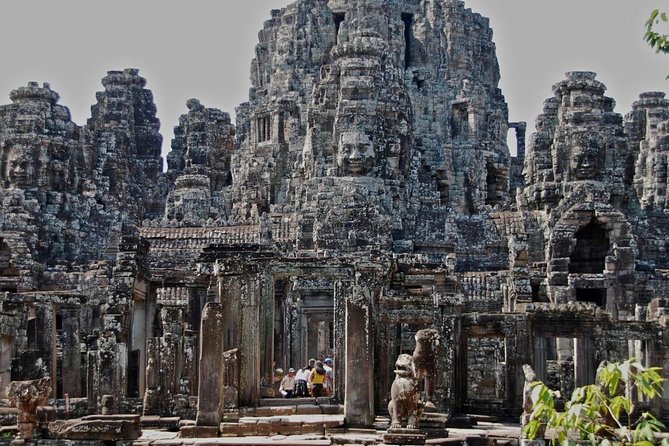
After lunch, the itinerary moves to Bayon Temple, known for Buddhist architecture and those hundreds of stone faces. You spend about 1 hour here, which is just enough time to appreciate the repeating faces from different angles and not feel like you’re sprinting.
Lunch is part of the flow, but here’s the trade-off. Meals are not included in the tour price, and one review notes that lunch service can be slow, which can put you slightly behind schedule. That doesn’t mean the tour falls apart—it just means you should expect a “real day” rhythm, not a machine with perfect timing.
Still, Bayon is worth the full hour. The faces and the geometry create a different feeling than Ta Prohm, and the guide’s temple history adds context so you’re not just scanning for the best photo spot.
Phnom Bakheng Sunset: The Climb + the Big Finish
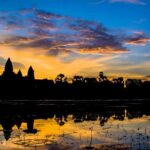
The final stop is Phnom Bakheng, described as the state temple of the first Khmer capital, and it’s where you witness sunset. This is your last stretch for a reason: the view from here is meant to be the emotional finish.
Expect stairs. The itinerary says you’ll ascend steps, and sunset viewing at Phnom Bakheng isn’t a sit-and-watch situation. Bring patience for the slow part of the climb, especially if it’s crowded around the best vantage points.
This is also where the included comforts earn their keep. With heat and walking building up through the day, the cold water and cold towel breaks are the difference between powering through and feeling wiped.
From a practical perspective, guides in this tour are praised for helping people take photos well. Some reviewers even call out guide photography help, so if photos are a priority for you, it’s reasonable to ask for a couple of photos at the key moments.
Price and Logistics: What You Should Budget for the Real Total
Let’s do the real math. The tour price is $19, but temple entrance tickets are $37 per person, and meals aren’t included. That means your true budget is higher than the headline price, and you’ll want to plan for it.
A helpful detail: one review notes you can buy the entrance ticket at the main office if you forget to purchase ahead of time, since the first stop is the office area. They also mention that one ticket covers all the temples in the route, so don’t lose it once you have it in hand.
Also pay attention to clothing rules. Covering knees and shoulders is specifically mentioned as respectful temple practice, and it’s smart for your comfort too—temples don’t care that you’re on vacation; they care about your shoulders.
Guides and Drivers: Why Names Matter Here
The experience lives or dies by the person guiding it, and this tour has a strong pattern in the reviews: certain guides get named again and again.
David comes up repeatedly, praised for punctuality, high energy, and keeping the day on schedule without making it feel rushed. Reviews also highlight Mr Bond (the driver) for consistent cold water and cold towels during the ride.
Other names also show up with strong feedback, including Mr Rith, Paul, Mare, Huot, Rey, and Chhun. The common thread isn’t just knowledge—it’s pacing. The guide role here is about timing, explanations that make the ruins make sense, and helping you move through a massive site without losing the plot.
If you have a favorite guide name from what you’re reading, it’s worth checking whether you can request them through the provider, since some reviewers specifically mention better experiences with certain guides.
How Hard Is It, Really? Walking, Heat, and Temple Steps
Most people can do this tour, and it’s rated as broadly suitable. The itinerary is structured around multiple stops and includes a stair climb at Phnom Bakheng, so it’s not “sit on a bus all day.” Think of it as moderate walking with a big historical payoff.
The other reality is heat. One review mentions a day with temperatures around 88°F, and the tour includes cold water and cold towels to counter that. That doesn’t erase the heat, but it does help you stay functional long enough to enjoy the final sunset moment.
If you’re sensitive to long days, this is the one area where you should be honest with yourself. The schedule is full, and one review even calls it a bit long.
Who Should Book This Tour (and Who Might Want a Different Plan)
You’ll likely love this tour if you want a day where the big temples are handled in one loop, with guide-led context and sunset as the finale. It’s also a good fit if you’re short on time in Siem Reap and don’t want to spend hours building your own temple route.
You might skip it (or look at a lighter option) if you prefer unstructured wandering and lots of free time at each stop. This tour aims for coverage, and that means fewer long, slow detours.
Should You Book This Full-Day Angkor Wat Sunset Tour?
Here’s my take: yes, if you want a well-paced Angkor Wat day with sunset built in. The value works because you’re paying for the guide, transport, and timing that gets you to the right moments without fuss. The inclusion of air-conditioning plus cold water and towels is a big deal for comfort.
Before you commit, do two things. First, budget for the $37 entrance ticket and remember meals are not included. Second, plan your clothing around temple rules—cover knees and shoulders—so you don’t get delayed or uncomfortable.
If you want Angkor Wat without the stress of figuring it out on your own, this is one of the simpler ways to do it. And when you’re standing at Phnom Bakheng for sunset, the whole long day starts making sense.
FAQ
How long is the full-day guided sunset tour?
The tour runs for about 8 hours.
What time does hotel pickup happen?
Pickup is offered between 8:30 AM and 9:00 AM.
Is the entrance ticket fee included?
No. Entrance tickets are not included and are listed as $37.00 per person.
Does the tour include meals?
No. Meals (breakfast, lunch, and dinner) are not included.
What sites are visited during the day?
You’ll visit Angkor Wat, Banteay Kdei, Ta Prohm, Bayon Temple, and Phnom Bakheng.
Does the tour include a sunset viewing?
Yes. The itinerary ends at Phnom Bakheng to witness sunset.
What group size is the tour limited to?
The maximum group size is 15 travelers.
What is the cancellation policy?
Free cancellation is offered up to 24 hours in advance for a full refund. If you cancel less than 24 hours before the experience starts, the amount paid is not refunded.