REVIEW · SIEM REAP
2-Day Angkor Wat With Small, Big Circuit and Banteay Srei Tour
Book on Viator →Operated by Happy Angkor Tour · Bookable on Viator
Angkor feels calmer with two full days. This private 2-day Angkor Wat tour is built for people who don’t want to sprint through the UNESCO site, with Small Circuit temples on day one and the Big Circuit plus an early Angkor Wat sunrise on day two. I like how the plan gives each stop a real rhythm, so the stories and carvings have time to land.
What I really like is the support system around your visit. You’re picked up and dropped back at your hotel in an air-conditioned vehicle, and you get cold water and cool wet towels at the right moments, which matters in the Angkor heat. Many guides paired with this tour, including names like Jimmy, Chay, Vanna, and Thean, are praised for clear English and for pointing out smart photo spots while keeping things organized.
The only real drawback to weigh is the effort and timing. You’ll start early twice (including a 5:00am sunrise), and there’s a lot of walking and stairs, plus Phnom Bakheng involves a climb and possible waiting. If you’re sensitive to heat, fatigue, or early mornings, plan your day carefully.
In This Review
- Key points
- Why this two-day circuit combo works better than rushing
- Day 1 (Small Circuit): from Angkor Wat landmarks to Ta Prohm’s roots
- Angkor Wat (morning light, deep details)
- Ta Prohm: the jungle-root temple people remember
- Ta Nei: smaller, quieter, and better for avoiding crowds
- Angkor Thom highlights: Victory Gate, Bayon, and the royal circuit
- Terrace of the Elephants and Terrace of the Leper King
- Phnom Bakheng: sunset-ready, but plan for the climb
- Day 2 (Big Circuit): Angkor Wat sunrise plus the classic ruin run
- Preah Khan: a huge monastic temple built for family ties
- Neak Pean and Ta Som: smaller stops that reset your eyes
- Eastern Mebon and Pre Rup: temple-mountains and funeral symbolism
- Banteay Srei after lunch: pink sandstone as the final reward
- Guide and driver setup: what private really means here
- Price and logistics: how the value pencil out
- Practical tips so your feet and brain stay happy
- Should you book this 2-day Small/Big Circuit with Banteay Srei?
- FAQ
- What’s included in the tour price?
- What’s not included in the price?
- Do I need to buy the temples pass?
- What are the start times for each day?
- Is transportation private?
- Is the sunrise and sunset part optional?
Key points
- Small + Big Circuit in two days so you see more than the highlights
- 5:00am Angkor Wat sunrise for the early-light version of the most famous temple
- Ta Prohm and Ta Nei contrast between jungle-root drama and quieter ruins
- Phnom Bakheng sunset option with a note about limited tourist numbers
- Banteay Srei after lunch to close with the pink sandstone “Ladies’ Temple”
- Hotel transfers and a licensed English guide with air-con and cooling breaks
Why this two-day circuit combo works better than rushing
Angkor Wat is the headline, but the real magic comes from context. When you do both circuits properly, you start noticing patterns: how kings used space for ceremony, how Hindu and Buddhist meanings changed over time, and how different temple layouts served different ideas about the world.
This tour’s structure helps you get that context without losing your place. Day one leans toward the Small Circuit, including the jungle-root feel of Ta Prohm and the quieter, less restored Ta Nei. Day two switches to the Big Circuit, starting with the sunrise atmosphere at Angkor Wat, then working through a classic run of monuments in and around the Angkor archaeological zone.
And since this is private, you’re not forced into a one-size-fits-all group pace. You can ask questions as you go, and your guide can keep you moving in a way that matches your energy level. That’s a big deal at Angkor, where a wrong timing choice can mean peak crowds and photo angles you can’t fix.
You can also read our reviews of more tours and experiences in Siem Reap.
Day 1 (Small Circuit): from Angkor Wat landmarks to Ta Prohm’s roots
Your day begins with pickup from your hotel around 8:00am. The tour also helps you handle the temples pass on the way, which is useful because it’s one less admin step when you’d rather be walking toward the ruins. Note that the Angkor pass itself is not included in the tour price.
Angkor Wat (morning light, deep details)
Angkor Wat is the perfect opener because everything else starts to make more sense after you’ve seen the layout clearly. Expect a focused visit designed to let you look longer than a quick photo stop, and to understand why this temple’s design became so influential.
Even though sunrise is saved for day two, this morning visit still gives you strong lighting for photos and time to appreciate the carved surfaces without feeling like you’re fighting the clock.
Ta Prohm: the jungle-root temple people remember
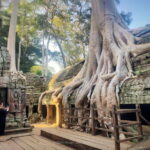
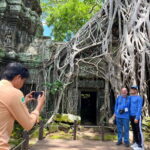
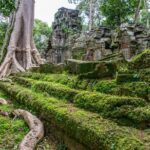
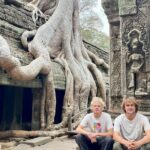
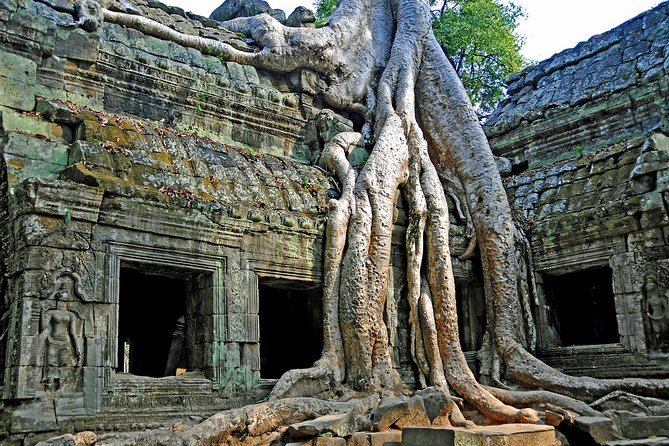
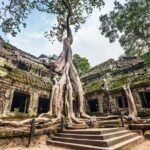
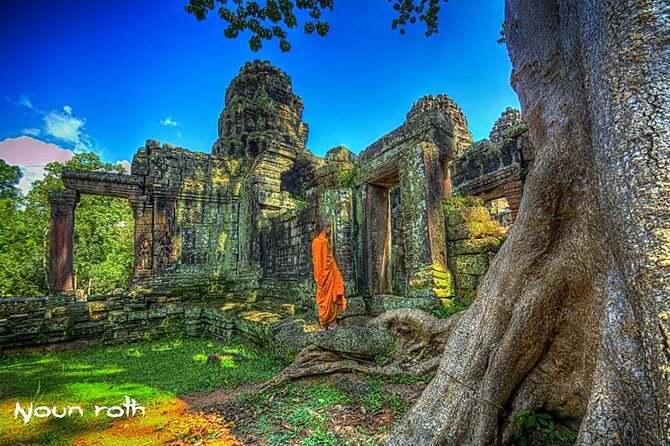
Next is Ta Prohm, where huge tree roots tangle into the temple structure. It’s the place with cinematic energy, and the tour keeps time here so you can walk slowly, look up, and understand why the ruins feel so alive.
Practical tip: keep a close eye on your footing. Rooted stone areas can be uneven, and you’ll appreciate having stable shoes after a hot morning.
Ta Nei: smaller, quieter, and better for avoiding crowds
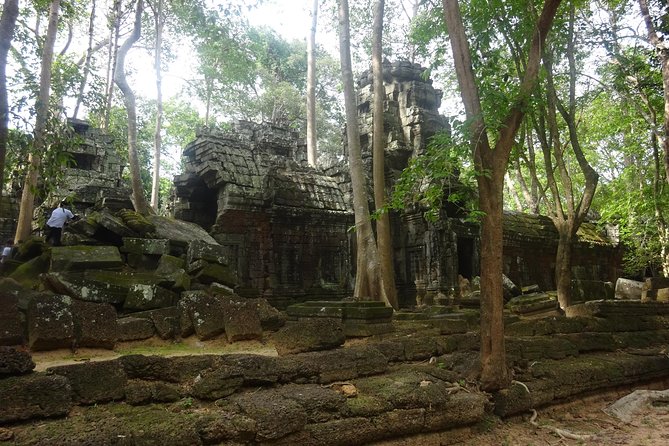
Ta Nei is a shorter stop, but it plays a smart role. It’s described as smaller and with less restoration than some of the big names, and it’s a good choice if you want a calmer moment away from the main flows.
If you like ruins where you can still feel the texture of the stone and the quiet, Ta Nei is your release valve.

Angkor Thom highlights: Victory Gate, Bayon, and the royal circuit
After Ta Nei, the route heads into Angkor Thom’s core areas:
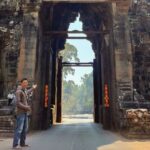
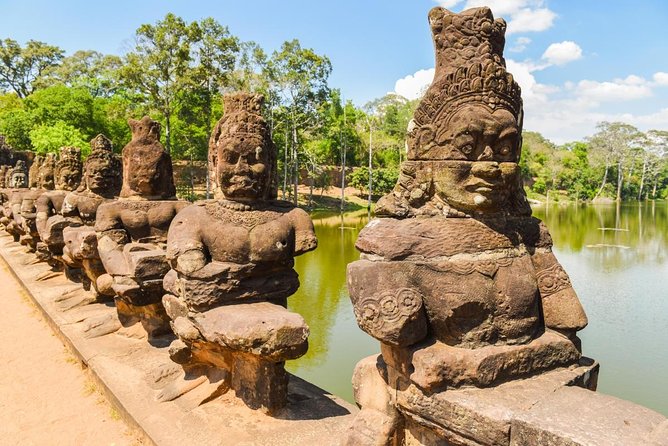
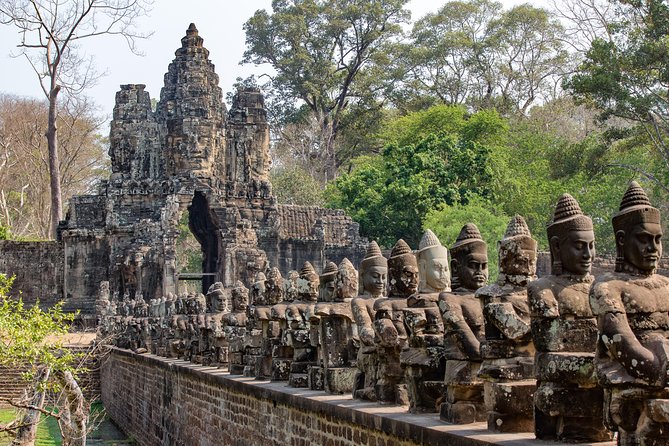
- Victory Gate on the east side, with quick photos and a scenic entry moment
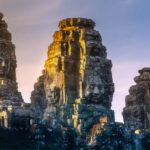
- Bayon Temple, known for the 49 towers and the faces of Avalokiteshvara on each tower
- Baphuon, a Hindu temple with a reclining Buddha behind it
- Phimeanakas and the surrounding royal wall area, centered on a pyramid-like temple in the old palace complex
This cluster is where your guide’s explanations matter most. Without context, these stops can blur together. With context, you start connecting the dots between religion, power, and the way stone was shaped to communicate.
Terrace of the Elephants and Terrace of the Leper King
Then you’ll pass the platform areas:
- Terrace of the Elephants, historically used by kings to view victorious returning armies, with elephant carvings
- Terrace of the Leper King, another nearby platform with its own set of carved narratives
These stops are short, but they’re visually rewarding because they shift from “big monument” scale into storytelling details on the walls.
Phnom Bakheng: sunset-ready, but plan for the climb
The day finishes at Phnom Bakheng, where the tour notes a sunset-view option. It also flags a limited number of tourists, which often means timing and waiting can affect your experience. If you don’t want to stand around, you can skip the sunset element and still enjoy the temple views.
This is one place where your guide’s pacing and advice really help. If you’re tired, it’s smart to ask whether the best choice is to climb, linger, or step back and view what you can without burning your energy.
Day 2 (Big Circuit): Angkor Wat sunrise plus the classic ruin run
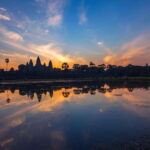
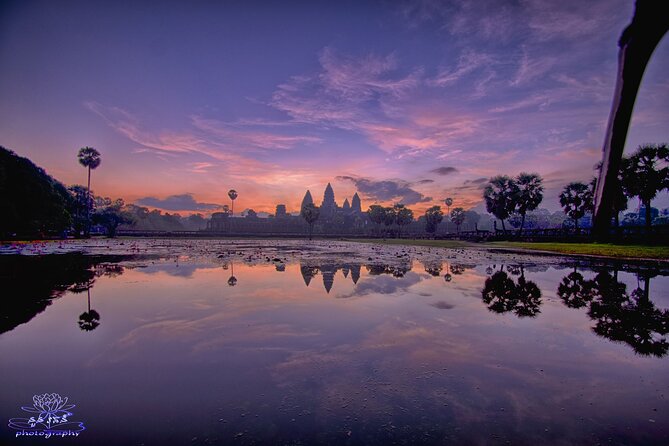
Your second morning begins even earlier, with pickup around 5:00am to watch sunrise at Angkor Wat. Sunrise at Angkor is one of those experiences where timing beats perfection. Even if the sky doesn’t cooperate perfectly, the early atmosphere and the light on the stone are a real payoff, and it’s a big reason people choose a two-day plan.
After sunrise, the tour goes into the Big Circuit temples across the day. This is where you stop treating Angkor Wat as a standalone site and start seeing the wider system.
Preah Khan: a huge monastic temple built for family ties
Next is Preah Khan, built by King Jayavarman VII dedicated to his father. The key here is scale and atmosphere. This is the kind of place where ruins feel less like a postcard and more like a functioning space that once held real daily life.
Neak Pean and Ta Som: smaller stops that reset your eyes
Then come two shorter moments:
- Neak Pean, a small island temple associated with a water setting
- Ta Som, a smaller temple with a classic feel
These are good pacing breaks. They give you a mental reset between longer, more intense monuments.
Eastern Mebon and Pre Rup: temple-mountains and funeral symbolism
After Ta Som, you’ll visit:
- Eastern Mebon, described as a large temple-mountain ruin rising in levels
- Pre Rup, built in the late 10th century, dedicated to Hindu gods
Pre Rup is especially meaningful if you enjoy how religion shows up in architecture. The tour text connects it to beliefs around funerals and distant ritual space, which is the sort of framing that helps you interpret what you’re looking at.
Banteay Srei after lunch: pink sandstone as the final reward
Once lunch is handled (lunch is not included, but the tour notes it typically costs about USD 5 per person depending on menu choices), you end the trip with Banteay Srei, often called the Ladies’ Temple.
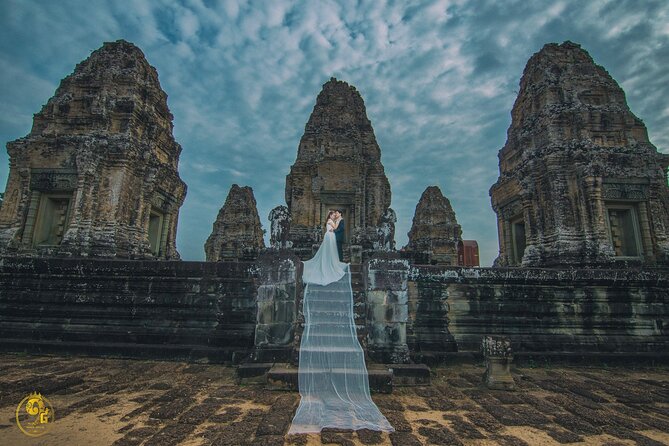
Banteay Srei is built from pink sandstone and is dedicated to trinity gods, associated with King Rajendravarman II. Ending here is a smart move. It’s visually different from the bigger, heavier temples earlier in your days, and it tends to feel like a concentrated finale rather than another checkpoint.
Then the tour rounds out with:
- Banteay Samre, a 12th-century Hindu temple sometimes compared in model to Angkor Wat’s architecture
- Banteay Kdei, a 12th-century Buddhist temple with style similarities to Ta Prohm and Bayon
If you love variety, this ending does the job: it moves from major ceremonial spaces toward more specialized temple styling and stonework mood.
Guide and driver setup: what private really means here
You’re getting a licensed English-speaking guide and a private driver in an air-conditioned vehicle. That sounds standard, but at Angkor it changes how your day feels.
In practice, the guides paired with this tour (people like Jimmy, Chay, Vanna, Mao, and Thean show up by name in guest notes) are praised for two big things: clear explanations and photo help. You’re not just herded from one place to another. Your guide can point out what to look for, warn you about stairs, and adjust the pace so you don’t feel constantly behind.
The driver routine also matters. A common highlight is the return to the car after each stop with cold water and cool wet towels. That might sound like a small luxury, but in Siem Reap weather it’s the difference between “this is exhausting” and “I can keep going.”
Some teams may also show up with extras like umbrellas for sun or rain, which is a practical touch when weather changes fast.
Price and logistics: how the value pencil out
The tour price is USD 158.50 per person for the two days, with pickup and drop-off included. You’ll also get private transport, a licensed English guide, cool water and cool wet towels, and a mobile ticket.
But the temples pass is not included. The tour notes an Angkor + all temples pass cost of USD 62.00 per person. Lunch is not included either, and is listed as roughly USD 5.00 per person depending on what’s on the menu.
So your realistic baseline often lands around:
- Tour: $158.50
- Temples pass: $62.00
- Lunch: about $5 (plus drinks or snacks if you choose them)
That’s the tradeoff with good private guiding at Angkor. The extra money isn’t going into “more temples” on paper. It’s going into time management, comfort, and context. If you’ve ever done Angkor on a tight schedule, you already know the hidden cost is regret.
If you can travel with companions, group discounts may help your total. And because it’s private to your group, you’re not stuck sharing your day with strangers who move at a different pace.
Practical tips so your feet and brain stay happy
This is not a sit-and-snack tour. It’s temple walking, sun exposure, and lots of stairs when you choose to climb temple viewing points.
Here’s what I’d do to make the two days feel manageable:
- Wear shoes with real grip. People consistently flag the steps and uneven stone.
- Plan for heat. Early starts help, and the provided cooling breaks help more than you expect.
- Keep a flexible mindset at Phnom Bakheng. Limited tourist numbers can affect timing, and the sunset wait can feel long if you’re tired.
- Bring a simple plan for photos. If you’re using a camera, ask your guide where the best photo spots are, then don’t be afraid to step aside to get the angle without blocking others.
Finally, if you’re traveling with kids or someone with mobility limits, the sheer walking and climbing may be challenging. The tour notes that most travelers can participate, but your best move is to be honest about pace and willingness before you start the climb-heavy stops.
Should you book this 2-day Small/Big Circuit with Banteay Srei?
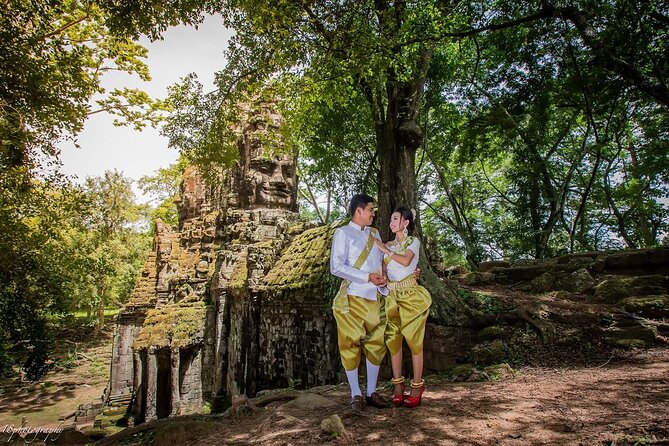
Book it if you want Angkor without the frantic feeling. This tour is a great fit for people who care about history and symbolism, but also care about comfort: air-conditioned transfers, cooling towels and water, and a guide who talks through what you’re seeing rather than rushing you onward.
Skip or reconsider if your priority is only ticking off the loudest monuments quickly. This plan is long, early, and walking-heavy. You’ll do best if you treat it like a two-day experience, not a half-day sprint.
If you’re trying to decide between a one-day Angkor blitz and a two-day circuit approach, I’d pick this one. The way it spaces out the Small and Big circuits, then lands you at Banteay Srei’s pink sandstone for the finish, is exactly how you get the site to feel like a story instead of a checklist.
FAQ
What’s included in the tour price?
The tour includes an English speaking licensed guide, hotel pickup and drop-off, an air-conditioned vehicle with driver, cool water and a cool wet towel, and the tour runs as a private experience for your group.
What’s not included in the price?
Admission fees are not included. The temples pass (Angkor + all temples pass) is listed as USD 62.00 per person, and meals are not included. Lunch is noted as about USD 5.00 per person depending on the menu.
Do I need to buy the temples pass?
The tour includes time to buy the temples pass along the way. The pass cost is not included in the tour price, but the tour helps with getting it before you enter the temples.
What are the start times for each day?
Day 1 pickup is around 8:00am. Day 2 pickup for the sunrise experience is around 5:00am at your accommodation.
Is transportation private?
Yes. You’ll have private transport in an air-conditioned vehicle, with hotel transfers included.
Is the sunrise and sunset part optional?
Sunrise at Angkor Wat on day two is part of the planned experience. For the end of day one at Phnom Bakheng, the tour notes you can skip the sunset waiting if you don’t want to wait.