REVIEW · KYOTO
Kyoto: Nijo, Kinkaku-ji, Arashiyama, Kiyomizu & Fushimi Inari
Book on Viator →Operated by Amigo Tours Japan · Bookable on Viator
One day, five Kyoto icons. This tour is built for efficiency: you ride between major sights, get real commentary along the way, and still get time to wander at places like Arashiyama Bamboo Grove and Fushimi Inari.
I love how the schedule is tight without feeling like you’re being shoved along. Stops include early access to Arashiyama, and the guide approach is a good mix of explanation and breathing room. I also really liked hearing strong guiding—names that came up in guides include Ángeles and César (and Paula too), with friendly driver support such as Nishimura-san.
One thing to consider: it’s a long day (about 10 hours 45 minutes) with lots of walking, and Kyoto heat can be brutal. Also, some entrances are only included if you pick the right option, so you’ll want to check what you’re covering up front.
In This Review
- Key things that make this Kyoto day tour worth your time
- The value of a guided Kyoto loop (and who it’s for)
- Meeting point and start time: plan your morning like locals do
- Arashiyama Bamboo Grove: early access is the whole point
- Kinkaku-ji (Golden Pavilion): a must-see, but check your ticket option
- Nijo Castle: UNESCO drama, guided context, and a good pace
- Kiyomizu-dera: hillside views and a long stop that can feel like a workout
- Fushimi Inari Taisha: torii gates, photo hunting, and free entry
- The guide experience: why good narration matters on a packed day
- Timing, pacing, and the reality of a 10-hour day
- Ticket options: how to avoid paying twice (or regretting add-ons)
- Photo stops and what angles you can actually get
- Should you book this Kyoto highlights bus tour?
- FAQ
- What’s the tour length and start time?
- Where is the meeting point, and do I return to it?
- Is lunch included?
- Which temple admissions are included or not included?
- Is the Arashiyama Bamboo Grove ticket required?
- Is the tour guide bilingual?
- How big is the group?
Key things that make this Kyoto day tour worth your time
- Early access at Arashiyama Bamboo Grove helps you experience the bamboo before it swells
- Bilingual English/Spanish guide commentary keeps the whole day moving with context
- Optional ticket add-ons let you control costs for Kinkaku-ji, Nijo Castle, and Kiyomizu-dera
- Small group size (max 30) makes it easier to stay together on a busy day
- Multiple major landmarks in one loop means less wasted time figuring out trains and buses
- Mobile ticket makes check-in simpler once you’re on the move
The value of a guided Kyoto loop (and who it’s for)
If you’re visiting Kyoto for a short time, planning alone can eat your energy fast. This tour does the hard part for you: it strings together Kyoto’s most photographed sites into one bus route, starts early (7:00 am), and returns you to the same meeting point at the end of the day.
The price point—$51.80 per person—feels especially reasonable when you factor in transportation plus guide commentary. You’re not paying for museum entries you might not choose. In other words, you can keep it lean if you already have tickets, or you can bundle entrances if you want a smoother day.
This is best for you if:
- you want a highlights sampler and don’t want to coordinate buses between far-flung temples
- you like learning the “why” behind famous places, not just posing for photos
- you’re okay with a structured day and walking at several stops
It’s not the best match if you want deep, slow time in just one neighborhood, or if you’re hoping for tons of off-the-map wandering.
You can also read our reviews of more tours and experiences in Kyoto.
Meeting point and start time: plan your morning like locals do
The tour meets at Hotel Keihan Kyoto Grande, 3-31 Higashikujō Nishisannōchō, Minami Ward. It’s listed as near public transportation, which matters because Kyoto starts early and the buses and trains can get crowded fast.
You start at 7:00 am and finish back at the same spot. That early start is doing real work for you. It helps you get to Arashiyama Bamboo Grove earlier, and it increases your odds of making all stops comfortably before the day gets late and traffic thickens.
Practical tip: treat this as a true early-morning plan. If your hotel breakfast runs late, adjust. You’ll feel it later in a day like this.
Arashiyama Bamboo Grove: early access is the whole point
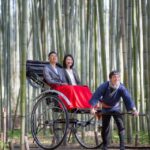
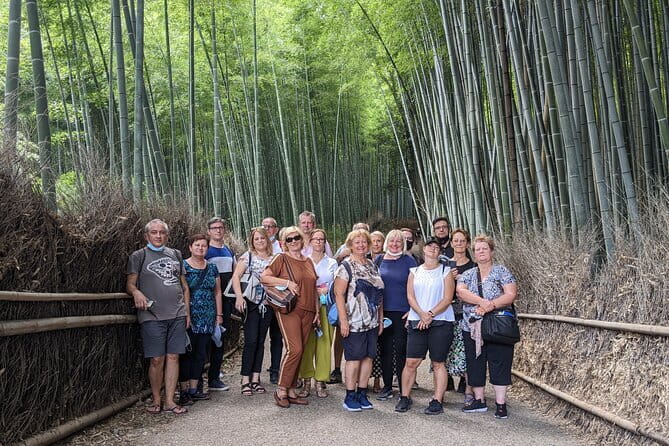
Arashiyama is famous for a reason. The bamboo grove has that tall, rhythmic look you see in postcards—but the experience changes depending on the crowd level. This tour’s schedule is built to give you early access, before the heavier rush.
Expect about 40 minutes by bus to the area from Kyoto, then roughly 1 hour 20 minutes on-site. The stop is marked as admission ticket free, so you’re not hit with entrance costs here.
What you’ll love:
- The chance to walk the path at a calmer pace
- The photo opportunities without fighting as many people for your angle
- The quiet, almost tunnel-like feel when the crowd is still thin
What you should watch for:
- Even with a shorter visit, you’ll be walking. Bring comfortable shoes.
- If weather is bad or if there are local disruptions, the flow can change. Kyoto doesn’t always cooperate, and the tour notes itinerary changes can happen due to conditions and closures.
If you care most about the bamboo vibe, this is the stop where arriving early pays off.
Kinkaku-ji (Golden Pavilion): a must-see, but check your ticket option
After Arashiyama, you head to Kinkaku-ji. The bus ride is about 30 minutes. The key detail: entry to Kinkaku-ji is not included unless you selected the Golden Pavilion ticket option.
The temple is a quick win for anyone who wants Kyoto’s visual signature in one place. The Golden Pavilion is exactly what you think it is—iconic and photogenic—with a sense of stillness around it that contrasts with the busy city energy outside.
How to get the most out of your time:
- If you’re paying for entry, don’t use the visit as a quick pass. Slow down for the views and the angles where the pavilion reflects.
- Wear layers if it’s cool in the morning and warm later; Kyoto can swing by time of day.
Possible drawback: if you didn’t select the ticket option, you’ll be standing in a line or paying extra on the spot (depending on how the day runs). The tour is flexible overall, but this is one of those “double-check your option” moments.
Nijo Castle: UNESCO drama, guided context, and a good pace

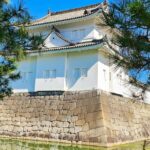
Next up is Nijo Castle, a UNESCO World Heritage site. The bus ride to the castle area is around the same order as other transfers (about 30 minutes is shown in the timing), and your time there is about 1 hour 30 minutes.
Just like Kinkaku-ji, entry to Nijo Castle is not included unless you selected that ticket option. If you did include it, you’ll get access to the castle grounds and buildings at the pace the guide sets.
Why this stop works on a one-day itinerary:
- It offers architecture and history in a way that’s easier to follow with commentary
- The gardens give you breathing space
- The castle’s layout helps you “read” the site, instead of wandering randomly
What to consider:
- You’ll likely cover more ground than you expect for something that sounds like it’s just buildings. If you’re sensitive to steps or uneven surfaces, plan for slower walking.
This is one of the stops where the guide’s explanations can turn a famous site into something you actually remember.


Kiyomizu-dera: hillside views and a long stop that can feel like a workout
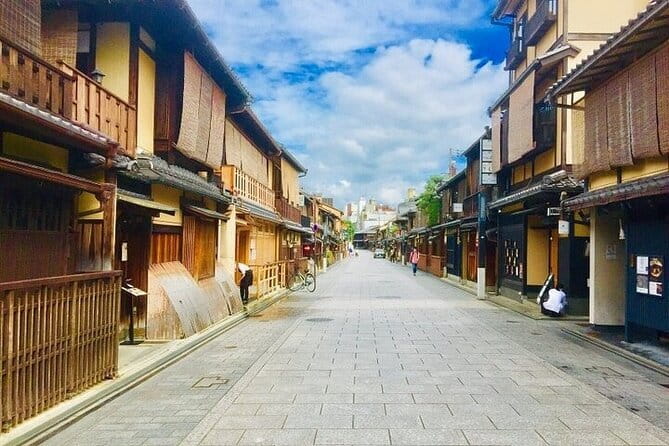
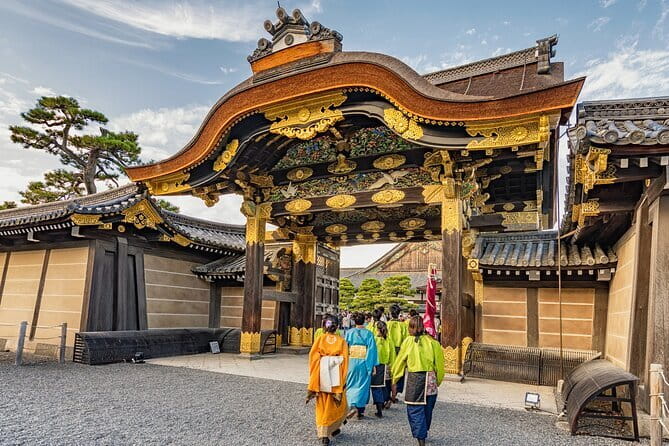
Kiyomizu-dera is next, about a 30-minute bus ride. The stop time is listed in the itinerary as part of a longer block, and it’s one of the best places to feel Kyoto’s dramatic terrain—temple buildings perched on a hillside with city views.
Entry to Kiyomizu-dera is also only included if you selected that admission option.
What makes it worth time:
- The setting is part of the story, not just a backdrop
- It’s a “look up and look out” kind of stop—views matter as much as the buildings
What to watch:
- Kiyomizu-dera involves walking in a way that can feel more physical than the photos suggest.
- You’ll be out in the open for stretches. In warm weather, bring water and take breaks when you can.
One review thread included a complaint about heat not being handled well enough. That’s a reminder: don’t assume the tour will supply the kind of hydration rhythm you need. You should be ready.
Fushimi Inari Taisha: torii gates, photo hunting, and free entry
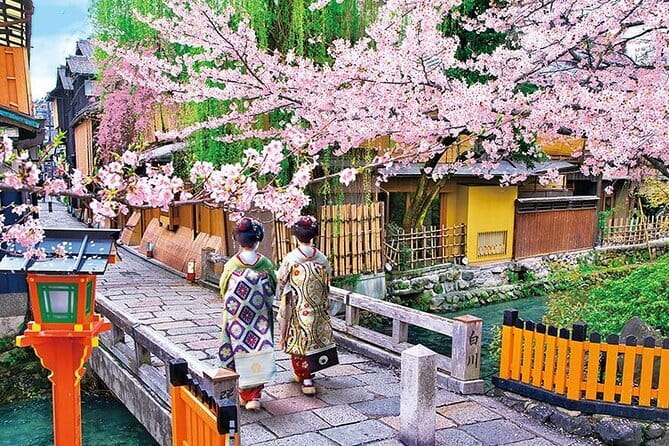
Then you get to the stop everyone recognizes: Fushimi Inari Taisha. The bus ride is about 30 minutes, and you get around 1 hour 30 minutes there.
Good news for your budget: Fushimi Inari is listed as admission ticket free. You’re not buying entrance time; you’re walking into the experience.
What to expect:
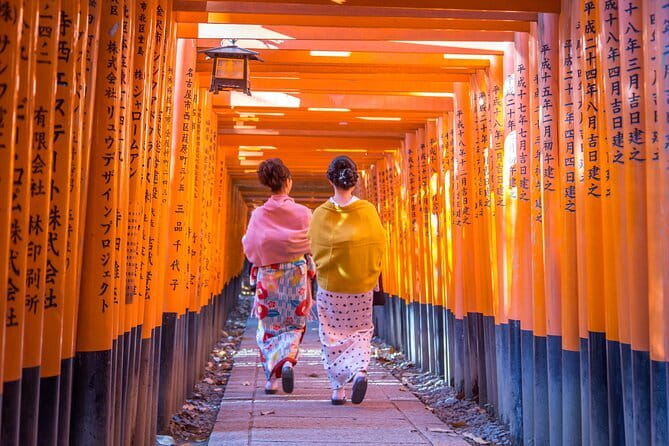
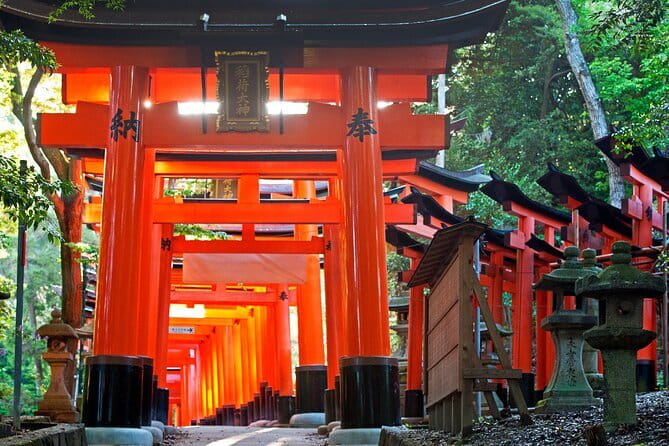
- Thousands of vermillion torii gates that form paths up the mountain
- A steady flow of people, but plenty of chances to step aside and frame photos
How to do it like you actually want:
- If you’re here for pictures only, you can keep it close to the main route.
- If you want the feeling of depth as the torii stretches, you’ll need to be okay with more walking.
A practical note: this stop is often easiest to enjoy when you set your own pace. Use the guide time to understand what you’re seeing, then let yourself roam.
The guide experience: why good narration matters on a packed day

On a day like this, the guide isn’t just decoration. Good commentary helps you understand why these places matter—and that makes your photos better too, because you’re looking with intent.
In the reviews, several guide names came up positively, including Ángeles, César, Paula, and Alan and Pastor. The consistent theme: guides combined knowledge with enthusiasm, and they also gave people time to explore rather than turning every minute into a lecture.
You should also know the tours are bilingual English/Spanish. That’s useful for many people, but it can be a drawback if you’re very focused on one language the whole day. If language consistency matters to you, it’s worth keeping in mind that switching languages can happen in a bilingual format.
Timing, pacing, and the reality of a 10-hour day
This is a full-day tour, about 10 hours 45 minutes. That’s long enough that the small details matter: time spent walking, sun exposure, and how often you can sit down.
The itinerary includes free time at key stops (especially places like Arashiyama and Fushimi Inari), but don’t treat that as “stand still and rest.” Most of your free time is still outdoors and involves movement.
My practical advice:
- Wear shoes you trust. Kyoto stone and temple steps can punish weak footwear.
- Plan for heat. If it’s summer, treat water and shade like a schedule item, not an afterthought.
- If you get sensitive to crowds, aim to enjoy the early parts of the day more than the late ones.
Also, the bus loop means traffic can shift your exact timing. The tour notes that changes can happen due to weather, traffic, closures, or other circumstances. That’s normal in Kyoto. It’s just good to go in with flexible expectations.
Ticket options: how to avoid paying twice (or regretting add-ons)
One of the smartest things about this tour is that it can be tailored. Some entrances are listed as included only if you pick the matching option:
- Golden Pavilion (Kinkaku-ji): included if you selected it
- Nijo Castle: included if you selected it
- Kiyomizu-dera: included if you selected it
- Arashiyama Bamboo Grove: admission ticket free
- Fushimi Inari Taisha: admission ticket free
Lunch is also optional depending on the package you chose. The info indicates lunch is included only in the Premium option, and you should verify your chosen option.
This matters for value. You’re paying for transportation and guiding either way. The real savings comes from choosing tickets you actually want to cover through the tour, rather than assuming everything is automatically included.
Quick decision rule for you:
- If you’re excited about all three paid temples (Kinkaku-ji, Nijo, Kiyomizu-dera), bundling tickets can simplify your day.
- If you only care about one or two, choose accordingly so you’re not stuck with add-ons you won’t use.
Photo stops and what angles you can actually get
There are lots of photo opportunities built into this route. Arashiyama Bamboo Grove is the obvious one: the tall stalks create that instantly recognizable framing. Fushimi Inari is the other big photo win: torii gates repeat like a visual pattern the whole time.
Kinkaku-ji is also an automatic camera magnet, especially because of how it catches light. Nijo Castle and Kiyomizu-dera are more about architecture and viewpoints—less about one single “snap,” more about walking to the right spots.
A good trick: plan your photos in layers.
- First capture the obvious postcard shot.
- Then take time to shoot from slightly different distances or heights.
- Finally, use your remaining time to enjoy the place without your phone for a few minutes.
It’s a small habit, but it changes the whole day.
Should you book this Kyoto highlights bus tour?
Book it if you:
- want Kyoto’s biggest names in one day without transport headaches
- value guided commentary and a structured route
- like early starts and can handle a lot of walking
Skip it or look for a different style of tour if you:
- need a very slow pace or long rest breaks
- get overwhelmed by heat and walking and don’t want to manage hydration yourself
- care a lot about one-language narration throughout the day
My honest takeaway: this is strong value when you want a highlights loop and you’re okay making it a full-day mission. The best parts are the early Arashiyama timing and the fact that you get meaningful guidance while moving between major sites. Just check your ticket options so your paid entrances match what you actually plan to see.
If you want the “see Kyoto fast, then decide what to revisit later” approach, this tour fits that goal really well.
FAQ
What’s the tour length and start time?
The tour runs about 10 hours 45 minutes and starts at 7:00 am.
Where is the meeting point, and do I return to it?
You start at Hotel Keihan Kyoto Grande (601-8003 Kyoto, Minami Ward, Higashikujō Nishisannōchō, 3-31). The tour ends back at the meeting point.
Is lunch included?
Lunch is included only if you choose an option that includes lunch (listed as Premium). If you do not select that option, lunch is not included.
Which temple admissions are included or not included?
Golden Pavilion (Kinkaku-ji), Kiyomizu-dera, and Nijo Castle are included only if you select the ticket option for that specific site. Arashiyama Bamboo Grove and Fushimi Inari Taisha are listed as admission ticket free.
Is the Arashiyama Bamboo Grove ticket required?
No. Arashiyama Bamboo Grove is listed as Admission Ticket Free.
Is the tour guide bilingual?
Yes. The guide is bilingual English/Spanish.
How big is the group?
The tour has a maximum of 30 travelers.