REVIEW · KYOTO
Bike Tour Exploring North Kyoto plus Lunch
Book on Viator →Operated by Cycle Kyoto · Bookable on Viator
North Kyoto by bike feels local fast. This ride lets you see shrines and temples along back streets you’d never bother to search out on your own, guided by people like Mayco or Julian who keep you calm, on-route, and tuned into what you’re passing. It’s small-group travel with just enough structure to feel effortless.
I love that temple entrance fees are included, so you don’t lose time or energy buying tickets mid-day. And the lunch is part of the deal too, often Japanese comfort food (I saw plenty of mentions of sushi lunches and hearty noodle stops), which makes the whole day feel like more than a quick sightseeing hit.
One thing to consider: this is not a couch-to-temple tour. You need to be comfortable on a bike for a steady ride, including a few tougher bits like getting to Kinkakuji, plus it runs only in good weather. If you hate pedaling, you’ll notice.
In This Review
- Key highlights worth circling
- Why North Kyoto by bike beats hopping buses
- Price and value: what $106.12 includes (and why it matters)
- The bikes and guides: safety, comfort, and storytelling
- Stop-by-stop: the North Kyoto route that strings together well-known and quiet sites
- Start at Cycle Kyoto and get set up fast
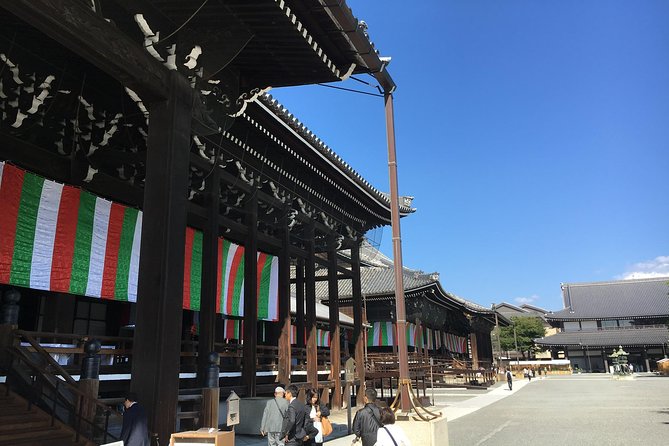
- Nishi Honganji: big wooden architecture without the usual crowds
- Kitano Tenmangu Shrine: join local shrine-goers
- Kinkakuji (Golden Pavilion): the star stop, with a built-in break
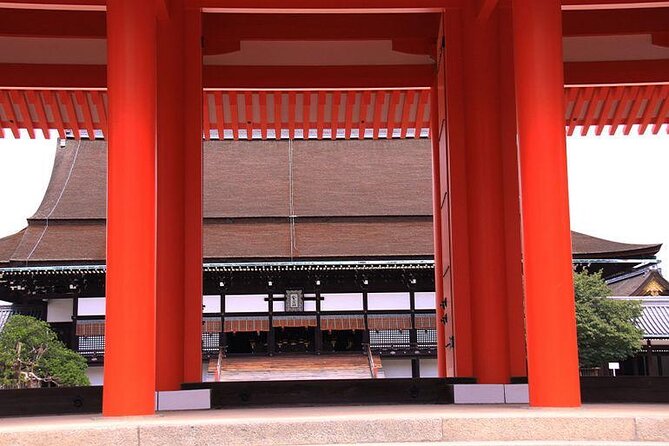
- The former seat of Japan’s imperial family: a quiet historical pass
- Gion: geisha district energy, short and sweet
- Lunch included: a Japanese meal that actually refuels you
- How hard is the ride? Pace, distance, and real-world comfort
- Group size and vibe: small enough to feel personal
- Weather and getting the timing right
- Who should book this bike tour (and who should pass)
- Should you book Cycle Kyoto’s North Kyoto plus Lunch?
- FAQ
- How long is the North Kyoto bike tour?
- What is included in the price?
- Are temple entrance fees included?
- What stops will I visit?
- Is lunch included?
- What time does the tour start?
- How many people are in a group?
- What fitness level do I need?
- Is the tour dependent on good weather?
- FAQ
- How does the cancellation work?
Key highlights worth circling
- Cannondale bikes + fitting to your height so you can focus on the day, not the setup
- All temple entrance fees included, including the big-ticket stop at Kinkakuji
- Lunch is truly included and has options for dietary needs when you tell them ahead of time
- Guides who bring context, not just directions, with stories from religion to daily life
- A capped group size (maximum 8) that helps keep the ride safe and personal
- North and northwest Kyoto coverage that beats rushing from station to station
Why North Kyoto by bike beats hopping buses
If Kyoto is your first stop in Japan, it can feel overwhelming fast. You line up for one famous site, then lose the rest of the day to transit, crowds, and the mental math of where to go next. This tour flips that idea.
You start with a bike fitting, then head out through neighborhoods where the pace feels more like real life. The guide keeps you from getting lost and also steers you away from the “only the postcard route” thinking. You still see the obvious highlights, but you also get the side streets and quiet edges that make Kyoto feel bigger than its guidebook covers.
North Kyoto in particular has a good mix: major sights, calmer shrine visits, and a look at older religious architecture. Nishi Honganji, for example, is often described as one of the largest wooden buildings in the world, and it’s also a less-visited kind of place compared with some of the headline temples. That combo matters because it makes the day feel varied, not repetitive.
You can also read our reviews of more tours and experiences in Kyoto.
Price and value: what $106.12 includes (and why it matters)
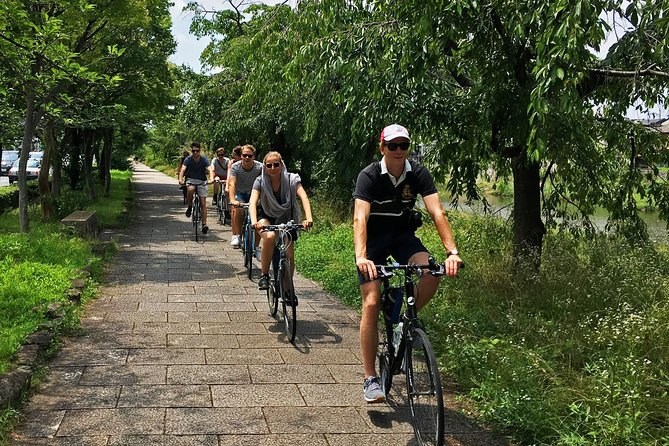
At $106.12 per person, the big value is what you don’t have to pay for on the fly. You’re getting:
- a high quality Cannondale bike
- guidance throughout
- bottled water
- lunch
- temple entrance fees included
That changes the day’s rhythm. If you’ve ever done a half-day tour where you’re still paying separate ticket costs, you feel the money friction every time you reach a gate. Here, the essentials are already handled, so you can stay in sightseeing mode.
Also, bike time is usually the hard part to manage alone. Renting a bike in a city like Kyoto is possible, but you then own every decision: route choices, navigation, and the risk of ending up in the wrong neighborhood at the wrong time. With a guide, you get the planning brain off your shoulders and it shows up in comfort and safety.
What you should factor in is that you’re paying for a guided experience, not just transportation. If you already know Kyoto well and you love self-guided planning, you might find you can do similar stops cheaper on your own. But if you want a fast, organized orientation day, this price feels fair.
The bikes and guides: safety, comfort, and storytelling
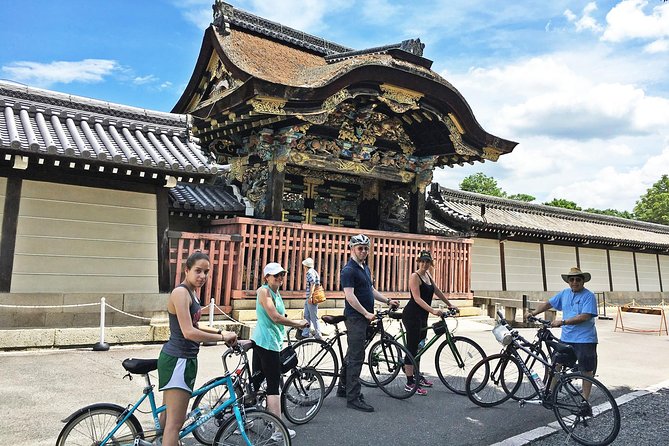
This tour is built around the bike experience, and that starts with equipment. You ride a Cannondale bike, and the bike fitting is based on your height. Several riders also note padded seats, which matters more than you’d think after a few hours.
Comfort on the road isn’t only about the bike. It’s about how the group rides. The day is paced with frequent breaks, so you’re not constantly racing from one photo spot to another. Guides also adapt to the group’s skill level, which is reassuring if you haven’t been on a bike in a while.
The best part, though, is the way the guides explain what you’re seeing. Names that come up in guide praise include Mayco, Julian, Indra, Quin, Karl, Jamie, and Jay. The common thread is that the tour isn’t just facts—it’s how those facts connect. For example:
- one guide frame of reference is the difference between Shinto and Buddhism and how both shaped worship and daily life
- another guide style is practical and historical, with details on what you’re looking at and why it exists
If you like your travel with context (and a human guide who can answer random questions), you’re in the right place.
Stop-by-stop: the North Kyoto route that strings together well-known and quiet sites
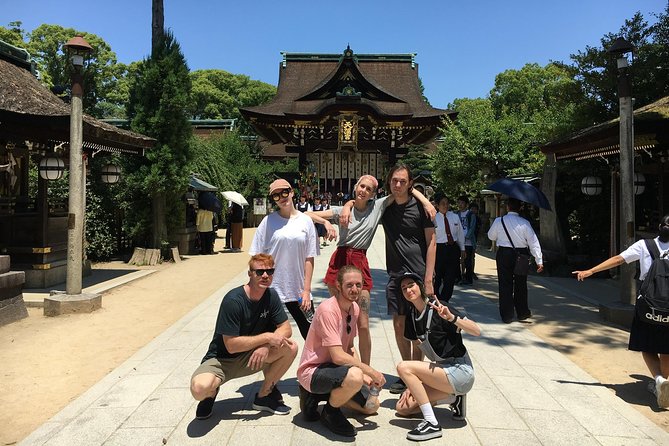
Start at Cycle Kyoto and get set up fast
You meet at Cycle Kyoto in Minami Ward at 10:00 am. The first part is simple: meet your guide and group, then get your bike fitted. You’ll also start with water, which helps if the morning runs hot.
This setup time is more important than it looks. When the bike fits you properly, your day feels smoother. You’re also more likely to relax on the first stretch when you trust the bike and the route plan.
Nishi Honganji: big wooden architecture without the usual crowds
Next is Nishi Honganji. This stop is a favorite because it doesn’t feel like the same temple loop you can find elsewhere in Kyoto. It’s described as one of the least visited religious sites in the city, and it’s also famous for its massive wooden construction.
You’ll spend about 15 minutes there. That’s not a “wandering for hours” stop, but it’s enough to absorb the scale and listen to what your guide points out. Expect more atmosphere than checklist time.
Kitano Tenmangu Shrine: join local shrine-goers
Then you move to Kitano Tenmangu Shrine. This is one of those places where the goal is not to rush through, but to blend in a little. You’ll visit for about 20 minutes, and the tone is calmer—think tranquil and reflective, with the feeling of local people doing local routines.
Your guide helps you understand the shrine’s past, which makes it easier to appreciate why it matters, not just that it looks beautiful.
Kinkakuji (Golden Pavilion): the star stop, with a built-in break
Kinkakuji Temple is the headline attraction, and you’ll spend around 30 minutes there. This is where you see the Golden Pavilion, one of Japan’s most famous sights.
The guide commentary here is key. If you only look at the surface, you’ll miss why people keep returning. If you listen, the place turns from a photo opportunity into a deeper cultural moment.
There’s also time for an ice cream and a reset moment to relax. That’s a smart design choice. It helps you recharge before the next stretch of riding and wandering.
You should also be mentally ready for at least some effort on the day. A short climb is part of getting to Kinkakuji, and it’s mentioned as a noticeable incline by some riders. Nothing extreme, but it’s there.
The former seat of Japan’s imperial family: a quiet historical pass
After Kinkakuji, the tour includes a ride through the grounds of the former seat of Japan’s imperial family. You’ll learn about its past and enjoy the space as you move through.
Because this segment is described as a ride-through, it tends to feel more like a moving history lesson than a stand-still museum visit. You get the benefit of context without losing your momentum.
Gion: geisha district energy, short and sweet
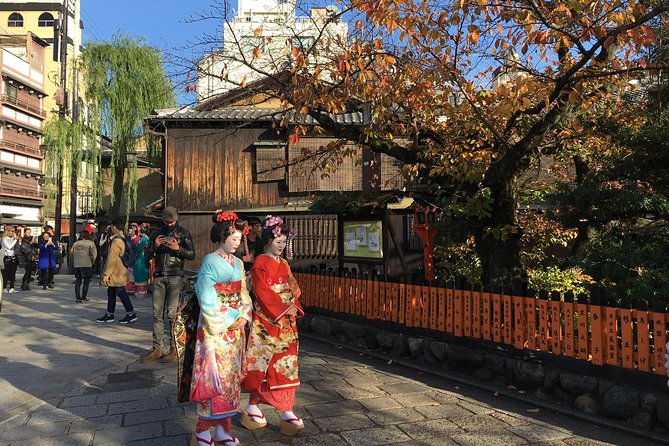
You finish with a stop in Gion, Kyoto’s geisha district area. The time here is about 10 minutes. That’s plenty for orientation—how the streets feel, where the vibe changes, and why this neighborhood is still part of Kyoto’s cultural identity.
This is also the section where you might catch glimpses of performers, but nothing is promised. The real win is that you’re there at the end of a strong sightseeing day, not squeezed in halfway through the morning.
Lunch included: a Japanese meal that actually refuels you
Lunch is included, and that’s a big deal for a bike tour. You’re cycling for part of the day, and you need food that keeps energy stable instead of running out mid-afternoon.
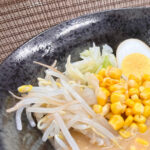
The menu can vary. Some days include sushi stops. Others include noodle meals at older restaurants described as around 400 years old. Either way, the important part is that it’s Japanese and it’s planned into the route.
Dietary needs: tell them ahead of time. Vegetarian options are mentioned as available, and your guide will work with the group so you don’t feel like you have to figure things out alone.
One practical note from real-world experience: occasionally the scheduled lunch spot can be closed, and the plan shifts to a different Japanese place, sometimes a sushi bar. So keep the expectation flexible. You’ll still get an included lunch that fits the day’s rhythm.
How hard is the ride? Pace, distance, and real-world comfort
Most of the cycling time is described as around 2.5 hours of actual pedaling. One set of examples places the ride length around 13 miles (about 24 km) over roughly 6 hours, with sightseeing stops doing a lot of the heavy lifting for pacing.
So what does that mean for you?
- If you ride bikes occasionally, you’ll likely find it comfortable.
- If you ride rarely, the day is still doable because the ride is paced with breaks and the route is designed to keep the group together.
- If you hate hills or have weak legs, you’ll feel the Kinkakuji approach more than the rest.
A few riders also mention the day feeling harder than expected, even though the pace is easy to manage overall. That’s usually less about danger and more about realizing you’re moving for hours while visiting many sites.
Hydration matters. On hot days, guides are careful about keeping water available and making sure you’re comfortable. Bring a water-focused mindset. You’re in Kyoto, and summer can test you.
Group size and vibe: small enough to feel personal
This tour caps at a maximum of 8 travelers. That small group size changes the experience in real ways:
- you stop when the group needs to stop, not when a bus needs to roll
- you can ask questions without shouting over noise
- your guide can learn names and keep track of everyone’s comfort level
That personal feel shows up in the praise for guides. Some guides are described as friendly and humorous, others as very story-driven, but the shared point is that you don’t feel lost in a crowd.
Weather and getting the timing right
This activity requires good weather. If it’s canceled due to poor weather, you’ll be offered a different date or a full refund.
My practical advice: treat your first full day in Kyoto as the “orientation day” slot. Several riders choose it early on so the rest of the trip makes more sense. After you’ve seen the neighborhoods and learned what’s important, your self-guided exploring gets easier.
Timing matters too. The tour starts at 10:00 am, so you’ll be out in the daytime heat if you’re visiting in warmer months. Dress for the weather and plan for sun.
Who should book this bike tour (and who should pass)
This tour is a great fit if:
- you want a guided way to see major Kyoto sites without doing the logistics yourself
- you like cycling and want it to feel safe and structured
- you want both famous stops (like Kinkakuji) and calmer religious visits (like Nishi Honganji)
- you enjoy learning why places matter, not just what they look like
You might want to pass if:
- you’re not comfortable riding a bike for hours
- you know your legs won’t handle even moderate effort
- you’re visiting during a period when weather disruption would ruin your schedule
If you’re the type who likes to spend the whole day wandering slowly, a tour with planned stops may feel too scheduled. But if you want movement plus meaning, it’s a solid match.
Should you book Cycle Kyoto’s North Kyoto plus Lunch?
If you’re trying to squeeze in a smart overview of Kyoto, I think this is an easy yes. The big strengths are included temple fees and lunch, a small-group bike setup, and guides who explain what you’re seeing in a way that sticks.
It’s also a good value purchase because the day is set up to remove the friction points: you don’t rent bikes for hours, you don’t buy multiple tickets, and you don’t have to find your way between distant neighborhoods.
Just be honest about your riding comfort and your willingness to cycle in daylight conditions. If those two boxes check out, you’ll likely end the day feeling like you’ve gotten bearings fast and made the city easier to explore afterward.
FAQ
How long is the North Kyoto bike tour?
It runs about 5 to 6 hours.
What is included in the price?
The tour includes a high quality Cannondale bike, guidance, bottled water, lunch, and temple entrance fees.
Are temple entrance fees included?
Yes. Temple entrance fees are included for the stops listed on the tour.
What stops will I visit?
You’ll visit Nishi Honganji, Kitano Tenmangu Shrine, Kinkakuji Temple (Golden Pavilion), Gion, and other areas during the ride. The route also includes a ride through the grounds of the former seat of Japan’s imperial family.
Is lunch included?
Yes. Lunch is included, and dietary requirements need to be known ahead of time.
What time does the tour start?
The start time is 10:00 am.
How many people are in a group?
The tour has a maximum of 8 travelers.
What fitness level do I need?
You should have a moderate physical fitness level and be comfortable riding a bike.
Is the tour dependent on good weather?
Yes. It requires good weather. If it’s canceled due to poor weather, you’ll be offered a different date or a full refund.
FAQ
How does the cancellation work?
You can cancel for a full refund up to 24 hours before the experience’s start time. If you cancel less than 24 hours before, the amount you paid will not be refunded.