REVIEW · KYOTO
Kyoto Gion Geisha District Walking Tour – The Stories of Geisha
Book on Viator →Operated by Localized Walking & Food Tours · Bookable on Viator
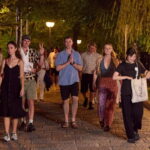
Gion feels quieter after dark. This Kyoto Gion Geisha District Walking Tour keeps you moving through the after-dark streets of Gion, when the big daytime crowds thin out and geisha and maiko are heading to appointments. I like the small group size (maximum 15 participants), which means you get time for questions and actual back-and-forth, with guides who bring the stories to life with names like Shin, Deborah, Melanie, and Nami showing up in the guide roster.
One possible drawback: it’s still a walk, mostly outdoors, and Kyoto evenings can feel sharply cold. Even if the sights are great, you’ll want warm layers and comfortable shoes, because the tour runs about two hours and you’ll be on your feet.
In This Review
- Key highlights you’ll care about
- Why this after-dark Gion route feels different
- Price and timing: $25 for about two hours of context
- The real win is small-group time (max 15)
- Stop-by-stop: from Izumo-no-Okuni to Yasaka Shrine
- Stop 1: The Izumo-no-Okuni Statue in Gion
- The Minamiza theater connection (Kabuki context)
- Stop 2: Tatsumi Bridge and Gion Shinbashi vibes
- Stop 3: Hanamikoji Street, the postcard street that still has purpose
- Stop: Gion Corner cultural stop (traditional arts, condensed)
- Stop 4: Yasaka Shrine to close the loop
- What you can expect to see on the street
- What to wear and bring for this Kyoto evening walk
- Who this tour is best for
- Should you book the Kyoto Gion Geisha District Walking Tour?
- FAQ
- How long is the Kyoto Gion Geisha District Walking Tour?
- What’s the price per person?
- How big is the group?
- Is the ticket mobile?
- Where does the tour start and end?
- Are any entrances included?
- Is bottled water included?
- What’s the cancellation policy?
- What if the weather is bad?
- Is the tour near public transportation, and can I bring a service animal?
Key highlights you’ll care about
- After-dark Gion pacing: see the district when it feels less staged and more lived-in
- Max 15 participants: small enough for questions, not a human conveyor belt
- Gion’s signature stops: Hanamikoji Street, Gion Corner, and the path to Yasaka Shrine
- Geisha and maiko context: you’ll get stories tied to daily routines and entertainment history
- Kabuki connections in the route: the Izumo-no-Okuni statue and a look toward Minamiza
- Simple, ticket-light setup: mobile ticket and a clear start-to-finish walk
Why this after-dark Gion route feels different
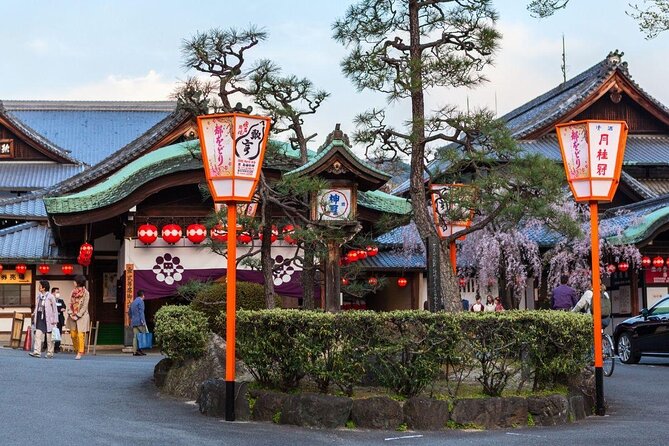
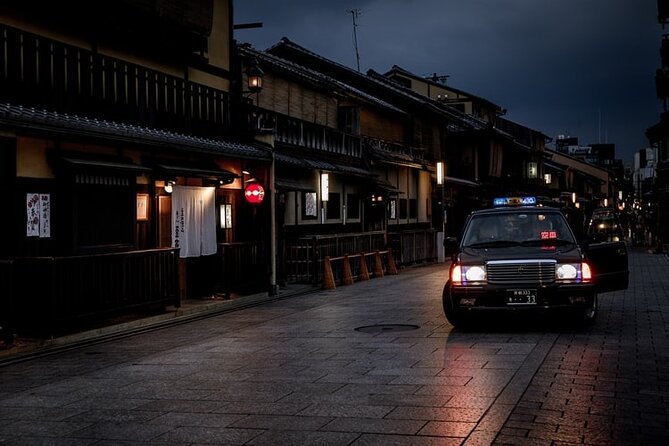
Gion is crowded during the day. At night, the mood changes fast. You get calmer streets, more lantern-and-light atmosphere, and a sense of timing—like the neighborhood is slipping back into its own rhythm.
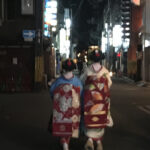
This tour leans into that. You’re walking after dark specifically so you can avoid the biggest daytime waves of visitors. The description also signals what makes the timing matter: geisha and maiko are making their way to appointments. You won’t be doing a scripted “show up and see a geisha” exercise. Instead, you’ll be walking at the hour when the district’s calendar and routines start to feel real.
The result is a tour that doesn’t just point at pretty buildings. It helps you read the place. Guides on this walk are repeatedly praised for turning street-level details into stories—things like how entertainment districts work, what people used to do, and how the culture shapes the streets you’re standing on.
You can also read our reviews of more tours and experiences in Kyoto.
Price and timing: $25 for about two hours of context
At $25 per person for roughly two hours, the price is all about value-per-minute. You’re not paying for a long day or a museum ticket day. You’re paying for a focused route, after dark, with a guide who connects the dots for you.
That matters in Kyoto, because spending time well is everything. If you’re only here for a few days, you don’t want to wander Gion for 90 minutes with no context. This tour gives you a walking framework: where to look, what you’re looking at, and why it connects to geisha culture.
A small note for your plan: bottled water isn’t included. It’s a minor thing, but if you’re sensitive to cold or you tend to get thirsty on walks, bring your own bottle.
The real win is small-group time (max 15)
The tour caps group size at a maximum of 15 participants. That small limit isn’t a marketing detail—it’s what makes the tour feel human.
With fewer people, your guide can:
- Slow down at the points that need explanation
- Answer questions instead of rushing past them
- Keep the group together without the constant stop-start rhythm big tours use
It also helps you get more from the “tiny-but-important” stops. On this route, you spend short chunks of time at several sites—like the Izumo-no-Okuni statue area, Tatsumi Bridge, and Hanamikoji Street. When you’re in a larger crowd, those quick stops can feel like postcard stops. In a small group, they tend to feel like you’re learning the neighborhood’s logic.
This is a tour where guide personality matters, and the guide roster shows real variation in teaching style. People specifically mention guides like Shin and Deborah as friendly and very talkative in a good way, while others highlight guides like Melanie and Manuel for their story-driven approach. Either way, the pattern is the same: you leave feeling like you learned more than you’d get from just walking through.
Stop-by-stop: from Izumo-no-Okuni to Yasaka Shrine
The route is designed to take you through a classic set of Gion landmarks, with culture woven in at each stop. Here’s how the story map works.
Stop 1: The Izumo-no-Okuni Statue in Gion
Your first major landmark is the Izumo-no-Okuni Statue. This bronze sculpture honors Okuni, a legendary figure considered the founder of Kabuki theater. Because it’s in the Gion district, it also sets up one of the tour’s key themes: Japanese entertainment arts didn’t grow in isolation. They overlap, influence each other, and shape how districts develop.
This is a smart early stop. It gives you a cultural anchor. Instead of starting with “look at this street,” you start with a figure tied to performance history—then the rest of the walk can make more sense.
Timing-wise, you’ll spend about 10 minutes here, with free admission for the stop.
The Minamiza theater connection (Kabuki context)
Part of the route highlights Minamiza, a historic theater in Kyoto known for hosting traditional Kabuki performances. The explanation focuses on what makes Kabuki recognizable: elaborate costumes and dramatic storytelling.
Even if you don’t go inside (this tour is a walk-focused experience), the Minamiza reference helps you connect what you see in Gion to Japan’s broader performing arts world. It’s especially useful if you’ve heard the word Kabuki but don’t know the basics. This stop gives you enough grounding to understand why the entertainment theme shows up again and again in Kyoto.
Stop 2: Tatsumi Bridge and Gion Shinbashi vibes
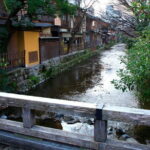
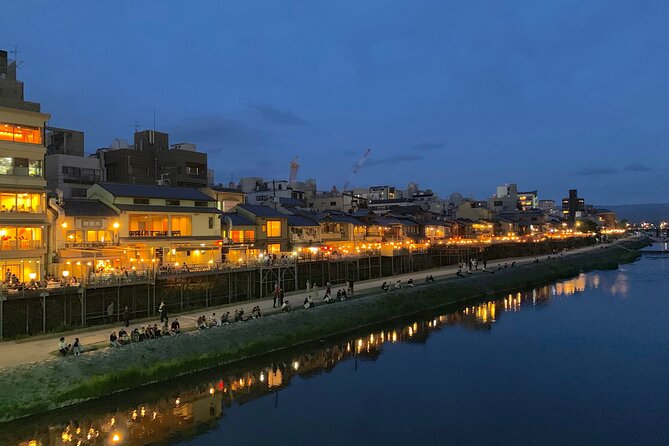
Next comes Tatsumi Bridge, tied to the Gion Shinbashi area. This neighborhood is described as charming, with picturesque streets, traditional tea houses, and geisha culture.
Tatsumi Bridge is a small landmark, but it works in the tour because it offers a “change of view” moment. Bridges naturally force you to slow down and look around. That’s where guides can talk about how districts are laid out—how tea houses, side streets, and pedestrian routes create a lived-in network instead of a single main avenue.
Again, you’ll be at this stop for about 10 minutes, with free admission listed for the stop time.
Stop 3: Hanamikoji Street, the postcard street that still has purpose
Hanamikoji Street is one of the most iconic Gion thoroughfares, and the tour treats it like more than a backdrop. The description emphasizes traditional machiya houses and the presence of upscale restaurants and teahouses.
This is where I think you’ll feel the difference between a fast sightseeing walk and a guided learning walk. Hanamikoji can look like a simple “pretty street” if you don’t have context. With a guide, you start noticing the building style, the street character, and how the entertainment district identity shows up at human scale.
You’ll spend about 10 minutes here.
Stop: Gion Corner cultural stop (traditional arts, condensed)
Gion Corner is described as a cultural center and performance venue in the Gion district. It’s known for offering a condensed experience of traditional Japanese arts and culture, including a variety of traditional performances.
Even though this isn’t presented as a full multi-hour entertainment program, the stop helps you understand something important: Kyoto culture isn’t only for museums. It’s performed, packaged, and shared in places built for that purpose.
This kind of stop is useful if you’re the type who wants to go deeper later. Gion Corner can act like a cultural trailer. You get a taste, and it helps you decide what kind of performance you want to seek out next.
Stop 4: Yasaka Shrine to close the loop
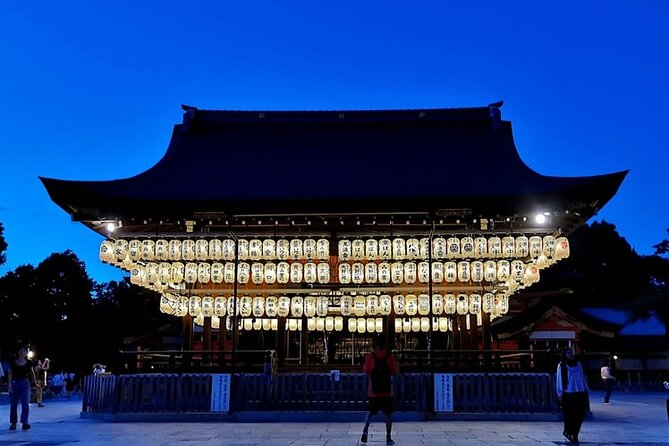
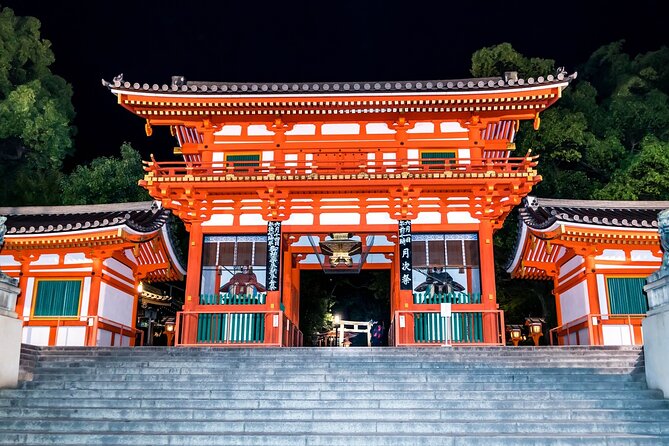
The final stop is Yasaka Shrine, also known as Yasaka Jinja or Gion Shrine. It’s highlighted as one of the most prominent and visited Shinto shrines, and it’s known for festivals.
Ending here makes sense. The tour has spent time on the entertainment side of the district, and then you shift to a shrine that anchors the neighborhood’s spiritual and community life. It gives you a sense of balance—entertainment and tradition, side by side.
You’ll spend about 10 minutes at this stop, and the tour ends at the Yasaka Shrine area.
What you can expect to see on the street
Let’s be realistic. This is a walking tour in an active neighborhood. You may see signs of geisha and maiko activity because the tour runs at the time when they’re heading to appointments, but it’s not a guaranteed viewing situation.
What you’ll likely get instead is something more useful: understanding what you’re seeing. The guide explanations are repeatedly praised for covering how geisha culture fits into Kyoto, including terms like geiko and maiko and how the entertainment tradition evolved into today’s practices.
If you love street-level details, you’ll enjoy the way this tour turns small, easy-to-miss buildings and passageways into meaningful points. People also call out the feeling of “codes” and everyday rules around the flower towns style of culture—ideas that help you stop guessing and start seeing.
And yes, if you’re there in winter, plan for cold. People mention chilly conditions and recommend a big coat. When you’re warm, it’s easier to focus on the stories.
What to wear and bring for this Kyoto evening walk
This is where you win or lose your comfort.
Bring:
- Warm layers (Kyoto evenings can feel brutally cold)
- Comfortable walking shoes (it’s an evening walk, about two hours)
- A weather plan, because the tour requires good weather
Bring also your patience with dim streets. After dark, it’s not about rushing between bright landmarks. It’s about reading the atmosphere. If you’re wearing what you’d wear for an outdoors event, you’ll be fine.
If you tend to get thirsty during walks, plan around the fact that bottled water isn’t included.
Who this tour is best for
This is a great fit if:
- You’re a first-time visitor to Kyoto and you want your bearings fast
- You want Gion context without spending hours wandering alone
- You like history explained through people, not just dates
- You’re traveling with teens or older kids who can handle a short guided walk
It also works well as an early-trip tour. Guides are praised for helping people understand what they’re looking at so the rest of your time in the district makes more sense.
Should you book the Kyoto Gion Geisha District Walking Tour?
I’d book it if you want a focused, guided, after-dark introduction to Gion that costs less than many museums or single paid attractions—and gives you cultural context in a compact time window.
It’s especially worth it when you value small-group attention and you like learning from guides who can answer questions clearly and friendly, with storytelling that connects entertainment arts like Kabuki to the district around it.
Skip it (or adjust expectations) if cold weather will wreck your comfort. This walk is short, but it’s still outdoors, and Kyoto can be sharply chilly at night. If you’re prepared with warm clothes, you’ll have a much better time.
In short: if you want Gion at night with real cultural explanations, this tour is a solid use of your evening.
FAQ
How long is the Kyoto Gion Geisha District Walking Tour?
It’s approximately 2 hours.
What’s the price per person?
The price is $25.00 per person.
How big is the group?
The tour has a maximum of 15 participants.
Is the ticket mobile?
Yes, the tour uses a mobile ticket.
Where does the tour start and end?
It starts at Ben’s Cookies Kyoto Shijo 89 Shinchō, Shimogyo Ward, Kyoto, and ends at Yasaka Shrine (625 Gionmachi Kitagawa, Higashiyama Ward, Kyoto).
Are any entrances included?
The tour includes all fees and taxes.
Is bottled water included?
No, bottled water is not included.
What’s the cancellation policy?
Free cancellation is available. You can cancel up to 24 hours in advance for a full refund. If you cancel less than 24 hours before, the amount you paid will not be refunded.
What if the weather is bad?
This experience requires good weather. If it’s canceled due to poor weather, you’ll be offered a different date or a full refund.
Is the tour near public transportation, and can I bring a service animal?
Yes, it’s near public transportation, and service animals are allowed. Most people can participate.