REVIEW · PHNOM PENH
Phnom Penh: Highlights Tour Including S21 and Killing Fields
Book on GetYourGuide →Operated by Phnom Penh Local Tuk-Tuk and Taxi · Bookable on GetYourGuide
Phnom Penh is a hard day, then a beautiful one. This tour strings together S21 and the Killing Fields with a smart, photo-friendly circuit of city sights, guided in English by driver-guides like Mr Sop and Elvis. I especially like the small group feel, plus the way the day balances Khmer culture, colonial-era architecture, and modern Phnom Penh in one run. One thing to plan for: it’s a long, structured schedule, and key museum tickets are paid separately in cash.
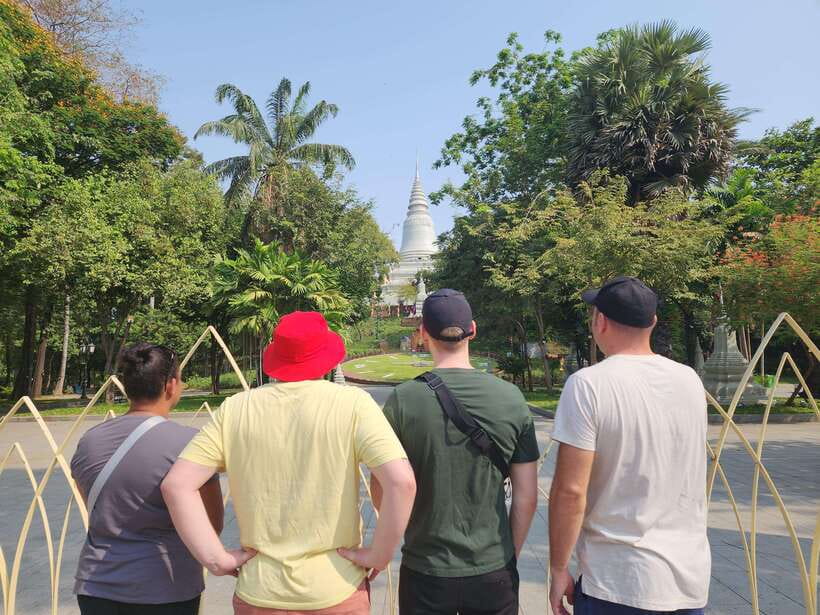
You’ll start at Wat Phnom and Lady Penh’s statue, then move through Wat Ounalom, the National Museum, and the Royal Palace area for skyline-and-statue viewpoints. The morning light matters here: the main buildings and entrances are oriented east, so your best photo moments are early. Midday is a real local lunch stop, not a drive-by snack.
The second half gets heavy. If you’re not emotionally ready for Tuol Sleng and Choeung Ek, consider doing them as early as possible in the day and taking breaks when you need them. Also, you’ll want to bring cash for entry fees, because that part is not covered.
In This Review
- Key things I’d mark on your Phnom Penh map
- How this Phnom Penh day balances city sights and real history
- The morning circuit: Wat Phnom, Wat Ounalom, and the National Museum
- Royal Palace area, monuments, and the east-facing photo advantage
- Tuol Sleng (S21) and Choeung Ek: the part you don’t skip
- Lunch, cold water, and small comforts that matter in Phnom Penh heat
- Markets and Diamond Island: a lighter ending (with a sunset edge)
- Transport, group size, and why the driver-guide changes everything
- Price and value: what you pay, and what you must budget in cash
- Who this Phnom Penh tour fits best (and who should reconsider)
- Should you book this Phnom Penh highlights tour?
- FAQ
- How long is the Phnom Penh highlights tour?
- What is the group size limit?
- Is hotel pickup included?
- Do I need cash?
- Are the museum audio guides included?
- Is lunch included?
- What transport is used?
- Is the tour suitable for children?
Key things I’d mark on your Phnom Penh map
- Small-group touring with an English-speaking driver-guide who keeps the day moving.
- Best morning photo timing around Wat Phnom and the main historic entrances facing east.
- S21 and the Killing Fields with audio-guide time so you can follow at your own pace.
- A real Cambodian lunch stop mid-tour (halfway through, not at the end).
- Diamond Island for a short walk and sunset after the heavier museums.
- Russian Market (or Central Market) as an optional finish depending on time.
How this Phnom Penh day balances city sights and real history
This is a classic “see a lot in one day” Phnom Penh plan, but with a serious spine. You’re not only hitting the headline landmarks; you’re also spending real time at the places that explain Cambodia’s modern trauma: Tuol Sleng Genocide Museum (S21) and Choeung Ek (the Killing Fields).
What makes the format work is the pacing. The day is split into lighter cultural stops first—temples, museums, monuments, and viewpoints—then it shifts into the emotional core. After that, you get a chance to reset with Diamond Island (the so-called Paris to Phnom Penh area) and an optional market finish.
I also like that the guide is not just a driver. This tour is run with driver-guides who explain what you’re seeing as you go, and the better ones (like the guides named in past groups) bring in personal context and humor to keep the atmosphere human, not robotic.
You can also read our reviews of more tours and experiences in Phnom Penh.
The morning circuit: Wat Phnom, Wat Ounalom, and the National Museum
You’ll begin at the top-of-the-hill landmark: Wat Phnom and the Lady Penh statue. Before you even step into the historical area, you’re meant to understand who Lady Penh was—because Phnom Penh’s name is tied to her story. This is a good opener because it gives the day a local “why,” not just a list of buildings.
Next comes Wat Ounalom. You’ll hear about its 15th-century foundation and why it’s one of Phnom Penh’s key monasteries. Expect a shorter stop—about 15 minutes—so this is more about getting oriented to Buddhist Phnom Penh than doing a long temple session.
Then you move to the National Museum of Cambodia, which is one of the best places in town to “look at Cambodia’s design language.” The tour focuses on traditional Cambodian architecture, and the timing is set so you’re not stuck in long lines at the most tiring point of the day. Still, it’s worth knowing: temple/museum stops mean walking and heat, and this is a full 9-hour day.
A practical tip: wear shoes you can stand in. Even when the stops feel short on paper, you’ll still do entry walks, photo pauses, and the short distance between sites.
Royal Palace area, monuments, and the east-facing photo advantage
After the museum, you’ll see the Royal Palace complex area, including the outside view of the Royal Crematorium and the park in front. This is one of those Phnom Penh moments where you get the official, ceremonial side of the city, but you also get the everyday detail: the park is used by locals to relax and socialize.
From there, the tour checks major monuments that mark Cambodia’s political story in stone. You’ll visit:
- The Cambodia–Vietnam Friendship Monument, tied to the alliance between the two countries.
- The Samdech Choun Nath statue stop.
- The Norodom Sihanouk statue along the largest park strip.
- The Independence Monument, representing independence from French colonization.
The “east-facing” detail isn’t just a nice-to-know. It’s one reason the schedule starts early. If you care about photos, morning light gives you better contrast on façades and monument edges, especially before the sky goes flat.
One caution: you’ll get photo stops here rather than a deep dive. If you’re the type who wants to spend an hour wandering instead of snapping and moving on, you’ll probably want to pick one or two of these areas to return to after the tour.
Tuol Sleng (S21) and Choeung Ek: the part you don’t skip
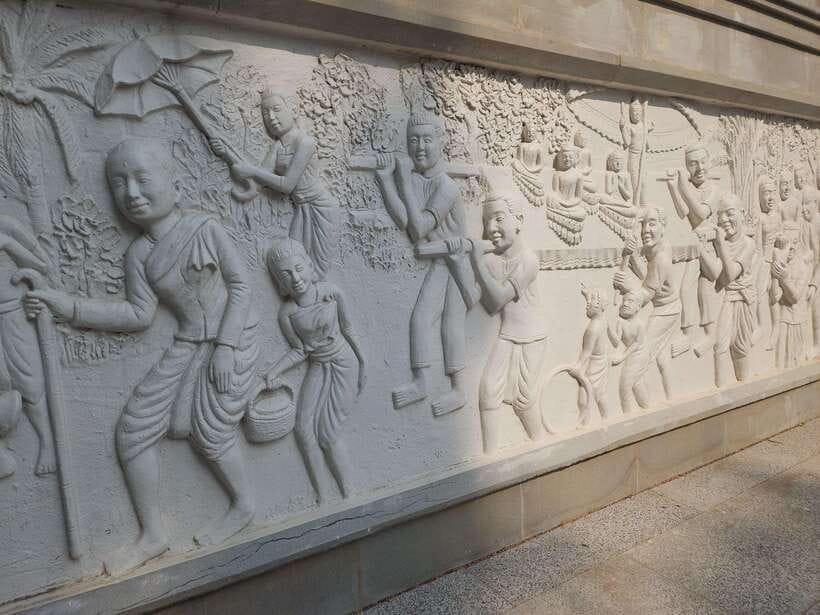
This tour’s main reason-to-book is also the hardest part: Tuol Sleng Genocide Museum (S21) and Choeung Ek (Killing Fields).
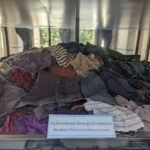
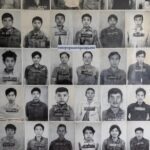
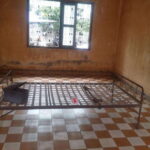
Tuol Sleng is generally the first “inside” stop. You’ll have about 1.5 hours there with a guided visit plus audio-guide explanation time. The audio guide is not included in the tour price; you pay it separately on-site. A recurring theme from real-world experience is that the guides help with context and keep the visits structured so nobody feels rushed.
Then comes Choeung Ek (Killing Fields). Expect another 1.5 hours, with audio-guide time and a photo stop. The place is emotionally intense, and it’s not the kind of site where you want to be half-paying attention or trying to “power through” for the schedule.
Here’s my practical advice for this section:
- Do these two stops earlier in the day if you can. One reason: weather can shift, and enclosed museum time is easier to handle when it rains.
- Bring cash specifically for these tickets and audio guides.
- If you get overwhelmed, it’s okay to slow down. The experience is about processing, not speed.
Also note: you’re not doing these alone. The driver-guide will stay with your group and help you move between stops, but you’ll spend your real attention time inside the museums themselves.
Lunch, cold water, and small comforts that matter in Phnom Penh heat
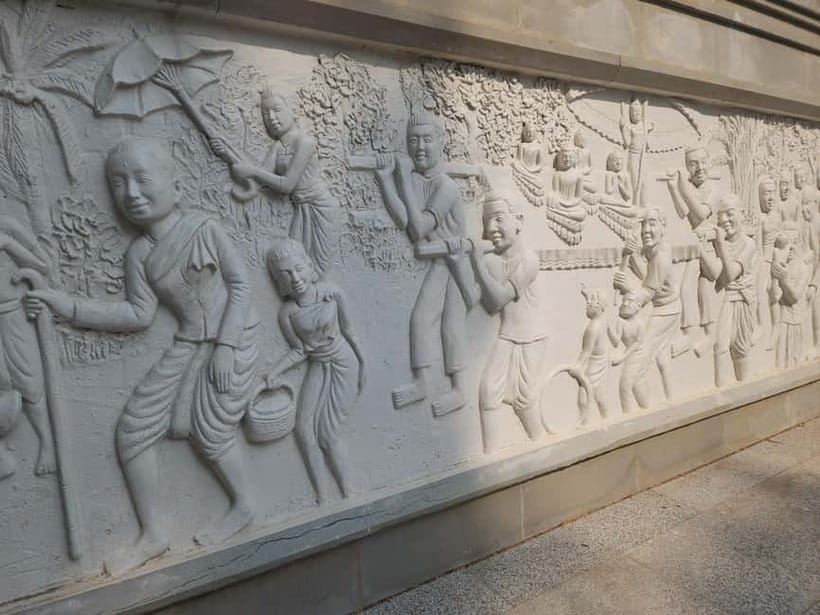
Midday is your reset. You’ll take a lunch break at a local restaurant about halfway through the day, with a typical stop around 45 minutes.
Lunch is not included in the tour price, but the tour is set up so you don’t end up searching for food when you’re tired. And the restaurant choice aims for Cambodian dishes in a setting that feels local—not an all-you-can-eat food court pretending to be a culture experience.
On top of that, you’ll have the practical comforts that keep a long day from turning into a sweaty slog:
- bottled cold water and Coke during the tour
- Cambodia Beer after 12:00 PM (if you want it)
If you’re watching what you spend, the drink options are part of why this tour can still feel good value: you’re less likely to overspend just to stay hydrated.


Markets and Diamond Island: a lighter ending (with a sunset edge)
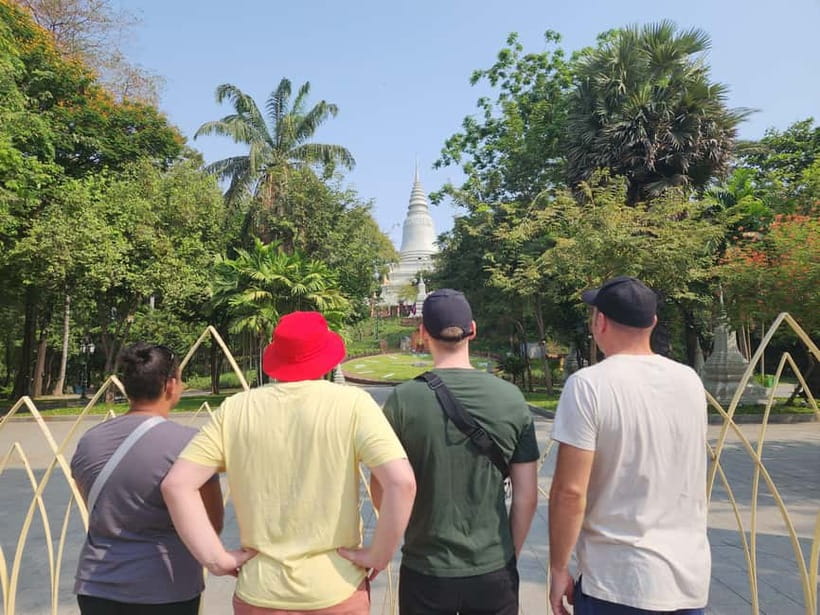
After the emotional core, the itinerary shifts back into Phnom Penh’s everyday rhythms.
First, you’ll likely visit Russian Market, with Central Market as the optional alternative. The market stop is kept short—about 20 minutes—so you’ll treat it like a sampler: check out snacks, crafts, textiles, and the “life” of the area rather than doing full shopping.
Then you go to Diamond Island, the satellite district often nicknamed the Paris to Phnom Penh area. This stop is both scenic and informational. You’ll pass sights connected to Cambodia’s geography and institutions, including:
- Patriarch of Monks Statue
- Buddhist Institute
- Cambodian Parliament Building
- Chinatown
- Mekong Upper and Mekong Lower
- Tonle Sap and Tonle Bassac
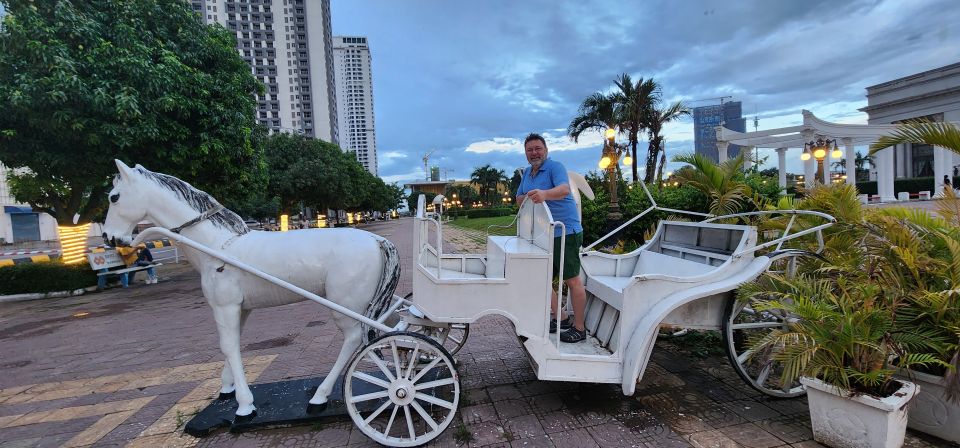
The itinerary includes a walk and a sunset moment, with about 30 minutes set aside for it. This is the kind of ending that helps your brain move from heavy history into “I’m here now.” It also gives you one last photo chance when the light turns softer.
Transport, group size, and why the driver-guide changes everything
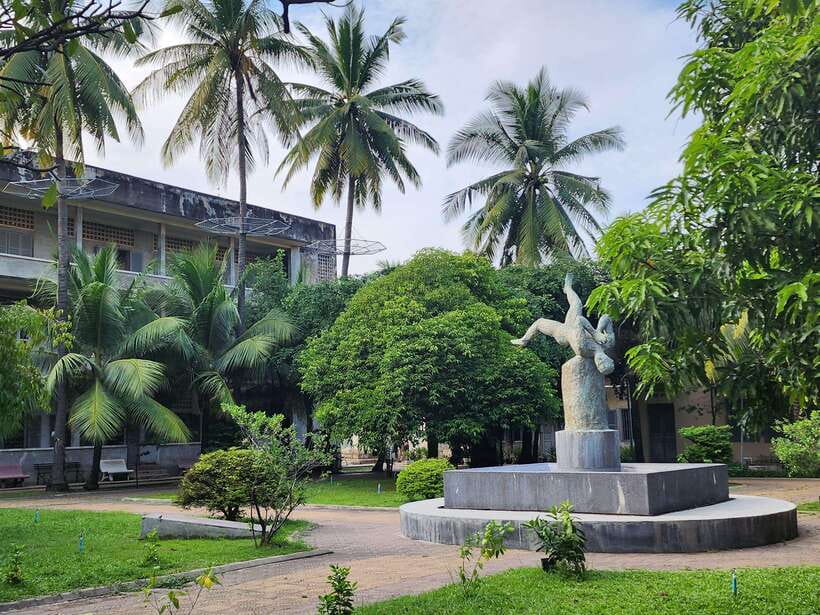
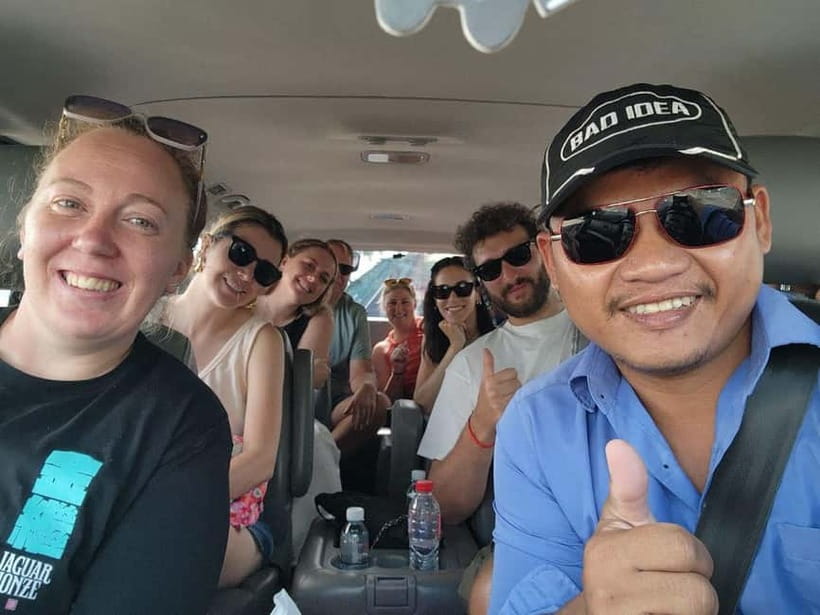
This tour runs in a small group: up to 7 participants by air-conditioned Starex-van, or up to 4 people if you select the tuk-tuk option. That matters because it changes how personal the day feels.
In reviews and repeat experiences shared by real people, the biggest quality signal is the guide’s style—clear instructions, patience with questions, and the ability to adjust the order when weather or group pace shifts. Guides named in past groups include Mr Sop, Elvis, Sinal, Nick, Pum, and Cow, and the common thread is that they explain and guide, not just chauffeur.
The van/tuk-tuk choice is also a practical one:
- Tuk-tuk: more open-air, fun factor, and a breeze, but you’re still in the city heat when the sun hits.
- Air-conditioned van: more comfortable if you’re sensitive to heat or just want an easier ride between stops.
Either way, you’ll get bottled water and cold drinks during transitions, and the guide helps keep pickup and meeting points clear. Communication is typically handled via WhatsApp in the day before and on the day itself.
One more thing: the schedule is tight on purpose. The tour aims to cover many stops (around 18 places in the broader plan), so punctuality isn’t a suggestion. If you’re late, the whole day gets squeezed.
Price and value: what you pay, and what you must budget in cash
The advertised price is $30 for the group rate (small group format). What makes this feel like good value is that you’re paying for guided time across both the city highlights and the two major historical sites.
But you should budget separately for the big-ticket admissions:
- Wat Phnom: $1 USD
- Tuol Sleng (S21): $10 USD, includes entry and audio guide
- Killing Fields: $6 USD, entry and audio guide
That’s $17 USD in entry fees and audio-guide costs, paid in cash. Lunch is also not included, so plan for that as an extra cost based on what you order at the local restaurant.
So your real “all-in” day cost is roughly:
- $30 tour price
- plus about $17 in sites you can’t skip
- plus lunch spend
Is it worth it? For most first-timers in Phnom Penh, yes—because you’re not just buying a history outing. You’re getting a full day of city context around the museums, with transportation and English explanations bundled in.
Who this Phnom Penh tour fits best (and who should reconsider)
This tour is a strong fit if:
- it’s your first day or first full day in Phnom Penh
- you want a structured route with guided context (temples, monuments, museum architecture, and modern city landmarks)
- you want to handle the heavy sites with audio support and organized timing
It may be a tough fit if:
- you hate strict schedules and “photo stop” pacing
- you’re traveling with kids under 10 (this tour is not suitable for children under 10)
- you don’t want to deal with cash payments on-site
If you’re sensitive to emotional content, plan your mental bandwidth. Doing S21 and the Killing Fields earlier in the day and then ending with Diamond Island can help you transition more smoothly.
Should you book this Phnom Penh highlights tour?
If you want one day that covers the major Phnom Penh story—temples and monuments up front, then Tuol Sleng and Choeung Ek with audio support, then sunset and a market finish—this is a smart booking. The big value here is the mix: the guide isn’t only taking you to sites, they’re helping you understand why those sites matter in Cambodia’s present, not just its past.
Before you hit reserve, do three things:
- Bring cash for Wat Phnom, S21, and the Killing Fields admissions.
- Plan to be on time for pickup in the city-center zone.
- If you care about comfort, choose the air-conditioned van option; if you care about the street-level feel, choose the tuk-tuk.
For a first-timer who wants both the city and the truth behind it, this tour is an efficient, emotionally honest day.
FAQ
How long is the Phnom Penh highlights tour?
It runs for 9 hours.
What is the group size limit?
It’s limited to 7 participants for the air-conditioned van option, or 4 people for the tuk-tuk option.
Is hotel pickup included?
Pickup and drop-off are included only if you’re in Phnom Penh’s city centre. If your hotel is outside that zone, you’ll need to come to the meeting point.
Do I need cash?
Yes. You’re required to pay entry fees for Wat Phnom ($1), S21/Semaphore Museum ($10) and the Killing Field ($6), and these payments require cash.
Are the museum audio guides included?
No. The entry and audio guide for S21 cost $10, and the entry and audio guide for the Killing Field cost $6, and both are paid separately.
Is lunch included?
Lunch is not included. There’s a lunch break at a local restaurant halfway through the tour.
What transport is used?
The tour uses an air-conditioned Starex-van or a tuk-tuk, depending on the option you select.
Is the tour suitable for children?
No. It’s not suitable for children under 10.