REVIEW · PHNOM PENH
Phnom Penh: killing field & Toul Sleng genocide museum Tour
Book on GetYourGuide →Operated by Phnom Penh Green Tours · Bookable on GetYourGuide
This is Phnom Penh, at its most painful. In just half a day, you’ll see how Tuol Sleng (S-21) turned from a school into a Khmer Rouge prison, then move on to Choeung Ek for the memorial and mass-grave site. I like that the experience runs with an English-speaking guide who helps you make sense of what you’re looking at.
My favorite part is how often the guide brings the story down to the human level. Guides such as Chanrouen, Ran, and Om Chamroeun have shared personal or family-linked experience from this period, which makes the exhibits feel less like a textbook and more like a lived horror.
One possible drawback: this is emotionally intense. You’ll be reading and watching heavy material in heat, and there’s limited patience for anyone who isn’t ready for that. Also, the tour notes it is not suitable for people over 95.
In This Review
- Quick hits before you go
- Why Tuol Sleng (S-21) and Choeung Ek belong together
- Hotel pickup, small-group comfort, and a driver who handles Phnom Penh traffic
- Tuol Sleng Genocide Museum (S-21): what the guided time is really for
- Choeung Ek Killing Fields: the memorial space and the emotional pacing
- Price and value: why $19 matters, even with extra entrance tickets
- Dress code and shoe rules: small details that can ruin your day if you miss them
- The guides: why this tour is often better with a person than an audio device
- Meeting a survivor and buying a book: optional, but powerful if it’s offered
- Is this tour right for you?
- FAQ
- How long is the Phnom Penh Killing Fields and Tuol Sleng tour?
- What is included in the tour price?
- Are the museum entrance fees included?
- How much cash should I bring for entrance tickets?
- What order do you visit the sites in?
- What should I wear?
- Are shoes allowed?
- Is there free cancellation?
Quick hits before you go
- Two major sites, tightly timed (about four hours total), with guided time at each stop
- Tuol Sleng first (S-21), then Choeung Ek, so you understand the journey from processing to killing
- Hotel pickup and drop-off in an air-conditioned vehicle, with cool water provided
- English guide included so questions and context aren’t left to an audio device
- Entrance tickets cost extra (bring cash USD 8 per person) and shoes aren’t allowed
Why Tuol Sleng (S-21) and Choeung Ek belong together
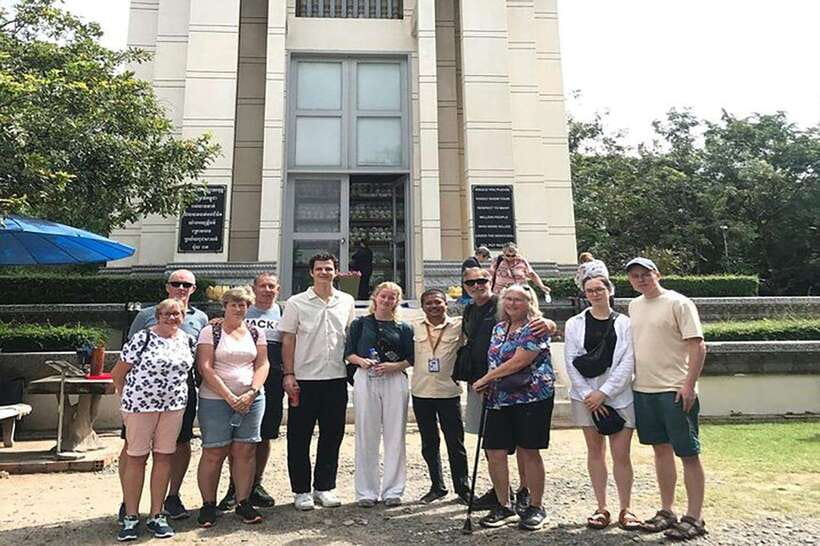
If you only visit one place, you’ll get part of the story. On this tour, the order matters. Tuol Sleng lets you see the system of detention and interrogation, including the way people were processed and categorized. Then Choeung Ek shows what happened next, with memorials built around mass killing sites. Put together, the sites explain the logic of terror instead of treating it like separate tragedies.
I also like that the guiding approach helps you connect cause and effect. You don’t just walk through rooms and photos. You get context for how the Khmer Rouge took power, how the regime worked day to day, and what those choices meant for real families. That’s the difference between knowing facts and actually understanding what those facts did to Cambodia.
Finally, the time pressure is a double-edged sword. Four hours doesn’t give you the comfort of a long, quiet wandering day. But it also helps keep the visit focused, and you’re less likely to feel lost in the volume of information.
You can also read our reviews of more tours and experiences in Phnom Penh.
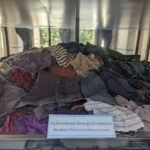
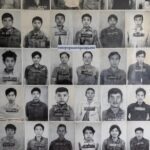
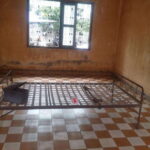
Hotel pickup, small-group comfort, and a driver who handles Phnom Penh traffic
This is designed as a practical half-day. You’re picked up from your hotel and brought to both sites in a clean, air-conditioned vehicle, with cool water onboard. Several guides and drivers are praised for keeping things smooth and safe, including getting you through Phnom Penh traffic without drama.
Group size tends to be small. One tour ran with about nine people on a smaller vehicle, which matters more than people think. At Tuol Sleng, you’ll want to pause, ask questions, and look closely. A big bus can turn everything into a rush. A smaller group usually keeps the pace human.
Here’s the practical side: you’re saving time by having transportation handled. You’re not figuring out routes, parking, or how to coordinate entry times across two distant locations. You just show up ready to learn.
Tuol Sleng Genocide Museum (S-21): what the guided time is really for
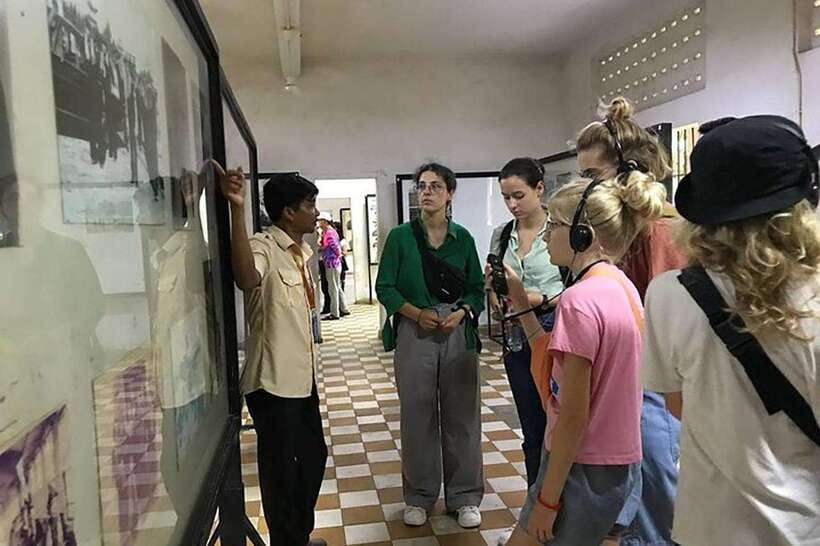
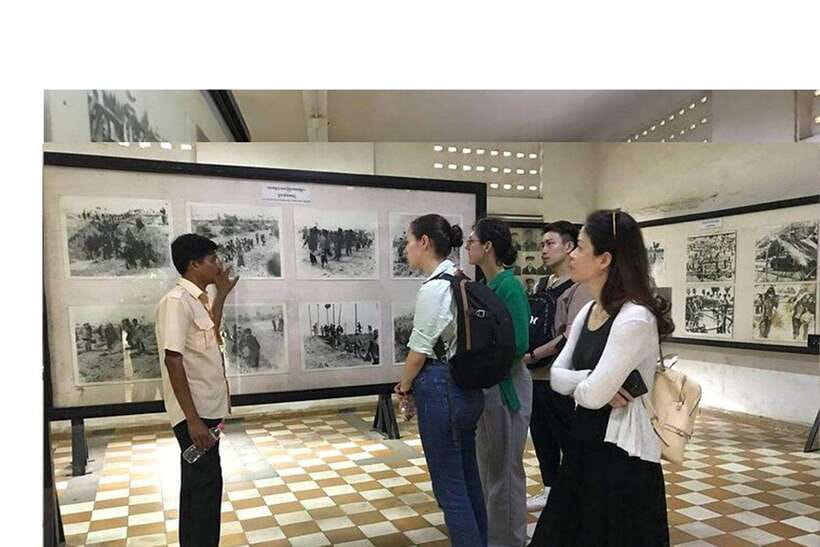
You’ll start at Tuol Sleng Genocide Museum, spending about 1.5 hours with a guide. This former school became a detention and interrogation center under the Khmer Rouge, and the museum’s layout is built around that transformation. You’ll walk through areas connected to processing, interrogation, and imprisonment—often with photographs, documents, and preserved rooms that don’t feel like a normal museum experience.
What makes the guided portion so useful is interpretation. The exhibits can feel overwhelming because they’re specific and personal. An English guide helps you understand what you’re seeing and why it matters: what certain rooms represented, how the system functioned, and how the Khmer Rouge approached control.
One detail I especially value from the guides’ approach: many bring a careful, sensitive tone. Even when they share family-linked experience—something guides including Chanrouen, Net, Sam, and others have done—it’s not tossed in like a story for entertainment. It’s used to clarify what people endured and what you’re meant to remember.
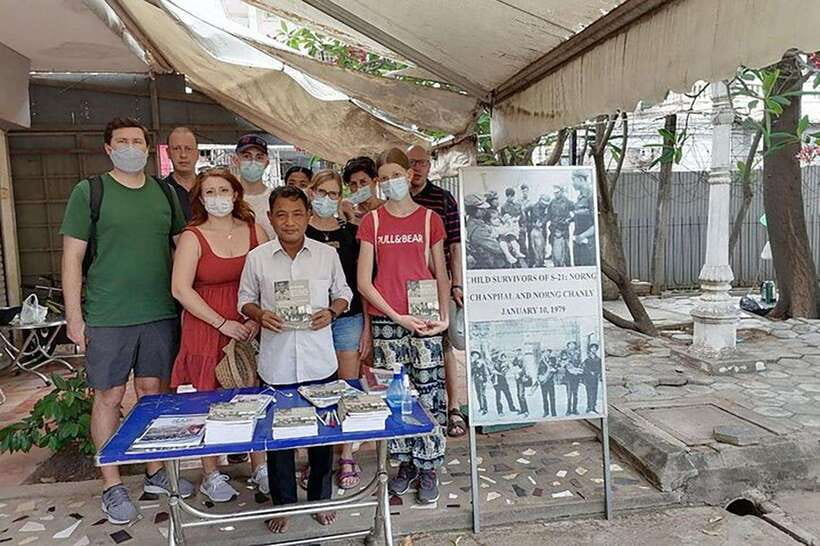
You may also notice that some tours include a moment at the end encouraging a visit with a still-living survivor and a book purchase. That varies by day and availability, so don’t assume it’s guaranteed, but it’s been part of experiences others have described. If it’s offered on your day, it can add a final human layer to what you learned at S-21.
Choeung Ek Killing Fields: the memorial space and the emotional pacing
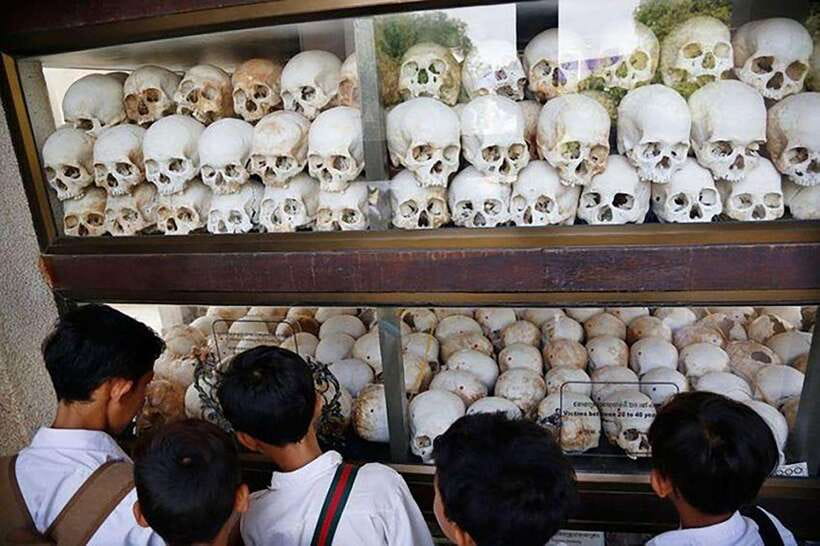
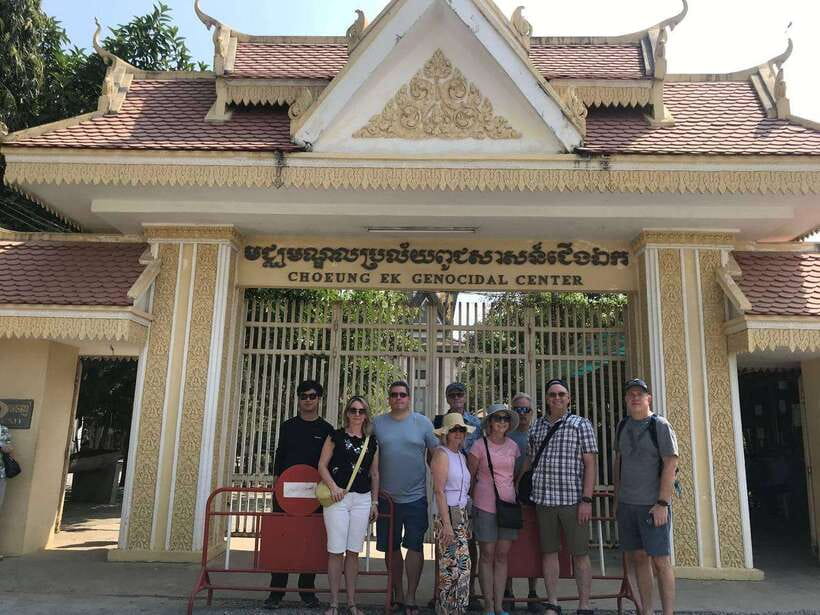
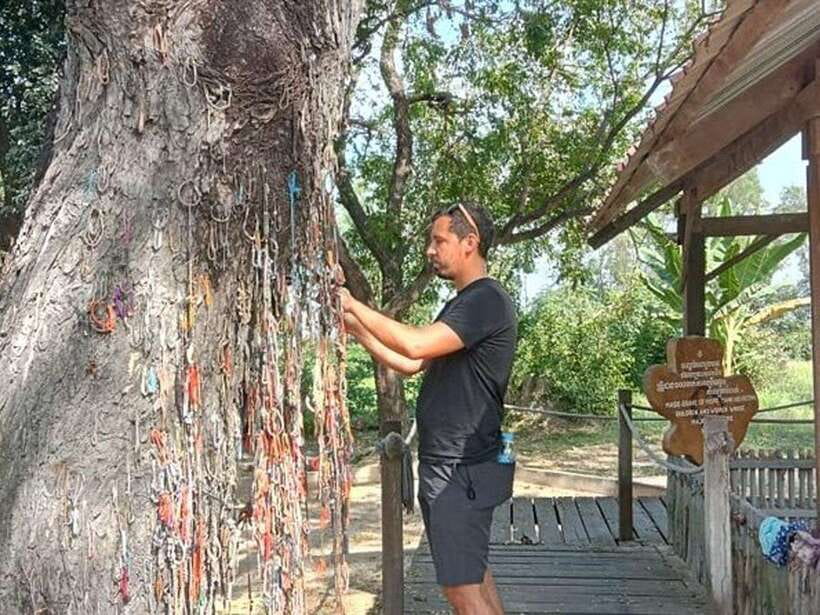
After Tuol Sleng, you’ll drive to Choeung Ek for another guided 1.5 hours. This is the Killing Fields site where detainees from S-21 were taken for execution. The museum and memorial area is designed to make the scale clear while also giving visitors a place to reflect.
What you’ll focus on here typically includes the memorial structures and mass graves, along with guided explanations of what the site represents. The Choeung Ek area is emotionally heavy, so the “guided time” is not just about facts. It helps you keep your footing—mentally and physically—so you don’t speed through the most important parts.
I also like that the tour doesn’t pretend you should feel fine afterward. Guides often handle questions with care. If you’ve been holding questions in your head since S-21, this is where you’ll finally get answers—how the system ended up at this point, how the regime’s policies played out, and what Cambodians have tried to do since to remember and rebuild.
From a comfort standpoint, remember this part can feel hot. Plan to wear something that follows the dress rules (more on that below) and bring the attitude of a visitor paying respects, not a sightseer hunting for a perfect photo.
Price and value: why $19 matters, even with extra entrance tickets
The tour price is listed as $19 per person for a half-day of guided visits plus air-conditioned hotel pickup and drop-off. That sounds simple until you look at what it covers.
Entrance tickets are extra:
- Toul Sleng (S-21): USD 5 per person
- Killing Fields (Choeung Ek): USD 3 per person
- Total entrance fees to budget for: USD 8 per person
So your all-in baseline comes to about USD 27 per person, plus any optional tipping. That’s still a strong value for two guided stops with transportation handled.
The biggest “value” isn’t the sites alone. It’s the guide-led explanation. You could technically visit each place with less structure, but having a guide who can connect the exhibits, answer questions in English, and keep the visit respectful is what turns the time into understanding.
And transport quality looks like a real priority. The vehicle is repeatedly praised as clean and well driven, with a driver who gets you there comfortably. When the topic is this heavy, comfort and smooth logistics are not a luxury—they help you stay present for what matters.

Dress code and shoe rules: small details that can ruin your day if you miss them
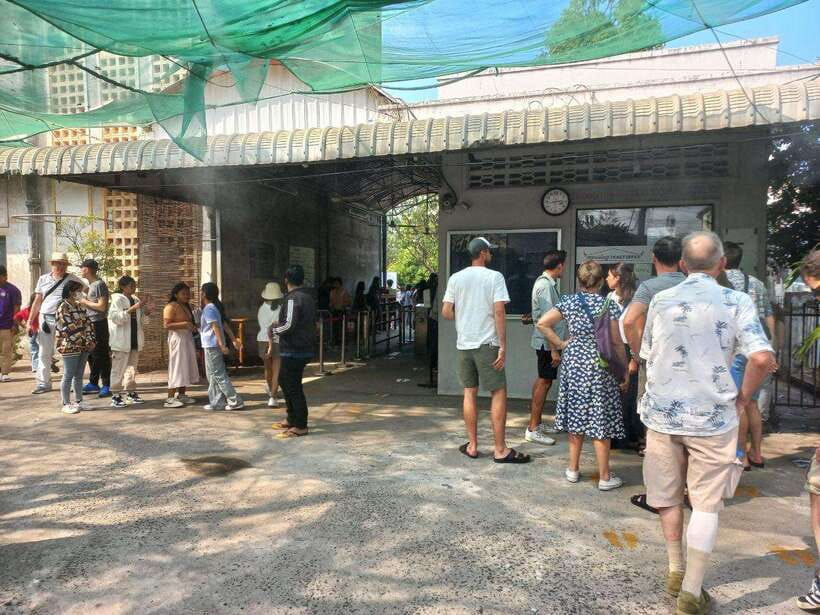
This is one of those tours where rules are not optional. You need to dress to enter properly:
- Cover knees and shoulders
- Shoes aren’t allowed
On top of that, you should bring cash in USD. Entrance fees are paid at the sites, and the guidance is to bring USD 8 per person for those tickets.
If you arrive without the correct clothing, you may be able to hire cover-ups on site, but don’t make that your plan. It’s easier to just show up dressed correctly. Think breathable fabric, covered shoulders, and covered knees.
Also, because the subject is intense, it’s smart to show up rested. Don’t schedule this right after a late night tour or right before a long travel day. Your brain needs bandwidth for what you’ll be asked to process.
The guides: why this tour is often better with a person than an audio device
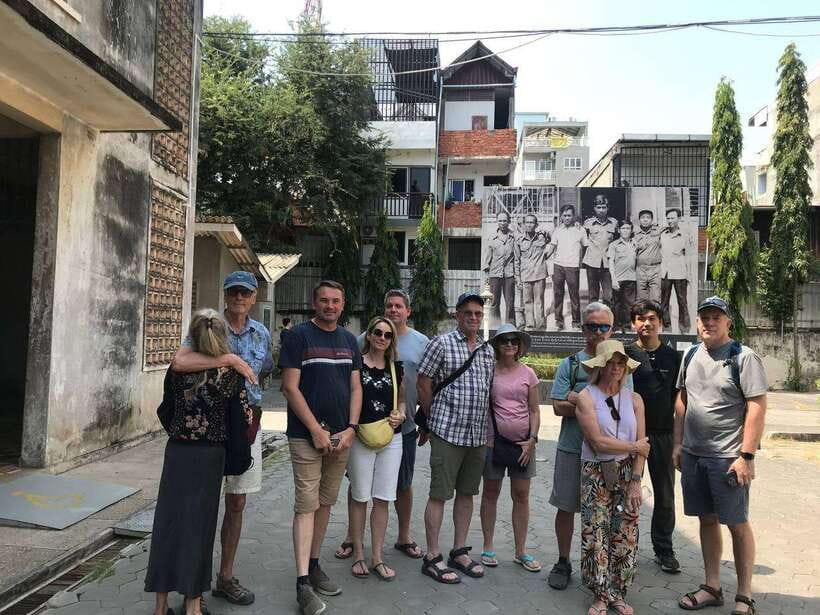
This tour’s stand-out factor in practice is the human interpretation. Multiple guides are mentioned for strong English and for handling sensitive questions with care. People also highlight that some guides share personal or family-connected experience, which helps bridge the gap between documents and reality.
For example, guides including Chanrouen, Ran, Net, Sam, and Om Chamroeun are described as especially effective at putting the Khmer Rouge political system into plain language. That matters because so much of the cruelty here was tied to ideology and control, not random violence. When you understand the structure, the exhibits become clearer and less confusing.
Even if you already know the broad story, a good guide can adjust the emphasis:
- how the regime seized power
- how daily life was reorganized
- why detention, interrogation, and executions were part of a calculated system
That’s also why asking questions feels easier on this tour than with self-guided audio. You’re not guessing what a confusing exhibit is trying to say. You can ask directly.
Meeting a survivor and buying a book: optional, but powerful if it’s offered
Some versions of this tour include an encouragement to meet a still-living survivor and buy a book from them. In at least one described experience, the book price mentioned was USD 10, and the meeting was framed as a chance to connect personally with someone who survived.
I’d treat this as a meaningful bonus, not a requirement. If it’s offered on your day, it can add an extra layer after the museum and memorial visit. If it’s not offered, you still get the core sites and guided context.
If you do choose to buy a book, bring some extra cash beyond the entrance fees so you aren’t scrambling at the end.
Is this tour right for you?
You should book this tour if:
- you want a focused half-day in Phnom Penh that covers both Tuol Sleng (S-21) and Choeung Ek
- you prefer a live English guide who can answer questions and interpret what you see
- you care about getting context, not just checking off famous sites
You might skip it (or choose a different format) if:
- you’re not ready for emotionally intense material and strong images, even with guidance
- you need a lighter day with less historical weight
One final note: this is not a “fun day out.” It’s a serious, important visit. But with the right guide and transportation handled for you, it becomes not only manageable, but also genuinely clarifying.
FAQ
How long is the Phnom Penh Killing Fields and Tuol Sleng tour?
The tour runs for about 4 hours total, with about 1.5 hours at Tuol Sleng and about 1.5 hours at Choeung Ek.
What is included in the tour price?
The tour includes hotel pickup and drop-off, an English-speaking licensed guide and driver, air-conditioned transportation, and cool water.
Are the museum entrance fees included?
No. Entrance fees are not included in the tour price.
How much cash should I bring for entrance tickets?
Bring cash USD 8 per person for entrance fees: USD 5 for Tuol Sleng and USD 3 for the Killing Fields.
What order do you visit the sites in?
You visit Tuol Sleng Genocide Museum first, then Choeung Ek Killing Fields.
What should I wear?
You have to cover your shoulders and knees at both sites.
Are shoes allowed?
No. Shoes are not allowed.
Is there free cancellation?
Yes. You can cancel up to 24 hours in advance for a full refund.