REVIEW · UBUD
Balinese Ubud cooking school (9 Dish Cooking and Market Tour)
Book on Viator →Operated by Wayan Aris · Bookable on Viator
One kitchen stop can change how you taste Bali. This nine-dish cooking experience pairs real Ubud flavors with a morning market tour, guided by Balinese hosts (you may meet people named Yogi, Tata, Wayan, Putu, or Gus in different groups). I like that you cook more than the usual 2–4 dishes, and I like that the recipes come with ingredients and tools you don’t find at home. A possible drawback: if you’re hoping for total beginner chaos-to-masterpiece cooking, some prep may already be done for you, so it can feel a bit less hands-on than you expect.
What makes it especially fun is the run-through of the why, not just the how: how markets work, how rice is grown, and how Balinese spice pastes become the backbone of many dishes. I also like the small-group feel (max 14), which keeps the chef and host’s attention on you instead of turning the class into a movie theater. If you stay outside Ubud, expect extra transport charges and plan for the drive time.
You’ll leave with more than full stomach satisfaction. You get copy recipes to take away, plus a lunch or dinner buffet built from what you cooked. And you can choose regular or vegetarian before you go, so you’re not stuck guessing what will work for your diet.
In This Review
- Key highlights to know before you book
- Price and value: why this one costs $58 (and what you get back)
- The morning itinerary: market, rice fields, and a real Balinese home
- Meeting and start point
- Traditional market visit (morning option)
- Rice paddies visit
- Local Balinese house visit
- Then the cooking school
- Cooking time: 9 recipes, multiple stations, and step-by-step guidance
- What you actually do in the kitchen
- The role of the chef and local host
- If you’re very sensitive to spice
- The nine dishes you’ll learn (regular and vegetarian menus)
- Regular menu dishes
- Vegetarian menu dishes
- Why this menu is such a good learning system
- Lunch and tasting: what to expect when you sit down
- During the day
- Your final meal
- Logistics that matter: pickup limits, group size, and what to bring
- Pickup is Ubud-only
- Maximum group size
- What to bring
- Potential drawbacks to weigh before you choose
- Who should book this (and who might want a different class)
- Should you book: my honest take on the 9 Dish Cooking and Market Tour
- FAQ
- Is pickup included, and where?
- How long is the tour?
- What’s included in the price?
- Are there vegetarian options?
- Does the morning tour include the market?
- What should I bring to the activity?
Key highlights to know before you book
- Nine dishes in one session (much more cooking time than typical classes)
- Morning market visit with guided explanations of local ingredients and how people buy
- Rice paddies visit to see how the food system starts in Bali
- Balinese kitchen setup with equipment and step-by-step instruction
- Regular or vegetarian menu so you can match the class to your preferences
- Small group size (up to 14) for better interaction with the chef and host
Price and value: why this one costs $58 (and what you get back)
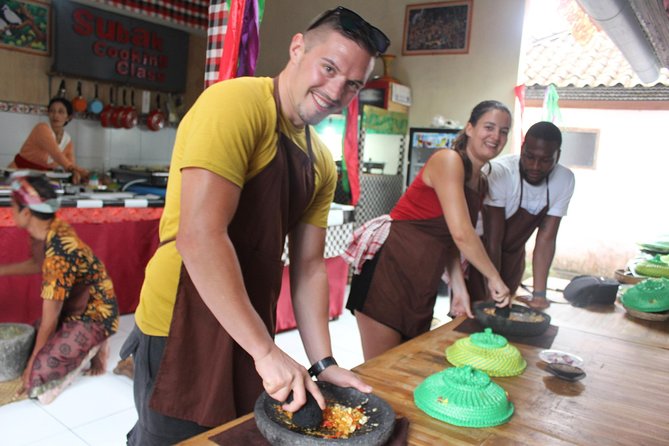
At $58, you’re paying for more than a class. You’re also paying for a guided cultural food route: morning market time, plus a rice-field visit and a stop at a local Balinese house. Then you cook a full spread of dishes and sit down to a meal that’s included.
Here’s how I judge value for cooking tours in Bali: do you get (1) meaningful learning, (2) real ingredients, and (3) a meal that matches the work? This format checks all three.
- Meaningful learning: You’re guided step-by-step by a Balinese chef and local host. The best part isn’t just the recipe; it’s the methods and what each ingredient is doing.
- Real ingredients: You cook with Balinese kitchen tools and pantry staples you may not have back home.
- Meal included: You eat what you made (a lunch or dinner buffet), so you’re not paying extra for the privilege of being hungry.
If you’ve already booked an expensive day trip, this can still make sense because it’s not just transport + one dish. It’s a full food day with multiple stops.
You can also read our reviews of more tours and experiences in Ubud.



The morning itinerary: market, rice fields, and a real Balinese home
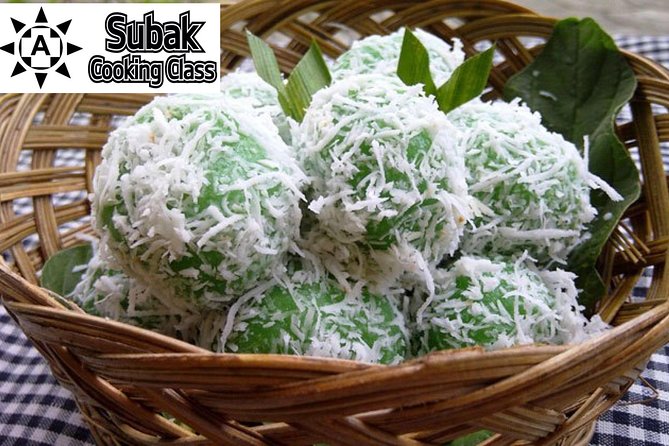
This experience runs about 5 hours and is built around a morning flow (for the “market tour” option). The idea is simple: you learn what you’re cooking first, then you cook it.
Meeting and start point
You start back at the Ubud Palace area. The tour ends back there as well. Ubud pickup is offered, but only for the Ubud area. If your hotel is outside Ubud, you’ll need to handle extra transport charges (and bring cash for that).
Traditional market visit (morning option)
The morning class includes a traditional market visit. You’re not just walking through stalls—you’re learning how people select ingredients, what foods look like before they become a dish, and what’s used in Balinese cooking.
A nice detail: you get the chance to try some local foods while you’re there, which helps you connect flavors to ingredients before the cooking starts.
Rice paddies visit
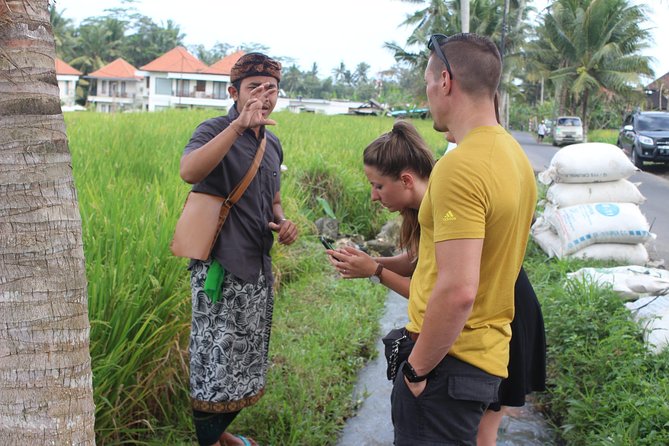
After the market, you’ll visit the rice fields. This part matters more than it sounds. Rice is a daily staple in Bali, and seeing cultivation firsthand gives the cooking class context you won’t get from a cookbook.
You also learn about the rice types grown in Bali and the harvest timing (so “white rice” isn’t treated like a generic ingredient).






Local Balinese house visit
Next comes a visit to a local Balinese house. This is where you get the cultural framing behind the food. It’s not a lecture-only stop; it’s meant to connect what you cook to the rhythm of daily life.
Then the cooking school
Finally, you head to the cooking school setup. Reviews describe the day as organized and relaxed, with friendly hosts and a kitchen that runs like a working space rather than a staged show.
Cooking time: 9 recipes, multiple stations, and step-by-step guidance
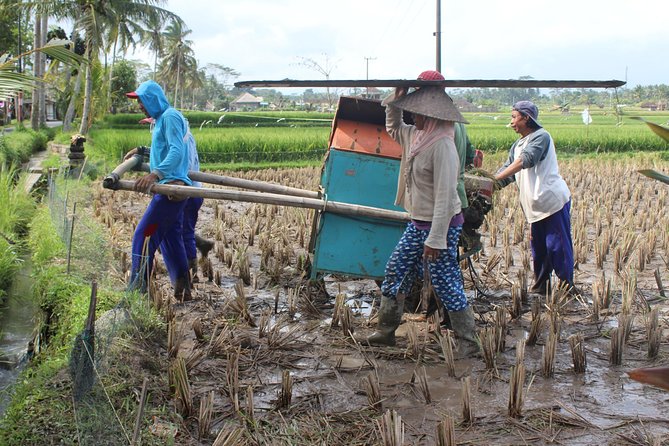
The headline promise is at least 9 Balinese recipes. That’s the big difference from the typical cooking class, where you pick a few dishes and spend most of the day watching someone else work.
What you actually do in the kitchen
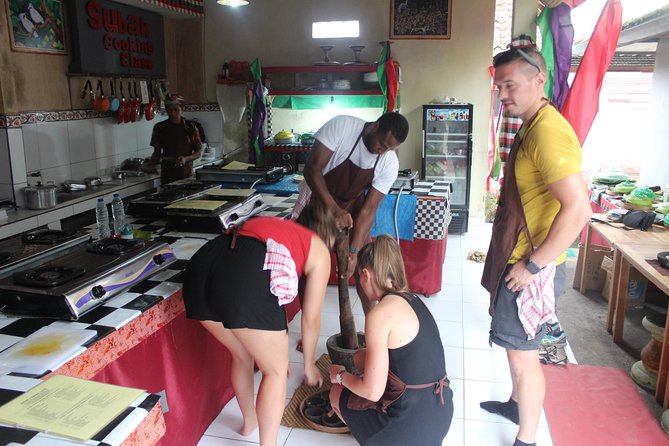
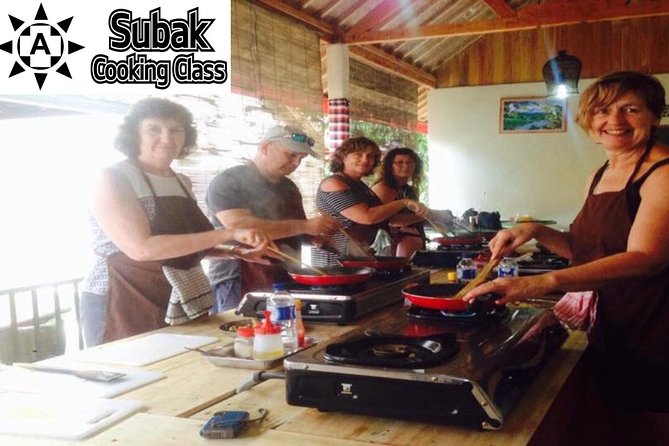
You’re guided step by step in preparing and cooking each dish. The format is set up so you’re actively cooking, not standing in line for your photo moment.
A pattern that shows up in feedback: there are enough stations and staff to keep the pace moving. People also mention that the class is friendly and interactive, with chefs who explain clearly and keep the vibe light.
The role of the chef and local host
This is where names can matter, because some groups may be led by specific instructors mentioned in prior experiences—people have credited chefs like Yogi and Gus, and guides like Tata and Wayan, for explanations that connect cooking with culture.
Even if you don’t get the exact same team, the structure is designed around local hosts who explain the process in plain language.
If you’re very sensitive to spice
Balinese food can be spicy, but you’re not forced into one heat level. You can state your preference (regular vs vegetarian is built in; for spice level, it helps to be upfront). Some people note they made their version with less spice.
The nine dishes you’ll learn (regular and vegetarian menus)
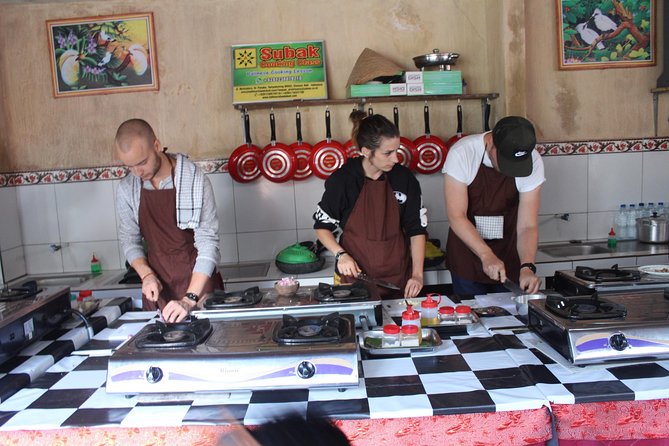
Before you go, you choose your menu: Regular or Vegetarian.
Regular menu dishes
- Soup Sayur Bali (Balinese vegetable soup)
- Ayam Santan Bumbu Bali (fried chicken with coconut milk)
- Tempe Manis (sweet fried tempe)
- Sate Lilit Bali (Balinese chicken satay)
- Pepes Ayam (grilled/steamed chicken in banana leaf)
- Lawar Bali (mix vegetable with Balinese spices)
- Sambal Matah (raw spices with coconut oil)
- Base Gede (basic spices paste)
- Klepon Cake (boiled sticky flour balls with palm sugar)
All main courses are served with white rice.
Vegetarian menu dishes
- Soup Sayur Bali (Balinese vegetable soup)
- Tofu Bumbu Bali (fried tofu with basic sauce)
- Tempe Manis (sweet fried tempe)
- Sate Tempeh (soybean cake skewer) with peanut sauce
- Pepes Tofu (grilled or steamed tofu in banana leaf)
- Lawar Bali (mix vegetable with Balinese spices)
- Sambal Matah (raw spices with coconut oil)
- Base Gede (basic spices paste)
- Klepon Cake
Same story: main courses come with white rice.
Why this menu is such a good learning system
You’re not only making one “theme dish.” You learn building blocks:
- Base Gede shows you the core spice-paste logic.
- Sambal Matah teaches raw-spice balance with coconut oil.
- Pepes gives you banana-leaf steaming/grilling technique, which changes flavor and texture.
Then desserts and soup round it out, so you’re not leaving with only savory skills.
Lunch and tasting: what to expect when you sit down
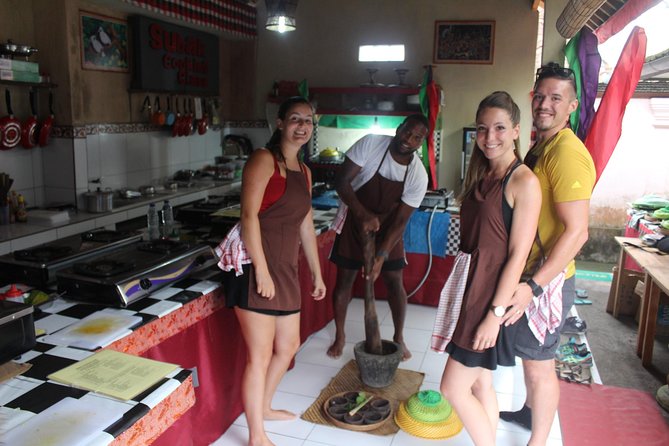
Food tasting and an included meal are part of the package.
During the day
- Mineral water is included.
- You’ll have food tasting while learning.
Your final meal
You’ll enjoy lunch or dinner buffet made from what you cooked. In some experiences, people also mention they can pack leftovers to take back—so if you get full fast (you will), you still don’t waste anything.
Practical tip: come hungry. A cooking class can sound like a light activity; in reality, it’s an all-in day of sampling, cooking, and eating.
Logistics that matter: pickup limits, group size, and what to bring
This is where a little planning saves you headaches.
Pickup is Ubud-only
Pickup and drop-off are included only for the Ubud area. If you’re outside Ubud, you may face additional charges and pickup might not be arranged unless you request it.
Maximum group size
The group is capped at 14 travelers. That’s small enough for interaction, but large enough that the kitchen can run efficiently.
What to bring
You’ll want:
- Your reservation pulled up
- A camera
- Cash if you need to pay additional transport
And wear something normal and comfortable. You’ll be moving between stops and working in a kitchen environment.
Potential drawbacks to weigh before you choose
No tour is perfect, and this one isn’t either. The most likely “downside” for some people is expectations about hands-on cooking.
- Some prep may already be done: If you expect zero prep and total beginner chaos, you might find your station starts with ingredients already measured or partially prepared.
- Cooking pace and kitchen noise: In active kitchens, it can get loud at times, so if you prefer quiet instruction, you may need to position yourself where you can hear well.
Also, if you’re traveling far outside Ubud, pay attention to transport time and additional costs. That can change how “relaxed” the day feels.
Who should book this (and who might want a different class)
This tour fits best if you:
- Love food and want nine real recipes, not a quick taste of Bali
- Want a market-first introduction to ingredients
- Prefer local guidance over cookbook-only cooking
- Travel with a partner or small group and want a social, hands-on day
You might choose something else if:
- You only want one or two dishes and hate spending a full half-day cooking
- You need quiet, low-energy activities
- You’re very far from Ubud and don’t want to deal with extra transport
Should you book: my honest take on the 9 Dish Cooking and Market Tour
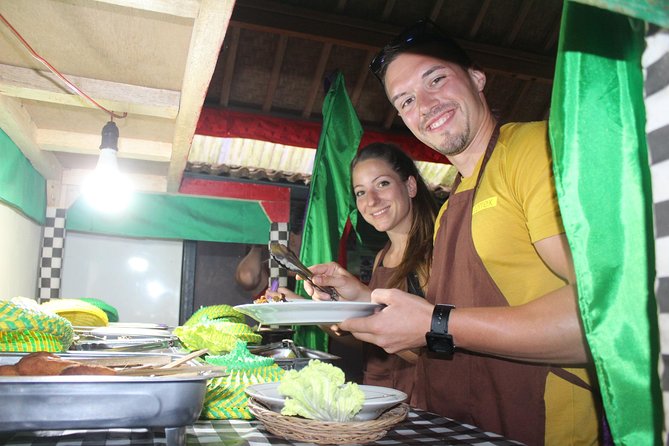
If you want the kind of day that makes you feel like you understand Balinese food, this is an excellent match. The market + rice paddies + house visit combination adds context, and the nine-dish format gives you enough technique variety to actually cook these dishes at home later.
Book it if you’re the type who brings home spice mixes, keeps recipes, and gets excited by how ingredients change in the pan or pot. Skip it if you’re expecting a short, gentle cooking demo.
FAQ
Is pickup included, and where?
Pickup and drop-off are included only for the Ubud area. If you stay outside Ubud, you’ll need additional charges and pickup may not be arranged unless you request it.
How long is the tour?
The cooking and market tour runs for about 5 hours.
What’s included in the price?
The price includes bottled water, food tasting, a lunch or dinner buffet, copy recipes to take away, kitchen equipment, pickup/drop-off in Ubud, a Balinese local guide/host, and the market visit and rice paddies visit (morning option).
Are there vegetarian options?
Yes. You can choose regular or vegetarian. Vegetarian swaps in tofu-based dishes and vegetarian versions of the satay and pepes, while keeping the Balinese spice base and dessert.
Does the morning tour include the market?
Yes. The traditional market visit is included for the morning class, along with the rice paddies visit.
What should I bring to the activity?
Bring your reservation (shown on your phone is fine), a camera, and cash if you might have to pay extra transport for locations outside Ubud.