REVIEW · PHNOM PENH
Phnom Penh: The Killing Fields & Tuol Sleng Genocide Museum
Book on GetYourGuide →Operated by The Killing field and Toul Sleng genocide museum S21 Tour · Bookable on GetYourGuide
Phnom Penh hits hard—and then it teaches. This is a 4-hour, guide-led way to understand Cambodia’s Khmer Rouge years through Choeung Ek and Tuol Sleng (S21). I especially like the calm, structured pacing that gives you time to look and ask questions, and I like that the ride out includes context so you aren’t guessing what you’re seeing. The main drawback: it’s deeply emotional, and the sites include intense imagery and artifacts.
You’ll ride in an air-conditioned van with water, hear the history from your guide in English, and then move at a respectful pace through two of Phnom Penh’s most important memorial spaces. Dress matters here: cover your shoulders and knees to show respect.
In This Review
- Key Things I’d Not Miss on This Phnom Penh Genocide Tour
- How the Half-Day Format Works in Phnom Penh
- The Drive Out: Pol Pot Context Before You Arrive
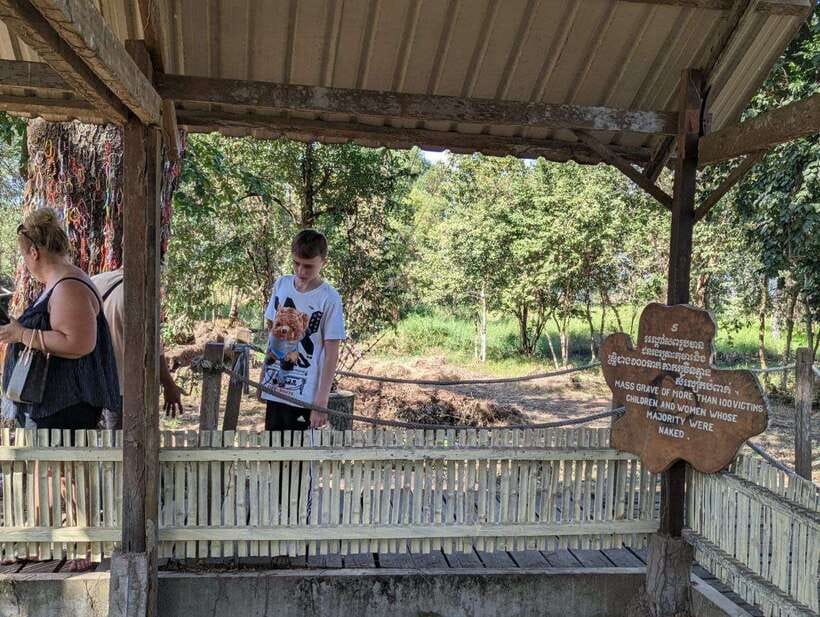
- Choeung Ek Killing Fields: A Respectful Pace at the Mass Grave Sites
- Tuol Sleng Genocide Museum (S21): When the Cells Make the System Real
- The Survivor Stories Moment: Why It Changes the Tour
- Questions to Ask Your Guide (So You Get More Than Dates)
- Transport, Timing, and Comfort: The Practical Side That Helps You Focus
- Price and Value: What You’re Paying For (and What You Still Need to Budget)
- Dress Code and Respect: A Small Detail With Big Meaning
- Who Should Book This Tour (and Who Might Reconsider)
- Should You Book This Phnom Penh Killing Fields & S21 Tour?
- FAQ
- How long is the tour?
- Is pickup and drop-off included?
- Are the entrance tickets included in the $19 price?
- What’s included in the tour besides transportation?
- What language is the tour offered in?
- What should I wear?
- What time does pickup happen if my hotel isn’t on the list?
Key Things I’d Not Miss on This Phnom Penh Genocide Tour
- A short history lesson on the van so the sites make sense fast
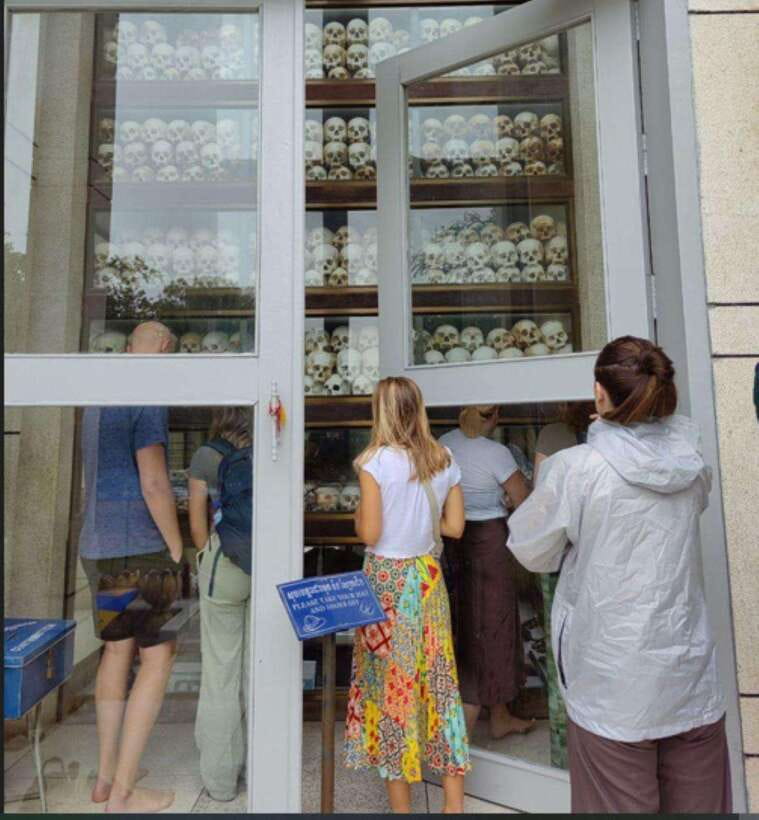
- Time at Choeung Ek to pay respects at the mass graves and memorial stupa
- Tuol Sleng’s small cells and rooms that make the horror feel painfully human-scale
- Chance to meet survivors and hear firsthand stories of survival
- Guide-led explanations that often feel more engaging than audio alone
- Practical comfort touches like air-conditioning and constant water during the drive
How the Half-Day Format Works in Phnom Penh
This tour is built for a half-day window, and that’s a big deal in Phnom Penh. You’re not spending the whole day crisscrossing traffic while your brain is already bracing for heavy content. Instead, you start in the city, get transported in an air-conditioned van, and then you focus on two specific sites: Choeung Ek (the Killing Fields) and Tuol Sleng Genocide Museum (S21).
It’s also not just a “see it, leave it” circuit. You’re encouraged to take your time, look carefully, and ask your guide questions along the way. That matters because the background can otherwise turn into a blur of names, dates, and terrible facts. A good guide helps you connect the dots without turning the experience into a lecture you can’t process.
You can also read our reviews of more tours and experiences in Phnom Penh.
The Drive Out: Pol Pot Context Before You Arrive
Before you step onto the grounds, the tour starts with a presentation during the van ride. The goal is simple: you’re hearing about Pol Pot and how the Khmer Rouge regime functioned, specifically from 1975 to 1979, before the memorials confront you with what that system produced.
In practical terms, this kind of pre-brief changes how you look at everything later. When you understand the purpose of the regime’s policies, the details you see at the sites stop feeling random. You start noticing how different parts of the system fit together—detention, forced labor, imprisonment, and mass death—rather than treating each location as a separate tragedy with no links.
I also like that you’re not stuck with canned commentary. Many guides on this tour are consistently praised for handling the subject with sensitivity and clarity, including guides such as Baboon and Sum Cheath (names that show up again and again in recent bookings). Even when the topic is unbearable, the tone tends to stay respectful, not sensational.
Choeung Ek Killing Fields: A Respectful Pace at the Mass Grave Sites
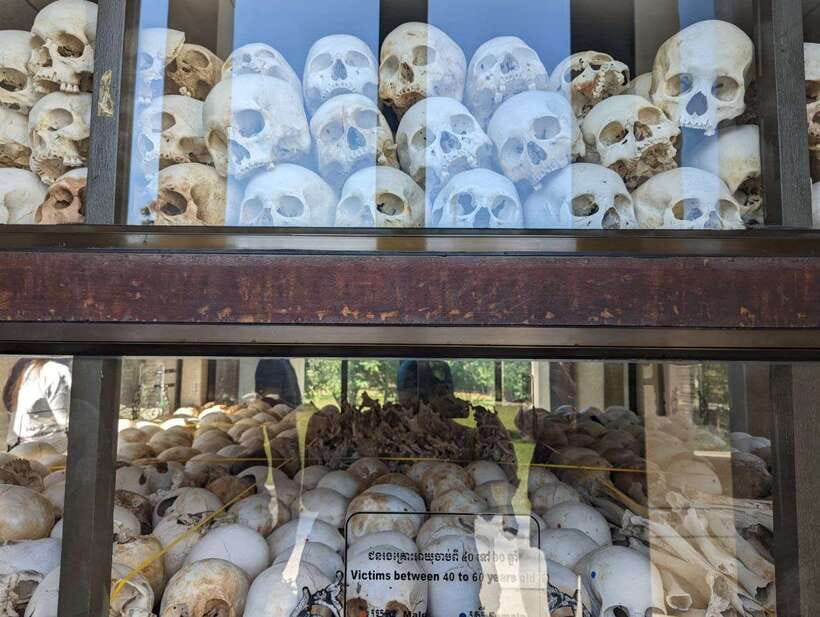
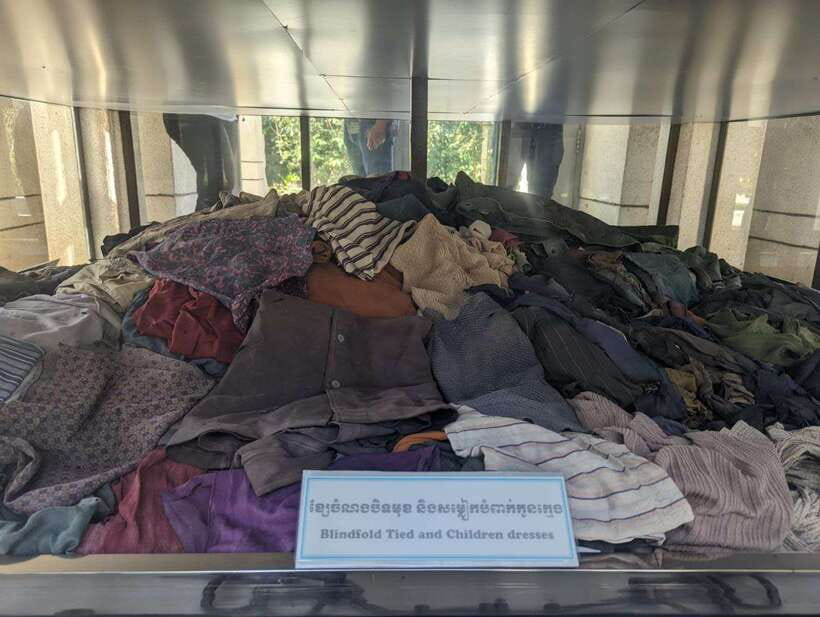
Choeung Ek is the tour’s most sobering stop, and it isn’t subtle. Here you’re shown where over a million people lost their lives during the Khmer Rouge years, and you’ll encounter physical remnants left behind—like bones and clothing rags. That’s the kind of detail that doesn’t stay theoretical for long.
The format at Choeung Ek is designed for quiet understanding. You’ll make time for the memorial areas, including mass graves and the memorial stupa. You also have space to pay your respects without feeling rushed through the experience. That slower pace is important. If you’re used to ticking off attractions, this will feel different—in a good way, but also in a way that asks more of you.
What I’d tell you to do here:
- Keep your questions for your guide, especially if something feels confusing or emotionally overwhelming.
- Give yourself time at the stupa and memorial areas—this is where reflection takes over from sightseeing.
- Expect the emotional weight to sit with you for the rest of the day.
Also, dress code helps you stay in the right mindset. Covering shoulders and knees keeps the visit grounded in respect, which is exactly what this place asks for.
Tuol Sleng Genocide Museum (S21): When the Cells Make the System Real
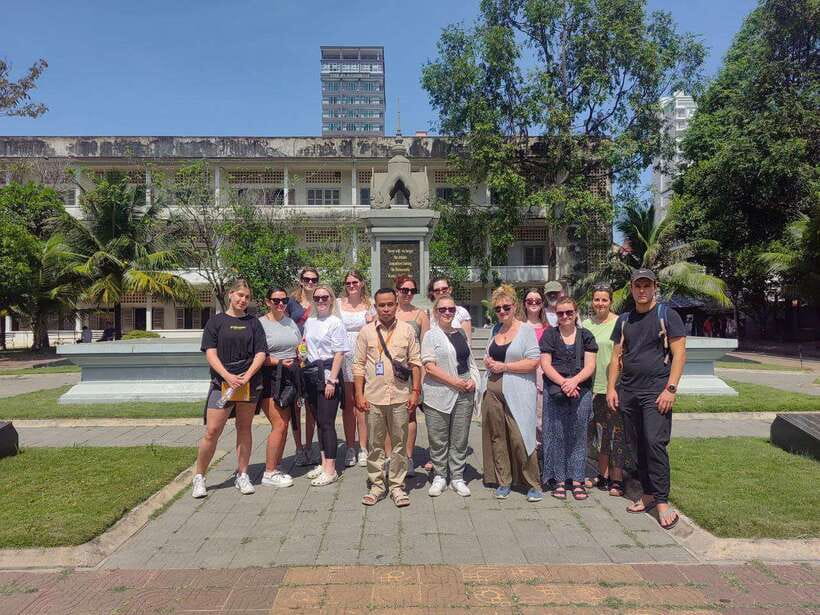
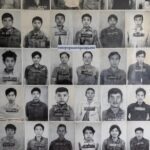
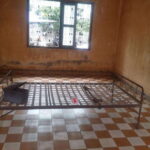
After Choeung Ek, the tour shifts from outdoor memorial grounds to an indoor setting: Tuol Sleng Genocide Museum, also known as S21. This is where you see the genocide machinery in a different way—through recovered relics, photos, and the small rooms and cells where prisoners were kept.
If Choeung Ek shows aftermath, S21 shows process. You walk through spaces that are tight and human-scale. Even without reading every sign, you can feel the intention behind the architecture: control, confinement, and the systematic nature of imprisonment.
The museum time is also built for guided context. Your guide explains what you’re looking at, and you can ask questions as you go. That’s valuable here because S21 can be overwhelming if you only skim panels. When you’re guided through the narrative, the photos and rooms start linking to what you learned on the ride out about how the regime operated.
One detail worth knowing: while audio narration exists at these sites, many people say the guided version is more engaging and meaningful—because it’s not just facts. It’s timing, tone, and answers to questions you might not know how to phrase on your own.
The Survivor Stories Moment: Why It Changes the Tour
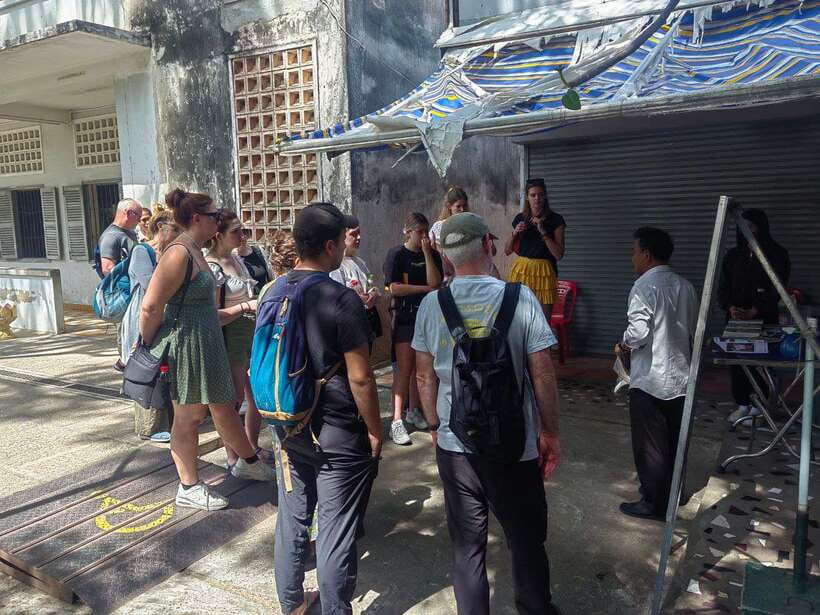
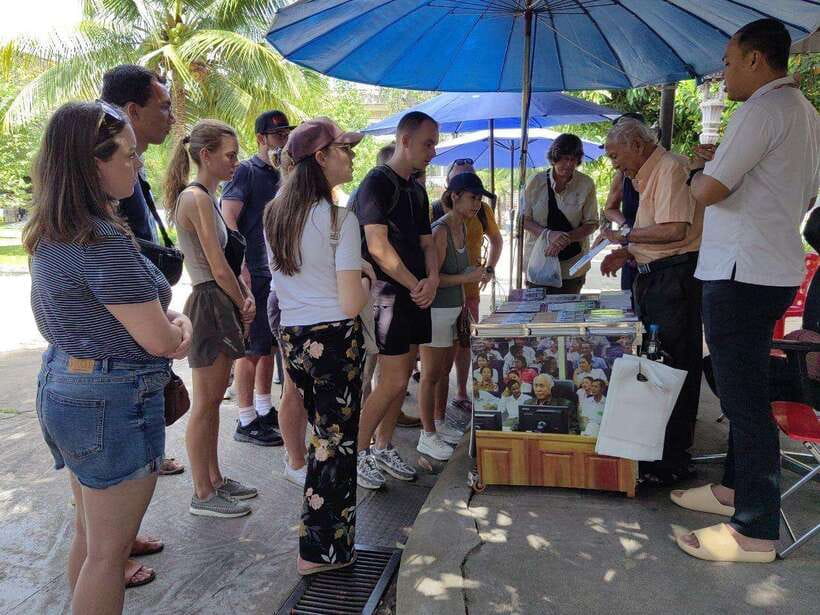
One of the most powerful parts of this experience is that you may get the chance to meet survivors and hear their stories about surviving. Hearing firsthand accounts turns the tour from history into lived reality. It also gives you something that memorials alone can’t: the way people describe what they lived through, how they made it out alive, and what it means to carry that history forward.
This moment can be emotionally intense, but it’s also where the tour becomes more than a heavy stop. The point isn’t to turn survival into a feel-good ending. It’s to acknowledge people as people—whole lives, not just tragedy.
When you meet or hear from survivors (if your tour schedule includes this), ask questions gently and only if you truly want to engage. A good guide can help you figure out what’s appropriate to ask, and when to simply listen.


Questions to Ask Your Guide (So You Get More Than Dates)
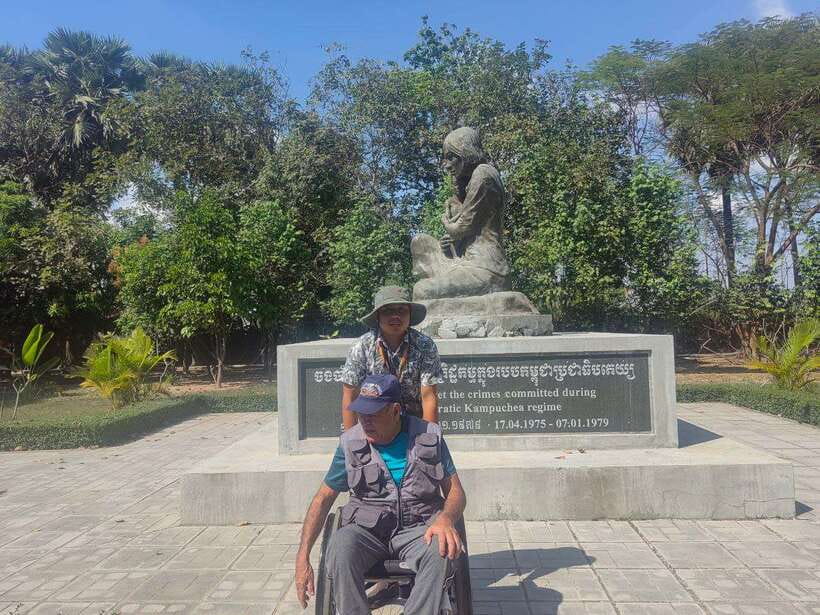
Because the tour encourages questions, you can make it much more personal and useful. Here are question angles that match what the tour covers, without turning the experience into trivia:
- How did the Khmer Rouge system lead to the specific outcomes tied to each site?
- What’s the best way to understand the timeline from 1975 to 1979 in plain terms?
- What do recovered relics and the museum’s rooms suggest about daily life in detention?
- How did survivors describe the choices or moments that helped them live through it?
Guides such as Baboon and Sum Cheath are repeatedly praised for being sensitive and warm, even while discussing horrifying material. That combination matters: you want answers, but you also want respect.
Transport, Timing, and Comfort: The Practical Side That Helps You Focus
This is a short, structured tour: about 4 hours total. You’ll have pickup and drop-off, ride in an air-conditioned van, and water is included.
That comfort isn’t a luxury here—it helps your brain stay present. Heat and stress make it harder to process emotional content, and air-conditioning plus water means you can focus on the sites instead of worrying about basics.
Recent experiences also highlight how smoothly the transport runs. Drivers named Rama and Rom appear in feedback, and people often mention punctual pickups and the feeling of being looked after. Even if you don’t meet those exact staff members, the setup is clearly meant to keep the logistics calm so the emotional impact is the main event.
Price and Value: What You’re Paying For (and What You Still Need to Budget)
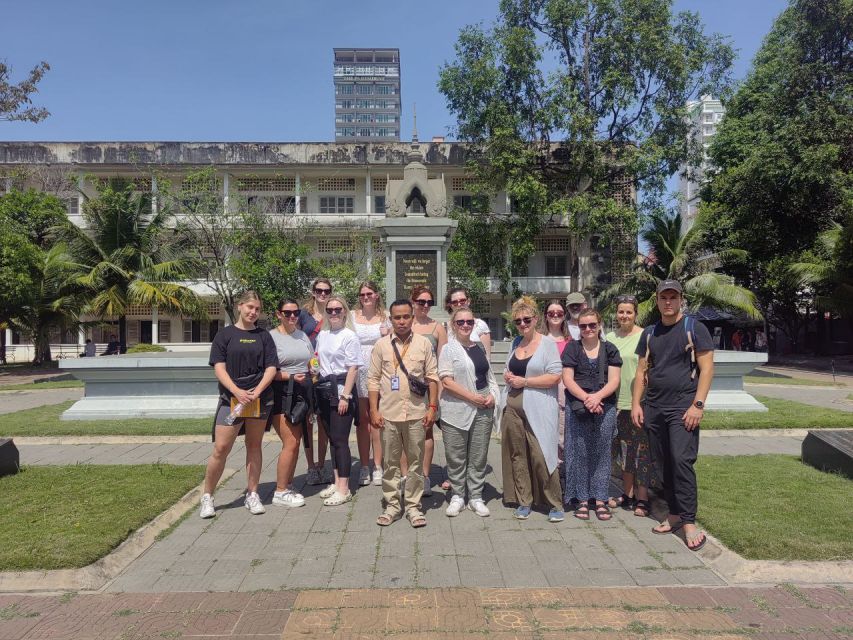
The headline price is $19 per person, and that covers the most important “moving parts”:
- pickup and drop-off from the provided meeting point options
- air-conditioned van
- tour guide
- water
But two key things are not included:
- Killing Fields entry ticket: $3
- Genocide Museum entry ticket: $5
- Food
So your “all-in” base cost for entries is $27, plus whatever you eat before or after. For a tour that combines two major sites, guided history, and structured time for reflection, that can be good value—especially compared with doing each location separately without the connecting context.
If you’re budgeting, plan for a simple meal afterward. Also consider timing: most people doing this tour will want something nearby when they’re ready to reset afterward.
Dress Code and Respect: A Small Detail With Big Meaning
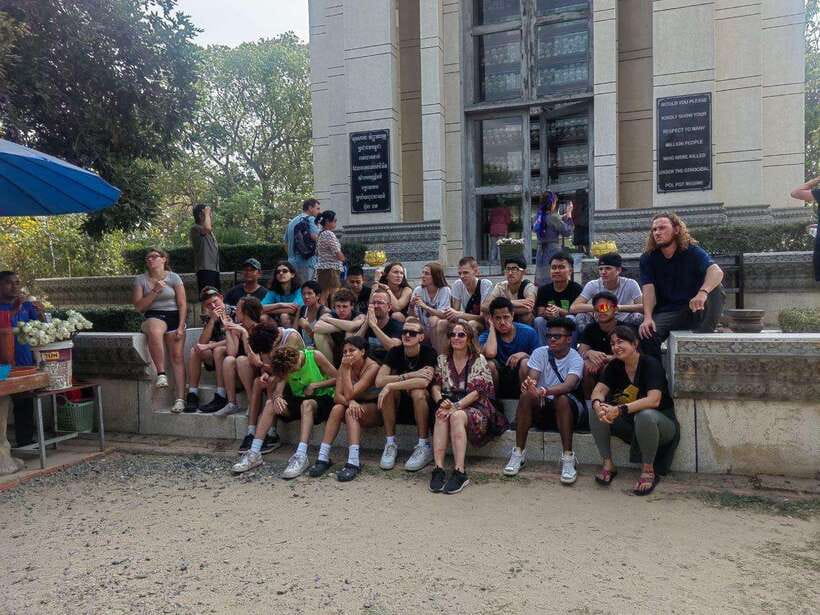
The tour asks you to dress properly by covering your shoulders and knees. This isn’t just a rule for entry—it signals respect for victims and survivors. In a place where artifacts and memorials carry enormous meaning, your clothing becomes part of how you show up.
I’d treat it like a spiritual courtesy: you’re not there to pose. You’re there to learn and honor.
Who Should Book This Tour (and Who Might Reconsider)
This tour is a strong fit if you want:
- a guide-led explanation (not just signs)
- time for reflection at Choeung Ek
- an organized visit to both Killing Fields and S21 in one half-day
- the chance to hear survivor stories
You might think twice if you’re someone who gets overwhelmed quickly by graphic or emotionally intense sites. The tour includes harrowing imagery and stories. People describe it as heart wrenching but important. If you’re sensitive right now, choose the moment carefully, and consider going earlier in your schedule so you have time to process afterward.
Also, if you like structure and context, this is easier than a DIY day where you’re piecing together history on the fly.
Should You Book This Phnom Penh Killing Fields & S21 Tour?
I think you should book this tour if you’re visiting Phnom Penh and you want to understand Cambodia’s recent history in a way that’s organized, guided, and respectful. The strongest reason is the combination: the van briefing sets context, the sites are given time and space, and the guide helps you connect what you’re seeing to the Khmer Rouge system.
It’s not a light activity. But it’s also not aimless suffering. It’s an educational experience built around comprehension, remembrance, and the human stories that still matter today.
If you’re prepared for a heavy day and want clear guidance, this is the kind of tour that helps you leave with understanding—not just photos.
FAQ
How long is the tour?
The duration is about 4 hours.
Is pickup and drop-off included?
Yes. Pickup and drop-off are included from the meeting point options listed, and the tour also includes a return to the meeting point at the end.
Are the entrance tickets included in the $19 price?
No. The Killing Fields entry ticket is $3, and the Genocide Museum entry ticket is $5. Food is also not included.
What’s included in the tour besides transportation?
You get an air-conditioned van, a tour guide, and water.
What language is the tour offered in?
The tour guide speaks English.
What should I wear?
Dress properly by covering your shoulders and knees to respect the victims.
What time does pickup happen if my hotel isn’t on the list?
If your hotel isn’t in the list of search pickup options, you’re asked to meet at 178 Corner Sisovat quay, Riverside Path, Phnom Penh at 7:45am (morning) or 12:45pm (afternoon). The tour also notes that you should text via WhatsApp to confirm your pick up when needed.