REVIEW · PHNOM PENH
The Killing Field and Toul Sleng Genocide Museum (S21) Tour
Book on Viator →Operated by The Killing field and Toul Sleng genocide museum S21 Tour · Bookable on Viator
A visit to Phnom Penh’s darkest sites hits fast. This guided half-day pairs the Killing Fields with the prison museum S-21 (Tuol Sleng), so you get context instead of just walking through rooms and memorials with questions. I especially liked the hotel pickup and drop-off that keeps the trip easy, and the way the guide turns a brutal timeline into something you can actually follow. One thing to consider: museum entry fees are extra, and the content is intense even when the narration is thoughtful.
Here’s the bottom line for most people: if you’re in Phnom Penh with one solid block of time, this tour is a strong, well-paced way to understand what happened under the Khmer Rouge—and to do it with someone answering questions along the way.
In This Review
- Key things I’d watch for on this tour
- Why This Killing Fields + S-21 Tour Works in a Half Day
- Price and What You’ll Actually Pay in Phnom Penh
- Hotel Pickup and Air-Condition Comfort on Memorial Days
- Stop 1: Choeung Ek Genocidal Center and the Memory Walk
- Stop 2: Tuol Sleng Genocide Museum (S-21) Inside the Prison
- How the Guide Context Helps You Follow the Khmer Rouge Timeline
- Pacing, Emotional Timing, and When You’ll Need a Pause
- What to Bring: Cash, Water, and Practical Clothing
- Is This Tour Worth It for Your Cambodia Trip?
- Should You Book This Killing Fields + S-21 Tour?
- FAQ
- FAQ
- Are the museum entry fees included in the tour price?
- How long is the tour?
- Does the tour include hotel pickup and drop-off?
- Can I choose a morning or afternoon departure?
- Is transportation air-conditioned?
- Is free cancellation available?
Key things I’d watch for on this tour
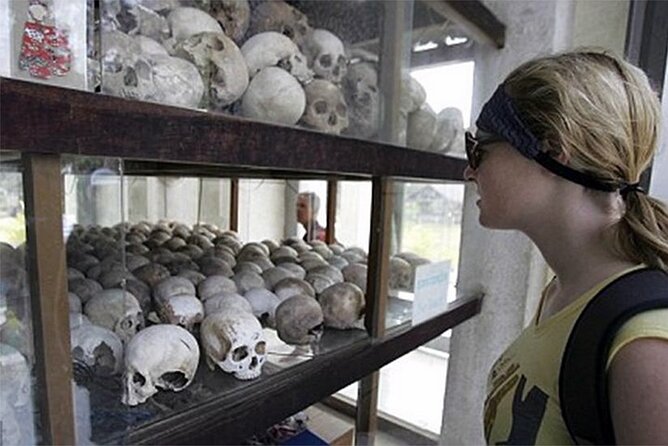
- Two major stops in one half-day: Choeung Ek Genocidal Center plus Tuol Sleng Genocide Museum (S-21)
- Entry tickets are separate: Choeung Ek and S-21 cost extra on top of the tour price
- Comfort that matters on memorial days: air-conditioned vehicle, cold water, and a small-ish group
- Guides can shape your experience a lot: reviews highlight guides like Visal and Sum Cheath for clarity and organization
- Some visitors want more time to read at S-21: pacing can feel a touch quick in the museum
Why This Killing Fields + S-21 Tour Works in a Half Day
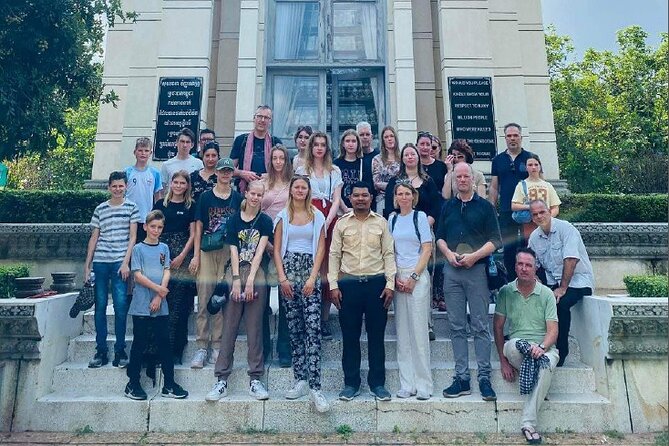
This is not the kind of tour where you’re looking for views, coffee stops, or cute side streets. It’s a heavy, educational outing. What makes it work in about four hours is that it’s structured: you start with one site and then move to the other, so your brain can connect the dots—before you leave Phnom Penh and try to process everything alone.
I also like that you’re not doing it as a self-guided maze. You get an English-speaking guide plus a driver, and you’ll have time to ask questions. That matters here because the names, dates, and the logic of the Khmer Rouge system can get confusing fast if you’re just reading panels and guessing.
And yes, you should expect emotions. Even when the presentation is respectful and organized, the subject is brutal. A good guide helps you stay oriented rather than lost. Reviews repeatedly praise that balance: clear background on Pol Pot and the Khmer Rouge, plus moments to slow down and reflect.
You can also read our reviews of more tours and experiences in Phnom Penh.
Price and What You’ll Actually Pay in Phnom Penh
The tour price is $19.20 per person, but don’t forget the big add-ons: entry fees are not included. You should plan on paying:
- Choeung Ek Genocidal Center: $3.00
- Tuol Sleng Genocide Museum (S-21): $5.00
So the all-in cost for the main sites is usually about $27.20, before any tipping. For a guided half-day with hotel pickup, air-conditioned transport, and two major sites, that’s reasonable value in Phnom Penh terms.
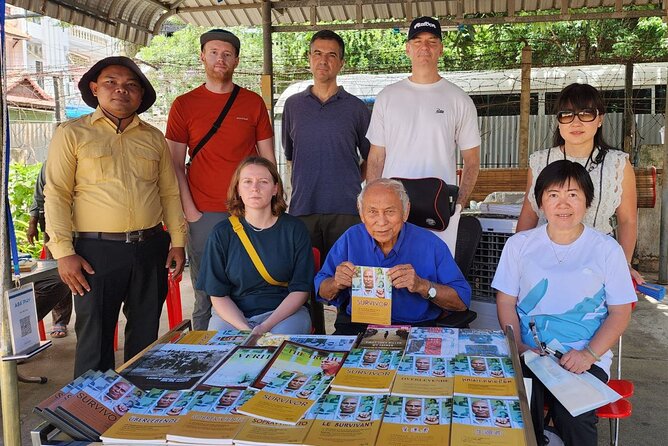
A practical tip from the reality of the visit: bring cash for the tickets. Some visitors note that cash is needed at entry, and you may also want extra for books from survivors’ networks if you choose to buy one (some reviews mention $10 each).
Hotel Pickup and Air-Condition Comfort on Memorial Days
This tour is designed for low-friction logistics. You can choose a morning or afternoon departure, and you’ll be picked up from your Phnom Penh hotel. That means you’re not stressing about finding the right tuk-tuk, negotiating the route, or timing your return while everything feels emotionally draining.
You ride in an air-conditioned vehicle, and you’ll get cool water—a small detail, but it matters in Phnom Penh heat, especially when you’re walking and standing around longer than you expect. Reviews also mention the driver providing cold water bottles, which is the kind of practical kindness that doesn’t get enough credit.
Group size is capped at 50 travelers, which usually keeps things manageable. You won’t feel like you’re in a huge crowd rushing through everything, though it’s still a group day.
One more small note: some people say communication on the bus can be uneven until everyone boards. It’s usually cleared up once you’re moving, but if you’re the type who likes a quick game plan from minute one, I’d still suggest being ready to ask the guide to confirm the order and timing once you’re set.
Stop 1: Choeung Ek Genocidal Center and the Memory Walk
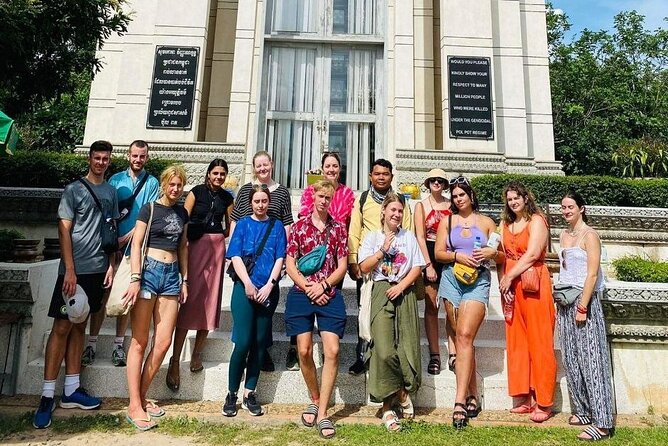
Choeung Ek Genocidal Center is one of the most powerful parts of this whole experience. It’s not just a museum stop; it’s a place meant for remembrance. You get a guided session of about two hours, and admission for this site is extra.
What makes this stop valuable is how it changes your understanding of what comes next. After Choeung Ek, S-21 makes more sense. You can feel the shift from mass killing sites to the prison system, and your mind starts to connect the Khmer Rouge workflow rather than treating everything like separate stories.
The guide’s job here is to explain the history without turning it into a lecture that you can’t absorb. In the reviews, guides like Sum Cheath and Visal are described as organized and emotionally mindful. That matters because Choeung Ek is the kind of place where you’ll want time to reflect, not just keep moving.
Potential drawback: if you’re the type who reads every line slowly, the schedule might feel a little structured. A few comments mention pacing that can feel rushed at other points, especially later at S-21. If you need extra quiet time, it’s worth knowing you might have less flexibility than a fully private day.
Stop 2: Tuol Sleng Genocide Museum (S-21) Inside the Prison
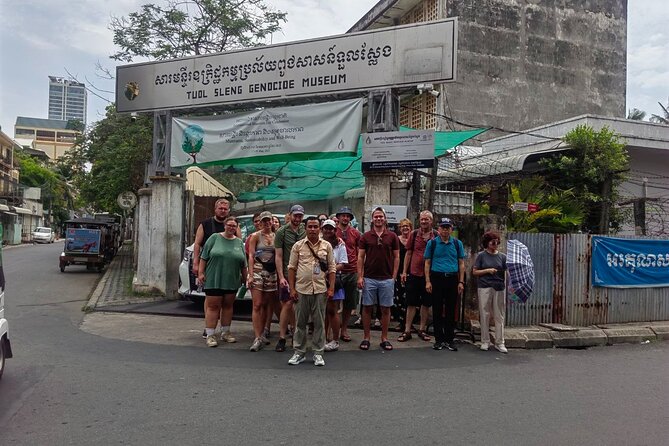
Tuol Sleng Genocide Museum—often called S-21—is the other half of the core experience. Like Choeung Ek, it’s about two hours with the guide, and admission is extra. This is the prison site where the horrors of the Khmer Rouge era are documented with sickening clarity.
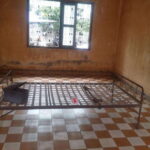
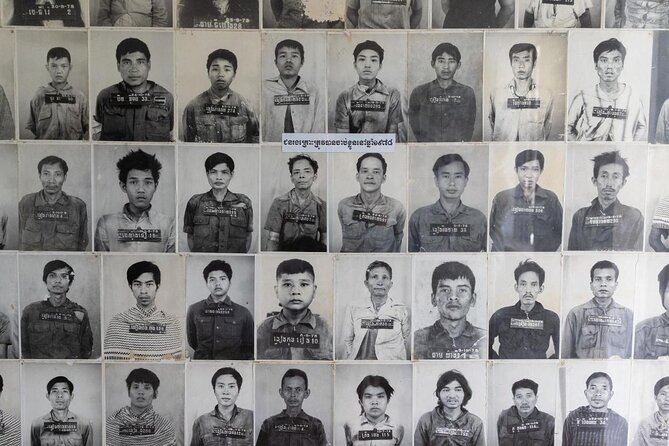
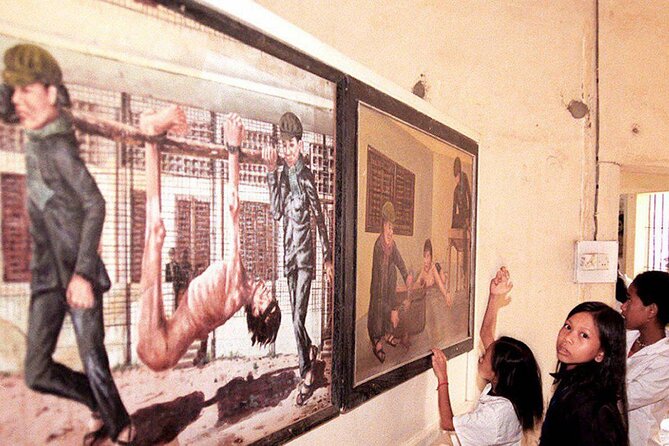
Where S-21 can feel different from other memorials is the sheer density of what you see and read. Cell-like rooms, documentation, photos, and the sense of a system designed to break people down. If you came hoping for a gentle introduction, this is not it. If you came because you want to understand how a regime can run torture and control at scale, this is the heart of that story.
In the review mix, the most common praise is about guides keeping you oriented: background on Pol Pot and the Khmer Rouge, then connecting that context to what you’re seeing in the prison rooms. Several people specifically praise Cheath (and spellings like Sun Cheath / Sum Cheath) for balancing explanation with time to reflect.
One consideration: sensitivity varies. Some visitors say the details can feel too heavy if you’re not ready for graphic descriptions. There’s at least one outlier report describing very aggressive language, which is obviously not what you want on a day like this. If you’re worried about tone, I’d suggest speaking up early—ask the guide to keep the level of detail appropriate for your group’s comfort.
Another pacing note: a few people felt a little rushed in S-21 and wanted more time to read on their own. If your style is slow reading and lingering, you may want to plan to come back later on a different day—or choose a tour with a reputation for extra museum time if you’re booking elsewhere.

How the Guide Context Helps You Follow the Khmer Rouge Timeline
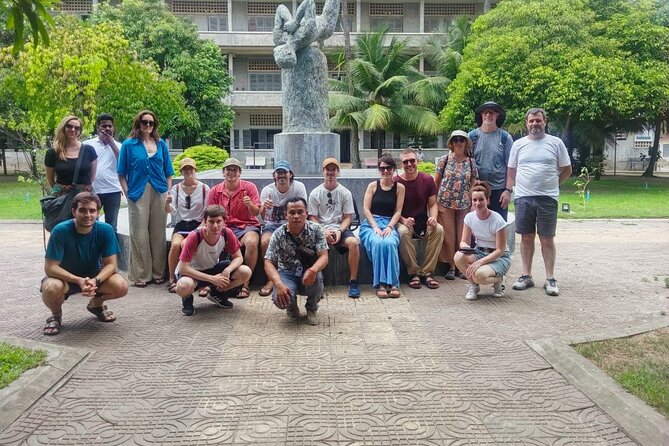
The best version of this tour isn’t just seeing two sites. It’s understanding the system between them. A good guide helps you connect:
- who the Khmer Rouge targeted
- how the prison worked
- why the regime depended on fear and control
- how Cambodia’s society moved after 1979
That’s why you’ll hear repeated praise for guides like Visal and Sum Cheath: people highlight clarity, organization, and answering questions in real time. When a guide can explain the background before you walk into the rooms, your brain stops trying to guess what you’re looking at.
It’s also why the tour’s group format can be a plus. Questions from other people often trigger the exact explanations you would’ve asked for yourself. If your background is limited (no shame—most people don’t know this history), the guided structure helps.
One more detail that shows up in feedback: some guides share personal family experiences or personal insight. That can make the day feel more human, not just historical. It can also make it more emotional, so be ready for that possibility.
Pacing, Emotional Timing, and When You’ll Need a Pause
You’re looking at roughly four hours total, including travel time between sites and the ride back. Two hours at Choeung Ek and two hours at S-21 sounds simple on paper, but in reality the day includes walking, transitions, and moments you’ll naturally slow down.
This is where you’ll want to use your own judgment. If you feel overwhelmed, it’s okay to slow down, take a breath, and step back. The tour isn’t designed to make you race through everything—it should include time to reflect, and many people mention feeling they had space to process.
Still, some visitors comment on being rushed at S-21. That usually happens when a group moves as one unit and the guide keeps things flowing to hit the overall schedule. If you’re the type who needs quiet time to read and absorb, try to be ready to adjust your expectations: you’ll get a strong guided foundation, but you may not get unlimited roaming.
Also consider that some visits may include guides who are more detailed than others. A few people felt the explanations of killings and tortures went too far emotionally. If you’re sensitive to graphic narration, you can set a boundary at the beginning of the tour by telling the guide what level of detail works for you.
What to Bring: Cash, Water, and Practical Clothing
This tour gives you cool water, but you’ll still want to bring:
- sunscreen and a hat (if it’s hot when you go)
- comfortable walking shoes
- a bottle refill plan if you run through water quickly
- some cash for admission fees and possible purchases
Clothing-wise, the tour data doesn’t specify a strict dress code, but memorial sites often expect modesty. One review mentions entrance cover provisions, suggesting there may be options on-site if your clothes don’t meet expectations. Still, better to plan ahead so you don’t end up dealing with last-minute adjustments while you’re already emotionally loaded.
If you’re buying a survivor book, you’ll likely want cash ready. Some reviews mention survivor books priced at $10 each, offered during the visits.
Is This Tour Worth It for Your Cambodia Trip?
For most people in Phnom Penh, this is a top value use of time. You’re getting:
- guided interpretation for two of the most important sites
- hotel pickup and return transfers (less stress, more mental bandwidth)
- air-conditioned transport and water
And you’re doing it as a half-day, which is important. After Choeung Ek and S-21, you don’t want to spend the rest of the day dealing with transit logistics. You’ll likely feel better if you’re back at your hotel with time to process.
Who I think it fits best:
- first-time visitors to Phnom Penh who want a structured, respectful overview
- people who prefer a guide over self-guided reading
- groups who want the “big picture” explained out loud
Who might consider an alternative:
- anyone who wants a very slow, independent pace inside S-21
- people who are very sensitive to emotionally graphic narration
- readers who prefer audio-guide freedom rather than group pacing (some visitors mention audio guides would’ve been interesting, but this tour uses a live guide rather than audio devices)
Should You Book This Killing Fields + S-21 Tour?
Yes, you should book this tour if you want one clear, guided half-day that connects the Khmer Rouge prison system to the wider atrocities at Choeung Ek. The hotel pickup, air-conditioned comfort, and two-site structure make it practical, and the guide component is the real value—especially when guides like Visal or Sum/Cheath deliver clear context and keep the experience organized.
Skip it or consider another format if you need maximum independent reading time inside S-21, or if you’re worried about the level of detail in the narration. You can still visit these places, but you might be happier with a more flexible option.
FAQ
FAQ
Are the museum entry fees included in the tour price?
No. Entry fees are extra. Plan on paying $3.00 for Choeung Ek Genocidal Center and $5.00 for Tuol Sleng Genocide Museum (S-21).
How long is the tour?
The tour runs about 4 hours total (approx.).
Does the tour include hotel pickup and drop-off?
Yes. Return transfers to your hotel are included, and hotel pickup is offered.
Can I choose a morning or afternoon departure?
Yes. You can choose either a morning or afternoon tour.
Is transportation air-conditioned?
Yes. You’ll ride comfortably in an air-conditioned vehicle, and you’ll get cool water.
Is free cancellation available?
Yes. You can cancel for a full refund if you cancel at least 24 hours before the experience’s start time.