REVIEW · TOKYO
From Tokyo: Must-Visit Mount Fuji Highlight Full-Day Tour
Book on GetYourGuide →Operated by JTOURSTORY · Bookable on GetYourGuide
Fuji shows up fast when you’re not stuck in Tokyo traffic. This full-day trip is built for big mountain views with a plan that keeps moving, so you can see Mount Fuji from different angles. I love that you can pick Course A for the classic photo circuit or Course B for lakes, ponds, and more quiet stops. One thing to weigh: time at each location is short, and your view depends a lot on weather.
What makes this tour feel worthwhile is the mix of iconic stops and real Fuji-area variety. You get the famous postcard framing at Chureito Pagoda, plus lakes like Kawaguchi and Yamanaka, and cultural spots like Oshino Hakkai. It also helps that the day is paced by a guide and driver on a schedule that works for a big group size (up to 49 people).
In This Review
- Key things to know before you go
- Why this Mount Fuji day trip beats trying to DIY
- Two route styles: Course A for classic Fuji photos vs Course B for lakes and ponds
- Course A: the postcard photo circuit
- Course B: more calm scenery around Fuji’s water
- From Tokyo to Fuji: timing, bus comfort, and where you sit for the best shots
- Arakurayama Sengen Park and Chureito Pagoda: the steps that make the view worth it
- Honcho Street, Lawson viewpoints, Lake Kawaguchi, and Oishi Park: the photo angles that come in clusters
- Shiraito Waterfall and Obuchi Sasaba: waterfalls, mist, and tea-field views
- Oshino Hakkai and Lake Yamanaka: when Fuji turns quiet and reflective
- Weather, crowds, and why your day can still be great without a perfect view
- Price and logistics: what $69 really gets you
- What to bring so the long day feels easy
- Should you book this Mount Fuji tour?
Key things to know before you go
- Two routes, two moods: Course A favors famous photo angles; Course B leans into ponds and lakes.
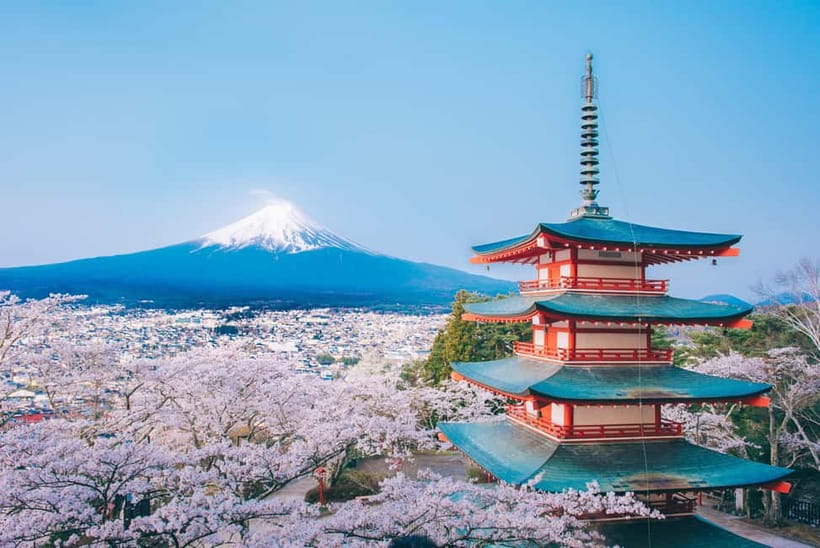
- Chureito Pagoda is the main workout: expect stairs, and it’s an easy to moderate uphill climb.
- Lunch is not included: plan on buying snacks or a light meal during stops.
- Weather controls the payoff: clear skies make it magical; clouds still leave you with great villages and lakes.
- Bus seating affects photos: I’m seeing a common tip to sit on the left side for better Fuji framing.
Why this Mount Fuji day trip beats trying to DIY
Mount Fuji is one of those places where the hardest part is logistics, not sightseeing. With a guided circuit, you avoid the hassle of figuring out bus transfers or renting a car and then parking while the mountain vanishes behind fog. You also get round-trip transport from central Tokyo, which alone saves time and stress.
Another win is the guide’s job: keeping the group together and adjusting when the day gets complicated. The tour notes that vehicle time limits under Japanese law (and real traffic) can force small changes, and that’s exactly when a guide helps you keep the day on track. In past groups, guides such as Kei, Goldie, Yui, and Yuichi have been praised for clear direction and keeping the schedule moving for big groups.
You can also read our reviews of more tours and experiences in Tokyo.

Two route styles: Course A for classic Fuji photos vs Course B for lakes and ponds
You choose your style up front. Both routes start from the Tokyo side and then swing into Fuji-area viewpoints, but the stops reflect two different priorities.
Course A: the postcard photo circuit
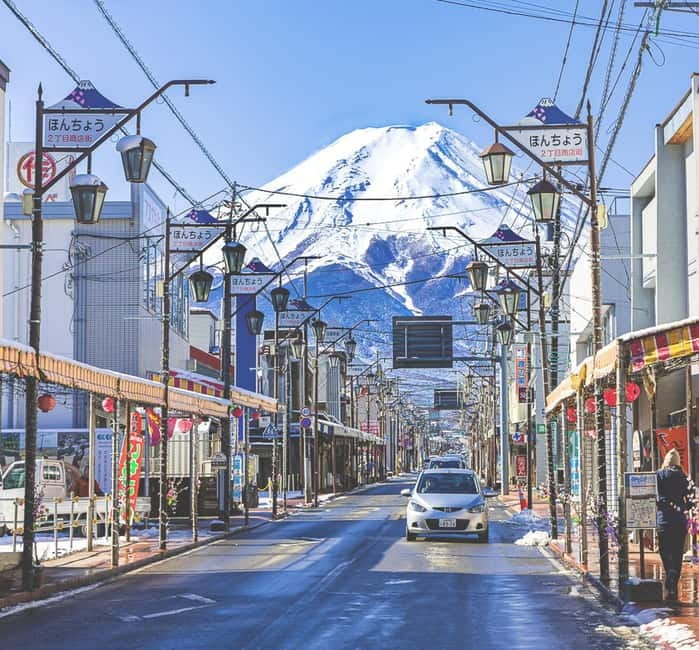
Course A is made for that “classic Mount Fuji shot” feeling. You start at Arakurayama Sengen Park, where the five-story Chureito Pagoda frames Fuji in the background. From there you move through the nostalgic Shimoyoshida Honcho Street, then hit Lake Kawaguchi for reflective views and Oishi Park for colorful seasonal flowerbeds.
The route also includes Shiraito Waterfall, and then a rural tea field stop at Obuchi Sasaba, where the peak often appears far in the distance above rolling green.
Course B: more calm scenery around Fuji’s water
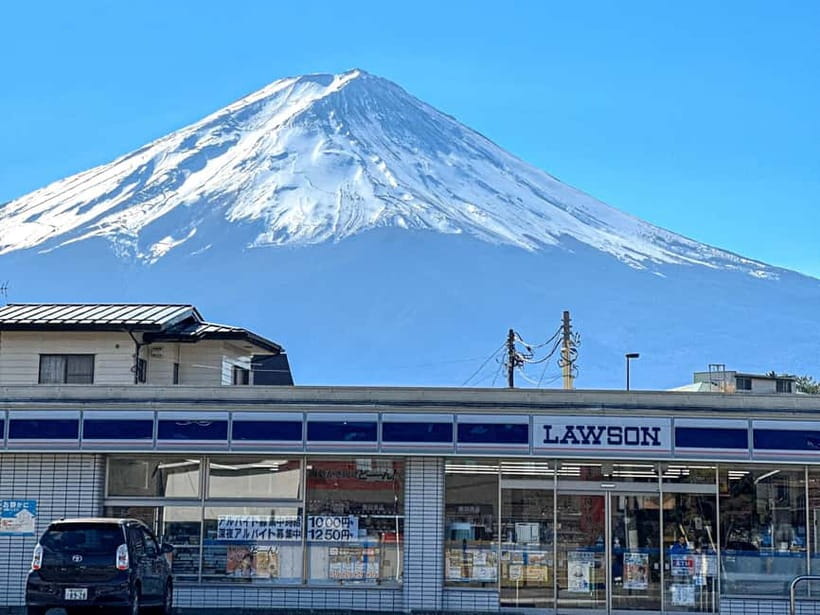
Course B keeps the same early Fuji-view energy, then slows down into lakes and spring ponds. It includes a stop around Lawson Fujikawaguchiko Town Hall (another big Fuji-photo spot), then Mt. Fuji Museum / Opt Matcha café.
Next comes Oshino Hakkai, known for its eight crystal-clear spring ponds. The day ends with Lake Yamanaka and Hirano Beach, where Fuji can reflect across calmer water when the conditions are right.
If you love photos, go Course A. If you want more variety that feels less “photo-only,” Course B is the better fit.
From Tokyo to Fuji: timing, bus comfort, and where you sit for the best shots
The day is long because Tokyo to the Fuji region takes time. You’re looking at about 2.5 hours by coach from your pickup area, and the whole experience runs roughly 11 hours. On real days, the schedule can stretch a bit when traffic changes, and some groups have reported a day closer to 12.5 hours.
The coach experience is part of the value. This is a larger bus format (up to 49 per group), but the setup is designed for comfort during a long ride. In feedback, drivers are often praised for safe, punctual driving, and that matters here because you’re relying on timing to catch the best light at each viewpoint.
A small but useful photo tip shows up repeatedly: sit on the left side of the bus if you want better chances for Fuji framing as you travel.



Arakurayama Sengen Park and Chureito Pagoda: the steps that make the view worth it
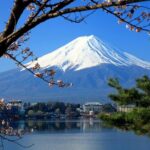
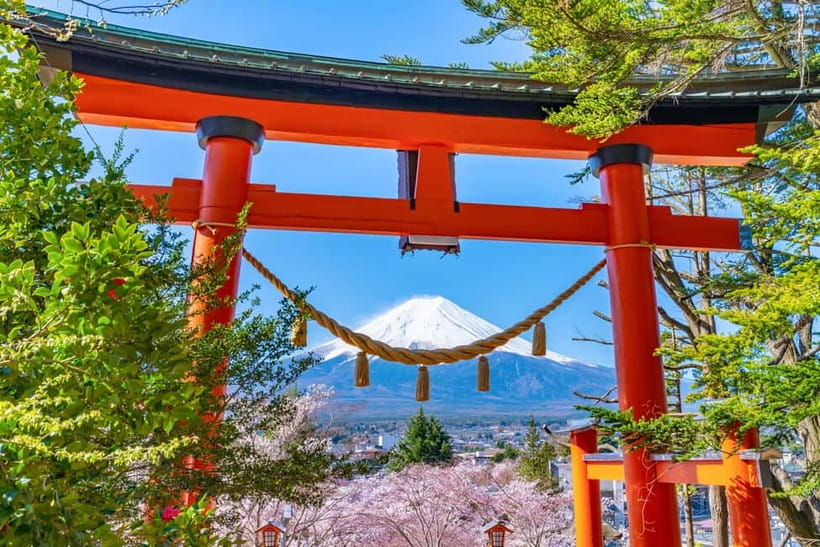
This is the headline stop. Arakurayama Sengen Park puts you at the foot of the famous Chureito Pagoda, the one you’ve probably seen in postcards and travel photos. The short stay is enough to get your bearings, take photos, and climb to the classic angle.
Plan for walking and stairs. One important note: the pagoda involves climbing a good number of steps (around 400 steps has been mentioned), so it’s not a flat stroll. This tour is also stroller-friendly, but that doesn’t mean the climb is easy with a bulky stroller.
If you’re okay with an easy to moderate climb and you want that unmistakable Fuji + pagoda framing, this stop is why the tour exists.
Honcho Street, Lawson viewpoints, Lake Kawaguchi, and Oishi Park: the photo angles that come in clusters
After the pagoda, the route keeps feeding you Fuji-photo opportunities, often in quick succession. First up is Shimoyoshida Honcho Street, a nostalgic lane with local shops and places to grab a snack. The charm is that it feels like a real village, not just a viewpoint platform.
Then comes the Lawson Fujikawaguchiko area. People line up for photos because the building sits in a position where Fuji can appear in the background. It’s also one of those stops where you’ll get the classic “Fuji by a normal everyday place” feeling, which is fun if you’ve been staring at urban Japan all week.
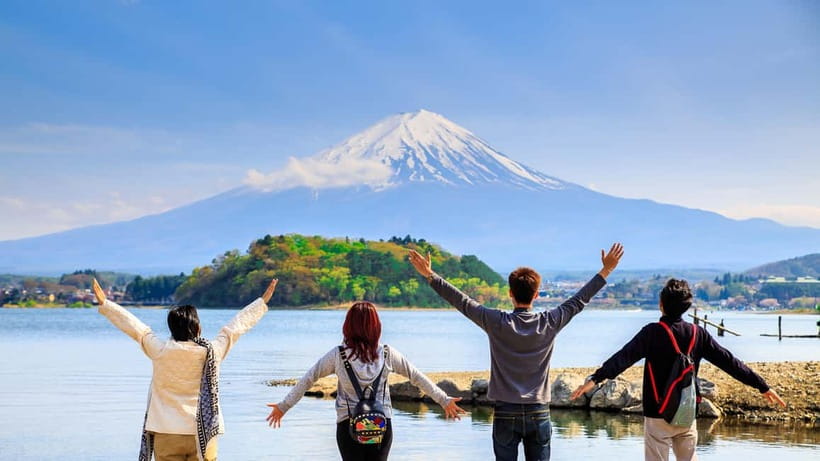
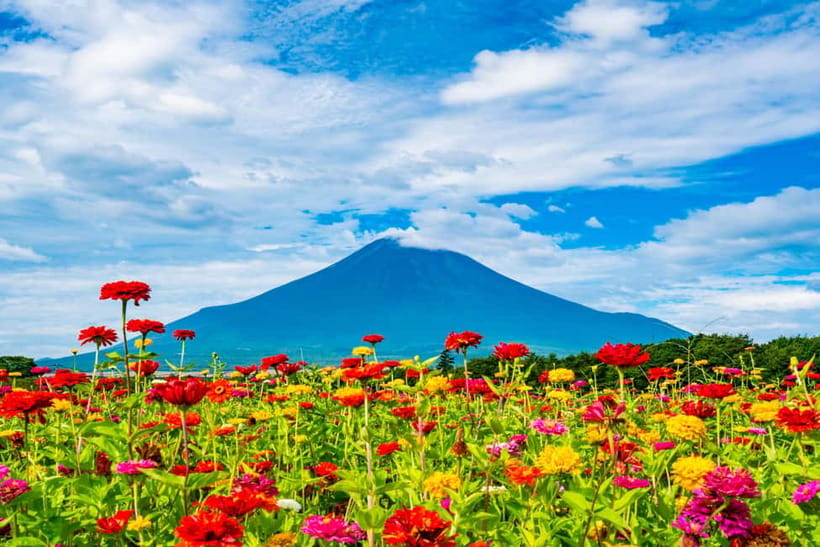
Lake time is where the day changes character. At Lake Kawaguchi you look for reflections, and at Oishi Park you get seasonal color. On clear days, those flowerbeds and Fuji alignment look like they were designed for cameras. On cloudy days, you still get wide-open lakeside air and a break from stairs.
Shiraito Waterfall and Obuchi Sasaba: waterfalls, mist, and tea-field views
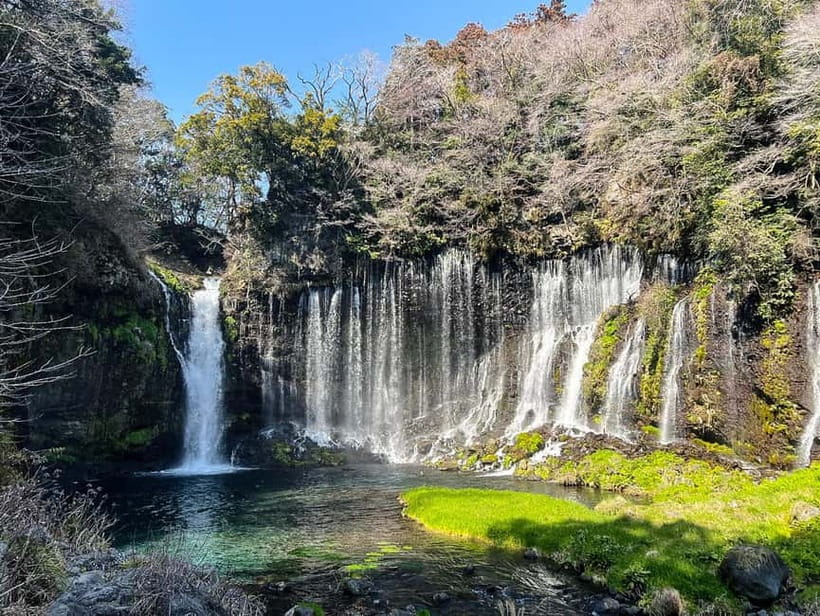
Shiraito no Taki brings in a different texture. The waterfall is known for its cascading white streams and cool mist, which can feel refreshing after a long bus ride. This stop also includes time to eat, but meals are not included, so you’ll need to buy something there if you get hungry.
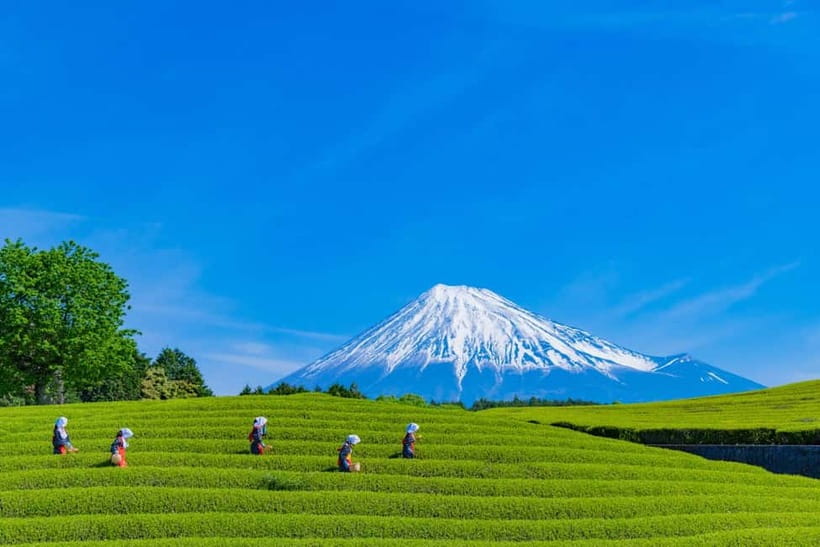
After the waterfall, Course A heads to Obuchi Sasaba, a lush tea plantation area. It’s a great contrast to the lakes: more green, more rural calm, and often a view back toward the mountain. Think of it as the tour’s “slow down for a minute” stop, even if the schedule keeps you moving.
A practical note: bring comfortable shoes and some snacks. Even with planned breaks, the day moves fast, and you don’t want hunger to make you hate the views.
Oshino Hakkai and Lake Yamanaka: when Fuji turns quiet and reflective
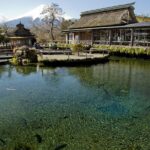
Course B has a special kind of payoff: it turns the focus away from postcard angles and toward how Fuji shapes everyday water. Oshino Hakkai is famous for its eight spring ponds, fed by snowmelt from the mountain. The ponds are clear enough that you can see details at the surface, and the area has an old-village rhythm that feels grounded.
Then you shift to Lake Yamanaka and Hirano Beach. Lakeside time here is more about breathing and noticing. When Fuji is visible, the reflections can be dramatic. When it isn’t, the lakes still give you that “I’m really away from Tokyo now” feeling.
This is also where you’ll appreciate the value of having a guide. The guide’s pacing helps you reach the best moments of a day that can flip quickly with weather.
Weather, crowds, and why your day can still be great without a perfect view
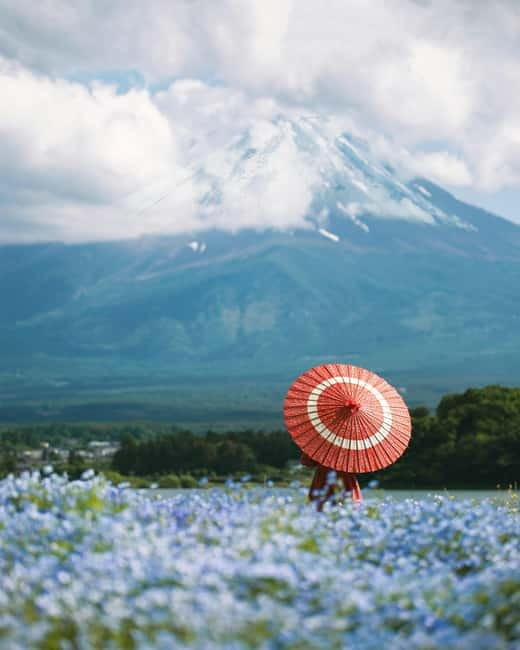
Let’s be honest: Mount Fuji is famous because it’s sometimes hidden. The tour is planned around weather and traffic, and the schedule can adjust in real time. If you get clear skies, the views from multiple stops can feel unreal. If clouds roll in, you may still see Fuji in patches, plus plenty of great sights that don’t disappear just because the mountain is shy.
Crowds also matter. Some stops are popular, especially the pagoda area. The tour’s format helps because you’re moving as a group and hitting spots in an organized flow, rather than arriving at the worst moment because you misread local transit.
A tip that comes up in real-world days: the order of stops can matter when visibility changes, and guides have sometimes adjusted the flow to chase clearer views.
Price and logistics: what $69 really gets you
At $69 per person, this tour is priced like a value day trip, especially because it includes round-trip transport from central Tokyo and an English- and Korean-speaking guide (plus other languages depending on the guide team). For a full-day outing with a scheduled driver and a guide who manages timing, that cost can feel reasonable.
Where the math gets personal is meals. Meals are not included, and lunch time is not guaranteed as a provided meal. The good news is that stop locations give you chances to buy snacks, drinks, and quick bites. If you’re sensitive to timing, I’d bring snacks anyway so you can keep energy up while you wait for photo moments.
Also consider the group format. This isn’t a private tour. You’ll have the convenience of a single coach and planned stops, but you won’t get silent, long lingering time at every location.
What to bring so the long day feels easy
This is a “walk a bit, climb a bit, stand and watch for Fuji” kind of day. Plan for real walking and some stairs at key photo stops.
Bring:
- Comfortable shoes (you’ll thank yourself at the pagoda)
- Snacks and water for energy between stops
If you’re using a stroller, the tour is stroller-friendly. Just make sure you inform the operator so they can plan accordingly.
One more practical note: Fuji-area weather can change quickly. Layers help, especially if you’re dealing with mist at the waterfall.
Should you book this Mount Fuji tour?
I’d book it if you want a guided Mount Fuji day trip from Tokyo that prioritizes the big viewpoints without the stress of driving, parking, and timing on your own. The two route styles are a real plus. Course A is for classic photo hunters. Course B is for people who want lakes, spring ponds, and quieter water moments.
I’d skip it if you want long stays in one place, or if your main goal is a guaranteed view of the mountain every hour. Even with the best planning, weather decides visibility.
If you’re flexible and you want a smooth, high-value day packed with iconic Fuji stops, this tour fits well.