REVIEW · BALI
Bali Zoo: Guided Ethical Elephant Care Experience
Book on GetYourGuide →Operated by Bali Zoo · Bookable on GetYourGuide
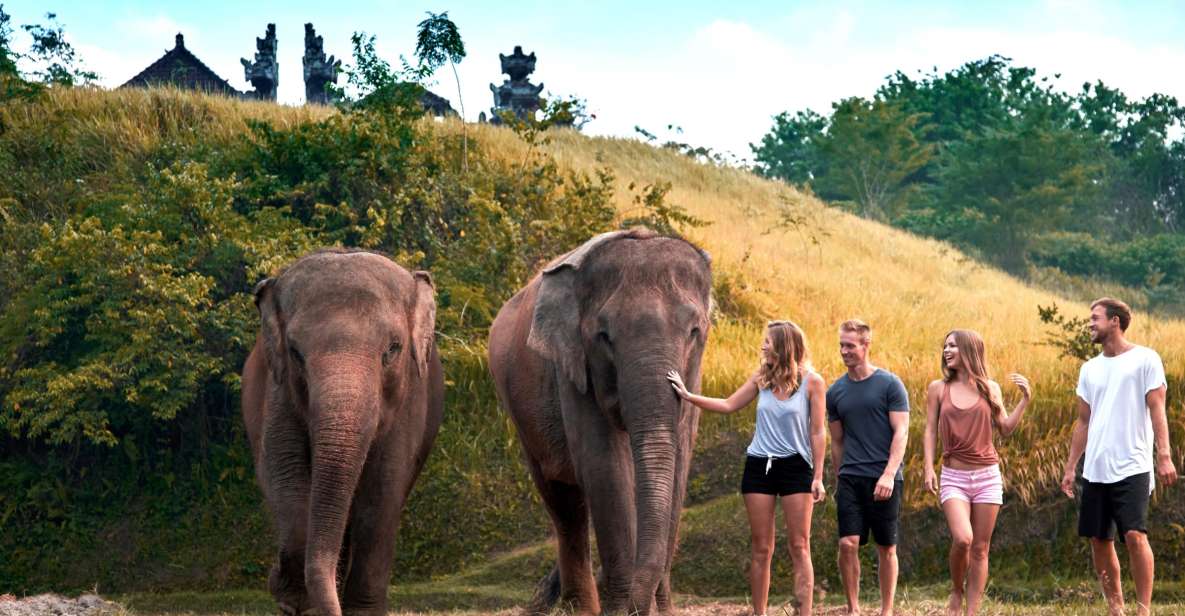
Sumatran elephants, mud baths, and strict welfare rules. That combination is why this Bali Zoo program feels different from the usual elephant show. You get guided time in Kampung Sumatra with a trained mahout explaining elephant behavior, daily care routines, and why elephant-led activities matter. I also like that interactions are supervised and follow clear guidelines, so you’re not trying to force anything that the elephants don’t want to do.
What I like most is the structure around natural behavior. You watch elephants regulate their body temperature with mud bathing, see them move at their own pace through the mud and river areas, and learn how caregivers keep things calm and respectful. In one booking experience, mahout-led scrubbing and brushing were a real highlight, and guides such as Nike Hero, Nikki, and Yuki were specifically called out for being fun and informative.
One possible drawback: the photo package can be pricey. Several people noted that the professional photos cost more than they expected, so plan to take your own pictures too and treat the staff photographers as optional extras rather than the main event.
In This Review
- Why Bali Zoo’s elephant-care format feels worth your time
- What happens after pickup at Kampung Sumatra
- Mud spa play: the part most people remember
- Feeding time and trunk-toy moments (within strict rules)
- Scrubbing, brushing, and why caregivers matter
- Walking into the river: a sensory experience, not a stunt
- Lunch, showers, and using the day beyond elephants
- Optional upgrade: guided breakfast with orangutan
- Value and pricing: where your $89 goes
- Transport and timing: make the morning work for you
- Who this experience is best for (and who should skip it)
- Quick tips to make the day smoother
- Should you book Bali Zoo’s guided ethical elephant-care experience?
- Key Points
- FAQ
- How long is the Bali Zoo guided elephant care experience?
- What does the experience cost?
- What’s included in the ticket?
- Is breakfast with orangutans included?
- What time is hotel pickup?
- Where is the meeting point?
- What should I bring?
- Are children allowed?
- Can I force elephants to interact with me?
- Is there free cancellation?
Why Bali Zoo’s elephant-care format feels worth your time
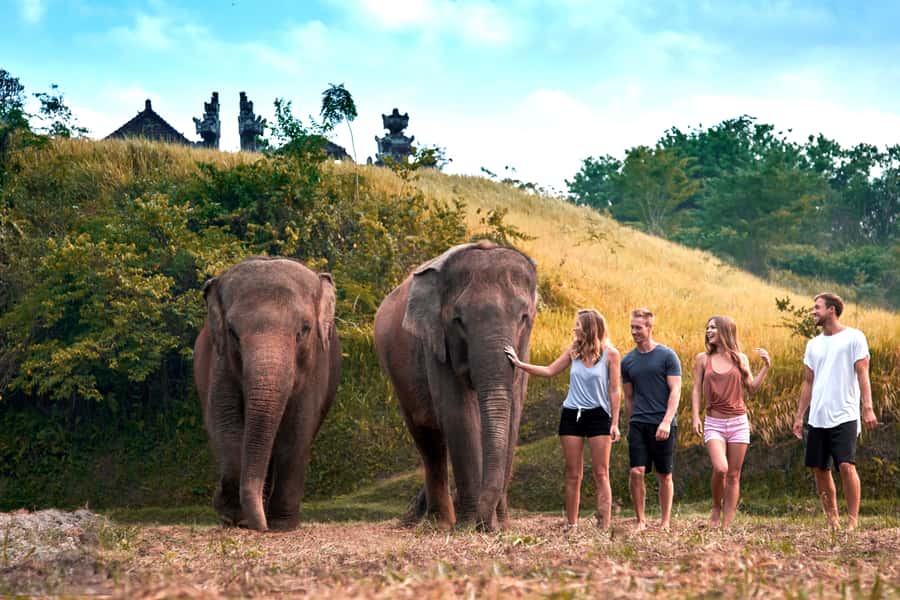
This is a 7-hour day built around education and welfare, not a quick “pose and go” routine. After pickup, you start inside the zoo with a light refreshment and a guided introduction. Then the day shifts into observation and hands-on moments only when elephants are comfortable and staff approve the approach.
The best part is the pacing. Elephants aren’t pushed into a schedule. The program adjusts based on their condition and willingness, and close viewing or physical participation happens only under the mahout’s supervision. That’s what keeps the whole experience from feeling like a performance.
You also get the rest of Bali Zoo after the elephant portion. So even if elephants aren’t in the mood for your favorite moment (mud today, river tomorrow), you still have time to enjoy other animals and conservation-focused exhibits during the same day.
What happens after pickup at Kampung Sumatra
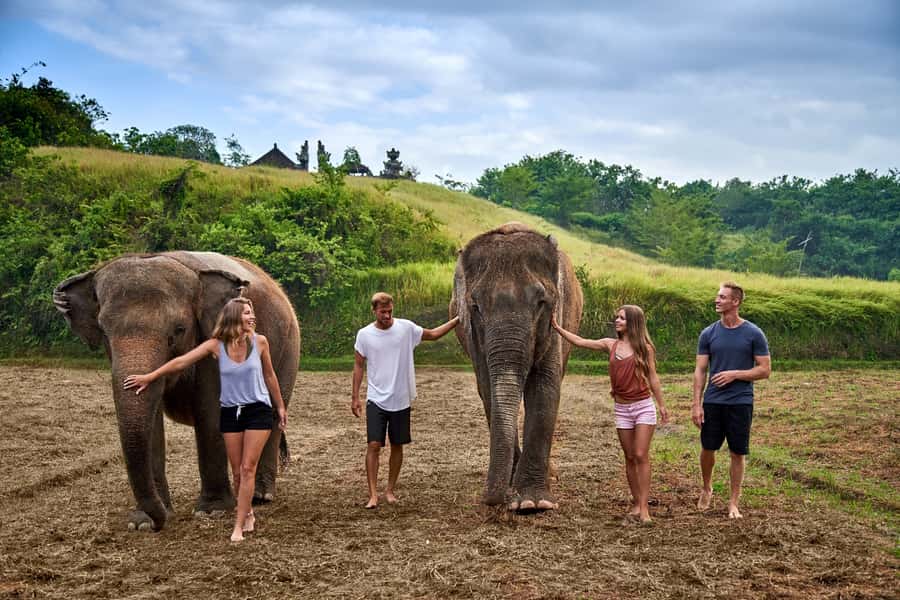
Most hotels around Kuta, Seminyak, Canggu, Nusa Dua, Tanjung Benoa, Jimbaran, and Sanur pick up at about 06:30 AM. Ubud and Sanur areas start closer to 07:00 AM. Once you arrive at Bali Zoo’s main entrance, you’ll be directed to check in and then head into Kampung Sumatra.
Right away, you get a light snack or welcome drink and then meet your English-speaking mahout. This isn’t just a “follow me” guide moment. They explain what you’ll see and why elephants do it: how their day-care routines work, how elephants communicate, and what welfare standards the team follows during guest interactions.
You’ll also get the reality check you should want on elephant experiences: elephants may not always want to engage. Close-range viewing is only allowed with staff approval, and you won’t be allowed to chase, force, or control an elephant. The whole point is to interact in a way that doesn’t stress the animals.
You can also read our reviews of more tours and experiences in Bali.


Mud spa play: the part most people remember
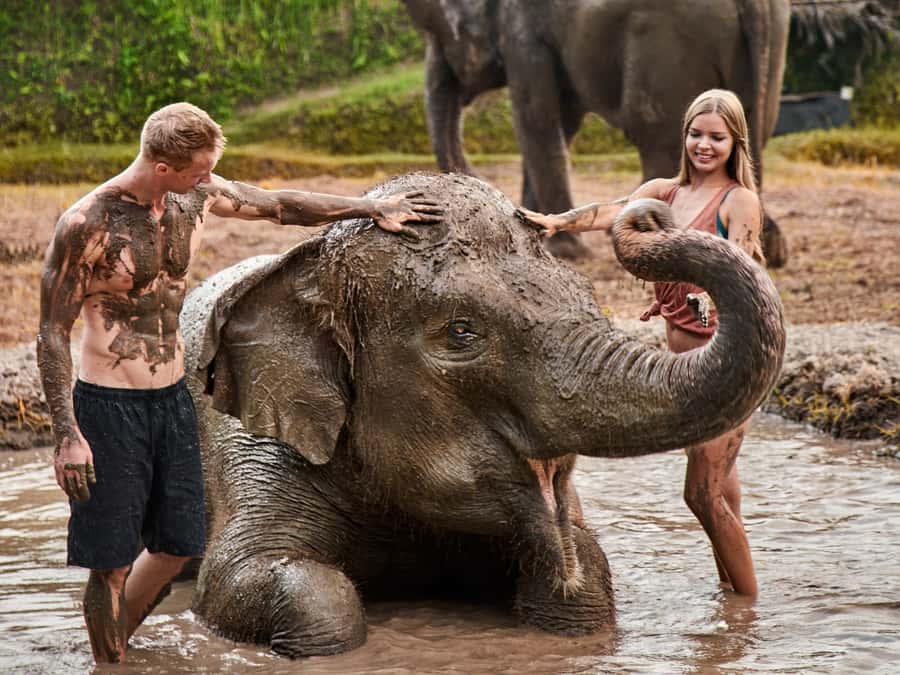
Mud bathing isn’t a gimmick. The program explains it as a practical elephant behavior: it helps regulate body temperature and supports healthy skin. Then you’ll have time to observe elephants in action at their own pace, with staff supervising closely.
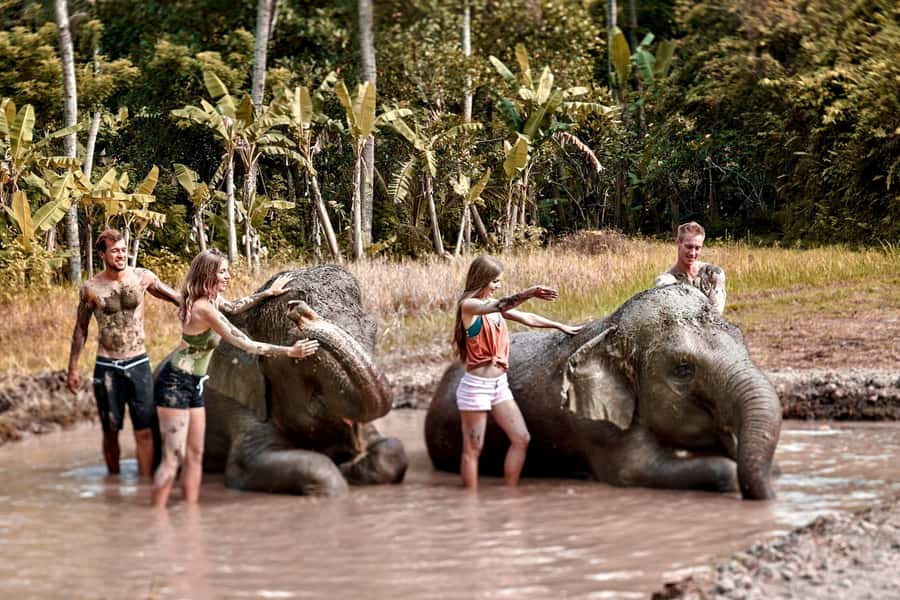
When it’s time for the more participatory part, it’s set up like a controlled, guided “hands-on” session. You can expect mud spa time where elephants are comfortable and you’re able to participate safely within those limits. Some people even described the fun side of it, like elephants enjoying trunk-and-water interactions during the river portion.
A practical note: this is messy. Bring swimwear and plan on getting wet. Wear sandals you don’t mind turning into mud collectors. Bring a change of clothes so you can reset after washing up.
Feeding time and trunk-toy moments (within strict rules)
Your experience includes food for feeding. The program frames feeding as part of supervised care and interaction, not a free-for-all. Guests don’t get to rush or crowd the elephants, and you’re guided on where and how to participate.
You’ll typically feed with items provided for the feeding portion (the program includes food for this part). Some bookings specifically mentioned feeding fruits and sugarcane and feeling the gentle movement of trunks as elephants take food.
What matters for your mindset: if the elephant doesn’t approach, that’s not a failure. It’s the experience working the way it’s supposed to. The mahout approval and elephant-led participation are the safety system and the ethics system in one.
Scrubbing, brushing, and why caregivers matter
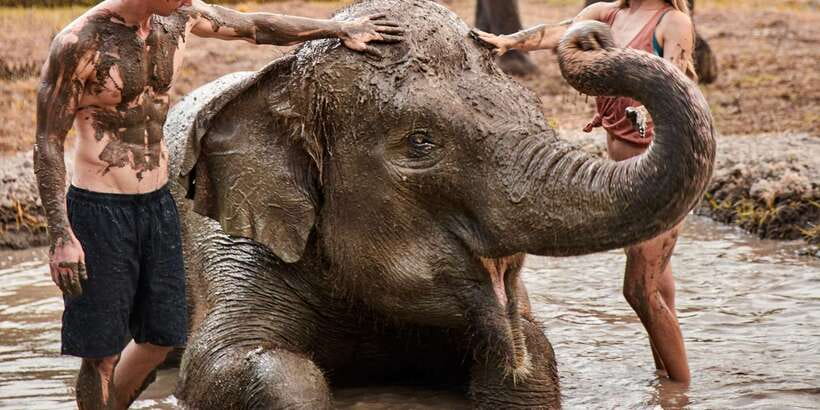
One of the most repeated “wow” moments is the brushing or scrubbing time after the mud and water. In several stories, people described how elephants seemed genuinely comfortable during cleaning sessions, with brushes and calm caregiver guidance.
This is also where the mahout explanations become useful. You’re not just watching a ritual; you’re learning how caregivers support daily routines in a way that respects elephant comfort. And because guests are supervised, you’re not guessing about distance, timing, or how to behave around an animal that’s bigger and stronger than you.
If you get a guide named Purna or Nicki, that’s a good sign. Those names came up in bookings with praise for the interesting information and overall smooth, supportive vibe.
Walking into the river: a sensory experience, not a stunt
Some parts of the day happen around the mud and river areas. This is where elephants often show behavior that feels very “in the moment,” like moving through water or interacting with water in their own way.
You can get the chance to stand close enough to share the moment, and some people noted elephants squirting water during the river part. The key is that it’s still supervised and guided, with elephants controlling the pace.
Don’t expect a specific “everyone gets in the water at exactly 10:15” situation. The program is designed to follow the elephants’ willingness. If you’re flexible and you go with the flow, that adaptability becomes part of the magic.





Lunch, showers, and using the day beyond elephants
After the elephant portion, you’ll refresh and enjoy lunch. Lunch is included, and the day also provides a towel. Depending on your group size, lunch format may vary (for groups over 20, it turns into a buffet alternative).
One detail I appreciate: you’re given time to clean up before settling into lunch. That matters more than you’d think, because mud spa time is wet and sandy. Your “today” comfort level depends on having that reset.
Food can be a mix of options. One booking called out limited vegetarian choices at the buffet (salad and boiled rice). If you’re vegetarian or have specific dietary needs, it’s smart to plan around that and bring snacks you can rely on as a backup. The experience already includes welcome snacks, but having your own plan reduces stress.
Then you get admission included, so you can explore Bali Zoo at your own pace afterward. That extra time turns the day from a one-activity trip into a full zoo visit.
Optional upgrade: guided breakfast with orangutan
If you choose the upgrade, you can add a guided breakfast with orangutans inside the zoo. This is described as staff-supervised and aligned with ethical wildlife viewing guidelines.
The upgrade matters because it changes the “energy” of your day. Instead of starting with just elephants and then learning, you start with early animal time and a guided format that keeps things organized. Several people loved it and called out the variety of food during breakfast and the close-up nature of the orangutan time.
If you’re traveling with family or anyone who loves wildlife beyond elephants, this upgrade is often the value add.
Value and pricing: where your $89 goes
At $89 per person for a 7-hour experience, this isn’t a cheap impulse activity. But it also isn’t just a ticket to see elephants. You get zoo admission, welcome drinks and snacks, an experienced English-speaking mahout, food for feeding, lunch, a towel, and insurance.
Depending on your transport option, round-trip transfers may also be included. That matters in Bali, where travel time can quietly erase the “cheap” savings on tours without pickup.
So the real question is not only whether you can afford it. It’s whether you want a day that includes:
- a guided ethics-and-welfare framework
- supervised, limited interaction (not uncontrolled “touch time”)
- time to explore the wider zoo after elephants
If that fits your idea of a responsible day out, the price starts to make sense.
Also budget for photos. Multiple people said the professional photo costs were high. If you love souvenirs, factor that in. If not, take your own photos and only grab an extra set if it truly feels worth it.
Transport and timing: make the morning work for you
The pickup schedule is early by design, and you’ll want to be ready. If you’re in the covered areas like Kuta, Seminyak, Canggu, Nusa Dua, and others, pickup starts around 06:30 AM, with Ubud and Sanur at 07:00 AM.
In practice, early pickup can be good value: it gives you more usable time at the zoo and helps you avoid the late-day crowds effect at the elephant area. One booking even praised the drive experience and how it set a relaxed tone before check-in.
Bring sunscreen. You’ll be outside during parts of the day, and mud spa time doesn’t remove the need for sun protection.
Who this experience is best for (and who should skip it)
This experience is built for adults and kids aged 12 and above, and there’s a minimum height requirement of 120 cm for children. It’s also not suitable for pregnant women or people with mobility impairments, so if either of those applies, you’ll want to consider another Bali Zoo option.
Who it suits best:
- Families with teens or older kids who can follow instructions
- Travelers who want ethical, supervised elephant care rather than random interaction
- People who enjoy learning about animal behavior and daily routines
- Anyone who’s okay with elephants setting the pace (instead of you “making” them do things)
If you’re looking for a guaranteed, fast-paced “play with elephants nonstop” experience, this isn’t that. The elephants lead. You participate when invited by the mahout and when the elephant is comfortable.
Quick tips to make the day smoother
Here’s what will help you have a better time with less stress:
- Bring a change of clothes and plan for wet gear.
- Wear sandals you’re comfortable losing traction on muddy ground.
- Pack sunscreen and consider a hat if you burn easily.
- Bring swimwear for mud and river time.
- Expect that professional photos cost extra, so decide ahead of time if you’ll buy them.
- After the entrance area, watch your step on wet slopes. A couple people warned about slippery ground.
And mental tip: go in with curiosity, not control. When you treat it like cooperative animal care rather than a performance, you’ll enjoy it more.
Should you book Bali Zoo’s guided ethical elephant-care experience?
Book it if you want a structured, guided elephant day with supervision, clear welfare guidelines, and elephant-led pacing. I think it’s especially worth it if you value the education piece—why elephants mud bathe, how caregivers manage daily routines, and what natural behaviors look like when they aren’t forced into a show.
Skip (or choose something else) if you need guaranteed interaction at every moment, or if your plans don’t work with an early pickup and a wet, muddy hands-on section. Also consider whether you’re comfortable budgeting for photos, since that’s the most common “surprise cost” people mentioned.
If your goal is a responsible, hands-on wildlife experience in Bali—plus time to explore the wider zoo—the guided Sumatran elephant mud spa at Bali Zoo is a strong fit.
Key Points
- Elephant-led interaction: guests don’t chase or force; mahouts control close viewing and safety.
- Mud spa education: you learn why mud bathing helps temperature and skin health.
- Real supervision focus: mahouts guide timing and guest participation based on elephant comfort.
- Full day value: lunch, zoo admission, welcome snacks, and transfers options make it more than a short stop.
- Optional orangutan breakfast: an upgrade for early guided wildlife viewing and breakfast variety.
- Plan for photos: professional photography is popular but priced separately.
FAQ
How long is the Bali Zoo guided elephant care experience?
It runs for about 7 hours.
What does the experience cost?
The price is listed as $89 per person.
What’s included in the ticket?
Included are zoo admission, welcome drinks and snacks, an experienced English-speaking mahout, food for feeding, lunch, a towel, insurance, and return transfers depending on your selected options.
Is breakfast with orangutans included?
Breakfast with Orangutan is included only if you choose the upgrade option.
What time is hotel pickup?
Pickup times vary by area. Kuta, Seminyak, Canggu, Nusa Dua, Tanjung Benoa, Jimbaran start around 06:30 AM, while Ubud and Sanur start around 07:00 AM.
Where is the meeting point?
The meeting point is Bali Zoo’s main entrance on Jl. Raya Singapadu, Singapadu, Kec. Sukawati, Kabupaten Gianyar, Bali 80582, Indonesia.
What should I bring?
Bring change of clothes, sandals, sunscreen, and swimwear.
Are children allowed?
This program is suitable for adults and children aged 12 and above. There’s also a minimum height requirement of 120 cm.
Can I force elephants to interact with me?
No. Interactions must be guided and supervised, and activities are conducted based on the elephants’ willingness.
Is there free cancellation?
Yes. You can cancel up to 24 hours in advance for a full refund.