REVIEW · HIROSHIMA
Peaceful Hiroshima & Miyajima UNESCO 1 Day Bus Tour
Book on Viator →Operated by Japan Panoramic Tours · Bookable on Viator
Hiroshima hits hard, then Miyajima softens the mood. This one-day bus tour is a practical way to pack major World War II memorials and the UNESCO sights of Miyajima Island into a single schedule. You get an air-conditioned coach, a live English-speaking guide, and onboard audio so you’re never just standing around wondering what you’re looking at.
I especially like that entrance fees are handled for you. The visit to the Hiroshima Peace Memorial Museum and the ferry + Itsukushima Shrine access mean you spend your time seeing, not buying. I also like the way guides such as Rino, Marin, Momiji, and Mo set the tone, then keep the day moving at a pace that works for groups.
The main drawback is emotional density. The morning is heavy, and the peace sites can feel crowded, so if you get overwhelmed in big crowds or need extra quiet time, plan to slow yourself down and be honest with your energy level.
Key points to know before you go
- Fees and ferry tickets included so your day stays simple and predictable
- English-speaking local guide plus multilingual bus audio (English, French, Spanish, Italian, German, Portuguese, Ukrainian)
- A full route, not just one highlight, mixing Hiroshima memorials with Miyajima’s shrine and temple
- Lunch on Miyajima is optional and includes a vegetarian option if you choose it
- Small-ish group size (max 45) which helps with timing and listening to commentary
In This Review
- A Price You Can Actually Compare: What $129.25 Buys You
- Getting There: Where to Meet and How the Day Flows
- The Morning in Hiroshima: Atomic Bomb Dome to Peace Park
- Hiroshima Peace Memorial Museum: Personal Stories That Stay With You
- The Midday Switch: Ferry Time to Miyajima
- Miyajima on Foot: Island Views, Optional Okonomiyaki, and Deer Encounters
- Itsukushima Shrine: The Famous Torii and the Sea-Built Shrine Feeling
- Daishoin Temple: Jizo Statues, Lanterns, and a More Relaxed Finish
- Pacing, Crowd Reality, and Why the Audio Helps
- Lunch and Dietary Needs: Vegetarian Option, No Allergy Guarantee
- When You Should Book This Tour (and When You Should Skip It)
- FAQ
- What’s included in the tour price?
- How long is the tour?
- Is lunch included?
- What languages are available for the audio guide on the bus?
- Do I need to buy ferry tickets to Miyajima?
- What if the Hiroshima Peace Memorial Museum is closed during my visit?
A Price You Can Actually Compare: What $129.25 Buys You
At $129.25 per person for about 8 hours, this tour can feel like a lot until you price out the day yourself. You’re paying for a guided format, transportation by coach, and the costs that often add up fast in Hiroshima.
Here’s what matters for value: entrance fees are included, the Hiroshima Peace Memorial Museum has its admission covered, and you also get round-trip ferry tickets to Miyajima plus admission for Itsukushima Shrine and Miyajima Island. When those are bundled, your money goes toward time and guidance, not ticket line juggling.
The other value is how the day is sequenced: Hiroshima comes first (sobering, informative), then Miyajima (beautiful, scenic, a total change of pace). That contrast is one of the reasons this format works well for travelers who don’t want to manage transit between multiple areas.
Getting There: Where to Meet and How the Day Flows
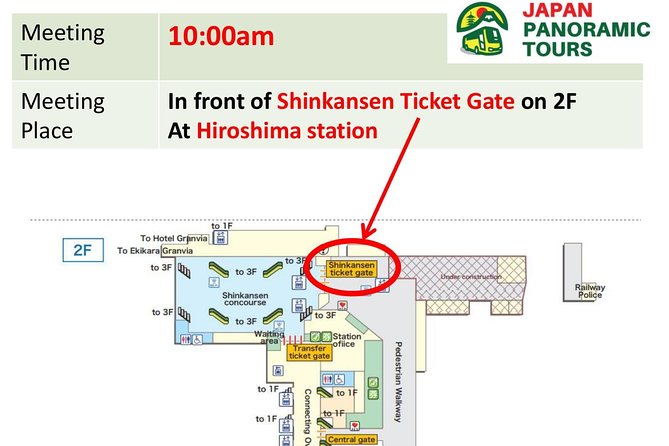
This tour starts at 10:00 am and ends back at the meeting point. You’ll meet near Currency Exchange Japan in Hiroshima (Minami Ward, Matsubarachō). The good news: it’s listed as near public transportation, so it’s not a maze to reach.
You’ll ride in an air-conditioned coach, and the bus includes free Wi-Fi. You also get multilingual audio guidance while you travel, which helps during transit time when you’d otherwise just be watching street signs go by.
Two practical notes that matter in real life:
- If you arrive late, you can’t join mid-way, so build in cushion time around the 10:00 am start.
- The order can change based on traffic and weather, which is normal for day tours in Japan, but it means you should stay flexible.
You can also read our reviews of more tours and experiences in Hiroshima.

The Morning in Hiroshima: Atomic Bomb Dome to Peace Park
Your day begins with a quick stop at a Hiroshima-area castle built in 1589, where you can only see the main building (not the smaller defensive houses). The explanation you’ll hear connects the layout to a world where peace allowed different construction priorities, not constant warfare.
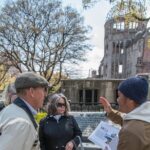
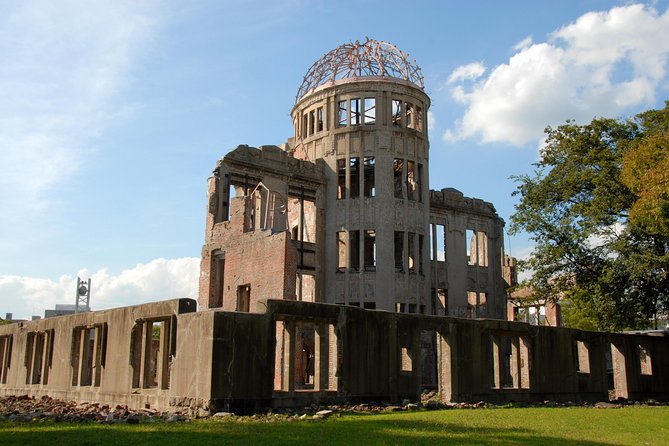
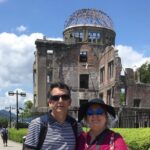
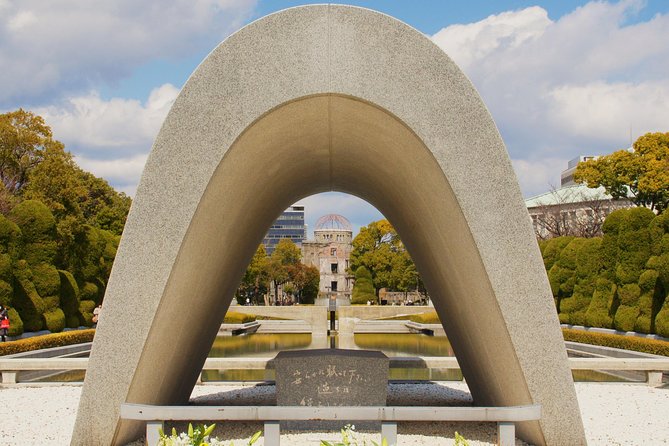
Then the itinerary moves into Hiroshima’s WWII core. First is the Atomic Bomb Dome, a preserved ruin of the Hiroshima Prefectural Industrial Promotion Hall near the epicenter. This isn’t a “look and move on” stop. The dome works like a physical memory: you can see the way the city was changed, and you’re meant to hold that image for a moment.
Next comes Hiroshima Peace Memorial Park. You’ll have time to walk around the grounds and monuments that commemorate the bombing and its victims. The free admission here means your focus stays on the experience rather than squeezing time around ticket gates.
A helpful way to prepare for this part: don’t force yourself into a checklist mindset. Even with a tight schedule, the goal is understanding and reflection, not speed-running photos.
Hiroshima Peace Memorial Museum: Personal Stories That Stay With You
The Hiroshima Peace Memorial Museum is the heart of the morning. Admission is included, and you’ll have about 1 hour inside.
This museum has over 50 peaceful monuments on display, and the key difference is that it leans heavily on personal stories—photographs and artifacts meant to show what happened to real people. Expect the tone to be solemn and the pacing to be guided by what you choose to read or look at.
Also, the timing can affect how you feel. One guide-handling style you may encounter is an intentional pacing choice: some days the museum visit can feel like it lands at the end of the day, and some days it’s in the morning. Either way, give yourself permission to be affected. This is one of those places where rushing tends to reduce meaning.
If crowds are heavy on your visit, don’t panic. Concentrate on the sections you can reach comfortably, and take short breaks outside if you need air. The museum visit is still worthwhile even if you can’t see every single detail in one pass.
The Midday Switch: Ferry Time to Miyajima
After Hiroshima, you’re heading for a different kind of sightseeing. You’ll take the JR Nishinihon Miyajima Ferry (round-trip is included), with about 20 minutes for the ferry portion.
This crossing is more than transportation. It’s a mental reset. As you move from an urban memorial setting to an island atmosphere, you get a break from the day’s emotional intensity, and your senses wake up again.
On the bus, audio guidance helps connect what you’ll see later—especially the religious and cultural reasons Miyajima is so important. Even if you’ve read about it before, this part helps you arrive with the right questions.
Miyajima on Foot: Island Views, Optional Okonomiyaki, and Deer Encounters
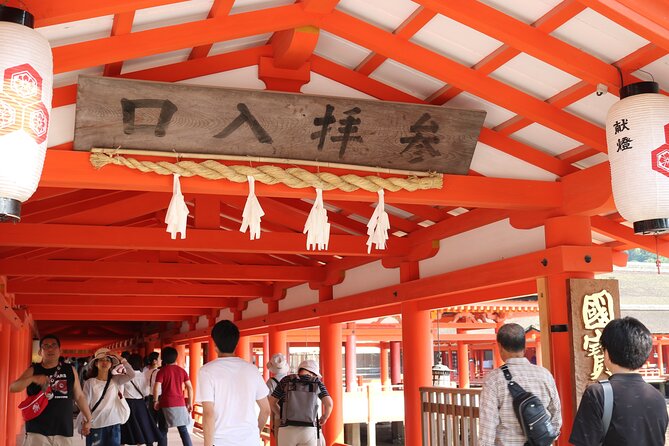
Once you reach Miyajima, you’ll have time to explore the area around the sights. The schedule gives you roughly 50 minutes here before you move up to the shrine and nearby temple.
If you selected the lunch option, you’ll have okonomiyaki in Miyajima. Hiroshima-style okonomiyaki tends to differ from Osaka-style in how it’s made, and it’s a classic local pick when you want something fast, warm, and filling after a long morning.
If you didn’t choose lunch, you can still find snack options, and there’s an okonomiyaki market vibe on the island area that many people like for a more casual approach. Either way, plan for walking time so you’re not rushing meals.
One real-world tip from the island experience: deer are common around Miyajima, and they can be bold. It’s part of the atmosphere, but keep a respectful distance and don’t act like food is guaranteed for every encounter.
Itsukushima Shrine: The Famous Torii and the Sea-Built Shrine Feeling
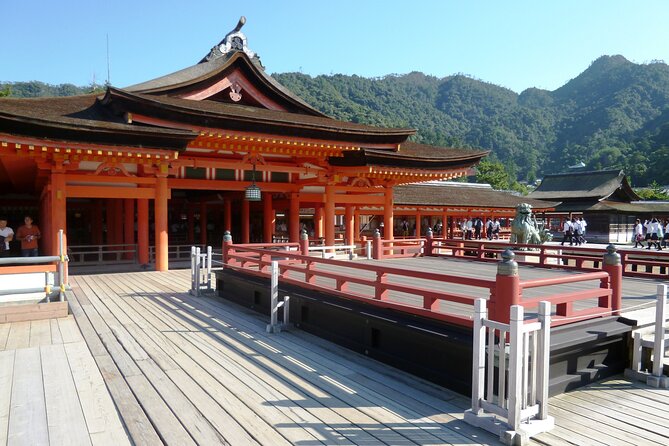
The star stop is Itsukushima Shrine, where you’ll have about 50 minutes.
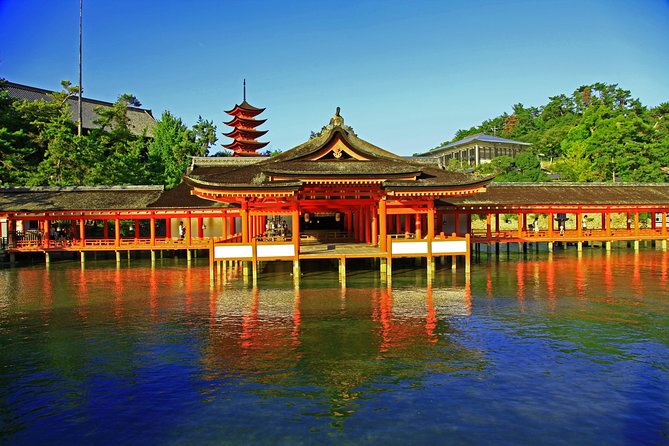
This shrine is associated with beliefs that Miyajima is tied to a goddess, which is why the architecture was made with water in mind. You’ll hear the historical background too: the shrine is said to have been built in 593, with major rebuilding in 1168 under Kiyomori Taira.
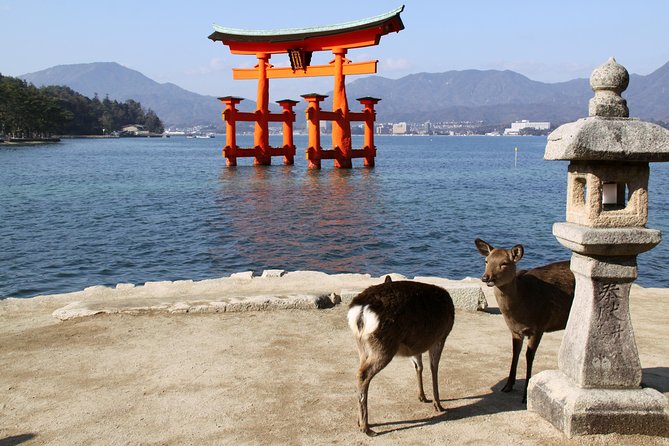
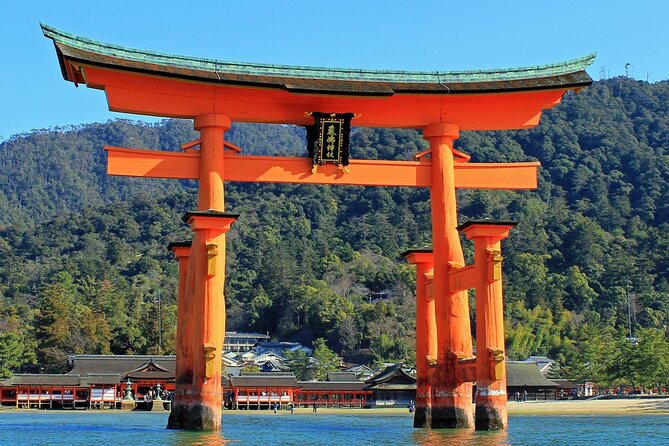
The part everyone talks about is the iconic Torii gate that looks like it’s floating. That effect matters because the shrine’s sense of presence feels different from inland shrines. Even if you’ve seen pictures, it’s worth seeing in person because the water, tide, and angle shift how the structure “sits” visually.
Practical tip: wear shoes you trust. The best photo angles are usually the ones that require a bit of walking, and you don’t want sore feet cutting your time short.
Daishoin Temple: Jizo Statues, Lanterns, and a More Relaxed Finish
After Itsukushima Shrine, you’ll go to Daishoin Temple for around 30 minutes.
This stop is a nice counterbalance: it’s still photogenic and spiritual, but the vibe is more exploratory than iconic. You’ll see many Jizo guardian statues dressed in rainbow-colored costumes, plus a Buddha statue and lanterns scattered around the grounds.
If the shrine stop feels too focused on one huge landmark, this is where you can wander a bit and let the details land. The lanterns and guardian statues are the type of things you notice more when you slow down for a few minutes.
One more practical reality: the island can be hilly and busy, so if you’re an older traveler or traveling with someone who tires easily, this is the time to keep your pace steady. The temple is still worth it, but don’t pretend you’ll be a marathon walker after a full Hiroshima morning.
Pacing, Crowd Reality, and Why the Audio Helps
This is a full day—Hiroshima memorials in the morning, then ferry and island sights afterward. The route is designed to avoid long gaps, and the group timing is managed on the bus and at each stop.
The onboard setup helps a lot:
- You get a live English-speaking guide for the key storytelling moments.
- You also get multilingual audio on the bus if you want to follow along during travel in EN, FR, ES, IT, DE, PT, UA.
- Free Wi-Fi is handy for checking train times or translating quick questions.
Still, let’s be honest about crowd behavior at peace sites. The Peace Memorial Park and nearby areas can be packed, and walkways can feel one-direction at certain points. If you’re sensitive to crowds, go in with a calm plan: keep your route flexible, focus on the exhibits you can reach, and use brief breaks to reset.
The good side of this tour is that guides often manage the group well. In the experiences shared, guides like Rino, Marin, Momiji, and Mo are praised for balancing humor and respect—especially at the museum, where the mood needs to stay thoughtful.
Lunch and Dietary Needs: Vegetarian Option, No Allergy Guarantee
Lunch is only included if you choose the lunch option. If you do, your meal is a vegetarian style option: no pork, no seafood, but it does include eggs and gluten.
There’s an important caution: the lunch isn’t described as allergy-free. If you have severe allergies, choose the option without lunch and bring your own food.
This is one of those cases where you should take the wording literally. When it comes to allergies, the safest plan is to control what you eat rather than hoping cross-contamination won’t matter.
When You Should Book This Tour (and When You Should Skip It)
Book this tour if:
- You want Hiroshima and Miyajima in one day without figuring out transit and tickets.
- You appreciate guided context, especially for WWII history and memorial sites.
- You’d rather spend your energy on seeing and understanding than planning.
Skip it if:
- You hate long days or emotional sites packed tightly into one schedule.
- You have mobility limitations that make island walking tough, since Miyajima involves time on foot.
- You need a totally unhurried pace. Even with good guiding, this is a structured day.
If you’re on the fence, here’s a quick decision rule: if you can handle a sobering morning and still enjoy a beautiful island afternoon, this is a strong value play. The built-in ferry and included admissions do a lot of heavy lifting.
FAQ
What’s included in the tour price?
Entrance fees are included, the Hiroshima Peace Memorial Museum admission is included, Miyajima Island and Itsukushima Shrine admission are included, and you get a round-trip ferry ride. You also have an English-speaking local guide, an air-conditioned vehicle, and multilingual audio guidance on the bus.
How long is the tour?
The duration is about 8 hours. It starts at 10:00 am and ends back at the meeting point.
Is lunch included?
Lunch is included only if you select the lunch option. The vegetarian lunch has no pork and no seafood, with eggs and gluten included.
What languages are available for the audio guide on the bus?
The audio guidance is available in English, French, Spanish, Italian, German, Portuguese, and Ukrainian.
Do I need to buy ferry tickets to Miyajima?
No. Round-trip ferry tickets are included as part of the tour.
What if the Hiroshima Peace Memorial Museum is closed during my visit?
From February 16 to 21, 2026, the Hiroshima Peace Memorial Museum will be closed due to exhibit replacement. The tour will visit the Hiroshima National Peace Memorial Hall for the Atomic Bomb Victims instead, and no refunds are issued for this change.