REVIEW · BANGKOK
From Bangkok: Death Railway & Hellfire Pass Tour with Lunch
Book on GetYourGuide →Operated by Discova Thailand · Bookable on GetYourGuide
Hellfire Pass stops you in your tracks. This one-day trip from Bangkok pairs the Hellfire Pass memorial walk with the Death Railway train ride, then slows down at museums and graves so the story lands. I especially like how the English-speaking guides (from Luke to Alex) explain both the engineering and the human cost without turning it into a lecture, and I love that lunch is included and handled in the middle of a full schedule. One consideration: it’s a long day with an early pickup and tight time windows at each stop, so comfortable shoes matter.
You’ll be up early, often between 6:00 and 7:00 AM, and you’ll be on the move all day. If you hate rushing or you’re sensitive to hot sun during outdoor walking, plan for heat and keep your expectations realistic. The tour can feel full, but the payoff is that you get a clear, structured route through the most important sites tied to this WWII history.
In This Review
- Key highlights to look for
- A long day with a purpose: Bangkok to Kanchanaburi
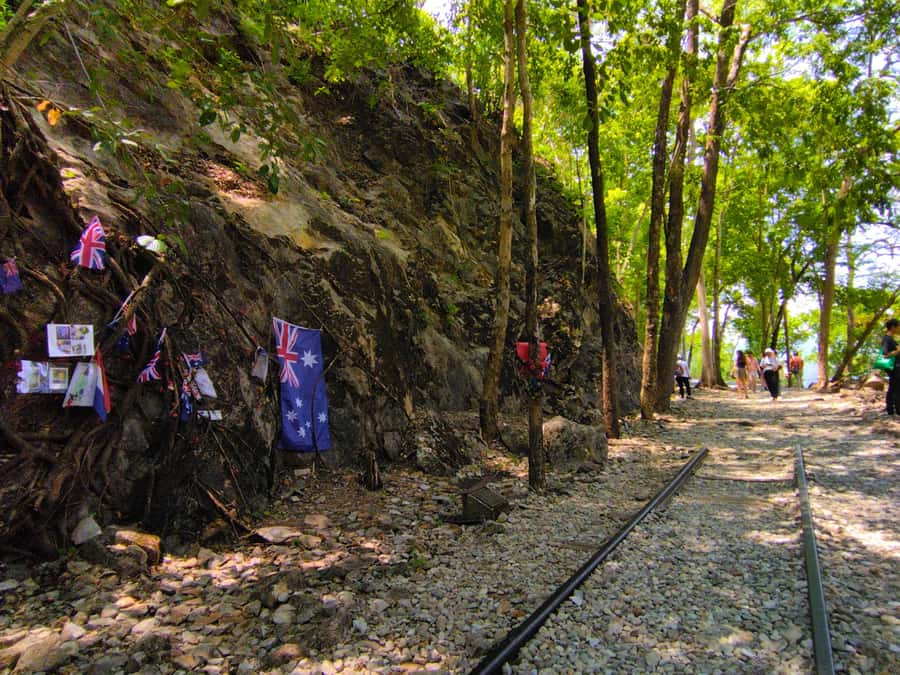
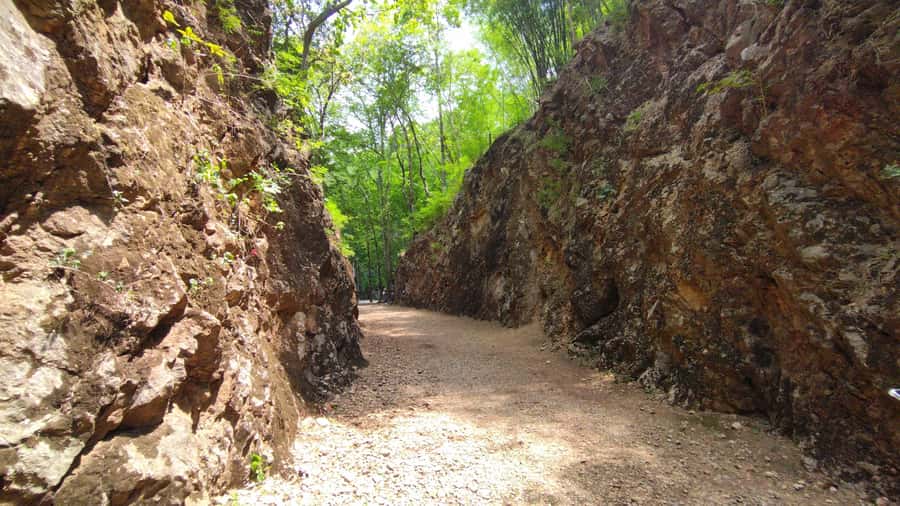
- Hellfire Pass Memorial Museum: where the story becomes personal
- The Hellfire Pass walking trail: views you’ll remember, and why
- Namtok Station lunch stop: fuel without derailing the day
- Riding the Death Railway: a train trip with context
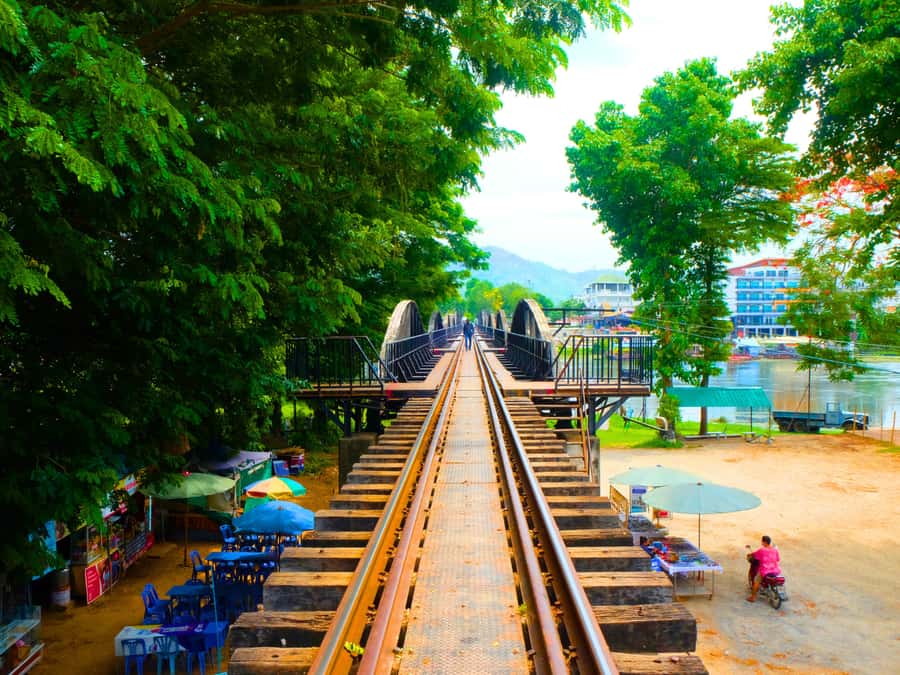
- The Bridge over the River Kwai: short stop, big weight
- Thailand-Burma Railway Museum: the engineering plus the aftermath
- Kanchanaburi War Cemetery: quiet, well kept, and necessary
- Price and value of an $82 day trip that does the heavy lifting
- Guide quality and pacing: why it can feel perfect or slightly rushed
- Who should book this Death Railway and Hellfire Pass tour?
- Should you book it? My take
- FAQ
- What time is pickup in Bangkok?
- How long is the tour?
- What sites are included?
- What’s included in the price?
- Is lunch included?
- What should I bring and wear?
- Is the tour suitable for people with mobility issues?
- Are there dates when Hellfire Pass is closed?
- How long is the train ride?
- Is tipping included?
Key highlights to look for
- Hellfire Pass trail: a guided walk through the memorial viewpoint area tied to the mountain-cut railway effort
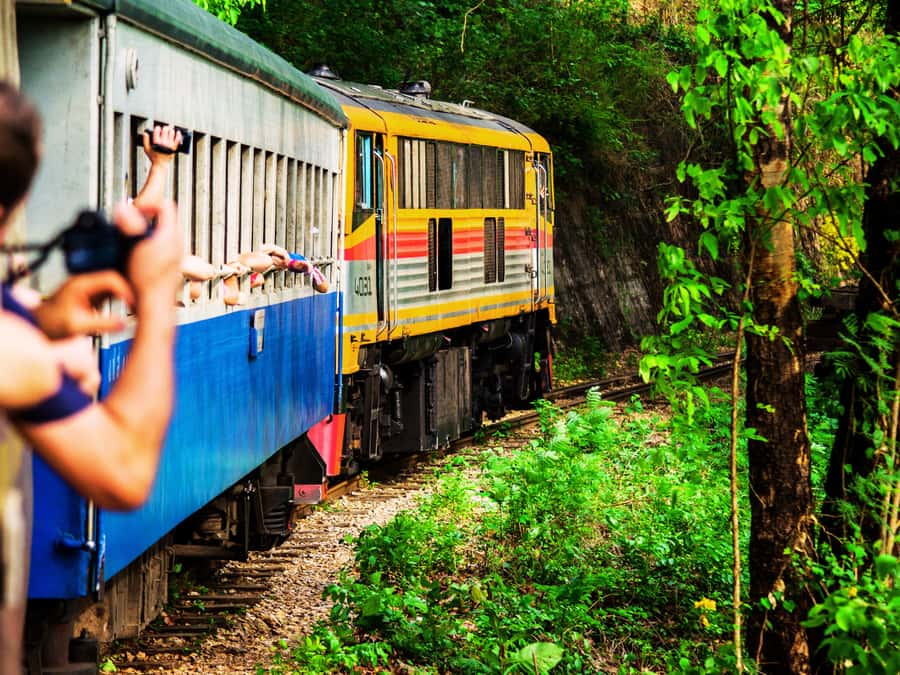
- Train ride on the Death Railway: a practical way to see parts of the route in a single shot, with the timing built in
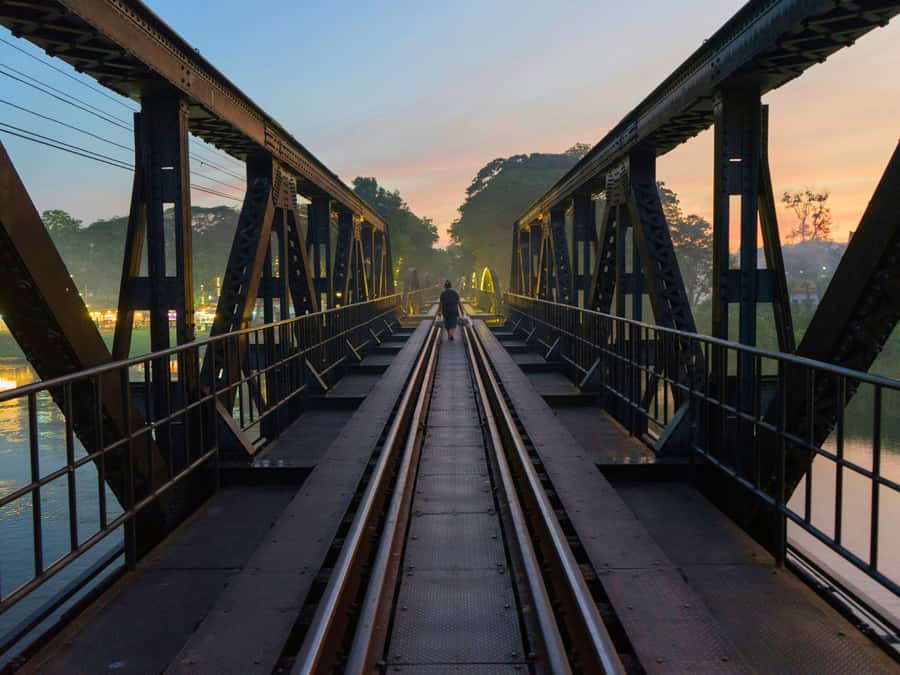
- River Kwai Bridge photo stop: quick, scenic framing plus a guided explanation so it means more than a postcard
- Railway Museum + War Cemetery: respectful pacing at museums and well-kept graves that anchor the day
- Hotel pickup with air-con minivan: door-to-door convenience that helps you survive the long day
A long day with a purpose: Bangkok to Kanchanaburi
This is one of those trips where the drive time is not a waste. The minivan ride gets you out of central Bangkok and into Kanchanaburi province, where you can actually feel how remote this railway project was. The schedule is built around seeing a few key sites without spending an extra night.
Pickup runs early, generally between 6:00 and 7:00 AM, and the guide confirms the exact pickup time the night before. Expect a long return to Bangkok as well. One reason people rate this tour so high is that it’s structured: you’re not stuck figuring out transport or ticket timing on your own.
You’ll also be dealing with Thai heat. Even if the day starts cool, you’ll still want sunscreen and a hat, and you’ll be glad you packed comfortable shoes for the memorial walk.
You can also read our reviews of more tours and experiences in Bangkok.


Hellfire Pass Memorial Museum: where the story becomes personal
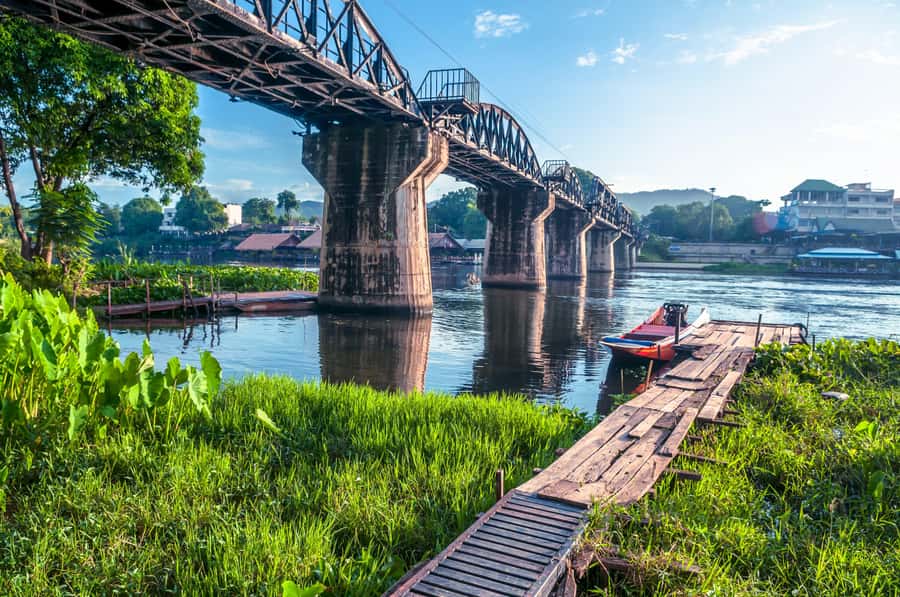
Hellfire Pass is not just a viewpoint. It’s a place where the museum storytelling and the walk outside work together, so the history hits at two levels: the human side inside, then the scale outside.
At the memorial museum, you get an English-speaking guided tour, plus time to see the exhibits before you walk the trail. The walking portion is a key part of this experience. You’re not sprinting through a single photo stop; you’re walking through the memorial area so you can start imagining what it took to carve that railway section through rock.
The guides tend to bring this stop to life with details that connect engineering choices to suffering and survival. In one booking, the guide Art stood out for enthusiastic explanations and even helped the group with photo timing. That kind of guidance matters here because the site is emotionally heavy and you don’t want to miss the points the guide is trying to highlight.
Practical note: the tour includes walking, and the overall day is not suitable for everyone. If you have mobility concerns, you’ll want to read the tour’s suitability notes carefully since the memorial experience includes walking and uneven terrain.
The Hellfire Pass walking trail: views you’ll remember, and why
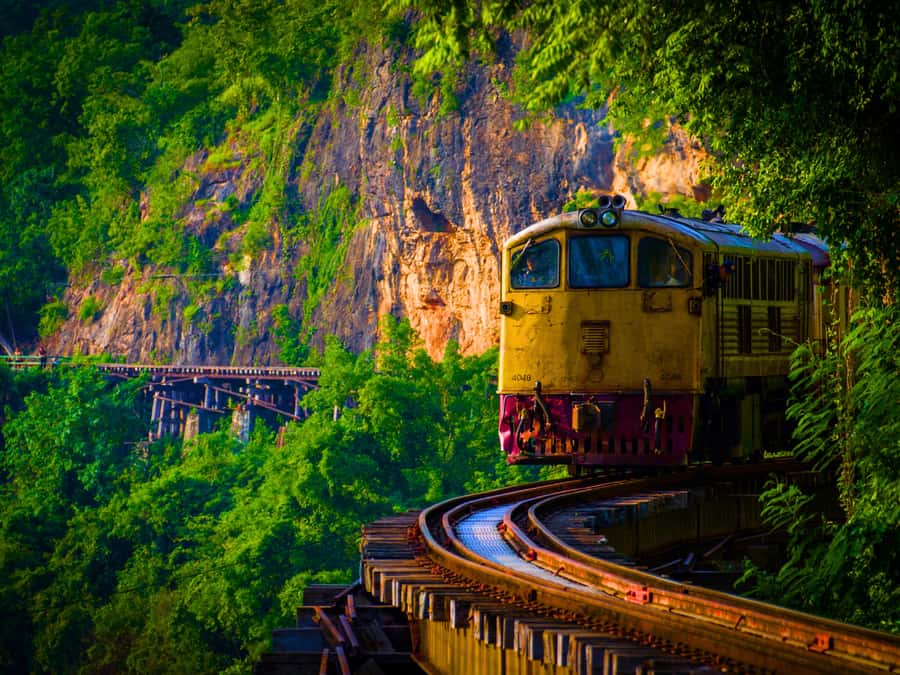
The Hellfire Pass walking trail is where this day becomes more than sightseeing. Yes, you’ll get strong views from the memorial area. But the real value is the mental shift: you start seeing the terrain as a constraint, not just scenery.
You’ll typically spend around 1.5 hours on the museum and walking portion combined. That’s enough time to read the memorial messages, get your bearings, and still feel like you’re part of a guided experience rather than herded from one sign to another.
If you’re sensitive to heat or you’re traveling with limited stamina, you’ll want to plan your pace. Some people adjust how much they hike within the Hellfire Pass area, and guides are flexible when you need a different pace as long as it fits the day’s schedule.
Also, bring a camera, but don’t treat it as the main mission. The memorial is about remembering, and the best photos usually come after you pause and take in what the guide is explaining.
Namtok Station lunch stop: fuel without derailing the day
Lunch is built into the middle of the day, after you’ve reached the Namtok Station area. This helps a lot because you’re not waiting until late afternoon to eat, and you also don’t lose time to hunting for food on your own.
The included lunch is at a local restaurant nearby. Several reviews call the food delicious and authentic, and one notable example: a guide made an extra dish for a vegetarian guest. That’s a good sign if you care about getting a real meal rather than something generic.
I’d still pack a simple strategy: if you have any strict dietary needs, confirm them with the tour team ahead of time through your booking channel. The tour data says lunch is included, but it doesn’t list a specific menu, so it’s smart to be clear about your preferences.
What you can control: you can bring your own water snack if you know you run hot. One guest specifically wished for more bottled water, which is a reminder that long Thai days can be dry and intense.
Riding the Death Railway: a train trip with context
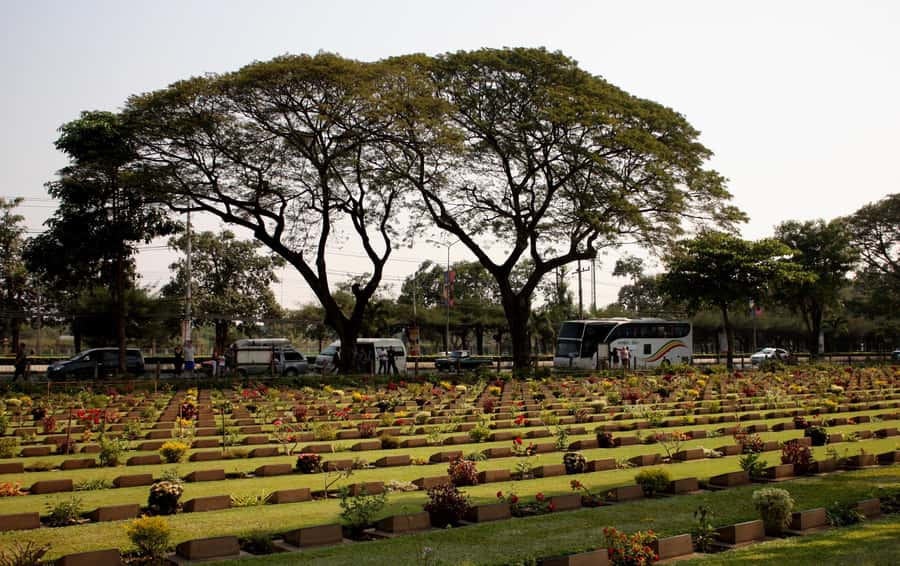
The train ride is around 45 minutes, and it’s one of the best uses of time on this kind of day trip. You’re not just commuting—you’re seeing part of the route in a way that walking or touring by bus can’t replicate.
This railway section is known for being built by Allied POWs in WWII, and the name Death Railway reflects the enormous loss of life during construction. The guide’s job here is to keep the train ride tied to meaning, not novelty. When the timing is right, the ride becomes a moving classroom: you pass through stretches of the line and you start connecting what you saw at Hellfire Pass to the broader route.
You’ll also cross the area with notable structures along the way, including a wooden viaduct skirting a cliff above the Khwae Noi River, plus the approach into the famous Bridge area later. If you’re a photo person, this is where the day gives you windows of scenery without adding extra walking time.
Practical tip: the train is part of your schedule, so don’t plan for a long toilet break here. Wear shoes that work easily, keep your phone charged for photos, and store sunscreen so it’s easy to reapply after stops.
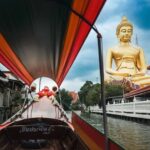




The Bridge over the River Kwai: short stop, big weight
The Bridge over the River Kwai is often treated like a quick photo moment. On this tour, it gets a guided explanation and photo stop time that’s long enough to do more than snap pictures and move on.
You’ll have a short visit (around 20 minutes), with scenic views on the way and the guide pointing out what matters. The bridge is iconic, but the point of visiting it in context is understanding the builders’ struggles behind the monument.
This stop can feel compressed because the day is packed. Still, 20 minutes is a workable window if your guide is guiding your attention. If you want the best photos, aim to be ready when your group arrives rather than fumbling with bags and lenses.
Also, remember the tone of the day. This isn’t a lighthearted bridge-and-boat day. It’s a WWII remembrance route, so keep your pace respectful.
Thailand-Burma Railway Museum: the engineering plus the aftermath
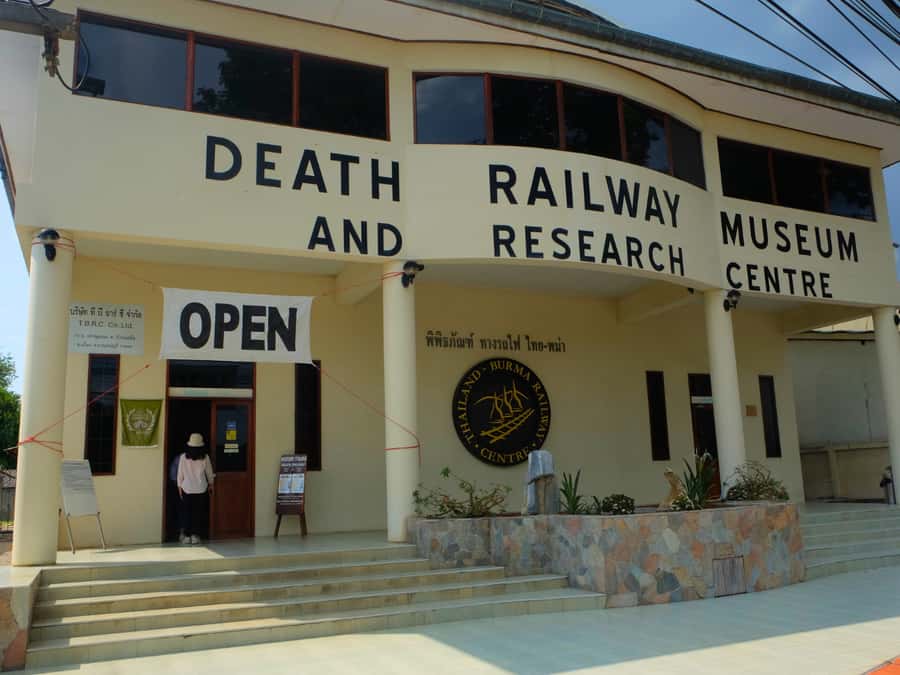
After the bridge, you’ll visit the Thailand-Burma Railway Museum in Kanchanaburi. The museum visit is guided (around 40 minutes), and it adds depth to what you already learned at Hellfire Pass.
What I like about pairing these stops is that the story doesn’t stay trapped in one mountain cut. You get a broader view of the railway project—how it was built, how it functioned, and what came after. It’s one of the best ways to turn “I saw sights” into “I understand the system behind the suffering.”
This is also a good break from outdoor heat. You’ll still be moving, but museums offer a mental reset after train and outdoor stops.
Go in with a simple goal: identify what the exhibits emphasize most—how the railway’s purpose and construction connect to the loss of life. With a guide, you’ll likely find it easier to focus on the key threads rather than getting lost in details.
Kanchanaburi War Cemetery: quiet, well kept, and necessary
The Kanchanaburi War Cemetery is one of the most important stops because it anchors the day in remembrance. The tour includes photo stop and guided visit time (around 20 minutes), which may sound short on paper. In practice, it works because the cemetery needs a slower, more respectful pace than your average attraction.
This stop is also described as particularly well kept in feedback, which matters. It means the grounds support a thoughtful visit rather than feeling neglected or overly touristy.
If you’re sensitive to emotional travel, this is the moment you’ll probably feel it most. That’s not a bad thing. It’s part of the reason the itinerary exists. Your day gains weight because you can look at a physical site that honors people who died during railway construction.
I recommend taking your time here but staying aware of the schedule. Don’t get so lost in grief that you miss the group’s departure timing, especially since your day has a full return drive.
Price and value of an $82 day trip that does the heavy lifting
At about $82 per person for a one-day route, this tour is strong value if you compare it to what you’d pay for the same set of sites plus transport from Bangkok. You’re not only paying for entry fees. You’re also paying for logistics: hotel pickup and drop-off, air-conditioned minivan transport, an English-speaking guide, lunch, and the train ticket.
The value is also in how the day is organized. You cover Hellfire Pass, the railway experience, the bridge stop, museum context, and the cemetery in one sweep. That’s not just convenience. It prevents the most common Bangkok frustration: losing hours to finding tickets, coordinating transit, and trying to turn scattered information into a coherent plan.
One more value factor: it’s offered as private or small groups. Many days run calmer than big-bus tours, and at least one booking reported a small group size around nine people. That can make the guided moments more personal and easier to ask questions.
Guide quality and pacing: why it can feel perfect or slightly rushed
The guides seem to be a major reason people rate this tour so highly. You’ll see names pop up like Luke, Alex, Travis, Ken, Steven, and Art, and the consistent theme is that the guides provide clear context and take care of timing.
In real life, the pace can still feel full. One guest noted it felt a bit rushed at times, and that’s understandable because the itinerary is dense and you’re on a fixed schedule. If you prefer a slower day with longer museum time or more hanging around at viewpoints, you might want to accept that this is a structured highlights route.
How to make it work for you: decide what your “must-not-miss” moments are (for most people it’s Hellfire Pass and the cemetery). Then treat the other stops as part of building the full picture. That mindset keeps you from feeling like you’re just checking boxes.
Also, keep an eye on practical comfort. One review mentioned hot conditions on the train and wished for water. Bring sunscreen, a hat, and if you tolerate it, a small water bottle.
Who should book this Death Railway and Hellfire Pass tour?
This is a good fit if you want WWII history connected to real places, and you like guided context that ties the landscape to stories. It’s also ideal if you don’t want the hassle of arranging separate transport, buying tickets, and piecing together a day from scratch.
It’s not a good fit for everyone. The tour isn’t suitable for children under 4, pregnant women, people with mobility impairments, wheelchair users, or people over 70. That’s mainly because the day includes walking (including the Hellfire Pass trail) and a long travel schedule.
If you love trains, the included Death Railway ride is a big reason to go. If you’re more into museums, the Hellfire Pass Memorial Museum and Thailand-Burma Railway Museum give you solid indoor time too. If you want the most emotional anchor of the day, the War Cemetery visit is short but meaningful.
Should you book it? My take
If you’re visiting Bangkok and want one day that feels focused and purposeful, I’d book this. For the price, you get more than transit and entry tickets—you get a guided path through the most important sites connected to the Death Railway story.
Choose it if you’re okay with an early start and a packed schedule. Choose something else if you want a slow, flexible day with lots of downtime. Either way, come prepared for sun, bring comfortable shoes, and treat Hellfire Pass and the cemetery with the respect this day deserves.
FAQ
What time is pickup in Bangkok?
Pickup times fall between 6:00 AM and 7:00 AM. The guide contacts you by 10:00 PM the evening before to confirm the exact pickup time, and you should wait in your hotel lobby about 15 minutes before pickup.
How long is the tour?
The tour runs for 1 day.
What sites are included?
You’ll visit the Hellfire Pass Memorial Museum and Walking Trail, ride the Death Railway by train, stop at the Bridge over the River Kwai, visit the Thailand-Burma Railway Museum, and visit Kanchanaburi War Cemetery.
What’s included in the price?
Included items are hotel pickup and drop-off, an English-speaking tour guide, lunch, entrance fees, air-conditioned minivan transport, and the train ticket.
Is lunch included?
Yes. Lunch is included at a local restaurant near Namtok Station.
What should I bring and wear?
Bring comfortable shoes, a hat, a camera, and sunscreen. Smoking is not allowed.
Is the tour suitable for people with mobility issues?
No. It’s not suitable for people with mobility impairments, wheelchair users, children under 4, pregnant women, or people over 70.
Are there dates when Hellfire Pass is closed?
Yes. Hellfire Pass will be closed on December 5, 24, 25, 26, 27, and 31, 2025, and on January 1, 2026. On those dates, the alternative attraction is Wat Tham Suea (Tiger Cave Temple) in Kanchanaburi.
How long is the train ride?
The train portion is about 45 minutes.
Is tipping included?
Tips are not included.