REVIEW · BATTAMBANG
Battambang: Tuk-Tuk, Bamboo Train, Killing/Bat Caves, Sunset
Book on GetYourGuide →Operated by Battambag full day city and countryside Tuk Tuk tour · Bookable on GetYourGuide
Battambang feels like a whole other side of Cambodia. In one long day you get tuk-tuk city sights plus the original bamboo train, then finish with the memorable bat-cave sunset show. I also like that your guide turns each stop into a story about how people live here, not just a checklist of places to see.
What you’ll also notice is how emotional the day can get at Phnom Sampou and the Killing Cave. The content is historically significant, and you should be ready for that. The only drawback I’d flag is timing: you’ll be moving a lot, and the final mountain-to-cave stretch works best if you’re comfortable with uneven steps and some walking.
In This Review
- Key Highlights You’ll Actually Care About
- Battambang in One Day: Tuk-Tuk Start, Bamboo Train Ride, Caves at Dusk
- Tuk-Tuk City Time: Market, Landmarks, Temples, and How Battambang Fits Together
- Countryside Stops: Villages, Fruit Plantations, Rice Fields, and a Suspension Bridge
- Bamboo Train: The Original Ride, What It Costs, and How to Prepare
- Food and Mountain Taste Stops: Late Lunch and the Rat Barbecue Moment
- Phnom Sampou and Killing Cave: The Khmer Rouge Stop You Should Go Ready For
- Bat Cave at Sunset: Wrinkle-Lap Bats, Viewpoints, and the Big Ending
- Money and Time: Is $9 a Good Value for What You Get?
- Who This Tour Fits Best (and Who Should Skip It)
- Should You Book This Battambang Tuk-Tuk, Bamboo Train, and Caves Tour?
- FAQ
- How long is the tour?
- How much does the tour cost?
- What’s included in the price?
- Is the bamboo train ticket included?
- Is lunch included?
- Is rat barbecue included?
- When do you visit the bat cave?
- What should I bring?
- Are there any dress requirements?
- Is pickup available from my hotel?
Key Highlights You’ll Actually Care About
- Bamboo train ride: an authentic Battambang experience, plus tips like bringing earplugs since it can be loud.
- Tuk-tuk orientation: you learn Battambang’s layout fast by hitting the central market and key city landmarks early.
- Real countryside stops: villages, fruit plantations, rice fields, and a suspension bridge, with time to talk to farmers.
- Two-cave contrast: a sobering Khmer Rouge stop at Killing Cave, followed by a completely different atmosphere at Bat Cave.
- Sunset built into the schedule: you’re on the summit in time to see monkeys and viewpoints before heading down for the bats.
Battambang in One Day: Tuk-Tuk Start, Bamboo Train Ride, Caves at Dusk
If you only have a short time in Battambang, this full-day format makes a lot of sense. You start in town by tuk-tuk, then shift into the countryside for agriculture and viewpoints, and finally land at the caves for the day’s biggest emotional peak and its biggest spectacle.
I like the pacing because it’s not just driving between big monuments. You get moments that feel ordinary and local: fruit stands, rice paddies, and conversations with people who are working. Then you get the high-impact experiences that make Battambang famous: the bamboo train and the bat cave at sunset.
One thing to keep in mind: this is a day with plenty of movement. If you don’t love long sitting in a vehicle, or if you’re sensitive to stairs and uneven ground, you’ll want good shoes and a calm attitude.
You can also read our reviews of more tours and experiences in Battambang.
Tuk-Tuk City Time: Market, Landmarks, Temples, and How Battambang Fits Together
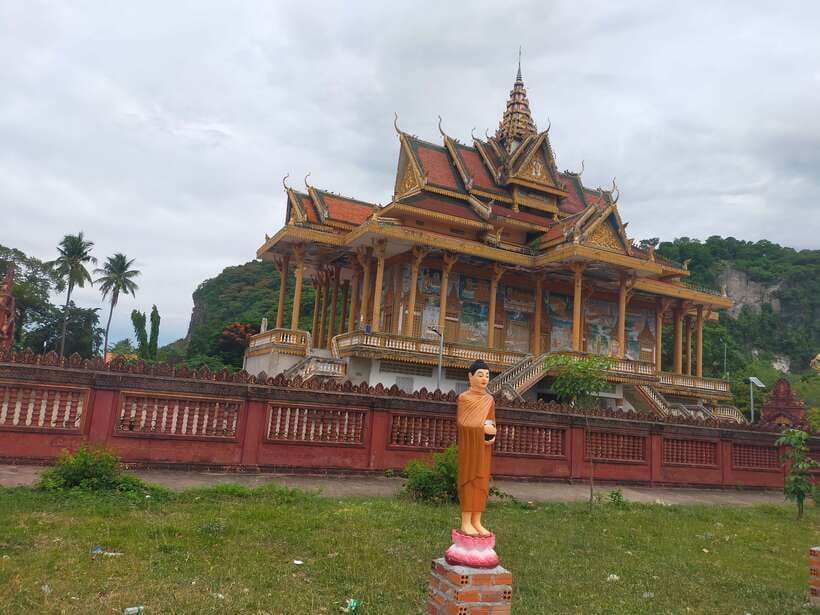
The tour kicks off with pickup from a hotel or restaurant in the Battambang area, though the meeting point can be a location about 5 km outside central town. You’ll also wait briefly in the lobby before the tour begins, so plan to be ready.
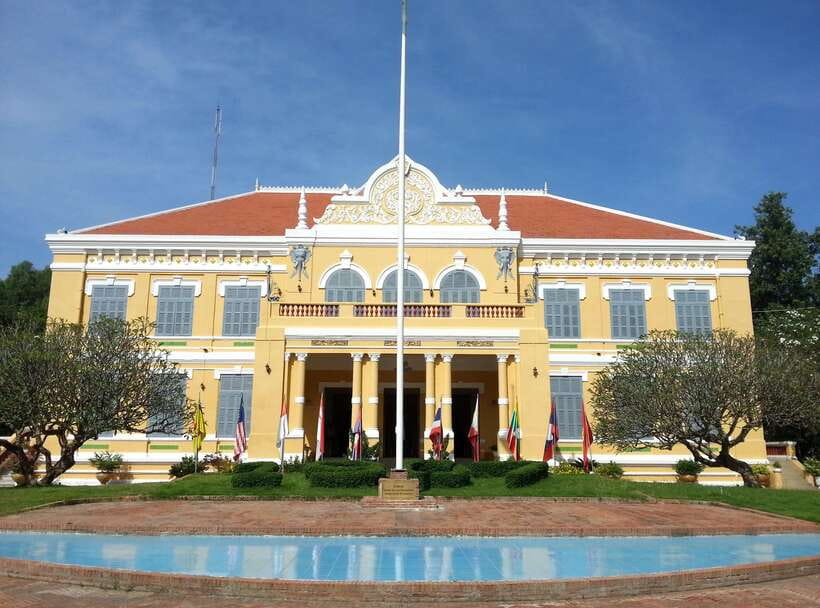
Once you’re with your guide, tuk-tuk touring is a smart way to get your bearings. You’ll pass by and learn about spots like the central market, the provincial hall, and Battambang’s symbol statue. Even if you’ve walked around the city a bit already, this kind of route helps you understand what’s important and why.
You also get temple time and a few city viewpoints, and the guide usually ties these stops to everyday life—religion, local beliefs, and folk tales—rather than just names and dates. In past tours, guides such as Samol and David have been singled out for both humor and serious historical context. You’ll feel the difference when the guide can explain what you’re seeing and also answer follow-up questions.
Practical tip: if you’re hoping to take photos at city stops, keep your camera accessible. The tuk-tuk route moves at a pace where quick moments matter.
Countryside Stops: Villages, Fruit Plantations, Rice Fields, and a Suspension Bridge
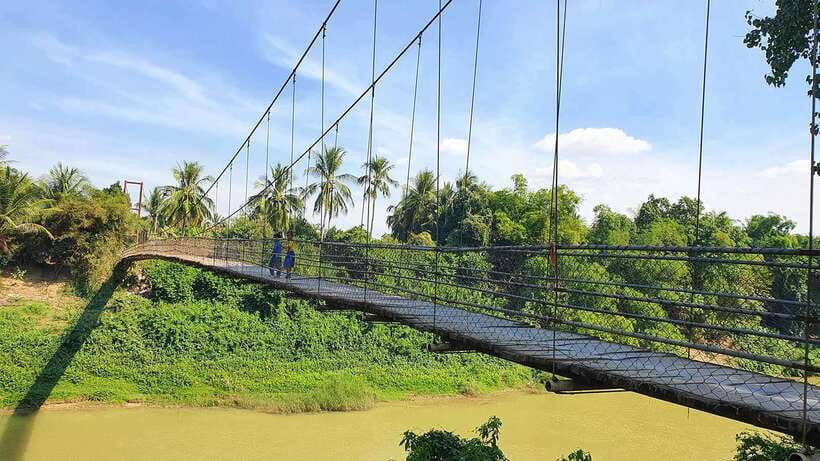
After the city section, you shift out into the countryside, and that’s where the day starts to feel more spacious. You’ll visit villages, fruit plantations, and rice fields, with time to observe how agriculture shapes local life.
One of the best parts here is the chance to talk with farmers. You’re not just watching from a distance; the guide typically sets it up so you can ask questions and learn how people work their land and think about the seasons. That kind of human detail is what makes Battambang feel real.
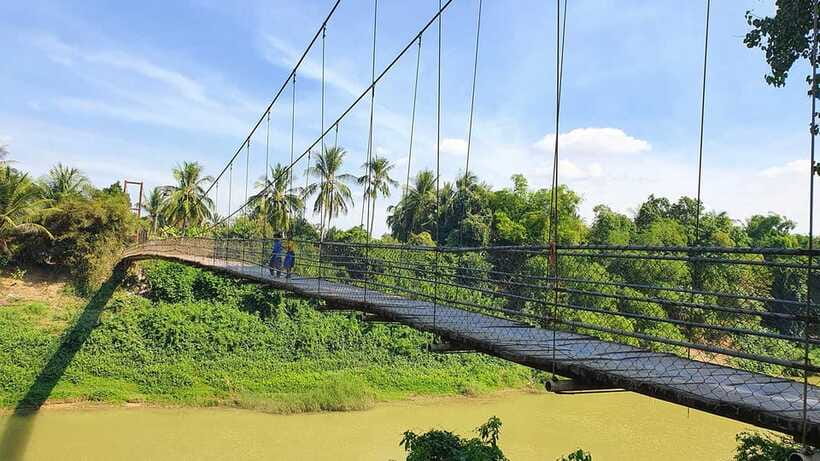
You’ll also cross a suspension bridge and spend time around viewpoints that look out over the green working areas. If you’re visiting in hot weather, this is where rain gear and sunscreen become more than optional. Even on sunny days, you’ll want protection because you’ll be outside longer than you might expect.
This countryside section is also a good reset from city traffic. It’s where you can slow down, breathe, and start noticing how the day’s story is building toward the caves and sunset.
Bamboo Train: The Original Ride, What It Costs, and How to Prepare
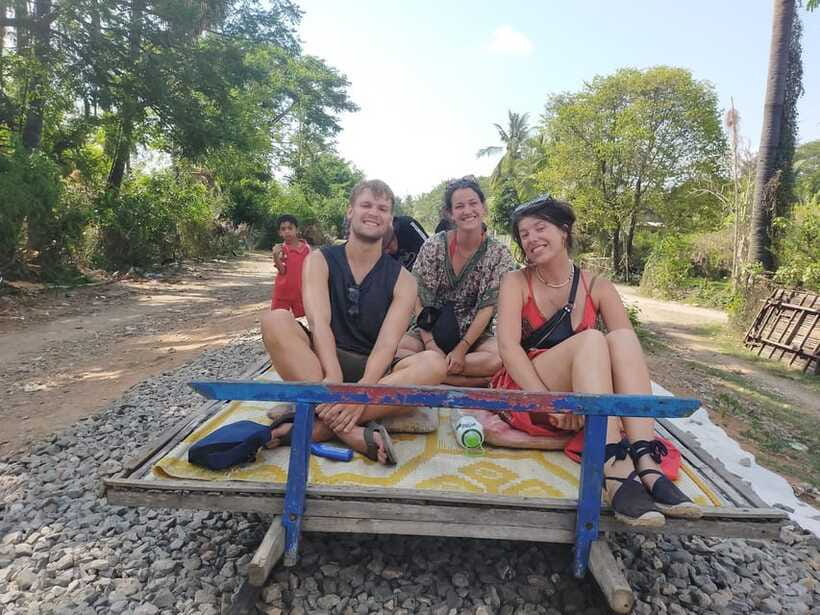
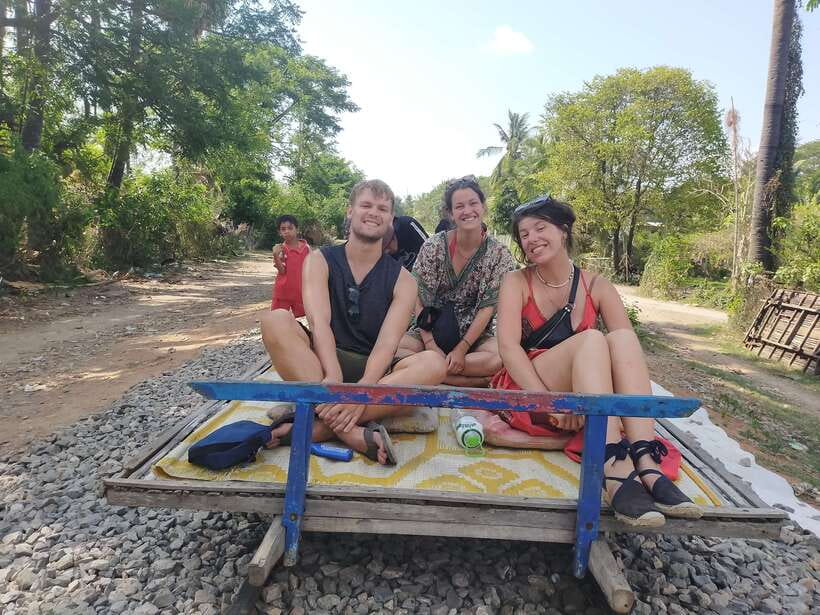
Then comes the bamboo train, the experience many people come to Battambang for. The guide takes you to ride along a route with paddy fields and open views from the track area.
Two practical notes so you’re not surprised:
- The bamboo train ticket costs extra, about $5 per person, since it’s not included in the base price.
- The ride can be loud and a bit bumpy, so bring earplugs if you have them.
The train itself isn’t just a novelty. It’s a window into how Battambang’s people adapted and created transportation in earlier times. In many recent experiences, guides also added context so the ride felt like part of a bigger story, not just a quick photo moment.
There can be some shopping pressure around the bamboo train stop. I’d plan for it mentally: if you want only the ride, stay focused and stick to your budget. Cash helps, but you don’t need to spend to have a great time.
Food and Mountain Taste Stops: Late Lunch and the Rat Barbecue Moment
Midday you’ll have a late lunch at a local restaurant in the village area. Lunch isn’t included in the tour price, so budget for it separately, but the stop is set up so you’re not hunting for food on your own during the long day.
You’ll also taste rat barbecue at Phnom Sampou. This part is listed as optional, which matters because the idea can be a lot for some people. If you do try it, treat it like a cultural food moment rather than a dare. Rat barbecue is a known local dish here, and the guide’s explanation usually helps you understand why it shows up on menus.
If you have dietary needs, ask in advance. The provided information doesn’t guarantee customization, but the tour does include fresh fruit as well as cold bottled water during the day, which helps keep things manageable even when lunch is later than you’re used to.
Phnom Sampou and Killing Cave: The Khmer Rouge Stop You Should Go Ready For
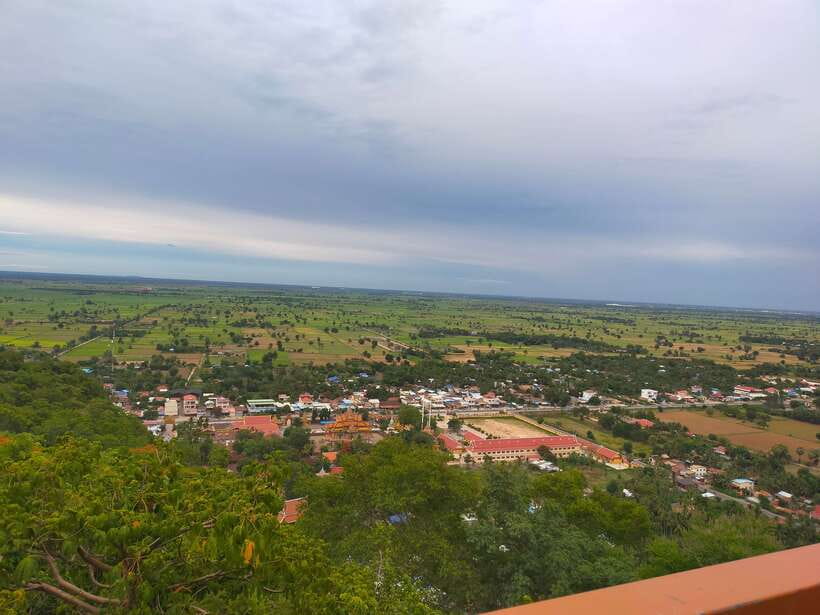
This is the heavy part of the day. After Phnom Sampou, you’ll take a motorbike or pickup truck up the hill to reach the Killing Cave area and hear about the Khmer Rouge period from 1975 to 1979, when over ten thousand victims were killed.
This stop matters because it places Cambodian history in a physical location. It’s not an abstract lecture. You’re standing where people suffered, and the guide’s job is to connect the facts to the reality you can see.
A heads-up on how this can affect you: the emotional tone can shift fast from the countryside and food moments. If you’re the kind of person who processes feelings later, bring that mindset with you. Short breaks and water help, but there’s no “undo” button once you’ve learned the context.
Bat Cave at Sunset: Wrinkle-Lap Bats, Viewpoints, and the Big Ending
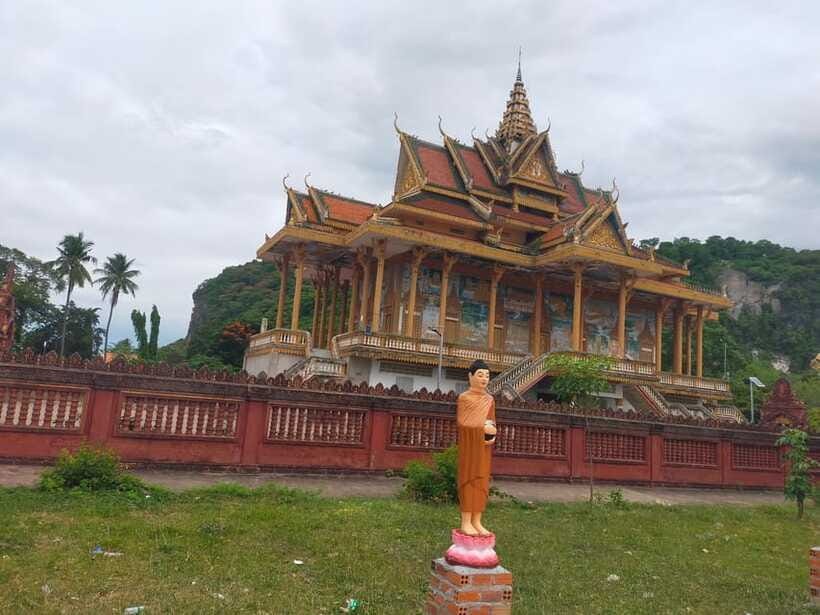
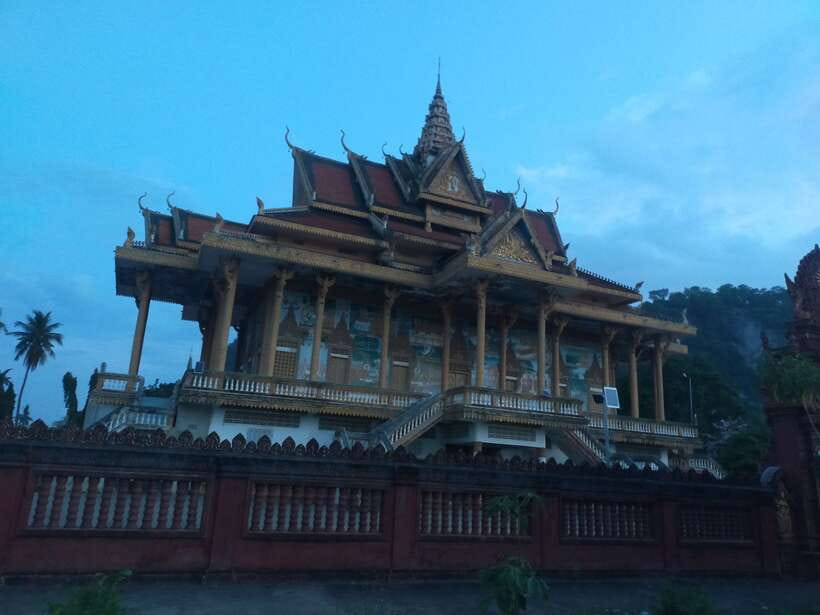
You’ll usually spend time on the mountain summit before you head down. Expect temples, monkeys, and viewpoints, and then the sunset timing that makes the bat cave experience what it is.
After sunset, you go to the Bat Cave to watch bats fly out. The provided description specifically mentions wrinkle-leap bats, and the spectacle is the whole point. You’ll feel the shift from the sobering cave history to a natural phenomenon that’s loud, fast, and hard to forget.
This ending is why the tour length makes sense. If you rush out early, you miss the main event. If you’re willing to stand patiently for the bats, the payoff is real.
Photo tip: plan on low-light conditions. If you’re using a phone camera, wipe the lens and keep your hand steady while you film bursts of motion.
Money and Time: Is $9 a Good Value for What You Get?
At face value, $9 per person sounds almost too low for a full-day experience. The value comes from what’s included: hotel pickup and drop-off, tuk-tuk transportation, a live English guide, cold bottled water, fruit salad, entry fees for Phnom Sampou, Killing Cave, and Bat Cave, plus donations.
But here’s the realistic budget picture:
- You should add about $5 per person for the bamboo train ticket.
- Lunch isn’t included, and it’s late, so plan on paying for it when you’re hungry.
- Rat barbecue is optional, meaning you can choose yes or no.
For me, the main value isn’t just the transport. It’s the guide’s ability to explain what you’re seeing—especially for the history-heavy parts. When the guide is strong (people have praised guides like Samol and David for mixing humor with serious context), the day feels more meaningful and less like a forced route.
If you’re trying to do Battambang highlights independently, you’d likely pay for multiple tickets, pay for a car/tuk-tuk anyway, and still need someone to connect the dots. This tour tries to bundle that time and interpretation into one day.
Who This Tour Fits Best (and Who Should Skip It)
This one is a great match if you want variety in a single day:
- People who like history, but also want hands-on experiences (bamboo train and countryside).
- Food-curious travelers who might try rat barbecue if they’re comfortable.
- Anyone who loves a strong ending tied to sunset timing.
It’s less ideal if you:
- Need wheelchair access or have mobility impairments.
- Are over 80.
- Don’t like long days with lots of walking and uneven terrain around the mountain/cave areas.
- Won’t handle dark history topics. The Killing Cave stop is part of the experience, and it’s meant to be taken seriously.
Dress note: sleeveless shirts aren’t allowed. Wear something light but covered up.
Should You Book This Battambang Tuk-Tuk, Bamboo Train, and Caves Tour?
Book it if you want the best “Battambang highlights” combo without stitching together separate transport and tickets yourself. The bamboo train plus Bat Cave at sunset is a strong pair, and the tuk-tuk city segment helps you understand the place instead of just passing through.
Don’t book it if you’re only looking for light sightseeing and you’d rather avoid Khmer Rouge-related history. Also skip if a long day with movement and a mountain climb downhill/uphill sounds stressful.
If you do book: pack comfortable shoes, bring sunscreen and rain gear, carry cash, and consider earplugs for the bamboo train. And if you get a guide like Samol or David, lean into the conversation. That’s when the day turns from sights into understanding.
FAQ
How long is the tour?
The duration is listed as 5 to 12 hours, depending on the starting time and how the day runs.
How much does the tour cost?
The price is listed as $9 per person.
What’s included in the price?
Included are hotel pickup and drop-off, tuk-tuk transportation, a live English guide, cold bottled water, fruit salad, photo opportunities, admissions to Phnom Sampou, Killing Cave, and Bat Cave, plus donations.
Is the bamboo train ticket included?
No. The bamboo train ticket costs $5 per person and is not included.
Is lunch included?
Lunch is not included.
Is rat barbecue included?
Rat barbecue tasting is listed as optional.
When do you visit the bat cave?
The tour is built around sunset on the mountain, and then you go down to explore the Bat Cave afterward.
What should I bring?
Bring comfortable shoes, a camera, rain gear, cash, and sunscreen.
Are there any dress requirements?
Yes. Sleeveless shirts are not allowed.
Is pickup available from my hotel?
Pickup is optional. Your guide can pick you up from any hotel or restaurant in the Battambang area, and you should wait in the lobby at least 10 minutes before the tour starts. Pickup and drop-off are about 5 km away from Battambang town.