REVIEW · KYOTO
10 Must-see Spots in Kyoto One Day Private Tour (up to 7 people)
Book on Viator →Operated by EE tour · Bookable on Viator
A packed Kyoto day, handled for you. I love the 10 must-see stops and the way the guide turns travel time into real context; the photo-ready highlights (hello, Torii and Kiyomizu-dera) are a big win. The main catch is simple: this is a fast route, so you’ll need to accept lots of stairs and walking, plus extra costs for entrances and local transport.
This is set up for time-tight trips. You meet at Kitaoji Station at 9:00 am, then your day ends in Gion, with your guide helping you figure out where to go next.
In This Review
- Key Highlights That Make This Tour Worth It
- The Real Value: What You’re Buying at $179.07 Per Person
- Morning Start at Kitaoji Station: A Route Built for Low Stress
- Stop 1: Kinkaku-ji Golden Pavilion Without the Guesswork
- Arashiyama Bamboo + Tenryu-ji: When Kyoto Turns Green and Quiet
- Togetsukyo Bridge Views and the Kimono Forest Detour
- Fushimi Inari-taisha: Plan for Steps, Not Just Photos
- Kiyomizu-dera and the Slopes of Sannenzaka and Ninenzaka
- Yasaka-no-to Outside View and a Short Gion Starter Walk
- Transportation Reality: Public Transit, Taxis, and Payment That Works
- How the Guide Experience Shows Up in Real Life
- Walking Pace and Photo Strategy for a Day That Moves Fast
- Who Should Book This Kyoto One-Day Private Tour?
- Plan B on Hot Days: Fewer Steps, Still Very Kyoto
- Should You Book It?
- FAQ
- How many people are included in this private Kyoto tour?
- What does the tour price include?
- Are temple and shrine entrance fees included?
- What is the duration and start time?
- Do I need cash for this day?
- What happens if it’s very hot in Kyoto?
Key Highlights That Make This Tour Worth It
- A true private setup for up to 7 people: you keep your own pace instead of getting trapped in a big-group shuffle.
- Arashiyama + classic temple stops in one sweep: bamboo, Tenryu-ji garden views, Togetsukyo Bridge, then you keep moving.
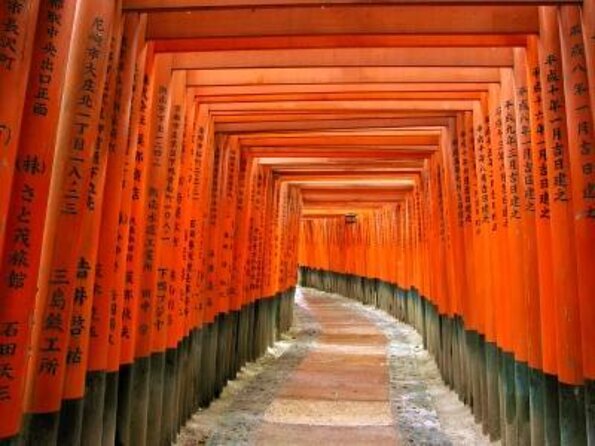
- Fushimi Inari time that won’t drag: you get to work through the famous Torii gates without losing the whole day.
- Kiyomizu-dera and the old-street slopes: the balcony views come with the scenic Sannenzaka and Ninenzaka lanes nearby.
- Gion at the end of the route: you finish where the evening atmosphere starts, and you can head off from there.
The Real Value: What You’re Buying at $179.07 Per Person
This tour is priced at $179.07 per person for a private experience. That fee is mostly for one thing: time with an English-speaking professional guide who manages the sequence, the timing, and the how-to-get-there piece.
Here’s how I’d think about the value. Kyoto’s top sights are spread out. If you tried to do all of this yourself—arranging trains/buses, figuring out the best walking order, and making sure you arrive at the right times—you’d burn hours. Paying for a guide is a trade: less time planning, more time seeing.
Now the part people sometimes miss: entrance fees and transportation aren’t included. The temples cost ¥1,500 per person, and public transportation is listed at ¥1,000 per person. Add in taxi options, and you should budget extra cash/IC-card value. The good news is the tour is structured so you still get your money’s worth on the sightseeing side: 10 major places in about 8 hours.
If you’re coming with a group of 4 to 7, the private setup can feel especially smart. For larger parties, taxis may need to split (the cab can fit 4 people including a guide), which can add cost—but it also prevents you from spending your day stuck in logistics.
You can also read our reviews of more tours and experiences in Kyoto.
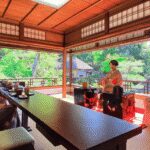
Morning Start at Kitaoji Station: A Route Built for Low Stress
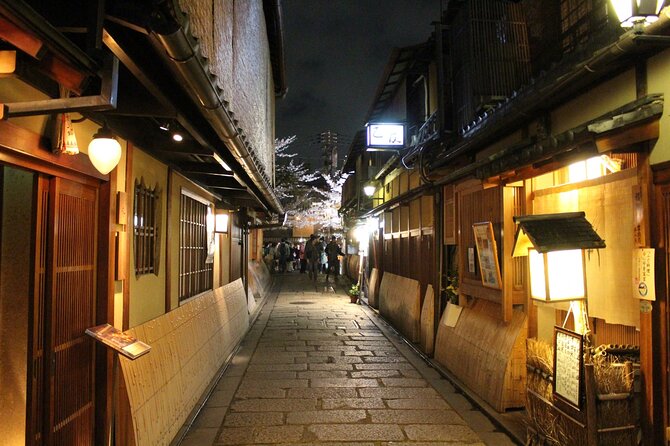
You start at Kitaoji Station in Kyoto’s Kita Ward at 9:00 am, and the tour runs about 8 hours. That first timing matters. You beat some of the worst crowd pressure that builds later in the day, especially for iconic photo spots.
The route is also designed around a straightforward logic: cluster sights geographically, then move on. You’re not free to swap the order, and that’s by design. The tour is built for speed and coverage, not flexibility.
One more thing I like: the end location is Gion (near 571 Gionmachi Minamigawa). That’s useful because you can roll straight into dinner or evening stroll time without needing another transfer plan.
Stop 1: Kinkaku-ji Golden Pavilion Without the Guesswork
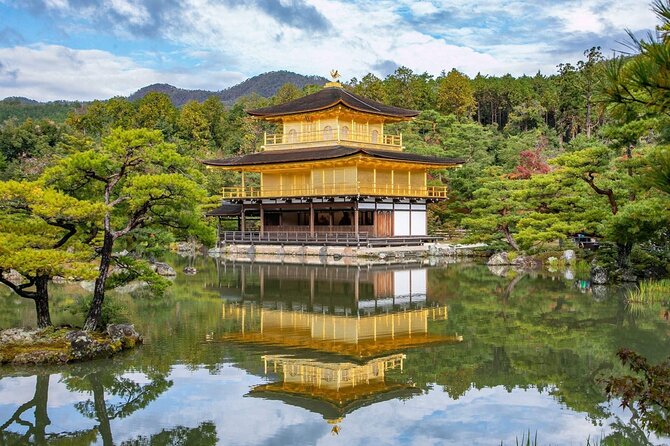
First up is Kinkaku-ji (Golden Pavilion). This is the kind of sight where the details make the photo better. You’re there to see the gleaming pavilion and learn how it relates to Kyoto’s political era—specifically its past role as a political center of the shogun.
You’ll have about 40 minutes. That’s enough time to get your key images and still take a breath. Admission isn’t included, so plan to cover it separately.
Practical note: this is a high-demand place, so go for wide shots early, then switch to closer views if time allows. If you’re traveling in winter or shoulder season, you might find the light changes how the gold reads in photos quickly—so don’t lock into one angle too long.
Arashiyama Bamboo + Tenryu-ji: When Kyoto Turns Green and Quiet
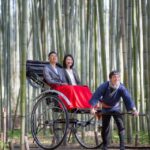
After Kinkaku-ji, you head into Arashiyama, starting with the Bamboo Forest Street. It’s a short stop (about 20 minutes) but it hits hard visually, since bamboo stands in for a lot of Kyoto’s postcard identity.
Next is Tenryu-ji Temple, about 30 minutes. Tenryu-ji is known for its traditional landscaped garden and for a famous pond garden designed by one of Japan’s leading gardeners. Even if you’re not a garden-nerd, this is one of those places where Kyoto’s aesthetics do the explaining for you.
Admission isn’t included here either, so same cash/IC-card planning applies. If you’re photos-first, prioritize viewpoints that let you see water + trees together. If you’re “slow down for a minute” travelers, use the garden time as a break from the walking pace.
Togetsukyo Bridge Views and the Kimono Forest Detour
From Tenryu-ji you go to Togetsukyo Bridge for about 10 minutes. This is a fast photo stop—exactly what you want for a bridge view: quick, scenic, and easy to work into a packed schedule.
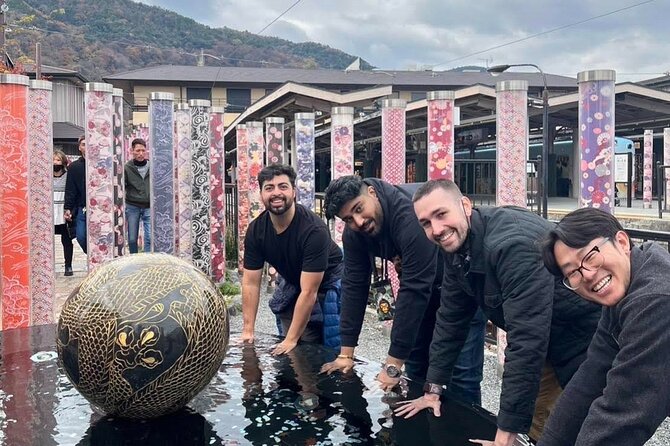
Then comes a stop that’s a little unusual: Arashiyama Kimono Forest Kyoto. It’s described as an art installation with 600 cylinders decorated with kimono designs. This is a short one (about 10 minutes), and it’s primarily for visuals.
Should you care? If you like Instagram-style contrast and strong repeating patterns, you’ll probably enjoy it. If you prefer traditional temple architecture only, you may see it as a playful intermission between major sites. Either way, it’s efficient—no long wait, no deep commitment of time.
Fushimi Inari-taisha: Plan for Steps, Not Just Photos
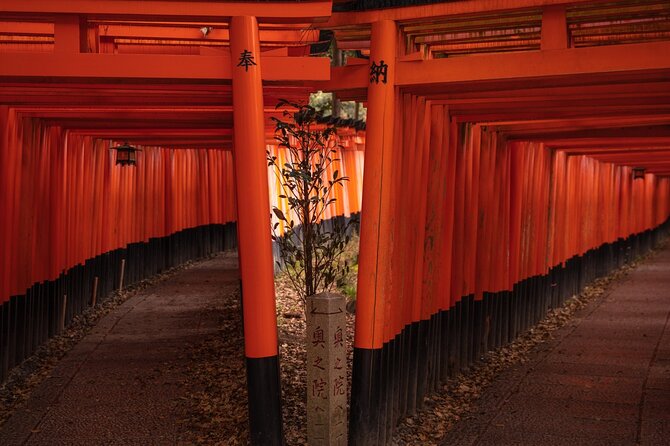
Next is Fushimi Inari-taisha, a highlight for many people because of the thousand Torii gates feeling like a tunnel. You’ll spend about 1 hour here, and admission is free for the shrine grounds.
This is where I’d be most honest about the physical side of the day. Torii areas invite walking and climbing, and your time can evaporate if you keep stopping for the “perfect” angle. I like that the tour gives you a defined time window—so you can enjoy the path without the day falling behind.
Bring practical gear:
- Comfortable shoes are a must (the route includes slopes and stairs later too).
- Have your yen/IC-card ready, since not every payment method works everywhere in Kyoto.
If you want to make this hour count, aim for a first pass through the gates for context photos, then decide if you want to push further along the route.
Kiyomizu-dera and the Slopes of Sannenzaka and Ninenzaka
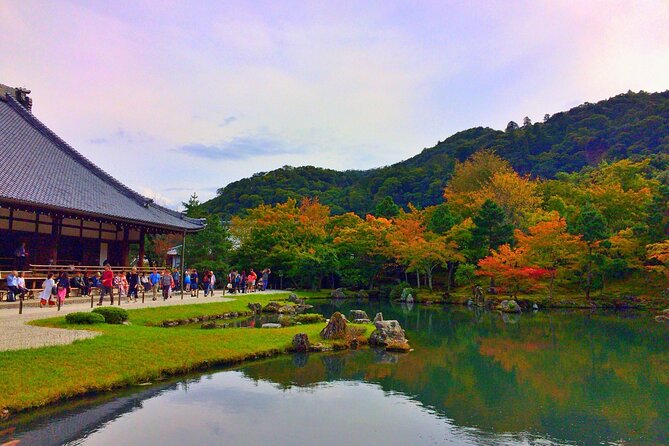
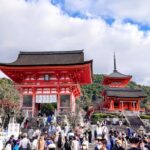
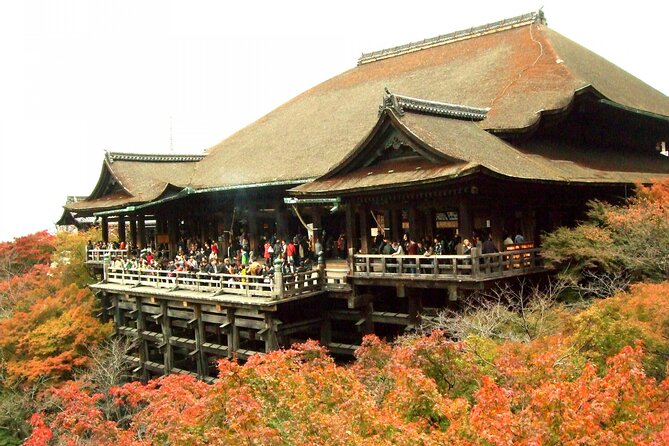
After Inari, you go to Kiyomizu-dera (about 1 hour). This temple is listed as a World Heritage Site, and it’s famous for its vast balcony and panoramic views from that viewpoint area.
Admission isn’t included, so treat this stop like a planned expense, not a surprise.
Then you get a built-in time for independent wandering: Sannenzaka and Ninenzaka (also about 1 hour). These slopes are lined with traditional wooden buildings and souvenir shopping. Think of this section as your chance to do two things at once:
1) grab small gifts without trying to coordinate a separate neighborhood visit
2) slow down on streets with atmosphere
A small tip: if you have a shopping list, pick one priority before you arrive. This area is pretty, but it can turn into a rabbit hole.
Yasaka-no-to Outside View and a Short Gion Starter Walk
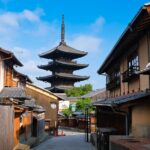
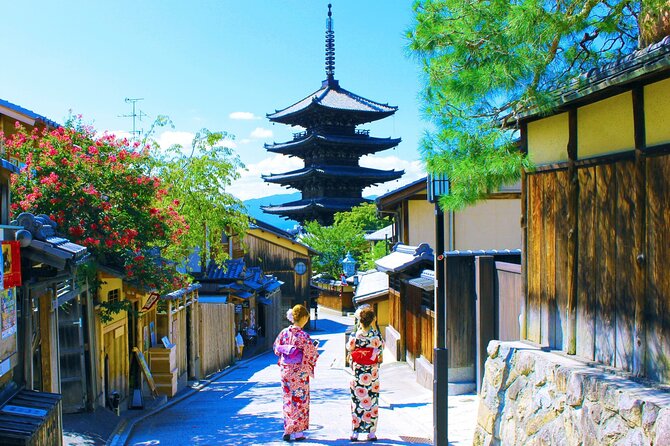
At Yasaka-no-to you only get about 5 minutes, and the tour notes it as a landmark best seen from the outside. That’s not a dealbreaker. The goal here is to tick it off while keeping the day on schedule.
Then you finish in Gion for about 20 minutes. Gion is where you can see the traditional alley feel, and the tour is designed so you can actually walk a bit rather than just stare from a bus window. This is also where you’ll start noticing geisha district details—if your timing is right.
The best move in Gion is to use the time as a warm-up. You don’t need to force a long stay inside the tour. Your guide drops you off, and you can keep going on your own.
Transportation Reality: Public Transit, Taxis, and Payment That Works
Kyoto is walkable, but it’s not the kind of walking day where you can assume everything is “free and easy.” The tour is built around a mix of walking and local transit decisions.
You should know what the tour data flags:
- Public transportation is listed at ¥1,000 per person.
- Taxis are described as ¥7,000 to ¥9,000 yen per cab for all rides. If you have 4 or more people, you need two cabs (since a cab accommodates four people including the guide).
- Many temples and taxis do not accept credit cards, so have Japanese yen ready.
That lines up with a practical takeaway: don’t plan on paying everything by card. I’d bring cash and also keep an IC card loaded if you’re using subway/bus systems. One reviewer even suggested having around 10,000 yen minimum plus an IC card balance, because a packed day can add small costs fast.
How the Guide Experience Shows Up in Real Life
This is a “guide-led” day, not a self-guided checklist. The difference is subtle until it matters: moving through crowded areas, knowing where to pause for the best viewpoint, and explaining what you’re looking at instead of letting you guess.
Across guide examples, the common thread is that guides handle:
- pacing so you don’t feel dragged
- clear directions between stops
- patience if you need extra time for photos or questions
I’ve seen names like Tammy, Akemi, Kumi, Hiro, Hori, Fujiko, Yoshi, Chihiro, Meiko, and Hiromi come up in standout ways. The useful takeaway for you is simple: booking this tour puts you in a role where the guide is your filter. You spend less brainpower on navigation and more on seeing.
Also, because this route ends in Gion, your guide’s local advice after the tour can be useful for what to do next. One of the nicest perks is that you’re not left alone at the end with just a map and a shrug.
Walking Pace and Photo Strategy for a Day That Moves Fast
This one-day Kyoto plan is action-packed. That’s the whole concept: 10 places, about 8 hours, in a private format.
So I plan my expectations like this:
- You’ll move between zones.
- You’ll stand in lines at busy sights.
- You’ll walk more than you think, even if the tour is efficient.
One review pointed out about 20,000 steps on the day. That’s a good reality check. If you’re fitness-limited, you’ll need to go in with a slower mental rhythm and comfortable shoes. If you’re good on your feet, you’ll likely feel rewarded because the day packs in big-picture Kyoto plus the smaller street moments.
Photo strategy that works here:
- Take your “big” photos early in each stop, when energy and light are favorable.
- Then use the last minutes for close-ups, textures, and street scenes (Sannenzaka/Ninenzaka and Gion are perfect for this).
Who Should Book This Kyoto One-Day Private Tour?
This tour is best for you if:
- you have limited time in Kyoto and want a strong greatest-hits day
- you prefer a private guide over managing your own route
- you want a mix of major temples/shrines, scenic nature, and classic neighborhoods
It might not be the best fit if:
- you’re looking for lots of free time to linger
- you want to customize your own itinerary order
- you hate paying multiple small add-ons throughout the day (entrances + transit)
If you’re traveling with kids, the tour notes infants under 3 are free. For older kids and teens, the pacing can still work, but you’ll want to plan snacks and breaks because the stops are efficient rather than slow.
Plan B on Hot Days: Fewer Steps, Still Very Kyoto
Kyoto heat can change everything. On very hot summer days, the tour offers a Plan B that takes fewer steps and shifts you toward:
- Chishakuin Temple, described as an indoor temple
- Sanjusangendo Temple, known for a forest of Buddhist statues
If you’re traveling in peak heat, it’s smart to keep a Plan B mindset. You’ll still see major things; you’ll just move differently so the day stays doable.
Should You Book It?
I’d book this tour if you want a high-coverage Kyoto day with a guide running the show. The biggest strengths are the strong hit list (Kinkaku-ji, Arashiyama, Tenryu-ji, Fushimi Inari, Kiyomizu-dera, Sannenzaka/Ninenzaka, Gion) and the practical benefit of not wrestling with route planning.
If you do book, do it with eyes open:
- Bring yen because card acceptance can be limited.
- Wear walking shoes because the day adds up fast.
- Accept that the itinerary is fixed, so plan any food needs ahead of time.
If you’re the kind of traveler who likes to see a lot in one day and then spend your remaining Kyoto time on slower, personal explorations, this private format makes a lot of sense.
FAQ
How many people are included in this private Kyoto tour?
It’s a private tour for your party, with the group size listed as up to 7 people.
What does the tour price include?
An English speaking professional guide is included. Infants under 3 years old are free of charge.
Are temple and shrine entrance fees included?
No. Entrance fees are listed as ¥1,500 per person for temples.
What is the duration and start time?
The tour runs for about 8 hours, starting at 9:00 am.
Do I need cash for this day?
Yes. The tour notes that many temples and taxis do not accept credit cards, so you should have Japanese yen ready. Public transportation costs are also listed separately.
What happens if it’s very hot in Kyoto?
On very hot summer days, a Plan B is recommended, which takes fewer steps and includes Chishakuin Temple and Sanjusangendo Temple.