REVIEW · SINGAPORE
Singapore: UNESCO Street Food & Cultural Experience
Book on Viator →Operated by Singapore Foodsters · Bookable on Viator
Street food in Singapore feels like a map. This half-day walk turns everyday hawker eating into a guided tour of UNESCO hawker culture and three iconic neighborhoods, with lots of tastings and stories you can’t get from a guidebook. I like that the group stays small (up to 8), so you actually get to ask questions while sampling the Chinese, Malay, and Indonesian flavors behind Singapore’s food scene—plus the guide in multiple reviews is named Gerry (or Merry), and he’s praised for clear, friendly explanations.
The main thing to think about is food fit. This tour is not recommended for vegetarians and it’s also not for people with food allergies or dietary restrictions, since you’ll be sampling from regular local stalls. If you have mobility needs, it’s also not listed as a good match for personal mobility aids or prams.
In This Review
- Key points before you book
- Why a hawker tour is the best first food plan in Singapore
- Price and what you’re actually paying for ($161.62 per person)
- Group size and pacing: why max 8 matters
- Your route: Chinatown to Kampong Glam to Little India
- Stop 1: Chinatown walk and what you’ll learn while you snack
- Stop 2: Kampong Glam and how the neighborhood connects to food
- Stop 3: Little India hawker center tastings
- How the tastings are handled (and why it feels generous)
- MRT and buses: the underrated skill you get on this tour
- Who this tour is best for
- Who should skip (or choose something else)
- What to expect on the day: tickets, pickup, and timing
- Should you book this Singapore UNESCO hawker center tour?
- FAQ
- What neighborhoods does this tour cover?
- How long is the Singapore hawker and cultural experience?
- Does the tour include hotel pickup and drop-off?
- How many people are in the group?
- Is alcohol included?
- Is this tour suitable for vegetarians or people with dietary restrictions?
- What food and drinks are included?
Key points before you book
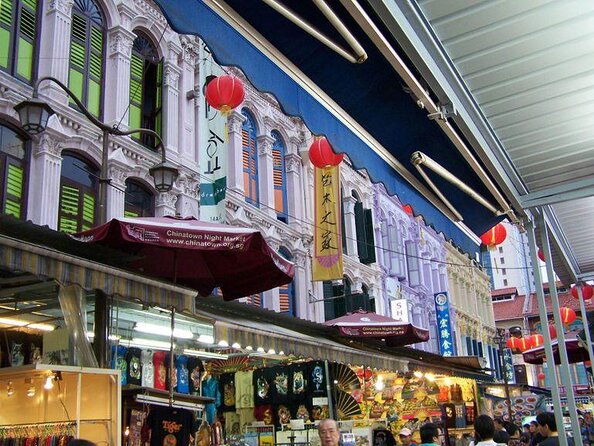
- UNESCO hawker centers as part of the route, specifically around Chinatown and Little India
- Small group (max 8) for a more conversational walk between neighborhoods
- Multiple tastings with water and coffee or tea, plus beer only if you want it
- Public transit guidance (MRT and buses) so you learn how to get around fast
- Three areas in one morning: Chinatown, Kampong Glam, and Little India
Why a hawker tour is the best first food plan in Singapore
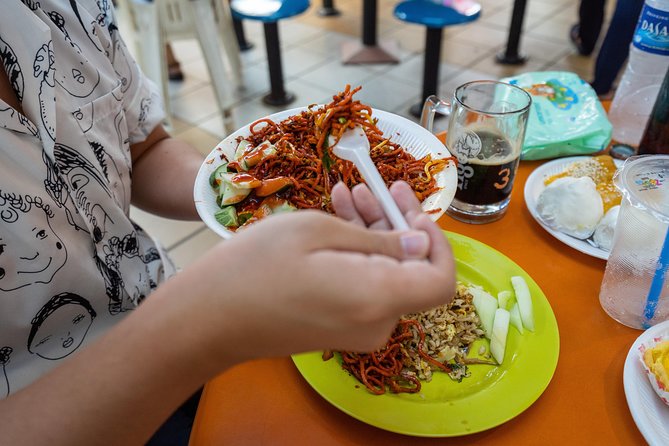
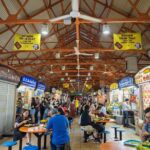
If you’ve only got a few hours in Singapore, a hawker tour is one of the most efficient ways to understand the city. Hawker centers aren’t just places to eat. They’re where daily life happens, where different ethnic communities share space, and where recipes have been shaped by trade, migration, and adaptation over generations.
This specific experience works because it’s not only “try food, take photos.” You get guided walking through Chinatown, Kampong Glam, and Little India, then you sit down and taste from stalls tied to Singapore’s Chinese, Malaysian, and Indonesian influences. With a group capped at 8 people, the pace stays human. You can follow the story while still eating, rather than sprinting between stops.
Also, I like that you don’t just get delivered to famous places. You’re taught how to use the MRT and public buses with guidance. One of the most practical benefits of the tour is that it helps you get your bearings fast when you’re back on your own later.
You can also read our reviews of more tours and experiences in Singapore.



Price and what you’re actually paying for ($161.62 per person)
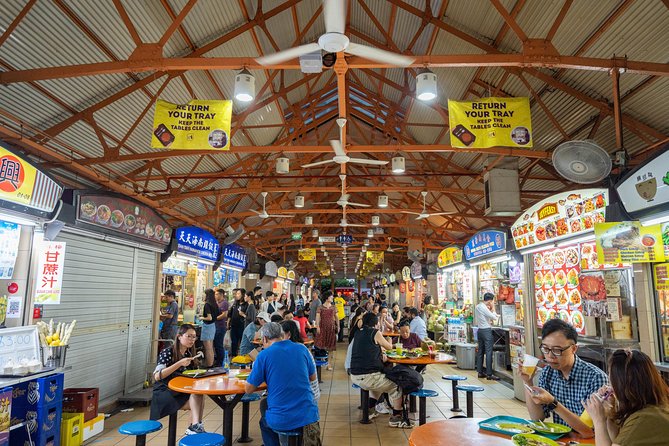
At $161.62 per person for about 5 hours 30 minutes, it might look high if you’re thinking only about hawker food prices. But you’re paying for more than plates.
Here’s what’s wrapped into the value:
- A professional host and food tasting planning (so you’re not guessing which stalls are best)
- Bottled water, coffee or tea, and soda or pop during the tour
- Time and effort to walk and sample across multiple neighborhoods
- Guidance on using MRT/buses, which saves you trial-and-error
- Alcohol included is limited to beer only
- Optional hotel pickup and drop-off depending on location
If you like structure, conversation, and learning while you eat, this price starts to make sense. If you prefer to wander with a phone map and pick stalls yourself, the value is less obvious. For me, the “learn how to eat and how to move around” part is the big payoff.
Group size and pacing: why max 8 matters
With a maximum of 8 travelers, you’re not stuck in a cattle-line. In the feedback, the guide is repeatedly praised for balancing walking time with sitting time, and for keeping things friendly and organized in the hawker lanes where it can get crowded.
A smaller group also means you’re more likely to get:
- Clear explanations of what you’re eating and why it matters locally
- Faster decisions at each stall (so nobody waits around)
- More attention if you want to ask a question about ingredients, culture, or the neighborhoods
One small drawback: this is still a walking tour with a moderate fitness level recommended. If you’re expecting a fully seated experience, it’s probably not for you.
Your route: Chinatown to Kampong Glam to Little India
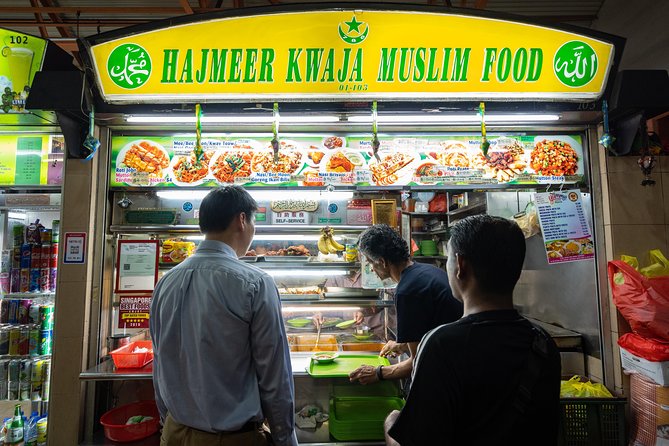
The tour runs starting at 9:00 am and is built around three neighborhood blocks, each with about 1 hour 10 minutes allocated. The big idea is that you see how Singapore’s food culture changes as you change communities.
It also matters that the tastings focus on UNESCO-inscribed hawker centers in the Chinatown and Little India areas. That’s a hint you’re not just sampling any random stall—you’re likely stopping at places with a strong reputation and lots of local regulars.
Here’s the simple way to think about the route:
- Chinatown: the Chinese cultural presence and its food styles
- Kampong Glam: Malay identity and the broader Southeast Asian influence
- Little India: Indian flavors and the food traditions you can taste daily in Singapore
Stop 1: Chinatown walk and what you’ll learn while you snack
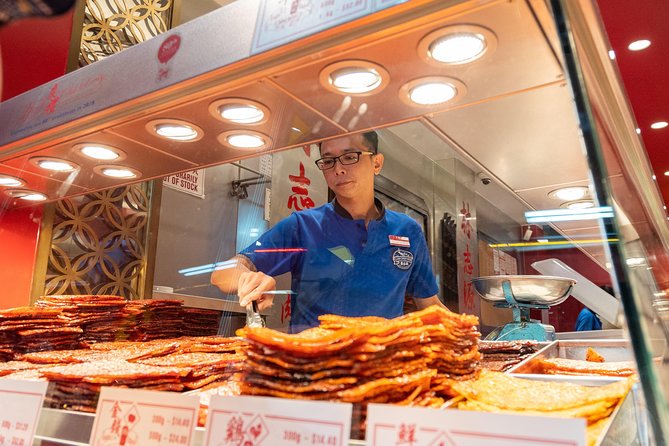
In Chinatown, you get a guided neighborhood walk that’s meant to feel like local living, not a museum. The focus is on history and context, tied to what you’re going to taste later that day.
Why this stop is worth it:
- Chinatown is one of the places where you can feel how Singapore’s food scene is organized by community and street life.
- You’re not just looking at buildings—you’re moving through everyday activity, which makes the hawker experience feel grounded.
What to watch for:
- Chinatown is often busy, and hawker centers can be loud and crowded. If you’re sensitive to noise or have trouble navigating tight spaces, plan for that reality.
Tip I’d use: come ready to eat. One review specifically recommended skipping breakfast because the portions are generous and the tour includes multiple bites across different stalls.


Stop 2: Kampong Glam and how the neighborhood connects to food
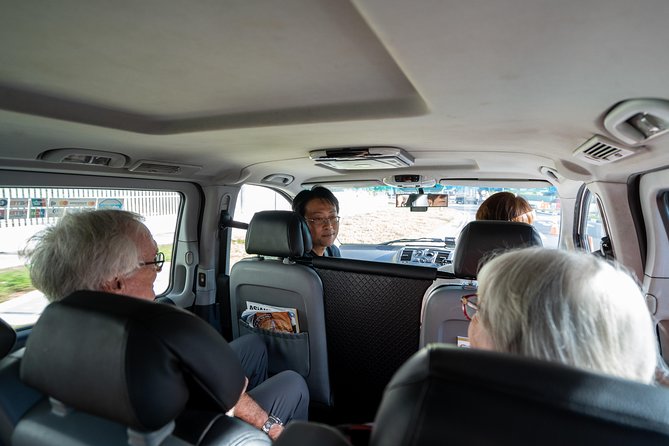
Kampong Glam is where Singapore’s Malay roots show up strongly, and it helps the tour feel like more than one cuisine. You get another guided walk through the area, building the cultural thread that makes the hawker food make sense.
This stop is interesting because it changes your taste palate mentally. Instead of treating hawker food as one category, you start noticing how the neighborhood shapes the flavors and ingredients people reach for.
What you’ll likely enjoy most:
- The walking time keeps momentum, while the guide’s stories connect the food to community life.
- This stop sets you up for the Little India segment so the day feels like a sequence, not three disconnected stops.
Potential drawback:
- If you want a very slow, seated tour, walking through Kampong Glam might feel a bit fast. The route is still designed for a half-day, not a leisurely stroll.
Stop 3: Little India hawker center tastings
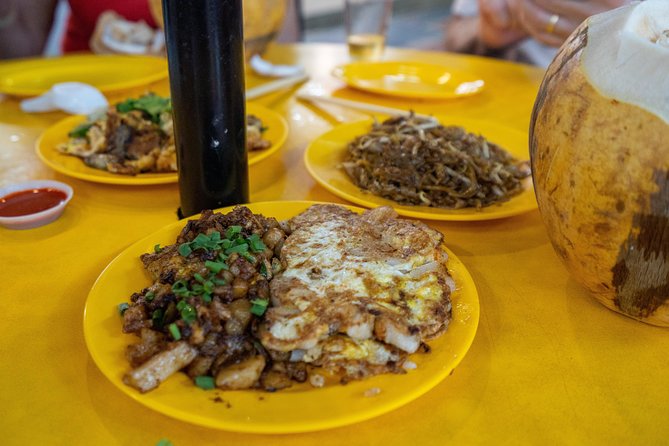
Little India is where the tour leans hard into flavor variety. You’re guided to a UNESCO-inscribed hawker center area, and this is the part that many people remember most.
From what I’ve seen in the feedback, the Chinatown and Little India hawker markets are singled out for top-notch food and the feeling of eating like locals. People also mention that they had trouble keeping track of what they ate because the tastings are plentiful.
Why this stop works for your first trip:
- You get a practical lesson: hawker centers are the Singapore version of a food street where locals eat daily, not just tourists sample for a few minutes.
- The variety of stalls means you can try a wider range of dishes without having to plan each meal.
One helpful note: if you have allergies or strict dietary needs, this part is exactly where it can become difficult. The tour is not recommended for food allergies, and it’s also not recommended for people with dietary restrictions.
How the tastings are handled (and why it feels generous)
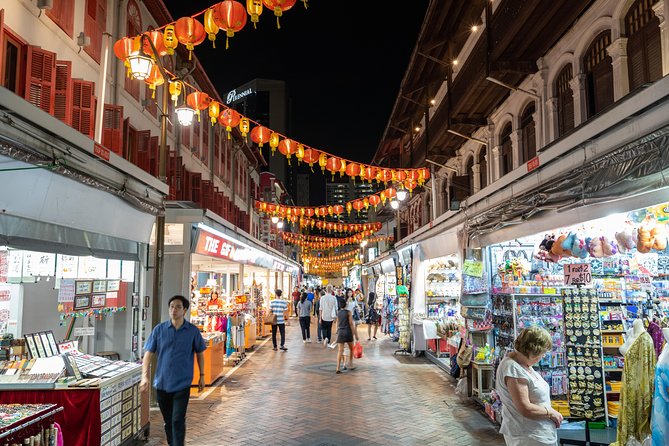
This experience includes food tasting, coffee or tea, bottled water, and soda or pop. Alcohol is optional and limited to beer only.
Two things stand out in the praise:
- Portions are repeatedly described as generous, with guests saying they lost count of how much they ate.
- The guide’s planning helps you avoid the feeling of random sampling. Even when you’re eating a lot, it’s tied together by explanation and neighborhood context.
One review also mentioned a thoughtful approach to leftovers: extra food was donated to hawker center cleanup workers. Even if you don’t care about that detail, it signals how the host treats the process with respect for the community around the stalls.
Practical advice: don’t schedule a heavy lunch right after. This tour is built to fill you up.
MRT and buses: the underrated skill you get on this tour
Many food tours just drop you near the next stop. This one also teaches you how to move around using MRT and/or public buses with guidance on how to use it.
In real terms, this helps because Singapore’s transit system is fast—but it can feel intimidating your first day. Learning even a few routes and getting coached on how to handle it reduces stress when you’re traveling solo later.
In the feedback, a recurring theme is that the guide helps people use transit confidently during the tour. That’s a real-world skill, not just a nice extra.
Who this tour is best for
This is a strong match if you:
- Want a structured introduction to Singapore’s food culture without researching stall-by-stall
- Like walking but still want breaks and a human pace (small group helps)
- Enjoy neighborhood history connected to what you eat
- Want to learn MRT/bus basics for future days
It’s also a great first-day choice. One review basically said it was the best decision for a first visit, because it gives you a mental model of the city’s culture and food.
Who should skip (or choose something else)
This tour is not recommended for:
- Vegetarians (they say the experience would be compromised)
- People with dietary restrictions
- People with food allergies
- Anyone using personal mobility aids
- People traveling with children in prams
It also asks for moderate physical fitness. You’ll be walking through neighborhoods and hawker areas that can be crowded.
If any of the above apply, you might be happier with a different food option that can guarantee swaps or provide fully vegetarian tastings.
What to expect on the day: tickets, pickup, and timing
The tour starts at 9:00 am and lasts about 5 hours 30 minutes. It ends back at the meeting point.
Hotel pickup and drop-off are offered, but it’s optional and depends on your location. A mobile ticket is used, and confirmation happens at booking time. You’ll also be provided bottled water, plus other drinks during the tasting.
What you should do before you go:
- Wear comfortable shoes. Hawker centers plus neighborhood walking adds up.
- Bring a light layer. Singapore can shift from pleasant to warm quickly.
- Come hungry, but don’t overdo it with a huge breakfast if you follow the advice many guests give—skip breakfast tends to work best.
Should you book this Singapore UNESCO hawker center tour?
Book it if you want:
- A small-group, guided way to sample Singapore’s street food across Chinatown, Kampong Glam, and Little India
- UNESCO hawker center stops tied to real neighborhood context
- A host-led experience that includes tastings and practical transit guidance
Skip it if:
- You’re vegetarian, have allergies, or need strict dietary accommodations
- You can’t handle walking in crowded areas
- You’re looking for a self-guided food crawl with total freedom (this tour is structured by design)
My bottom line: if you’re ready to eat a lot, enjoy a guided story while you snack, and learn how to navigate the city with MRT/buses, this is a smart half-day plan. It turns hawker eating into something you can actually carry with you after the tour ends.
FAQ
What neighborhoods does this tour cover?
It includes stops and walking time around Chinatown, Kampong Glam, and Little India.
How long is the Singapore hawker and cultural experience?
It runs for about 5 hours 30 minutes (approx.).
Does the tour include hotel pickup and drop-off?
Hotel pickup and drop-off are included as optional, depending on your location.
How many people are in the group?
There is a maximum of 8 travelers per booking, and a minimum of 2 people per booking.
Is alcohol included?
Yes, alcoholic beverages are included as beer only.
Is this tour suitable for vegetarians or people with dietary restrictions?
No. It’s not recommended for vegetarians, and it’s also not recommended for travelers with dietary restrictions or food allergies.
What food and drinks are included?
You’ll get food tasting, bottled water, coffee and/or tea, and soda or pop during the tour.