REVIEW · SINGAPORE
Small-Group Food Tour With Hawker Center: Eat Like A Local
Book on Viator →Operated by The Hello Tourism Company Singapore Pte Ltd · Bookable on Viator
Singapore hawker food gets a whole lot easier when someone else maps it. This small-group tour (max 8) strings together classic hawker stops and multicultural neighborhoods, with commentary as you walk and ride public bus. You’ll sample at least 10 dishes, then roll through the stories behind them—Peranakan, Malay/Arabic/Indonesian, and Indian food culture in one efficient 6-hour loop.
I love the focus on real food variety: kaya toast, bak chang, kuehs, laksa, Hokkien mee, rojak, popiah, and carrot cake show up across the day, not just one food type. I also like how the route uses neighborhood context, so each bite comes with a reason—where the ingredients and styles traveled from.
One possible drawback: the day is active. Plan on about 3 km / 2 miles of walking in hot, humid weather, and the tour keeps going in light rain, so you’ll want solid shoes, sun gear, and a rain layer.
In This Review
- Key Takeaways Before You Go
- Why This Hawker-Centered Tour Feels Right in Singapore
- The Day’s Flow: East Coast Start to Little India Finish
- Katong-Joo Chiat: Peranakan Roots and the Stories Behind the Plates
- Mountbatten and Old Airport Road Hawker Centre: The Hawker-Legends Stop
- Kampong Glam, Sultan’s Mosque, and Haji Lane: Food With Cultural Context
- Little India: Dosa Tastes and an Indoor Market Moment
- What You’ll Eat: The Dish List That Makes the Price Make Sense
- Pace, Heat, and Restrooms: The Part You Should Plan For
- Guide Quality: The Difference Between Food and a Food Lesson
- Who Should Book This Tour (and Who Might Want a Different Option)
- Quick Practical Advice Before You Commit
- Should You Book This Hawker Center Food Tour?
- FAQ
- How long is the tour?
- How many people are in the group?
- What foods are included?
- Is this tour vegetarian-friendly?
- Does the tour include transportation and meals?
- What should I bring for Singapore weather?
Key Takeaways Before You Go
- Max 8 people: smaller groups make it easier to ask questions and keep the pace comfortable.
- 10+ tastings plus lunch and snacks: the food amount is built for an “end-of-day food coma” kind of satisfaction.
- Real neighborhoods, not just one hawker hall: Katong-Joo Chiat, Kampong Glam, and Little India each add a different cultural lens.
- Hawker-center legwork in Mountbatten: Old Airport Road Hawker Centre is a prime place to taste multiple Singapore staples.
- Walking + public bus balance: you move between areas without spending the whole day in transit.
- Not vegetarian-friendly: the tour includes meat, pork, prawns, fish, gluten, and spice, so check this first.
Why This Hawker-Centered Tour Feels Right in Singapore
Singapore is famous for food, but it’s also easy to waste time. Menus look similar. Lines form fast. And if you don’t know what to order, you can accidentally end up with “pretty good” instead of “this is why people talk about Singapore.”
This tour solves that with a simple formula: multiple neighborhoods + multiple hawker-style dishes + a guide who keeps you moving. You get to walk through parts of town that help explain the food, then you eat at stalls that Singaporeans actually keep returning to.
The “small-group” size is more than a comfort perk. With 8 people or fewer, the guide can keep the flow tight and help you understand what you’re tasting instead of repeating the same basic spiel to a bigger crowd. And because the route includes public bus segments, you’re not stuck fighting the clock the whole time.
You can also read our reviews of more tours and experiences in Singapore.

The Day’s Flow: East Coast Start to Little India Finish
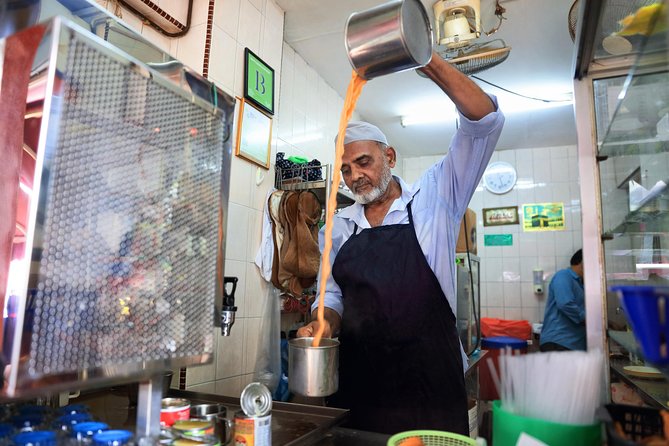
The tour starts at BibiNogs@Tides217 on East Coast Road, with a 9:00 am start (and sometimes a 10:00 am start when demand is high). From there, you’re moving between districts, with the tour built around a sequence of cultures and food styles.
What you’ll feel over the day: a rhythm of short walks, quick transitions, and stops that last long enough to eat, not just pose with your dish. It’s a practical way to see more of Singapore than a single-area food crawl.
Just know the physical reality. The tour is designed for people who can handle about 3 km / 2 miles of walking in humid weather. And since Singapore can throw rain at any time, you should be ready to keep going—bring a raincoat or umbrella and accept that “wet weather” is part of the plan.
Katong-Joo Chiat: Peranakan Roots and the Stories Behind the Plates
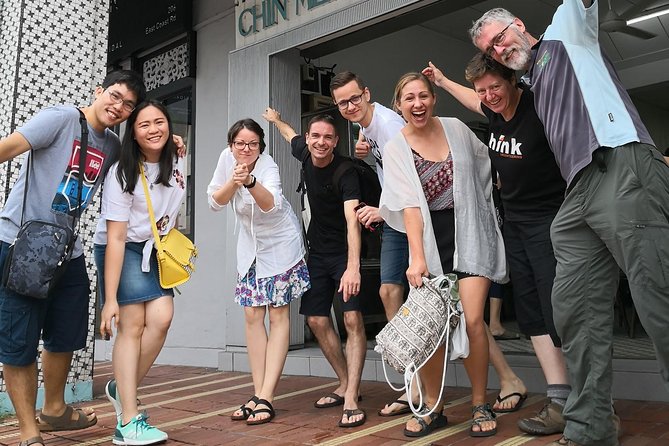
Your first neighborhood stop is Katong-Joo Chiat, a place tied to early Chinese immigration and the Peranakan culture. This is where Singaporean food becomes more than “local snacks.” It becomes a hybrid—Chinese influences mixed with Malay and Indonesian flavors and techniques, plus local ingredients that evolved over time.
This stop matters because it changes how you read the rest of the day. Instead of treating every dish as a random bite, you start recognizing patterns. You learn that Singapore’s food identity is a result of history, movement, and mixing communities—not a single origin story.
There’s also a location effect here. Katong-Joo Chiat is visually distinctive, and walking through it helps the food feel grounded in place. Even when you’re focused on eating, you’re still building that mental map of why certain dishes show up later in the day.
Mountbatten and Old Airport Road Hawker Centre: The Hawker-Legends Stop
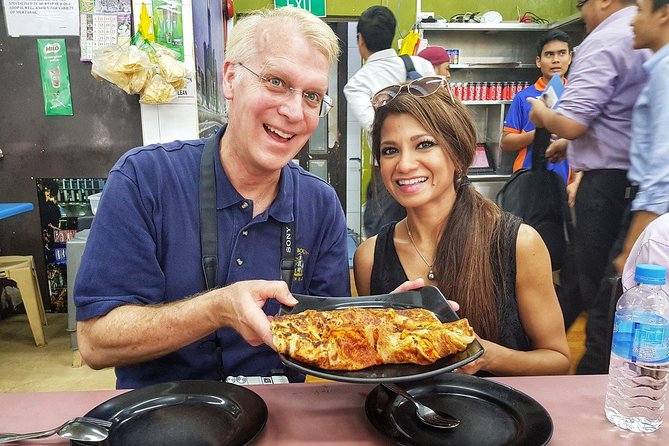
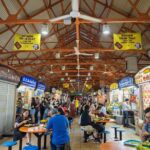
Next comes Mountbatten, specifically a visit to the Old Airport Road Hawker Centre. This is the kind of place where Singaporean food culture feels most real: lots of stalls, lots of locals, and the comfort of knowing that people keep ordering the same favorites.
You’ll get to choose from options like Hokkien mee, rojak, popiah, and carrot cake. That selection approach is smart. Instead of forcing one dish on everyone, the tour lets the guide match what’s available and what makes sense for the group’s overall tasting plan.
This is also where “guided” earns its keep. Hawker centers are not hard to find—but they’re hard to navigate well on your own. A guide helps you avoid the common mistakes: ordering something that’s not at its best, or missing stalls that would have been perfect for your taste.
At this stop, the takeaway is simple: you’ll leave with at least one, maybe more, “Singapore staple” bites that actually taste like the city.
Kampong Glam, Sultan’s Mosque, and Haji Lane: Food With Cultural Context
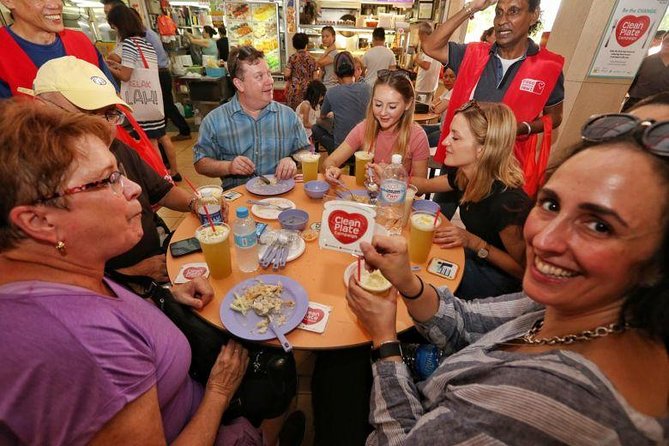
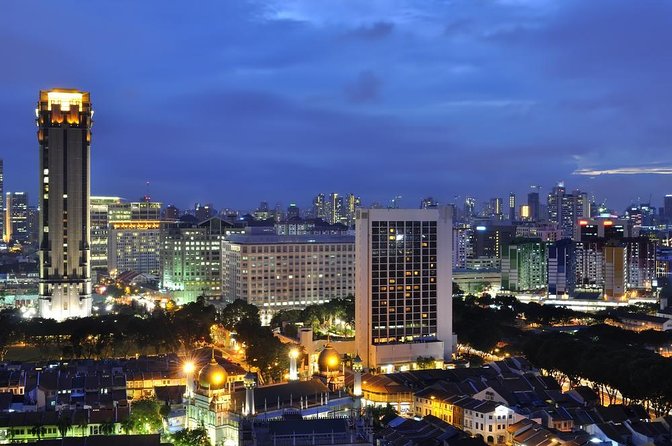
Then you shift to Kampong Gelam, the center of Singapore’s Malay community, and the area where Sultan’s Mosque sits. The mosque is named after Sultan Hussain Shah and is a national monument—so this isn’t just a quick photo stop. You’re moving through a neighborhood that carries religious and cultural significance.
Food-wise, this is where the tour leans into Malay, Arabic, and Indonesian influences. The tour includes tasting popular local foods from these communities and then adds time for exploring landmarks and streets, including Sultan’s Mosque and the famous Haji Lane.
What I like about this part of the route: it connects the food to the neighborhood identity. In many cities, “cultural food” can feel like a costume. Here, the food fits the place, and the guide’s commentary helps you understand why those flavors belong.
And Haji Lane adds a different texture. Even if you’re not shopping, it gives you that sense of Singapore as a place where old and new sit close together.


Little India: Dosa Tastes and an Indoor Market Moment
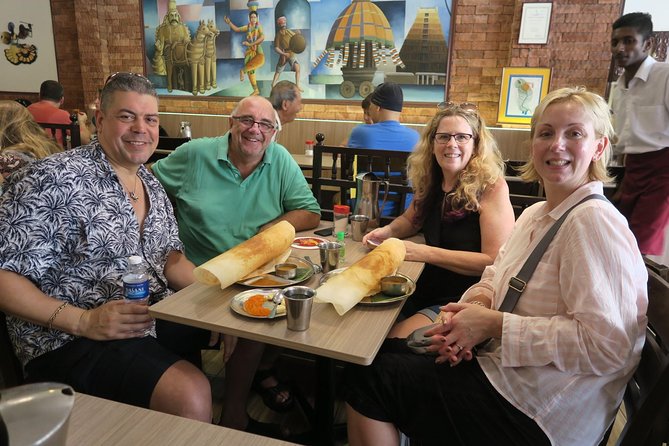
In Little India, you’ll learn why the Indian community settled here and how the district developed over time. That’s the kind of background that makes your food choices feel intentional, not random.
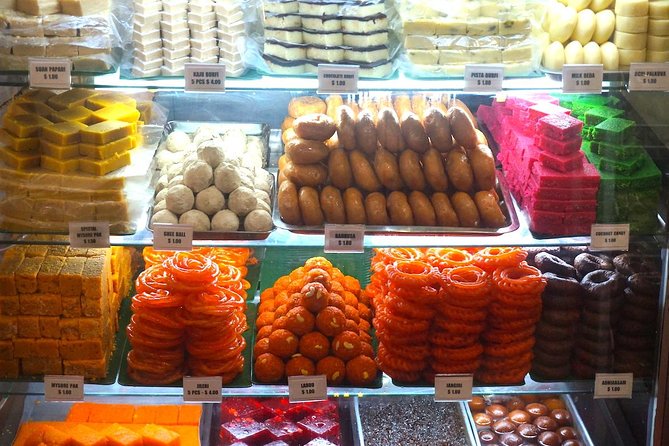
You’ll try dosa, a classic savory Indian dish. And the tour also includes time to check out the indoor market, which is important because it changes the sensory mix. Outdoor street food is one thing. Indoor markets are another—louder, more compact, and often faster-paced.
One thing to keep in mind: a couple of dish components here may lean lighter or vegetarian-adjacent depending on what’s served that day. So if you’re a strict “I want maximum protein every stop” eater, you may want to mentally prepare for some variety in heaviness across the day. (The tour itself does not promise a specific protein at every single tasting.)
Still, this stop is a strong finish. Dosa plus market time gives you both a signature dish and the bigger food environment that produced it.
What You’ll Eat: The Dish List That Makes the Price Make Sense
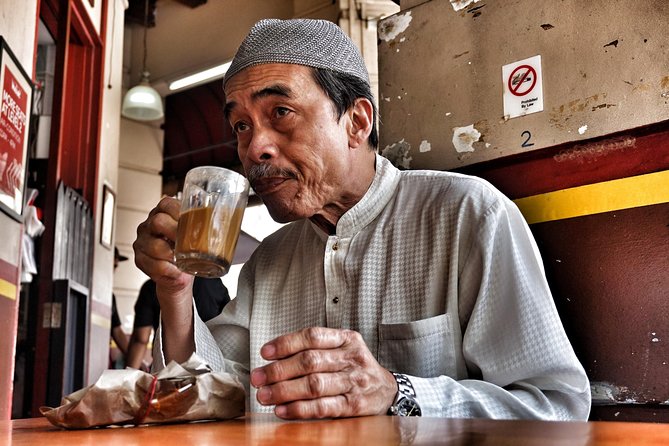
The included tastings aren’t vague. The tour specifically lists dishes and styles you should expect, such as kaya toast, bak chang, kuehs, laksa, Hokkien mee, rojak, popiah, and carrot cake. You’ll also have tea and coffee, plus lunch and snacks.
Here’s why that matters for value. At hawker prices, eating a bunch of different stalls can still add up. But the real savings usually come from something harder to price: someone else doing the planning, timing, and ordering for you. You get a guided sequence that aims for breadth across Chinese, Peranakan, Malay/Arabic/Indonesian, and Indian food styles.
You’re paying for:
- more than one hawker stop and multiple neighborhoods
- at least 10 dish tastings
- lunch, snacks, and drinks
- a professional guide
- public bus transportation during the tour
So even with a price of $161.62 per person, this tends to feel fair if your goal is a “high variety Singapore sampler” rather than a single-district food mission.
Pace, Heat, and Restrooms: The Part You Should Plan For
This is an outdoor food day. Singapore heat is real, and the tour covers enough ground that you’ll feel it, even if you keep a steady pace.
Wear comfortable shoes and bring sun protection. A hat or umbrella is smart. And because rain happens often, pack rain protection too—tours continue in wet weather.
Restroom access isn’t spelled out in the details you’re given, and one review noted “lots of walking in the heat with few loo stops.” So I’d treat this as a day where you should think ahead: use facilities when you get the chance, and don’t assume every stop includes a quick option for a bathroom break.
Also, water is not included. The tour advises bringing at least 1 litre per person so you don’t end up dehydrated.
Guide Quality: The Difference Between Food and a Food Lesson
The best food tours do two things: feed you and teach you how to taste.
This one appears to do both, with guides named across reviews, including Su Ling, Pam, Gee Soo, Richard, Kwang, and Daryl. The pattern is consistent: guides help you understand food origins and local culture while keeping the day moving at a reasonable pace in the heat.
Some guides are also praised for being genuinely helpful beyond the tour—like pointing out how to catch a taxi or making sure you’re set after the last stop. Even when the food is the headline, that kind of guidance makes the whole day smoother.
And because the group is small, you’re more likely to get answers in the moment instead of waiting for a Q&A at the end.
Who Should Book This Tour (and Who Might Want a Different Option)
You should book if:
- you want a wide spread of Singapore flavors in one morning-to-afternoon window
- you like history tied to everyday life, not museums
- you’re comfortable walking a few kilometers in hot weather
- you want a guide to help you order and choose stalls
You might skip or switch to a different style of tour if:
- you’re vegetarian or have dietary restrictions/allergies (the tour is not suitable and food can include milk, meat, pork, prawns, fish, wheat/gluten, and spice)
- you strongly prefer one iconic dish every time (like chicken rice). This tour’s tasting set is broader, and a critique exists that some guests felt certain “must-eat” dishes weren’t covered
- you dislike long food days. A couple of reviews mention the day can feel like a lot—too much walking for some, and too many stops or too much food for others
If you’re on a tight schedule, doing this early in your trip can also help. It gives you a mental map, so later you can explore on your own with more confidence.
Quick Practical Advice Before You Commit
- Bring 1 litre of water and plan to sip often.
- Pack sun protection plus rain cover. Singapore weather is unpredictable.
- Don’t schedule a heavy meal right after; the tour is built to make you full.
- If you’re picky about spice or certain ingredients, you’ll need to think carefully since the tour includes spicy and mixed-culture street food.
Should You Book This Hawker Center Food Tour?
I’d book it if your dream Singapore day is: walk through real neighborhoods, eat a lot of different dishes, and learn why the food looks and tastes the way it does. The small-group size, the 10+ tastings, and the mix of Chinese, Peranakan, Malay/Arabic/Indonesian, and Indian food culture make it a strong first-pass experience—especially if you don’t want to research stalls for days.
I wouldn’t book it if you have dietary restrictions, need a very low-walking schedule, or you only want a short, ultra-focused tasting menu. In those cases, a different type of food tour (more tailored or less active) will likely match you better.
If you’re flexible, hungry, and ready for a hot-weather food crawl with real Singapore flavor, this is the kind of tour that earns its spot on a short visit.
FAQ
How long is the tour?
The tour is about 6 hours (approx.).
How many people are in the group?
The tour is limited to 8 travelers or fewer for an intimate experience.
What foods are included?
You’ll sample 10+ dishes. The tour lists examples such as kaya toast, bak chang, kuehs, laksa, Hokkien mee, rojak, popiah, and carrot cake, plus tea/coffee as specified, lunch, and snacks.
Is this tour vegetarian-friendly?
No. The tour is not suitable for vegetarian people or for people with dietary restrictions and allergies. The food can include milk, meat, pork, prawns, fish, wheat/gluten, and spice.
Does the tour include transportation and meals?
Yes. It includes lunch and snacks, plus transportation on public bus during the tour.
What should I bring for Singapore weather?
Bring comfortable walking shoes, sun protection (hat or umbrella), and rain protection (rain coat or umbrella). You should also bring at least 1 litre of water per person.