REVIEW · KAMAKURA
Tokyo: Kamakura & Enoshima Day Trip including Temple Tickets
Book on GetYourGuide →Operated by VIP Japan Tour · Bookable on GetYourGuide
One day. Big shrine energy. Kamakura and Enoshima pull it off fast, with Tsurugaoka Hachimangu setting the tone and Kōtoku-in’s Great Buddha giving you a major wow moment. I like the way this tour strings iconic sights together without feeling like a frantic sprint, and I’m especially drawn to the temple-ticket setup and strong guiding that can turn stone and wood into stories.
I also like the food-and-walk balance. Komachi Street is packed with shops and street snacks, so you’re not stuck only looking at buildings, and you get real free time at key stops to wander, snack, and grab photos. The main drawback is simple: Enoshima’s best view of Mt. Fuji is a clear-day thing, and the island time is limited, so if you want to linger, you’ll feel the schedule.
In This Review
- Key things to know before you go
- Kamakura and Enoshima day trip from Tokyo: what you’re really buying
- Tsurugaoka Hachimangu: the shrine that frames the whole day
- Komachi Street: how to shop smart and snack like a local
- Hase-dera: eleven-headed Kannon plus seasonal flower views
- Kōtoku-in and the Great Buddha: why the ticket is worth it
- Enoshima island: shrines, Sea Candle, and the Mt. Fuji gamble
- Enoshima caves and Benzaiten shopping street: a different kind of walk
- Pacing and time management: how this itinerary feels in real life
- Guide quality and the difference it makes (Eric, Mitsuko, Omar, Yuki, Koji)
- Price and value: why $58 can make sense for a Tokyo day trip
- How to plan your day from Shinjuku (and not feel rushed)
- Should you book this Kamakura and Enoshima tour?
- FAQ
- Where do I meet the tour in Tokyo?
- How long is the day trip?
- Which temple tickets are included?
- What languages are offered by the guide?
- Can I see Mt. Fuji during the tour?
- Where does the tour drop you off?
- How does free cancellation work?
- Is reserve now and pay later available?
Key things to know before you go
- Temple tickets included for Hasedera and Kōtoku-in, so you can spend less time figuring out admissions.
- Guides in English and Chinese who help you connect what you’re seeing to why it matters.
- Seasonal gardens at Hasedera with cherry blossoms, hydrangeas, and autumn foliage depending on the month.
- Fuji is possible at Enoshima when skies cooperate, plus strong viewpoints around Enoshima Sea Candle.
- Komachi Street time for snacks with local bites like shirasu dishes, dumplings, and croquettes.
- Paced for a day trip: you’ll see a lot, but you won’t have an all-day stroll on the island.
Kamakura and Enoshima day trip from Tokyo: what you’re really buying
This tour is value-forward. For $58 per person and about 9 hours, you’re paying for transportation by air-conditioned vehicle, a live English/Chinese-speaking guide, and entry tickets to two major temple stops. That matters because Kamakura and Enoshima are easier when someone else handles the route and timing, especially if you don’t want to plan transfers on the rail system.
What you’re not buying is unlimited time. This is built like a highlights sampler: shrine, shopping street, temple gardens, Great Buddha, then Enoshima’s coast and caves. If you want to see every sub-temple, every side street, and every garden nook at a leisurely pace, plan a second visit later.
Tsurugaoka Hachimangu: the shrine that frames the whole day
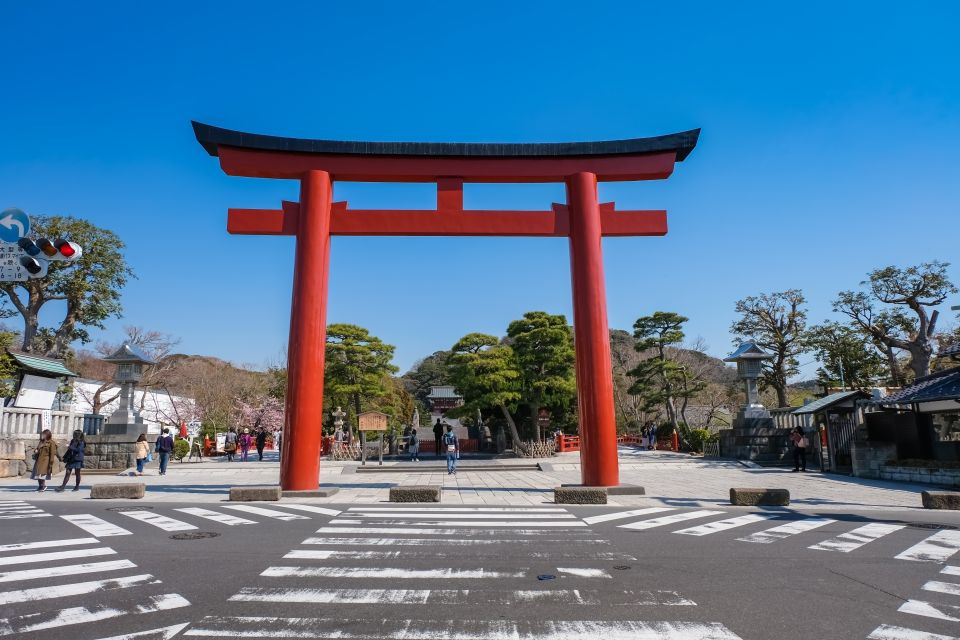
Tsurugaoka Hachimangu is one of Japan’s most visited shrines, and it works as the perfect first stop. You’re stepping into a place tied to samurai-era society—so even if you’re not a history person, you’ll feel the importance in the scale and atmosphere.
You’ll get a mix of photo time, a visit, and free time. That structure is helpful. Arrive with one simple goal: walk slowly enough to notice the big visual lines, then use your free time to explore at your own speed instead of letting the group shuffle you along. On busier days, this stop can be crowded, so the earlier you settle in, the calmer it feels.
Komachi Street: how to shop smart and snack like a local
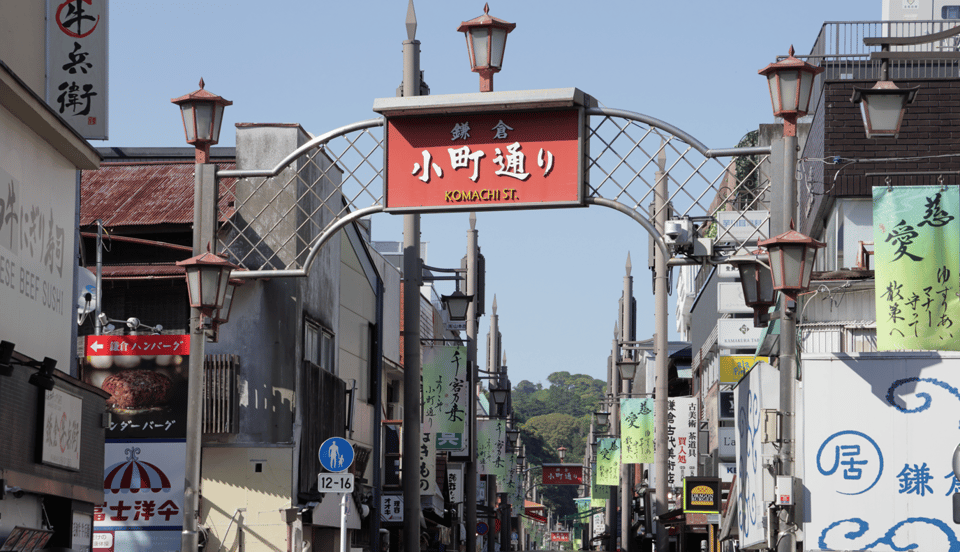
Komachi Street runs from Kamakura Station toward the shrine area and is lined with around 250 shops over a short stretch. That density is the point: you can sample flavors and browse souvenirs without losing momentum between temples.
The tour gives you time to mix in a break, photos, shopping, and street food. I like this stop because you get choices. If you want something light, go for local snacks; if you want a meal, you can use your free time to sit or stand and eat without it feeling rushed.
Practical tip: this is the moment to refuel. Wear shoes you don’t mind walking in, because you’ll cover a decent chunk of ground by the end of the day, and Komachi’s surfaces can be busy.
Hase-dera: eleven-headed Kannon plus seasonal flower views
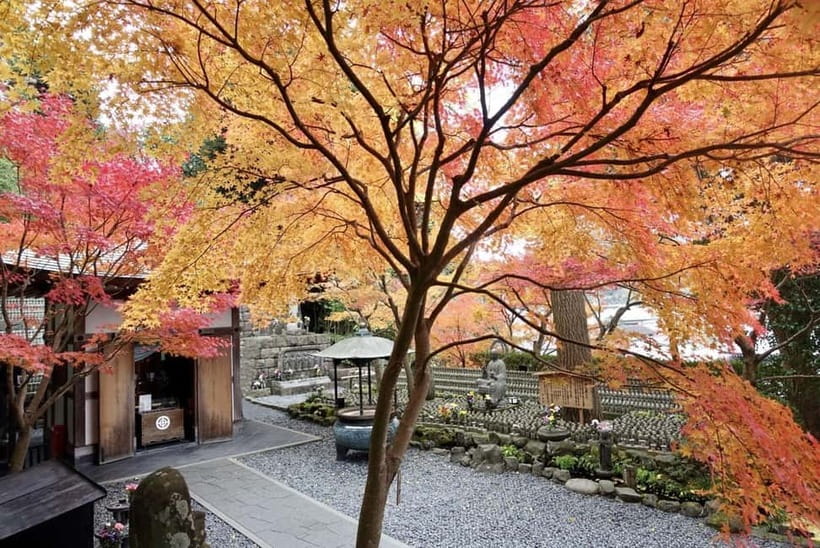
Hasedera is one of Kamakura’s oldest temples, founded in 736, and it brings two big things to the table: religious art and scenery. The headline is the 9.18-meter Eleven-Headed Kannon statue, which you can see inside the temple grounds, plus lookout views over the city and Sagami Bay.
Then there’s the seasonal side. Depending on when you go, you might catch cherry blossoms, peonies, hydrangeas, or autumn leaves. Even if your timing isn’t perfect for peak bloom, the gardens and pathways are the kind of place where you can slow down and let the day breathe for a while.
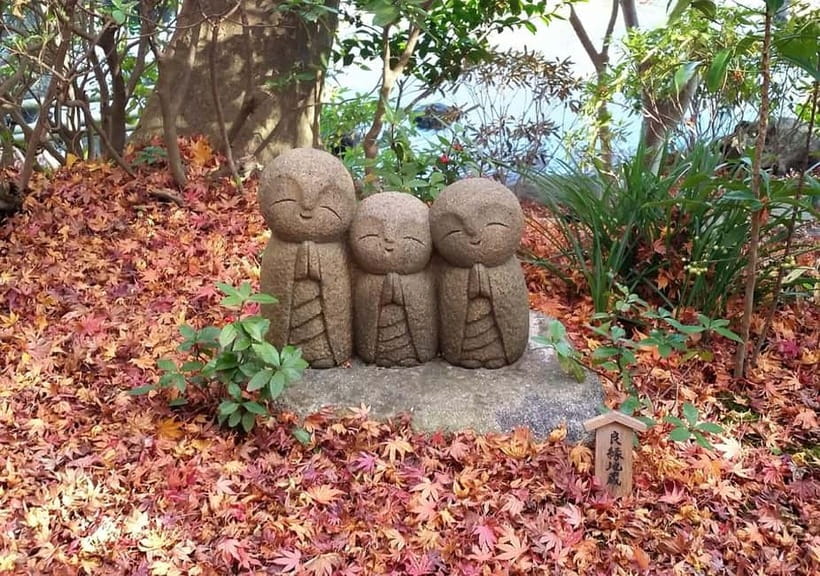
You’ll have photo stop time and free time here, plus a guide-led introduction. I like that combo because it prevents the classic problem: spending your limited time just hunting for the most obvious viewpoint. With a guide’s context, you’re more likely to notice the quieter angles and the placement of small statues like Jizo scattered around the grounds.
Kōtoku-in and the Great Buddha: why the ticket is worth it
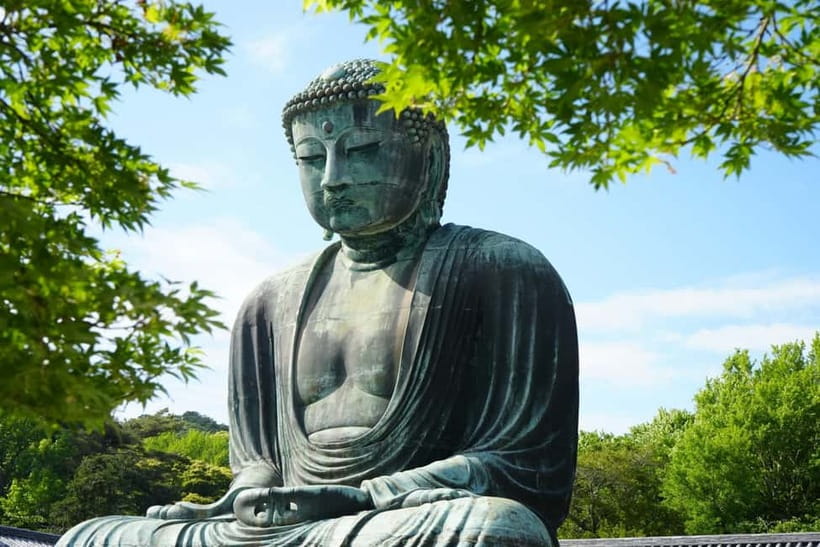
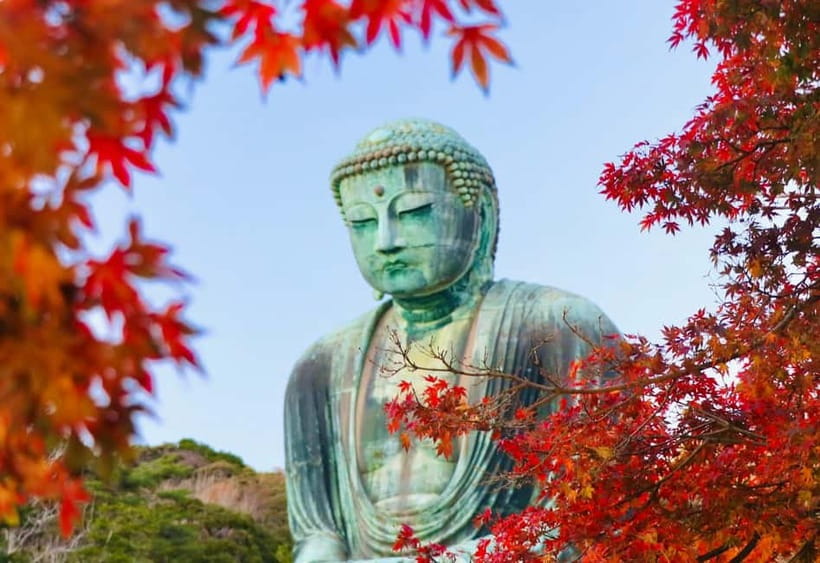
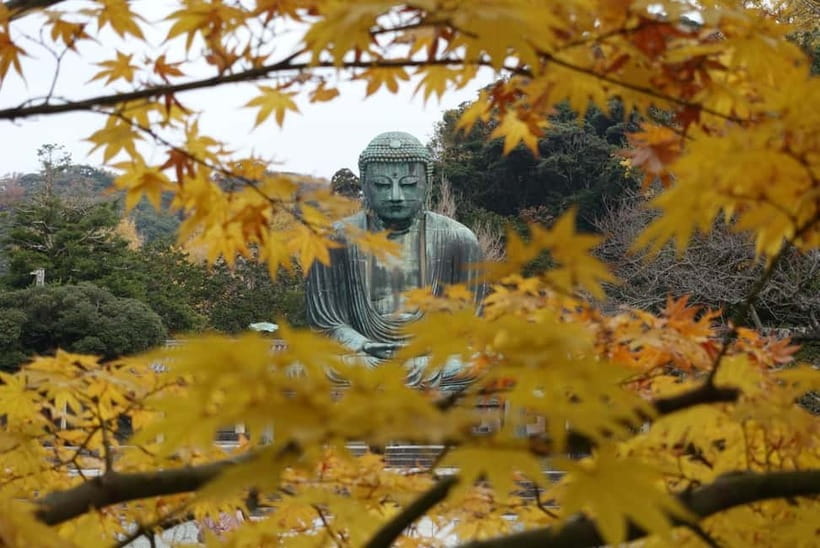
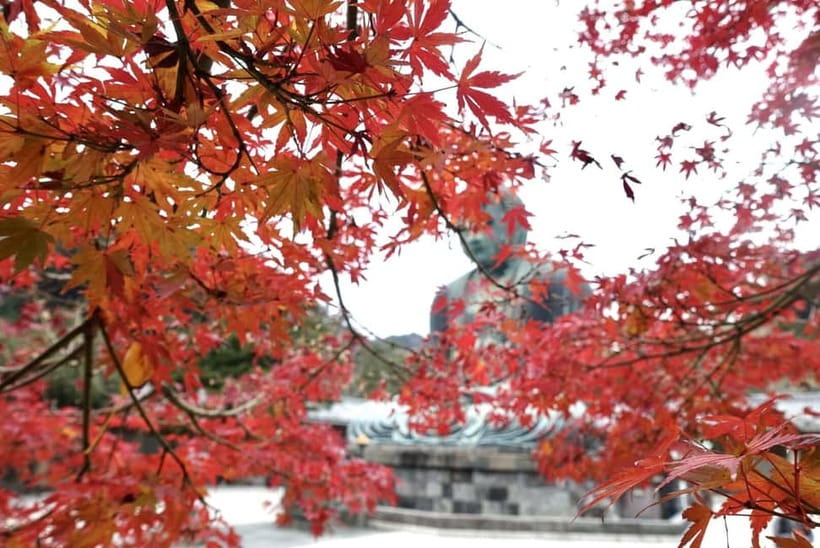
If you care about one stop that feels unmistakably Japan-in-miniature, make it Kōtoku-in. The temple is famous for Kamakura’s Great Buddha, a bronze Amida Buddha that’s about 13.3 meters tall and around 121 tons. That size hits differently when you’re up close, not just looking at photos.
The big value here is that your Kōtoku-in temple ticket is included, and you can also go inside to see the structure. The chance to look at how the statue is built turns the Great Buddha from a postcard into an object with engineering and design behind it.
Time is shorter at this stop than at Enoshima, so aim for efficiency. Stand where you can see the whole figure, then move to a second angle for details. If you’re with someone who wants the perfect photo, this is the spot where it’s worth waiting a minute for a less crowded view.
Enoshima island: shrines, Sea Candle, and the Mt. Fuji gamble
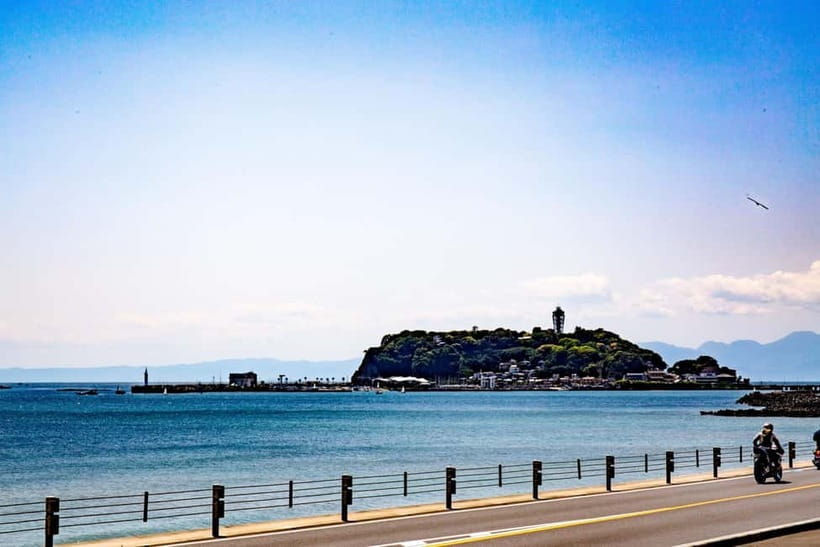
Enoshima is where the day pivots from city temples to coastal walking. The island includes the Enoshima Shrine (over 1,000 years old) and several viewpoints and scenic spots, including Enoshima Sea Candle, which is an observation area you’ll likely want to visit when the sky looks promising.
The Mt. Fuji part is real but conditional. On clear days, you can see a spectacular view of Fuji from higher vantage points. Translation for your planning: don’t build your whole day around one outcome, but do treat the viewpoint time as important. If clouds roll in, you can still enjoy the sea views and the energy of the area.
You’ll have about two hours on Enoshima, with free time at each stop. That’s enough to get the main highlights—shrines, viewpoints, and the walkable spots—but it’s not enough to “live there.” If you want long beach time, seafood at a leisurely table, or slow browsing, you’ll need a separate trip.
Enoshima caves and Benzaiten shopping street: a different kind of walk
After Sea Candle, you’ll move through more of Enoshima’s character zones. One highlight is the Enoshima Iwaya Caves, where the experience shifts from open air views to something more enclosed and exploratory. It’s also a place where snacks can work better than a full sit-down meal.
Here’s a practical tip: if you’re planning to eat before or during the caves, consider grabbing food from a vendor rather than trying to sit down and linger. The cave area works better when you keep moving, so you don’t lose time to finding seats and waiting.
Then you’ll wrap up with shopping and street energy around the Enoshima Benzaiten Shopping Street (and the nearby shrine area). This is a good place for small treats and souvenirs, especially if you didn’t want to overspend earlier on Komachi Street.
Pacing and time management: how this itinerary feels in real life
The day is structured like this: big anchors first, then a sequence of short stops with free time. That’s smart because Kamakura and Enoshima each have “signature” moments. If you’re trying to see them all from Tokyo in one go, the only way it works is with tight timing.
Still, there are tradeoffs. Some people want more time on Enoshima. A common feeling is that you can see the core sights, but you’ll wish you had extra hours to slow down by the sea. That’s not a flaw in the tour—it’s simply what a day trip has to sacrifice.
Also, bus comfort and day heat can affect the vibe. One traveler noted the bus was quite warm at the start, so if you run hot, bring something light and plan to cool down with breaks at the stops.
Guide quality and the difference it makes (Eric, Mitsuko, Omar, Yuki, Koji)
The guides on this route can change how “touristy” it feels. When the guide is strong, you don’t just walk through temples—you understand why the layout matters, how the statue traditions connect, and what to look for without wasting time.
Names that show up repeatedly with strong impressions include Eric, Mitsuko, Omar, Yuki, and Koji. The useful part is the practical side: they help keep the day on schedule, explain what you’re seeing, and often point you toward good moments for photos.
One more helpful pattern: the best guides give you options. You can follow along for the structured story, or you can wander during free time and then return to meet the bus when it’s time.
Price and value: why $58 can make sense for a Tokyo day trip
Let’s break down why this price can work, assuming you actually use what’s included.
For $58, you get:
- Air-conditioned vehicle for the day
- A live guide in English or Chinese
- Included tickets for Hasedera and Kōtoku-in
- A planned route that covers multiple top sights in Kamakura and Enoshima
If you tried to piece this together on your own, you’d likely spend money and time on admissions, transportation, and navigation between stops. You might save money on paper, but you’ll pay with your attention span and planning energy. For many people based in Tokyo, paying for organization is the deal.
This is also a good price for families and first-timers because you’re getting a guided introduction to a different side of Japan, without locking yourself into multiple days.
How to plan your day from Shinjuku (and not feel rushed)
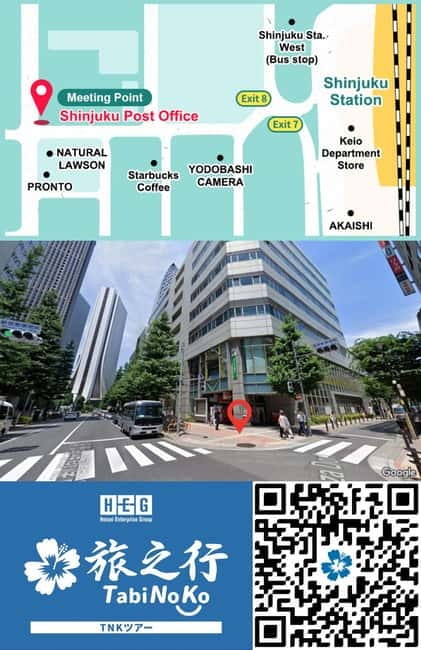
The tour runs from Shinjuku Area, with two possible starting meeting points: Shinjuku Post Office or GLOBAL RING CAFÉ. You’ll want to arrive 10 minutes early because the group leaves on time, and late arrivals can shrink your first-stop comfort.
You’ll only be dropped back at the Shinjuku Area, so plan your evening plans around that. If you’re trying to catch dinner right after, give yourself a little buffer, since traffic and timing can shift stop durations.
If your priority is the Mt. Fuji view, keep an eye on the sky when you reach Enoshima Sea Candle time. Clear visibility is the key, and weather changes fast.
Should you book this Kamakura and Enoshima tour?
I’d book it if you want:
- Major Kamakura and Enoshima highlights in one day from Tokyo
- Included temple admissions (Hasedera and Kōtoku-in)
- A guide who helps you understand what you’re looking at, not just where to stand for photos
- Enough shopping and snack time to make the day feel human, not museum-like
I would skip or adjust expectations if:
- You want a slow, multi-hour beach-and-browse Enoshima day
- You’re the type who needs deep time inside every temple building and museum
- Weather is central to your plan, especially for the Fuji view
In short: this is a smart “greatest hits” day. If you treat it like a sampler and then plan a return when you fall in love with one place, you’ll get the best of both worlds.
FAQ
Where do I meet the tour in Tokyo?
You’ll meet at one of these starting points: Shinjuku Post Office or GLOBAL RING CAFÉ. The meeting point can vary by the option you booked, so check the product page photo and scan the correct QR code for your chosen meeting point.
How long is the day trip?
The duration is 9 hours (570 minutes). Starting times depend on availability.
Which temple tickets are included?
Your tour includes tickets for Hasedera Temple and Kōtoku-in Temple.
What languages are offered by the guide?
The live guide speaks English and Chinese.
Can I see Mt. Fuji during the tour?
On clear days, you can see Mt. Fuji from high vantage points around Enoshima.
Where does the tour drop you off?
The only drop-off location is in the Shinjuku area.
How does free cancellation work?
Free cancellation is available up to 24 hours in advance for a full refund.
Is reserve now and pay later available?
Yes. You can reserve your spot and pay later to keep your plans flexible.
If you want, tell me when you’re going (month is enough) and whether your priority is Fuji views, temples, or shopping/food. I’ll help you decide if this timing matches your style.