REVIEW · PHUKET
Hong by Starlight: Sea Cave Kayaking and Loy Krathong Floating
Book on Viator →Operated by Trip Store Krabi · Bookable on Viator
Phang Nga Bay at night hits different. This long day tour strings together daylight kayaking through limestone sea caves and lagoons, then shifts gears into Loi Krathong, where you make and float your own Krathong. It’s one of those rare schedules that moves from noon to midnight without turning the day into a blur.
What I like most is the mix: you get guided time in the caves and hongs, plus free moments to look around at islands like Panak and Hong. And you eat well while you’re out there—lunch and a seafood dinner are part of the package, not an add-on.
The main thing to think about is that it’s a long day and a little cave-going can be dark. If you’re tired fast, prone to seasickness, or claustrophobic, plan accordingly.
In This Review
- Key takeaways before you go
- The Big Picture: What this tour really offers
- Getting to Ao Po Pier and settling into the schedule
- John Gray’s Sea Canoe: why the timing works
- Kayaking through Phang Nga Bay’s limestone maze
- What you’ll actually experience in the hongs and caves
- The wildlife check (and how to do it without missing the view)
- Ko Pa Nak and Ice Cream Cave: where the scenery gets playful
- Hongs of Phang Nga: the signature lagoons
- The big cultural shift: making your Krathong flower basket
- Night at Panak Island: float your Krathong and watch for glow
- Food and drinks: a big part of the value
- Transport comfort: why it helps a long tour
- Group size and the kayak setup (what you’ll notice)
- Who this tour is best for
- Value check: is $128.81 per person worth it?
- Should you book Hong by Starlight?
- FAQ
- FAQ
- How long is the Hong by Starlight tour in Phuket?
- What time does the tour start?
- Does the tour include pickup and drop-off?
- Is lunch and dinner included?
- What kayaking gear is provided?
- Where do you go kayaking during the day?
- Do you make and float a Krathong?
- Is the bioluminescent plankton part of the tour?
- What’s the group size limit?
- What if the tour is affected by weather?
- What’s the cancellation cutoff?
Key takeaways before you go
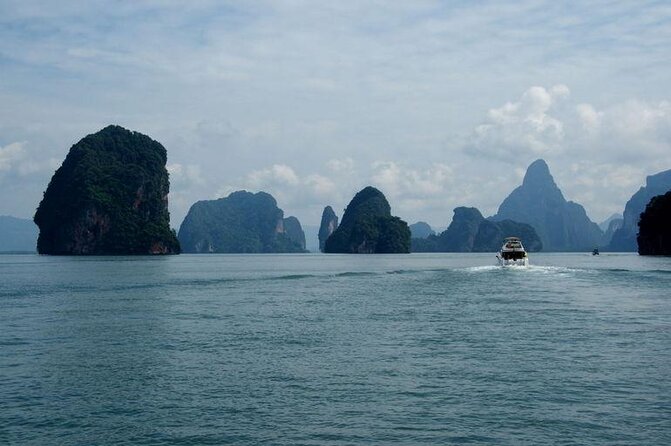
- Noon-to-midnight pacing: a full-day plan built around day, sunset, and night views
- Caves and hongs, not just scenery: you kayak into limestone passages and calm lagoons
- Your Krathong, your float: you make a flower basket and launch it at Panak Island
- Food is scheduled, not improvised: buffet-style lunch and a seafood dinner with drinks
- Small-group feel (up to 45): large enough for a lively boat, still manageable
- Wildlife moments possible: keep an eye out for sea eagles, egrets, and other animals from the water
The Big Picture: What this tour really offers
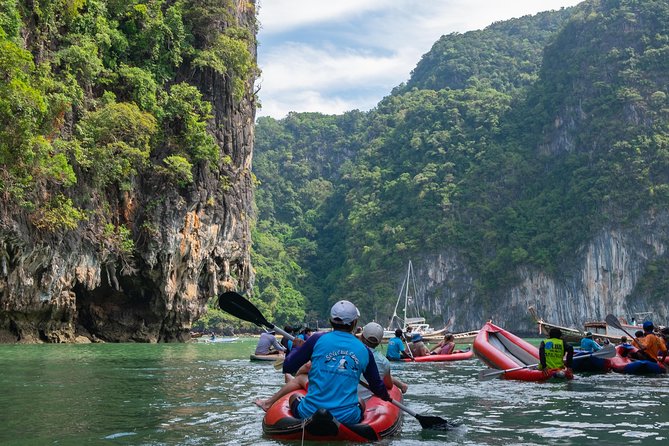
This is a Phuket outing built around one of Thailand’s most famous coastal playgrounds—Phang Nga Bay—but it’s structured in a smart way. You don’t just show up for a quick daytime paddle. You’re out in different light: daylight for the caves and emerald lagoons, then later at night for the Loi Krathong celebration and the water-glow moment (when conditions are right).
You also get a lot of the hard parts handled for you. Round-trip transport is included across most of Phuket, you’re given kayak gear, and you stay fed and hydrated with bottled water plus meals. That matters because the day is long enough that skipping any “logistics pain” makes a big difference.
If you want a tour that feels like a full experience—scenery, water time, and Thai culture in one flow—this checks the boxes. If you want a short, easy half-day with zero waiting, this isn’t that kind of day.
You can also read our reviews of more tours and experiences in Phuket.
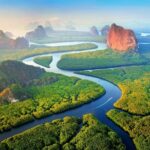

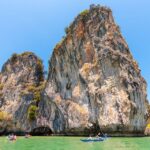
Getting to Ao Po Pier and settling into the schedule
Pickup runs from Phuket hotels (and airport pickup too), typically around lunchtime, then you head to Ao Po Pier by air-conditioned minivan. The start time is 12:00 pm, and the tour runs about 10 hours, but the real feel is longer because you’re living inside the day’s rhythm—boat transfers, briefings, paddling windows, and the night activity.
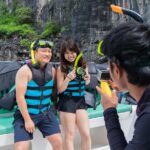
Once you’re at the pier, expect a guided briefing and a plan for how the caves and lagoons will work safely. The tour includes life jackets and dry bags, so you’re not worrying about gear getting soaked. They also use SOTAR sea kayaks, which are made for open-water paddling and narrow passages around the bay.
Practical tip: wear quick-dry clothes and keep your hair/phone stowed securely. You’ll be on and off kayaks and boats, and the day changes from bright sun to darker cave interiors.
John Gray’s Sea Canoe: why the timing works
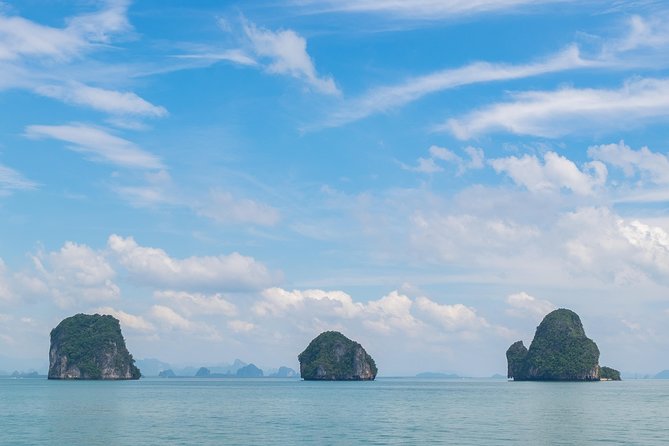
Your first main stop is connected to John Gray’s Sea Canoe, which is the classic gateway to this area’s sea-cave network. The tour starts at midday specifically to avoid the worst crowd crush, which is not just for comfort—it also helps your experience stay smooth when you’re trying to move through cave lagoons on shared schedules.
This part is where you get oriented: you’ll cruise out, then get your kayaking plan. The day is designed so you paddle with expert guides, not just row on your own. The goal is to get you into the best spots without turning the trip into a workout you didn’t plan for.
From the reviews, one big theme pops up: the guides keep things fun and light while they do the navigating and instruction. Names like Mike and Adam show up frequently as guides people remember for their humor and local knowledge. Another name you may hear during the day is Woody, and even Charlie is credited in a review for the helpful chat on the ride home.
Kayaking through Phang Nga Bay’s limestone maze
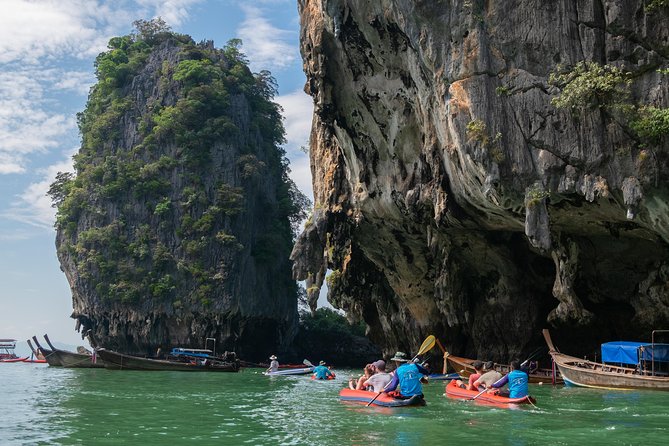
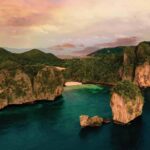
After you’re out on the water, you’ll stop at key islands and cave systems: Ko Pa Nak, Ice Cream Cave, Hongs of Phang Nga, and Koh Panak Cave. This is the heart of the Hong by Starlight concept—kayak passages through limestone and access to calm lagoons that feel like they were carved just for still water.
What you’ll actually experience in the hongs and caves
Inside these limestone areas, the water gets quiet and the walls get dramatic. Your guide steers you through the best angles so you can see the cave formations and reach the lagoon zones that make Phang Nga Bay famous.
A couple practical notes based on what people describe:
- Some cave sections can be very dark. You’ll want a little calm confidence, not panic energy.
- You may have to adjust your position as you pass certain cave openings. In one review, the person noted you can need to lie down a few times in cave transitions. It’s short, but it’s real.
If you’re okay with brief discomfort for a once-in-a-lifetime view, you’ll likely love this part.


The wildlife check (and how to do it without missing the view)
Even on a day packed with activities, it’s worth pausing for the wildlife moments. The tour description calls out the chance of seeing sea eagles, egrets, and other animals around the bay. From a practical standpoint, look for:
- birds perched on rock edges when you’re paused
- egrets near shallows
- movement in the water surface when the boat slows
Your guide will likely point things out. Still, you’ll get more out of it if you give your eyes a job besides watching your paddle.
Ko Pa Nak and Ice Cream Cave: where the scenery gets playful
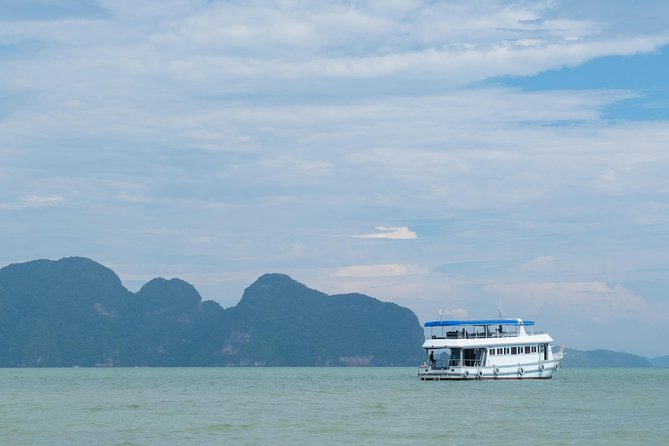
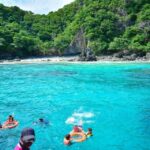
Ko Pa Nak is one of the stops built for lagoon-style exploration. You’ll often get guided paddling time here, and there may also be a chance to switch between getting around with your guide and having a bit of freedom. In the tour concept, there’s also free time on the beach or kayaking on your own, depending on timing and your comfort level.
Then comes Ice Cream Cave. The name makes you smile, but the real reason to care is the shape: caves like this are part of the bay’s limestone funhouse where light, shadow, and waterline reflections change fast. These in-between stops also help break up the day so you’re not stuck in constant paddling fatigue.
Practical tip: if you’re taking photos, bring a way to keep your phone dry. Dry bag use is included, but you still need a plan for quick shots.
Hongs of Phang Nga: the signature lagoons
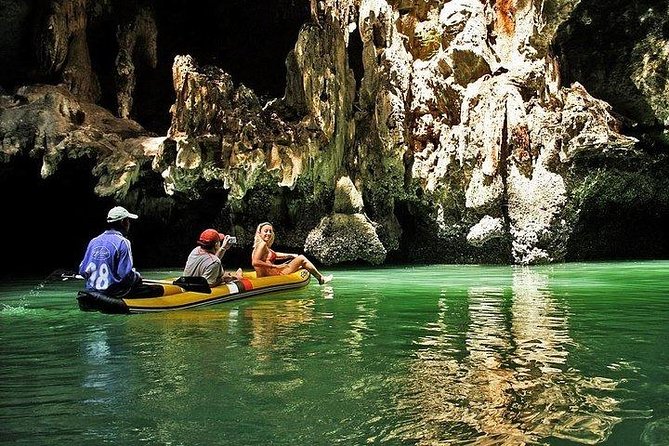
Hongs of Phang Nga is where the day starts feeling like a movie set. “Hong” areas in this bay are known for enclosed or semi-enclosed lagoon spaces inside limestone cliffs. You get that sense of being surrounded by rock, while the water stays calm enough for a smooth glide.
This is also where the tour earns its nickname energy. People describe the scenery as dramatic—limestone cliffs, hidden caves, tranquil lagoons, and those wow views when you turn your kayak and the light hits the water the right way.
If you like photos, this is where you’ll want to slow down and stop rushing. Let your guide lead the hard parts, and then take a breath to enjoy the stillness for a few minutes.
The big cultural shift: making your Krathong flower basket
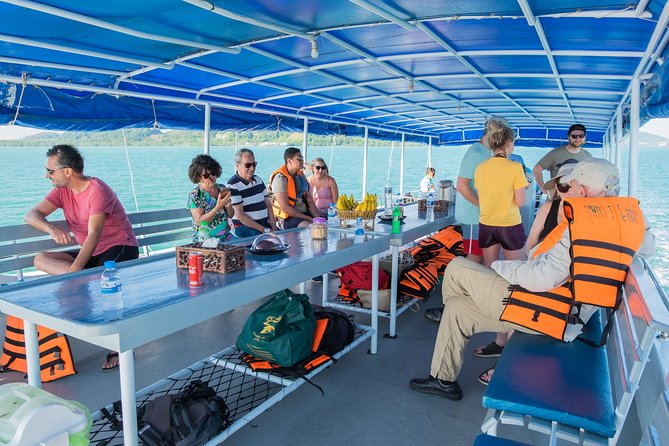
After the main kayaking arc, the schedule flips from water exploration into cultural participation.
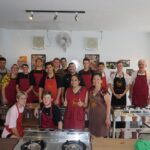
You’ll make your own Krathong—a flower basket offering—while the day is still unfolding on the water. This is not a passive “watch the festival” situation. You’re crafting the offering, which is part of why this tour feels different than a standard sea-cave cruise.
From the reviews, this activity is repeatedly called out as a highlight, because it gives you something hands-on and memorable to carry from the trip. You’re learning a Thai tradition by doing, not just reading about it.
Night at Panak Island: float your Krathong and watch for glow
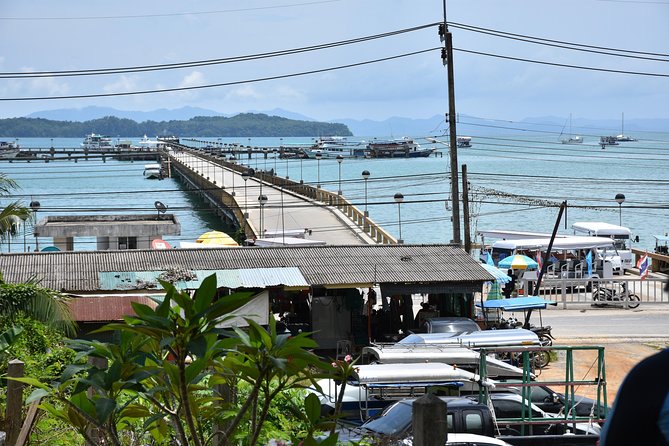
Later, you’ll head toward Panak Island for the part that turns the day into a full story. You’ll float your Krathong at night, and then the tour includes time for the famous water-glow moment—bioluminescent plankton—if conditions cooperate.
A quick fairness note: one review mentioned they didn’t see plankton as promised. That’s not something you can control. What you can control is your expectations. Treat it as a bonus moment that may or may not appear strongly depending on water conditions and timing.
Even if the glow is subtle, the night setting matters. Floating your own offering in the bay at night is the kind of memory that stays put, even if the lighting isn’t perfect.
Food and drinks: a big part of the value
This is one of the strongest practical advantages. You’re not trying to hunt for meals during a long day at sea.
Included in the day:
- lunch with bottled water, herbal tea, and seasonal fruits
- a seafood dinner onboard with soft drinks
Onboard meals also help with energy. With so many hours on water—plus cave transitions—you want stable fuel. Reviewers repeatedly praised the food variety and the amount served, with comments about substantial portions and frequent refills of water.
If you’ve done Phuket tours before, you know that “included meal” can mean something small and disappointing. Here, at least from what’s described, the meals are a real part of why the day works.
Transport comfort: why it helps a long tour
Round-trip transport on a luxury air-conditioned minivan is included from across Phuket, including airport pickup and drop-off. That matters because a 12:00 pm start and a late return can make any scramble miserable—especially if you’re staying outside the center.
Also, having pickup covered reduces your need to coordinate your own pier arrival timing, which is where plenty of travel days fall apart.
One review also mentioned a pickup time and that it could be around 45 minutes from their hotel. Translation: plan to be ready when pickup comes, but don’t assume it’ll be a 5-minute walk.
Group size and the kayak setup (what you’ll notice)
The tour caps at 45 travelers, which usually keeps things organized on a big-water day. You’ll likely work in a system: briefings, guided paddling sessions, and transitions between stops.
Kayak gear includes:
- sea kayaks (SOTAR sea kayaks)
- kayak equipment and a dry bag
- life jacket
One review notes the tour did not require everyone to row nonstop, because guides handle paddling in certain segments so you can relax and look around. That’s a comfort point if you’re not a confident paddler.
Who this tour is best for
This fits you best if:
- you want kayaking in Phang Nga Bay plus a meaningful Thai cultural activity at night
- you like guided sightseeing where the hard parts are managed
- you don’t mind a long day in exchange for a full itinerary
It may not be ideal if:
- you get seasick easily and haven’t taken steps to handle boat motion
- you hate dark, enclosed cave areas (even if it’s short)
- you want a quick, low-effort trip with minimal transitions
Solo travelers often like the structure because you get clear guide direction, gear, and meals. Families can work too, as long as everyone is comfortable with the kayaking day and cave passages.
Value check: is $128.81 per person worth it?
At about $128.81 per person, you’re paying for more than kayaking. You’re also paying for:
- hotel round-trip transport across Phuket
- national park entrance fees
- professional English-speaking guide time
- kayak equipment, dry bags, and life jackets
- lunch, plus a seafood dinner onboard with drinks
For the bay areas involved, access and timing matter a lot. The itinerary hits multiple islands and cave systems, then adds an onboard Krathong-making segment and a night float. That combination is hard to replicate on your own without lining up transport, boat schedules, entry permissions, and a guide who knows the safe cave routes.
So from a value lens, this doesn’t feel overpriced for what’s included—especially because the day is packed and the food is accounted for. The main value risk is expectation mismatch, especially around the bioluminescent plankton visibility. Keep that as a bonus, and the rest of the day should still deliver.
Should you book Hong by Starlight?
I’d book it if you want one Phuket day that does three things well: sea-cave kayaking, night-time Thai culture, and a full meal plan. The strongest selling points are the way the itinerary spans light and atmosphere, and the guided approach that lets you focus on views and experience instead of paddling stress.
I’d think twice if you’re sensitive to long days or enclosed cave darkness, or if you’re relying on the glow moment as the only reason you’re going. You can’t control conditions, so it’s smart to treat bioluminescence as icing, not the whole cake.
If you’re on the fence, this is the kind of tour that rewards people who like being busy in a good way: guided, scenic, and culturally hands-on.
FAQ
FAQ
How long is the Hong by Starlight tour in Phuket?
The tour lasts about 10 hours.
What time does the tour start?
The start time is 12:00 pm.
Does the tour include pickup and drop-off?
Yes. Round-trip transport is included on air-conditioned minivan across Phuket, including pickup from hotels or the airport, and drop-off back to the meeting point.
Is lunch and dinner included?
Yes. You’ll have lunch and a seafood dinner onboard, with bottled water, herbal tea, seasonal fruits, and soft drinks.
What kayaking gear is provided?
You get kayak equipment including a dry bag and a life jacket. The kayaks are sea kayaks (SOTAR).
Where do you go kayaking during the day?
You’ll kayak around islands and cave areas in Phang Nga Bay, including stops such as Ko Pa Nak, Ice Cream Cave, Hongs of Phang Nga, and Koh Panak Cave.
Do you make and float a Krathong?
Yes. You’ll make your own flower ‘Krathong’ basket and float it at Panak Island during the Loi Krathong night portion.
Is the bioluminescent plankton part of the tour?
Yes, the itinerary includes looking for bioluminescent plankton after dark, though it depends on conditions.
What’s the group size limit?
The maximum number of travelers is 45.
What if the tour is affected by weather?
This tour requires good weather. If it’s canceled due to poor weather, you’ll be offered a different date or a full refund.
What’s the cancellation cutoff?
You can cancel up to 24 hours in advance for a full refund. If you cancel less than 24 hours before the experience starts, the amount paid isn’t refunded.