REVIEW · TOKYO
Tokyo:Mt.Fuji,Kawaguchiko Oishi Park,Arakurayama Sengen Park
Book on GetYourGuide →Operated by VIP Japan Tour · Bookable on GetYourGuide
Mt. Fuji steals the show today. This is a Tokyo-to-Fuji day trip built around seeing the mountain from multiple famous viewpoints plus two hands-on, local-feeling stops along Lake Kawaguchi and Lake Saiko.
I especially like how Arakurayama Sengen Park strings together a classic Fuji frame (with cherry blossoms or autumn color depending on season) and the famous Chureito pagoda look. I also like that Lake Kawaguchi isn’t just sightseeing from a bus window: you get meaningful time at Oishi Park and a lunch break at Kawaguchiko Craft Park with places to eat while you look at Fuji.
One possible drawback: it’s a long day on the road—expect lots of riding in an air-conditioned coach and plan your energy like it’s an all-day hike, even though you’re sitting.
In This Review
- Key points to know before you go
- Starting From Tokyo: Shinagawa LOVE or Kokuyo Meet-Up
- Arakurayama Sengen Park and Chureito Pagoda: The Classic Fuji Frame
- Hikawa Clock Shop and Arakura Fuji Sengen Shrine: Small Stops, Big Photo Logic
- Lake Kawaguchi: Where Fuji Looks Different Over Water
- Kawaguchiko Craft Park: Lunch With Fuji Views and Shopping Time
- Oishi Park: The Flower Road for Long Fuji Panoramas
- Saiko Iyashi-no-Sato Nenba: Thatched Roofs and Fuji in the Background
- Weather Reality: How to Plan When Fuji Is Temperamental
- Price and Value: Why $54 Works for This Kind of Day
- Tour Pace and Logistics: Comfortable Bus, Tight Timing
- Should You Book This Tokyo-to-Fuji Tour
- FAQ
- How long is the Tokyo to Mt. Fuji tour?
- What is the price per person?
- What does the tour include?
- Is lunch included?
- What languages are the guides?
- Where does the tour start and where does it end?
- What happens if there is traffic?
- Can I cancel for a full refund?
Key points to know before you go
- Four Fuji-style views: Arakurayama, Lake Kawaguchi, Oishi Park, and Saiko Iyashi-no-Sato
- Chureito Pagoda photo moment paired with the steep 398-step climb
- Seasonal scenery is the main character: cherry blossoms, herb fields, or autumn maples
- Lunch with a view option at Kawaguchiko Craft Park, plus souvenir browsing
- Thatched-roof village experience at Saiko Iyashi-no-Sato Nenba (about 20 houses and photo-friendly)
- Guides with personality: examples include Omar, Koji, Eric, and George, known for clear direction and humor
Starting From Tokyo: Shinagawa LOVE or Kokuyo Meet-Up
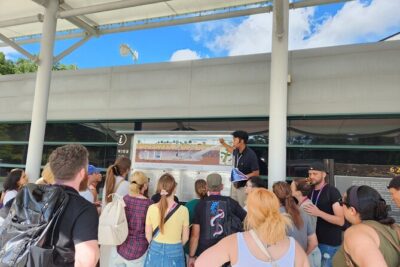
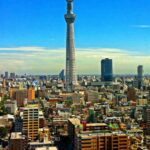
You’ll begin in Tokyo with one of two starting points, depending on the option you book. One common pick-up is the LOVE Robert Indiana area, and the other is the Kokuyo Tokyo Shinagawa office. Either way, you’ll want to arrive about 10 minutes early so the day stays on schedule.
This matters because the tour timing is tight. Once the coach leaves, you’re moving through several Fuji neighborhoods in one push, and that’s how you get to see the mountain from different angles.
You can also read our reviews of more tours and experiences in Tokyo.

Arakurayama Sengen Park and Chureito Pagoda: The Classic Fuji Frame
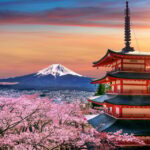
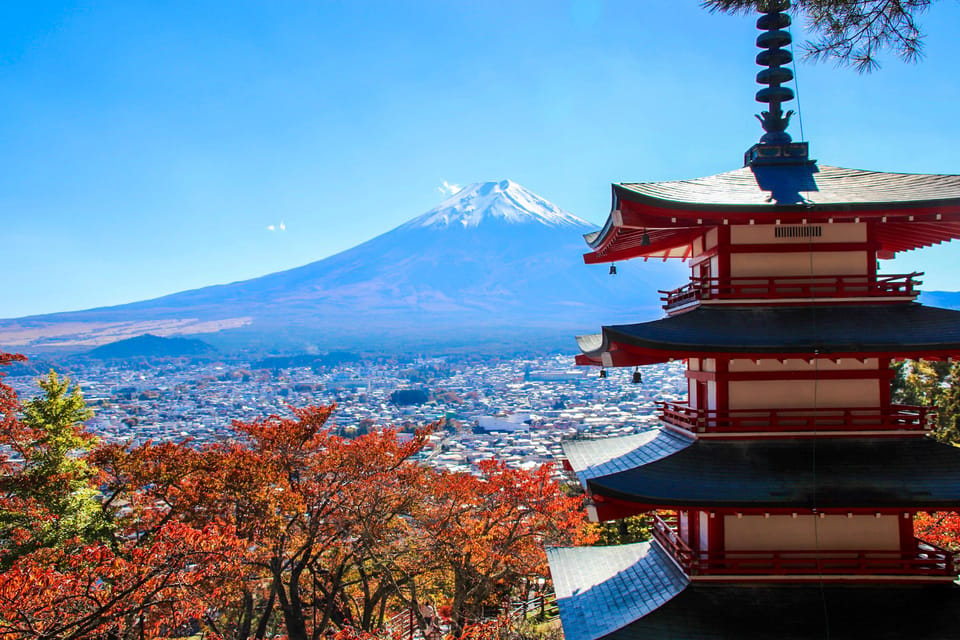
This is the big “postcard Japan” stop—Arakurayama Sengen Park. The layout is why it’s famous: you get the iconic view with a five-story pagoda, plus Mount Fuji in the same scene when weather allows. In late March through mid-April, the park’s around 650 cherry trees bloom and the view turns into a cherry-blossom-and-pagoda set piece.
Then there’s the walk. From the entrance, you climb 398 stone steps up toward an observation deck. It sounds intense because it is, but it’s also the reason the vantage is so good—this is one of those places where the effort buys you a big payoff.
A practical note: one rider mentioned there being a slope option available for the steps area. If you have mobility concerns, it’s worth planning around this and asking staff or your guide what route makes sense for your comfort.
Hikawa Clock Shop and Arakura Fuji Sengen Shrine: Small Stops, Big Photo Logic
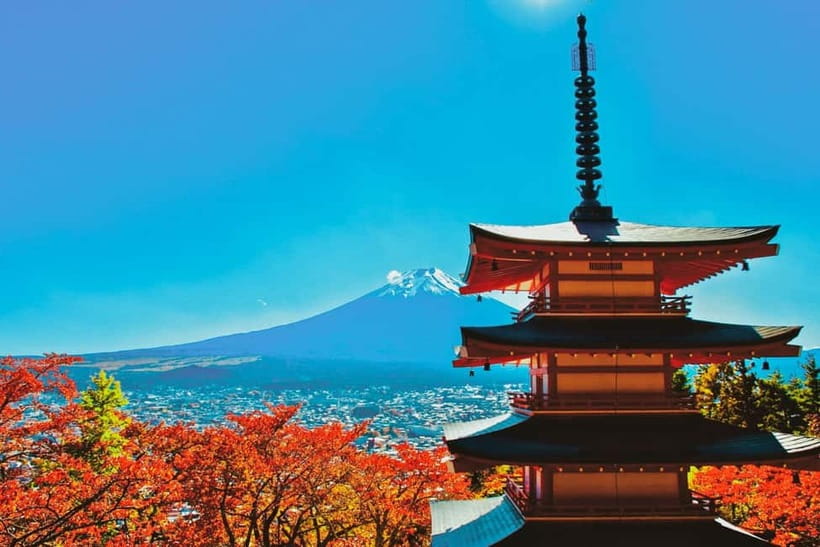
Between the parks and the pagoda viewpoints, you’ll make short stops that are basically built for quick photos and local atmosphere. One stop is the Hikawa Clock Shop area, which is popular for Fuji-in-the-background photos. Another is the Arakura Fuji Sengen Shrine area, also tied to the Arakurayama experience.
These segments are short, but they’re useful. They help you “collect” different looks of Fuji without wasting time backtracking. If the weather is changing or clouds roll in, these quick stops can turn into your best photos even if the main observation view is hit-or-miss.
And yes, this is where good guidance helps. Guides like Koji and Omar have been described as clear and funny while also keeping you moving efficiently between photo spots—exactly what you want in a packed day.
Lake Kawaguchi: Where Fuji Looks Different Over Water
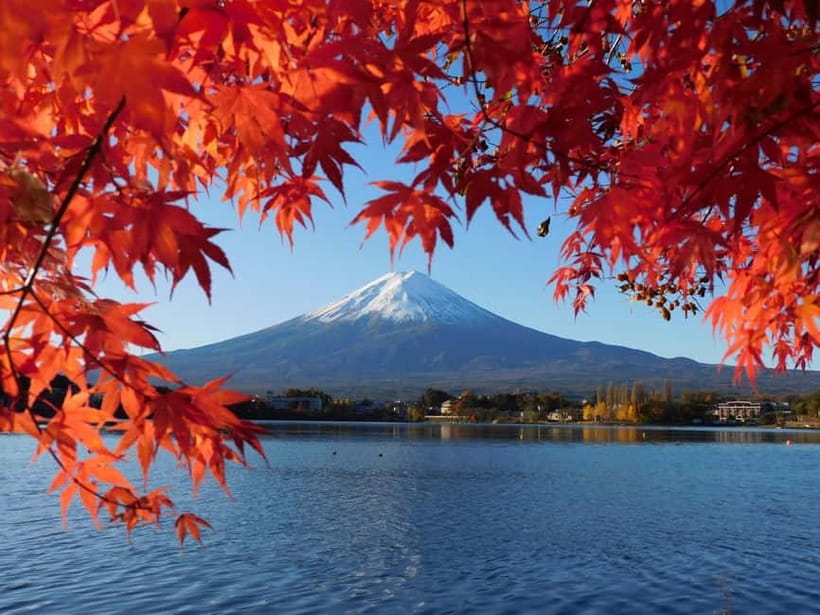
Lake Kawaguchi is the scenic anchor of the day. When Mount Fuji shows itself, it often looks extra dramatic reflected on the water. You’ll have time here for sightseeing and walking, plus a chance to slow down after the steps-and-shrine pace.
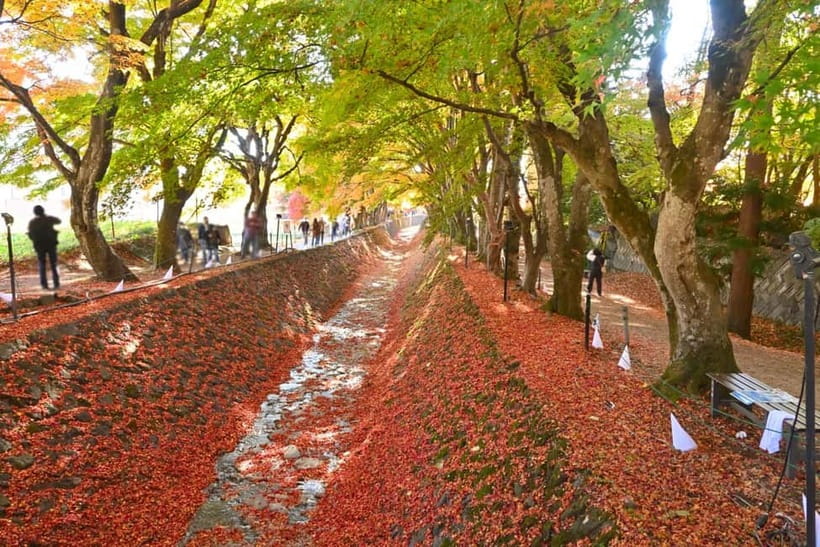
In spring, lakeside paths can line up with blooming cherry blossoms. In autumn, the area connects well with fall foliage scenes—especially the nearby Maple Corridor, which you’ll visit later. So even if you don’t get Fuji perfectly, the season still gives you a reason to stay present.
Expect this stop to feel like a real break, not just a photo queue. People tend to remember it as the moment the day shifts from “climb and shoot” into “enjoy the scenery and wander.”
Kawaguchiko Craft Park: Lunch With Fuji Views and Shopping Time
After Lake Kawaguchi, you’ll head to Kawaguchiko Craft Park. This place is designed for downtime: you can eat, browse souvenirs, and even do a workshop during the free-time block.
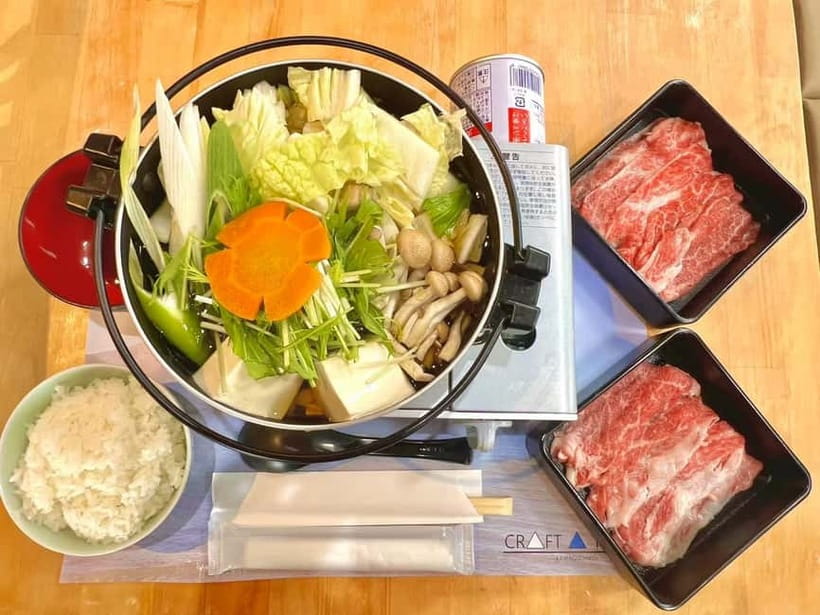
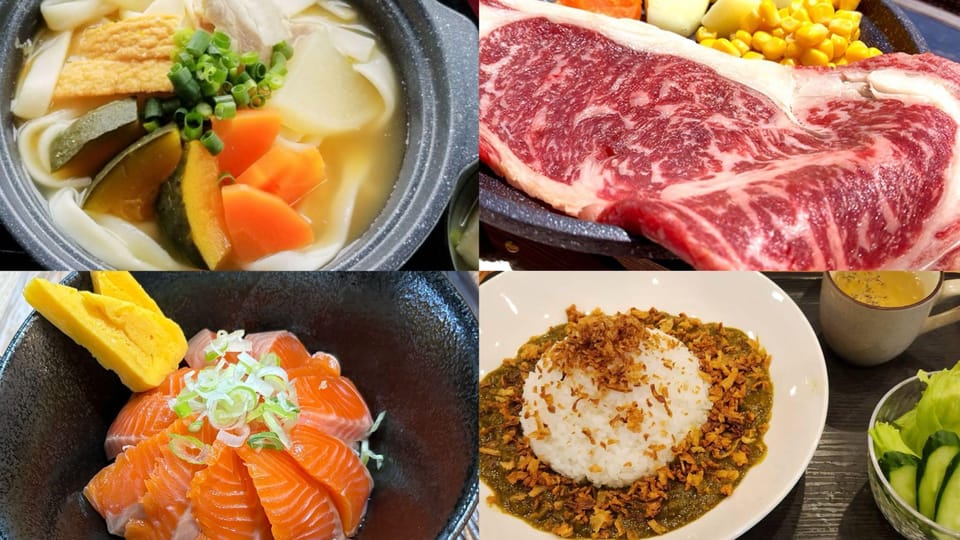
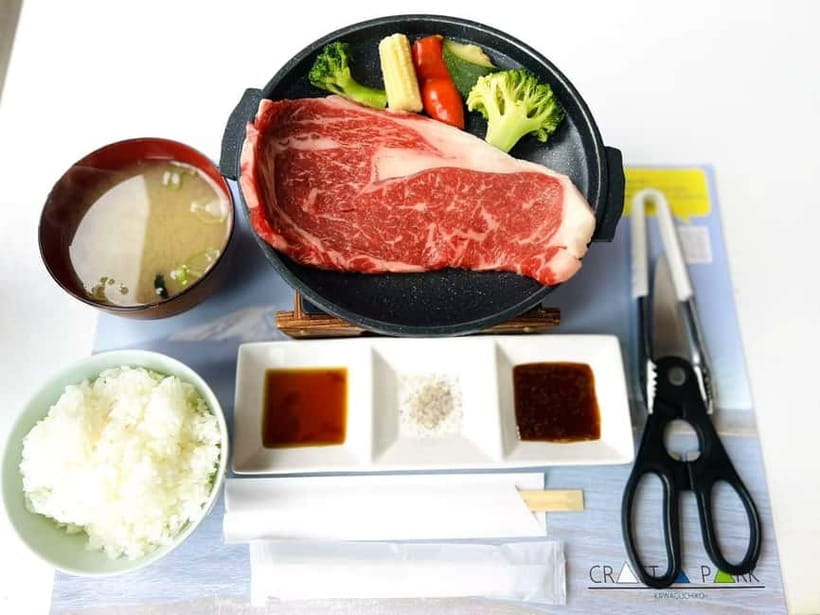
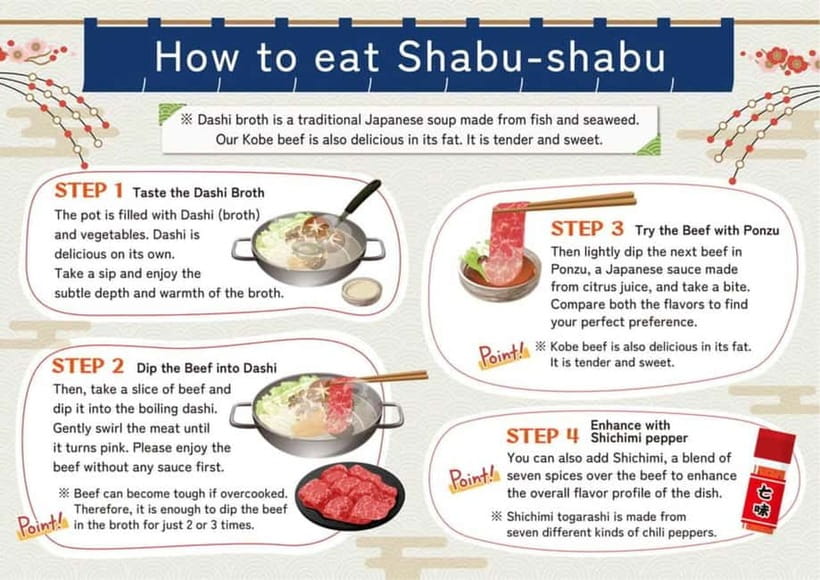
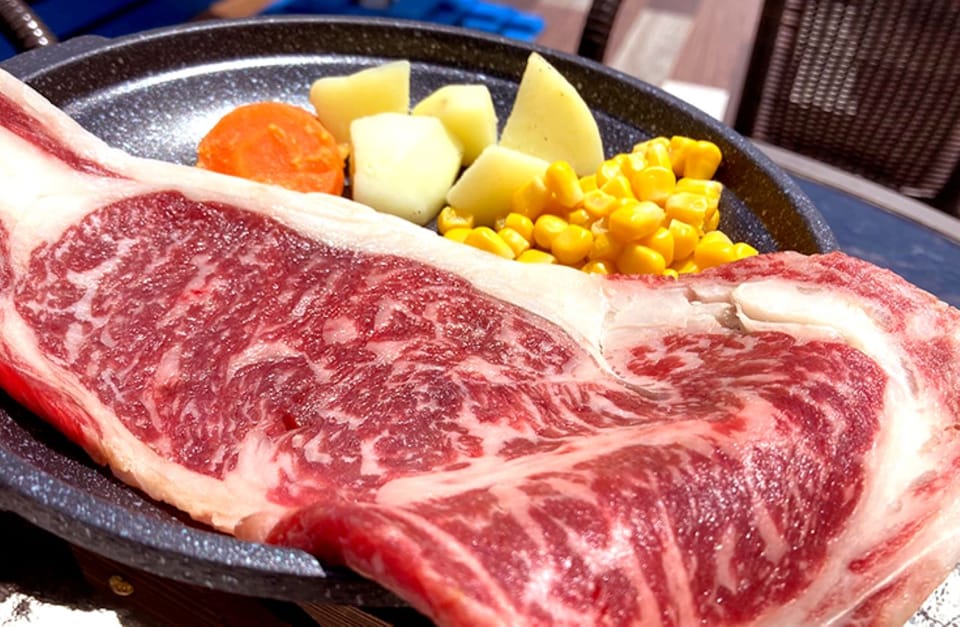
Lunch is one of the best reasons this stop is worth it. If you select the lunch option, you can choose among several local-style meals, including Kobe beef shabu-shabu made with A5-grade Japanese black Wagyu, Koshu wine beef steak (Wagyu raised on grapes in Yamanashi), or Houtou noodles, a local specialty simmered in miso broth with vegetables and chicken.
What I like about this is that the lunch isn’t generic. It’s tied to regional food, and the park has dining spaces and open-air seating where you can eat while taking in the Fuji views when visibility is good. You also get a well-stocked souvenir area with local specialties and limited-edition items.
If you’re traveling with someone who loves gifts and snacks as much as photos, this is where you’ll feel glad the tour includes time to browse instead of rushing straight to the next viewpoint.


Oishi Park: The Flower Road for Long Fuji Panoramas
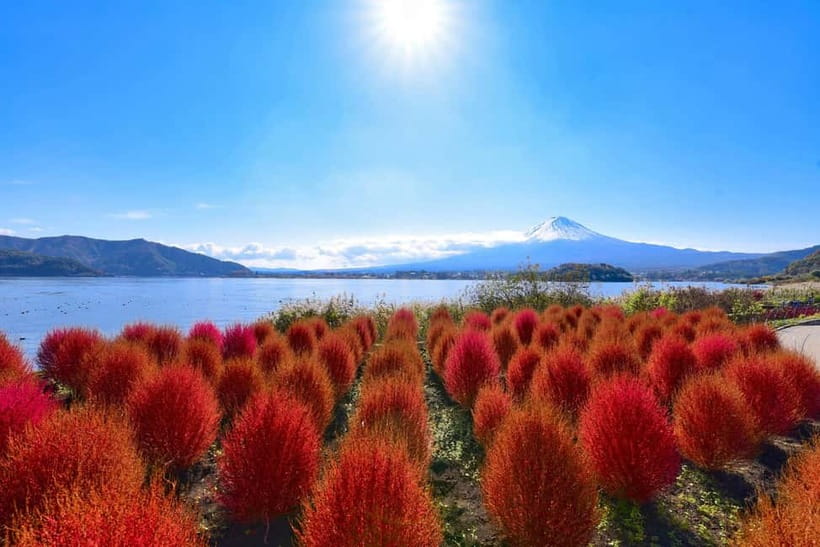
Oishi Park is all about wide views of Mount Fuji and Lake Kawaguchi. This is where the scenery stretches out, and you stop feeling like you’re fighting for the best camera angle. One highlight here is the 350-meter Flower Road, a lakeside stretch that changes with the season.
In spring, you can see tulips. In summer, lavender takes over. In autumn, kochia (broom grass) creates a soft, textural look. If your dates line up with the Kawaguchiko Herb Festival (late June to mid-July), you’ll be in the lavender season window, which is a dream backdrop when Fuji cooperates.
This stop is also short enough that it doesn’t dominate your day, but long enough for a calm wander. If you want one spot where your photos feel less crowded than the steepest viewpoints, this is it.
Saiko Iyashi-no-Sato Nenba: Thatched Roofs and Fuji in the Background
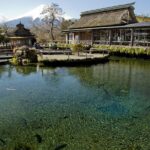
Next comes a different vibe: Saiko Iyashi-no-Sato Nenba, a restored traditional village by Lake Saiko. The houses are thatched-roof and styled like what you might recognize from other classic open-air villages in Japan, with around 20 houses used for craft studios, souvenir shops, and eateries.
This stop is a standout because it adds culture and play, not just views. You can dress in kimono or ninja outfits and take photos with Mount Fuji as the backdrop, which turns a scenic stop into an actual experience you’ll remember.
Seasonal changes are part of the fun here too: cherry blossoms and carp streamers in spring, lush greenery in summer, autumn leaves in fall, and snowy scenes in winter. It’s one of those places where even cloudy weather can still feel like you stepped into a storybook version of rural Japan.
If you’re the type who likes mixing famous landmarks with something more human-scale—crafts, photos, and village life—this is the best “break from the big-name viewing spots” on the whole day.
Weather Reality: How to Plan When Fuji Is Temperamental
Mount Fuji is famously moody. Even with a well-run day trip, the mountain can hide behind clouds. The good news is the tour is built for you either way: you’ll get multiple scenic frames, plus a village and craft park stops that still feel worthwhile when the sky doesn’t fully cooperate.
Practical move: pack for shifting weather. Bring layers, because you can be dealing with cool conditions near the lakes and then warmer sun in different pockets. Also, plan snacks and water timing—even if lunch is included in your option, the day is long and walking is real.
One small-but-important tip from rider experiences: a guide may remind you to fuel yourself, and it makes a difference if you’re sensitive to long gaps between meals.
Price and Value: Why $54 Works for This Kind of Day
At $54 per person for a 10-hour guided trip, you’re paying for a full day of logistics, not just sightseeing. The basics included are air-conditioned vehicle transportation, a tour guide, and entry tickets to Saiko Iyashi-no-Sato Nenba. Lunch is included only if you choose the lunch option.
That mix is what makes it feel like value. You’re not only buying access to one attraction—you’re getting transportation across several Fuji-area stops plus paid entry for the village, with a guide handling timing and meeting points.
And judging from the guide variety people report—like Omar, Koji, Eric, and George—it sounds like the experience improves when the guide is good at keeping you organized. A day like this is less about rushing and more about hitting the right windows, and that’s where the guide earns their keep.
Tour Pace and Logistics: Comfortable Bus, Tight Timing
The tour runs for 10 hours, and it can feel like a marathon even though you’re sitting much of the time. There are multiple stops with photo time, walking, and free time blocks. Some stops include set walking routes and steps, so comfortable shoes matter.
Also, the company uses traffic-aware timing. If the bus is delayed, stop times at attractions can be adjusted. That’s normal for the region, and it’s part of why guided planning beats trying to stitch together public transport on your own.
One more practical heads-up: different languages may be combined into the same vehicle depending on day conditions, and the coach size can change based on the group count. None of this is a problem; it just means you should be flexible.
Should You Book This Tokyo-to-Fuji Tour
Book it if you want an efficient day that covers the big Fuji hits without you having to plan between neighborhoods. It’s a strong choice for first-timers who want multiple Mt. Fuji angles and also care about food, crafts, and a village setting.
Skip it or think twice if you hate long days with lots of walking and you’re hoping to spend very slowly at one single viewpoint. People do mention wanting more time at certain Fuji lookouts, and with this kind of packed route, you’ll feel the tradeoff between “many places” and “deep time.”
If you want a practical rule: bring your patience, bring comfortable shoes, and go in ready to enjoy the whole day—even if Fuji plays hard to get.
FAQ
How long is the Tokyo to Mt. Fuji tour?
The duration is 10 hours.
What is the price per person?
The price is $54 per person.
What does the tour include?
It includes air-conditioned vehicle transportation, a tour guide, and entry tickets to Saiko Iyashi-no-Sato Nenba. Lunch is included only if you select the lunch option.
Is lunch included?
Lunch is included if you choose the option. The lunch choices listed include Kobe beef shabu-shabu, Koshu wine beef steak, or Houtou noodles.
What languages are the guides?
Live tour guidance is available in English and Chinese.
Where does the tour start and where does it end?
Starting locations can vary depending on the option booked, including the LOVE Robert Indiana area or the Kokuyo Tokyo Shinagawa office. The tour finishes at Shinjuku Station.
What happens if there is traffic?
If the bus is delayed due to traffic or other unexpected situations, the stop time at attractions will be adjusted.
Can I cancel for a full refund?
Yes. You can cancel up to 24 hours in advance for a full refund.