REVIEW · TOKYO
Tokyo: Sumo Show and Dining Experience
Book on GetYourGuide →Operated by 株式会社オーシャンズ · Bookable on GetYourGuide
Tokyo sumo is already intense. This one adds a lesson and a workout. At Tokyo Sumo Room, run by former Makuuchi wrestler Tokitsumi, you watch professional-style sumo up close, then you get guided into the action. I especially love the mix of short, clear sumo explanations with real ring participation, and I also like that the meal is built around what sumo wrestlers eat, not just an afterthought. One possible drawback: if you want a sit-back-and-watch-only show, you may find the hands-on moments (and the close seating) a bit more involved than you expected.
The venue itself feels like a working stable, not a theme park. The pace stays friendly, the host keeps things moving in English, and the wrestlers bring a steady stream of humor. Still, the experience is in a small room, so you should book early if you’re traveling during peak dates.
If you’re ready to trade quiet sightseeing for loud stomps, sweat, and a very human look at Japanese tradition, this is a great use of time in Tokyo.
In This Review
- Key things you’ll notice at Tokyo Sumo Room
- Kiyosumi-Shirakawa and why this sumo feels real
- The show flow: from rules to ring action in 90 minutes to 2 hours
- What you actually learn about sumo (beyond the basics)
- The hands-on part: how it works, what to wear, and what to expect
- Chanko-style dining: what’s included, and how to plan your meal
- Optional training: when you want more than the show
- Price and value: is $79 per person worth it?
- Who should book this, and who should think twice
- Quick decision: should you book Tokyo Sumo Room?
- FAQ
- Is a meal included with all show times?
- Do they offer vegetarian options?
- What should I bring?
- Is there an English-speaking instructor?
- Can I participate, or is it just watching?
- Is the venue wheelchair accessible?
Key things you’ll notice at Tokyo Sumo Room
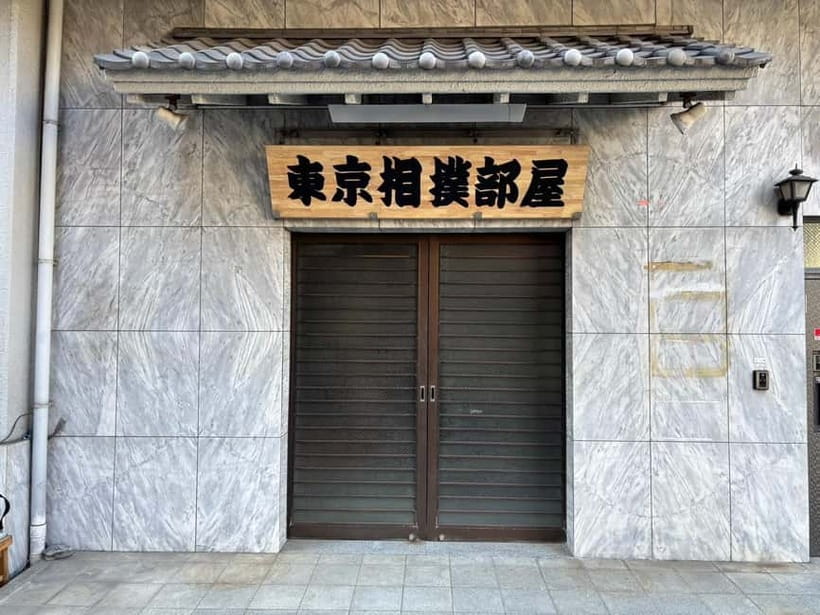
- A former Makuuchi wrestler’s stable-style show led by Tokitsumi’s team
- Up-close sumo where you can actually see footwork, timing, and power
- Hands-on audience participation if you want to step into the ring
- Chanko-style dining included for the 11:00 AM and 7:00 PM shows
- Small group energy that can feel personal (often around 8 people, with larger groups possible)
- Optional training experience if you want more than the show
Kiyosumi-Shirakawa and why this sumo feels real
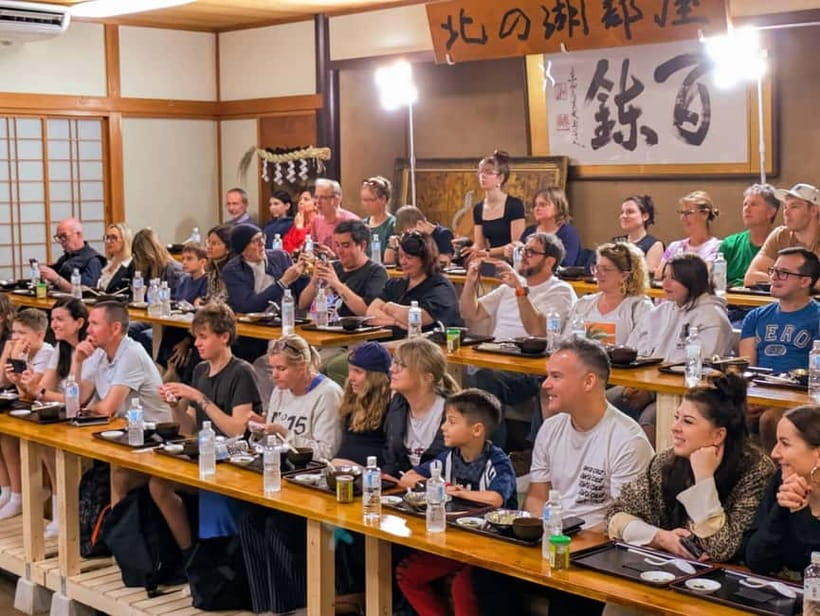
Tokyo Sumo Room takes place in Kiyosumi-Shirakawa, which is a practical choice if you’re trying to get away from the loudest tourist loops. The big idea is that you’re not just watching sumo from far away. You’re stepping into the culture around sumo—its rituals, its training habits, and the mindset behind that stubborn-looking training discipline.
The show is operated by Tokitsumi, a former Makuuchi wrestler. That matters, because it shapes the tone. This isn’t sumo as a costume. It’s sumo as something these people still respect, still understand, and still teach.
The room stays wheelchair accessible, and the experience is delivered in English. You’ll want comfortable shoes because this is not a “hold a program and clap” event.
You can also read our reviews of more tours and experiences in Tokyo.

The show flow: from rules to ring action in 90 minutes to 2 hours
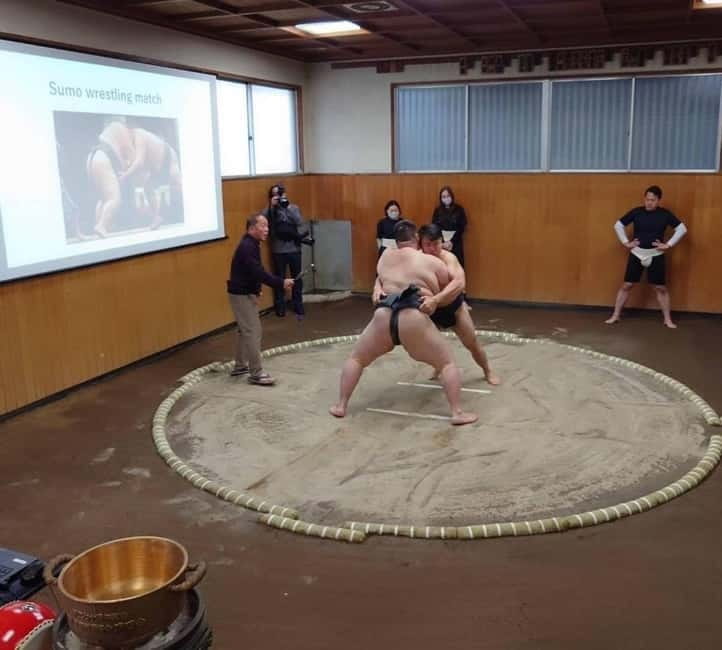
Most sessions run 90 minutes to 2 hours, and the rhythm is usually straightforward: a short sumo education, a performance, then audience participation. The host gives you an overview of how sumo works and what you’re seeing, with enough detail to help you watch smarter.
Then you get the on-the-mat part. You’ll see professional-style matches or match-like moments staged for the group, with emphasis on the power and timing that define the sport. Expect intensity up close. When two wrestlers collide, it’s not subtle.
After that, the fun part: if you opt in, you get to participate. In multiple sessions, people were paired into small bouts or playful competitions with retired rikishi. You’re not expected to be good at sumo. You’re expected to try, laugh, and learn what the wrestlers mean when they talk about balance and leverage.
Also: the group size can be small, with some nights around 8 people, though it can be larger (up to about 20 in the space). That changes the feel. Smaller groups mean more attention and more chances to interact.
What you actually learn about sumo (beyond the basics)
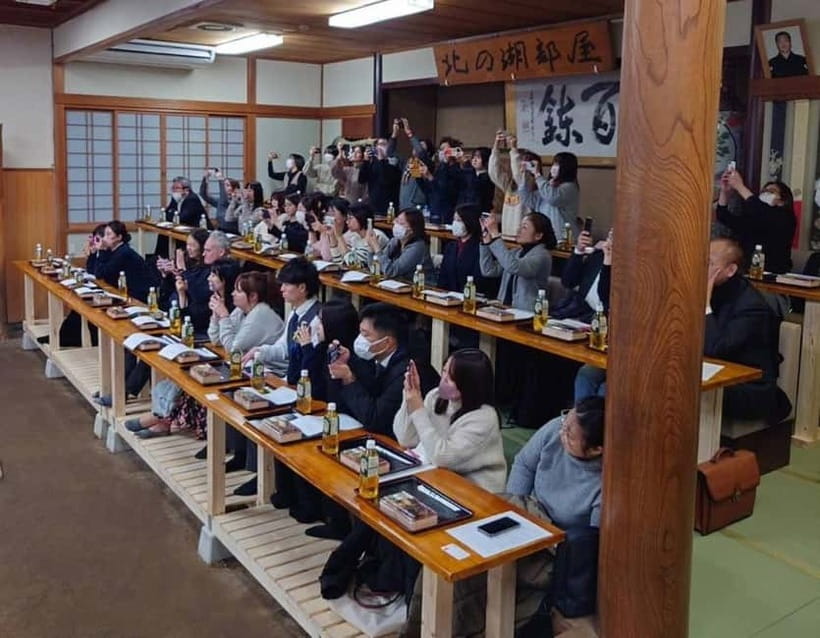
A lot of sumo explanations are too vague. Here, the teaching is built to make the performance make sense. You’ll hear about traditions and rules—things like what the wrestlers do before and during bouts, and why those rituals matter.
The host also keeps things practical: you learn what to watch for. Where is the weight going? How do the hands and feet set up the next move? Why does stamina look like it wins fights even when the bodies are still fresh?
Then the biggest teacher is your own body. When you try to move with a wrestler, you quickly understand strength ratios. In the ring, you feel how much athletic power and footwork drive balance. Several people noted the effort and the fact that the mawashi feels more manageable than you’d guess, but the athletes are way stronger than they look from the stands.
And yes, humor shows up. A lot. The wrestlers and staff use light banter and crowd interaction to keep it upbeat, even when the training mindset is serious.
The hands-on part: how it works, what to wear, and what to expect
This is one of the strongest reasons to pick Tokyo Sumo Room over a purely observational show. If you want to participate, you’ll get guidance from the host and the rikishi during the ring moments. The staff help you figure out what to do and how to do it safely for the size of the ring and the energy of the room.
You’ll want to bring comfortable shoes. Even if you’re only in the ring for a short burst, you’ll be moving around more than you’d expect. Most people also bring a camera.
What about clothing? You’ll typically be wearing the event’s sumo gear for the participation moments. Several guests said the mawashi isn’t as uncomfortable as they feared. Still, it’s a close-contact sport, so if you have any strong clothing sensitivities, keep that in mind.
One more real-life detail: some guests reported that the staff help with practical things like charging phones and recording the bouts. That’s not something you should bank on every time, but it fits the overall vibe: they try to make it easy for you to leave with memories.
Chanko-style dining: what’s included, and how to plan your meal
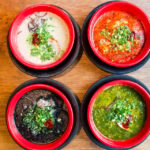
Tokyo Sumo Room pairs the show with Japanese food built around sumo culture. The meal often connects to chankonabe, the hot pot associated with wrestlers. You’ll see seasonal items and hearty dishes meant to match the heavy-energy theme.
Here’s the key scheduling detail: the Japanese cuisine is included when you choose the 11:00 AM show and the 7:00 PM show. For the 3:00 PM show, there is no meal plan included.
So before you book, think about your Tokyo schedule. If you want food folded into the experience, pick 11:00 AM or 7:00 PM. If you’re already set on an early lunch and just want sumo, the 3:00 PM option can work well since you won’t be forced into a meal plan.
Vegetarian guests should know that vegetarian options are available upon request and can also be modified on the day of your visit. That’s a big plus if you’re traveling with dietary restrictions.



Optional training: when you want more than the show
If the standard show still leaves you hungry for more, there’s an optional authentic sumo training experience guided by rikishi. The word here is guided. It’s not just a pep talk. You’re learning training-style movement and technique from people who lived it.
This part is best for two types of people. First, true sumo nerds who want more than rules and a brief ring bout. Second, active travelers who like the idea of structured physical practice, not just watching others do it.
If you’re traveling with kids, this can be a high-energy add-on, as long as everyone in your group is comfortable participating. Some families really enjoyed the combination of food, learning, and trying the sport themselves.
Price and value: is $79 per person worth it?
At $79 per person for 90 minutes to 2 hours, this is not a cheap Tokyo dinner. But it’s also not just a paid seat for a performance. You’re buying three things at once: instruction, live show energy, and the chance to step into the ring with coaching.
That bundle is where the value comes from. You could spend similar money on a standard show plus a separate meal, and you’d still be stuck watching from the edge of the ring. Here, the core experience leans hands-on, and the meal ties directly into the sumo lifestyle theme.
Meal coverage can also change perceived value. If you pick 11:00 AM or 7:00 PM, your ticket includes Japanese cuisine. If you pick 3:00 PM, you’re paying for the show without the included meal, so your value math depends on whether you planned to eat nearby anyway.
My practical take: if you’re the type who likes to learn by doing, this price usually feels fair. If you only want a quiet, hands-off cultural show, you might feel like you’re paying for participation you didn’t ask for.
Who should book this, and who should think twice
I’d book Tokyo Sumo Room if you want a first-timer-friendly introduction to sumo that doesn’t stay theoretical. The English explanations help you follow what’s happening. The ring participation makes it memorable in a physical, not just visual, way.
It also fits groups because the staff attention is personal even when the room is larger. Families often do well here since everyone can participate or at least watch in close quarters.
Think twice if you’re looking for low-activity entertainment. This isn’t a museum. You’ll be moving, reacting, and reacting to prompts from the host.
Also, consider your food plan. If you choose 3:00 PM, you’ll need to handle lunch or dinner elsewhere since no meal plan is included for that session.
Quick decision: should you book Tokyo Sumo Room?
If you want sumo that feels close enough to understand it, and you’re open to playful ring participation, I’d say yes. It’s a rare mix of instruction and action in one place, run by former rikishi, with a meal theme that actually matches the sport.
If you hate the idea of getting involved, you can still enjoy the show, but your ticket will likely feel more expensive than it should. In that case, look at your comfort level with audience participation before you book.
FAQ
Is a meal included with all show times?
No. Japanese cuisine is included for the 11:00 AM show and the 7:00 PM show. For the 3:00 PM show, no meal plan is available.
Do they offer vegetarian options?
Yes. Vegetarian options are available upon request, and they can also be modified on the day of your visit.
What should I bring?
Bring comfortable shoes and a camera.
Is there an English-speaking instructor?
Yes. The instructor speaks English.
Can I participate, or is it just watching?
There is audience participation in the ring as part of the experience, and authentic sumo training is also available as an optional add-on.
Is the venue wheelchair accessible?
Yes, the venue is wheelchair accessible.