REVIEW · KABUKICHO
Tokyo: Samurai Restaurant Show Ticket with 2 Drinks
Book on GetYourGuide →Operated by Samurai restaurant · Bookable on GetYourGuide
Tokyo’s Samurai Restaurant is a sensory hit: samurai and ninja performers, neon stage effects, and a room-scale production that feels bigger than the ticket. I especially like that you get a show-focused evening (not a long dinner) and you can choose two drinks to help set the mood right away. It’s also staged right in Shinjuku’s Kabukicho area, so the energy of the neighborhood matches what happens on stage.
My only caution: the music and sound design can get very loud, and the stage is close, so bring earplugs if you’re sensitive. Also note it’s 18+ only, since the show experience includes alcohol options and minors can’t enter.
In This Review
- Quick hits before you go
- Where the Samurai Restaurant is in Tokyo (and what the area feels like)
- Ticket value: Why $55 feels fair for a 90-minute production
- The venue interior: where the building becomes part of the show
- What happens during the performance (samurai, ninja, and nonstop stage changes)
- Loud music reality check (and the earplug tip that actually helps)
- Drinks, snacks, and souvenirs: how to plan your spending
- Intermissions: why they feel frequent (and how to use them)
- Staff and English support: what “host or greeter” means in practice
- Practical rules you must follow (so you don’t get turned away)
- Who this Tokyo samurai show is best for (and who should skip it)
- Should you book the Tokyo Samurai Restaurant show?
- FAQ
- How long is the Samurai Restaurant show?
- Where do I check in?
- Is this show only for adults?
- What is included with the ticket price?
- Can I bring sunglasses or a professional camera?
- What happens if I arrive late?
- Can I cancel if plans change?
Quick hits before you go
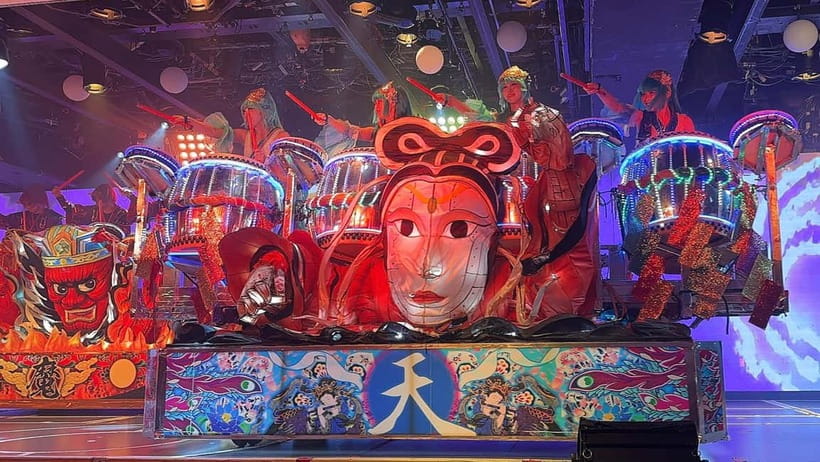
- Kabukicho, Shinjuku location: easy to find in a very lively entertainment district
- 2 drinks included: alcoholic or non-alcoholic, chosen at the show
- Neon + sound effects: expect major sensory stimulation
- Samurai and ninja set pieces: fast-paced acts with quick scene changes
- Intermissions happen: you’ll have chances to settle in and reset
- Strong venue design: the interior was built as a major visual part of the experience
Where the Samurai Restaurant is in Tokyo (and what the area feels like)
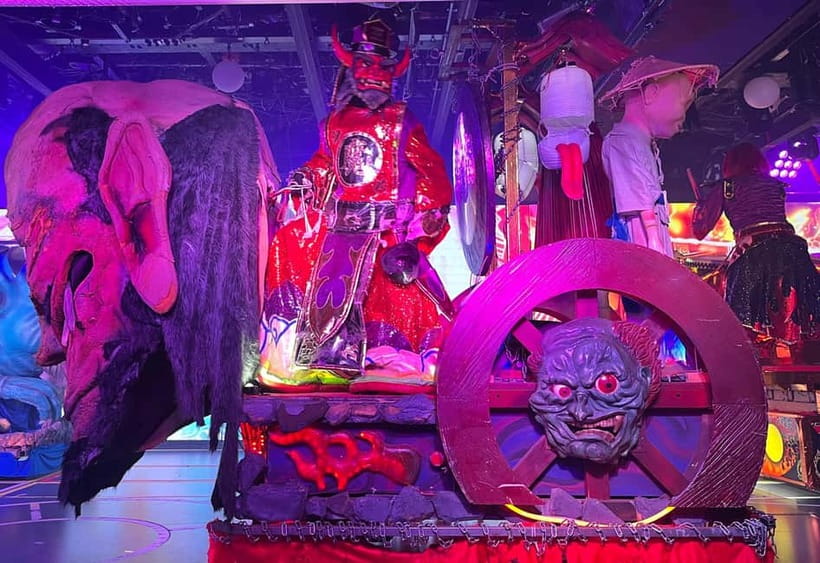
The Samurai Restaurant sits in Kabukicho, Shinjuku, one of Tokyo’s most famous nightlife zones. If you’ve ever pictured Tokyo after dark, this is where that picture comes from: neon streets, packed sidewalks, and lots of people out for entertainment.
That matters because the show’s style matches the neighborhood. You’re not walking into a calm theater with soft lighting and polite conversation. You’re stepping into a full-on Tokyo night scene, then trading the street noise for stage noise that’s just as intense.
For meeting, plan to go to the reception desk inside the entrance of the Samurai Restaurant. Arrive with enough time to get checked in and seated without rushing.
You can also read our reviews of more tours and experiences in Kabukicho.

Ticket value: Why $55 feels fair for a 90-minute production
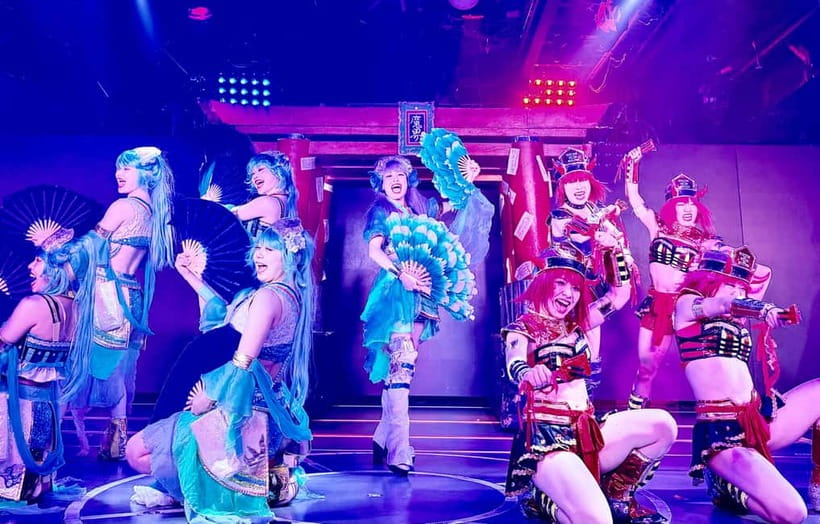
At $55 per person, this isn’t the cheapest activity in Tokyo. But it does include two drinks, and it’s built around a high-impact stage production rather than a basic performance.
Here’s how that value adds up:
- You’re buying convenience: your show entry and drink choice are part of the same ticket.
- You’re paying for production scale: the venue’s interior and stage effects are part of the experience, not just a background.
- Time efficiency matters: the activity runs about 90 minutes, so you’re not sacrificing half a day.
If you tend to think of Tokyo shows as expensive, this one may still click because it’s designed to feel like a complete night out in under two hours. It’s also a solid pick if you want something different from museums and temples.
The venue interior: where the building becomes part of the show
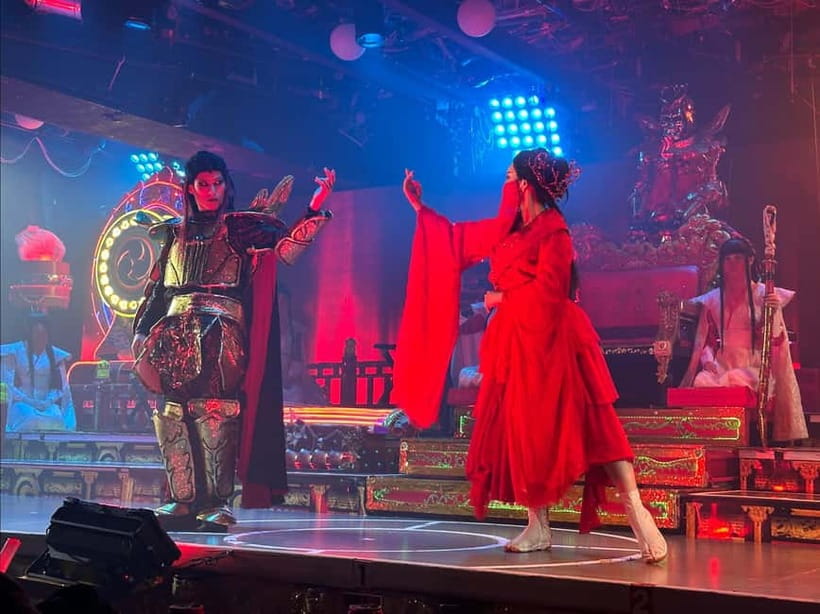
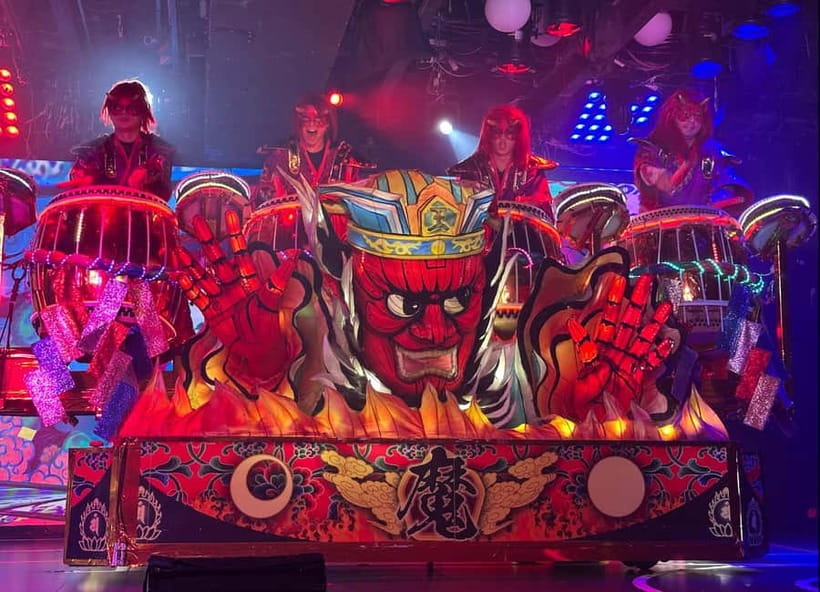
One big reason people love the Samurai Restaurant is the setting itself. The interior is created as an attraction, not just a room where a show happens.
This is the type of place where you should take a few minutes to look around before the action starts. The venue is known for being elaborate, and the overall design helps explain why the experience feels so “big” even when you’re seated inside a theater-style space.
Also, the interior’s purpose is practical: it gives you something to do and see during the pre-show setup and any intermission moments. You’re not stuck staring at the same wall while the next act gets ready.
What happens during the performance (samurai, ninja, and nonstop stage changes)
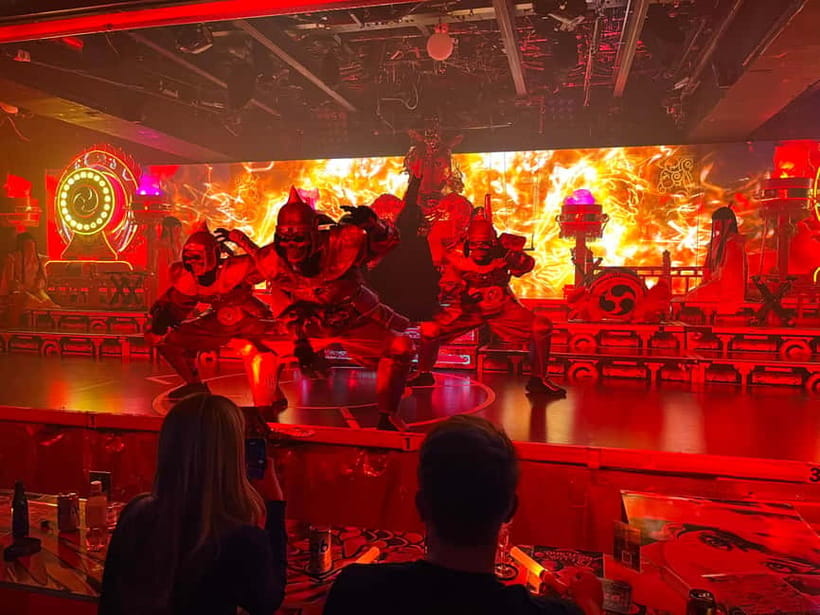
The show is built around samurai and ninja performances supported by neon lighting and heavy sound design. The pacing is quick, with acts separated by short breaks while the production changes scenes and effects.
That quick rhythm is part of why the experience works. You’re not waiting through long dialogue segments. You’re watching movement, choreography, and stage theatrics that keep your attention on the next visual.
The acts also include a strong entertainment layer beyond strict “historical reenactment.” Think more performance art and action spectacle than a museum lecture. If you like costumes, dramatic staging, and high-energy movement, this is right up your alley.
Two extra details from the show’s atmosphere:
- The show can feel like sensory overload in the best way, with color and sound coming fast.
- The stage is close enough that the volume is noticeable, which is why earplugs come up in many experiences.
Loud music reality check (and the earplug tip that actually helps)
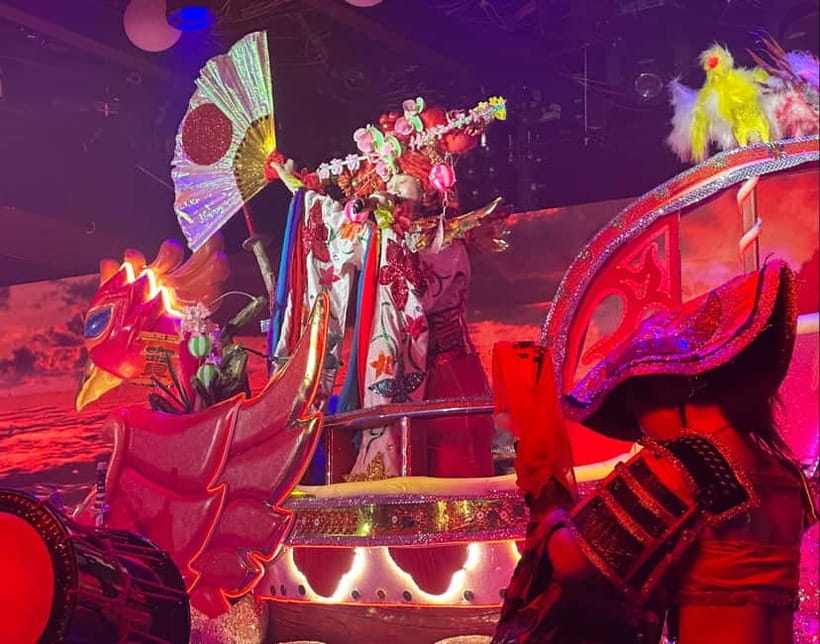
This is the one practical downside to plan for. The soundtrack and effects can get extremely loud, and the stage setup keeps you right in the middle of it.
If you’re even slightly worried about hearing, do yourself a favor and bring earplugs. One clear tip that keeps popping up is that earplugs can make a huge difference without ruining the fun.
You don’t need to avoid the show because of sound. You just need to prepare, especially if you plan to keep your night going after.
Drinks, snacks, and souvenirs: how to plan your spending
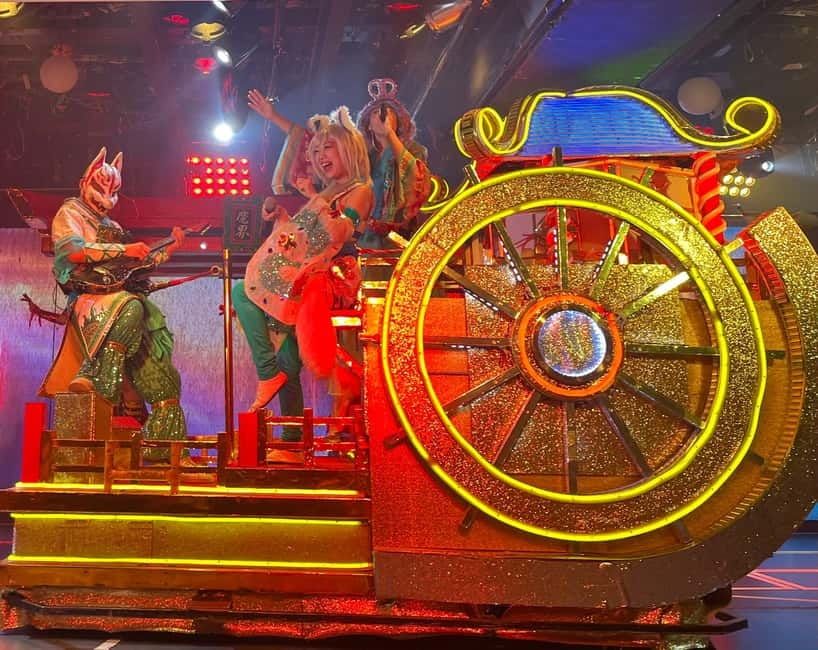
Your ticket includes two drinks of your choice (alcoholic or non-alcoholic). That’s a real benefit because it turns the show into a guided night out rather than a strict ticket-only experience.
Food is not included with the ticket. That said, you can purchase snacks during the evening. Many people describe the available food as snack-style, and you can also find options like popcorn mentioned as part of the in-venue choices.
Two ways to plan smart:
- Eat beforehand or plan to have a small meal after. This isn’t a full dinner.
- Set a snack budget if you want to try things like popcorn or other small bites.
There are also souvenirs and take-home items inside the venue. If you like practical memorabilia from short Tokyo nights, this is where you’ll likely spend a bit more.
Intermissions: why they feel frequent (and how to use them)
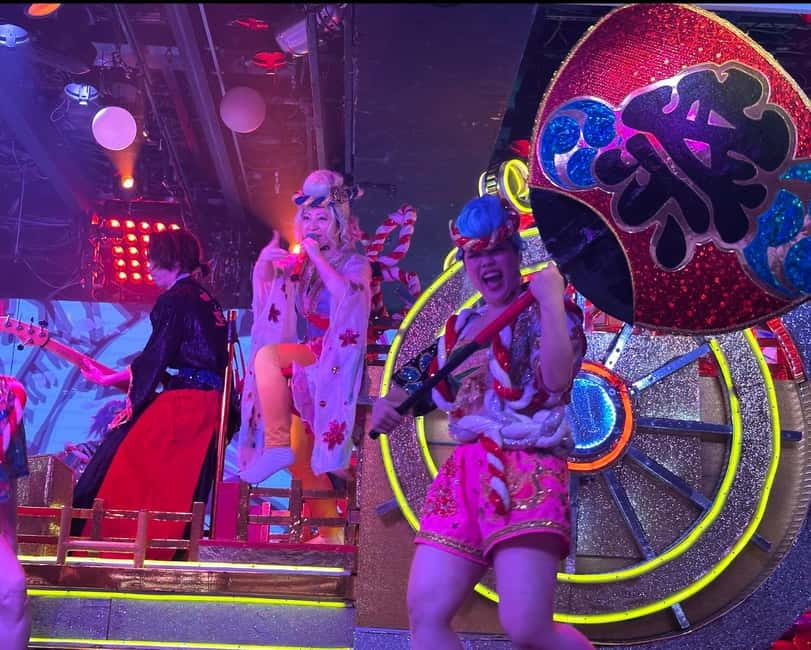
Expect short intermissions between acts. The production needs time for changes in stage elements, and those breaks also give you a chance to reset.
What you should do during intermission:
- Hydrate if you’re drinking.
- Walk around briefly to see more of the interior design.
- Use the moment to check your phone settings or take photos without blocking anyone.
Intermissions are also when the vibe ramps up again. Staff and hosts help keep energy moving, so the downtime doesn’t feel dead.
Staff and English support: what “host or greeter” means in practice
The experience includes English-speaking support, described as a host or greeter. In plain terms, this means you’ll have help when you arrive and when you’re figuring out where to go next.
I also saw mentions of specific staff members like Kushiro, who helped keep things lively during crowd moments. Another booking note referenced a helpful English-speaking guide named Shahid, going above and beyond to keep someone comfortable and reduce stress during the day.
Even if you don’t get the same staff, the key takeaway is consistent: the team seems focused on keeping visitors comfortable and the show rolling.
Practical rules you must follow (so you don’t get turned away)
Before you go, read the rules closely. They’re strict enough that it’s worth planning your outfit and packing decisions.
What to bring:
- A passport or ID card. A copy is accepted.
What’s not allowed:
- Sunglasses
- Food and drinks from outside
- Intoxication
- Professional cameras
- Wearing a costume (cosplay)
Late arrival:
- If you’re late for the show time, you’ll need to wait to be seated until the intermission.
These rules affect your day more than you might think. For example, if you show up with sunglasses, you may have to adjust fast. If you’re carrying a camera, you need to understand what counts as professional.
Who this Tokyo samurai show is best for (and who should skip it)
This show isn’t built for everyone. It’s not suitable for children under 18, and the environment is aimed at adult entertainment.
You’ll likely love it if you:
- Want a high-energy Tokyo night that moves fast
- Like costumes, action performance, and neon-style stage effects
- Want something easy to fit into your itinerary without a full dinner commitment
- Travel as a group and want a shared spectacle
You may want to think twice if you:
- Are sensitive to loud sound (plan earplugs)
- Prefer quieter, calmer cultural experiences
- Need a fully family-friendly venue (this one is 18+ only)
Also, if your trip is short and you want one “Tokyo after dark” activity, this is a strong candidate.
Should you book the Tokyo Samurai Restaurant show?
I’d book it if you want a memorable Tokyo experience that feels like a night show first and a “history-themed performance” second. The combination of the neon stage production, the close-quarters energy, and the included two drinks makes it good value for what you get in your 90-minute window.
Skip it only if sound levels are a dealbreaker for you or if the 18+ nature doesn’t work with your travel group. Otherwise, it’s the kind of spectacle that turns a regular evening into a story you’ll remember.
If you’re deciding between a quiet cultural stop and this, choose based on your mood. Tokyo has room for both, and this one is for when you want motion, color, and stage impact.
FAQ
How long is the Samurai Restaurant show?
The experience duration is listed as 90 minutes, and the ticket is described as a 2-hour show ticket.
Where do I check in?
Reception is inside the entrance of the Samurai Restaurant.
Is this show only for adults?
Yes. Children under 18 cannot enter.
What is included with the ticket price?
Your ticket includes the samurai show ticket and 2 drinks (alcoholic or non-alcoholic) of your choice.
Can I bring sunglasses or a professional camera?
Sunglasses are not allowed, and professional cameras are not allowed.
What happens if I arrive late?
If you are late for the show time, you need to wait to be seated until the intermission.
Can I cancel if plans change?
Yes. Free cancellation is available up to 24 hours in advance for a full refund.