REVIEW · JEJU
Jeju Island English Private & Flexible Tour any number anywhere
Book on Viator →Operated by JEJU TAXI TOUR JOHN · Bookable on Viator
Jeju feels like two islands at once—especially with Mt. Halla. This private, English-friendly tour is built for flexible routing and real-world timing, with pickup and drop-off and a guide who can steer your day toward what you actually want to see.
I like that you’re not stuck on a bus schedule: you can shape the route around your group and even talk through changes face-to-face. I also like that the experience can focus on major nature and heritage highlights, including UNESCO sites like Manjanggul Cave and Sungsan Sunrise Peak when you go east. A key consideration: entrance fees and lunch are on you, and English ability can vary by guide.
In This Review
- Key things to know before you book
- Price and what $230 really buys you
- How the flexible tour actually works in the real world
- Choosing East, South, or West: the smart way to plan 8 hours
- East-side highlights: Manjanggul Cave and Sungsan Sunrise Peak
- South-side highlights: waterfalls, cliffs, and Osulloc green tea
- West-side highlights: Aewol café street, Gwakji Beach, Geo Park, Sanbang, Yongmeri
- Your guide matters: English, pacing, and photo help
- Lunch and local food: how to handle the not-included part
- What entrance fees look like, and how to budget them
- Pickup zones, timing, and what to bring
- How much Jeju can you fit into one day?
- Who should book this Jeju private English tour
- Should you book? My call
- FAQ
- How long is the tour?
- What’s the price and group size?
- Is this a private tour?
- Is pickup and drop-off included?
- Are attraction entrance fees included?
- Is lunch included?
- Can I choose which part of Jeju to see?
- What if an attraction is closed?
- Is Mt. Halla included?
- What about baby seats and cancellation?
Key things to know before you book
- Private pickup/drop-off from select Jeju locations, so you start sightseeing faster
- Pick east, south, or west to match your interests and your energy level
- Entrance fees are extra (government-run attractions run about $1.5–$3 per person)
- Weather-aware routing is part of the game on Jeju, since conditions change by direction
- Guides bring real personality (I’ve seen everything from quiet precision to talkative storytelling)
- One day is a taste, not the whole island—to truly cover Jeju well takes around 3 days
Price and what $230 really buys you
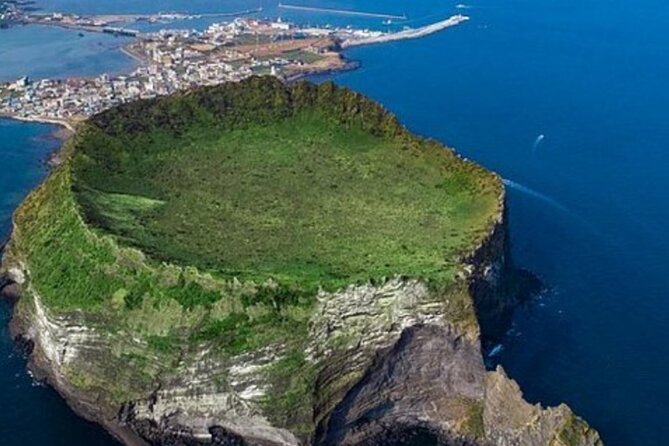
This is $230 per group for up to 4 people for about 8 hours. That pricing matters because you’re paying for private movement around Jeju, not just a list of stops. When you split it among a family, a couple, or a small group, it can start to look efficient compared to juggling taxis and timed tickets.
What’s included is practical: fuel, parking, and car insurance. What’s not included is also practical: entrance fees (usually small amounts per attraction) and lunch. So if your budget is tight, you’ll want to plan which attractions you care about most and accept that a “cheap day” in Jeju still includes a few paid entries.
How the flexible tour actually works in the real world
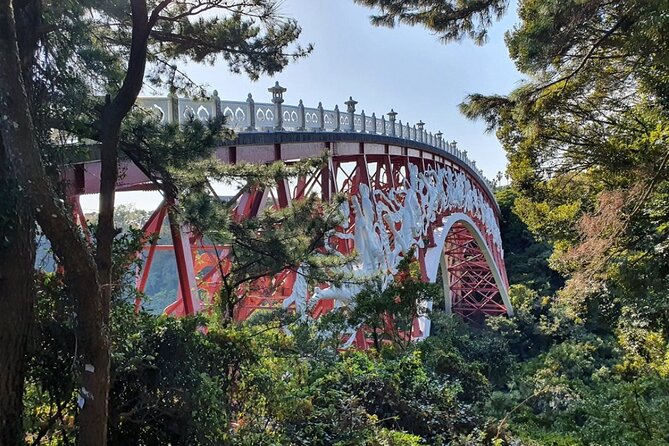
The tour is private, which means the day isn’t built around “everyone stand here at once.” Your guide can adjust the flow based on your interests, how long you linger at viewpoints, and what’s realistic with weather. In Jeju, that matters because it can rain in one area and be bright a few miles away, partly due to the big influence of Mt. Halla.
You’ll also have a local conversation about what to prioritize. On tour day, you can discuss your itinerary and tweak it in person. If you’re staying multiple days, you can book more than one day and keep building the island plan instead of cramming everything into a single whirlwind.
One more detail that helps: several guides use WhatsApp-style communication before you start, which makes pickup timing and expectations easier.
Choosing East, South, or West: the smart way to plan 8 hours
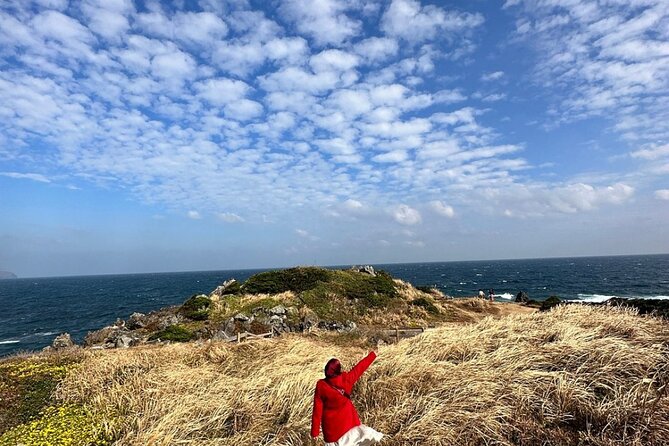
Jeju is too spread out for a “see it all” mindset. The tour is designed around choosing a side of the island, which is exactly what you should do if you want your day to feel good, not frantic.
- East side tends to pair nature + sea views + UNESCO heritage.
- South side leans into dramatic coastlines, waterfalls/cliffs, and the green-tea culture around Osulloc.
- West side often feels more café-and-coast friendly, with famous beaches and rock-and-sea scenery.
In other words: you pick a mood first, then the highlights click into place.
East-side highlights: Manjanggul Cave and Sungsan Sunrise Peak
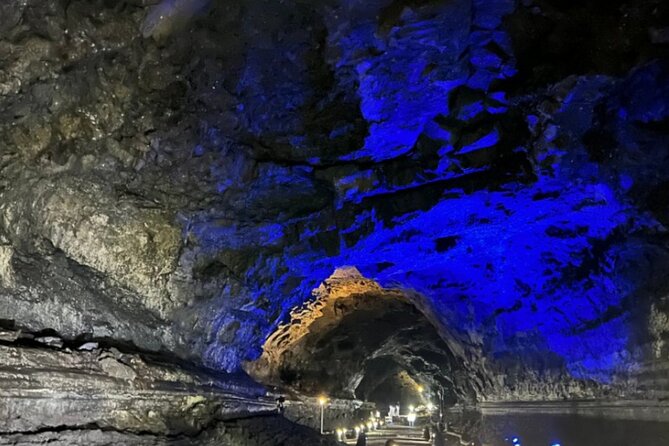
If you choose the east course, you’re in range for two UNESCO sights: Manjanggul Cave and Sungsan Sunrise Peak. These are the kind of places where the “why it matters” explanation helps. A good guide will connect the dots between geology, sea-driven weather, and Jeju’s long history of living with nature.
What you should expect:
- Manjanggul Cave is about natural formations and the feeling of stepping into a different world.
- Sungsan Sunrise Peak gives you one of Jeju’s signature viewpoints, and sunrise is the famous idea—though even later in the day, it’s usually worth the drive.
A practical note: access can change. For example, Manjanggul Cave has been reported as closed for renovation, and in that case you might get an alternate coastal stop such as Seopjikoji Beach instead. You’ll want to be flexible in your planning and trust your guide’s substitution.
East-side additions you may request or get offered depending on timing:
- Seopjikoji Beach as an alternative if Manjanggul is closed
- A stop tied to sea-diver culture, such as the Sea Woman diver’s village and museum
- Beach time like Kimnyung Beach and Woljeong Beach when the schedule allows
- Photo-friendly stops that can include filming-location spots (some guides have worked in locations tied to Korean dramas, like Welcome to Samdalri)
South-side highlights: waterfalls, cliffs, and Osulloc green tea
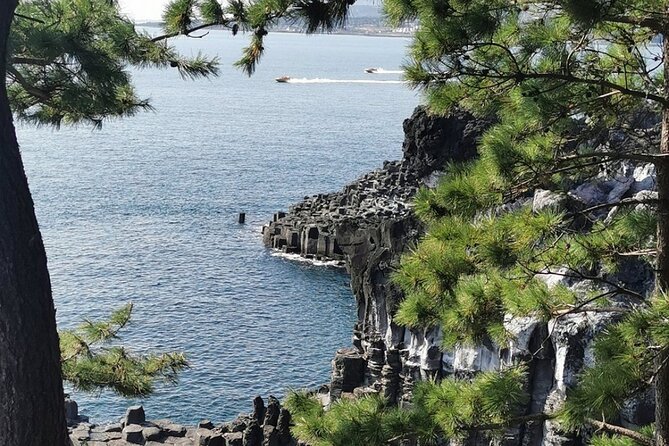
The south course is where Jeju leans dramatic. The core promise is waterfalls and cliffs plus the Osulloc Green Tea field. If your idea of Jeju is “wind + views + a slower pace with a break for tea,” this side fits.
What you should expect:
- Short drives between scenic zones, with viewpoints that reward stopping rather than rushing through
- Water-focused sights (some are season- and weather-dependent)
- Osulloc as a change of pace—green tea culture, relaxed grounds, and a chance to reset before you get back in the car
Drawback to know up front: “South” can mean a bit more exposure to coastal wind and quick changes in conditions. Pack layers and treat the schedule like a flexible suggestion, not a strict checklist.
West-side highlights: Aewol café street, Gwakji Beach, Geo Park, Sanbang, Yongmeri
The west course has a different vibe: cafés, beach time, and rock formations where the ocean does the talking.
Key stops you can plan around:
- Aewol café street for an easy, stop-and-browse feel
- Gwakji Beach plus the Geo Park area (great when you want “nature facts” without hiking a ton)
- Sanbang and Yongmeri coast, which are all about sea cliffs and dramatic coastal scenery
If you’re the type who enjoys quick photo stops and short walks between them, this side often feels the most relaxed. It’s also the kind of route that works well if you’re traveling with mixed interests—someone wants a beach break, someone else wants scenic overlooks, and everybody gets something.
Your guide matters: English, pacing, and photo help
This is a private tour, so the guide’s style can shape the day a lot. In practice, you might get:
- A talkier guide who explains the background at each stop
- A quieter guide who prioritizes smooth logistics and safe driving
- A guide who’s great with photos and timing, including pro-level “get the shot” tips
Some guides named in the experience include:
- John (frequently praised for tailoring days and providing historical context)
- Ken (noted for being a strong driver and for photography help, sometimes described as very adaptable)
- Steve (often described as a Jeju native with history and culture stories)
- Harrison (noted for smooth organization and clear communication)
- James, Jay, Hamee, Mr. Cho (each mentioned for flexible service and/or reliable driving)
One thing to keep in mind: even when the tour is marketed as English-friendly, the amount of spoken English at each moment can vary by guide. If you care a lot about commentary, I’d recommend sending your “must-ask” topics in advance (WhatsApp-style messages help in some cases) so your guide can hit those points.
Lunch and local food: how to handle the not-included part
Lunch isn’t included, so you’re paying for meals yourself. That’s actually a good setup for authenticity because your guide can recommend restaurants based on what day you’re on and where you are.
I’ve seen guides steer people to sit-down local spots, including abalone restaurants and places for grilled black pork and seafood. The pattern is simple: rather than sending you back to a tourist zone, the guide usually tries to fit a meal into the route so you don’t lose time.
Practical tip: tell your guide any dietary limits before you go, because Jeju food can be very meat/sea-focused depending on the area. Then you’ll get fewer surprises at lunch.
What entrance fees look like, and how to budget them
Entrance fees for government-run attractions usually run about $1.5–$3 per person per site. Admission tickets aren’t included in the tour price, so your total day cost will depend on how many paid stops you choose.
If you’re budget-minded, you can do a “high-value” strategy:
- Choose 1–2 paid attractions you really care about
- Keep the rest of the day focused on viewpoints, beaches, and coastal stops that don’t require extra tickets
Also note: some experiences may not run exactly as you expect if a site is closed for renovation. Your guide should offer replacements, especially when the main attraction isn’t available.
Pickup zones, timing, and what to bring
Pickup is offered at select Jeju locations. If you’re outside Jeju City, the info is clear: you should choose the remote pickup version of the product. This avoids the annoying situation where you end up needing to solve transportation on your own right at the start.
Other practical points:
- The tour lasts about 8 hours
- It’s near public transportation, but private pickup is the point
- You’ll pay for meals and any extra entrance fees
- If you have motion sickness, you should avoid Mt. Halla (it’s specifically mentioned as something to skip)
- You may want comfortable shoes, since even short trails and seaside paths can add up
- Baby seats cost an additional $20 if you need them
How much Jeju can you fit into one day?
Here’s the honest math: Jeju is big. A single day is great for one side of the island. To see the whole island properly, plan on about 3 days.
That doesn’t mean you should skip this tour if you have only 8 hours. It means you should choose the side that matches your goals:
- Want UNESCO + beaches + sea-diver culture? East is a strong pick.
- Want cliff drama + waterfalls + green tea? South will feel right.
- Want beach + cafés + rock coast? West is often the easiest-breath route.
If your schedule is tight, book one day for one side and use a second or third day to cover what you couldn’t fit.
Who should book this Jeju private English tour
Book it if you want:
- A private day with pickup and drop-off
- Flexibility when weather changes
- A guide who can adjust pace and routing around your group
- Major nature and heritage stops without the hassle of piecing everything together
You might skip it if:
- You want lunch and all attraction costs fully included in the price
- You need a super chatty guide no matter what (English level can vary by driver/guide)
- You’re planning to include Mt. Halla while dealing with motion sickness
Should you book? My call
Yes, I’d book it if your top priority is a calm, customized Jeju day. The combination of private transport, the option to pick an island side, and the guide’s ability to adjust when conditions shift is exactly what makes Jeju enjoyable instead of stressful.
The smart move is to plan your side (east, south, or west) around your interests, then let your guide fill in the timing. Budget a little extra for entrance fees and lunch, and you’ll end up with a day that feels like Jeju—not like a checklist.
FAQ
How long is the tour?
It’s about 8 hours.
What’s the price and group size?
It’s $230 per group for up to 4 people.
Is this a private tour?
Yes. Only your group will participate.
Is pickup and drop-off included?
Pickup and drop-off are offered at select Jeju locations.
Are attraction entrance fees included?
No. Entrance fees for government-run attractions are not included and are typically about $1.5–$3 per person.
Is lunch included?
No. You pay for your own meals and beverages.
Can I choose which part of Jeju to see?
Yes. You can choose an east, south, or west course based on what you want to see.
What if an attraction is closed?
Your guide may offer alternatives if a key attraction is not available, such as when Manjanggul Cave is closed for renovation.
Is Mt. Halla included?
Mt. Halla should not be included if you have motion sickness problems.
What about baby seats and cancellation?
Baby seats cost an additional $20. Free cancellation is available if you cancel at least 24 hours in advance for a full refund.