REVIEW · NEW DELHI
3-Days Private Golden Triangle Tour: Delhi, Agra & Jaipur by Car
Book on Viator →Operated by Keeper Landwey · Bookable on Viator
Delhi, Agra, Jaipur in three days. That kind of speed can work when logistics are handled. I like this tour for its private car with chauffeur and site-by-site guidance, so you spend your energy on monuments, not on navigation.
I also like the small-but-smart add-ons that make the day feel easier, like the tuk-tuk ride in Old Delhi and the battery van at the Taj Mahal. One thing to watch: monument entrance fees are listed separately as about $70 per person, and Taj Mahal closures can affect timing because it is closed every Friday.
If you care about story quality and photo angles, the guide lineup looks strong. In Agra, I’ve seen guides such as Saurabh and Maahi praised for clear explanations and crowd-smart pacing, and in Jaipur, names like Arham and Kissor come up as guides who help you get the best views without wasting time. You can also customize the trip and upgrade hotel levels (3-, 4-, or 5-star), which is handy if your pace or comfort needs differ.
In This Review
- Key things I’d mark on your itinerary
- Why the Golden Triangle fits in 3 days
- Day 1 in Delhi: Qutub Minar, Lotus Temple, Humayun’s Tomb, and Old Delhi
- Qutub Minar first: the big UNESCO opener
- Lotus Temple: a calm counterpoint
- Mughal Delhi passes by: Red Fort, Lutyens New Delhi, Parliament
- Agrasen Ki Baoli: the stepwell stop you don’t expect
- Humayun’s Tomb: garden-tomb grand scale
- Connaught Place food break: practical and timed
- Old Delhi core: Chandni Chowk, Jama Masjid, Khari Baoli
- End of day: drive to Agra, drop at your hotel
- Day 2 in Agra: Taj Mahal at sunrise, Agra Fort, and the Baby Taj
- Sunrise Taj Mahal: why the schedule matters
- Agra Fort: power and architecture in one place
- Itmad-ud-Daula: the Baby Taj payoff
- Lunch break time in Agra
- Drive to Jaipur and hotel drop
- Day 3 in Jaipur: Jaigarh Fort, Hawa Mahal, City Palace, and Jantar Mantar
- Jaigarh Fort first: views over the Aravalli hills
- Hawa Mahal: the photo icon with 953 windows
- City Palace: the seat of the Maharaja
- Jal Mahal: the lake-palace break
- Food stop: quick local guidance
- Jantar Mantar: UNESCO observatory
- Back to Delhi (or Jaipur airport drop)
- Guides, photos, and the difference between a tour and a plan
- Price and logistics: what feels like value, and what needs checking
- Where this tour fits you best
- Should you book this Golden Triangle by car tour?
- FAQ
- What does the tour include in the price?
- Are monument entrance fees included?
- What time is pickup in Delhi?
- Does the tour include the Taj Mahal sunrise?
- Is the Taj Mahal open every day?
- What if I travel on a Thursday?
- Are there extra costs for late December?
Key things I’d mark on your itinerary
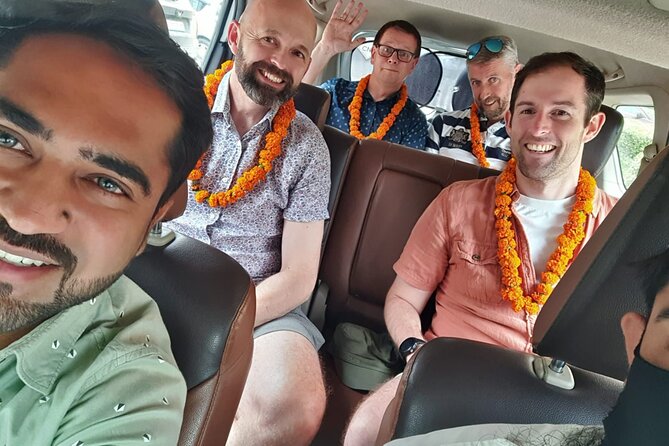
- Private car, private guides: You get the Golden Triangle flow without group-speed decisions.
- Taj Mahal sunrise timing: A big early-morning slot that fits the 3-day window.
- Old Delhi comfort boosts: A tuk-tuk ride plus short, targeted market time.
- Taj Mahal battery van ride: It reduces walking from parking to the gate.
- Big mix of sites in each city: UNESCO stops plus classic markets and forts.
- Flexible pickup and hotel upgrades: Choose pickup timing (7 AM to 11 AM) and adjust hotel category.
Why the Golden Triangle fits in 3 days

The Golden Triangle is famous for a reason: Delhi gives you imperial-era layers, Agra brings the Taj Mahal moment, and Jaipur delivers Rajput-era style. Compressing all three into about 3 days is intense, but it’s doable when you’re not spending hours haggling, waiting, or sorting out transport.
This tour’s core value is that it assigns you a private, air-conditioned car with a chauffeur and pairs that with government-approved local guides. That matters more than people think. In places like Old Delhi and the Taj area, small schedule choices affect how crowded it feels and how smooth your photos come out.
You’re also not stuck with a rigid script. The operator says the tour can be customized, and there’s an option to upgrade hotels from 3- to 5-star. If your priority is more time at one site (or less time at another), this structure gives you a way to make that call.
You can also read our reviews of more tours and experiences in New Delhi.



Day 1 in Delhi: Qutub Minar, Lotus Temple, Humayun’s Tomb, and Old Delhi
Your Delhi day starts with a pick-up window between 7 AM and 11 AM, with pickup offered from Delhi, Noida, Gurugram, Ghaziabad, and Faridabad. Then the plan moves from Delhi’s major landmarks into Old Delhi’s chaos, but in a controlled order.
Qutub Minar first: the big UNESCO opener
You begin at Qutub Minar, the UNESCO site built in 1193 under Qutub-ud-din Aibak. It’s the kind of stop that sets the tone. You get an immediate sense of how early monumental architecture in India still looks modern today, especially when you’re standing close and noticing the carvings.
Note the practical detail: Qutub Minar lists admission as not included, so treat this as one of the monument stops you’ll likely pay for on top of the base price.
Lotus Temple: a calm counterpoint
Next is the Lotus Temple, completed in 1986, designed in a flower-like shape as a Bahá’í House of Worship. This stop works because it’s a breather. After the first stone-and-history impression, you get clean lines, space to slow down, and a different kind of landmark energy.
Mughal Delhi passes by: Red Fort, Lutyens New Delhi, Parliament
The itinerary includes pass-by viewing for major sights like Red Fort (built by Shah Jahan between 1639 and 1648), the Tomb of the Unknown Soldier with names of 13,300 Indian servicemen, and the planned government-area architecture credited to Sir Edwin Lutyens and Herbert Baker. You also pass by Parliament House.
These are “see it from the car” stops, so they’re not where you’ll spend an hour. But they’re useful for getting your bearings fast, especially if it’s your first time in Delhi. If you want deeper time in any one of these, this is one area where customization can help.






Agrasen Ki Baoli: the stepwell stop you don’t expect
Then comes Agrasen ki Baoli, an ancient stepwell in the city center. It’s known for its striking shape and that spooky, legend-friendly mood people associate with old wells. It’s short, usually low-pressure, and it feels very Delhi in the best way: historic structure tucked into an active urban setting.
Humayun’s Tomb: garden-tomb grand scale
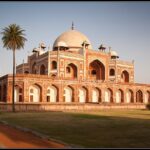
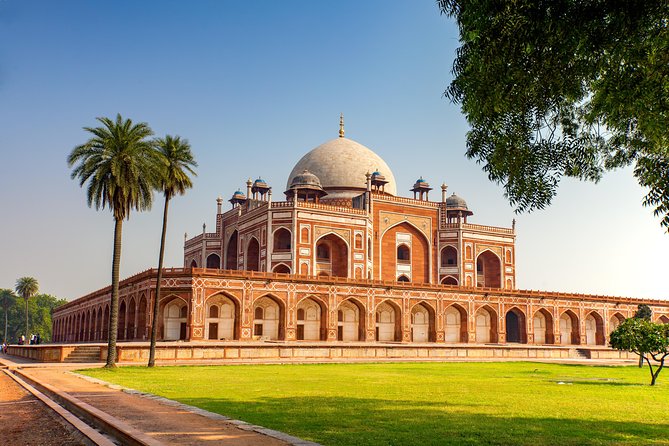
You also visit Humayun’s Tomb, a UNESCO World Heritage Site and described as India’s first garden tomb. Expect Mughal architecture details and that symmetrical “designed for viewing” feel. Admission is listed as not included, so plan for a paid entry there.
Connaught Place food break: practical and timed
You get a 45-minute break at Block-B Connaught Place where your guide recommends restaurants and local-food options. I like this mid-day setup because it’s not a random stop. It’s positioned when your feet start to argue with your plans.
Old Delhi core: Chandni Chowk, Jama Masjid, Khari Baoli
The rest of the day hits Old Delhi in focused chunks:
- Chandni Chowk for about an hour, known for spices, dry fruits, silver jewelry, and saris.
- Jama Masjid, India’s largest mosque, built in 1656 with a large courtyard area. Admission is not included.
- Khari Baoli, described as Asia’s largest wholesale spice market.
Old Delhi can feel like sensory overload. The upside of this tour format is that you don’t stay too long in one lane. You get enough time to experience the place, then you move on with the day still intact.
Also included is a tuk-tuk ride in Old Delhi. That small transport choice can be the difference between enjoying the market and spending the whole afternoon stuck in traffic.
End of day: drive to Agra, drop at your hotel
After Delhi sightseeing, you’re driven to Agra and dropped at your hotel to rest and reset for Day 2. That’s a smart pacing choice. You’ll want your energy for sunrise.
Day 2 in Agra: Taj Mahal at sunrise, Agra Fort, and the Baby Taj
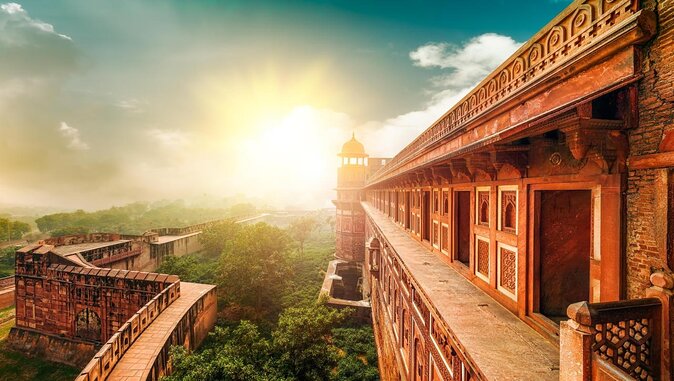
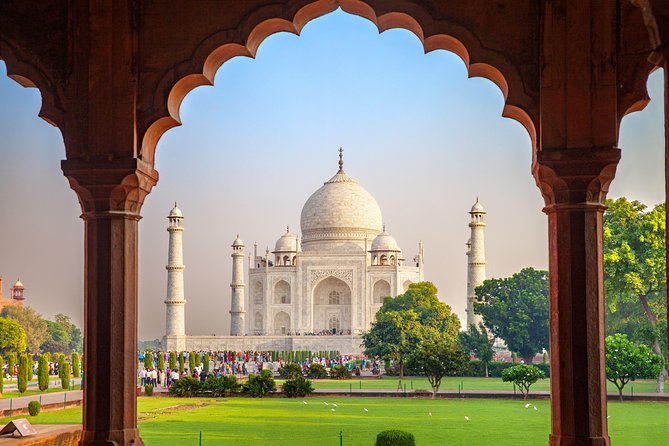
Agra day is built around the main event: the Taj Mahal at sunrise. The itinerary calls for an early morning visit to the white marble mausoleum Shah Jahan built in 1630 for Mumtaz Mahal. If you only do one thing in Agra, this is it.
Sunrise Taj Mahal: why the schedule matters
Sunrise isn’t just romantic. It’s practical:
- Less crowd pressure than later in the day
- Softer light for photos
- Cooler morning temps for walking
Taj Mahal is listed as admission not included, so again: this is likely one of your paid entries on top of the base cost. One more critical timing note: Taj Mahal is closed every Friday. If your travel dates land on a Friday, that’s a big decision point for your plan.
Agra Fort: power and architecture in one place
After the Taj, you go to Agra Fort, a UNESCO site built in the 17th century. It’s described as a blend of Indian and Islamic architectural styles, with courtyards, palaces, and pavilions. Admission is not included here too.
This stop adds context: the Taj is love and legacy. Agra Fort is rule and control. Together, they help you understand why the Mughal era built monuments at this scale.
Itmad-ud-Daula: the Baby Taj payoff
Then there’s Itmad-ud-Daula, often called the Baby Taj. The itinerary notes it’s the first Mughal monument built entirely from white marble and known for pietra dura inlay work. It’s smaller than the Taj, but that’s the point. It can feel calmer, and the details are easier to appreciate.
Lunch break time in Agra
You also pause for Agra local cuisine with restaurant recommendations from your guide. It’s listed as a 45-minute stop, so this isn’t a full sit-down tour meal. But it helps you avoid the trap of grabbing random food with no idea what you’re ordering.
Drive to Jaipur and hotel drop
At the end of the day, you’re transported to Jaipur and dropped at your pre-booked hotel for an overnight stay.
Day 3 in Jaipur: Jaigarh Fort, Hawa Mahal, City Palace, and Jantar Mantar
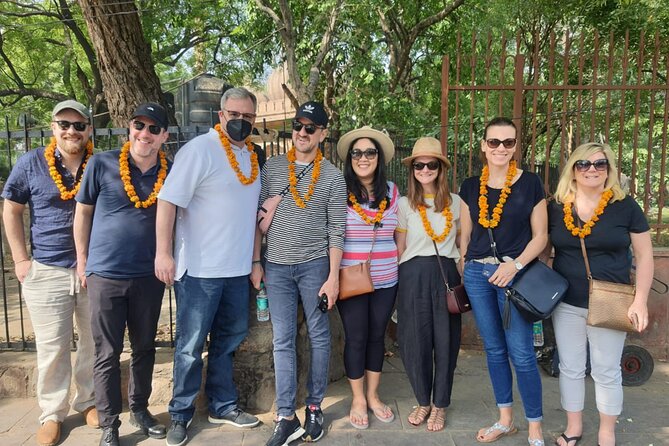
Jaipur day shifts from Mughal monuments to Rajput showmanship. You get a mix of forts, palaces, and the geometric science of Jantar Mantar.
Jaigarh Fort first: views over the Aravalli hills
You start at Jaigarh Fort, built in 1726 by Maharaja Sawai Jai Singh II and perched on the Aravalli hills. Admission is not included. The value of going first is simple: cooler temps and fewer crowds.
This fort stop also gives you scale. Jaipur wasn’t just built for beauty. It was built for defense, authority, and controlling movement.
Hawa Mahal: the photo icon with 953 windows
Next is the Hawa Mahal – Palace of Wind, famous for 953 small windows (jharokhas) and latticework. Built in 1799 from red and pink sandstone, it was designed so royal women could observe street life from behind the scenes. Admission is listed as free, so it’s a low-cost way to hit a signature Jaipur shape.
City Palace: the seat of the Maharaja
Then the City Palace of Jaipur, in the heart of the city. This stop is about courtyards, gardens, and palace buildings that were once the seat of the Maharaja. Admission is not included and the itinerary estimates about an hour.
If you like architecture that’s part museum and part living compound, this is your best “slow down and look closely” moment of the day.
Jal Mahal: the lake-palace break
Next is Jal Mahal, a 17th-century palace in Man Sagar Lake. Admission is listed as free and time is about 30 minutes. Even if you don’t go inside, it’s the kind of scene that gives your brain a break from walls and forts.
Food stop: quick local guidance
A 45-minute break follows for Jaipur local cuisine, with restaurant suggestions from your guide. This is the part of the tour that keeps it realistic. When you’re walking all day, good food beats “perfect food story” every time.
Jantar Mantar: UNESCO observatory
You finish with Jantar Mantar, a UNESCO World Heritage Site and one of the best-preserved ancient observatories in India. Built by Maharaja Sawai Jai Singh II, it’s based on measurement and astronomy through architecture and instruments. Admission is not included.
It’s a fitting close to the trip. Delhi and Agra tell you about empire. Jaipur shows you how empire also built systems for time, sky, and science.
Back to Delhi (or Jaipur airport drop)
After sightseeing, you drive back to Delhi. There’s also an option to drop at Jaipur Airport if your flight timing needs it.
Guides, photos, and the difference between a tour and a plan
The biggest payoff here is how the tour is built around private local guides. That means you can ask questions, adjust pacing, and focus your attention. And the guide examples in the feedback are practical, not just “nice people.”
In Agra, names like Saurabh and Maahi show up with praise for clear explanations at the Taj and Baby Taj, and for using photo angles and timing. Arham is mentioned for wide knowledge and photo-friendly planning, plus flexibility during the day. Guides also get credit for moving through crowds without turning your day into a stress test, which is exactly what you want in the Taj area.
In Jaipur, Kissor is singled out for in-depth site guidance and for taking you to the best viewing areas, and Brajesh is praised for turning the city’s story into an enjoyable walkthrough.
You should still go in with realistic expectations: the itinerary is packed, and some admissions are extra. But a good guide can make a tight schedule feel like it has breathing room.
Price and logistics: what feels like value, and what needs checking
The base price is $127 per person for about 3 days by private car. That’s not just transport. You’re also paying for:
- Private chauffeur and air-conditioned car
- Hotel/airport pick-up and drop-off in Delhi, Agra, and Jaipur
- Sightseeing with private local guides
- Two nights of accommodation if you pick the hotel option (with breakfast)
- Tuk-tuk ride in Old Delhi
- Battery van ride at the Taj Mahal from parking to the gate
- Parking, tolls, fuel, taxes, and service charges
- Bottled mineral water during journeys
- A mobile ticket system
Now the part you must budget: the tour lists Entrance Fees to Monuments as not included at about $70 per person, and it also lists gratuities/tips as not included. Also, your entrance fee bundle might depend on which monuments you enter on paid tickets versus the ones marked free in the itinerary, so I’d ask for a clear breakdown before you go.
Finally, two timing flags:
- Taj Mahal is closed every Friday
- If you start on a Thursday, the plan note says your second day will be in Jaipur (meaning the order shifts)
If your dates include December 24 or 31, the operator states those are hotel blackout dates and a mandatory gala dinner is required with an additional $99 per person if you book accommodations then.
Where this tour fits you best
This is a strong choice if:
- You want the Golden Triangle highlights without managing vehicles and timing yourself
- You like private guidance and a focused route
- You care about sunrise Taj timing
- You’d rather pay for convenience than spend hours planning
It’s less ideal if:
- You want a super slow pace and deep stays in fewer sites
- You don’t want to deal with extra monument entry costs on top of the base price
- Your trip lands on a Friday and you’re fixated on Taj Mahal that day
Also, this is a private tour/activity, so it’s your group only. Car size depends on group size (sedan up to 2 people, wagon for 3–5, van for larger groups), which helps keep everyone together.
Should you book this Golden Triangle by car tour?
I’d book it if you want a clean, efficient route through Delhi, Agra, and Jaipur with private guides and a few smart comfort add-ons like the tuk-tuk and Taj battery van. The value is strongest when you factor in the chauffeur, guide time, and hotel nights, then treat the monument fees as a separate budget line.
Before you confirm, do two quick checks: (1) confirm how the $70 per person monument entrance fees applies to the exact stops you’ll enter, and (2) verify your dates around the Friday Taj closure. If those line up, this is an easy way to see the icons without turning your trip into a logistics project.
FAQ
What does the tour include in the price?
The tour includes a private air-conditioned car with chauffeur, hotel/airport pick-up and drop-off in Delhi, Agra, and Jaipur, sightseeing with private government-approved local guides, tuk-tuk ride in Old Delhi, battery van ride at the Taj Mahal from parking to gate, bottled mineral water during journeys, and all parking fees/tolls/fuel/taxes/service charges. It also includes breakfast for two days when booked with the hotel option. Entrance fees to monuments and gratuities are not included.
Are monument entrance fees included?
Entrance Fees to Monuments are listed as not included at about $70 per person. Some items in the itinerary are marked free, so I recommend double-checking which specific entrances you’ll pay for based on your dates and stops.
What time is pickup in Delhi?
Pickup in Delhi (and nearby cities like Noida, Gurugram, Ghaziabad, and Faridabad) is offered between 7 AM and 11 AM. You can choose any pick-up time within that window.
Does the tour include the Taj Mahal sunrise?
Yes. Day 2 is set up for an early morning sunrise visit to the Taj Mahal.
Is the Taj Mahal open every day?
No. The Taj Mahal is closed every Friday.
What if I travel on a Thursday?
There is a note that if you start the tour on Thursday, your second day will be in Jaipur.
Are there extra costs for late December?
Yes. On December 24 and December 31, the dates are treated as hotel blackout dates, and a mandatory gala dinner is required. The additional cost listed is $99 per person if you book accommodations for those dates.